Part 45 |
Data Analytics, Artificial Intelligence, and Business Intelligence in Apparel ERP Systems |
1. Introduction to Data-Driven Apparel Enterprise Management |
1.1 Digital Transformation of the Apparel Industry |
1.1.1 |
The apparel industry has entered a highly data-driven operational era characterized by: |
* Omni-channel retailing |
* Global supply chain networks |
* Fast-changing fashion trends |
* E-commerce expansion |
* Consumer personalization |
* Real-time inventory management |

|
1.1.2 |
Modern apparel enterprises generate massive volumes of operational data involving: |
* Sales transactions |
* Production activities |
* Customer behavior |
* Inventory movement |
* Supplier performance |
* Logistics coordination |
1.1.3 |
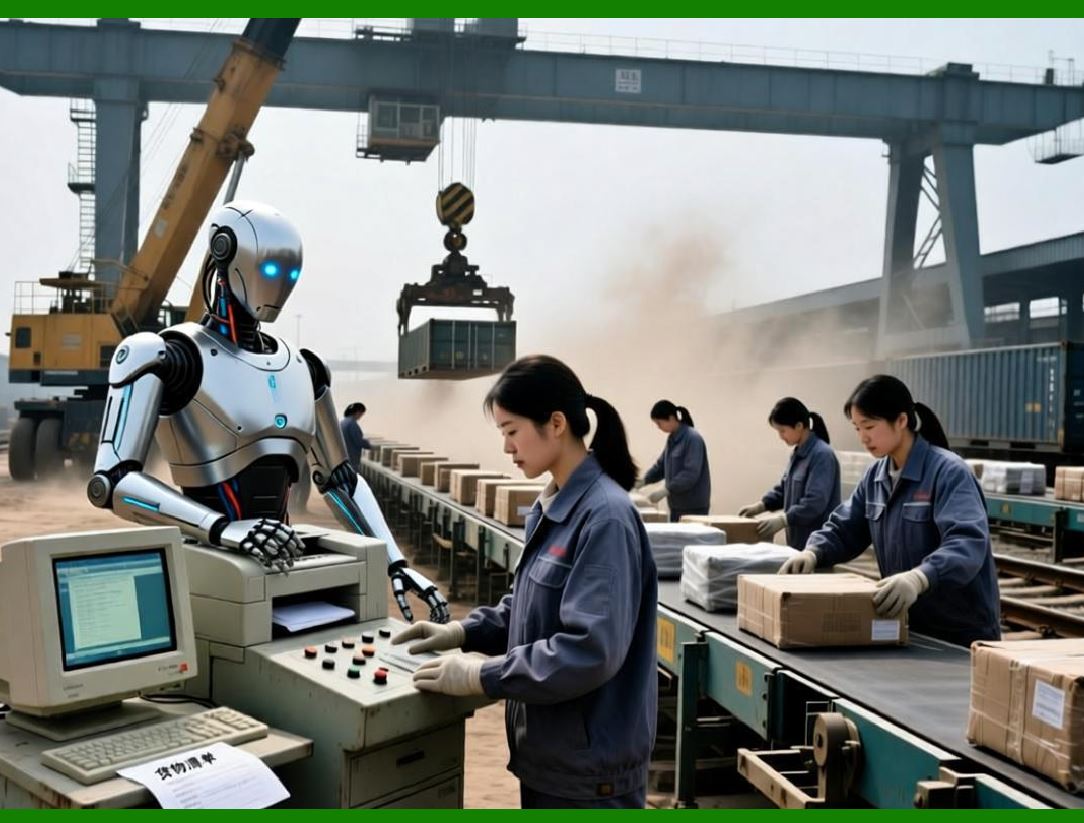
ERP systems function as centralized enterprise data platforms integrating: |
* Operational databases |
* Financial systems |
* Supply chain coordination |
* Retail analytics |
* Manufacturing monitoring |
* Customer intelligence |
|
1.1.4 |
Without advanced analytics and AI integration, apparel enterprises frequently encounter: |
* Poor forecasting accuracy |
* Slow decision-making |
* Inventory inefficiencies |
* Weak market responsiveness |
* Limited operational visibility |
1.1.5 |
Modern ERP systems therefore play a critical role in enabling intelligent, predictive, and data-driven enterprise management. |

|
2. Importance of Data Analytics in Apparel ERP Systems |
2.1 Real-Time Operational Visibility |
2.1.1 |
Apparel enterprises require real-time visibility involving: |
* Inventory availability |
* Production progress |
* Sales performance |
* Logistics status |
* Supplier operations |
2.1.2 |
ERP analytics dashboards centralize operational information across departments. |
2.1.3 |
Real-time visibility improves operational responsiveness and decision-making accuracy. |
2.2 Data-Driven Strategic Planning |
2.2.1 |
ERP systems support strategic planning involving: |
* Market forecasting |
* Product planning |
* Financial analysis |
* Retail expansion |
* Supply chain optimization |
2.2.2 |
Data-driven planning improves long-term competitiveness and operational efficiency. |

|
3. Business Intelligence (BI) in Apparel ERP Systems |
3.1 Centralized Business Intelligence Platforms |
3.1.1 |
ERP-integrated BI systems consolidate enterprise data involving: |
* Sales statistics |
* Production KPIs |
* Inventory metrics |
* Customer analytics |
* Financial performance |
3.1.2 |
Centralized reporting improves cross-functional visibility and management coordination. |
3.2 Executive Dashboard Systems |
3.2.1 |
ERP dashboards provide: |
* Revenue monitoring |
* Inventory turnover analysis |
* Profitability tracking |
* Production efficiency reports |
3.2.2 |
Executive visibility improves operational governance and strategic responsiveness. |

|
4. Sales and Retail Analytics |
4.1 Product Sales Performance Analysis |
4.1.1 |
ERP systems analyze: |
* Best-selling products |
* Slow-moving inventory |
* Seasonal demand patterns |
* Regional sales performance |
4.1.2 |
Sales analytics improve merchandising and replenishment planning. |
4.2 Omni-Channel Retail Analytics |
4.2.1 |
Apparel enterprises increasingly operate across: |
* Retail stores |
* E-commerce websites |
* Marketplaces |
* Social commerce channels |
4.2.2 |
ERP systems consolidate omni-channel sales data and customer behavior analytics. |
4.2.3 |
Integrated analytics improve retail coordination and customer experience management. |

|
5. Inventory Analytics and Forecasting |
5.1 Inventory Optimization Analytics |
5.1.1 |
ERP systems analyze: |
* Inventory turnover |
* Aging stock |
* Sell-through rates |
* Replenishment efficiency |
5.1.2 |
Inventory analytics improve stock balancing and financial efficiency. |
5.2 Predictive Demand Forecasting |
5.2.1 |
ERP systems increasingly use AI to forecast: |
* Seasonal demand |
* Product popularity |
* Regional purchasing trends |
* Promotional sales performance |
5.2.2 |
Predictive forecasting improves production planning and inventory allocation. |
|
6. Production and Manufacturing Analytics |
6.1 Manufacturing Performance Monitoring |
6.1.1 |
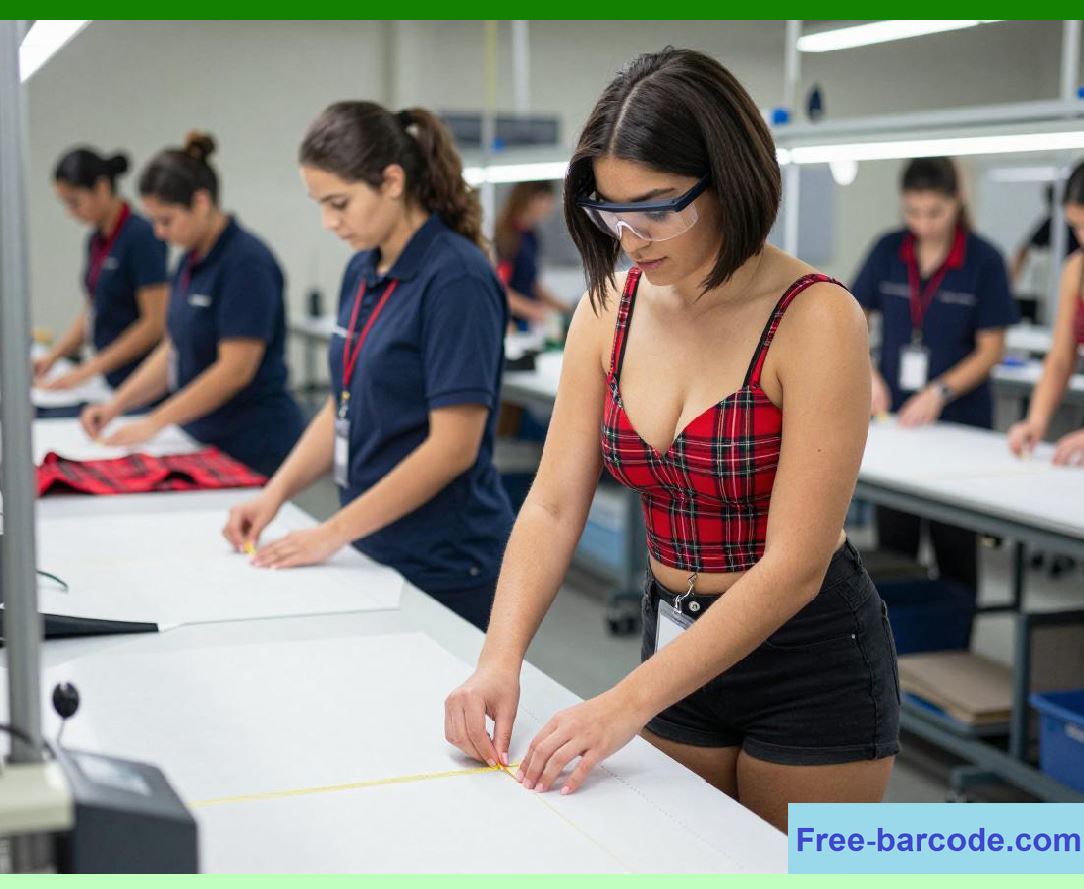
ERP systems track: |
* Production efficiency |
* Sewing line productivity |
* Defect rates |
* Capacity utilization |
6.1.2 |
Manufacturing analytics improve operational optimization and quality management. |
6.2 Predictive Production Risk Analysis |
6.2.1 |
ERP systems increasingly identify: |
* Production bottlenecks |
* Delay risks |
* Material shortages |
* Equipment downtime |
6.2.2 |
Predictive risk analysis improves manufacturing stability and delivery performance. |

|
7. Supply Chain Analytics |
7.1 Supplier Performance Analytics |
7.1.1 |
ERP systems evaluate suppliers according to: |
* Delivery accuracy |
* Quality consistency |
* Cost performance |
* Compliance standards |
7.1.2 |
Supplier analytics improve sourcing optimization and risk management. |
7.2 Logistics and Distribution Analytics |
7.2.1 |
ERP systems analyze: |
* Transportation efficiency |
* Warehouse productivity |
* Delivery lead times |
* Freight costs |
7.2.2 |
Logistics analytics improve supply chain coordination and operational efficiency. |

|
8. Customer Analytics and Personalization |
8.1 Consumer Behavior Analysis |
8.1.1 |
ERP-integrated CRM systems analyze: |
* Purchase frequency |
* Product preferences |
* Shopping patterns |
* Return behavior |
8.1.2 |
Behavioral analytics improve marketing optimization and customer engagement. |
8.2 Personalized Recommendation Engines |
8.2.1 |
AI-driven ERP systems increasingly support: |
* Personalized product recommendations |
* Outfit suggestions |
* Dynamic marketing campaigns |
8.2.2 |
Personalization improves conversion rates and customer loyalty. |

|
9. Artificial Intelligence in Apparel ERP Systems |
9.1 AI-Based Trend Forecasting |
9.1.1 |
ERP systems increasingly analyze: |
* Social media trends |
* Fashion influencer activity |
* Online search behavior |
* Consumer sentiment |
9.1.2 |
AI-driven trend forecasting improves product development and merchandising strategies. |
9.2 Intelligent Decision Support Systems |
9.2.1 |
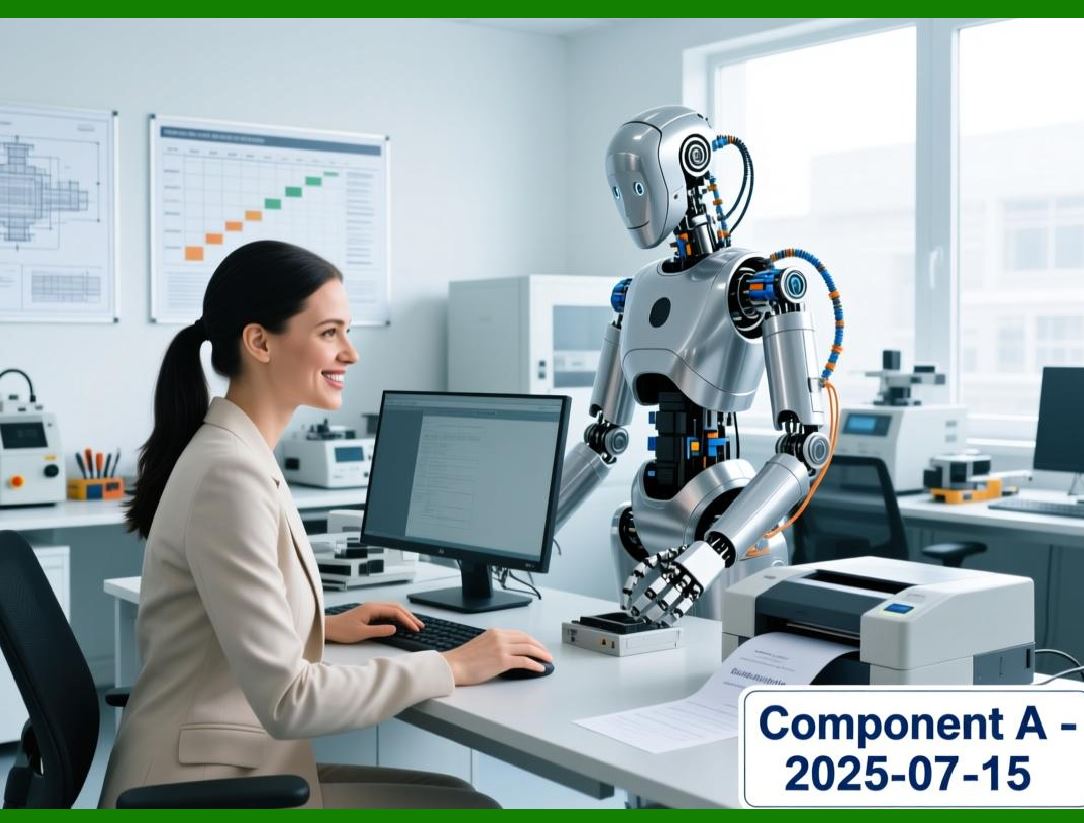
AI-enabled ERP systems support: |
* Inventory optimization |
* Pricing strategies |
* Production planning |
* Marketing allocation |
9.2.2 |
Intelligent decision support improves operational agility and profitability management. |
|
10. Machine Learning Applications in Apparel ERP |
10.1 Demand Prediction Models |
10.1.1 |
Machine learning models analyze: |
* Historical sales patterns |
* Seasonal demand |
* Market volatility |
* Consumer preferences |
10.1.2 |
Predictive models improve inventory forecasting and replenishment planning. |
10.2 Customer Segmentation and Lifetime Value Analysis |
10.2.1 |
ERP systems increasingly classify customers according to: |
* Spending behavior |
* Purchase frequency |
* Loyalty participation |
* Brand engagement |
10.2.2 |
Segmentation analytics improve marketing personalization and retention strategies. |

|
11. Real-Time Analytics and IoT Integration |
11.1 IoT-Based Manufacturing Monitoring |
11.1.1 |
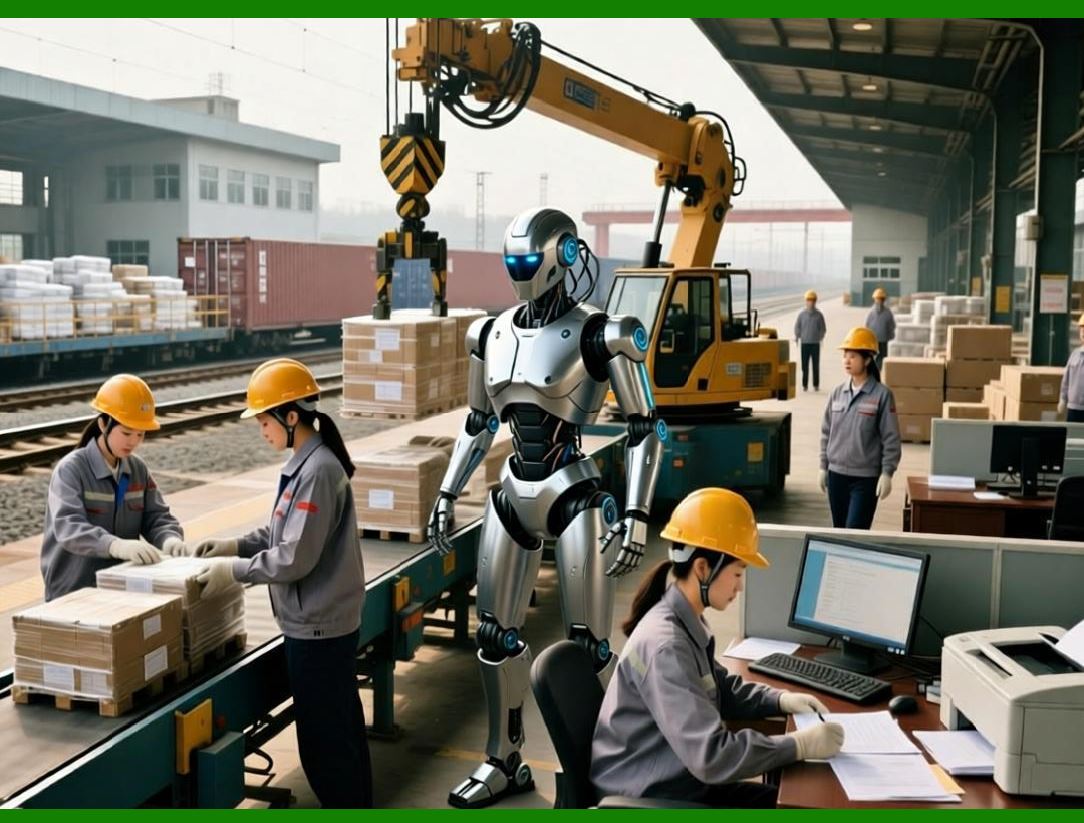
Modern apparel factories increasingly use IoT devices involving: |
* Smart sewing machines |
* Automated cutting systems |
* Warehouse sensors |
* RFID tracking systems |
11.1.2 |
ERP systems collect real-time operational data from connected devices. |
11.1.3 |
IoT integration improves manufacturing visibility and operational coordination. |
11.2 Real-Time Inventory Tracking |
11.2.1 |
ERP systems increasingly support: |
* RFID inventory tracking |
* Automated warehouse monitoring |
* Real-time stock movement analysis |
11.2.2 |
Real-time visibility improves inventory accuracy and replenishment responsiveness. |
|
12. Financial Analytics and Profitability Intelligence |
12.1 Profitability Analytics |
12.1.1 |
ERP systems analyze profitability involving: |
* Product categories |
* Retail channels |
* Customer groups |
* Regional operations |
12.1.2 |
Financial analytics improve strategic planning and resource allocation. |
12.2 AI-Based Financial Risk Monitoring |
12.2.1 |
ERP systems increasingly identify: |
* Cash flow risks |
* Inventory overinvestment |
* Supply chain disruptions |
* Margin erosion |
12.2.2 |
Predictive financial analytics improve operational stability and profitability protection. |

|
13. Sustainability Analytics and ESG Intelligence |
13.1 Environmental Performance Monitoring |
13.1.1 |
ERP systems increasingly track: |
* Energy consumption |
* Water utilization |
* Carbon emissions |
* Production waste |
13.1.2 |
Environmental analytics improve sustainability management and ESG reporting. |
13.2 Ethical Supply Chain Analytics |
13.2.1 |
ERP systems analyze: |
* Supplier compliance |
* Labor conditions |
* Sustainability certifications |
* Ethical sourcing performance |
13.2.2 |
Ethical visibility improves governance and corporate responsibility management. |
|
14. Challenges in Analytics and AI ERP Implementation |
14.1 Managing Large-Scale Data Complexity |
14.1.1 |
Apparel enterprises generate massive operational data volumes involving: |
* Retail transactions |
* Production activities |
* Customer interactions |
* Global supply chain operations |
14.1.2 |
ERP systems must support scalable data processing and real-time analytics architectures. |
14.2 Data Quality and Integration Challenges |
14.2.1 |
Analytics accuracy depends heavily on: |
* Data consistency |
* System integration quality |
* Real-time synchronization |
* Cross-functional collaboration |
14.2.2 |
ERP systems require strong data governance and operational standardization. |

|
15. Future Development of AI and Analytics in Apparel ERP Systems |
15.1 Autonomous Intelligent Apparel Enterprises |
15.1.1 |
Future ERP systems may autonomously coordinate: |
* Inventory allocation |
* Demand forecasting |
* Pricing optimization |
* Production scheduling |
* Marketing campaigns |
15.1.2 |
Autonomous enterprise ecosystems will improve operational agility and scalability. |
15.2 Hyper-Personalized Predictive Fashion Ecosystems |
15.2.1 |
Future ERP systems may integrate: |
* AI fashion advisors |
* Predictive wardrobe planning |
* Real-time consumer behavior analysis |
* Intelligent digital commerce ecosystems |
15.2.2 |
Hyper-personalized analytics will redefine apparel enterprise operations and customer engagement. |

|
Technical Content Summary of Part 45 |
This part explored data analytics, artificial intelligence, and business intelligence within apparel ERP systems. It explained the importance of data-driven management in modern apparel enterprises involving omni-channel retailing, global supply chain coordination, manufacturing monitoring, and customer personalization. |
The discussion covered BI dashboards, sales analytics, inventory forecasting, manufacturing analytics, supplier evaluation, customer behavior analysis, AI-based trend forecasting, machine learning applications, IoT integration, financial analytics, sustainability intelligence, and future autonomous enterprise ecosystems. |
These ERP capabilities are essential for improving operational visibility, forecasting accuracy, inventory optimization, customer engagement, profitability management, supply chain intelligence, and strategic decision-making within apparel enterprises. |

|
URLs for reference: |
* [https://www.sap.com/](https://www.sap.com/) |
* [https://www.oracle.com/](https://www.oracle.com/) |
* [https://www.microsoft.com/power-bi](https://www.microsoft.com/power-bi) |
* [https://www.tableau.com/](https://www.tableau.com/) |
* [https://www.ibm.com/artificial-intelligence/](https://www.ibm.com/artificial-intelligence/) |
 cs@easiersoft.com