Part 46 |
Future Development Trends and Strategic Evolution of Apparel ERP Systems |
1. Introduction to the Future of Apparel ERP Systems |
1.1 Transformation of the Global Apparel Industry |
1.1.1 |
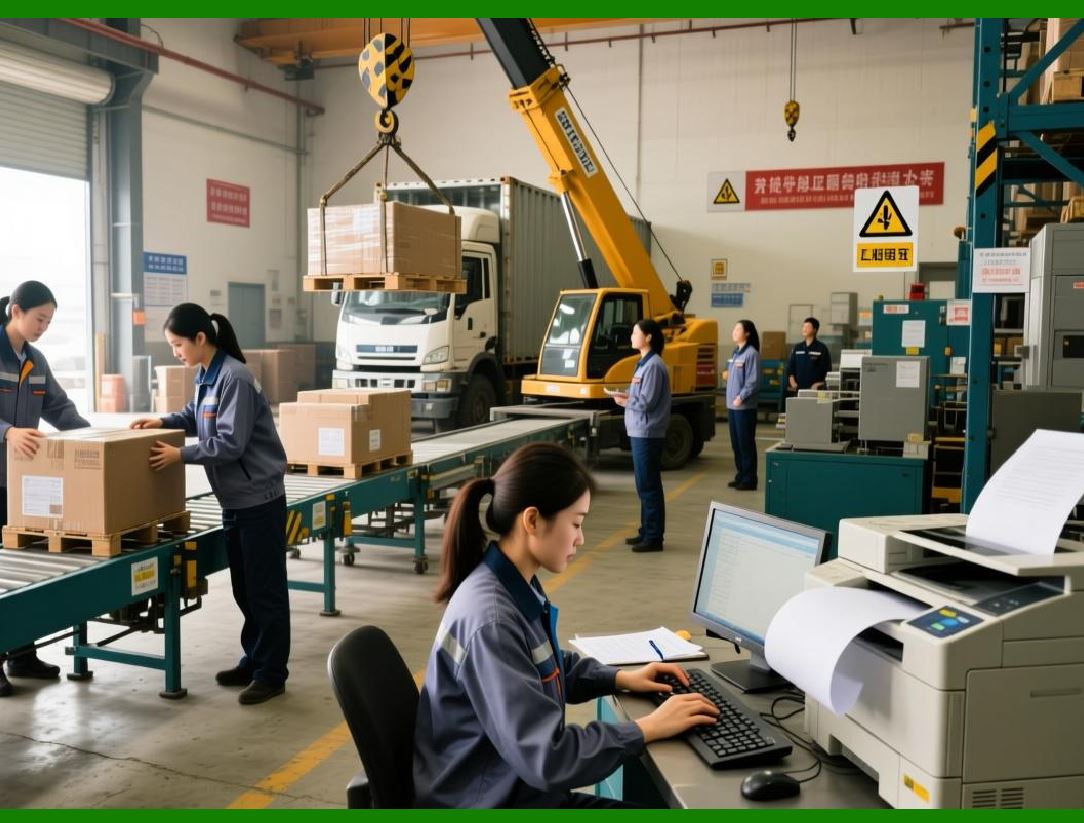
The global apparel industry is entering a new stage of digital transformation driven by: |
* Artificial intelligence |
* Cloud computing |
* Big data analytics |
* E-commerce expansion |
* Smart manufacturing |
* Sustainability requirements |
* Consumer personalization |
|
1.1.2 |
Traditional apparel operational models are rapidly evolving from: |
* Manual coordination |
* Isolated information systems |
* Linear supply chains |
* Forecast-driven production |
Toward: |
* Real-time intelligent ecosystems |
* Connected global operations |
* Demand-driven manufacturing |
* Autonomous decision-making systems |
1.1.3 |
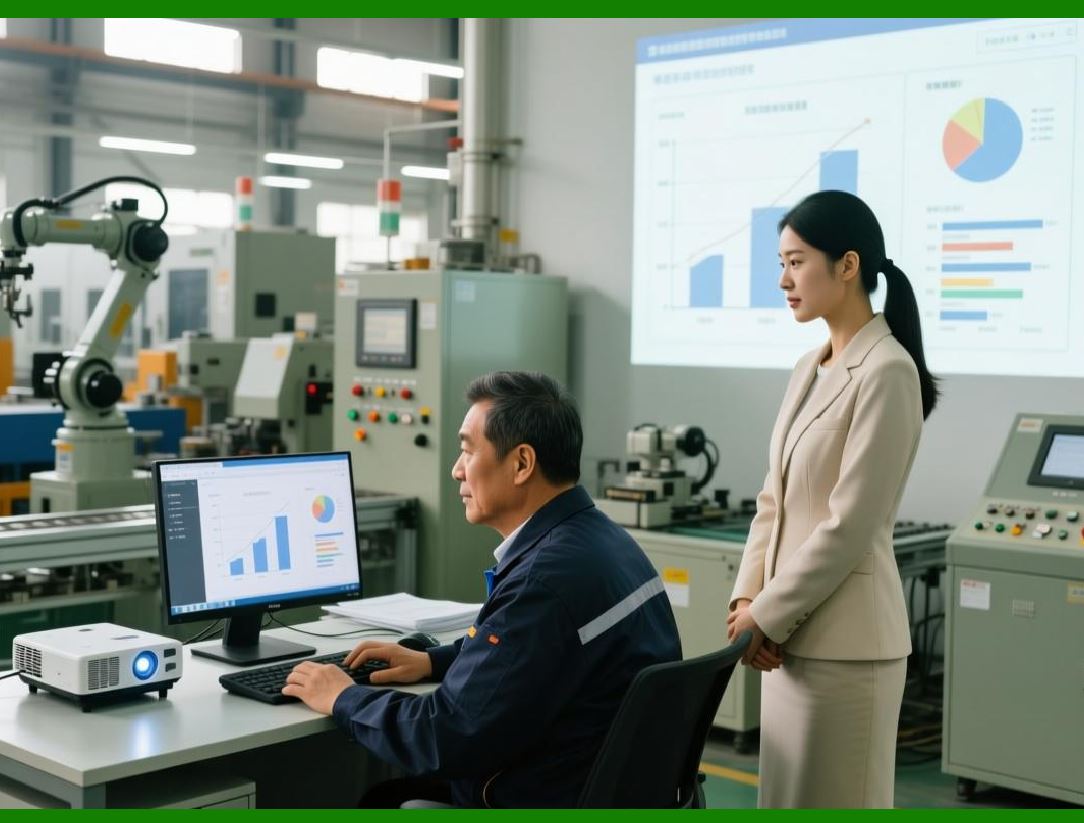
ERP systems are no longer limited to accounting and inventory management. Modern apparel ERP platforms increasingly function as: |
* Enterprise intelligence centers |
* Supply chain control towers |
* Omni-channel coordination hubs |
* AI-driven operational ecosystems |

|
1.1.4 |
Future ERP systems will integrate nearly every operational dimension involving: |
* Product lifecycle management |
* Manufacturing execution |
* Global logistics |
* Financial forecasting |
* Customer personalization |
* ESG compliance |
* Intelligent automation |
1.1.5 |
The future evolution of apparel ERP systems will fundamentally redefine how apparel enterprises design, manufacture, distribute, market, and manage products globally. |
|
2. Cloud-Native ERP Transformation |
2.1 Migration from On-Premise to Cloud ERP |
2.1.1 |
Traditional apparel ERP systems were primarily deployed on local enterprise servers, which often created: |
* High infrastructure costs |
* Limited scalability |
* Slow software updates |
* Complex maintenance requirements |
2.1.2 |
Cloud-native ERP systems increasingly provide: |
* Flexible scalability |
* Lower infrastructure investment |
* Real-time global accessibility |
* Continuous software updates |
2.1.3 |
Cloud ERP platforms improve: |
* Multi-location collaboration |
* International operational visibility |
* Remote workforce coordination |
2.1.4 |
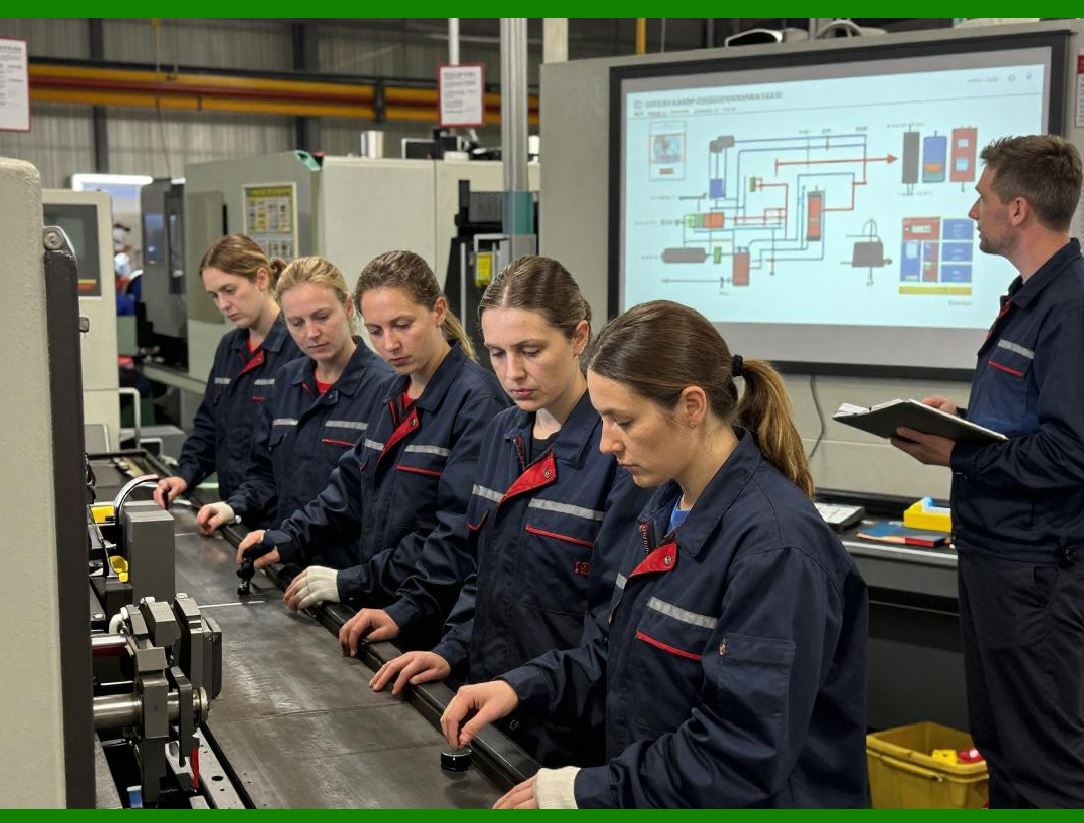
Apparel enterprises with global supply chains particularly benefit from centralized cloud-based operational management. |
|
2.2 SaaS ERP Ecosystems |
2.2.1 |
Software-as-a-Service ERP models are becoming increasingly common within the apparel industry. |
2.2.2 |
SaaS ERP systems offer: |
* Subscription-based deployment |
* Faster implementation cycles |
* Reduced IT complexity |
* Simplified upgrades |
2.2.3 |
Small and medium-sized apparel enterprises increasingly adopt SaaS ERP platforms to accelerate digital transformation. |

|
3. Artificial Intelligence as the Core ERP Engine |
3.1 AI-Driven Enterprise Decision-Making |
3.1.1 |
Future apparel ERP systems will increasingly shift from passive reporting systems toward active decision-making engines. |
3.1.2 |
AI technologies will autonomously analyze: |
* Sales trends |
* Consumer behavior |
* Supply chain risks |
* Inventory fluctuations |
* Fashion trend evolution |
3.1.3 |
ERP systems may automatically recommend: |
* Production adjustments |
* Inventory reallocations |
* Pricing strategies |
* Marketing campaigns |
3.1.4 |
AI-driven ERP ecosystems will significantly improve operational responsiveness and business agility. |

|
3.2 Predictive and Autonomous ERP Operations |
3.2.1 |
Future ERP systems may autonomously execute operational tasks involving: |
* Procurement scheduling |
* Manufacturing coordination |
* Logistics optimization |
* Workforce balancing |
3.2.2 |
Predictive ERP ecosystems will reduce: |
* Human operational delays |
* Forecasting errors |
* Inventory inefficiencies |
* Supply chain disruptions |
3.2.3 |
Autonomous ERP coordination will become a major competitive advantage in the apparel industry. |

|
4. Intelligent Supply Chain Networks |
4.1 Real-Time Global Supply Chain Visibility |
4.1.1 |
Future apparel ERP systems will provide fully connected supply chain visibility involving: |
* Raw material suppliers |
* Manufacturing facilities |
* Logistics providers |
* Warehouses |
* Retail stores |
* E-commerce fulfillment centers |
4.1.2 |
Real-time visibility will improve: |
* Delivery coordination |
* Risk management |
* Inventory balancing |
* Production scheduling |
4.1.3 |
Connected ecosystems will increase supply chain resilience and operational transparency. |
4.2 Digital Supply Chain Twins |
4.2.1 |
Future ERP systems may increasingly use digital twin technology to simulate: |
* Production operations |
* Inventory movement |
* Distribution networks |
* Consumer demand patterns |
4.2.2 |
Digital twins will allow apparel enterprises to: |
* Test operational strategies |
* Predict disruptions |
* Optimize capacity planning |
4.2.3 |
Simulation-driven management will improve operational efficiency and strategic planning accuracy. |
|
5. Smart Manufacturing and Industry 4.0 Integration |
5.1 Intelligent Apparel Factories |
5.1.1 |
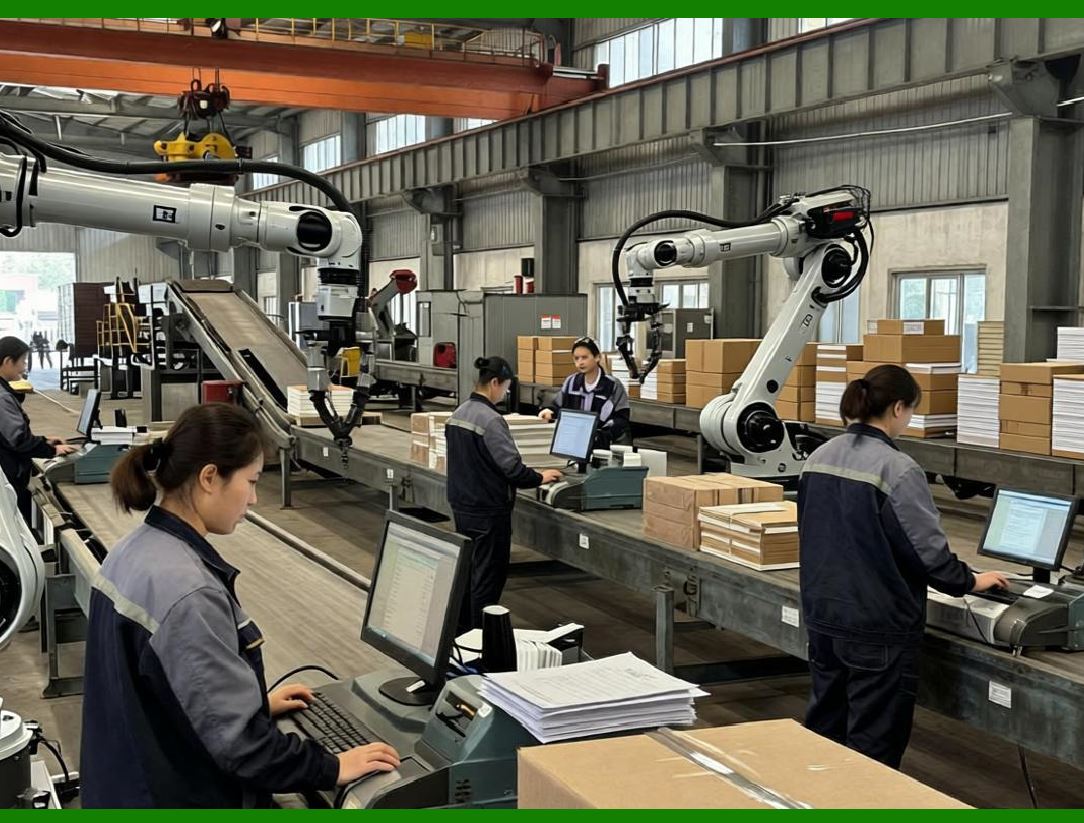
Future apparel factories will increasingly integrate: |
* Automated cutting systems |
* AI-assisted sewing equipment |
* Robotics |
* IoT-enabled production machines |
5.1.2 |
ERP systems will function as centralized smart factory coordination platforms. |
5.1.3 |
Connected manufacturing ecosystems will improve: |
* Production efficiency |
* Product consistency |
* Labor optimization |
* Quality management |
5.2 Real-Time Manufacturing Execution |
5.2.1 |
ERP systems will increasingly integrate directly with manufacturing execution systems (MES). |
5.2.2 |
Future ERP platforms may automatically: |
* Rebalance production lines |
* Adjust manufacturing priorities |
* Predict equipment maintenance needs |
5.2.3 |
Real-time manufacturing intelligence will improve delivery reliability and operational agility. |

|
6. Hyper-Personalized Consumer Ecosystems |
6.1 AI-Based Consumer Personalization |
6.1.1 |
Future apparel ERP systems will increasingly analyze: |
* Shopping behavior |
* Style preferences |
* Purchase history |
* Social media activity |
* Lifestyle patterns |
6.1.2 |
ERP-integrated AI systems may automatically generate: |
* Personalized recommendations |
* Individual marketing campaigns |
* Customized product bundles |
6.1.3 |
Personalized ecosystems will improve customer engagement and loyalty. |
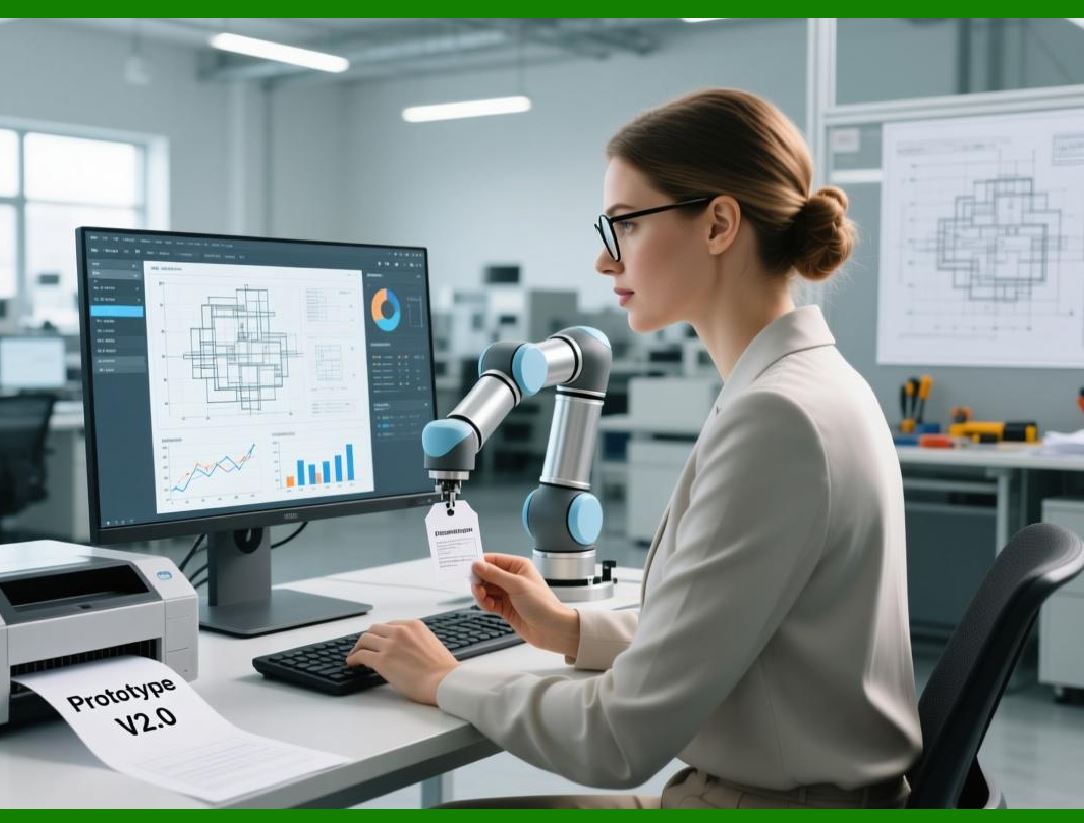
6.2 Intelligent Size and Fit Technologies |
6.2.1 |
Future ERP systems may integrate: |
* 3D body scanning |
* Virtual fitting systems |
* AI-based fit recommendations |
6.2.2 |
Fit intelligence will reduce: |
* Product returns |
* Customer dissatisfaction |
* Inventory waste |
6.2.3 |
Digital fitting ecosystems will redefine online apparel shopping experiences. |
|
7. Omni-Channel and Unified Commerce Evolution |
7.1 Fully Unified Retail Ecosystems |
7.1.1 |
Future apparel ERP systems will unify: |
* Physical retail stores |
* E-commerce platforms |
* Mobile commerce |
* Social commerce |
* Marketplace operations |
7.1.2 |
Consumers will experience seamless interactions across all retail channels. |
7.1.3 |
Unified commerce coordination will improve: |
* Inventory visibility |
* Customer experience |
* Fulfillment efficiency |
7.2 Real-Time Fulfillment Intelligence |
7.2.1 |
ERP systems may dynamically determine: |
* Optimal warehouse selection |
* Shipping routes |
* Delivery methods |
7.2.2 |
AI-based fulfillment optimization will improve: |
* Delivery speed |
* Logistics efficiency |
* Customer satisfaction |

|
8. Blockchain and Digital Product Traceability |
8.1 Blockchain-Based Supply Chain Transparency |
8.1.1 |
Future apparel ERP systems may increasingly integrate blockchain technology involving: |
* Supplier traceability |
* Material authentication |
* Ethical sourcing verification |
8.1.2 |
Blockchain visibility will improve: |
* Consumer trust |
* ESG compliance |
* Counterfeit prevention |
8.2 Digital Product Passports |
8.2.1 |
Future apparel products may include digital passports containing: |
* Manufacturing history |
* Sustainability information |
* Material composition |
* Recycling instructions |
8.2.2 |
ERP systems will manage and distribute digital product transparency information. |
8.2.3 |
Digital passports will support circular economy initiatives and sustainability reporting. |
|
9. Sustainability-Centered ERP Ecosystems |
9.1 Carbon Tracking and Environmental Intelligence |
9.1.1 |
Future ERP systems will increasingly monitor: |
* Carbon emissions |
* Water usage |
* Energy consumption |
* Waste generation |
9.1.2 |
Environmental intelligence will improve sustainability optimization and ESG reporting accuracy. |
9.2 Circular Fashion Management |
9.2.1 |
ERP systems will increasingly support: |
* Product recycling |
* Apparel resale |
* Reverse logistics |
* Repair coordination |
9.2.2 |
Circular economy integration will improve: |
* Resource utilization |
* Sustainability performance |
* Brand reputation |

|
10. Advanced Workforce Management |
10.1 Human-AI Collaborative Workforce Systems |
10.1.1 |
Future ERP systems may coordinate collaboration between: |
* Human workers |
* AI assistants |
* Automated machines |
* Robotics systems |
10.1.2 |
Human-AI coordination will improve: |
* Productivity |
* Training efficiency |
* Operational scalability |
10.2 Intelligent Workforce Development |
10.2.1 |
ERP systems may increasingly provide: |
* Personalized training programs |
* AI-driven career planning |
* Workforce wellness analytics |
10.2.2 |
Human-centered workforce ecosystems will improve employee engagement and retention. |

|
11. Cybersecurity and Data Protection |
11.1 Importance of ERP Cybersecurity |
11.1.1 |
As ERP systems become increasingly centralized and cloud-connected, cybersecurity risks will continue to grow. |
11.1.2 |
Future ERP systems must protect: |
* Financial information |
* Consumer data |
* Supply chain records |
* Intellectual property |
11.1.3 |
Advanced cybersecurity frameworks will become essential for operational continuity and regulatory compliance. |
11.2 AI-Driven Security Monitoring |
11.2.1 |
ERP systems may increasingly use AI to identify: |
* Fraud risks |
* Unauthorized access |
* Data anomalies |
* Cybersecurity threats |
11.2.2 |
Intelligent monitoring systems will improve enterprise security resilience. |

|
12. Globalization and Cross-Border ERP Coordination |
12.1 Global Operational Standardization |
12.1.1 |
Future apparel enterprises will continue expanding internationally across: |
* Manufacturing networks |
* Retail operations |
* E-commerce ecosystems |
12.1.2 |
ERP systems will increasingly standardize: |
* Operational workflows |
* Financial reporting |
* Supply chain coordination |
* Compliance management |
12.1.3 |
Global standardization will improve scalability and operational consistency. |
12.2 Multi-Regulation Compliance Management |
12.2.1 |
ERP systems will increasingly automate compliance involving: |
* International taxation |
* Sustainability reporting |
* Product safety regulations |
* Data privacy laws |
12.2.2 |
Automated compliance coordination will reduce operational risks and administrative complexity. |

|
13. Low-Code and No-Code ERP Customization |
13.1 Democratization of ERP Development |
13.1.1 |
Future ERP systems will increasingly provide: |
* Low-code customization tools |
* No-code workflow design |
* Visual process configuration |
13.1.2 |
Business users will gain greater flexibility in adapting ERP systems without extensive programming expertise. |
13.2 Faster Operational Innovation |
13.2.1 |
Low-code ERP ecosystems will allow apparel enterprises to: |
* Rapidly adjust workflows |
* Launch new operational models |
* Adapt to market changes |
13.2.2 |
Customization flexibility will improve business agility and innovation speed. |

|
14. Strategic Role of ERP in Future Apparel Enterprises |
14.1 ERP as the Digital Core of the Enterprise |
14.1.1 |
ERP systems are evolving into the digital nervous systems of apparel enterprises. |
14.1.2 |
Future ERP platforms will coordinate: |
* Strategy execution |
* Operational intelligence |
* Consumer engagement |
* Sustainability management |
* Financial governance |
14.1.3 |
ERP systems will become essential for enterprise competitiveness and long-term strategic resilience. |
14.2 ERP as a Competitive Differentiator |
14.2.1 |
Future apparel enterprises will increasingly compete according to: |
* Data intelligence |
* Operational speed |
* Consumer personalization |
* Supply chain responsiveness |
* Sustainability performance |
14.2.2 |
Advanced ERP ecosystems will become major sources of competitive advantage. |

|
15. Final Conclusion |
15.1 Long-Term Evolution of Apparel ERP Systems |
15.1.1 |
The future of apparel ERP systems will involve the deep integration of: |
* Artificial intelligence |
* Smart manufacturing |
* Sustainability intelligence |
* Global digital commerce |
* Real-time operational coordination |
15.1.2 |
ERP systems will continue evolving from administrative software platforms into intelligent enterprise ecosystems capable of autonomous coordination and predictive optimization. |
15.1.3 |
Apparel enterprises that successfully implement advanced ERP ecosystems will gain significant advantages involving: |
* Faster market responsiveness |
* Improved operational efficiency |
* Better customer experience |
* Stronger sustainability performance |
* Higher profitability |
* Greater global competitiveness |
15.1.4 |
The evolution of ERP systems will fundamentally reshape the future structure of the apparel industry and redefine how apparel enterprises operate in increasingly digital and intelligent global markets. |

|
Technical Content Summary of Part 46 |
This part explored the future development trends and strategic evolution of apparel ERP systems. It explained how cloud computing, artificial intelligence, IoT, smart manufacturing, blockchain, sustainability management, and unified commerce ecosystems are transforming the future of apparel enterprise management. |
The discussion covered cloud-native ERP transformation, AI-driven decision-making, digital supply chain twins, smart factories, hyper-personalized customer ecosystems, blockchain traceability, sustainability-centered operations, cybersecurity, low-code ERP customization, and future autonomous enterprise ecosystems. |
These future ERP capabilities will play a central role in improving operational intelligence, supply chain resilience, consumer personalization, sustainability performance, global coordination, and long-term competitiveness within the apparel industry. |
|
URLs for reference: |
* [https://www.sap.com/](https://www.sap.com/) |
* [https://www.oracle.com/](https://www.oracle.com/) |
* [https://www.microsoft.com/](https://www.microsoft.com/) |
* [https://www.ibm.com/](https://www.ibm.com/) |
* [https://www.gs1.org/](https://www.gs1.org/) |
 cs@easiersoft.com