Part 6 |
Procurement and Supply Chain Management in Apparel ERP Systems |
1. Introduction to Procurement and Supply Chain Management in the Apparel Industry |
1.1 The Strategic Importance of Apparel Supply Chains |
1.1.1 |
The apparel industry operates through highly fragmented and globally distributed supply chains. Unlike vertically integrated industries where production may occur entirely within one organization, apparel businesses often coordinate dozens or even hundreds of external suppliers, subcontractors, logistics providers, and manufacturing partners. |
1.1.2 |
A single apparel product may involve: |
* Fabric mills |
* Dyeing factories |
* Printing facilities |
* Embroidery workshops |
* Accessory suppliers |
* Sewing factories |
* Packaging vendors |
* International freight providers |

|
1.1.3 |
Because of this complexity, procurement and supply chain management become some of the most difficult operational areas in apparel enterprises. |
1.1.4 |
ERP systems play a critical role in coordinating the entire supply network by integrating: |
* Procurement planning |
* Supplier collaboration |
* Material tracking |
* Logistics coordination |
* Cost control |
* Delivery scheduling |
1.1.5 |
Without ERP-based coordination, apparel supply chains frequently experience: |
* Material shortages |
* Delayed production |
* Cost overruns |
* Quality inconsistencies |
* Delivery failures |
1.1.6 |
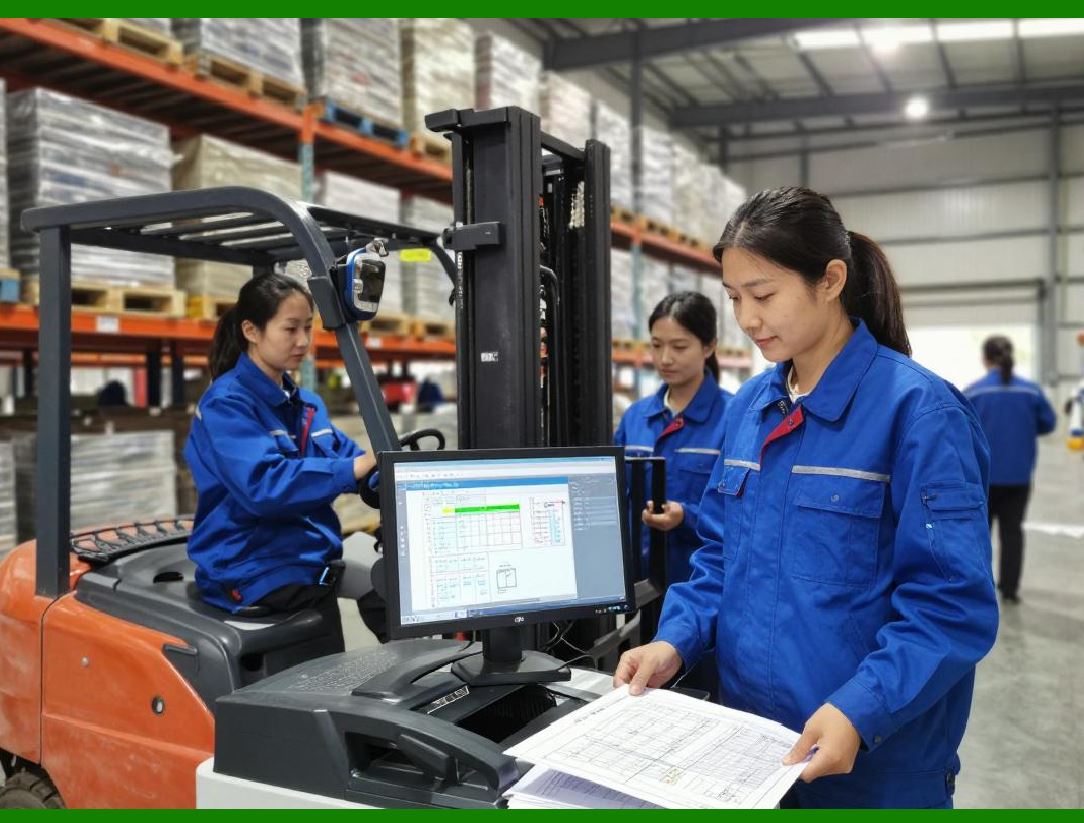
Modern apparel ERP systems therefore function not only as internal management tools, but also as external collaboration platforms connecting enterprises with global supply networks. |
|
2. Characteristics of Apparel Supply Chains |
2.1 Fragmented Supplier Networks |
2.1.1 |
The apparel industry relies heavily on specialized suppliers. |
2.1.2 |
Different suppliers may focus on: |
* Cotton fabrics |
* Synthetic textiles |
* Denim materials |
* Printing services |
* Buttons and zippers |
* Packaging materials |
2.1.3 |
Large apparel brands often source materials from multiple countries simultaneously. |
2.1.4 |
For example: |
* Fabrics from China |
* Buttons from Vietnam |
* Labels from Bangladesh |
* Manufacturing in Cambodia |
* Distribution in the United States |
2.1.5 |
Coordinating these suppliers manually becomes extremely difficult as enterprises scale. |
2.1.6 |
ERP systems centralize supplier communication and operational visibility. |

|
2.2 Long and Uncertain Lead Times |
2.2.1 |
Apparel supply chains frequently involve long lead times. |
2.2.2 |
Delays may occur due to: |
* Fabric production schedules |
* Port congestion |
* Customs clearance |
* Transportation disruptions |
* Factory overload |
* Raw material shortages |
2.2.3 |
Seasonal demand peaks further increase operational uncertainty. |
2.2.4 |
ERP systems improve lead-time visibility through: |
* Purchase order tracking |
* Shipment monitoring |
* Supplier milestone management |
* Delay alert systems |
2.2.5 |
This enables enterprises to react more quickly to supply disruptions. |

|
3. Procurement Management in Apparel ERP |
3.1 Procurement Planning |
3.1.1 |
Procurement planning is one of the foundational ERP procurement functions. |
3.1.2 |
Apparel procurement planning must consider: |
* Seasonal demand |
* Production schedules |
* Fabric lead times |
* MOQ requirements |
* Inventory levels |
* Supplier capacity |
3.1.3 |
ERP systems automatically calculate material requirements based on: |
* Sales forecasts |
* Production plans |
* Existing inventory |
* Open purchase orders |
3.1.4 |
This process is commonly referred to as Material Requirements Planning (MRP). |
3.1.5 |
Accurate procurement planning reduces: |
* Material shortages |
* Excess inventory |
* Emergency purchasing costs |

|
3.2 Purchase Requisition Management |
3.2.1 |
ERP systems formalize procurement workflows through purchase requisition processes. |
3.2.2 |
Departments may submit requisitions for: |
* Fabrics |
* Accessories |
* Packaging materials |
* Production supplies |
3.2.3 |
ERP approval workflows ensure: |
* Budget control |
* Authorization compliance |
* Procurement transparency |
3.2.4 |
Automated workflows reduce manual coordination delays. |

|
4. Fabric Procurement Management |
4.1 Fabric as the Core Apparel Material |
4.1.1 |
Fabric is often the most expensive and operationally critical material in apparel manufacturing. |
4.1.2 |
Fabric procurement involves complex considerations including: |
* Fabric composition |
* Color consistency |
* Shrinkage rates |
* Width specifications |
* Weight standards |
* Dye lot consistency |
4.1.3 |
ERP systems maintain detailed fabric master data to support accurate procurement and production operations. |

|
4.2 Fabric Lot Tracking |
4.2.1 |
Fabric consistency is essential for apparel quality control. |
4.2.2 |
Different dye lots may produce slight color variations. |
4.2.3 |
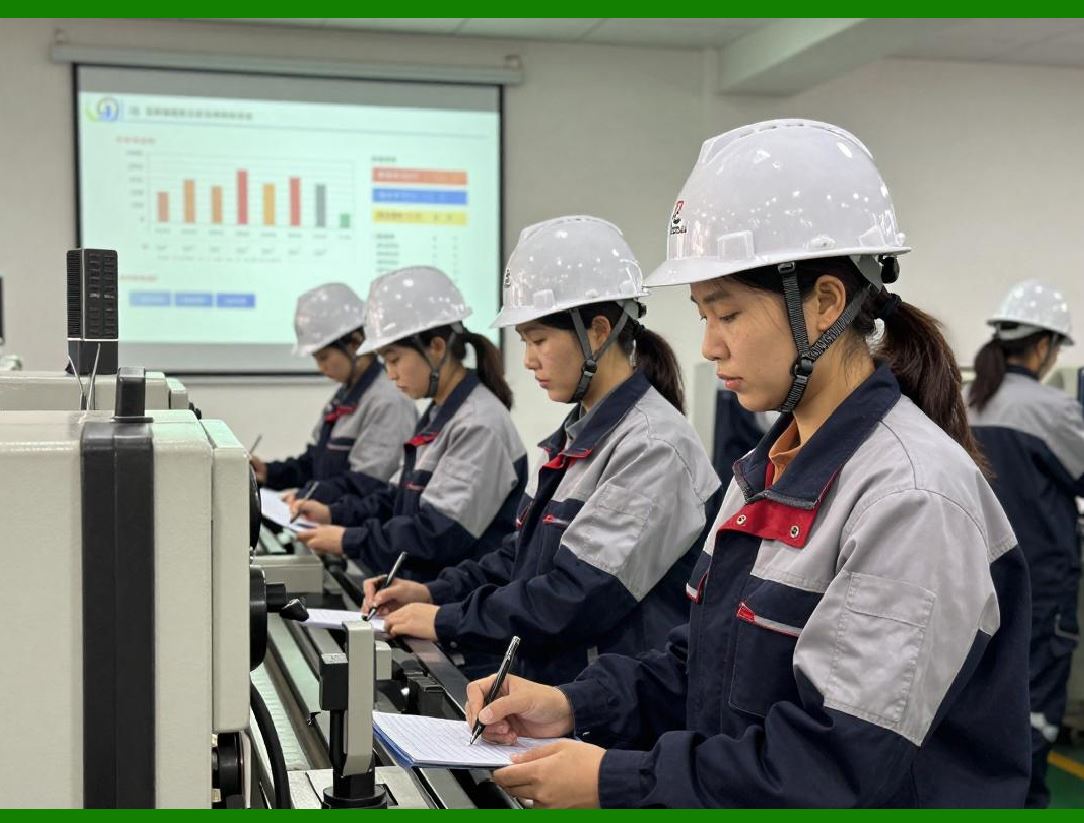
ERP systems track: |
* Fabric lot numbers |
* Supplier batches |
* Dyeing batches |
* Inspection records |
4.2.4 |
Lot traceability improves: |
* Quality control |
* Production consistency |
* Defect investigation |
|
4.3 Fabric Consumption Calculation |
4.3.1 |
Fabric consumption management is highly important because fabric costs directly affect profitability. |
4.3.2 |
ERP systems calculate expected fabric consumption based on: |
* Garment patterns |
* Size ratios |
* Marker efficiency |
* Waste percentages |
4.3.3 |
Advanced ERP systems may integrate with CAD pattern software to improve material planning accuracy. |
4.3.4 |
Accurate consumption calculations reduce procurement waste. |

|
5. Accessory Procurement Management |
5.1 Importance of Apparel Accessories |
5.1.1 |
Although accessories are relatively low-cost items, they are operationally critical. |
5.1.2 |
Missing accessories such as: |
* Buttons |
* Zippers |
* Labels |
* Hang tags |
* Packaging bags |
may halt entire production lines. |
5.1.3 |
ERP systems coordinate accessory procurement alongside production schedules. |

|
5.2 Synchronization Between Accessories and Production |
5.2.1 |
ERP systems ensure accessories arrive before corresponding production stages begin. |
5.2.2 |
The system monitors: |
* Procurement status |
* Supplier delivery schedules |
* Production deadlines |
5.2.3 |
Delay alerts help prevent production interruptions. |

|
6. Supplier Management in Apparel ERP |
6.1 Supplier Master Data Management |
6.1.1 |
ERP systems maintain centralized supplier databases. |
6.1.2 |
Supplier master data may include: |
* Supplier codes |
* Contact information |
* Product categories |
* Payment terms |
* Delivery performance |
* Compliance certifications |
6.1.3 |
Centralized supplier data improves procurement efficiency and traceability. |

|
6.2 Supplier Performance Evaluation |
6.2.1 |
ERP systems continuously monitor supplier performance. |
6.2.2 |
Evaluation indicators may include: |
* Delivery punctuality |
* Quality consistency |
* Price competitiveness |
* Defect rates |
* Communication responsiveness |
6.2.3 |
Performance analytics help enterprises optimize supplier selection. |
6.2.4 |
Poor-performing suppliers may create major operational risks. |

|
6.3 Supplier Collaboration Portals |
6.3.1 |
Modern apparel ERP systems increasingly include supplier collaboration portals. |
6.3.2 |
Suppliers can access: |
* Purchase orders |
* Delivery schedules |
* Technical specifications |
* Quality requirements |
6.3.3 |
This improves communication efficiency and reduces manual coordination. |
|
7. Purchase Order Management |
7.1 Purchase Order Lifecycle |
7.1.1 |
ERP systems manage the complete purchase order lifecycle. |
7.1.2 |
Typical stages include: |
* Purchase request |
* Supplier quotation |
* Purchase approval |
* Order issuance |
* Shipment tracking |
* Goods receipt |
* Invoice reconciliation |
* Payment settlement |
7.1.3 |
Workflow automation improves procurement efficiency and accountability. |

|
7.2 Purchase Order Tracking |
7.2.1 |
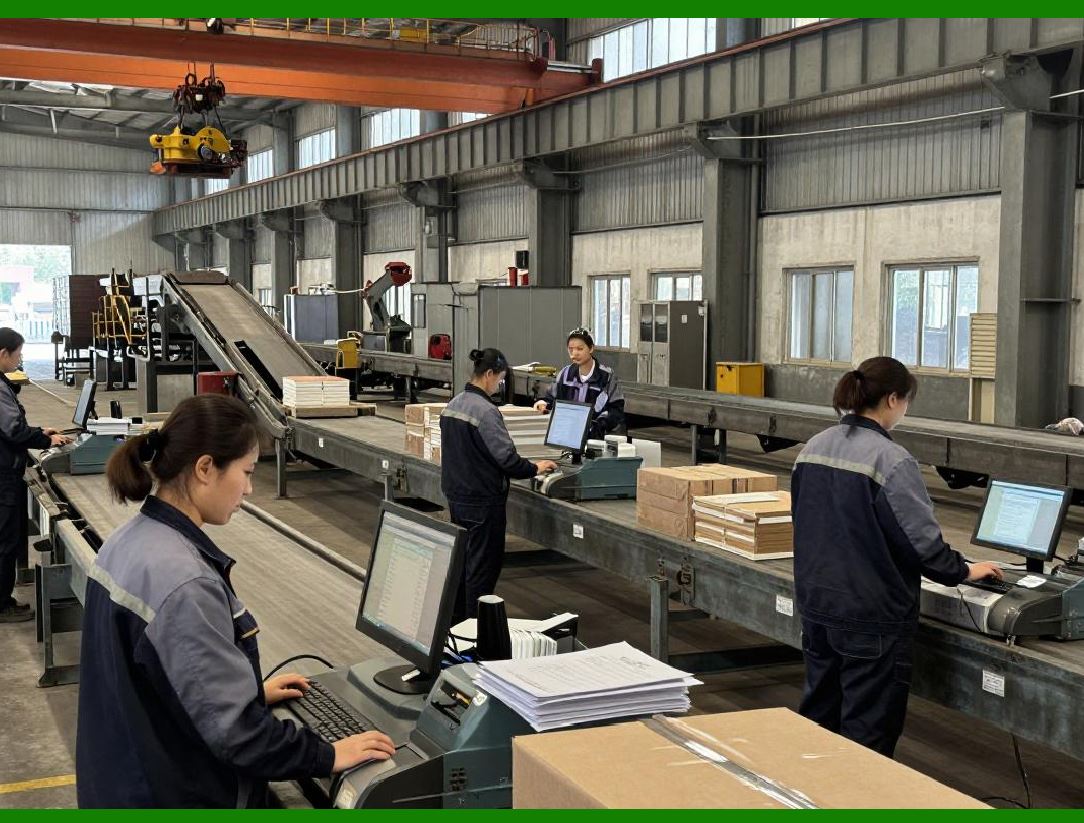
ERP systems track purchase order progress in real time. |
7.2.2 |
Managers can monitor: |
* Pending orders |
* Delayed shipments |
* Partial deliveries |
* Outstanding quantities |
7.2.3 |
This visibility reduces procurement uncertainty. |

|
8. Logistics and Transportation Management |
8.1 International Logistics Complexity |
8.1.1 |
Apparel supply chains are highly globalized. |
8.1.2 |
Products may move across multiple countries before reaching customers. |
8.1.3 |
Logistics operations involve: |
* Ocean freight |
* Air freight |
* Customs clearance |
* Regional distribution |
* Last-mile delivery |
8.1.4 |
ERP systems integrate logistics data into operational planning. |
8.2 Shipment Tracking |
8.2.1 |
ERP systems provide shipment visibility through logistics integration. |
8.2.2 |
Tracked information may include: |
* Container status |
* Estimated arrival dates |
* Customs clearance progress |
* Delivery confirmation |
8.2.3 |
Real-time logistics visibility improves operational coordination. |

|
9. Supply Chain Risk Management |
9.1 Risks in Apparel Supply Chains |
9.1.1 |
Apparel supply chains are vulnerable to numerous disruptions. |
9.1.2 |
Risks include: |
* Political instability |
* Port congestion |
* Natural disasters |
* Currency fluctuations |
* Supplier bankruptcy |
* Material shortages |
9.1.3 |
Global events may severely disrupt apparel production schedules. |

|
9.2 ERP-Based Risk Monitoring |
9.2.1 |
ERP systems help enterprises monitor supply chain risks. |
9.2.2 |
Risk management tools may include: |
* Supplier diversification analysis |
* Lead-time monitoring |
* Inventory safety stock alerts |
* Delay forecasting |
9.2.3 |
Early-warning systems improve operational resilience. |

|
10. Procurement Cost Control |
10.1 Cost Components in Apparel Procurement |
10.1.1 |
Procurement costs involve more than material prices. |
10.1.2 |
Additional cost factors include: |
* Freight charges |
* Tariffs |
* Currency exchange |
* Inspection costs |
* Packaging costs |
* Storage expenses |
10.1.3 |
ERP systems calculate total landed costs for accurate profitability analysis. |
10.2 Supplier Price Comparison |
10.2.1 |
ERP systems support supplier quotation comparison. |
10.2.2 |
Enterprises can evaluate: |
* Unit costs |
* Delivery timelines |
* Quality ratings |
* Payment conditions |
10.2.3 |
Data-driven supplier selection improves procurement efficiency. |

|
11. Sustainability and Compliance Management |
11.1 Growing Importance of Sustainable Sourcing |
11.1.1 |
Consumers increasingly demand environmentally responsible apparel products. |
11.1.2 |
Brands must monitor: |
* Sustainable materials |
* Ethical labor practices |
* Environmental certifications |
11.1.3 |
ERP systems increasingly support sustainability tracking. |
11.2 Compliance Documentation Management |
11.2.1 |
Global apparel operations require extensive compliance documentation. |
11.2.2 |
ERP systems manage: |
* Supplier certifications |
* Testing reports |
* Customs documentation |
* Safety compliance records |
11.2.3 |
Compliance visibility reduces legal and operational risks. |

|
12. AI and Future Trends in Apparel Supply Chains |
12.1 AI-Driven Procurement Forecasting |
12.1.1 |
AI technologies increasingly improve procurement planning accuracy. |
12.1.2 |
AI systems analyze: |
* Historical demand |
* Market trends |
* Supplier performance |
* Logistics conditions |
12.1.3 |
Predictive procurement reduces shortages and excess inventory. |
12.2 Intelligent Supply Chain Automation |
12.2.1 |
Future ERP systems may automate many supply chain decisions. |
12.2.2 |
Potential applications include: |
* Dynamic supplier selection |
* Automated reorder generation |
* Real-time logistics optimization |
* AI-driven risk prediction |
12.2.3 |
These technologies will significantly increase supply chain responsiveness. |
|
Technical Content Summary of Part 6 |
This part explored procurement and supply chain management within apparel ERP systems. It explained the highly fragmented and globalized nature of apparel supply chains and discussed how ERP systems coordinate suppliers, materials, logistics providers, and production operations through centralized management platforms. |
The discussion covered procurement planning, MRP systems, fabric procurement management, accessory coordination, supplier master data, supplier performance evaluation, purchase order lifecycle management, logistics tracking, risk monitoring, cost control, sustainability management, and compliance tracking. It also examined future trends such as AI-driven procurement forecasting and intelligent supply chain automation. |
These procurement and supply chain capabilities are essential for maintaining operational stability, controlling costs, and ensuring timely product delivery in modern apparel enterprises. |

|
URLs for reference: |
* [https://www.sap.com/](https://www.sap.com/) |
* [https://www.oracle.com/](https://www.oracle.com/) |
* [https://www.infor.com/](https://www.infor.com/) |
* [https://www.microsoft.com/](https://www.microsoft.com/) |
* [https://www.netsuite.com/](https://www.netsuite.com/) |
 cs@easiersoft.com