ERP System Application in the Electronics Industry |
Part 30: Typical Application Scenario Examples (I) |
Real-World Use Cases of Integrated ERP in Electronics Manufacturing |
In Part 29, we explored barcode technology as the backbone of full traceability across materials, production, logistics, and RMA processes. Part 30 shifts focus to practical application scenarios, showing how ERP systems orchestrate complex electronics manufacturing operations to optimize efficiency, quality, compliance, and cost control. |
These scenarios illustrate how multiple ERP modules Including production, SMT, PCBA outsourcing, RMA, barcode, compliance, and e-commerce integration ork together seamlessly in real-world environments. |

|
225. Scenario 1: High-Mix, Low-Volume Consumer Electronics Production |
225.1 Background |
A mid-size electronics company produces: |
* 200+ SKUs per quarter |
* Small batch sizes (5000 units) |
* Multiple variants per product (color, memory, features) |
Challenges include: |
* Frequent BOM changes |
* Tight delivery deadlines for e-commerce orders |
* Component shortages during seasonal peaks |

|
225.2 ERP Implementation Highlights |
* Material and BOM Management: |
* ERP manages multiple revisions of BOMs |
* Barcode labels assigned to all components for traceability |
* Production Scheduling: |
* AI-driven APS module dynamically allocates orders across SMT lines |
* Real-time rescheduling for urgent e-commerce orders |
* SMT Integration: |
* Automatic generation of component loading sheets |
* Barcode scanning ensures correct parts in feeders |
* Hybrid Production: |
* Outsourced PCBA used for overflow batches |
* ERP reconciles quantity, cost, and yield between internal and external production |
* Quality and RMA: |
* Predictive defect detection flags high-risk batches before shipping |
* RMA integration ensures traceable returns and warranty cost analysis |

|
225.3 Operational Outcome |
* Reduced production lead time by 25% |
* Increased line utilization to 92% |
* Material scrap reduced by 15% |
* Customer returns and warranty claims decreased by 18% |
* ERP dashboards provide real-time KPI visibility for management |

|
226. Scenario 2: Outsourced PCBA for Automotive Electronics |
226.1 Background |
Automotive electronics manufacturer requires: |
* High-quality PCBA assembly |
* Compliance with RoHS and industry safety standards |
* Tight traceability for ISO 9001 and IATF 16949 audits |
Outsourcing selected PCBAs to specialized contract manufacturers (CMs) is common due to: |
* High complexity |
* Need for precision SMT assembly |
226.2 ERP Integration Approach |
* Unified Production Orders: ERP splits production between internal and external lines |
* Material Synchronization: Barcode-based component issuance tracks materials sent to CMs |
* Vendor Reporting: CMs scan batches; ERP updates production status, yield, and defects in real-time |
* Compliance Verification: ERP validates RoHS and lead-free compliance before production start |
* Quality Feedback: RMA data from field failures is linked back to both internal and outsourced production |
226.3 Operational Outcome |
* Accurate, real-time tracking of outsourced and in-house production |
* Full audit trail for compliance inspections |
* Rapid reconciliation of production quantity and cost |
* Reduced defects due to predictive ERP alerts on high-risk batches |

|
227. Scenario 3: E-Commerce-Driven Consumer Electronics Manufacturer |
227.1 Background |
An electronics company sells directly through multiple e-commerce platforms: |
* High-frequency, small-quantity orders |
* Multiple variants per product |
* Frequent flash sales and promotions |
Challenges include: |
* Keeping inventory aligned with fluctuating demand |
* Coordinating rapid production with order fulfillment |
* Preventing stockouts and delayed deliveries |
227.2 ERP Integration Highlights |
* Order Capture: Real-time integration with e-commerce platforms feeds ERP production planning |
* Production Scheduling: APS dynamically schedules production and assigns priority to urgent orders |
* Material Allocation: ERP ensures materials are available for high-priority orders via barcode-based stock validation |
* Quality and Compliance: Barcode verification ensures correct SKU assembly and RoHS compliance |
* Shipment and Logistics: Finished product scanning triggers shipment and customer notifications |
227.3 Operational Outcome |
* On-time delivery improved to 98% |
* Reduced stockout incidents by 30% |
* Automated barcode scanning eliminated manual shipping errors |
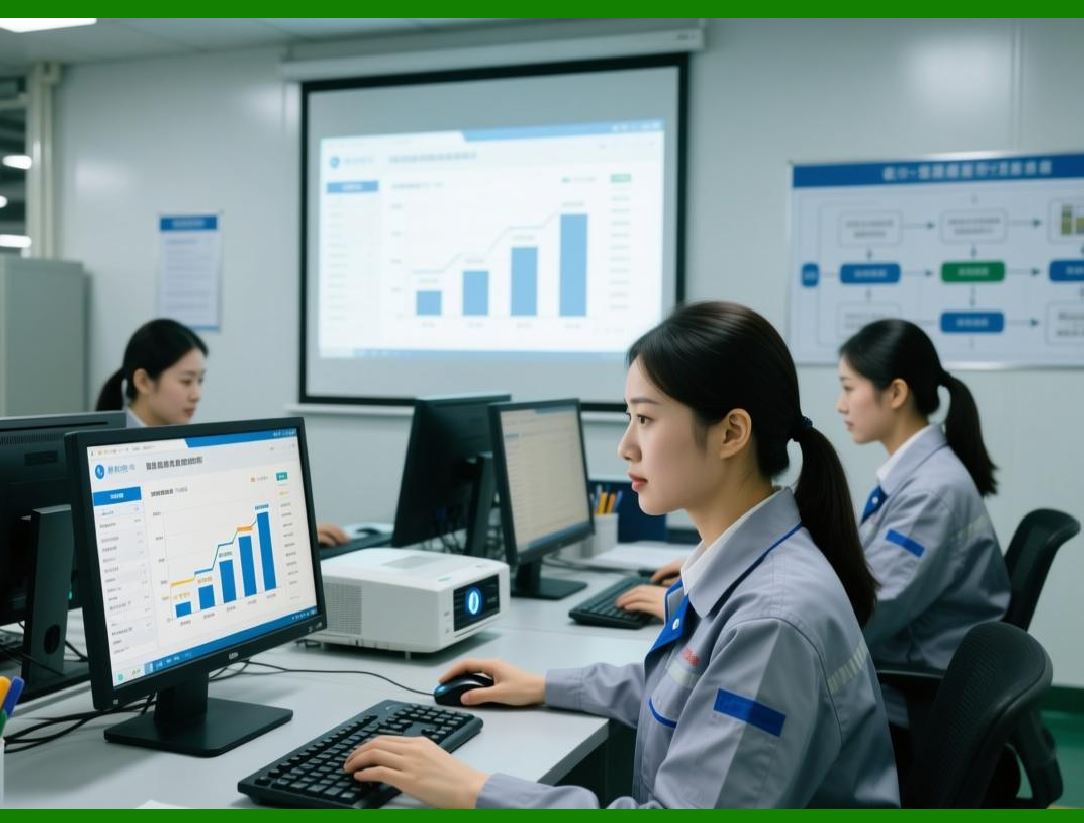
* ERP provides real-time dashboards for order tracking and inventory status |
|
228. Scenario 4: Repair and RMA Closed-Loop Management |
228.1 Background |
A consumer electronics company experiences periodic product returns due to defects or failures. Key challenges: |
* Traceability of returned items |
* Accurate root cause analysis |
* Warranty cost control |
228.2 ERP Implementation Highlights |
* Barcode-Based Return Tracking: Each RMA item is linked to original production batch |
* Predictive Analysis: AI predicts high-risk batches to reduce future returns |
* Repair Workflow Integration: ERP guides repair or scrap decisions with automated cost allocation |
* Supplier Accountability: Component-related defects automatically traced to supplier lot numbers |
* Closed-Loop Feedback: RMA data informs production and engineering improvements |
228.3 Operational Outcome |
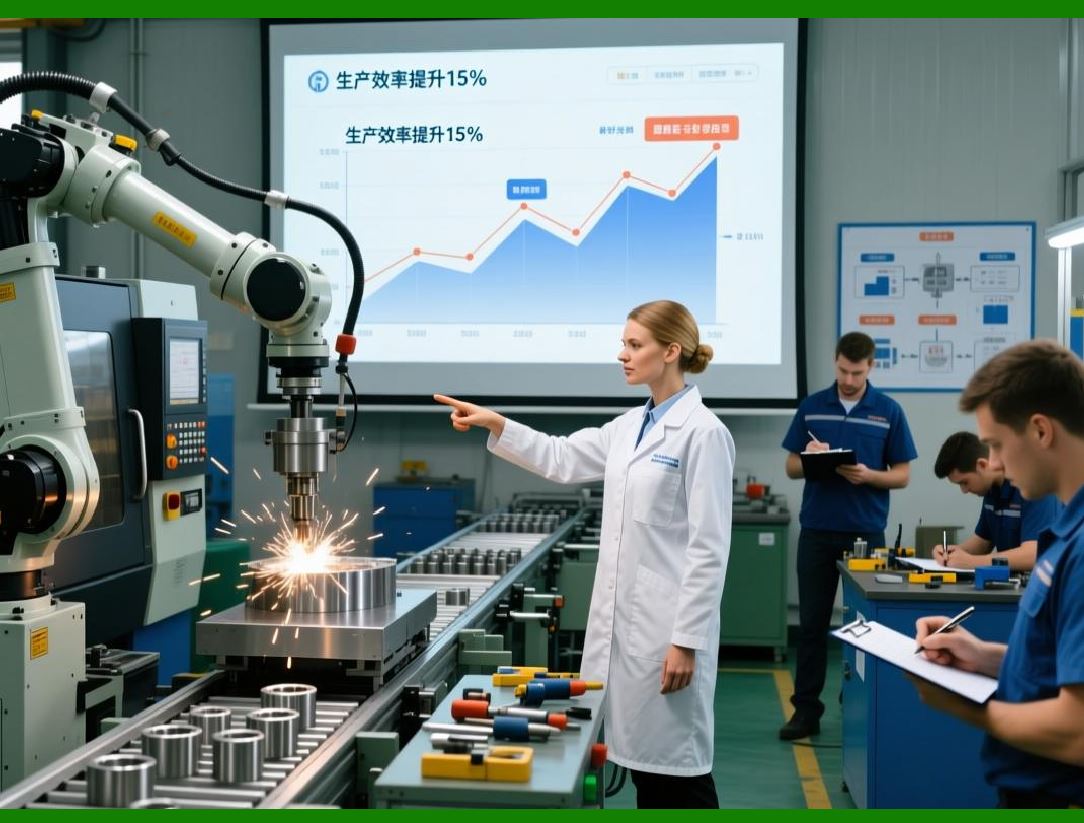
* Reduced average RMA processing time by 40% |
* Improved warranty cost forecasting accuracy |
* Root cause analysis efficiency improved by 60% |
* Supplier performance visibility strengthened for proactive quality improvements |
|
229. Scenario 5: RoHS Compliance Verification in High-Volume PCB Assembly |
229.1 Background |
A manufacturer producing consumer and industrial electronics must ensure RoHS compliance at every production stage. Challenges include: |
* Large number of component types and suppliers |
* Frequent design changes |
* Audit readiness for regulatory authorities |
229.2 ERP Compliance Approach |
* Material Validation: Barcode scanning validates RoHS compliance on receipt |
* Process Enforcement: ERP blocks non-compliant material from entering production |
* Finished Goods Verification: Barcode-linked final inspection ensures all components and assemblies meet compliance |
* Audit Trail: ERP logs every scan and decision for ISO and regulatory inspections |
229.3 Operational Outcome |
* Zero compliance violations in recent audits |
* Streamlined inspection processes |
* Reduced manual compliance verification workload by 70% |
* Full traceability ensured for every production batch |

|
230. Technical Content Summary of Part 30 |
Part 30 presented typical real-world application scenarios demonstrating integrated ERP usage in electronics manufacturing: |
1. High-Mix, Low-Volume Production: Optimized scheduling, SMT integration, hybrid production, predictive RMA, leading to faster production, higher line utilization, and lower scrap. |
2. Outsourced Automotive PCBA: Unified production order tracking, material synchronization, compliance verification, and real-time quality feedback. |
3. E-Commerce Order Fulfillment: Real-time order capture, AI-driven APS scheduling, barcode-validated material allocation, and fast shipment with full traceability. |
4. Repair and RMA Management: Barcode-based returns, AI predictive failure analytics, cost allocation, and closed-loop feedback for engineering and production. |
5. RoHS Compliance in High-Volume PCB Assembly: Barcode scanning at all stages, ERP-enforced compliance, audit-ready traceability, and operational efficiency improvements. |
These scenarios illustrate the holistic integration of ERP modules, barcode technology, predictive analytics, compliance controls, and e-commerce synchronization, highlighting tangible operational, quality, and cost benefits in modern electronics manufacturing. |

|
In Part 31, we will continue with typical application scenarios focusing on production planning and scheduling refinements for PCBA outsourcing, SMT programming integration, and real-time capacity adjustment, bridging operational execution with ERP intelligence. |
 cs@easiersoft.com