Technical Overview of RFID Technology |
Design Considerations for Human Implantation |
Medical Feasibility and Biocompatibility |
Procedures for Implantation and Removal |
Security, Privacy, and Data Protection Issues |
Ethical Considerations |
Legal and Regulatory Frameworks |
Economic Cost-Benefit Analysis |
Social Acceptance and Cultural Implications |
Potential Applications and Case Studies |
Long-Term Risks and Limitations |
Future Trends and Technological Evolution |
Final Feasibility Evaluation and Conclusion |
|
Feasibility Study on Implanting RFID Chips in the Human Body |
1. Introduction and Background |
1.1 Purpose of the Study |
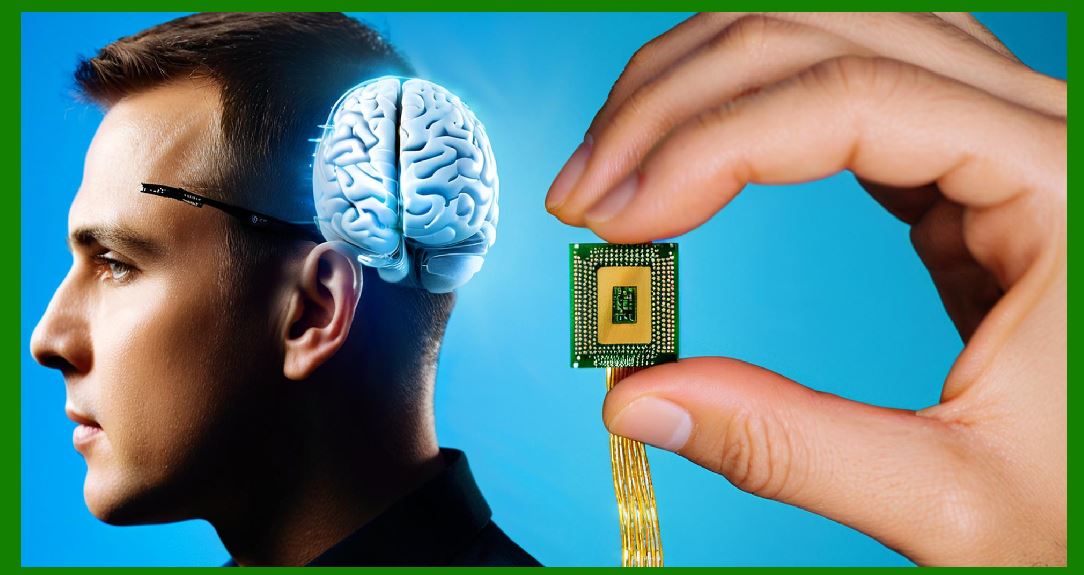
The objective of this feasibility study is to evaluate the potential, practicality, and implications of implanting radio-frequency identification (RFID) chips in the human body. This study is intended to present a balanced analysis, combining both potential benefits and foreseeable drawbacks, across technical, medical, ethical, legal, and societal domains. By systematically addressing each of these aspects, this report aims to inform researchers, policymakers, healthcare professionals, technologists, and the general public about the realistic prospects and challenges of such a technology. |
1.2 Definition of RFID and Its General Uses |
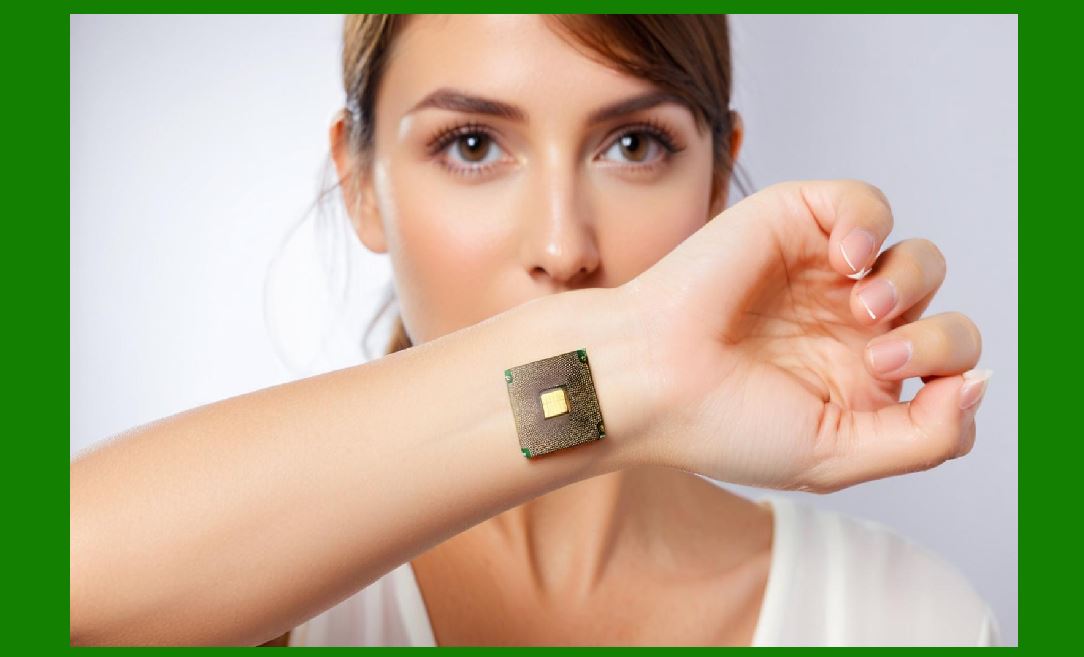
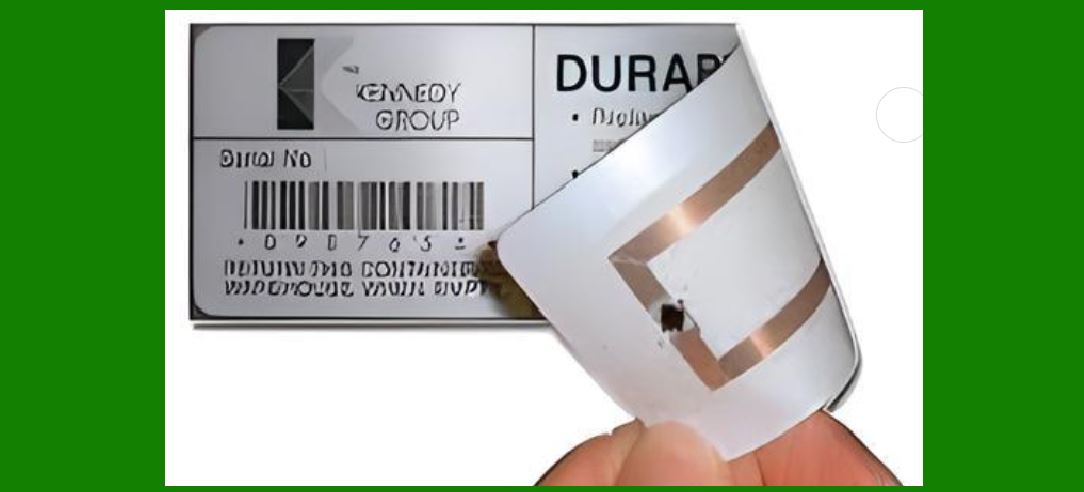
RFID stands for Radio-Frequency Identification, a technology used for wireless data transmission between an RFID tag and a reader device. RFID tags can be active (with an internal power source) or passive (powered by the reader¡¯s radio waves). Traditionally, RFID has been used in inventory management, supply chain tracking, access control, livestock identification, and contactless payment systems. In recent years, advances in microelectronics and materials science have enabled RFID tags small enough for subcutaneous implantation into the human body. |
1.3 Historical Context of Human RFID Implants |
The concept of implanting chips in humans is not entirely new. Early experiments in the late 1990s and early 2000s focused on implanting passive RFID chips in pets for identification purposes. Soon after, hobbyists and biohacking communities began experimenting with subdermal RFID implants for personal convenience, such as unlocking doors or storing digital contact information. The commercial availability of glass-encapsulated passive RFID tags designed for human implantation, such as those by Dangerous Things or Biohax International, further increased public awareness of the possibility. However, large-scale adoption in the general population remains limited, partly due to safety concerns, privacy issues, and the absence of universally accepted regulations. |
1.4 Scope and Limitations of the Study |
This study will cover: |
Technical specifications and design considerations for implantable RFID. |
Medical feasibility, including biocompatibility and surgical considerations. |
Security, privacy, and ethical issues. |
Legal and regulatory frameworks in various jurisdictions. |
Economic viability and social acceptance. |
Potential real-world applications and limitations. |
This study will not include speculative or purely fictional scenarios without a basis in current technological or medical understanding. |
|
2. Technical Overview of RFID Technology |
2.1 Principles of RFID Communication |
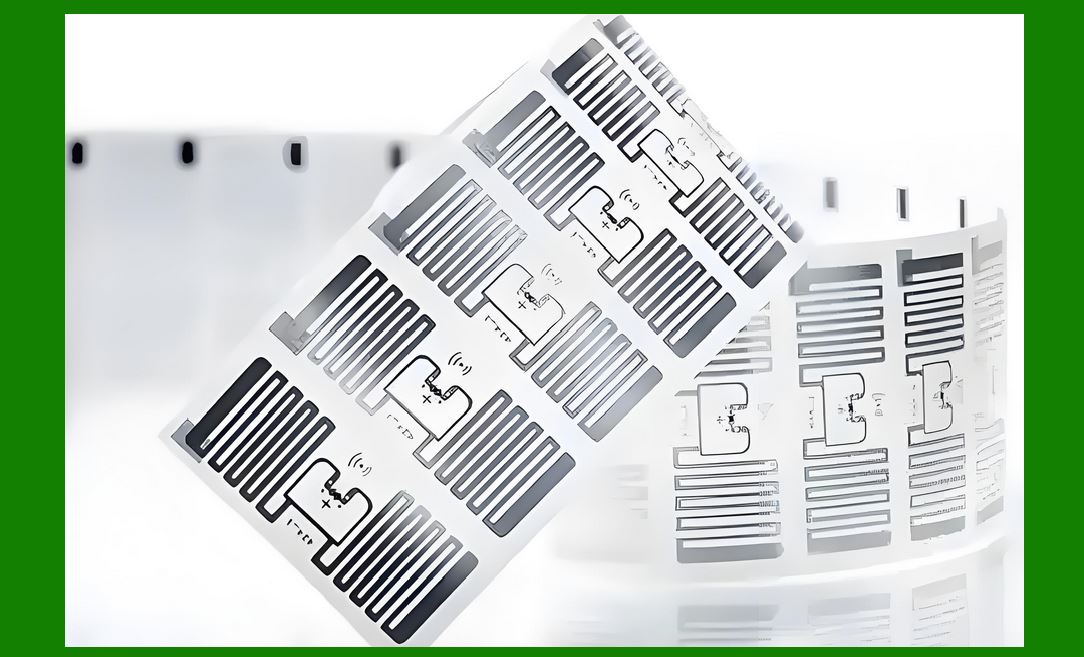
RFID technology operates using electromagnetic fields to transfer data between a tag and a reader. The tag typically contains a microchip and an antenna, and its function depends on its type: |
Passive RFID: No internal power source; activated by the electromagnetic field of the reader. |
Active RFID: Contains a battery for extended range and additional functionality. |
Semi-passive RFID: Contains a battery but uses the reader¡¯s signal for communication. |
For human implantation, passive RFID is currently the most viable due to its extremely low energy requirements, lack of a battery, and small size. |
2.2 Frequency Bands for RFID |
RFID systems operate in several frequency ranges: |
Low Frequency (LF): ~125¨C134 kHz, short range (up to 10 cm), less susceptible to interference, commonly used for animal and human implants. |
High Frequency (HF): 13.56 MHz, moderate range (up to 1 meter), used for access cards and some payment systems. |
Ultra High Frequency (UHF): 860¨C960 MHz, longer range (up to several meters), more prone to interference from metals and liquids. |
LF and HF are most appropriate for human implants because their reduced range limits unwanted scanning and because they penetrate human tissue more reliably. |
2.3 Size, Materials, and Form Factor |
Implantable RFID chips are typically: |
Cylindrical, approximately 2 mm in diameter and 12 mm in length. |
Encased in biocompatible glass (borosilicate) or polymer to prevent tissue reaction. |
Incorporating a copper coil antenna wound around a ferrite core for efficient coupling with the reader. |
2.4 Data Storage and Functionality |
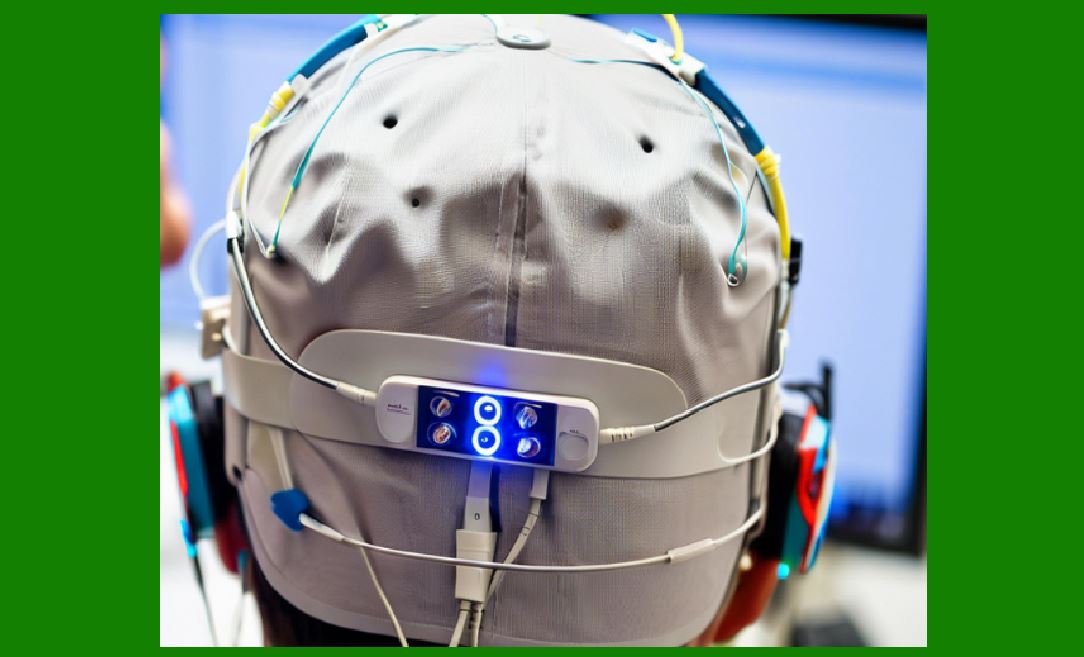
The storage capacity of implantable RFID chips is usually limited (e.g., 128 bytes to 2 kilobytes) and is not intended for storing large datasets. Instead, the chip holds a unique identifier or small amount of structured data, which is linked to external databases where the main information is stored. This approach reduces the risk of implant compromise but introduces dependence on external infrastructure. |
|
3. Design Considerations for Human Implantation |
3.1 Physical Form Factor Adaptations |
Implantable RFID chips must be designed with the human body¡¯s anatomical and physiological constraints in mind. The most common implant sites are subdermal locations in soft tissue, such as the webbing between the thumb and index finger, the dorsal forearm, or the upper arm. These locations are chosen because: |
They provide sufficient soft tissue to cushion the implant. |
They are relatively free from vital structures like major blood vessels and nerves. |
They allow easy access for both implantation and later removal. |
For long-term safety, the design must minimize: |
Migration: Movement of the implant from its original position due to muscular activity or gravity. |
Sharp edges: All surfaces must be smooth to prevent irritation. |
Mechanical stress: Materials should withstand pressure, bending, or accidental impact without fracturing. |
3.2 Biocompatible Materials |
The material must be non-toxic, non-carcinogenic, and resistant to degradation in body fluids. Common materials include: |
Borosilicate glass: Offers excellent chemical resistance and is inert in tissue. |
Biocompatible polymers (e.g., medical-grade silicone, Parylene coating): Provide flexibility and reduce brittleness risk. |
Titanium casing: Used in more advanced implants for increased mechanical strength, though rare for small RFID devices due to cost. |
The choice of material also affects radio frequency transparency ¡ª metallic materials can impede signal transmission unless designed with specific antenna configurations. |
3.3 Power Supply Considerations |
For human implants, passive RFID technology is overwhelmingly preferred due to: |
Absence of internal batteries (no replacement needed). |
Long lifespan (potentially decades). |
Safety (eliminates the risk of battery leakage inside the body). |
Active RFID tags, while offering longer read ranges and more functionality, pose challenges: |
Larger size due to battery requirements. |
Need for eventual replacement. |
Increased heating potential during prolonged transmissions. |
3.4 Antenna Design for Subcutaneous Operation |
The antenna in a human RFID implant must function effectively in a medium composed mostly of water and electrolytes. Human tissue attenuates RF signals, particularly at higher frequencies. Therefore: |
LF RFID systems use larger coil antennas for strong inductive coupling. |
HF systems may use multi-turn coil designs to improve efficiency. |
Orientation is important; antennas should be aligned to maximize the probability of coupling with a reader from different approach angles. |
3.5 Durability and Lifespan |
Implants are expected to last many years without degradation. Durability considerations include: |
Mechanical resistance to daily impacts and pressures. |
Chemical stability in the presence of salts, proteins, and varying pH levels in interstitial fluids. |
Temperature tolerance for environmental extremes (e.g., exposure to cold during outdoor activities or mild heating from medical imaging equipment). |
Manufacturers typically perform accelerated aging tests to simulate years of exposure within the human body. |

|
4. Medical Feasibility and Biocompatibility |
4.1 Tissue Response to Foreign Objects |
When a foreign object is introduced into the human body, the immune system responds by attempting to isolate or degrade the object. Inert materials like medical-grade glass and certain polymers cause minimal immune activation. The body may form a thin fibrous capsule around the implant, stabilizing its position. |
Potential adverse responses include: |
Chronic inflammation if the material is not fully biocompatible. |
Allergic reactions to certain polymers or adhesives. |
Localized pain or discomfort due to pressure on nerves. |
4.2 Risk of Infection |
The main infection risk occurs during implantation, when the skin barrier is breached. Proper surgical sterilization and aseptic technique are essential. Post-implant infections are rare if the device remains sealed and intact, as bacteria have no pathway to reach it. However, migration or breakage could increase risks. |
4.3 Imaging Compatibility (MRI, CT, X-ray) |
Implants must be assessed for compatibility with medical imaging techniques: |
MRI safety: Non-ferromagnetic materials like glass or polymer are generally MRI-safe, but the RF field could induce heating if metallic antennas are present. |
CT scans and X-rays: RFID implants are visible but do not cause significant imaging artifacts. |
Ultrasound: Implants may produce a reflective signature, allowing location verification. |
4.4 Long-Term Stability |
Studies on animal microchips show that RFID implants can remain functional for decades without degradation. Failures are rare and typically result from: |
Structural damage due to impact. |
Manufacturing defects. |
Encapsulation breaches allowing fluid ingress. |
4.5 Removal Procedures |
While intended to be permanent, RFID implants can be removed if necessary. Removal requires: |
Local anesthesia. |
A small incision over the implant site. |
Dissection through fibrous tissue encapsulation. |
Extraction with minimal trauma to surrounding structures. |
Risks include scarring, infection, and temporary nerve irritation. |

|
5. Procedures for Implantation and Removal |
5.1 Implantation Technique |
A typical subdermal RFID implantation follows these steps: |
Preparation: The implant site is sterilized, and local anesthesia may be applied. |
Insertion: A preloaded sterile injector (similar to veterinary microchip systems) is used to insert the RFID capsule into subcutaneous tissue. |
Closure: The entry site may be closed with a bandage; sutures are generally unnecessary. |
Aftercare: The patient is advised to avoid pressure on the site for several days. |
The procedure typically takes less than five minutes. |
5.2 Pain and Recovery |
Pain is minimal and comparable to ear piercing or a minor injection. Mild swelling or tenderness may occur for 1¨C3 days, after which the implant is usually imperceptible under the skin. |
5.3 Removal Scenarios |
Reasons for removal include: |
Device malfunction. |
User¡¯s change of preference. |
Upgrade to a newer technology. |
Adverse tissue reaction. |
Removal is typically performed in outpatient settings by medical professionals. |

|
6. Security, Privacy, and Data Protection Issues |
6.1 Nature of Data Stored on Human RFID Implants |
Implantable RFID chips generally store limited data capacity, often ranging between 128 bytes and 2 kilobytes. In most cases, they contain: |
A unique identifier (UID) linked to an external database. |
Optional small payloads such as medical ID codes or access credentials. |
The limited storage helps mitigate risk by not embedding extensive personal data directly into the chip. However, because the UID can act as a key to large amounts of information in linked systems, its protection is critical. |
6.2 Vulnerabilities to Unauthorized Reading |
Passive RFID implants can be read without physical contact, raising the possibility of: |
Eavesdropping: Unauthorized parties capturing transmitted IDs during legitimate scans. |
Cloning: Copying the UID to another RFID tag to impersonate the original. |
Tracking: Using the chip¡¯s unique signature to monitor a person¡¯s movements. |
These threats are more pronounced in implants operating at HF or UHF frequencies, which have longer read ranges. |
6.3 Countermeasures Against Unauthorized Access |
Possible security enhancements include: |
Encryption: Encrypting data on the chip or during transmission (e.g., AES-based challenge-response). |
Password Protection: Requiring a password for read/write operations. |
Limited Range Design: Using low-frequency tags with very short read ranges to minimize remote scanning risks. |
Reader Authentication: Ensuring only registered readers can communicate with the chip. |
In passive LF implants, the short range often serves as the main practical security measure. |
6.4 Regulatory and Technical Standards |
The International Organization for Standardization (ISO) provides relevant RFID security and data protection guidelines, including: |
ISO/IEC 14443 (proximity cards and HF RFID). |
ISO/IEC 15693 (vicinity cards). |
ISO 11784/11785 (animal identification LF RFID, sometimes applied to humans). |
Adhering to standardized encryption protocols ensures interoperability while maintaining security levels. |
6.5 Risk of Data Tampering |
While passive RFID implants are generally read-only after programming, some allow rewriting. This can be beneficial for updating stored information but introduces the risk of malicious overwriting or corruption. Write-lock mechanisms are recommended for implants intended for long-term identification. |
6.6 Impact of Data Breaches |
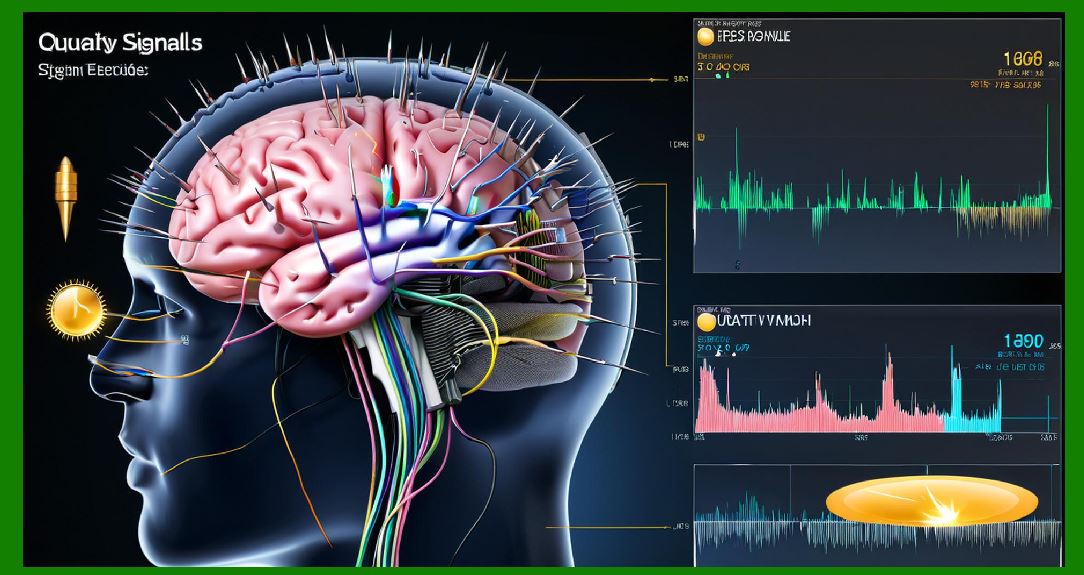
A breach involving implant-linked databases could reveal sensitive personal details, even if the chip itself only stores an ID number. This risk underscores the need for strong cybersecurity measures beyond the implant itself, including: |
Secure database storage. |
Access controls. |
Logging and auditing of data access. |
|
7. Ethical Considerations |
7.1 Bodily Autonomy |
Implanting RFID chips involves altering a person¡¯s body in a permanent or semi-permanent way. Ethical acceptance hinges on informed consent ¡ª the individual must: |
Fully understand the procedure. |
Be aware of both benefits and risks. |
Have the freedom to decline without coercion. |
7.2 Informed Consent in Special Populations |
Special caution applies when considering implants for: |
Minors: Consent must come from guardians, raising questions about the child¡¯s autonomy. |
Individuals with cognitive impairments: Assessments are required to ensure understanding. |
Employees or military personnel: Power dynamics may complicate voluntary consent. |
7.3 Potential for Coercion |
The main ethical concern is the possibility of forced implantation, whether by employers, governments, or other institutions. Even indirect coercion, such as requiring implants for job eligibility, could undermine individual freedom. |
7.4 Privacy Rights |
Implants capable of being read without the individual¡¯s awareness pose privacy challenges: |
Potential for surveillance without consent. |
Risks of location tracking. |
Misuse by malicious actors. |
Ethical frameworks emphasize transparency about who can read the implant and for what purposes. |
7.5 Equity and Social Division |
If RFID implants provide significant advantages ¡ª such as faster medical treatment or exclusive access to certain facilities ¡ª they could exacerbate social inequalities between those who have implants and those who do not. Ethical policies must address equal access and avoid discrimination. |
7.6 The ¡°Slippery Slope¡± Argument |
Critics warn that normalization of human implants could pave the way for more invasive technologies, such as tracking microchips with GPS or biometric sensors, leading to greater control over individuals by organizations or states. |
|
8. Legal and Regulatory Frameworks |
8.1 International Variations in Regulation |
Laws regarding human RFID implants vary widely: |
Prohibition: Some jurisdictions ban mandatory implantation (e.g., several U.S. states such as California, Missouri, and Wisconsin). |
Medical Device Classification: Some countries classify implants as medical devices, requiring approval before use. |
Data Protection Regulations: In the EU, the General Data Protection Regulation (GDPR) applies to any personal data processed through RFID systems. |
8.2 Voluntary vs. Mandatory Implantation |
Most legal systems protect individuals from mandatory implantation. Laws typically require: |
Written informed consent. |
Documentation of the purpose and scope of data collection. |
The right to request removal. |
8.3 Liability in Case of Harm |
If an implant causes injury or health complications, liability may fall on: |
The manufacturer (for defects). |
The medical practitioner (for improper implantation). |
The organization requiring the implant (if coercion was involved). |
Clear legal pathways for compensation are necessary to protect users. |
8.4 Cross-Border Issues |
Because RFID chips can interact with global systems, cross-border legal concerns arise: |
Compatibility of data protection laws between countries. |
Recognition of implants as valid identification in international contexts. |
Transport and customs implications for travelers with implants. |
8.5 Standards Compliance |
Legal frameworks often require compliance with ISO standards to ensure safety, interoperability, and minimal electromagnetic interference with other devices. |
|
9. Economic Cost-Benefit Analysis |
9.1 Cost of Implantable RFID Devices |
The price of an individual implantable RFID chip varies according to: |
Frequency type: LF chips (~125 kHz) are generally cheaper than HF chips (13.56 MHz) due to simpler antenna designs. |
Production scale: Larger manufacturing runs reduce per-unit cost. |
Material quality: Medical-grade biocompatible coatings increase production costs. |
Additional security features: Encryption-enabled chips are more expensive. |
As of current market trends: |
Low-cost LF implants can cost between USD $5¨C15 per unit at wholesale prices. |
Higher-end HF implants with encryption capabilities range from USD $20¨C50. |
Custom medical-grade devices for clinical trials can exceed USD $100 per unit. |
9.2 Procedural Costs |
The overall cost of RFID implantation is not limited to the chip itself: |
Medical service fees: Skilled personnel are required for sterile implantation. |
Sterilization equipment: Disposable implant kits and injectors add to the cost. |
Post-implant care: Follow-up visits, removal procedures (if needed), and infection management. |
In Western healthcare systems, a single implantation may cost between USD $50¨C300, depending on the clinical setting. In informal biohacker contexts, costs are significantly lower, though with potential compromises in safety. |
9.3 Infrastructure Costs |
To make implanted RFID useful, organizations must invest in: |
Compatible RFID readers. |
Backend database systems for authentication and data retrieval. |
Security software for encryption, access control, and intrusion detection. |
For large-scale deployments, infrastructure costs may dwarf the per-user implantation costs. |
9.4 Potential Economic Benefits |
Benefits can be direct (cost savings) or indirect (efficiency gains): |
Reduced administrative overhead: RFID-based access control reduces the need for physical keys or cards. |
Improved medical response: In emergencies, implanted chips could instantly provide medical ID data. |
Long-term durability: Unlike ID cards, implants do not need frequent replacement. |
Fraud prevention: More difficult to forge than traditional ID formats. |
9.5 Return on Investment (ROI) |
Calculating ROI depends on: |
Adoption scale. |
Frequency of use. |
Reduction in losses from fraud or inefficiency. |
For example, a hospital adopting RFID implants for patients with chronic conditions could see cost savings from reduced administrative time, fewer identification errors, and faster emergency care. |
9.6 Cost Risks |
Potential risks that could offset benefits include: |
Data breach expenses: Costs of responding to a security incident. |
Litigation: Legal claims from adverse health effects or privacy violations. |
Obsolescence: Technology changes could make implants incompatible with future systems. |
|
10. Social Acceptance and Cultural Implications |
10.1 Public Perception |
The public¡¯s perception of implantable RFID is influenced by: |
Technological familiarity: People accustomed to wearable tech may be more accepting. |
Privacy concerns: Fear of surveillance can reduce acceptance. |
Religious and ethical beliefs: Some communities oppose body modification or associate implants with negative symbolic meanings. |
10.2 Cultural Variations |
Acceptance levels vary significantly between regions: |
Nordic countries: Generally higher acceptance due to strong digital infrastructure and trust in government. |
North America: Mixed opinions; strong emphasis on personal privacy and individual rights. |
Asia-Pacific: Acceptance varies widely, with tech-forward countries like Japan showing higher openness than conservative regions. |
10.3 Influence of Media |
Media portrayals ¡ª whether in science fiction or news ¡ª shape societal attitudes: |
Positive portrayals emphasize convenience and futuristic integration. |
Negative portrayals highlight dystopian surveillance scenarios. |
10.4 Generational Differences |
Younger generations, already accustomed to digital identification and wearables, may adopt implants more readily than older generations, who may prefer traditional, removable identification forms. |
10.5 Workplace and Community Acceptance |
For RFID to gain traction, workplaces and communities must: |
Establish clear voluntary participation policies. |
Provide alternative access methods for non-implanted individuals. |
Ensure no social exclusion occurs for those declining implants. |
|
11. Potential Applications and Case Studies |
11.1 Medical Applications |
Patient Identification: Quick scanning for hospital records in emergencies. |
Medication Compliance: Linking prescriptions to an implanted ID to ensure correct dosing. |
Chronic Condition Management: Storing allergy alerts, organ donor status, and special care instructions. |
Case Example: |
Some Swedish hospitals have piloted RFID implants for frequent patients to streamline check-ins and reduce paperwork. |
11.2 Access Control |
RFID implants can replace: |
Building access cards. |
Gym membership cards. |
Secure facility authentication keys. |
Case Example: |
Several tech companies in Sweden and the U.S. have offered voluntary implants to employees for office and cafeteria access. |
11.3 Financial Transactions |
Although not yet widespread, RFID implants could replace contactless payment cards. Trials have shown successful tap-to-pay transactions, though security concerns have slowed adoption. |
11.4 Transportation |
Transit systems could integrate implants for ticketless entry ¡ª similar to NFC-enabled phones but without the need for an external device. |
11.5 Law Enforcement and Corrections |
Implants could be used for secure inmate identification or tracking within a controlled environment. This raises significant ethical and legal concerns about consent and privacy. |
11.6 Human-Computer Interaction |
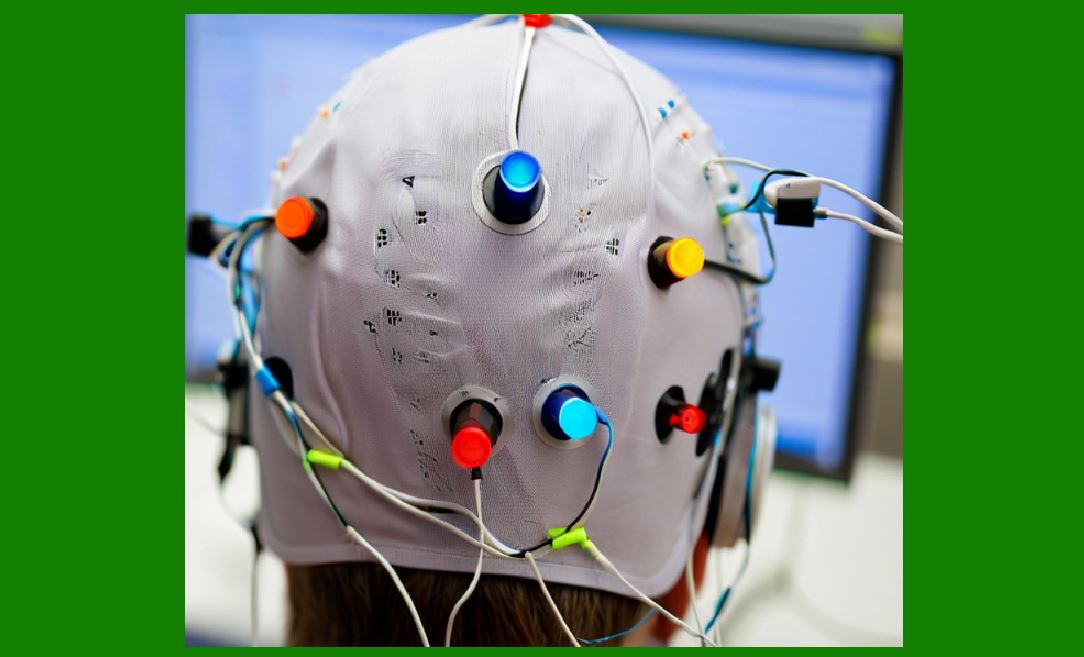
In the realm of biohacking, implants are used for unlocking smartphones, laptops, and other personal devices with a wave of the hand. |
|
12. Long-Term Risks and Limitations |
12.1 Biological Risks Over Time |
Although implantable RFID chips are designed for long-term stability, several biological risks persist over years or decades: |
Tissue encapsulation thickening: Over time, fibrous tissue around the implant may become denser, potentially reducing read range. |
Material degradation: Extreme long-term exposure to body fluids may eventually compromise the encapsulation in rare cases. |
Chronic irritation: Improper placement or mechanical stress from repetitive movements may cause low-grade inflammation. |
Migration: Although uncommon, gradual shifting of the implant may occur, complicating retrieval. |
12.2 Technological Obsolescence |
RFID standards and infrastructure evolve. An implant using today¡¯s LF or HF protocols could be incompatible with future systems, leading to: |
Reduced usefulness over time. |
Need for surgical replacement to maintain functionality. |
Potentially stranded data if the linked system is discontinued. |
12.3 Security Vulnerabilities |
As encryption methods and attack techniques evolve, a once-secure implant could become vulnerable: |
Side-channel attacks: Exploiting the physical properties of the chip¡¯s operation. |
Protocol downgrade attacks: Forcing the system to use less secure communication modes. |
Cloning: As tools become cheaper, cloning may become trivial unless cryptographic measures are built-in. |
12.4 Regulatory Changes |
Changes in law could: |
Restrict implant use in certain contexts. |
Require mandatory upgrades to meet new privacy standards. |
Impose removal of non-compliant devices. |
12.5 Social Backlash |
Public opinion can shift rapidly. If high-profile cases of abuse or privacy violations occur, social acceptance may plummet, leading to reduced adoption or stigmatization of implanted individuals. |
12.6 Medical Contraindications |
While generally safe, implants may be contraindicated for: |
Individuals with metal hypersensitivities (if the antenna contains metal alloys). |
Those with compromised immune systems (slower wound healing). |
Patients with chronic skin conditions in the implantation area. |

|
13. Future Trends and Technological Evolution |
13.1 Integration with Other Bioelectronic Devices |
Future RFID implants may merge with: |
Biometric sensors: For heart rate, glucose levels, or temperature. |
Neural interfaces: For brain-computer interaction. |
GPS-enabled systems: Though limited by power constraints, hybrid designs could emerge for periodic location pings. |
13.2 Energy Harvesting Advancements |
Emerging energy harvesting technologies could enable semi-passive implants that draw power from: |
Body heat. |
Muscle movement. |
Ambient radio waves. |
This could extend read range or support additional sensing without a large battery. |
13.3 Miniaturization |
Advances in microfabrication will likely reduce implant size further, enabling multi-function chips that combine RFID, NFC, and secure storage in a capsule smaller than 1 mm in diameter. |
13.4 Blockchain-Linked Identity |
Future identity systems could link implant UIDs to decentralized blockchain registries, potentially improving: |
Data integrity. |
Cross-border identity verification. |
Resistance to centralized control. |
13.5 Legal and Ethical Framework Maturation |
As adoption grows, laws will likely evolve toward: |
Stronger user protections against coercion. |
Standardized consent and removal procedures. |
International agreements on interoperability and privacy. |
13.6 Social Normalization |
Just as smartphones shifted from novelty to necessity, RFID implants could become commonplace in certain professional or healthcare contexts. However, acceptance will depend heavily on: |
Transparent governance. |
Demonstrated real-world benefits. |
Clear opt-out pathways. |
|
14. Final Feasibility Evaluation and Conclusion |
14.1 Summary of Technical Feasibility |
From a purely technical standpoint, implantable RFID chips are feasible and already in use among early adopters and specific pilot programs. The technology is mature in the sense that: |
Passive LF/HF chips function reliably under the skin. |
Biocompatible materials exist to ensure long-term tolerance. |
Reader infrastructure can be adapted from existing contactless systems. |
However, limitations in storage capacity, read range, and security must be acknowledged. |
14.2 Medical Feasibility |
Medically, implantation is low-risk if performed under sterile conditions by trained professionals. Long-term data from animal microchips and early human use suggest good tolerance. The main health risks are: |
Infection during implantation. |
Rare allergic or inflammatory responses. |
Potential complications in removal. |
14.3 Economic Viability |
Economically, RFID implantation is cost-effective for organizations that require constant, secure, and convenient identification. The main costs are infrastructure-related, with per-user hardware costs being modest. Large-scale public programs would require significant upfront investment but could achieve long-term operational savings. |
14.4 Ethical and Legal Balancing |
The most significant barriers to adoption are ethical and legal: |
Protecting bodily autonomy and informed consent. |
Preventing coercive use by employers or governments. |
Ensuring privacy through strong encryption and minimal data retention. |
Without robust legal safeguards, societal pushback could outweigh technical benefits. |
14.5 Societal Acceptance |
Widespread acceptance will depend on: |
Demonstrating tangible benefits in healthcare, safety, or convenience. |
Avoiding dystopian associations through responsible governance. |
Maintaining user control over participation and removal. |
14.6 Overall Feasibility Verdict |
Technically feasible: The technology exists, is functional, and can be safely implanted. |
Medically feasible: Risks are low when proper procedures are followed. |
Economically feasible: Cost-benefit ratios can be favorable in certain sectors. |
Ethically and legally conditional: Adoption should proceed only where voluntary, transparent, and legally protected. |

|
In conclusion, the implantation of RFID chips in the human body is a feasible concept under specific, controlled, and ethically managed circumstances. The potential benefits ¡ª from rapid medical identification to secure access control ¡ª are balanced by equally significant risks related to privacy, security, and societal trust. The decision to adopt such technology at scale should be informed by multidisciplinary dialogue between technologists, healthcare providers, legislators, ethicists, and the public. |
 cs@easiersoft.com