GS1 Sunrise 2027 Plan Detail (Part 15 of 19) |
Smart Packaging, IoT Integration, AI-Driven Supply Chains, and Digital Product Identity |
1. The Shift From Products to Digital Product Entities |
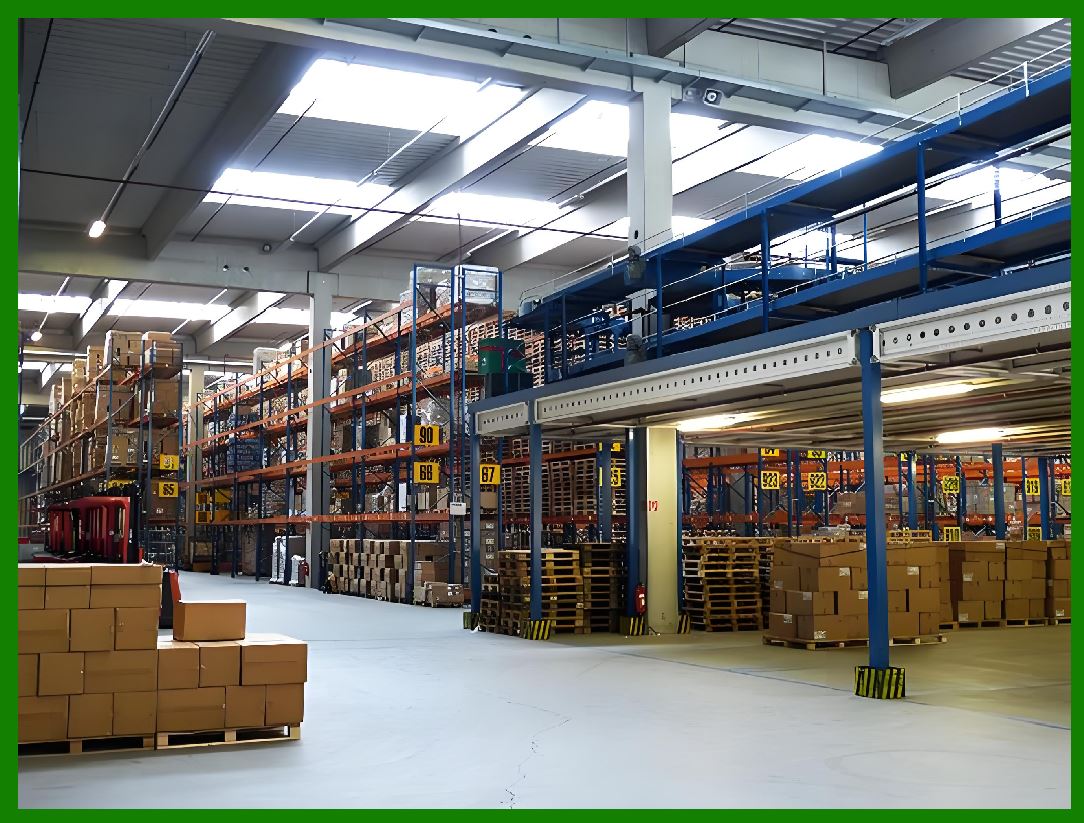
One of the most important conceptual changes in the Sunrise 2027 ecosystem is that physical goods are no longer treated as static objects. |
Instead, each product becomes a digital entity with: |
1. A unique identity (GTIN + serialization) |
2. A lifecycle history (manufacturing logistics retail use) |
3. A dynamic data interface (via QR / GS1 Digital Link) |
4. Context-aware information delivery |
This transforms supply chains into information-driven networks rather than purely physical distribution systems. |
|
2. Smart Packaging as a Digital Interface Layer |
Smart packaging refers to packaging that actively participates in data exchange. |
In Sunrise 2027 systems, packaging may include: |
1. 2D barcodes (QR or DataMatrix) |
2. Embedded sensors (temperature, humidity in advanced cases) |
3. Digital link endpoints |
4. Traceability metadata |
Packaging is no longer passive it becomes a communication interface between physical and digital systems. |

|
3. IoT Integration With Barcode Systems |
The Internet of Things (IoT) complements 2D barcode systems by adding real-time sensing capabilities. |
Combined systems enable: |
1. Real-time location tracking |
2. Environmental condition monitoring |
3. Automated event reporting (temperature changes, shocks, delays) |
4. Continuous supply chain visibility |
Barcodes provide identity, while IoT provides live state information. |

|
4. Convergence of Barcode and Sensor Data |
In advanced implementations: |
* Barcode = static identity layer |
* IoT sensors = dynamic condition layer |
Together they form a unified digital product profile: |
1. What the product is(barcode data) |
2. What is happening to it(sensor data) |
This combination enables full lifecycle intelligence. |

|
5. AI-Driven Supply Chain Intelligence |
Artificial Intelligence plays a growing role in Sunrise 2027 ecosystems. |
AI systems analyze barcode-generated data to: |
1. Predict demand fluctuations |
2. Optimize inventory placement |
3. Identify supply chain disruptions |
4. Detect anomalies (counterfeit or diversion risks) |
5. Improve logistics routing efficiency |
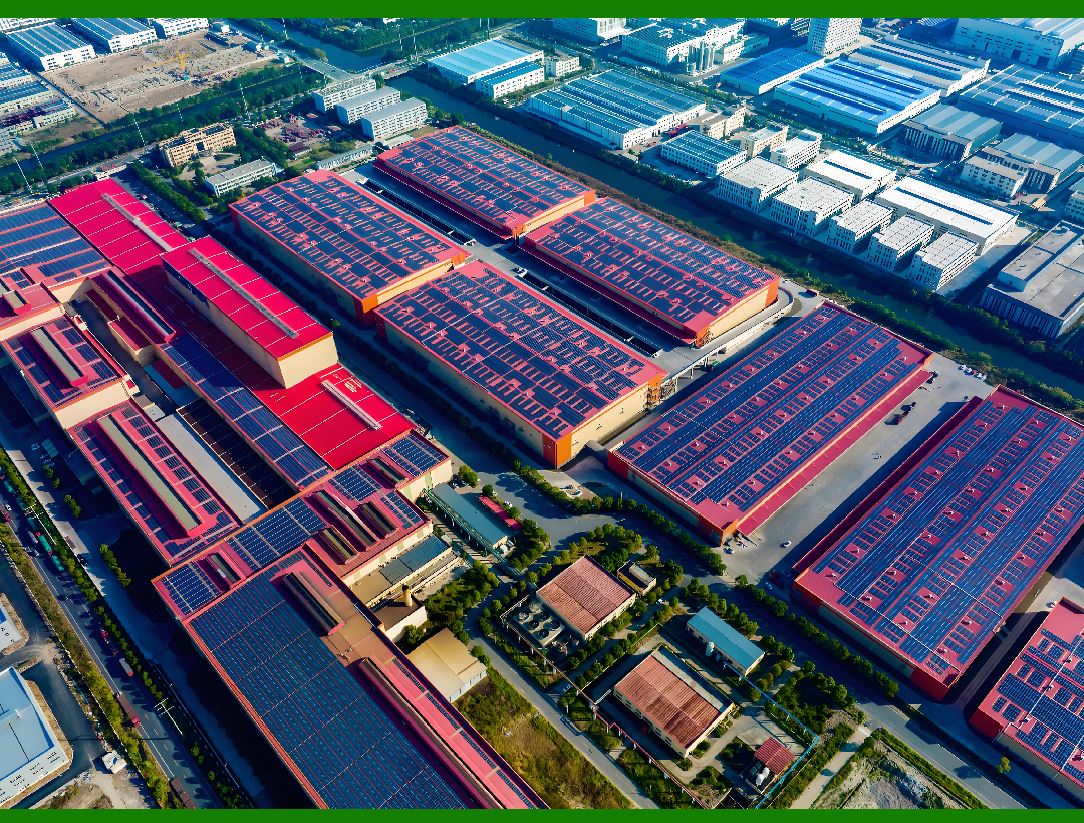
The result is a shift from reactive to predictive supply chain management. |

|
6. Real-Time Decision Making Enabled by 2D Data |
Because 2D barcodes carry richer structured data, AI systems can make faster decisions: |
Example inputs include: |
* Batch expiration data |
* Serial-level movement history |
* Warehouse location tracking |
* Retail sales velocity |
AI uses this data to optimize: |
1. Stock replenishment timing |
2. Pricing adjustments |
3. Distribution routing |
4. Waste reduction strategies |
|
7. Digital Product Identity Framework |
Each product in a Sunrise 2027 system has a persistent digital identity. |
This identity connects: |
1. Manufacturing data |
2. Supply chain movement history |
3. Retail availability |
4. Consumer interaction history |
5. Regulatory compliance records |
This creates a complete digital twin of the physical product. |

|
8. Digital Twin Concept in Supply Chains |
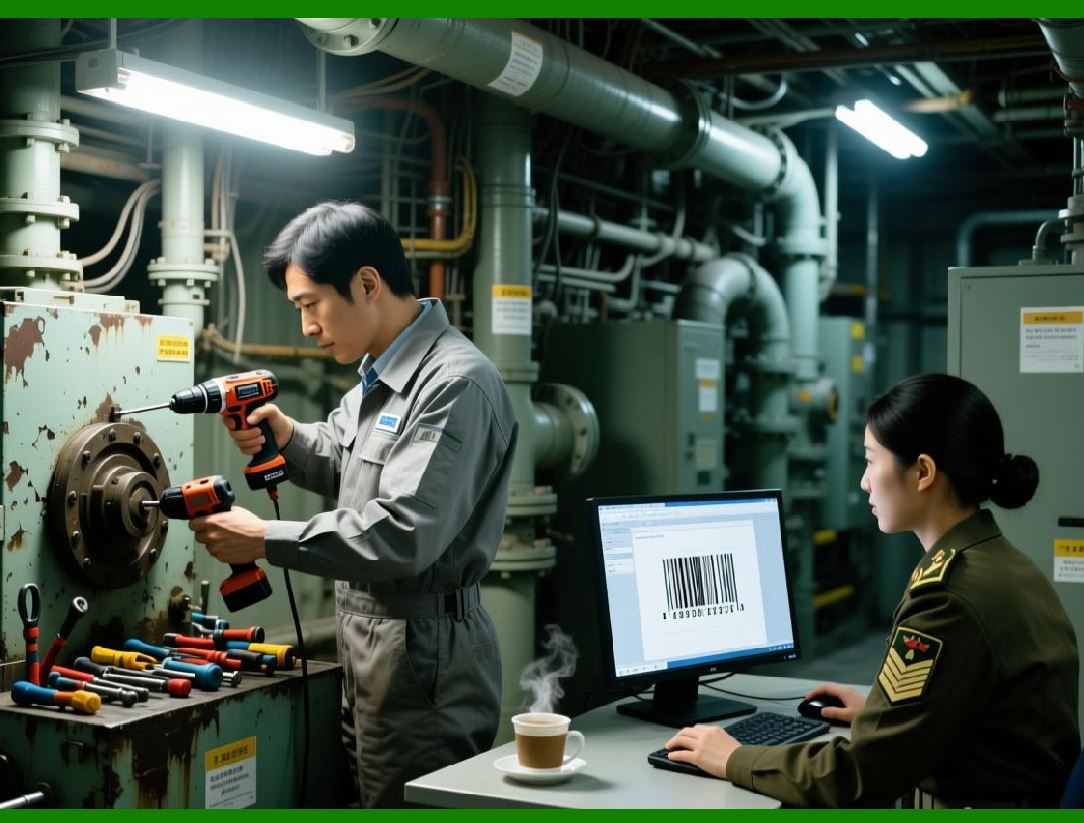
A digital twin is a virtual representation of a physical product. |
In GS1 systems: |
* Every scan updates the product digital twin |
* Every movement is recorded in real time |
* Every status change is logged |
This allows organizations to simulate and analyze supply chain behavior with high accuracy. |
|
9. Physical-to-Digital Commerce Convergence |
Sunrise 2027 enables seamless integration between physical products and digital ecosystems. |
Examples include: |
1. Scanning a product viewing online product details |
2. Purchasing in-store activating digital warranty |
3. Scanning packaging accessing AR experiences |
4. Product use generating feedback data |
This merges physical retail and e-commerce experiences. |

|
10. Personalized AI Experiences Through Product Scanning |
When consumers scan products: |
1. AI systems can recognize preferences |
2. Personalized recommendations are generated |
3. Dynamic content is delivered via Digital Link |
4. Loyalty systems are automatically updated |
This enables hyper-personalized retail engagement at the product level. |
|
11. Smart Supply Chain Optimization |
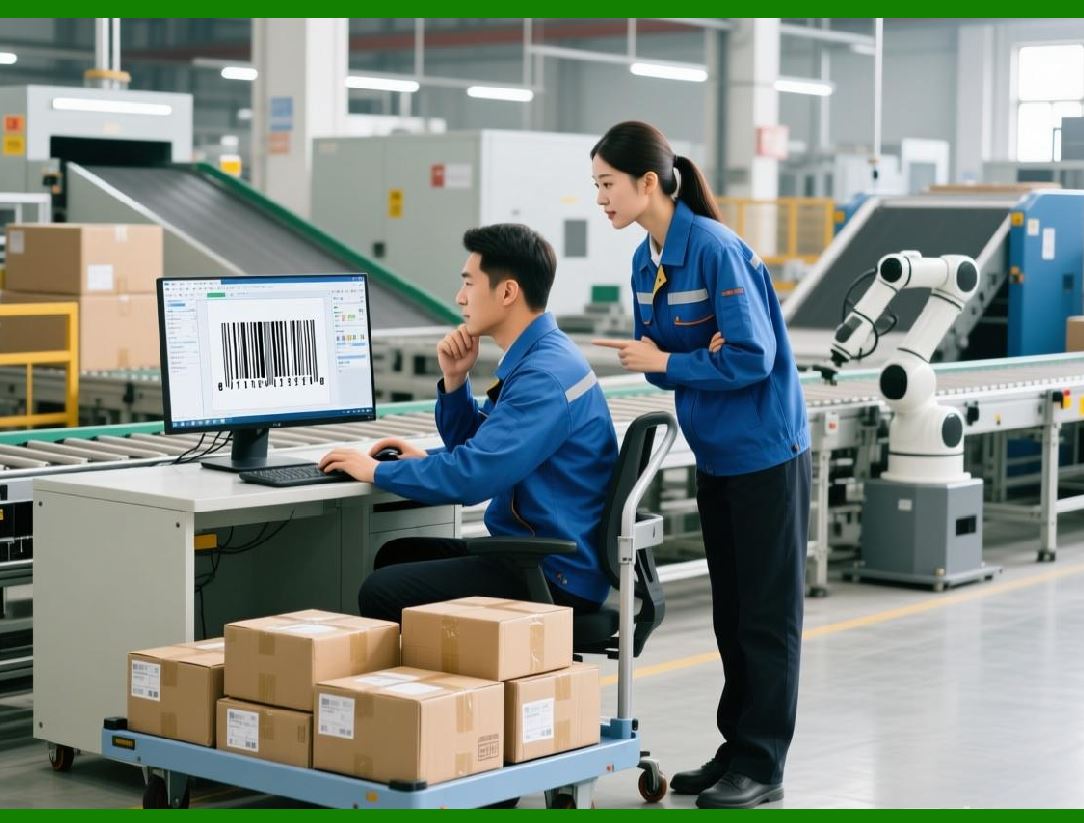
AI-driven optimization uses barcode + IoT data to improve: |
1. Warehouse layout efficiency |
2. Transportation routing |
3. Demand forecasting accuracy |
4. Inventory allocation strategies |
The result is a continuously self-optimizing supply chain system. |

|
12. Sustainability Intelligence Systems |
Smart packaging and AI systems also support sustainability goals. |
They can track: |
1. Carbon footprint per product |
2. Transportation emissions |
3. Waste generation points |
4. Recycling lifecycle data |
This enables companies to optimize for environmental performance. |

|
13. Role of GS1 Standards in Digital Ecosystems |
GS1 provides the foundational structure that enables all of these systems to work together by defining: |
1. Product identity standards |
2. Data encoding rules |
3. Digital Link framework |
4. Interoperability guidelines |
Without this standardization, AI and IoT systems would be fragmented. |

|
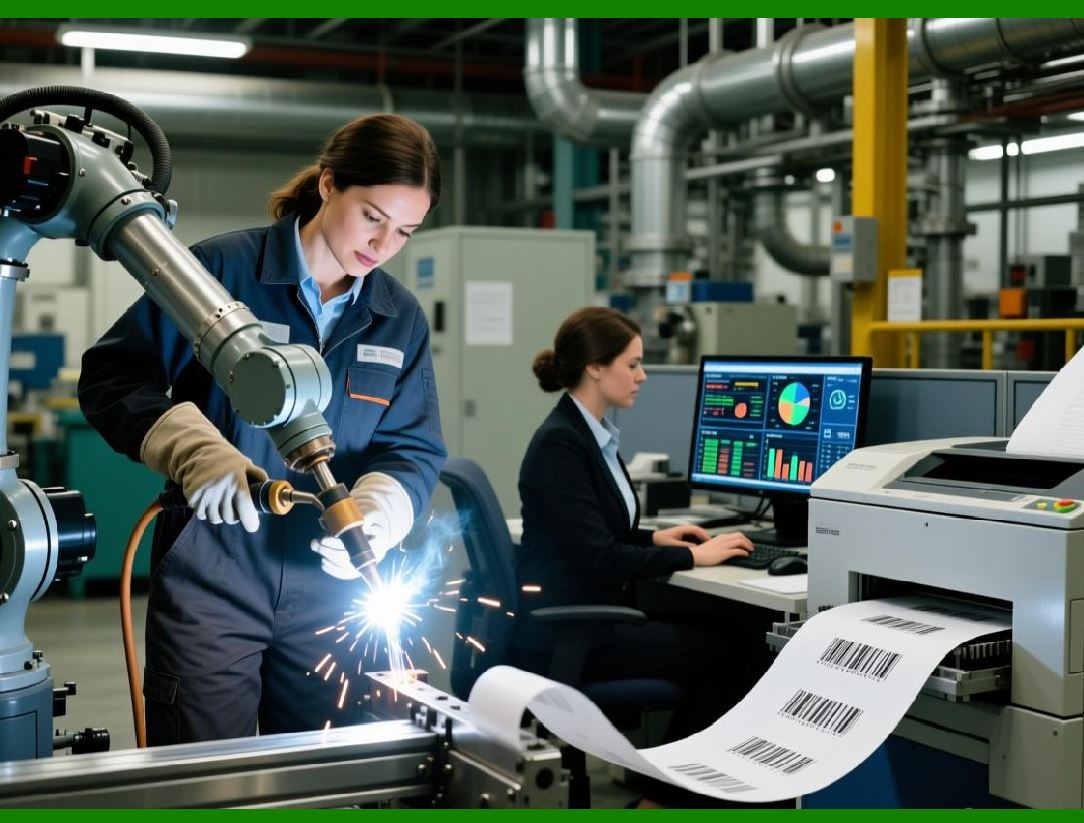
14. Challenges in Smart Packaging and AI Integration |
Despite benefits, several challenges exist: |
1. Data overload from multiple sources |
2. Integration complexity between IoT and barcode systems |
3. Privacy concerns with consumer-level tracking |
4. Infrastructure cost for smart packaging deployment |
5. Standardization across global supply chains |
|
15. Security Considerations in Smart Systems |
As systems become more connected: |
1. Data integrity becomes critical |
2. Sensor spoofing risks emerge |
3. Barcode duplication threats remain |
4. Cloud system security becomes essential |
Security must evolve alongside intelligence capabilities. |

|
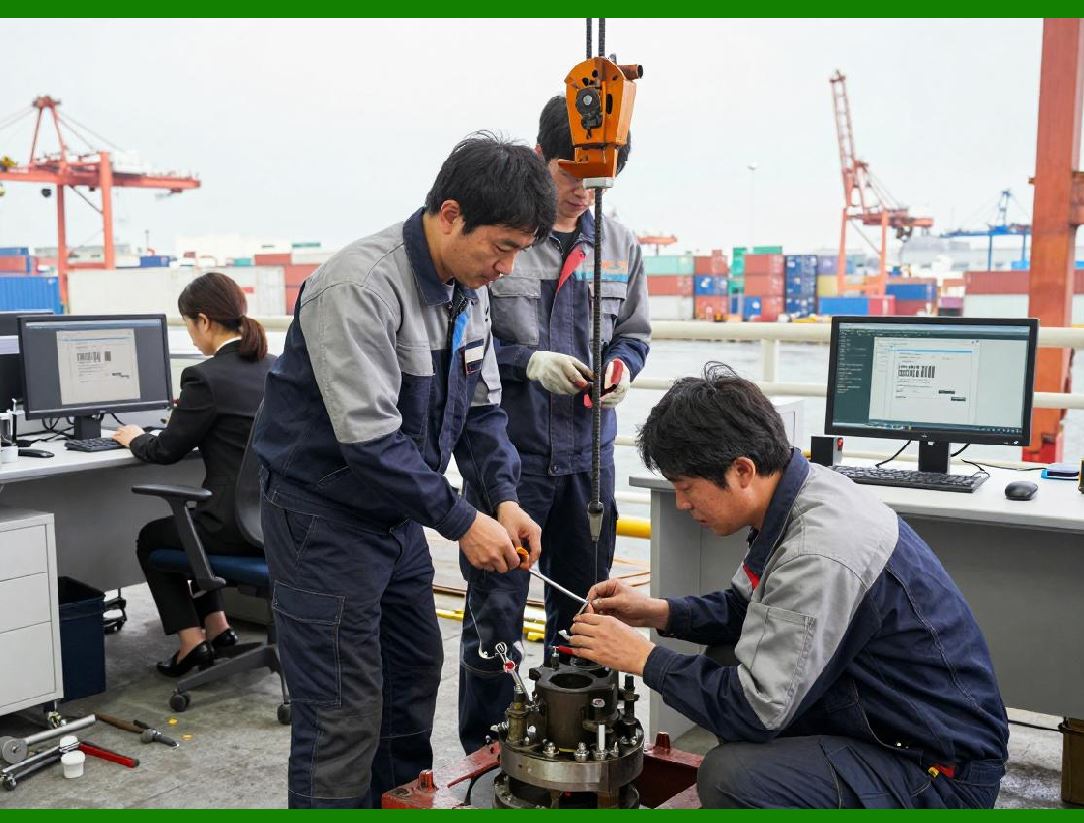
16. Industry Transformation Implications |
Smart packaging and AI integration will reshape industries: |
* Retail becomes experience-driven |
* Logistics becomes predictive |
* Manufacturing becomes self-optimizing |
* Healthcare becomes continuously monitored |
* Consumer goods become interactive systems |
|
17. Summary of Part 15 |
This section covered advanced ecosystem evolution: |
1. Products become digital entities with full lifecycle identity |
2. Smart packaging transforms packaging into a data interface |
3. IoT adds real-time condition monitoring |
4. AI enables predictive supply chain optimization |
5. Digital twins represent physical goods virtually |
6. Physical and digital commerce converge |
7. Consumer experiences become personalized and interactive |
8. Sustainability tracking becomes embedded in product systems |
9. GS1 provides global structural standards |
10. Security and complexity increase alongside intelligence |

|
Next Part Preview |
In Part 16, I will cover: |
* Future evolution beyond 2027 |
* Next-generation barcode technologies |
* AI-native supply chains |
* Fully autonomous logistics systems |
* Long-term vision of global product intelligence networks |
 cs@easiersoft.com