GS1 Sunrise 2027 Plan Detail (Part 16 of 19) |
Post-2027 Evolution: Next-Generation Barcodes, Autonomous Supply Chains, and Global Product Intelligence Networks |
1. Beyond 2027: Why Sunrise 2027 Is Not the End State |
Despite the name, Sunrise 2027 is not a final destination. It is a transition milestone toward a more advanced global system where product identity becomes continuously digital, dynamic, and machine-readable at scale. |
After 2027, the system evolves further toward: |
1. Fully digital product ecosystems |
2. Autonomous supply chains |
3. AI-driven global logistics coordination |
4. Persistent product intelligence networks |

|
2. Evolution of Barcode Functionality After 2027 |
After widespread 2D adoption, barcodes will continue to evolve in capability: |
2.1 From Static Data to Dynamic Data Layers |
* Early stage: fixed encoded data |
* Post-2027: hybrid static + cloud-resolved data |
* Future stage: fully dynamic data responses |
A scanned code may no longer return a fixed dataset but instead trigger a context-aware response system. |
2.2 From Identification to Interaction |
Future barcodes will not only identify products but also: |
1. Trigger digital workflows |
2. Initiate automated logistics actions |
3. Connect to AI decision systems |
4. Enable real-time verification networks |

|
3. Fully Autonomous Supply Chains |
A major long-term vision is the development of autonomous supply chains. |
In such systems: |
1. Products self-report location and status |
2. Warehouses automatically adjust inventory |
3. Logistics routes are dynamically optimized |
4. Retail replenishment is automated |
Human intervention is reduced to exception handling. |

|
4. AI-Native Supply Chain Systems |
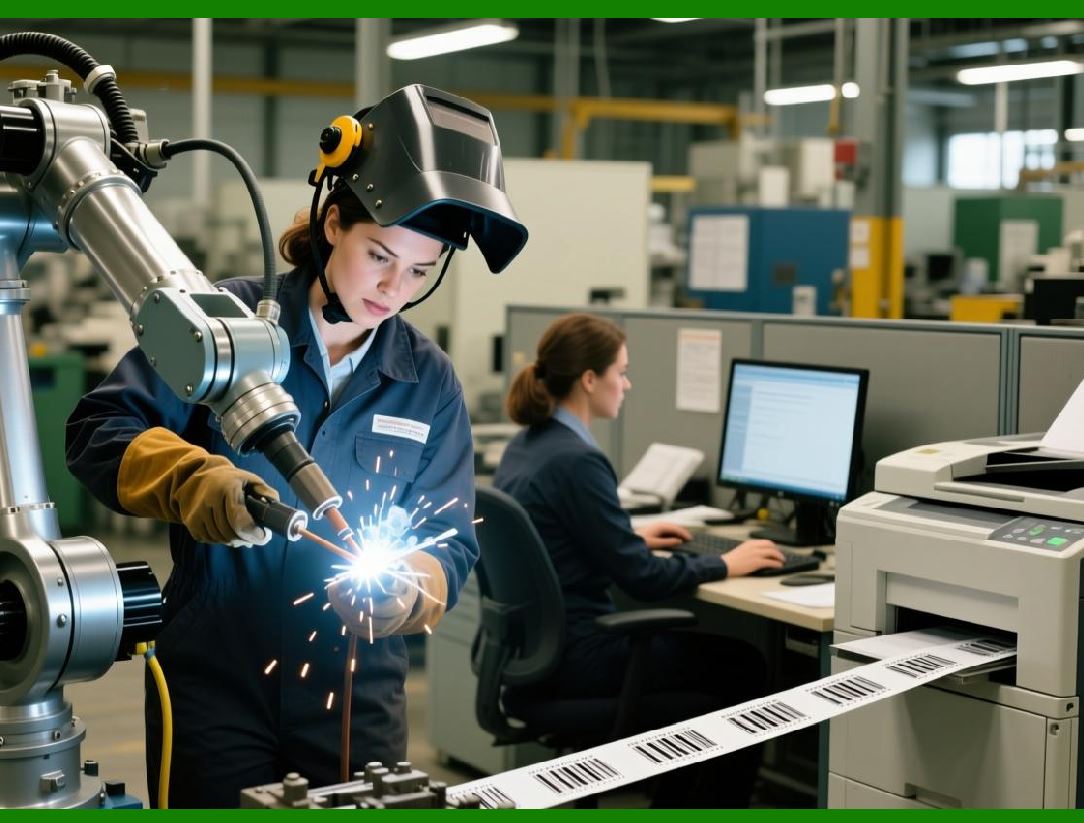
In post-2027 systems, artificial intelligence becomes the core orchestrator. |
AI systems will: |
1. Predict demand at global scale |
2. Automatically allocate inventory across regions |
3. Optimize transportation networks in real time |
4. Detect disruptions before they occur |
The supply chain becomes a self-learning system rather than a manually managed one. |
|
5. Persistent Global Product Intelligence Networks |
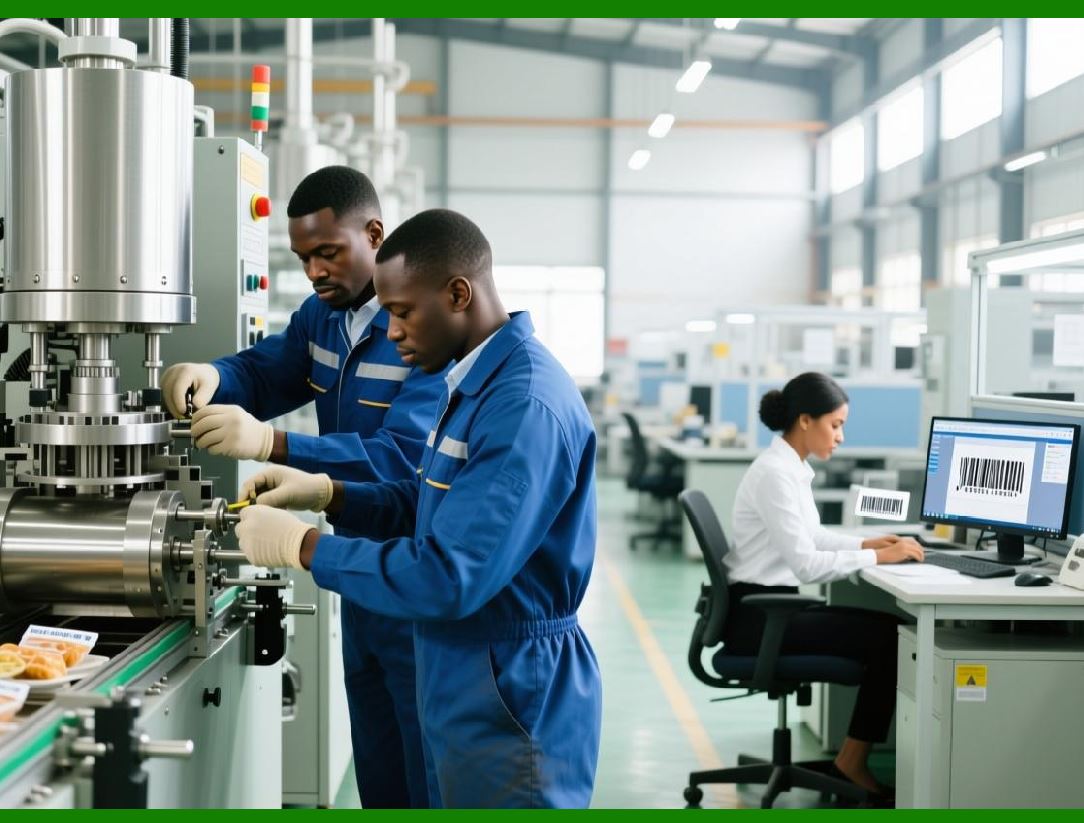
A long-term evolution of GS1 systems is the creation of a global product intelligence network. |
This network connects: |
* Manufacturers |
* Logistics providers |
* Retailers |
* Healthcare systems |
* Consumers |
Each product becomes a continuously updated digital node within this network. |
|
6. Digital Product Memory Systems |
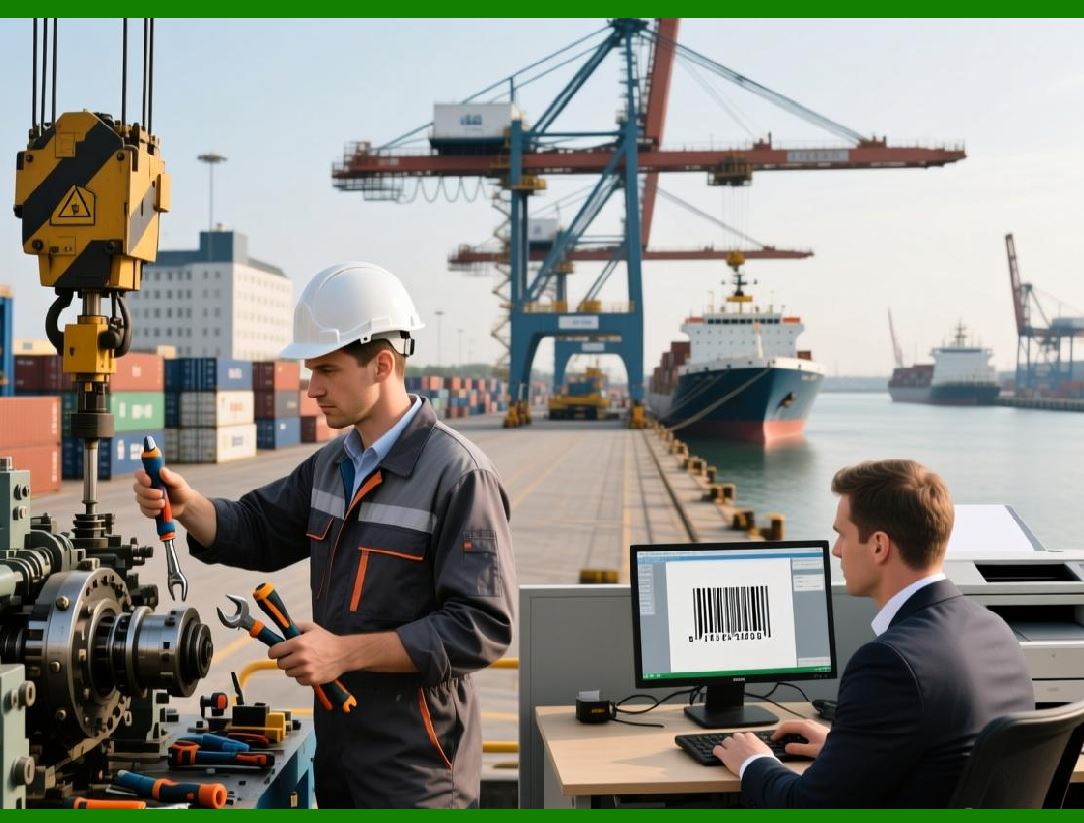
In future systems, products may retain a form of Digital memory |
1. Manufacturing history |
2. Environmental exposure |
3. Transportation routes |
4. Retail interactions |
5. Consumer engagement events |
This creates a complete lifecycle narrative for every item. |
|
7. Real-Time Global Visibility of Goods |
Post-2027 systems aim for near real-time visibility: |
1. Location of goods anywhere in the world |
2. Condition monitoring (temperature, handling) |
3. Supply chain delay detection |
4. Demand-driven redistribution |
This significantly reduces inefficiencies in global trade. |

|
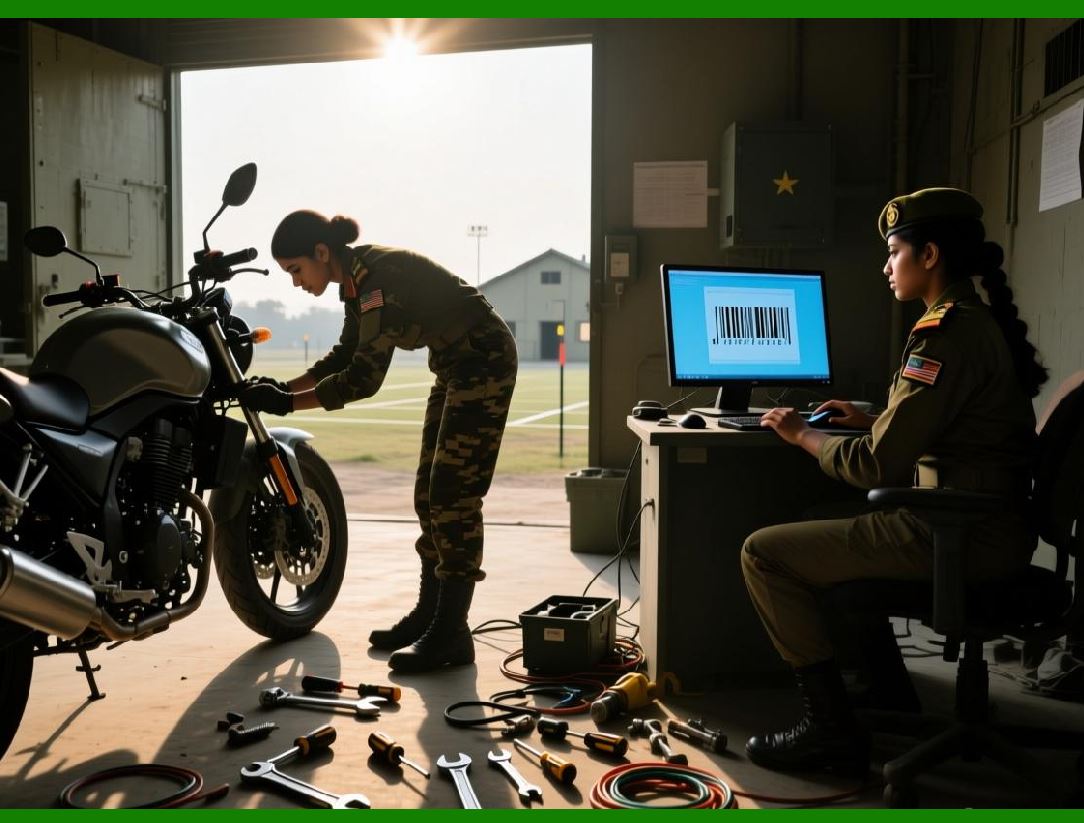
8. Autonomous Warehousing Systems |
Warehouses evolve into highly automated environments: |
1. Robotic picking systems |
2. AI-driven storage optimization |
3. Real-time inventory recalibration |
4. Self-correcting logistics workflows |
2D barcode systems serve as the identity backbone of these autonomous environments. |
|
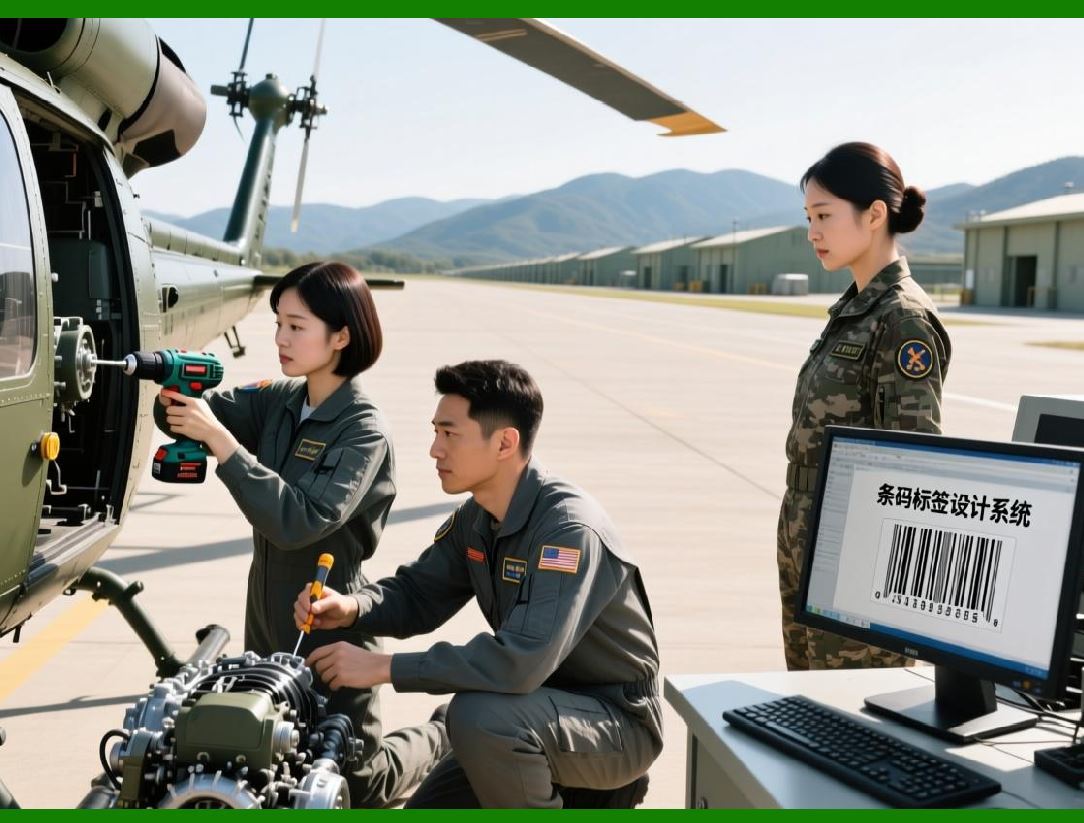
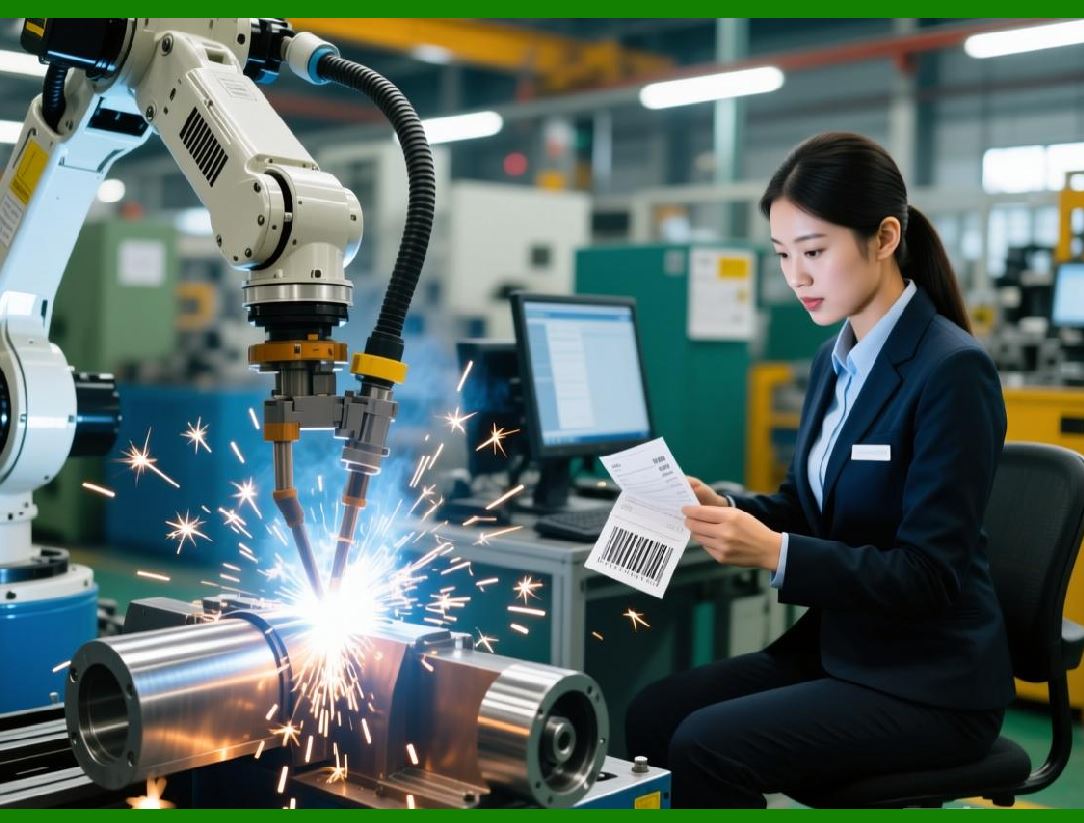
9. Integration of Robotics and Barcode Intelligence |
Robots will increasingly rely on barcode data for decision-making: |
1. Identify items during movement |
2. Validate correct handling procedures |
3. Update system records automatically |
4. Coordinate with other robotic systems |
This creates a tightly synchronized physical-digital operational layer. |
|
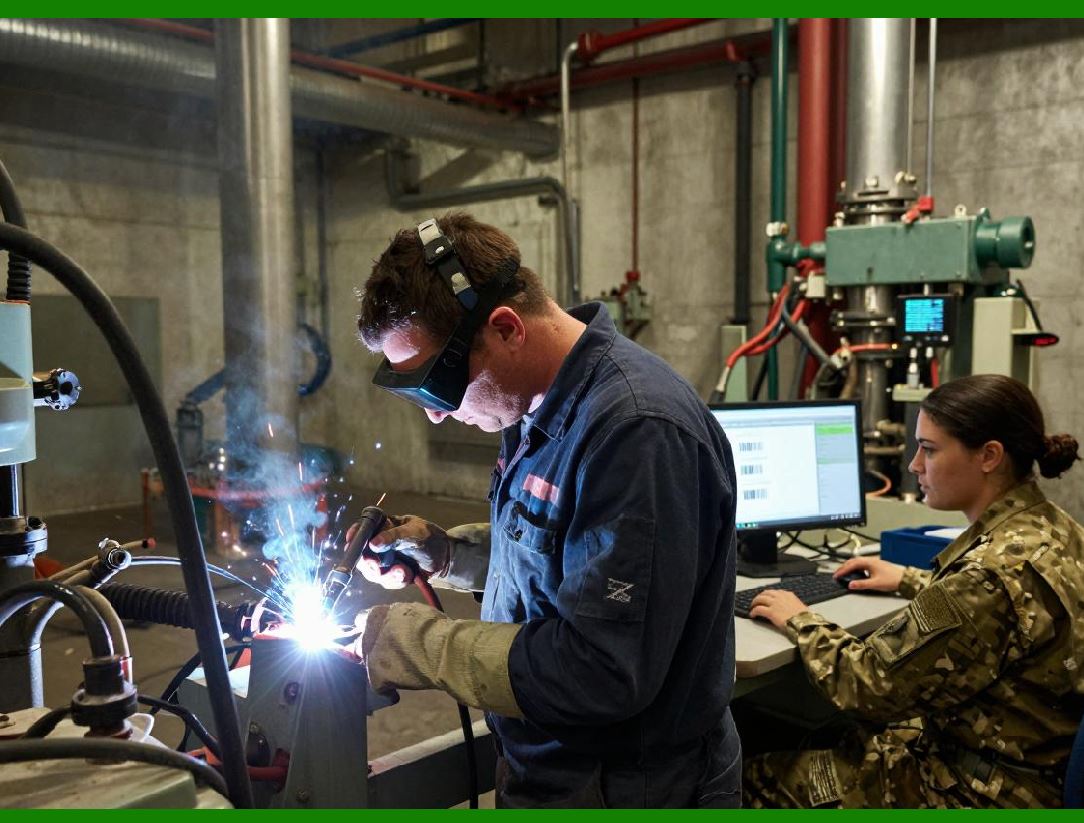
10. Predictive and Self-Healing Supply Chains |
Future supply chains will not only respond to disruptions—they will anticipate and correct them. |
Capabilities include: |
1. Predicting shortages before they occur |
2. Automatically rerouting shipments |
3. Adjusting production schedules dynamically |
4. Rebalancing inventory across regions |
This is often referred to as a self-healing supply chain model. |
|
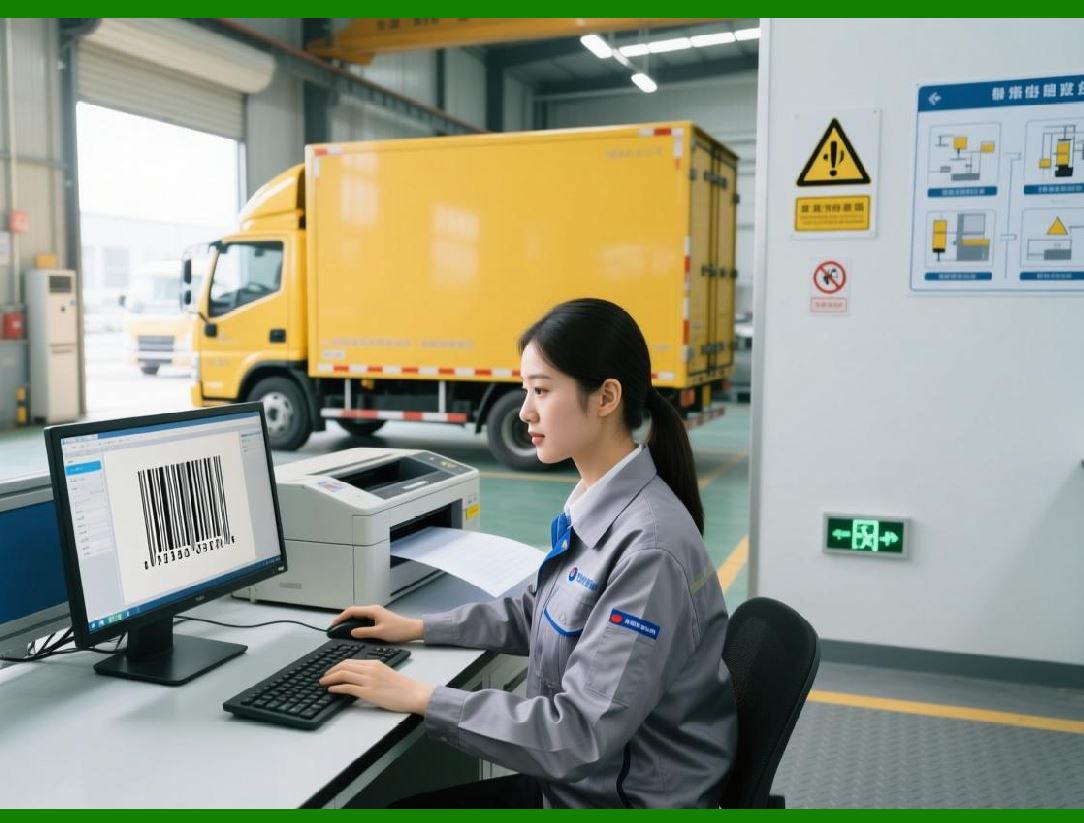
11. Hyper-Personalized Consumer Product Systems |
In advanced stages: |
1. Products adapt to individual consumer profiles |
2. Packaging delivers personalized digital experiences |
3. AI generates dynamic product recommendations at scan time |
4. Loyalty systems become fully integrated into product identity |
|
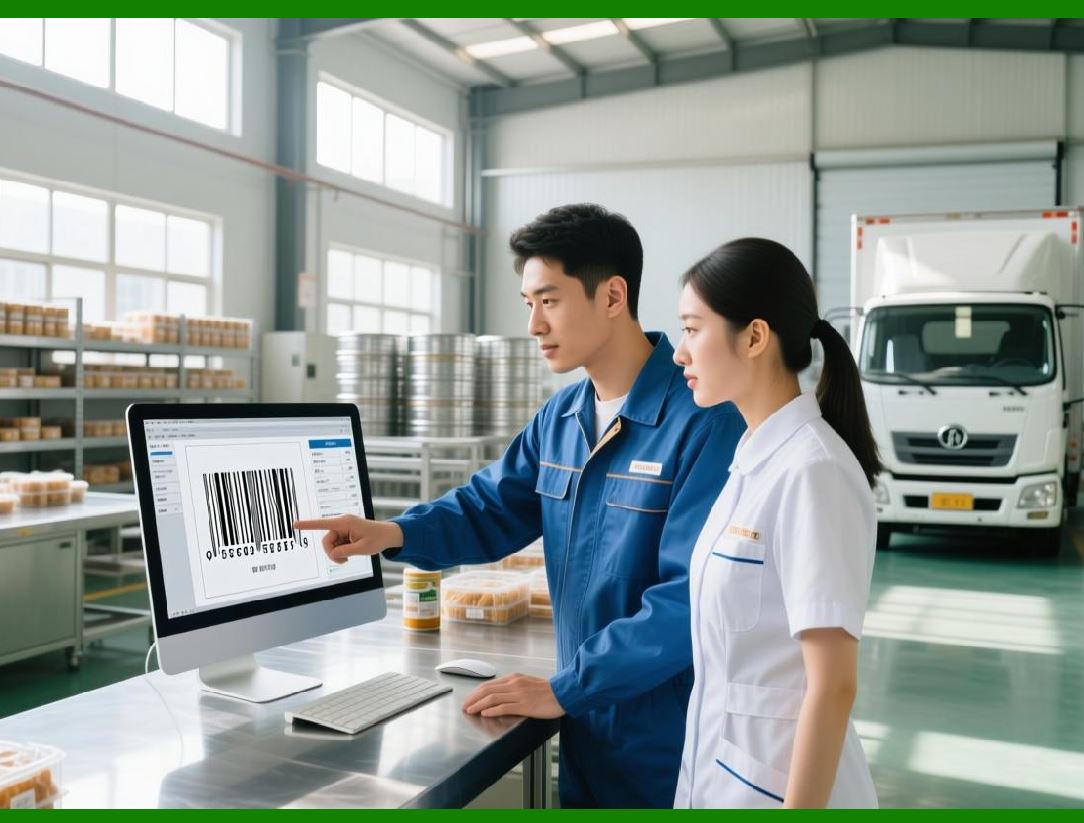
12. Digital-Physical Fusion Commerce |
Commerce becomes fully hybrid: |
1. Physical scanning triggers digital transactions |
2. Online behavior influences physical product availability |
3. Retail spaces become data-driven interaction environments |
The boundary between e-commerce and physical retail becomes increasingly blurred. |
|
13. Global Standardization Continuity |
Even in advanced systems, global coordination remains essential. |
GS1 continues to provide: |
1. Identity standard governance |
2. Data structure consistency |
3. Cross-industry interoperability |
4. Global supply chain alignment |
Without this, autonomous systems would fragment across regions and vendors. |

|
14. Security in Autonomous Systems |
As systems become more autonomous, security evolves as well: |
1. Continuous authentication of product identity |
2. AI-based anomaly detection |
3. Real-time fraud prevention |
4. Secure machine-to-machine communication |
Trust becomes embedded into system architecture rather than manually enforced. |

|
15. Data Volume and Computational Scaling Challenges |
Future systems face exponential data growth: |
1. Every product generates lifecycle data |
2. Every scan becomes an event in global systems |
3. IoT sensors continuously stream information |
4. AI systems process massive real-time datasets |
This requires advanced cloud and edge computing architectures. |
|
16. Long-Term Vision: Global Product Intelligence Grid |
The ultimate vision resembles a global intelligence grid for physical goods, where: |
1. Every product has a digital identity |
2. Every movement is tracked and optimized |
3. Every supply chain is continuously learning |
4. Every decision is data-driven |
This represents a shift from supply chains to global product intelligence systems. |

|
17. Summary of Part 16 |
This section covered post-2027 evolution: |
1. Sunrise 2027 is a transition, not an endpoint |
2. Barcodes evolve from static data to dynamic systems |
3. Supply chains become autonomous and AI-driven |
4. Digital product memory tracks full lifecycle history |
5. Warehouses and logistics become self-optimizing systems |
6. Robotics integrate deeply with barcode intelligence |
7. Commerce becomes fully hybrid physical-digital |
8. GS1 remains central to global standardization |
9. Security becomes embedded and AI-driven |
10. Future systems form a global product intelligence network |

|
Next Part Preview |
In Part 17, I will cover: |
* Risks, limitations, and systemic vulnerabilities |
* Operational challenges in global scaling |
* Data overload and system complexity issues |
* Resistance from industries and infrastructure gaps |
* Real-world constraints on full adoption |
 cs@easiersoft.com