GS1 Sunrise 2027 Plan Detail (Part 19 of 19) |
Final Synthesis, Global Impact, and Long-Term Strategic Outlook |
1. Sunrise 2027 as a Historical Turning Point |
The GS1 Sunrise 2027 initiative represents a fundamental shift in how the global economy manages product identity. |
Historically: |
1. Products were identified, but not deeply described |
2. Supply chains tracked movement, but not granular state |
3. Consumers interacted with products passively |
With Sunrise 2027: |
* Products become data-rich, traceable, and interactive entities |
* Supply chains become intelligent, transparent systems |
* Consumers become active participants in product ecosystems |
This marks a transition comparable to the original adoption of barcodes in the 1970s. |

|
2. From Identification to Intelligence |
The most important conceptual evolution is: |
* Before: Barcodes identify products |
* After: Barcodes enable product intelligence |
This includes: |
1. Real-time traceability |
2. Dynamic data access |
3. Lifecycle monitoring |
4. Context-aware interactions |
The barcode is no longer just a symbol it becomes a gateway to an intelligent data system. |

|
3. The Role of 2D Barcodes as a Universal Interface |
2D barcodes become the universal interface connecting: |
1. Physical products |
2. Digital systems |
3. Supply chain participants |
4. Consumers |
Unlike previous technologies, they are: |
* Low-cost |
* Globally standardized |
* Easily deployable |
* Compatible with mobile devices |
This makes them uniquely scalable across industries. |

|
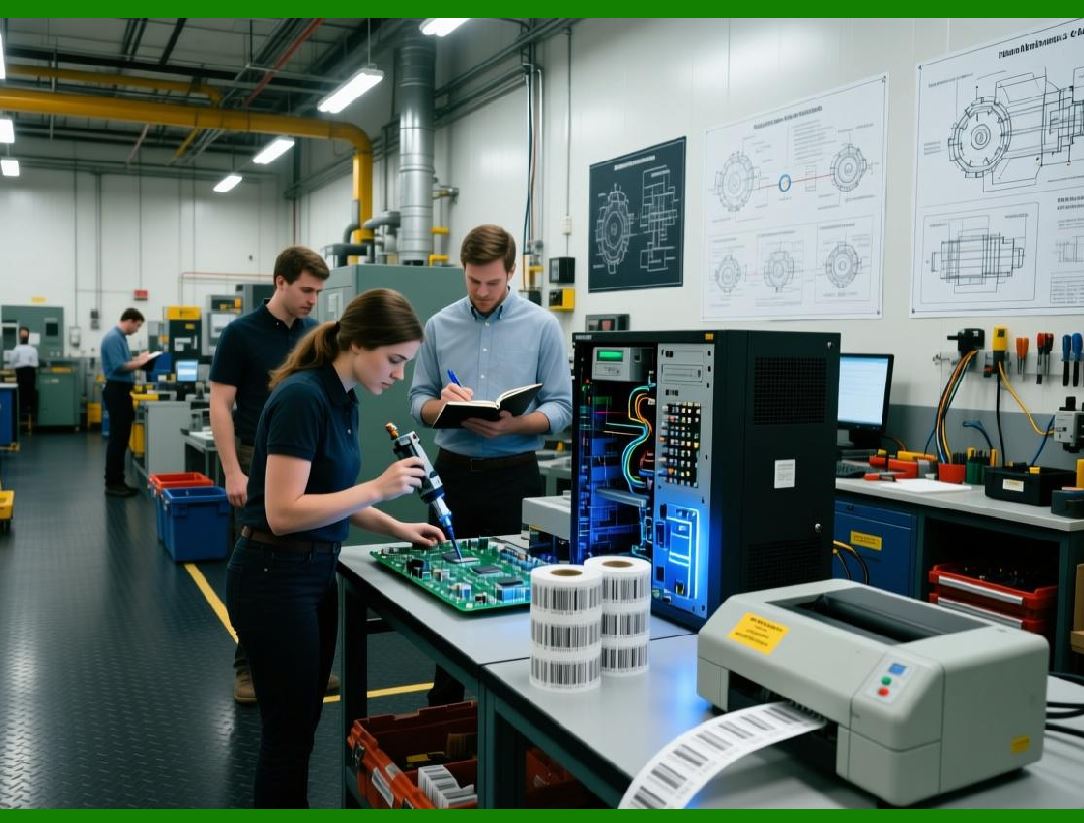
4. The Central Role of Global Standards |
The success of Sunrise 2027 depends on global coordination. |
GS1 plays a foundational role by providing: |
1. A unified product identification system |
2. Standardized data structures |
3. Interoperability across industries and regions |
4. Governance for continuous evolution |
Without this standardization, the system would fragment and lose its global value. |
|
5. Transformation of Global Supply Chains |
Supply chains evolve from: |
* Linear and opaque systems |
Into: |
* Networked, transparent, and data-driven ecosystems |
Key changes include: |
1. End-to-end visibility of product movement |
2. Real-time inventory awareness |
3. Faster and more precise recall capabilities |
4. Improved resilience to disruptions |
This significantly enhances global trade efficiency. |
|
6. Impact on Retail and Consumer Behavior |
Retail transforms into a hybrid physical-digital experience: |
1. Consumers scan products for real-time information |
2. Personalized marketing becomes standard |
3. Loyalty systems integrate directly with product interaction |
4. Transparency builds consumer trust |
The relationship between brands and consumers becomes direct and data-driven. |

|
7. Healthcare Transformation and Patient Safety |
In healthcare, Sunrise 2027 contributes to: |
1. Safer medication administration |
2. Reduced medical errors |
3. Improved traceability of pharmaceuticals |
4. Better regulatory compliance |
These improvements have direct life-saving implications, making healthcare one of the most critical beneficiaries. |

|
8. Economic Transformation and Productivity Gains |
At a macroeconomic level, Sunrise 2027 enables: |
1. Reduced waste in supply chains |
2. Lower operational costs |
3. Increased automation efficiency |
4. Better allocation of global resources |
This leads to higher productivity across industries worldwide. |

|
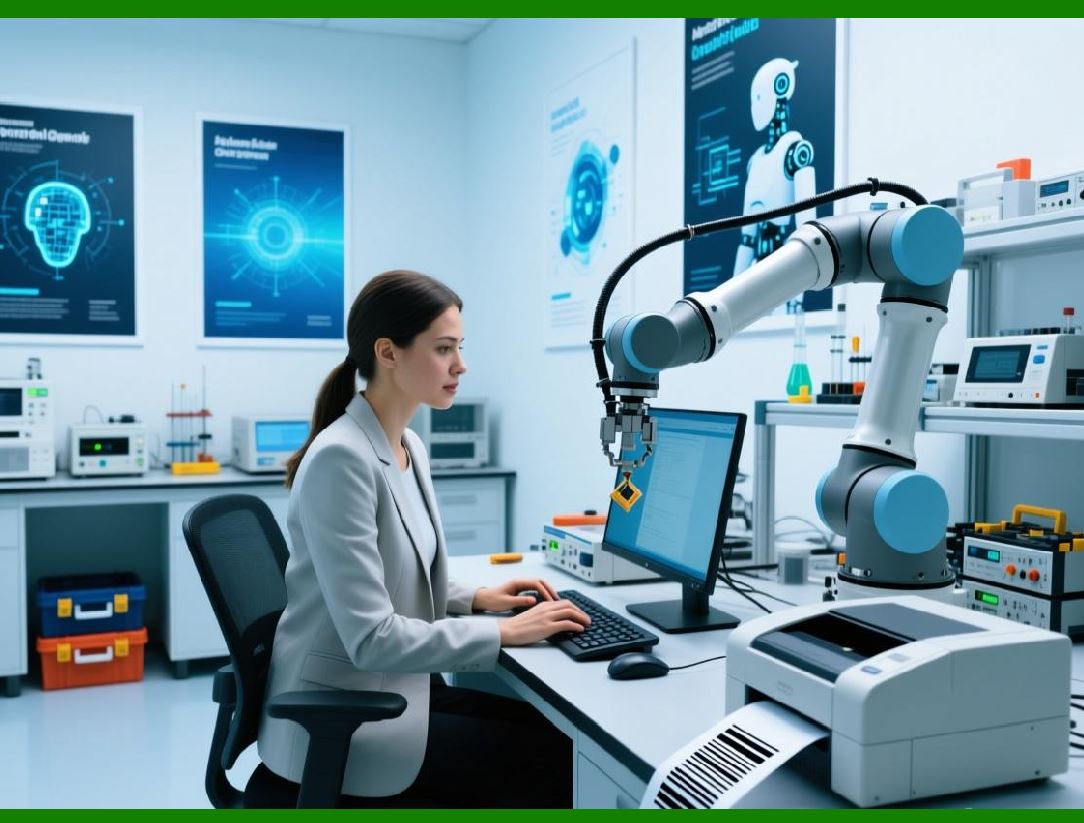
9. Rise of Data-Driven Product Ecosystems |
Products are no longer isolated items they become part of: |
* Integrated data ecosystems |
* Continuous information flows |
* AI-driven optimization systems |
This creates new forms of value: |
1. Data analytics services |
2. Consumer engagement platforms |
3. Supply chain intelligence tools |
|
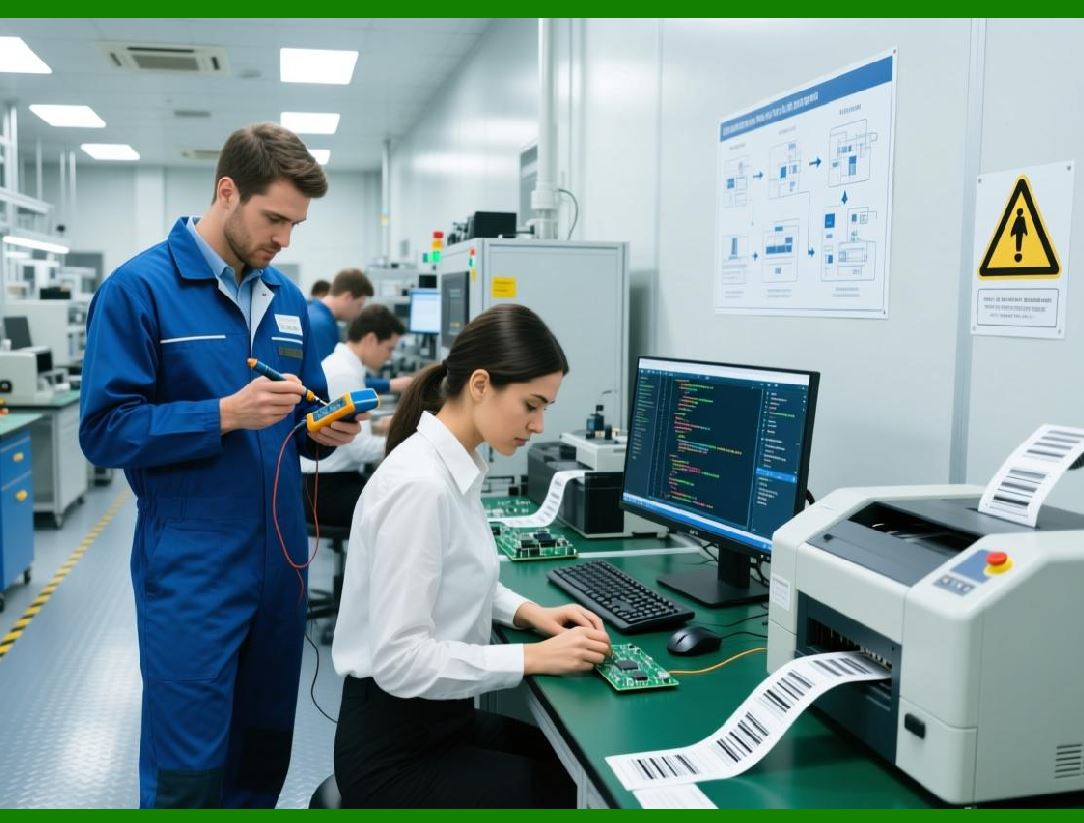
10. Integration With Emerging Technologies |
Sunrise 2027 acts as a foundation for future technologies: |
1. Artificial Intelligence (AI) |
2. Internet of Things (IoT) |
3. Blockchain and distributed ledgers |
4. Augmented reality (AR) consumer experiences |
2D barcodes provide the identity layer that connects these technologies. |
|
11. Balancing Opportunities and Risks |
Despite its benefits, Sunrise 2027 must balance: |
Opportunities |
* Efficiency gains |
* Transparency |
* Consumer empowerment |
* Global interoperability |
Risks |
* System complexity |
* Security vulnerabilities |
* Uneven adoption |
* Data overload |
Managing this balance is critical for long-term success. |

|
12. Importance of Global Collaboration |
No single organization can implement Sunrise 2027 alone. |
Success requires collaboration between: |
1. Manufacturers |
2. Retailers |
3. Healthcare providers |
4. Logistics companies |
5. Technology vendors |
6. Governments and regulators |
This creates a globally coordinated transformation effort. |

|
13. The Human Factor in a Digital Transformation |
Even in highly automated systems, human roles remain critical: |
1. Strategic decision-making |
2. System design and governance |
3. Exception handling and oversight |
4. Ethical and regulatory compliance |
Technology enhances human capability rather than replacing it entirely. |

|
14. Long-Term Vision: A Transparent Global Economy |
At its fullest realization, Sunrise 2027 contributes to: |
1. A transparent global supply chain network |
2. Real-time visibility of goods worldwide |
3. Reduced fraud and counterfeit activity |
4. Improved sustainability tracking |
5. Better-informed consumers |
This moves the global economy toward greater trust and efficiency. |

|
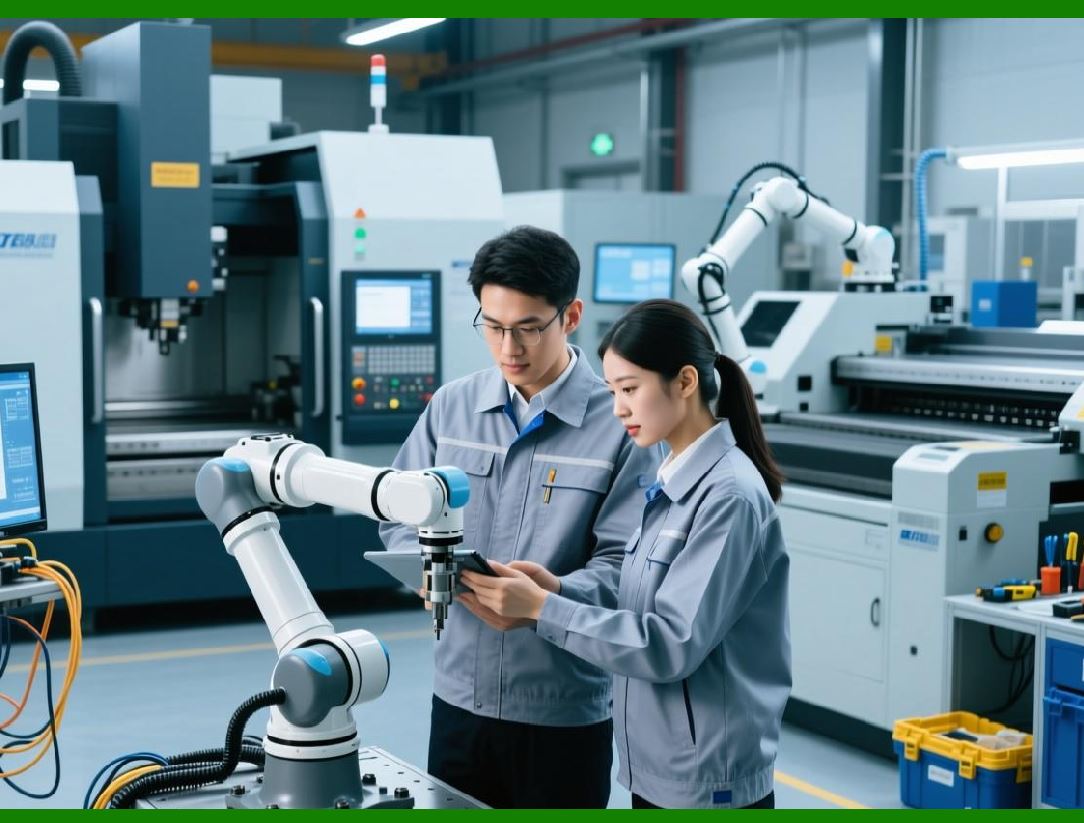
15. Strategic Implications for Organizations |
Organizations must recognize that: |
1. Early adoption provides competitive advantage |
2. Delayed adoption increases long-term costs |
3. Integration with digital systems is unavoidable |
4. Data capabilities become a core business asset |
Strategic positioning today determines future competitiveness. |
|
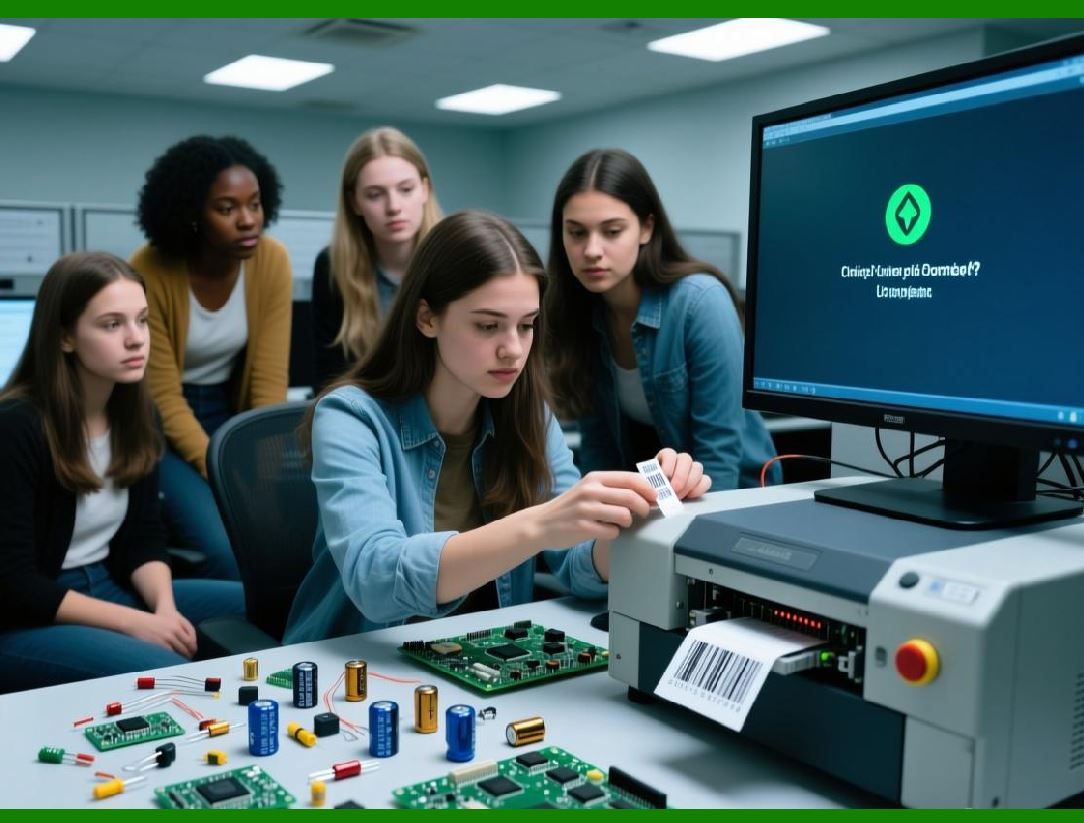
16. Future Evolution Beyond Sunrise 2027 |
Even after full implementation: |
1. Standards will continue evolving |
2. AI integration will deepen |
3. Automation will increase |
4. Product intelligence networks will expand |
Sunrise 2027 is the beginning of a continuous innovation cycle. |
|
17. Final Summary of the Entire Series |
Across all 19 parts, the GS1 Sunrise 2027 initiative can be summarized as: |
1. A global transition from 1D to 2D barcodes |
2. A shift from product identification to product intelligence |
3. A transformation of supply chains into data-driven systems |
4. A convergence of physical and digital commerce |
5. A foundation for AI, IoT, and future technologies |
6. A coordinated global effort led by standardized frameworks |
7. A system that improves efficiency, transparency, and safety |

|
18. Closing Perspective |
The GS1 Sunrise 2027 initiative represents one of the most significant infrastructure upgrades in global commerce since the introduction of barcodes. |
It is not just about scanning technology it is about: |
* Connecting the physical and digital worlds |
* Enabling intelligent systems at global scale |
* Redefining how products are created, tracked, and consumed |
In this sense, Sunrise 2027 is not merely an industry initiative it is a foundation for the next generation of global economic systems. |
End of Full 19-Part Series |
 cs@easiersoft.com