GS1 Sunrise 2027 Plan Detail (Part 5 of 19) |
Supply Chain Logistics Transformation and Warehouse Modernization |
1. The Supply Chain as the Backbone of Sunrise 2027 |
The GS1 Sunrise 2027 initiative does not only affect retail and healthcare—it fundamentally reshapes global supply chain logistics. |
Supply chains are where products transition between: |
1. Manufacturers |
2. Distribution centers |
3. Transport systems |
4. Warehouses |
5. Retailers or hospitals |
In this environment, accurate identification, traceability, and real-time visibility are essential. |
The move to 2D barcodes introduces item-level intelligence throughout the entire logistics chain, not just at endpoints. |
|
2. From Batch Tracking to Item-Level Traceability |
Traditional logistics systems primarily operate on: |
* Batch numbers |
* Pallet identifiers |
* Shipping container IDs |
With Sunrise 2027: |
1. Every individual item can have a unique identity (serialization) |
2. Each scan captures item-specific data |
3. Tracking becomes granular rather than grouped |
This shift dramatically improves precision in logistics operations. |
|
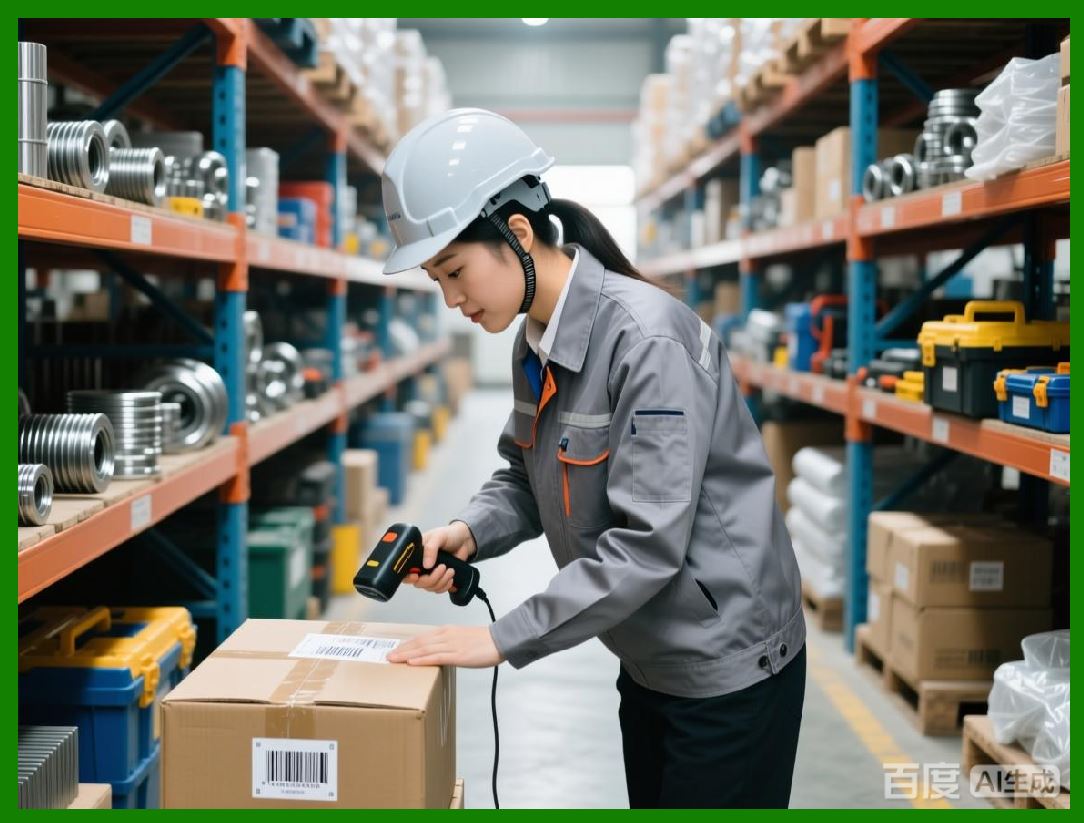
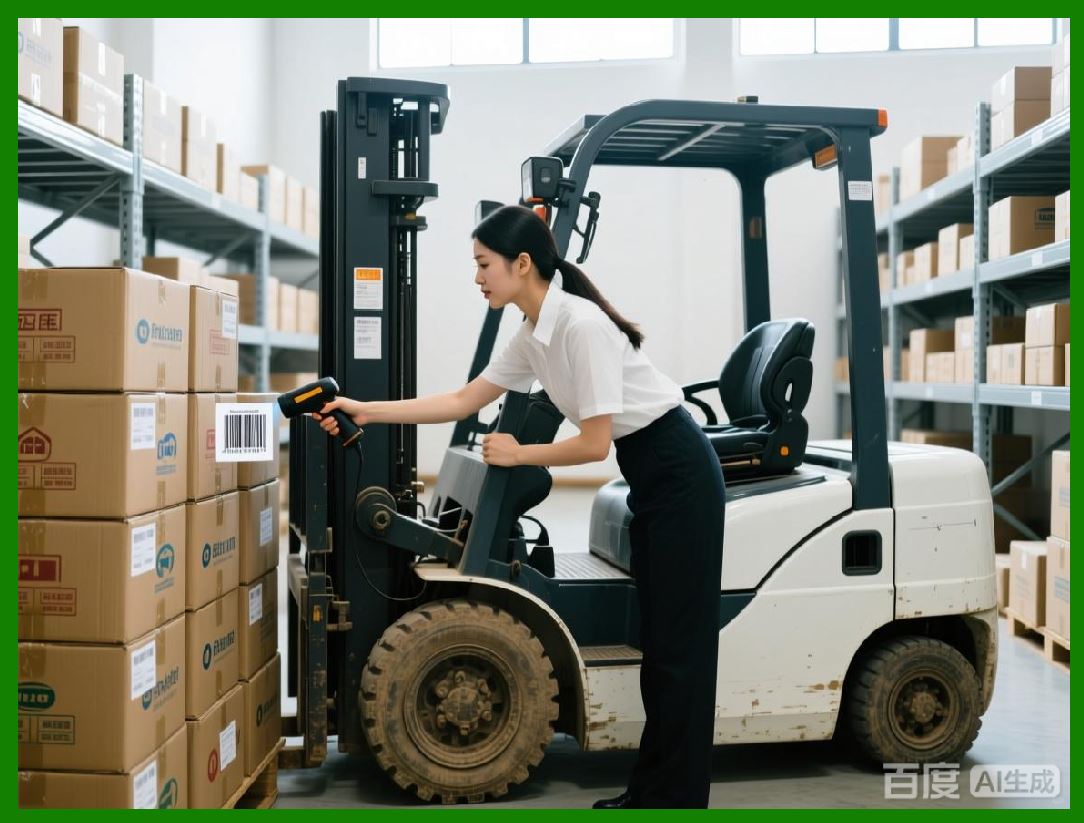
3. Warehouse Operations in a 2D Barcode Environment |
Warehouses are one of the most impacted environments. |
A modern 2D-enabled warehouse includes: |
3.1 Receiving Process |
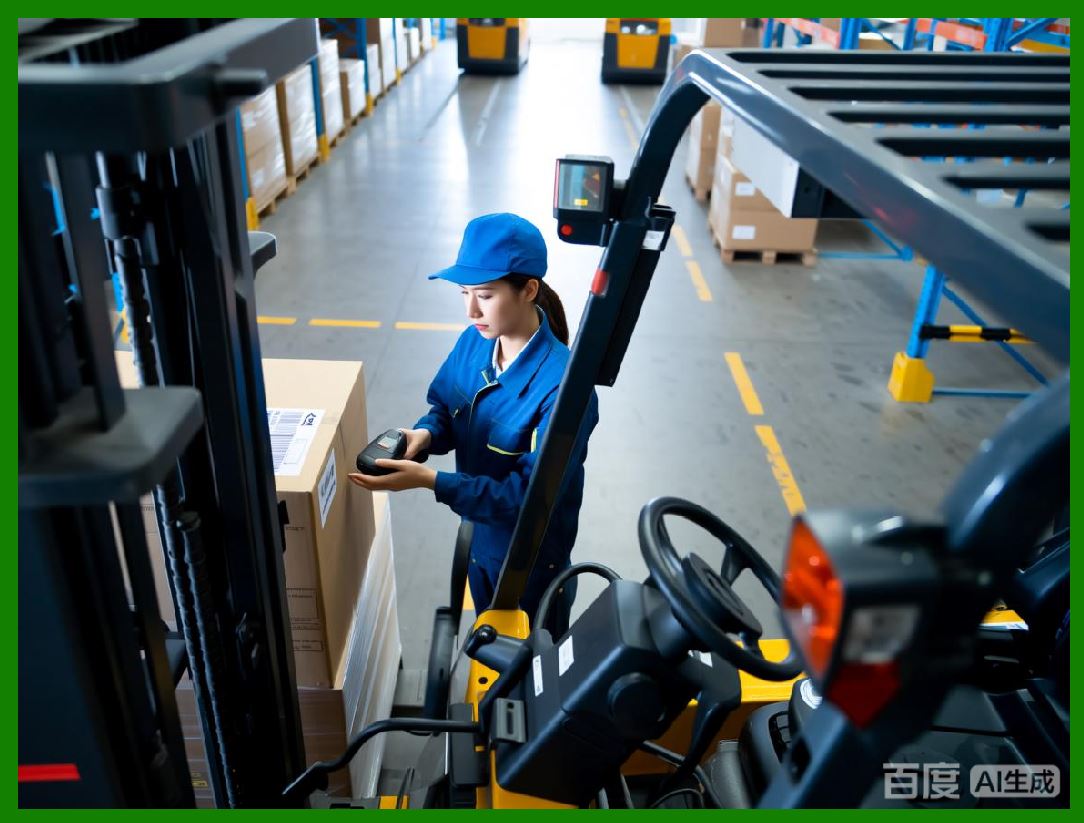
* Incoming goods scanned using imaging scanners |
* Each item or carton decoded with full GS1 data |
* Automatic validation against purchase orders |
3.2 Storage Allocation |
* System assigns storage location dynamically |
* Items tagged with batch, expiry, and priority rules |
3.3 Picking and Packing |
* Workers scan items during picking |
* System verifies correctness in real time |
* Packing lists auto-generated with serialized data |
3.4 Shipping Verification |
* Final scan confirms shipment accuracy |
* All items are validated before dispatch |

|
4. Real-Time Warehouse Visibility |
2D barcode systems enable real-time inventory visibility: |
1. Every scan updates centralized systems instantly |
2. Stock levels are continuously synchronized |
3. Item location is traceable within warehouse zones |
This creates a live digital twin of warehouse inventory. |

|
5. Role of Serialization in Logistics |
Serialization plays a critical role in Sunrise 2027 logistics. |
Each item may include: |
1. Unique serial number |
2. Batch or lot information |
3. Manufacturing date |
4. Expiration date (if applicable) |
This enables: |
* Precise tracking of individual units |
* Detection of counterfeit or unauthorized goods |
* Granular recall execution |
|
6. Cold Chain Logistics Enhancement |
Cold chain logistics (temperature-sensitive goods such as food and pharmaceuticals) benefit significantly. |
2D barcodes can be linked to: |
1. Temperature logs |
2. Humidity data |
3. Transport conditions |
4. Time stamps across transit points |
When scanned, systems can verify whether conditions remained within acceptable ranges. |
|
7. Transportation Label Evolution |
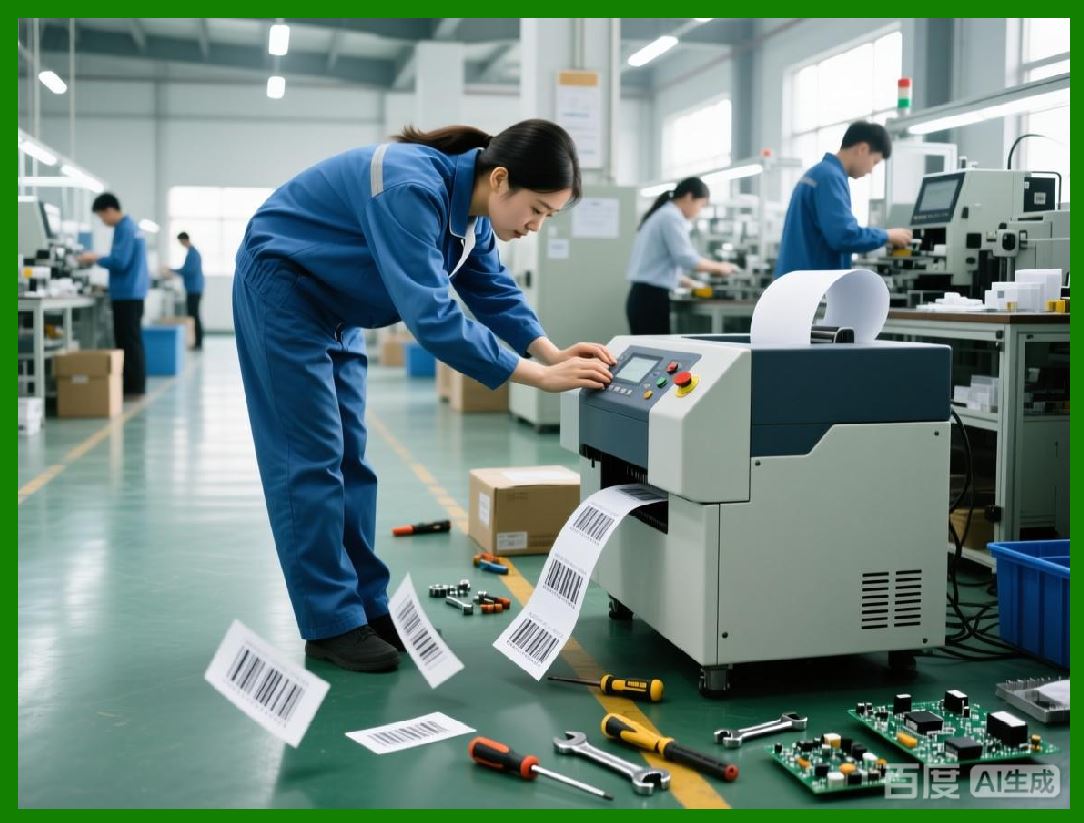
Shipping labels are evolving from simple identifiers to data-rich 2D labels. |
Modern shipping labels may include: |
1. Shipment ID (SSCC) |
2. Destination routing information |
3. Handling instructions |
4. Batch-level product data |
5. Digital link to shipment status |
This reduces reliance on separate documentation systems. |
|
8. Cross-Docking and Fast Logistics Processing |
In cross-docking environments, speed is essential. |
2D barcodes enable: |
1. Instant identification of incoming goods |
2. Automated sorting decisions |
3. Reduced manual handling |
4. Faster redistribution to outbound transport |
This improves efficiency in high-throughput logistics hubs. |

|
9. Error Reduction in Logistics Operations |
Logistics errors often arise from: |
* Mislabeling |
* Misrouting |
* Human scanning errors |
* Incomplete data records |
2D barcode systems reduce these issues by: |
1. Embedding complete structured data in a single scan |
2. Supporting validation rules at scan time |
3. Providing error correction for damaged labels |

|
10. Multi-Scan Environment Optimization |
Warehouses often involve scanning multiple items quickly. |
2D systems support: |
1. Batch scanning of multiple barcodes in one image |
2. Simultaneous decoding of multiple codes |
3. Prioritization rules for GS1-compliant data |
This improves throughput without sacrificing accuracy. |

|
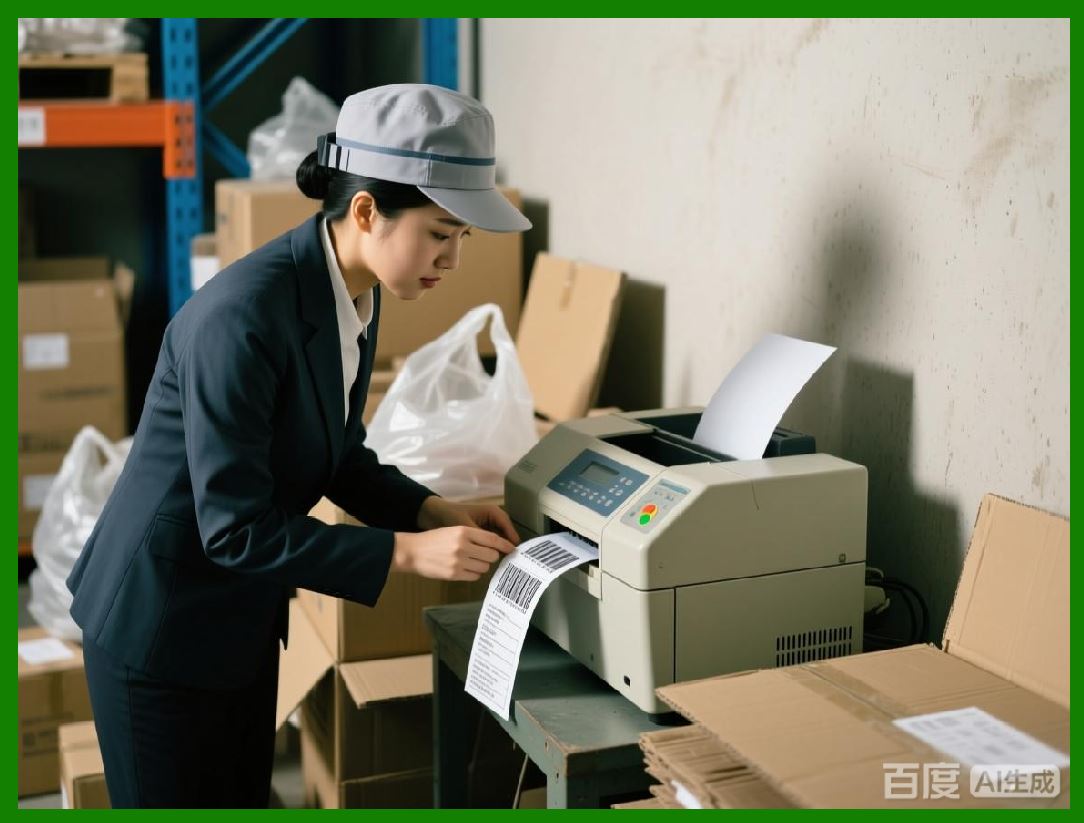
11. Integration with Warehouse Management Systems (WMS) |
Warehouse Management Systems become significantly more powerful under Sunrise 2027. |
Key enhancements include: |
11.1 Item-Level Inventory Control |
* Every unit tracked individually |
* Real-time updates per scan event |
11.2 Automated Replenishment |
* System predicts stock depletion |
* Triggers automatic reordering |
11.3 AI-Driven Optimization |
* Predictive routing of warehouse workers |
* Optimized storage allocation based on demand patterns |
|
12. Digital Link in Logistics Context |
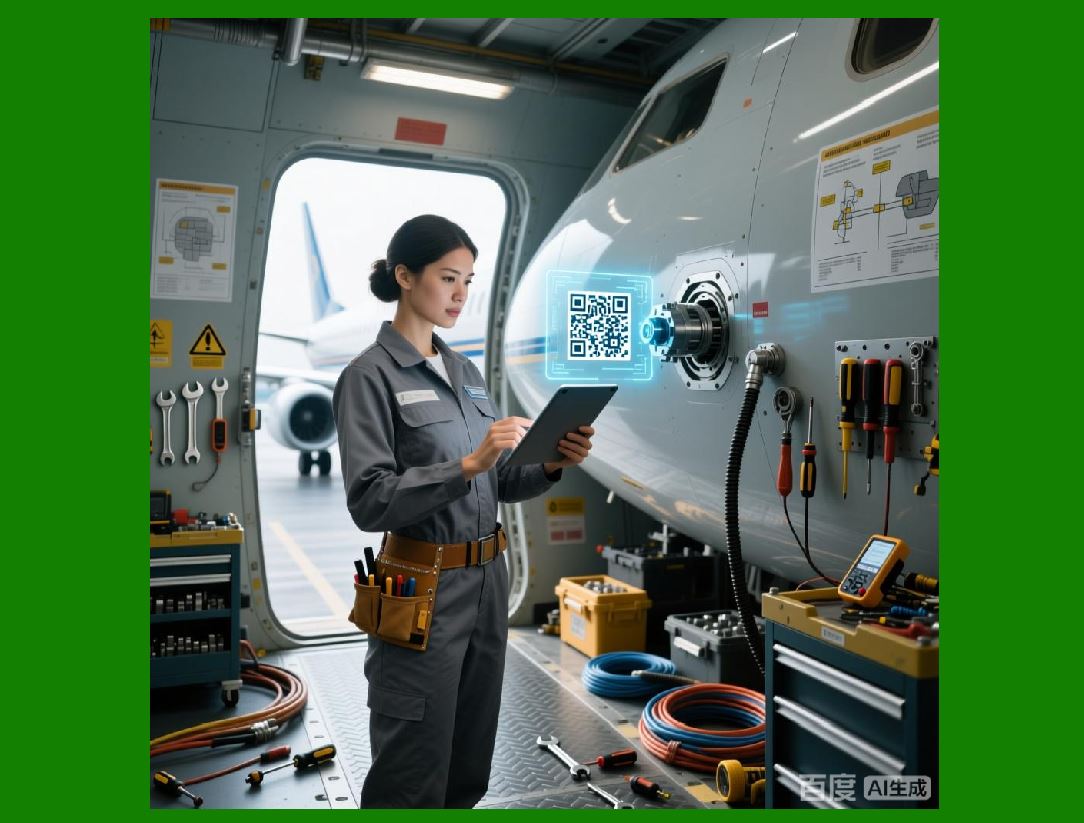
QR Code systems can embed GS1 Digital Link URLs, enabling: |
1. Access to shipment tracking portals |
2. Real-time delivery updates |
3. Supplier and customer visibility dashboards |
This connects physical goods directly to digital logistics platforms. |
|
13. Global Interoperability in Logistics Networks |
One of the core goals of Sunrise 2027 is global interoperability. |
This means: |
1. A barcode created in one country must work globally |
2. All logistics partners must interpret data consistently |
3. Systems must support multi-industry compatibility |
GS1 standards ensure this interoperability across borders. |
|
14. Returns Management and Reverse Logistics |
Returns are a major cost center in logistics. |
2D barcodes improve reverse logistics by: |
1. Identifying exact item version being returned |
2. Verifying eligibility for return or recall |
3. Updating inventory systems instantly upon return scan |
This reduces fraud and improves efficiency. |

|
15. Customs and Regulatory Clearance |
In international logistics, customs clearance is often delayed due to documentation issues. |
With 2D barcode systems: |
1. Shipment data can be pre-encoded |
2. Customs systems can scan and retrieve full product data |
3. Documentation errors are reduced |
This accelerates cross-border trade. |
|
16. Sustainability and ESG Tracking |
Sustainability reporting is becoming increasingly important. |
2D barcodes can store or link to: |
1. Carbon footprint data |
2. Recycling instructions |
3. Material composition |
4. Ethical sourcing information |
This supports Environmental, Social, and Governance (ESG) reporting requirements. |
|
17. Security and Theft Prevention in Logistics |
Serialization enables: |
1. Detection of unauthorized item movement |
2. Identification of counterfeit goods entering supply chains |
3. Audit trails for every scan event |
This improves supply chain security significantly. |
|
18. Summary of Part 5 |
This section covered logistics transformation under Sunrise 2027: |
1. Supply chains shift from batch-level to item-level tracking |
2. Warehouses become real-time digital systems |
3. Shipping labels evolve into data-rich 2D structures |
4. Cold chain monitoring becomes integrated with barcode data |
5. Warehouse management systems gain AI-driven optimization |
6. Digital Link connects logistics to online platforms |
7. Global interoperability is enforced via GS1 standards |
8. Returns and reverse logistics become more precise |
9. Customs clearance is accelerated through structured data |
10. Sustainability tracking becomes embedded in logistics data |

|
Next Part Preview |
In Part 6, I will cover: |
* Manufacturing and production line integration |
* Industrial automation and smart factories |
* Serialization at production level |
* Quality control and defect tracking |
* Packaging line transformation for 2D adoption |
 cs@easiersoft.com