GS1 Sunrise 2027 Plan Detail (Part 6 of 19) |
Manufacturing, Production Lines, and Smart Factory Integration |
1. Manufacturing as the Origin Point of GS1 Data |
Within the Sunrise 2027 ecosystem, manufacturing is the first point where product identity is created and encoded into physical goods. |
This is where: |
1. Product identity is assigned |
2. Serialization begins |
3. Batch and production data are generated |
4. 2D barcodes are physically printed and applied |
Everything downstream in retail, logistics, and healthcare depends on the accuracy of this initial data creation stage. |

|
2. From Static Labels to Dynamic Production Identity |
In traditional manufacturing systems: |
* Labels are often pre-printed in bulk |
* Product identity is generic (batch-level) |
* Limited variation exists per item |
With Sunrise 2027: |
1. Each unit can receive a unique identity |
2. Labels may be generated dynamically during production |
3. Data is tied directly to production events |
This creates a real-time identity generation system. |

|
3. Serialization at the Production Line Level |
Serialization becomes a core manufacturing requirement. |
Each product unit may receive: |
1. Global Trade Item Number (GTIN) |
2. Unique serial number |
3. Batch/lot number |
4. Production timestamp |
5. Factory identifier |
This enables unit-level traceability from the moment of creation. |
|
4. Smart Factory Integration |
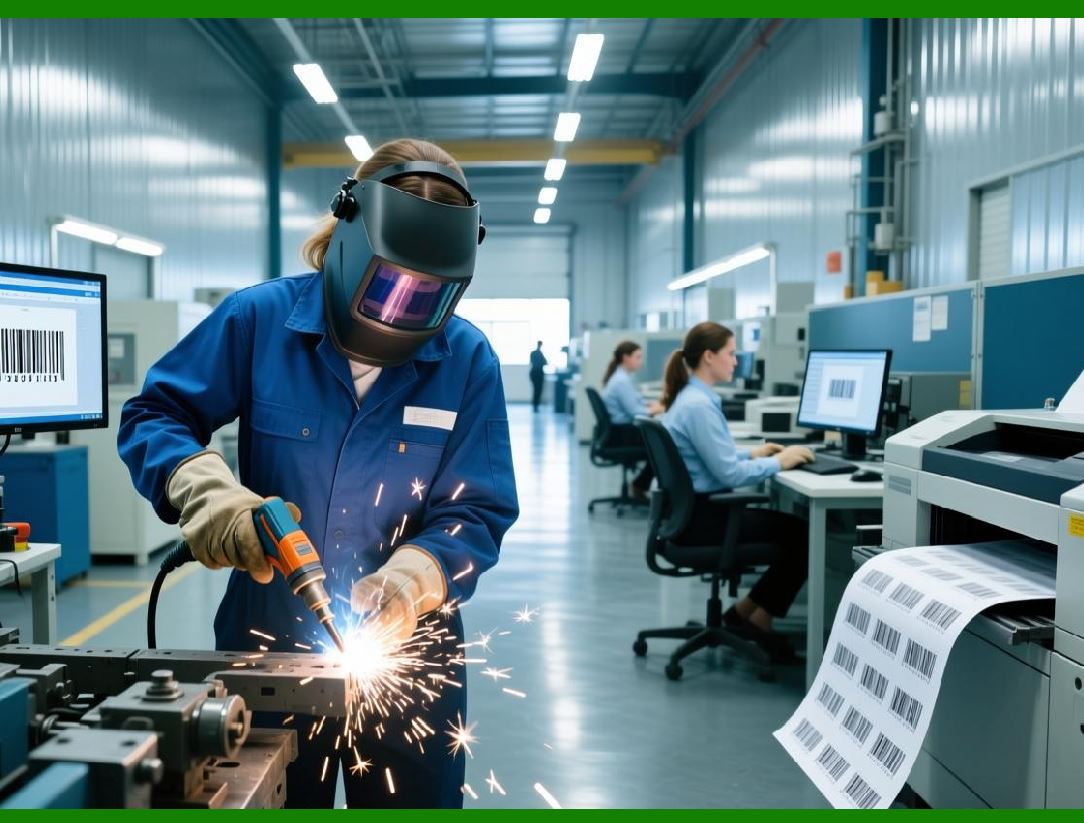
Modern factories increasingly operate as “smart factories,where production systems are digitally connected. |
In Sunrise 2027 environments, production lines integrate with: |
1. Manufacturing Execution Systems (MES) |
2. Enterprise Resource Planning (ERP) systems |
3. Quality control systems |
4. Packaging and labeling systems |
This integration ensures that barcode data is generated automatically based on real production events. |

|
5. Real-Time Label Generation |
A major transformation is on-demand label generation. |
Instead of pre-printing static labels: |
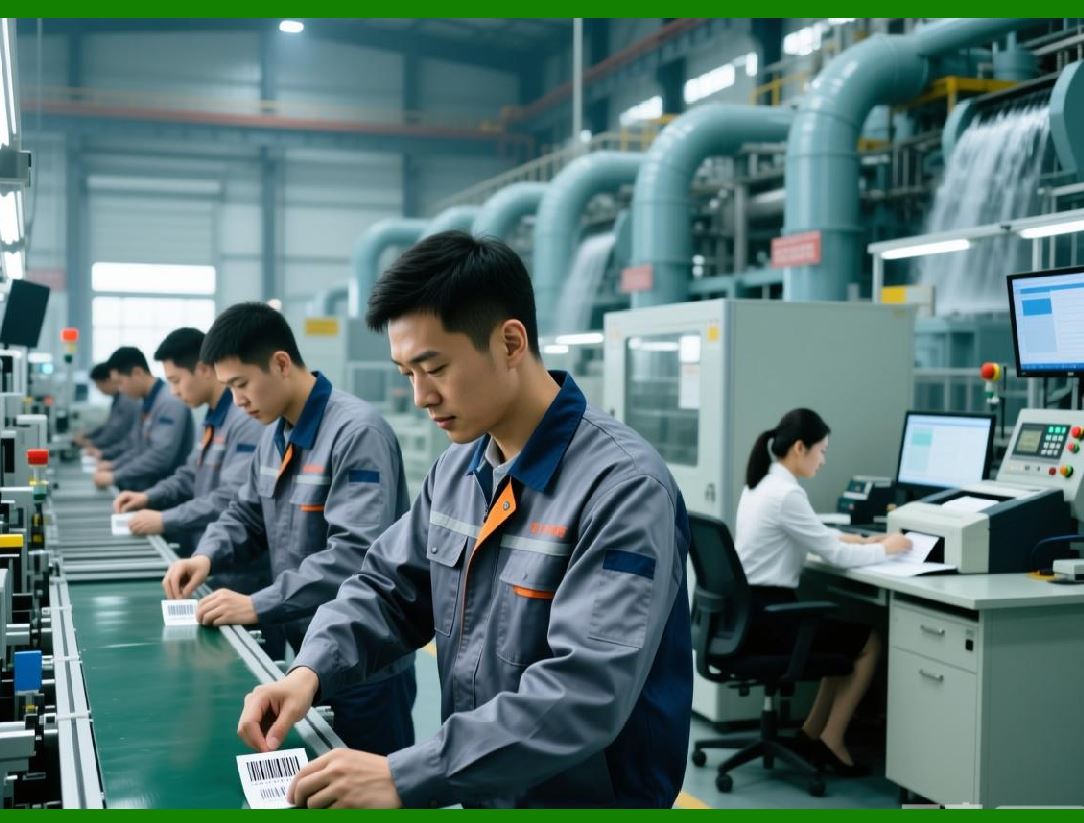
1. Product moves along production line |
2. System generates GS1-compliant data dynamically |
3. Printer applies 2D barcode instantly |
4. Scanner verifies readability immediately |
This reduces errors caused by mismatched or outdated labels. |

|
6. 2D Barcode Printing in Industrial Environments |
Industrial printing systems must meet strict requirements: |
1. High-speed printing on moving production lines |
2. Resistance to heat, moisture, and abrasion |
3. Precise alignment for machine readability |
4. Support for GS1 DataMatrix and QR formats |
GS1 DataMatrix is especially common in manufacturing due to its compact size and robustness. |

|
7. Quality Control Integration |
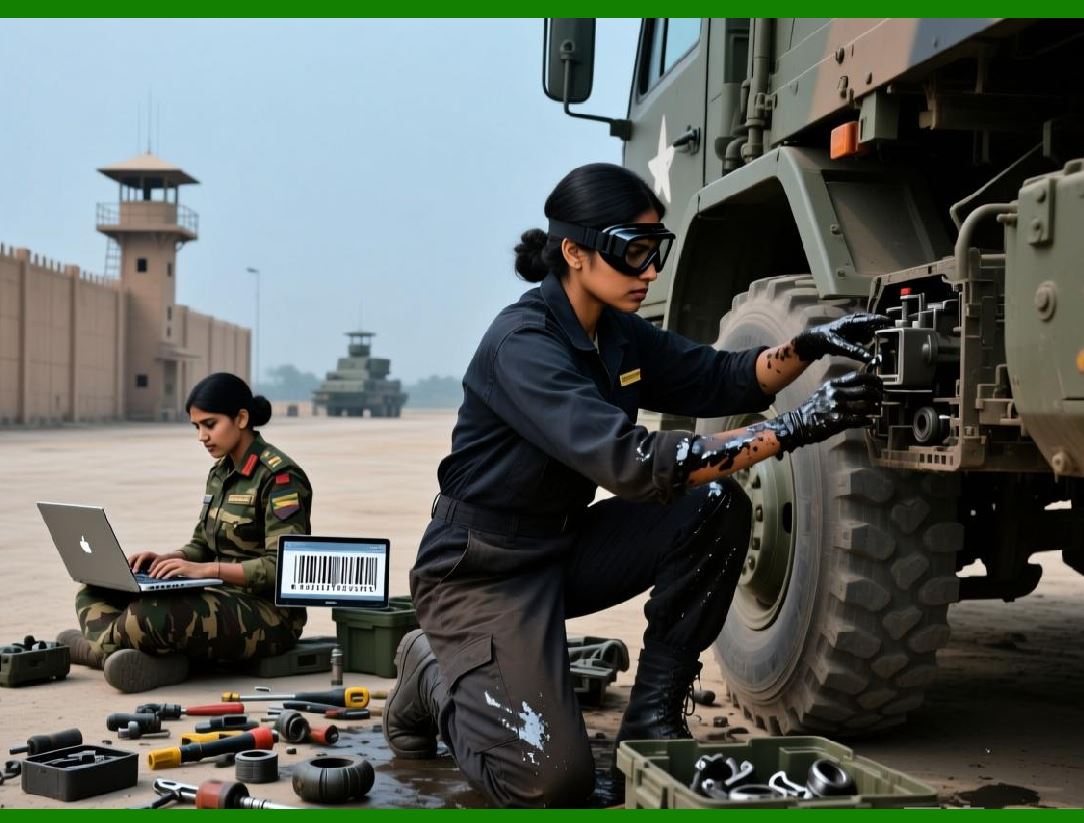
Quality control systems are directly linked to barcode data. |
At multiple checkpoints: |
1. Products are scanned during production |
2. System validates correct serialization sequence |
3. Defects or mismatches are flagged immediately |
4. Non-compliant products are removed from line |
This ensures traceability of quality at every stage. |
|
8. Defect Tracking and Root Cause Analysis |
When defects occur, 2D barcodes enable precise tracking: |
1. Identify exact production batch |
2. Trace back to specific machine or time window |
3. Analyze environmental or process conditions |
4. Isolate affected units only |
This significantly improves manufacturing analytics and reduces waste. |
|
9. Packaging Line Transformation |
Packaging lines undergo major changes under Sunrise 2027: |
1. Packaging becomes data-driven |
2. Each package receives a unique digital identity |
3. Labels are printed in real time |
4. Verification systems ensure correct placement |
Packaging is no longer just a protective layer it becomes a data carrier system. |

|
10. Integration with Robotics and Automation |
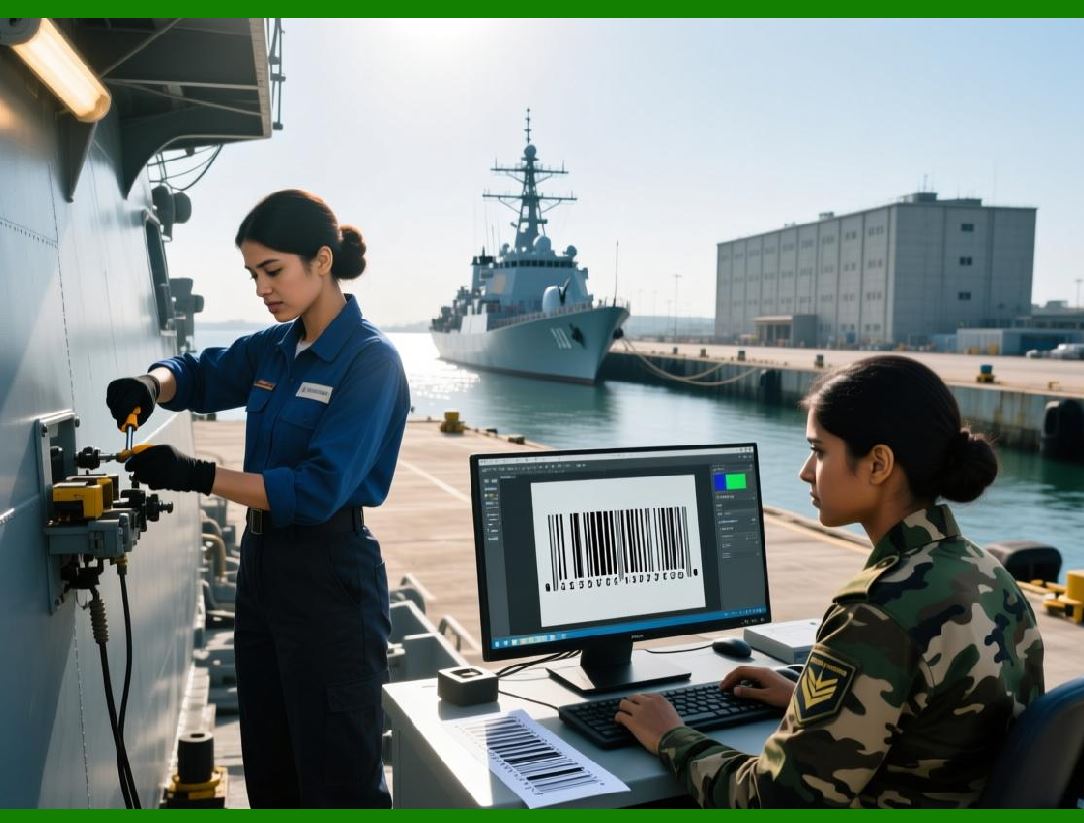
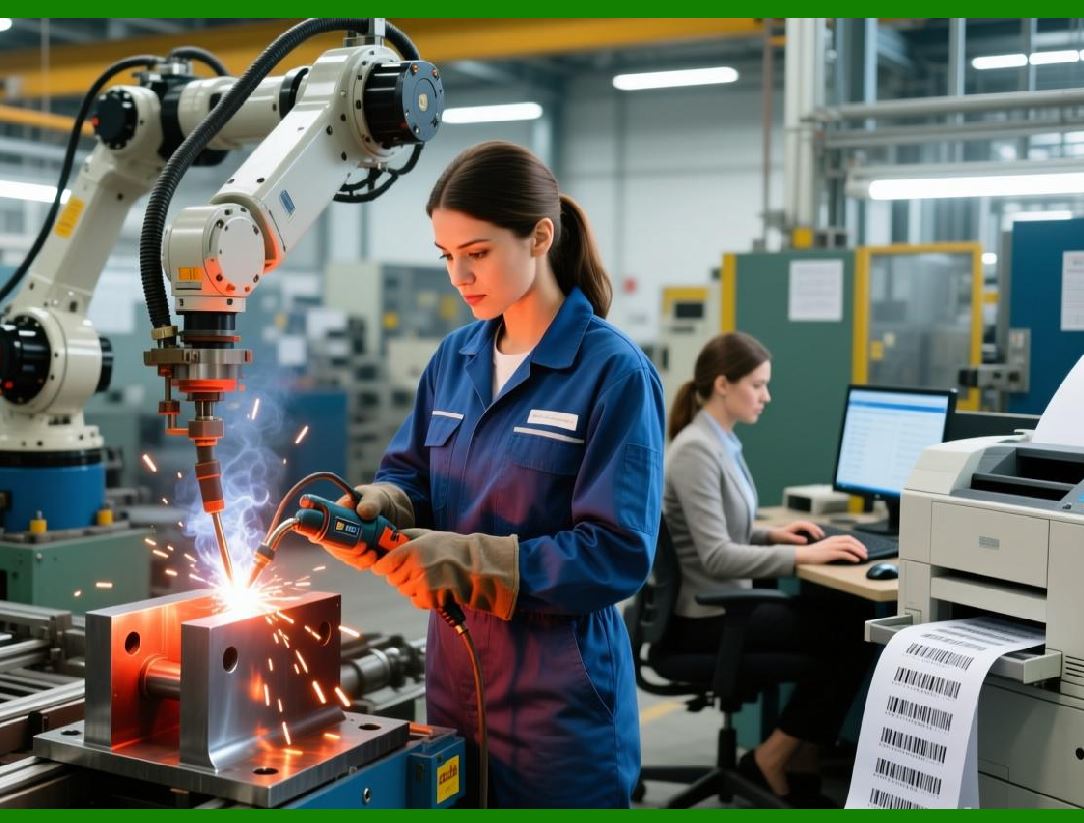
Modern factories increasingly use robotics for packaging and assembly. |
In Sunrise 2027 environments: |
1. Robots scan components before assembly |
2. Automated systems verify part authenticity |
3. Packaging robots apply labels precisely |
4. Vision systems verify barcode readability |
This increases both speed and accuracy. |
|
11. Production Line Data Flow |
A typical data flow in a smart factory includes: |
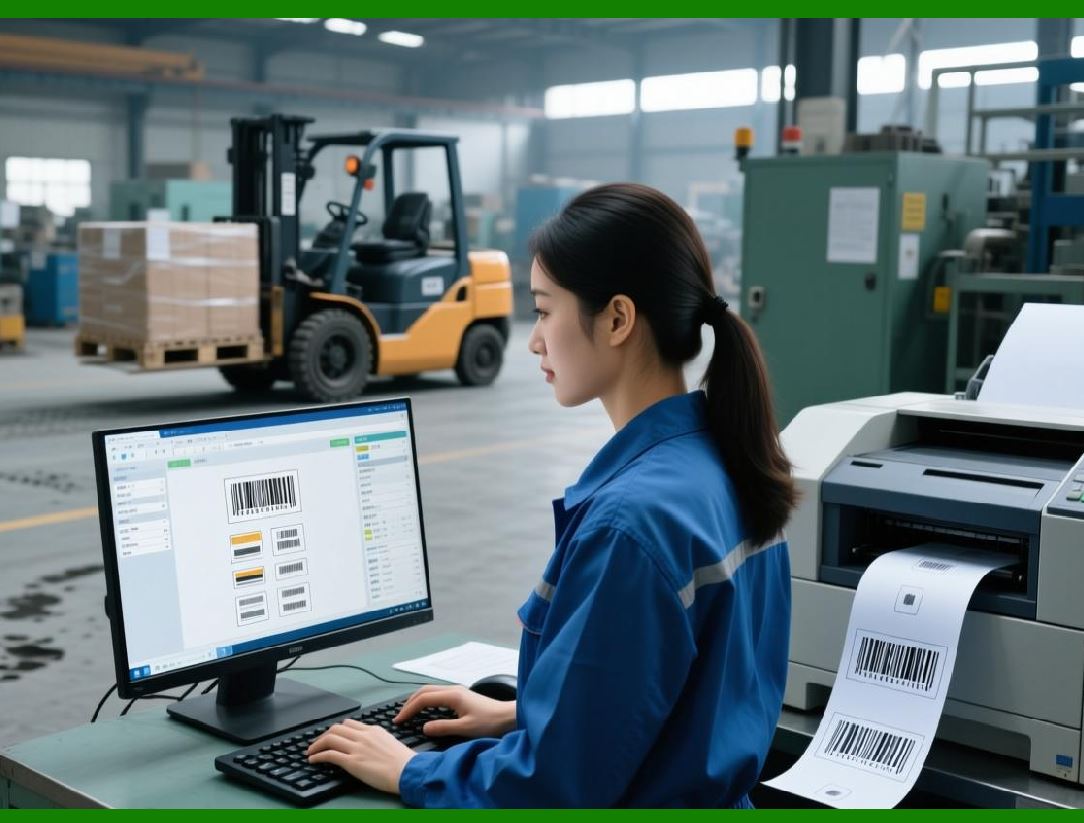
1. Raw materials received and scanned |
2. Components tracked through assembly stages |
3. Final product assigned serialized identity |
4. 2D barcode printed and verified |
5. Data sent to ERP and supply chain systems |
This creates a continuous digital thread from raw material to finished product. |
|
12. Error Prevention at Source |
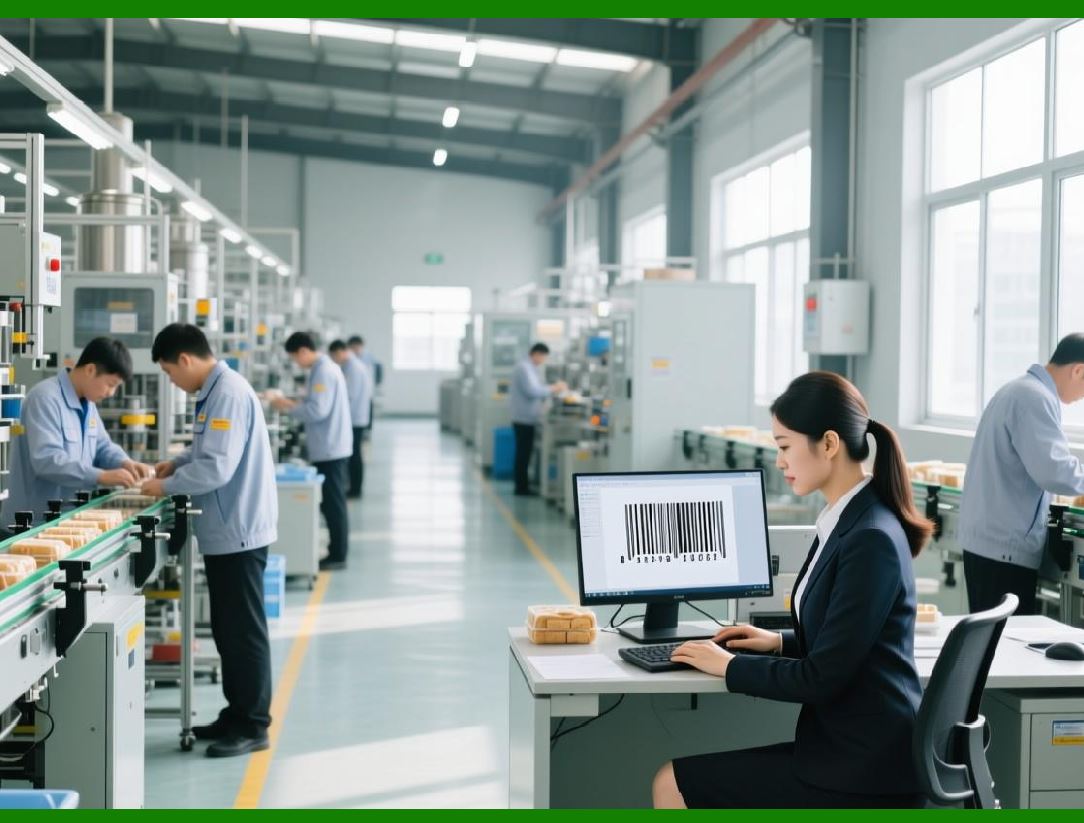
One of the key benefits of manufacturing-level 2D barcode integration is error prevention at the earliest stage. |
Examples: |
1. Wrong component detected before assembly |
2. Mismatched batch numbers flagged instantly |
3. Expired material usage prevented |
4. Incorrect packaging detected before shipment |
This reduces downstream costs significantly. |
|
13. Traceability Across Manufacturing Networks |
Large manufacturers often operate across multiple factories globally. |
With GS1 systems: |
1. Each facility uses standardized encoding |
2. Products can be traced across borders |
3. Unified serialization systems are maintained |
4. Supply chain visibility is preserved globally |
GS1 standards ensure consistency across all manufacturing locations. |
|
14. Regulatory Compliance in Manufacturing |
Many industries require strict compliance tracking: |
* Pharmaceuticals |
* Automotive components |
* Aerospace parts |
* Food production |
2D barcodes support compliance by: |
1. Recording production data automatically |
2. Maintaining audit trails |
3. Enabling recall readiness |
4. Supporting regulatory reporting |

|
15. Production Efficiency Improvements |
Manufacturers benefit from: |
1. Reduced labeling errors |
2. Faster production line validation |
3. Automated data capture |
4. Lower manual documentation workload |
This improves overall operational efficiency. |

|
16. Digital Thread Concept in Manufacturing |
The Digital threadrefers to continuous data tracking across product lifecycle stages. |
In Sunrise 2027 systems: |
1. Raw materials serialized tracking |
2. Manufacturing production event logging |
3. Packaging identity assignment |
4. Logistics movement tracking |
5. Retail/healthcare final scan events |
This creates a complete end-to-end product history. |
|
17. Predictive Manufacturing Analytics |
With structured barcode data, manufacturers can apply analytics to: |
1. Predict equipment failures |
2. Optimize production scheduling |
3. Reduce waste rates |
4. Improve supply forecasting |
This is enabled by continuous data collection at scan points. |

|
18. Summary of Part 6 |
This section covered manufacturing transformation under Sunrise 2027: |
1. Manufacturing is the origin point of GS1 data |
2. Serialization begins at production level |
3. Smart factories integrate MES, ERP, and QC systems |
4. Labels are generated dynamically in real time |
5. 2D barcodes are printed and verified on production lines |
6. Robotics and automation enhance accuracy |
7. Quality control becomes data-driven |
8. Defects are traceable to root causes |
9. Packaging becomes a digital identity system |
10. Digital thread connects entire product lifecycle |

|
Next Part Preview |
In Part 7, I will cover: |
* Consumer engagement and marketing transformation |
* QR-based interactive packaging |
* Brand storytelling via Digital Link |
* Loyalty programs and personalized promotions |
* Mobile scanning ecosystems |
 cs@easiersoft.com