GS1 Sunrise 2027 Plan Detail (Part 8 of 19) |
Regulatory Frameworks, Compliance Systems, and Global Standardization |
1. Why Regulation Is Central to Sunrise 2027 |
The GS1 Sunrise 2027 initiative is not only a technological upgrade it is also a global compliance transformation. |
Governments and regulatory agencies increasingly require: |
1. Product traceability |
2. Anti-counterfeit protection |
3. Food safety transparency |
4. Pharmaceutical serialization |
5. Rapid recall capabilities |
2D barcodes provide the technical foundation to meet these requirements at scale. |
Without regulatory alignment, global adoption would be fragmented. Therefore, regulation is a driving force behind the transition. |

|
2. The Role of GS1 in Global Governance |
GS1 acts as a neutral global standards organization rather than a regulator. |
Its responsibilities include: |
1. Defining barcode data structures |
2. Maintaining Application Identifier standards |
3. Ensuring global interoperability |
4. Coordinating industry adoption timelines |
5. Supporting regulatory alignment across countries |
GS1 does not enforce laws, but its standards are often adopted into regulatory frameworks worldwide. |

|
3. Global Regulatory Convergence Toward Serialization |
Many countries are independently moving toward serialization requirements, especially in pharmaceuticals and food safety. |
Common regulatory goals include: |
1. Unique identification of each product unit |
2. Traceability across the supply chain |
3. Ability to perform targeted recalls |
4. Prevention of counterfeit goods entering markets |
Sunrise 2027 aligns these independent efforts into a unified global scanning standard. |
4. Pharmaceutical Regulatory Systems |
Pharmaceutical regulations are among the most advanced in serialization adoption. |
Key global frameworks include: |
1. Drug traceability laws in multiple regions |
2. Mandatory serialization of prescription medications |
3. Reporting requirements for supply chain events |
4. Verification at dispensing and administration points |
2D barcodes (especially GS1 DataMatrix) are central to compliance. |
GS1 DataMatrix is widely used because it supports compact, high-density serialization encoding. |

|
5. Food Safety and Traceability Regulations |
Food safety regulations are increasingly requiring: |
1. Farm-to-table traceability |
2. Batch-level tracking of ingredients |
3. Rapid recall execution |
4. Origin transparency |
2D barcodes enable: |
* Ingredient-level tracking |
* Supply chain transparency across multiple stages |
* Faster identification of contaminated batches |
This is especially important for global food supply chains. |

|
6. Cross-Border Trade Compliance |
International trade introduces complexity because different countries have different regulatory systems. |
Sunrise 2027 supports cross-border compliance by: |
1. Using globally standardized GS1 identifiers |
2. Ensuring barcode readability in all regions |
3. Supporting multilingual data resolution via digital links |
4. Harmonizing product identity across jurisdictions |
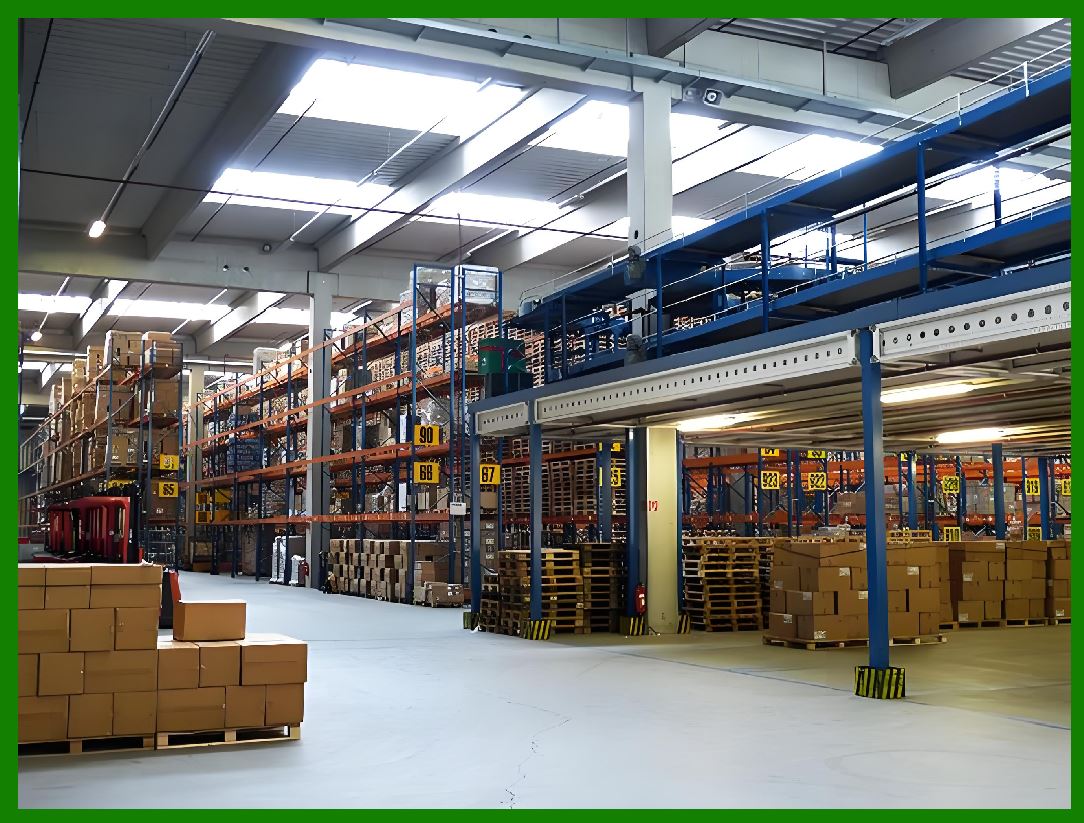
This reduces friction in global logistics. |
|
7. Recall Management Regulations |
Regulators increasingly require fast and precise recall capabilities. |
With 2D barcode systems: |
1. Recalls can target specific serial numbers instead of entire batches |
2. Affected products can be identified instantly |
3. Distribution impact can be mapped precisely |
4. Consumer notification systems can be triggered faster |
This significantly improves public safety response. |

|
8. Anti-Counterfeiting Regulations |
Counterfeit goods are a major global concern in: |
* Pharmaceuticals |
* Luxury goods |
* Electronics |
* Food products |
Regulations increasingly require: |
1. Unique product identifiers |
2. Verification systems at point of sale |
3. Traceability across supply chains |
2D barcodes enable real-time verification against authoritative databases. |

|
9. Data Integrity and Compliance Validation |
Regulatory systems require high data integrity. |
2D barcode systems support this through: |
1. Structured GS1 data formats |
2. Check digits and validation rules |
3. Controlled issuance of identifiers |
4. Audit trails of scan events |
This ensures data consistency across global systems. |

|
10. Audit Trails and Digital Compliance Records |
One major regulatory benefit of Sunrise 2027 is automated auditing. |
Every scan event can record: |
1. Time and location |
2. Product identity |
3. Supply chain movement |
4. User or system interaction |
This creates a digital compliance log for every product unit. |

|
11. Healthcare Compliance Expansion |
Healthcare regulations often require: |
1. Medication tracking at point of administration |
2. Verification of patient identity |
3. Documentation of drug usage |
4. Reporting of adverse events |
2D barcodes integrate directly into hospital systems to support these requirements. |

|
12. Environmental and Sustainability Regulations |
New regulations increasingly focus on sustainability reporting. |
2D barcodes can encode or link to: |
1. Carbon footprint data |
2. Recycling instructions |
3. Material composition |
4. Ethical sourcing certifications |
This enables regulatory reporting on environmental impact. |

|
13. Industry-Specific Regulatory Differences |
Different industries adopt Sunrise 2027 principles at different speeds: |
* Pharmaceuticals: fastest adoption due to safety requirements |
* Food industry: strong adoption due to traceability needs |
* Retail: gradual adoption driven by efficiency |
* Manufacturing: driven by internal efficiency and compliance |
Despite differences, GS1 standards unify them. |

|
14. Digital Link and Regulatory Transparency |
GS1 Digital Link plays a key regulatory role by allowing: |
1. Dynamic access to compliance documents |
2. Real-time updates of regulatory information |
3. Context-based data delivery (consumer vs regulator) |
This reduces dependency on static printed compliance data. |

|
15. Enforcement and Inspection Systems |
Regulators increasingly use scanning-based inspection systems: |
1. Inspectors scan product barcodes |
2. System retrieves compliance data instantly |
3. Verification against regulatory databases occurs in real time |
This improves inspection efficiency and accuracy. |

|
16. Risk-Based Regulatory Oversight |
2D barcode systems enable regulators to: |
1. Identify high-risk supply chains |
2. Monitor anomaly patterns in real time |
3. Focus inspections on problematic areas |
4. Reduce manual auditing workload |
This makes regulation more data-driven. |

|
17. Global Standard Harmonization Challenges |
Despite progress, challenges remain: |
1. Different national regulatory timelines |
2. Legacy system compatibility |
3. Variation in enforcement strictness |
4. Infrastructure readiness differences |
Sunrise 2027 addresses this through gradual global alignment. |

|
18. Summary of Part 8 |
This section covered regulatory and compliance transformation: |
1. Sunrise 2027 is driven strongly by global regulatory needs |
2. GS1 provides the global standards framework |
3. Pharmaceuticals lead in serialization adoption |
4. Food safety requires full traceability systems |
5. Cross-border trade benefits from unified identifiers |
6. Recall systems become precise and targeted |
7. Anti-counterfeit systems improve significantly |
8. Audit trails become automated and digital |
9. Environmental compliance becomes data-driven |
10. Digital Link enables dynamic regulatory transparency |

|
Next Part Preview |
In Part 9, I will cover: |
* Data security, privacy, and cyber protection in GS1 systems |
* Risks of barcode manipulation and fraud |
* Cryptographic enhancements and digital signatures |
* Secure supply chain architecture |
* Trust models in global barcode ecosystems |
 cs@easiersoft.com