Mobile and Wearable Integration - The Body's Digital Voice: How American Hospitals Connect Smart Devices to the EHR to Listen to Patients Beyond the Bedside |
Short Executive Summary |
This chapter explores Mobile and Wearable Integration---the rapidly evolving capability of the Hospital Information System to ingest, interpret, and act upon data from smartphones, smartwatches, fitness trackers, and medical-grade wearable devices. In an era when patients expect seamless digital experiences and clinicians need continuous, real-time data to manage chronic conditions and detect early deterioration, the integration of wearables with the HIS is transforming care from episodic, reactive interventions to continuous, proactive partnerships. Through detailed U.S. case studies---from a large academic medical center that deployed continuous vital sign monitoring across 1,500 beds to improve patient safety and reduce nursing workload, to a pediatric program using smart wearable stethoscopes to monitor asthma at home, and a health system pioneering the use of patient-generated health data (PGHD) from consumer wearables in chronic disease management---we examine how hospitals are bridging the gap between the clinical setting and daily life. The chapter covers the core concepts: clinical-grade versus consumer-grade wearables, the ONC's framework for patient-generated health data (PGHD), the technical infrastructure for data ingestion (FHIR, APIs, and app gateways), the challenges of data volume, accuracy, and clinician workflow integration, and the emerging policy landscape including the CMS 'Kill the Clipboard' initiative. It also addresses the critical issues of digital equity, data privacy, and the need for evidence-based validation before wearable data can be trusted for clinical decision-making. It concludes that mobile and wearable integration is not merely a technological add-on; it is the body's digital voice, enabling clinicians to hear what patients are experiencing between visits and empowering patients to take an active role in their own health. |
|
Mobile and Wearable Integration - The Body's Digital Voice |
A Detailed Popular-Science Exploration |
1. The Body's Digital Voice |
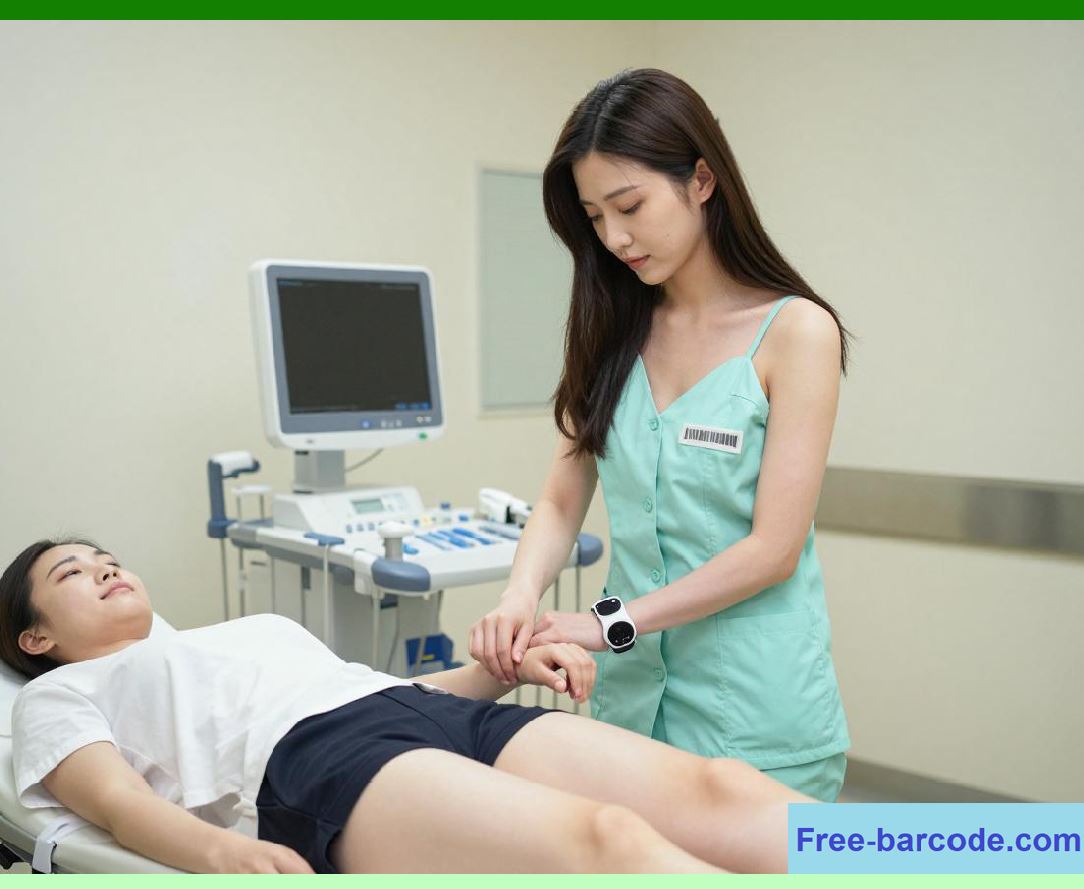
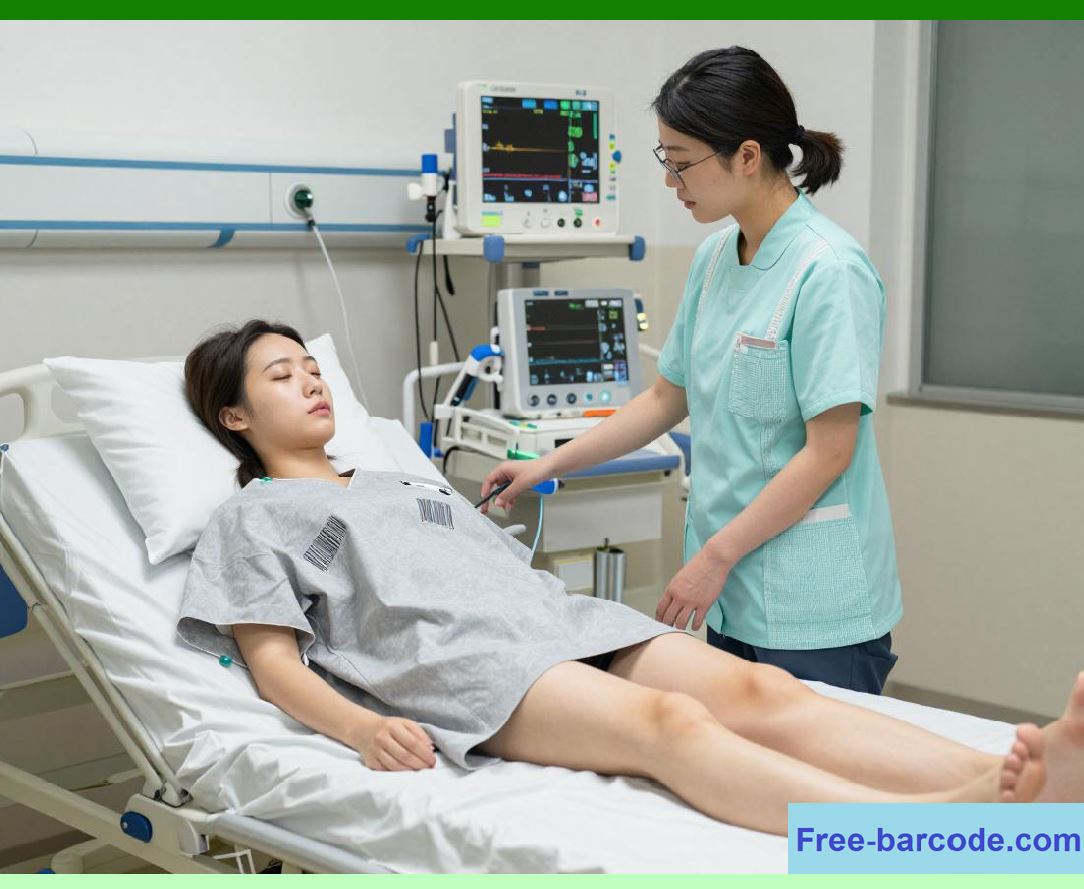
Imagine a patient with heart failure being discharged from the hospital. In the past, the clinician would send them home with a list of instructions and hope for the best. Today, that patient can go home with a wearable patch on their chest that continuously monitors their heart rate, respiratory rate, and temperature, transmitting data to the EHR in real time. If their weight increases (a sign of fluid overload) or their heart rate becomes erratic, the care team is alerted and can intervene before the patient deteriorates to the point of readmission. |
This is the promise of mobile and wearable integration: the ability to listen to the patient's body continuously, not just during the brief moments of a clinical encounter. Wearables are the 'digital voice' of the patient, speaking in the language of biometrics---heart rate, blood pressure, oxygen saturation, sleep patterns, physical activity, and more. |
The integration of mobile and wearable data into the HIS is one of the most exciting and transformative developments in healthcare IT. It is shifting the paradigm from episodic, reactive care to continuous, proactive care. It is empowering patients to be active participants in their own health. And it is providing clinicians with a richness of data that was unimaginable just a decade ago. |
This chapter will take you inside the world of mobile and wearable integration in American hospitals. We will explore the technologies, the use cases, the challenges, and the future of this rapidly evolving field. |
|
2. The Evolution of Wearable Technology in Healthcare |
The journey from simple pedometers to clinical-grade, FDA-cleared wearables has been remarkable. |
The consumer fitness era (2000s-2010s): The first generation of wearables were fitness trackers---simple devices that counted steps, estimated calories burned, and tracked sleep. They were popular with consumers but had limited clinical utility. The data was often inaccurate and not integrated with healthcare systems. |
The early medical era (2010s-2020): The introduction of the Apple Watch with its heart rate sensor and the FDA's clearance of the first mobile ECG app (for detecting atrial fibrillation) marked a turning point. Consumer devices began to have clinical-grade features. Hospitals started exploring the use of wearables for remote patient monitoring. |
The rapid adoption era (2020-2023): The COVID-19 pandemic accelerated the adoption of remote patient monitoring (RPM). Hospitals needed to monitor patients at home to reduce the risk of infection. This led to the widespread deployment of wearable patches and home monitoring kits. |
The integrated era (2023-present): The focus has shifted from simply collecting data to integrating it into clinical workflows. Hospitals are investing in the infrastructure to ingest data from wearables via APIs, display it in the EHR, and use it for clinical decision support. The ONC has developed frameworks for patient-generated health data (PGHD) to guide this integration. |
The predictive era (emerging): The next frontier is using AI and machine learning to analyze wearable data and predict clinical events before they happen. For example, a model might detect subtle changes in heart rate variability that predict an impending exacerbation of heart failure. |
|
3. Core Concepts: Clinical-Grade vs. Consumer-Grade |
Not all wearables are created equal. A critical distinction exists between clinical-grade and consumer-grade devices . |
Consumer-Grade Wearables: |
Purpose: General wellness and fitness tracking. |
Regulation: Typically not FDA-cleared. Marketed as 'wellness' products. |
Examples: Basic fitness trackers, many smartwatches in their standard mode. |
Accuracy: May be sufficient for general trends but not for clinical decision-making. |
Data: Often not integrated with EHRs. |
Clinical-Grade Wearables: |
Purpose: Diagnosis, monitoring, or treatment of a specific medical condition. |
Regulation: FDA-cleared or FDA-approved. The manufacturer has submitted data to demonstrate safety and effectiveness for a specific indication . |
Examples: FDA-cleared wearable ECG monitors for AFib detection, continuous glucose monitors (CGMs), wearable patch monitors for vital signs. |
Accuracy: Validated against clinical gold standards. Accuracy is sufficient for clinical use . |
Data: Integrated with EHRs through secure data platforms and APIs. |
The Clinical Validation Gap: |
Even when a wearable is FDA-cleared, it is essential for clinicians to understand its specific indications, its limitations, and the evidence base supporting its use . Key questions include: |
- How does the device perform across different populations (age, skin tone, comorbidities) |
- Is the data accurate enough for screening, diagnosis, or just for trend monitoring |
- Are there known limitations where the device underperforms |

|
4. The National Landscape of Patient Engagement Capabilities |
The adoption of technologies that enable patients to share data from wearables and apps with their hospitals is growing, but significant gaps remain . |
Adoption Rates (2024): |
99% of U.S. hospitals enable patients to view their health information electronically. |
96% enable patients to download their data. |
92% enable secure messaging between patients and providers. |
95% enable patients to view clinical notes . |
Advanced Capabilities (Patient-Generated Data): |
62% of hospitals allow patients to submit patient-generated data (PGD), such as blood glucose or weight, through apps . This is an increase from 2021, but still less than half of hospitals have this capability. |
56% enable patients to import records from other organizations into the patient portal . |
The Digital Divide: Adoption of these advanced capabilities varies significantly by hospital type. Lower-resourced hospitals (small, rural, Critical Access, independent) lag behind larger, system-affiliated hospitals in their adoption of app-based and FHIR-enabled patient engagement capabilities . Hospitals using the market-leading EHR developer were also significantly more likely to offer these capabilities than hospitals using other EHR vendors . |
The Trend: Adoption of foundational capabilities (view, download, transmit) has been high and stable. Adoption of emerging capabilities (clinical notes, app access) increased significantly between 2021 and 2024 (from 65% to 85%). Adoption of advanced capabilities (import, PGD) has grown more slowly but steadily (from 37% to 45%) . |
|
5. U.S. Case Study: Houston Methodist's System-Wide Continuous Vital Sign Monitoring |
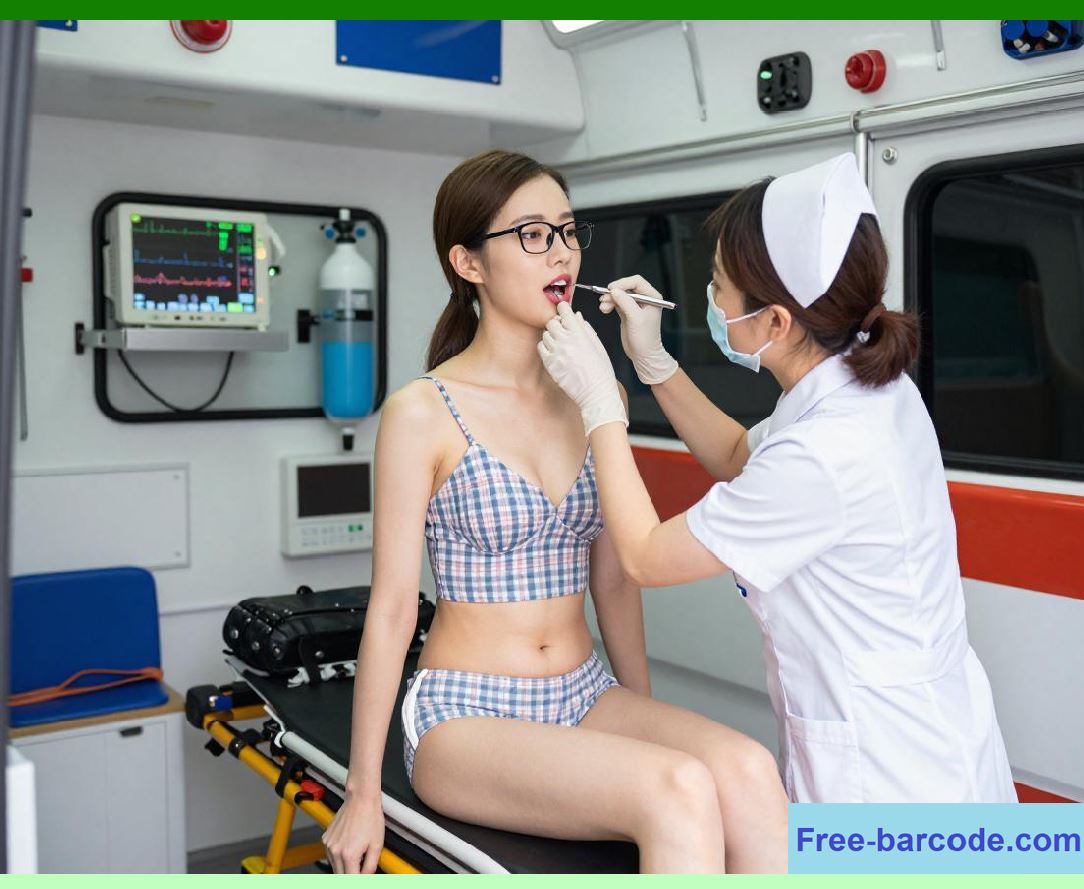
Houston Methodist, an 8-hospital health system in Texas, has undertaken one of the most ambitious large-scale implementations of continuous vital sign monitoring (CVSM) in the United States . |
The Context: The traditional approach to vital sign monitoring on general hospital floors is manual, every 4 hours. This century-old practice has significant drawbacks: it can miss early clinical deterioration between checks, it disrupts patient sleep, and it imposes a heavy documentation burden on nursing staff . |
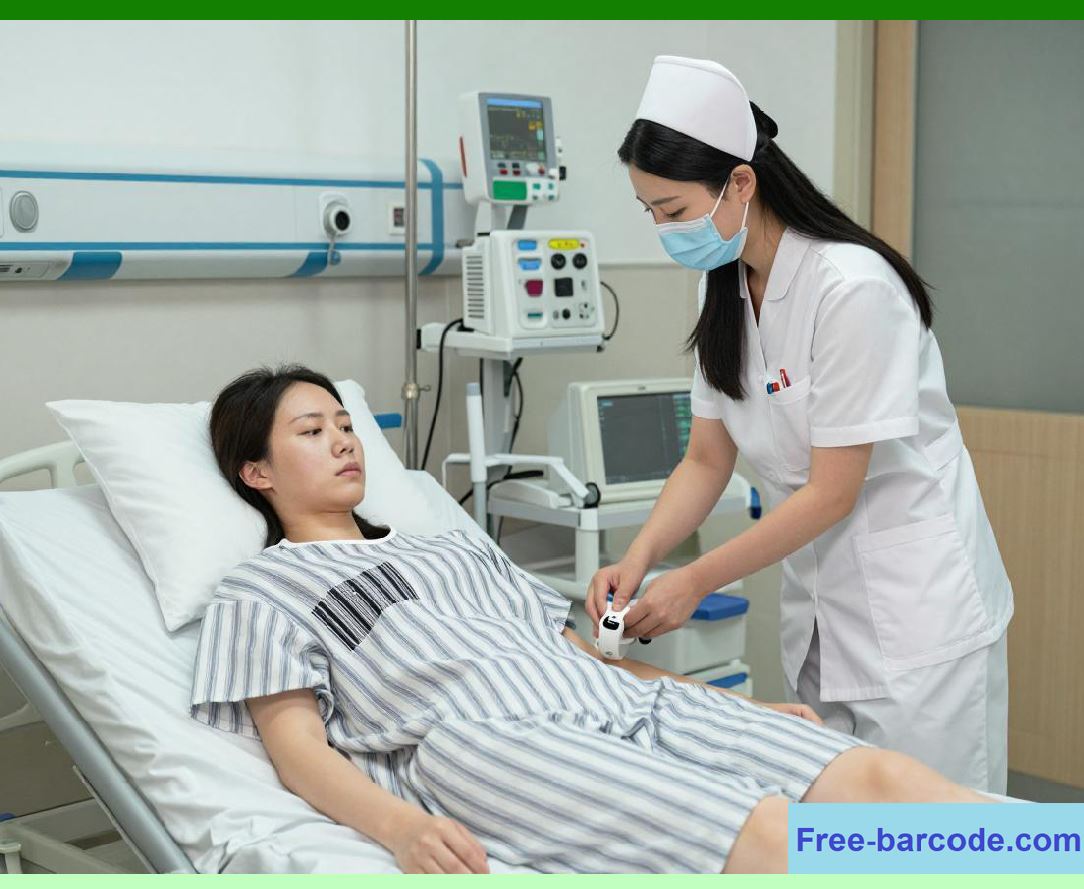
The Solution: The health system deployed a CVSM program from 2022 to 2024 across approximately 2,700 adult non-ICU beds. The program used an FDA-cleared wearable patch (BioButton) that continuously measured heart rate, respiratory rate, and skin temperature. Data was integrated into Epic and monitored 24/7 through a centralized virtual operations center (VOC) . |
Implementation Strategy: The rollout followed a four-phase framework: strategic program design, program planning, go-live preparation, and implementation and optimization. A multidisciplinary team, including clinical, operational, IT, supply chain, and innovation leaders, was engaged early and consistently to ensure alignment . |
Key Outcomes: |
Full deployment: All 8 hospitals achieved full deployment between April 2023 and February 2024, with more than 95% device use rates and 100% nursing staff training completion . |
Alert filtering: A standardized escalation workflow filtered approximately 50% of the alerts at the VOC review stage, substantially reducing the alert burden on frontline staff . |
Workflow efficiency: Several units extended overnight manual VS intervals from every 4 hours to every 6 to 8 hours. Staff estimated approximately 4 hours saved per nursing shift. Patient care assistants redirected time toward patient mobility and personal care needs . |
Staff confidence: Staff reported growing confidence in device performance over time . |
Lessons Learned: The success was enabled by early strategic alignment, phased rollout, robust IT and monitoring infrastructure, and iterative optimization. The program demonstrates the feasibility of embedding CVSM into routine inpatient care to improve efficiency and patient experience . |
|
6. U.S. Case Study: University Hospitals Expands Continuous Monitoring |
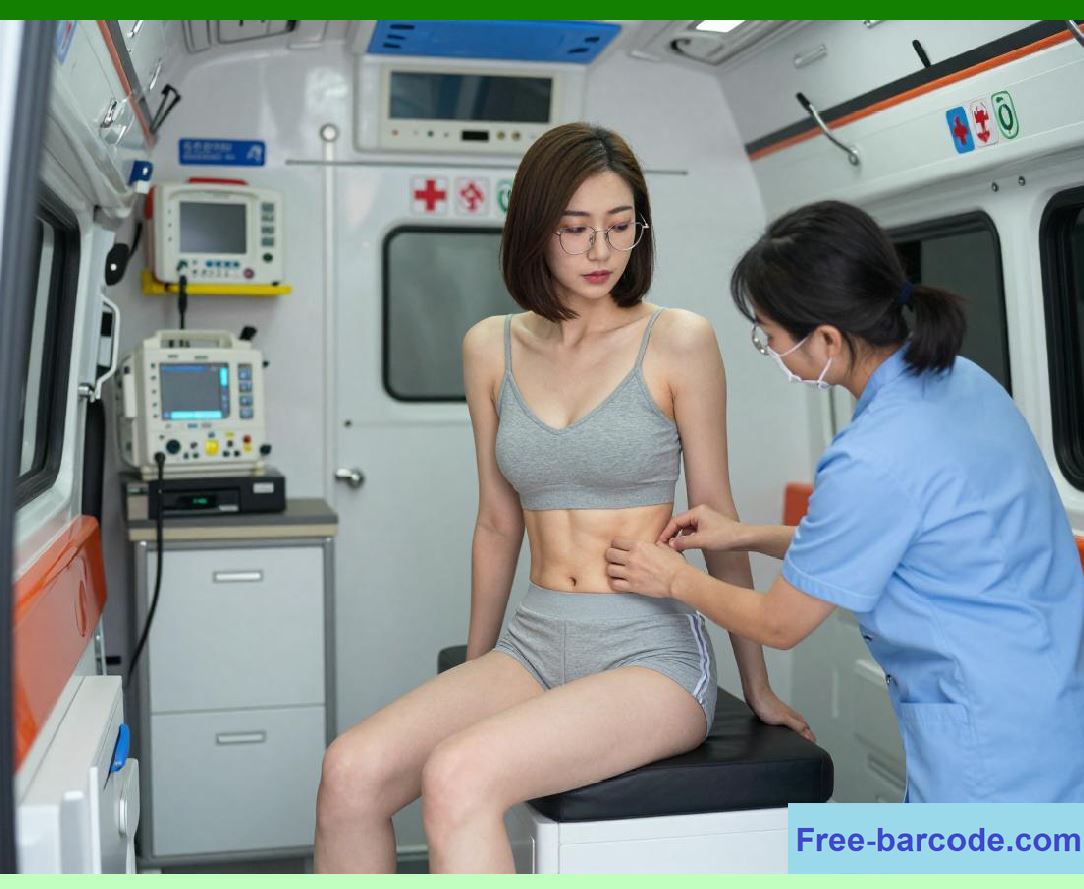
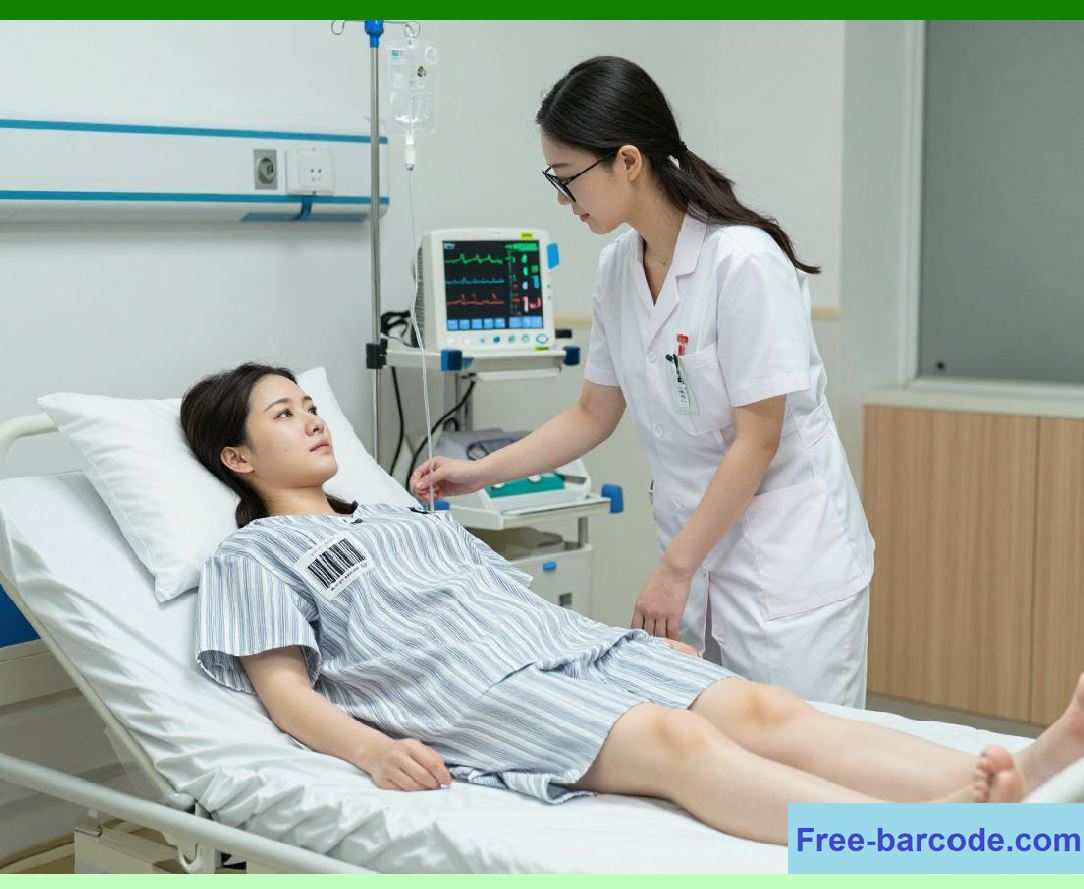
University Hospitals (UH) in Cleveland is another leader in continuous patient monitoring. UH is among the first health systems in the nation to deploy Masimo Radius VSM continuous monitoring for generally admitted pediatric and adult patients across its entire system . |
The Technology: The Radius VSM is a wearable device that is completely unattached, allowing patients to move freely while tracking data points like temperature, heart rate, oxygen levels, and blood pressure. The data is wirelessly transmitted to Masimo Patient SafetyNet for centralized remote patient surveillance and integrated into the EHR . |
Scale: The expansion will equip 1,500 beds across UH hospitals with this technology. Since ICU patients are already continuously monitored, this essentially means all UH in-patients will now be observed remotely . |
The Rationale: UH has a 'Move to Heal' philosophy, which recognizes that patients heal better when they can move freely. By eliminating the tether of wall-mounted monitors, this technology enables patients to be more mobile . It also enhances safety because patients are monitored even when clinicians are not in the room, and it gives patients a better experience with more rest, since some health information can be obtained without approaching the bedside . |
|
7. U.S. Case Study: Cedars-Sinai's Smart Wearable Stethoscope for Pediatric Asthma |
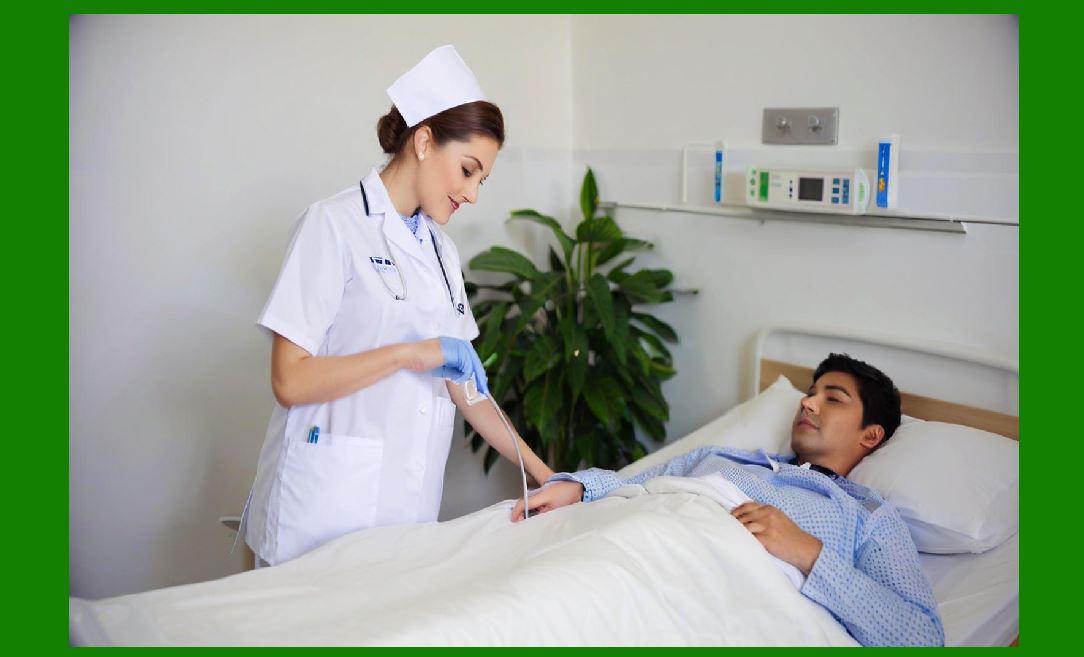
Cedars-Sinai Guerin Children's has launched a program using a smart, wearable stethoscope to manage asthma symptoms in children between clinic visits . |
The Problem: Asthma is one of the most common chronic pediatric diseases in the U.S., affecting about 4.5 million children. Traditionally, doctors have monitored children through periodic clinic visits and caregiver-reported symptoms---which are often unreliable. Symptoms can fluctuate widely between visits, making it difficult to manage the disease proactively . |
The Solution: The AeviceMD is a small, FDA-cleared wearable device, about the size of a half-dollar coin, that is worn on the chest for up to 10 hours a day. It records lung sounds and provides clinicians with continuous or on-demand remote monitoring. The data is securely shared with doctors, enabling them to build a more complete picture of disease progression and respond early if symptoms worsen . |
The Goal: The program aims to prevent exacerbations, reduce hospitalizations and emergency department visits, and limit the need for interventions such as systemic steroid use. By intervening early, clinicians can decrease chronic inflammation and improve lung function and health over time . |
The Collaboration: The device was developed by Aevice Health, a Singaporean digital health company and a graduate of the Cedars-Sinai Accelerator program. The collaboration, which began in 2022, included clinical input from physicians and key regulatory milestones leading to FDA clearance in 2023 . |
|
8. Consumer Wearables Entering Clinical Practice |
The line between consumer wearables and clinical-grade medical devices is blurring. Smartwatches are increasingly capable of capturing heart rhythms, sleep patterns, blood oxygen levels, and stress indicators . The key question for healthcare providers is: Can these consumer devices be used as true clinical tools |
The Three Critical Factors: The shift from consumer gadget to clinical tool depends on three main factors : |
1. Regulatory Status: Does the device have FDA clearance for a specific clinical indicationClinicians must understand which features are FDA-cleared, what claims the manufacturer is allowed to make, and how those indications intersect with their practice . |
2. Clinical Validation: Is the device's accuracy supported by peer-reviewed studies comparing it to clinical gold standardsIs it reliable across different populations (age groups, skin tones, comorbidities)Is it useful for trend monitoring or point-in-time diagnostics |
3. Integration into Clinical Workflows: Can the data be securely captured, transmitted, and reviewed within the EHRDo clinicians have protocols for acting on that dataAre documentation, liability, and patient communication protocols in place |
The Infrastructure Challenge: A wearable only becomes a true clinical tool when the data can be integrated into the clinical workflow. This requires technical infrastructure---secure data transmission, EHR integration, and clinical dashboards---as well as clinical infrastructure: policies, protocols, and documentation standards . |
|
9. The Technical Infrastructure: APIs, FHIR, and App Gateways |
The seamless integration of mobile and wearable data into the HIS depends on robust technical infrastructure. |
FHIR (Fast Healthcare Interoperability Resources): FHIR is the modern, web-based standard for healthcare data exchange. It is the foundation for many patient access and data submission capabilities . In 2024, 70% of hospitals enabled patients to access information using apps configured to meet FHIR specifications . |
APIs (Application Programming Interfaces): APIs allow different software applications to communicate with each other. In the context of wearables, APIs allow devices and apps to send data to the EHR. In 2024, 81% of hospitals enabled patient access using apps configured to meet API specifications . |
Mobile App Gateways: Leading institutions like Duke University have created 'Mobile App Gateways' to support the development and integration of mobile apps and wearables. These gateways provide a one-stop shop for researchers, clinicians, and innovators to get guidance on creating apps that integrate data into the EHR, with a focus on regulatory compliance and security . |
The CMS 'Kill the Clipboard' Initiative: The CMS has launched a voluntary initiative to modernize the U.S. digital health infrastructure, with major health systems like Cleveland Clinic and Intermountain Health participating. The goal is to create an ecosystem where patients can share their verified health information with providers via a single click---eliminating paper-based clinical encounters . |

|
10. The Challenges: Data Volume, Accuracy, and Workflow Integration |
Despite the promise, mobile and wearable integration faces several significant challenges. |
Data Volume and Overload: A single wearable can generate thousands of data points per day. Integrating this volume of data into the EHR without overwhelming clinicians is a major challenge. Health systems like Houston Methodist have used centralized monitoring centers to filter alerts, reducing the frontline alert burden . |
Data Accuracy and Reliability: Consumer-grade wearables may not be accurate enough for clinical decision-making. Even clinical-grade devices have limitations. Clinicians must be trained to interpret wearable data correctly and to understand its limitations . |
Workflow Integration: Having data is not enough; it must be integrated into the clinician's workflow in a way that is actionable and not disruptive. If the data requires extra clicks or produces too many false alarms, it will be ignored. |
Digital Equity: As with patient portals, there is a digital divide in wearable technology adoption. Patients who cannot afford a smartwatch or a wearable patch, or who do not have a smartphone or internet access, may be left behind. |
Privacy and Data Security: Wearable data is sensitive health information. It must be protected under HIPAA. Health apps, however, are not always covered by HIPAA, creating potential privacy risks . |
|
11. The Future of Mobile and Wearable Integration |
The future of mobile and wearable integration is about moving from episodic data collection to continuous, predictive intelligence. |
Prediction and Prevention: AI and machine learning will be used to analyze continuous streams of wearable data to predict clinical events. For example, algorithms will detect subtle changes in physiology that predict impending exacerbations of heart failure, COPD, or sepsis, enabling early intervention and preventing hospitalizations. |
Digital Biomarkers: Wearable data will be used to identify and validate new 'digital biomarkers'---physiological signatures that predict clinical outcomes. These could be used to monitor disease progression, assess treatment response, and guide clinical decision-making. |
Prescription Wearables: In the future, clinicians will not just suggest that a patient wears a device; they will 'prescribe' it, selecting the specific device and monitoring protocol that is appropriate for the patient's condition, with the data automatically integrated into the EHR. |
The CMS Vision: The CMS 'Kill the Clipboard' initiative envisions a future where a patient can 'pull out her phone and tap or scan a QR code and seamlessly transfer her digital insurance card, her verified medical record and a digital summary' to a provider . AI-powered assistants will provide patients with plain-language insights on their health data and care plans . |
|
Detailed Concluding Summary |
This chapter has provided a comprehensive, plain-English exploration of Mobile and Wearable Integration---the body's digital voice that enables continuous, proactive patient monitoring and engagement. We began by framing wearables as the means to listen to patients between visits, shifting healthcare from episodic, reactive interventions to continuous, preventive partnerships. |
We traced the evolution of wearable technology from consumer fitness trackers to FDA-cleared clinical-grade devices, and we defined the critical distinction between consumer-grade and clinical-grade wearables . We examined the national landscape of patient engagement capabilities, noting that while most hospitals enable patients to view their data, fewer than two-thirds allow patients to submit patient-generated data via apps . We highlighted the persistent digital divide, with lower-resourced hospitals significantly lagging in advanced capabilities . |
We presented detailed U.S. case studies: Houston Methodist's system-wide deployment of continuous vital sign monitoring across 2,700 beds, filtering 50% of alerts and saving approximately 4 hours per nursing shift ; University Hospitals' expansion of continuous monitoring to 1,500 beds, enabling patient mobility and enhancing safety ; and Cedars-Sinai's program using a smart wearable stethoscope to remotely monitor pediatric asthma, aiming to prevent exacerbations and reduce hospitalizations . |
We explored the technical infrastructure enabling integration, including FHIR APIs, app gateways, and the CMS 'Kill the Clipboard' initiative . We addressed the challenges of data volume, accuracy, workflow integration, digital equity, and privacy. |
We looked to the future: AI and predictive analytics to forecast clinical events, digital biomarkers for disease monitoring, prescription wearables as part of clinical care, and the CMS vision of a seamless, patient-controlled digital health ecosystem . |

|
In conclusion, mobile and wearable integration is not merely a technological add-on; it is the body's digital voice, enabling clinicians to hear what patients are experiencing between visits and empowering patients to take an active role in their own health. It is a fundamental shift from episodic, reactive care to continuous, proactive, and personalized care. In a healthcare system that is increasingly focused on value, outcomes, and patient engagement, the integration of wearables is not a luxury; it is the essential infrastructure for delivering care that is truly connected, continuous, and patient-centered. |
 cs@easiersoft.com