Title: The Ultimate Goal - Safer, Smarter, Kinder Care: How American Hospitals Are Reclaiming the Human Heart of Medicine in a Digital World |
Short Executive Summary |
This chapter explores the ultimate goal of the Hospital Information System---not technology for its own sake, but the creation of a healthcare environment that is safer, smarter, and kinder. In a nation where medical errors are a leading cause of death and clinician burnout has reached crisis levels, the true measure of HIS success is not efficiency or cost savings, but whether it helps clinicians heal and patients feel cared for. Through detailed U.S. examples---from the dramatic reduction in medication errors through barcode scanning and closed-loop medication administration, to the use of predictive analytics to prevent sepsis and readmissions, to the role of ambient AI in freeing clinicians to be fully present at the bedside---we examine how the HIS, when designed and implemented with compassion, can restore the human connection that is at the heart of medicine. The chapter covers the core concepts: the ethical imperative of patient safety, the power of patient-centered design, the role of transparency and open notes in building trust, the urgent need to address clinician burnout, and the emerging 'human-centered AI' movement that puts the patient-provider relationship at the center of digital innovation. It concludes that the ultimate goal of the HIS is not to replace human care but to enable it---to give clinicians the time, information, and confidence to practice medicine with skill, presence, and compassion. |

|
The Ultimate Goal - Safer, Smarter, Kinder Care |
A Detailed Popular-Science Exploration |
1. The Measure of Success |
A hospital information system can be marvelously efficient. It can generate flawless bills, track inventory with surgical precision, and transmit lab results in milliseconds. But these achievements, impressive as they are, are not the ultimate goal. The ultimate goal is something far more profound: a healthcare experience that is safer, smarter, and kinder. |
Safer: preventing the errors that kill or harm tens of thousands of Americans each year. |
Smarter: equipping clinicians with the knowledge and insights they need to make the best possible decisions. |
Kinder: restoring the human connection---the eye contact, the listening, the healing presence---that technology has too often displaced. |
These three goals are not separate; they are deeply intertwined. A system that is safer is also smarter, because it uses data to anticipate and prevent harm. A system that is smarter is also kinder, because it reduces the cognitive load on clinicians, freeing them to focus on the patient. And a system that is kinder is also safer, because a trusting, connected clinician-patient relationship is the foundation of safe care. |
This chapter will take you inside the ultimate goal of the HIS. We will explore how safety is measured and achieved, how intelligence is applied to clinical decisions, and how technology can be designed to serve the human heart of medicine. We will also confront the sobering reality of how far there is still to go---and the urgent need for a new approach that puts patients and clinicians at the center of the digital health revolution. |

|
2. Safer: The Safety Imperative |
The first and most fundamental goal is safety. The Institute of Medicine's landmark 1999 report, 'To Err Is Human,' estimated that preventable medical errors caused 44,000 to 98,000 deaths annually in U.S. hospitals. A more recent analysis by Johns Hopkins researchers suggests that medical errors may now be the third leading cause of death in the United States, accounting for more than 250,000 deaths annually. |
The Role of the HIS: |
The HIS is the primary tool for reducing these errors. Its most powerful safety features include: |
Barcode Medication Administration: As described in Chapter 11, this closed-loop system verifies the 'five rights' (right patient, right drug, right dose, right route, right time) and has been shown to reduce medication administration errors by 40% to 70%. |
Clinical Decision Support (CDS): Alerts for drug-drug interactions, drug-allergy checks, and drug-lab interactions have prevented countless adverse events. |
Closed-Loop Communication: The electronic handoff tools and secure messaging described in Chapter 11 ensure that critical information is transmitted clearly and completely. |
Predictive Analytics: Models that predict sepsis, readmissions, and clinical deterioration allow clinicians to intervene before harm occurs. |
The Evidence: |
A 2023 study of a large U.S. health system found that hospitals with high levels of EHR adoption had significantly lower rates of adverse drug events and hospital-acquired infections compared to those with lower adoption. The evidence is clear: when designed and used effectively, the HIS is a powerful tool for patient safety. |
The Safety Gap: |
Despite this progress, safety remains a critical challenge. A 2025 report from the Leapfrog Group, a U.S. hospital safety watchdog, found that while many hospitals have improved safety, significant gaps remain. Medication errors, hospital-acquired infections, and surgical complications continue to harm patients. |
The reasons are complex. Poor usability, alert fatigue, and inadequate training all contribute to safety failures. But perhaps the most profound challenge is cultural. A hospital can have the best technology in the world, but if it does not have a culture of safety---where staff feel safe reporting errors, where leaders prioritize safety over productivity, and where the entire organization is committed to continuous improvement---the technology will not be enough. |

|
3. The Role of Transparency: Open Notes and Patient Trust |
One of the most important trends in U.S. healthcare is the Open Notes movement, which gives patients access to their clinical notes. As described in Chapter 16, the 21st Century Cures Act mandated that patients be given immediate, free, and electronic access to their clinical notes, lab results, and other data. |
The Benefits of Open Notes: |
Research on Open Notes has found that patients who read their notes: |
- Feel more informed and empowered. |
- Are better able to manage their health. |
- Identify errors in their records. |
- Have greater trust in their clinicians. |
- Show improved medication adherence. |
For clinicians, Open Notes has not led to the feared increase in workload or patient anxiety. Rather, it has fostered a more transparent, collaborative relationship between patients and providers. |
The Next Frontier: Patient-Controlled Data: |
The future of transparency will give patients even more control over their data. Patients will be able to grant and revoke access to their data for different purposes, and they will be able to use their data to coordinate their own care across multiple providers. |

|
4. Smarter: The Intelligence Imperative |
The second goal is intelligence---the ability to use data to make better decisions. |
Clinical Decision Support (CDS) Reimagined: |
The CDS of the future is not a series of pop-up alerts. It is an intelligent, integrated system that presents the right information to the right clinician at the right time. As described in Chapter 7, this includes: |
Predictive Analytics: Models that forecast clinical events and patient trajectories. |
Personalized Recommendations: AI that suggests the best treatment based on the patient's genomic profile, medical history, and current condition. |
Synthesized Information: AI that integrates data from multiple sources---the EHR, the lab, the pharmacy, genomic databases---into a concise, actionable summary. |
The Human-in-the-Loop: |
The goal is not to replace clinical judgment but to augment it. The AI is a co-pilot, offering suggestions and insights, but the clinician remains the captain, making the final decisions and taking responsibility for the patient. |
The Challenge of Explainability: |
For clinicians to trust AI, they must understand why it makes its recommendations. The field of explainable AI (XAI) is working to make AI decisions more transparent and interpretable. As one U.S. health system leader put it, 'I don't need to know the math, but I need to understand the logic.' |

|
5. Kinder: The Compassion Imperative |
The third goal is kindness---the restoration of the human connection that is the heart of medicine. |
The Documentation Burden: |
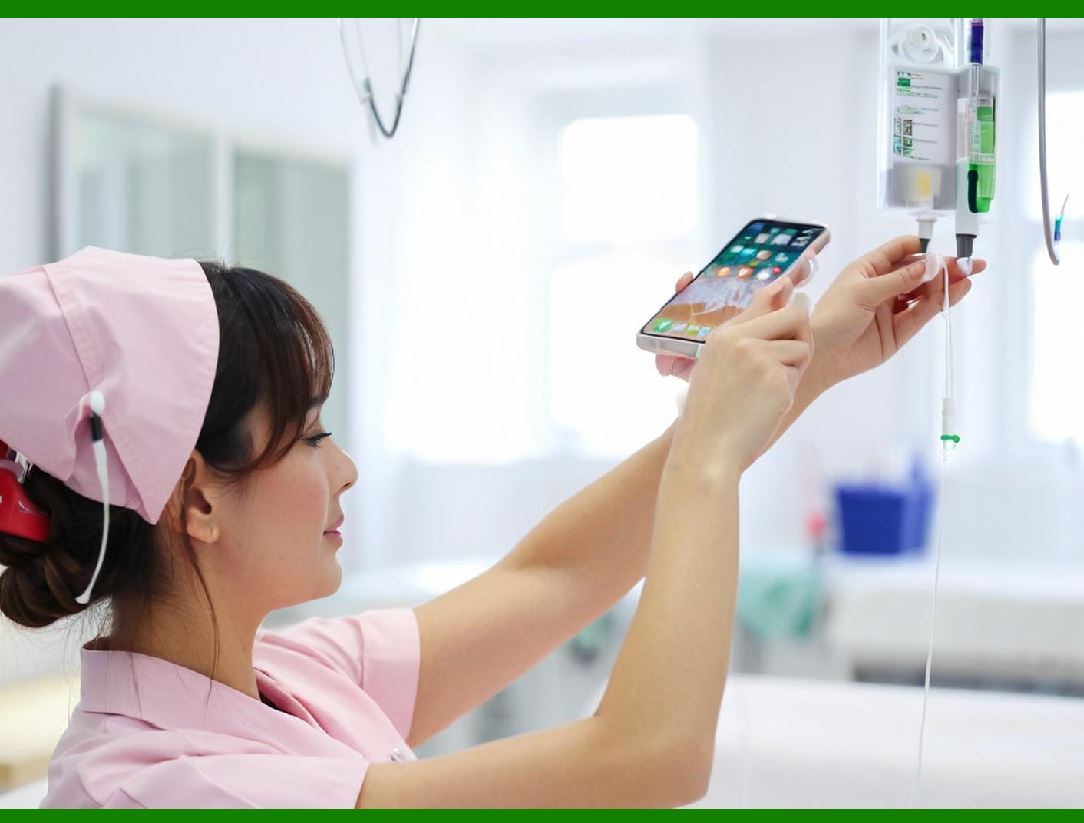
Clinicians spend an average of 2.6 hours on EHR tasks for every hour of direct patient care. This 'tyranny of the keyboard' pulls them away from the bedside, disrupts eye contact, and reduces the quality of the clinician-patient interaction. |
The Role of Ambient AI: |
As described in Chapter 29, ambient AI is one of the most promising solutions. By automatically generating clinical notes from clinician-patient conversations, it frees clinicians to be fully present with their patients. |
The Evidence: |
A 2024 study of primary care clinics that deployed ambient AI found that clinicians spent significantly more time looking at their patients and significantly less time looking at their screens. Patients reported higher satisfaction, and clinicians reported less burnout and greater professional fulfillment. |
The Human Connection: |
Kindness is not a luxury; it is a clinical necessity. Studies have shown that patients who feel heard and understood are more likely to adhere to treatment, have better outcomes, and are less likely to sue. The HIS must be designed to support, not undermine, this connection. |
|
6. The Cost of Burnout |
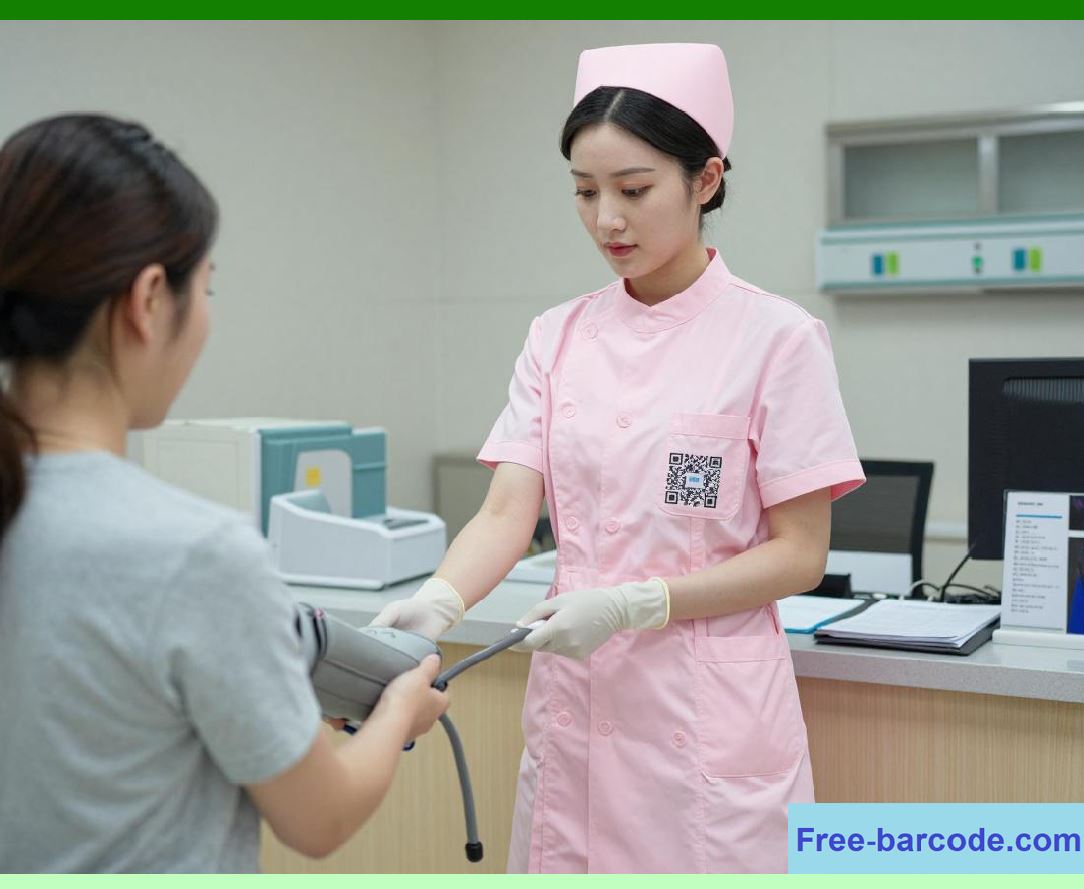
Clinician burnout is a national crisis. It is estimated that nearly 50% of U.S. physicians experience symptoms of burnout. The EHR is a significant contributor. |
The Drivers: |
Documentation Burden: Clinicians spend too much time on data entry. |
Click Fatigue: The constant clicking through menus and screens is exhausting and demoralizing. |
Cognitive Overload: The system requires too much mental effort. |
Loss of Autonomy: Clinicians feel they are working for the system, not the system for them. |
The Consequences: |
Burnout leads to: |
Decreased Patient Satisfaction: Burned-out clinicians are less empathetic and less present. |
Increased Medical Errors: Burnout impairs cognitive function and decision-making. |
Staff Turnover: Burned-out clinicians leave the profession. |
Financial Costs: Turnover, reduced productivity, and malpractice lawsuits all cost hospitals billions. |
|
7. Human-Centered Design: Putting People First |
The solution is human-centered design: designing the HIS around the needs of clinicians and patients, not the demands of technology or billing. |
User-Centered Design: |
As described in Chapter 28, user-centered design involves understanding the user, the task, and the environment, and designing systems that fit the way clinicians work. |
Reducing Cognitive Load: |
The HIS should be designed to reduce, not increase, cognitive load. This means: |
Simplify: Reduce clutter, minimize steps, and streamline workflows. |
Prioritize: Show the most important information first. |
Visualize: Use graphics and visual cues to convey information quickly. |
Supporting Flexibility: |
Clinicians have different workflows and preferences. The HIS should be flexible enough to accommodate these differences. |

|
8. U.S. Case Study: The 'Human-Centered AI' Movement |
A growing movement in U.S. healthcare is advocating for 'human-centered AI'---AI that is designed to support the clinician-patient relationship. |
The Principles: |
Human-centered AI is built on several principles: |
Augmentation, Not Automation: The goal is to augment human intelligence, not replace it. |
Explainability: The AI's decisions should be transparent and understandable. |
Trustworthiness: The AI must be reliable, accurate, and safe. |
Empathy: The AI should help clinicians be more empathetic, not less. |
The Application: |
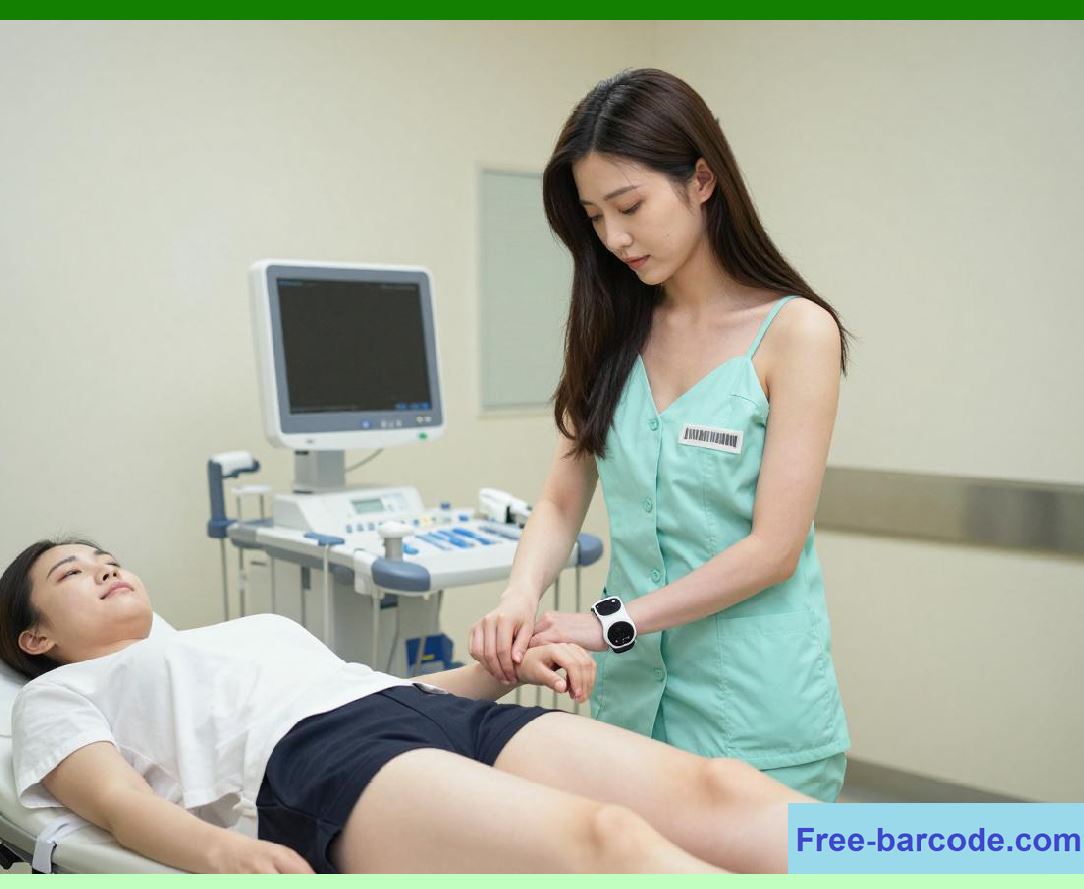
A U.S. academic medical center is using human-centered AI to design its next-generation EHR. The AI will not replace clinicians but will serve as a co-pilot, offering suggestions, summarizing data, and automating routine tasks. |
|
9. The Future: A Vision of Safer, Smarter, Kinder Care |
What would a hospital look like if it truly achieved the ultimate goal of safer, smarter, kinder care |
The Patient Experience: |
The patient arrives for a visit. They check in using their smartphone. The AI has already summarized their medical history, identified potential risks, and suggested questions the clinician might want to ask. The clinician enters the room, sits down, and looks the patient in the eye. The AI listens to the conversation and generates a draft note. The clinician reviews and signs the note. The patient leaves with a personalized summary of the visit and a clear plan. |
The Clinician Experience: |
The clinician spends less time on data entry and more time with the patient. The AI provides real-time decision support, suggesting the next best action. The clinician feels in control, not controlled. Burnout declines, and professional fulfillment increases. |
The System Experience: |
The hospital has fewer adverse events, fewer readmissions, and lower costs. Quality improves. Transparency builds trust. Patient satisfaction soars. |

|
10. The Path Forward |
Achieving this vision will require a shift in mindset, from viewing the HIS as a tool for data capture and billing to viewing it as a tool for healing. |
Key Steps: |
Invest in User-Centered Design: Prioritize the needs of clinicians and patients. |
Reduce the Documentation Burden: Use ambient AI and other technologies to free clinicians from the keyboard. |
Embrace AI, But Humanely: Use AI to augment, not replace, clinical judgment. |
Build a Culture of Safety: Prioritize safety over productivity. |
Listen to Clinicians: Create a feedback loop where clinicians can shape the future of the HIS. |

|
Detailed Concluding Summary |
This chapter has provided a comprehensive, plain-English exploration of the ultimate goal of the Hospital Information System---safer, smarter, kinder care. We began by framing the true measure of HIS success not as efficiency or cost savings, but as the ability to help clinicians heal and patients feel cared for. |
We explored the three pillars of this goal: safety, intelligence, and kindness. We examined the role of the HIS in reducing medical errors through barcode scanning, clinical decision support, and predictive analytics. We discussed the importance of transparency and open notes in building trust between clinicians and patients. We addressed the crisis of clinician burnout and the role of the EHR in driving it, and we presented solutions such as ambient intelligence, user-centered design, and human-centered AI. |
We offered a vision of the future where the HIS is a co-pilot, empowering clinicians to practice with skill, presence, and compassion. We acknowledged the sobering reality of how far there is still to go and the urgent need for a new approach that puts patients and clinicians at the center of the digital health revolution. |

|
In conclusion, the ultimate goal of the HIS is not to replace human care but to enable it. It is to give clinicians the time, information, and confidence to practice medicine with their hands, their heads, and their hearts. It is to ensure that, in a world of increasingly powerful technology, the human connection at the heart of healing is never lost. |
 cs@easiersoft.com