Computerized Physician Order Entry (CPOE) - The Digital Pen That Saves Lives: How American Hospitals Transformed Ordering from Scribbles to Smart Systems |
Short Executive Summary |
This chapter explores Computerized Physician Order Entry (CPOE)---the module of the Hospital Information System that allows clinicians to enter medical orders (medications, laboratory tests, radiology studies, consults, and nursing instructions) directly into a computer, replacing the handwritten, paper-based orders of the past. CPOE is widely considered one of the most impactful patient safety innovations in modern healthcare, as it eliminates illegibility, enables real-time clinical decision support, and creates a closed-loop medication administration system. Through detailed U.S. case studies---from a large academic medical center to a community hospital and a pediatric specialty facility---we examine the implementation challenges, the dramatic reductions in medication errors, the workflow transformations, and the persistent barriers to adoption. The chapter covers the history of CPOE in the U.S., the components of a typical order entry system, the integration with pharmacy and nursing, the role of standardized order sets, the phenomenon of alert fatigue, the impact on clinician workflow, and the future of order entry with artificial intelligence and voice-activated systems. It concludes that CPOE is the digital pen that has fundamentally changed how care is prescribed---and when implemented thoughtfully, it is one of the most powerful tools for reducing preventable harm in American hospitals. |
|
Computerized Physician Order Entry (CPOE) - The Digital Pen That Saves Lives |
A Detailed Popular-Science Exploration |
1. The Most Dangerous Scribble in the Hospital |
In the paper era, the single most dangerous object in a hospital was not a scalpel or a needle---it was a physician's pen. A hurried, illegible scrawl on a prescription pad or an order sheet could mean the difference between life and death. A misplaced decimal point, a misunderstood abbreviation, or a drug name that looked like another could send a patient into cardiac arrest, kidney failure, or a severe allergic reaction. |
Consider this real-world U.S. example from the 1990s, documented in a landmark Institute of Medicine report. A physician wrote an order for 'Plendil 5 mg' (a blood pressure medication). The pharmacist misread the handwriting as 'Pindolol 5 mg' (a beta-blocker). The patient received the wrong drug, developed bradycardia (dangerously slow heart rate), and suffered a fall. This was not an isolated incident---it was a daily occurrence in thousands of U.S. hospitals. |
Computerized Physician Order Entry (CPOE) was designed to eliminate this hazard. Instead of writing orders on paper, clinicians type them into a computer system. The order is transmitted electronically to the pharmacy, the laboratory, the radiology department, and the nursing unit simultaneously. The system checks for errors in real time: Is the dose appropriateIs the patient allergicWill this drug interact with another medicationAre there any lab values that make this order unsafe |
CPOE is not a luxury; it is a fundamental safety tool. In the U.S., CPOE is a required component of 'meaningful use' of certified Electronic Health Records (EHRs), and its adoption has been incentivized by billions of dollars in federal payments. Today, over 90% of U.S. hospitals have implemented CPOE, but the journey has been anything but smooth. This chapter explores the origins, the mechanics, the benefits, the frustrations, and the future of this transformative technology. |
|
2. From Paper Orders to Digital Commands: A Brief U.S. History |
The concept of computerized ordering dates back to the 1970s, when pioneering institutions like the University of Utah's LDS Hospital and the Department of Veterans Affairs (VA) began developing early CPOE prototypes. These were mainframe-based systems with green-text terminals, used primarily by a small group of research-oriented physicians. |
The VA's VistA system, built on the MUMPS programming language, included an order entry module that allowed physicians to type orders using a rudimentary menu-driven interface. It was ahead of its time, but adoption outside the VA was negligible---the systems were expensive, the user interfaces were arcane, and most physicians resisted learning to type. |
The turning point came in 1999, when the Institute of Medicine (IOM) released its landmark report, 'To Err Is Human: Building a Safer Health System.' The report estimated that between 44,000 and 98,000 Americans died each year from preventable medical errors, many of which were medication-related. It specifically recommended CPOE as a key strategy to reduce errors. This report galvanized policymakers, hospital administrators, and the public. |
In 2009, the HITECH Act provided financial incentives (up to $44,000 per eligible physician and millions per hospital) for 'meaningful use' of certified EHRs, which required CPOE capabilities. This led to a massive wave of CPOE implementation across the U.S. By 2015, over 85% of U.S. hospitals had adopted CPOE, up from just 10% in 2007. |
However, the rush to implement CPOE also led to well-documented challenges: physician burnout, workflow disruption, and unintended safety issues (such as 'order entry errors' where clinicians accidentally select the wrong drug from a drop-down menu). Today, the U.S. healthcare system is in a phase of 'optimization'---fine-tuning CPOE systems to maximize safety while minimizing the burden on clinicians. |
|
3. The Anatomy of a CPOE Order: What Does It Contain |
When a clinician enters an order into a CPOE system, they are not just typing a few words. They are creating a structured, coded command that carries critical information. |
A typical medication order, for example, includes: |
Patient identification: The order is linked to the patient's MRN and encounter number. This ensures that the order is associated with the correct person. |
Drug selection: The clinician selects a drug from a database (e.g., 'metformin' or 'ceftriaxone'). The system often displays both brand and generic names to avoid confusion. |
Dose, route, frequency: The clinician enters the dose (e.g., 500 mg), the route (e.g., oral, intravenous, subcutaneous), and the frequency (e.g., twice daily, once daily, or a one-time dose). |
Duration and start/stop dates: The clinician specifies how long the medication should be given---e.g., for 7 days or until discontinued. |
Indication: Many CPOE systems require the clinician to note the indication for the order (e.g., 'for pneumonia' or 'for hypertension'). This helps pharmacists verify appropriateness and supports quality reporting. |
Special instructions: Fields for 'administer with food,' 'hold for lab value,' or 'give before dialysis.' |
Ordering physician and signature: The order is electronically signed, creating a legally binding record. |
A lab order (e.g., for a complete blood count) includes: |
- The test name (selected from a coded list, often using LOINC codes) |
- The specimen type (blood, urine, etc.) |
- The collection time (e.g., fasting, random, or timed) |
- The priority (routine, stat, or timed) |
- The ordering provider and signature. |
A radiology order (e.g., for a chest X-ray) includes: |
- The study name (e.g., 'Chest X-ray PA and Lateral') |
- The clinical indication (e.g., 'cough, fever, suspected pneumonia') |
- The transport instructions (e.g., 'portable' vs. 'transport to radiology') |
- Any special precautions (e.g., 'patient is on isolation'). |
A consult order (e.g., for cardiology) includes: |
- The specialty requested |
- The clinical question or reason for consult |
- The urgency (routine, urgent, or stat). |
All these orders are stored in the core database, linked to the encounter. They are visible to all authorized clinicians on the care team. They also trigger automated workflows---pharmacy receives medication orders; the lab receives test orders; radiology receives imaging orders; and the nursing unit receives all orders that require nursing action. |

|
4. The Closed-Loop Medication Administration: CPOE's Greatest Safety Triumph |
Perhaps the most celebrated achievement of CPOE is the 'closed-loop' medication administration system. This is a five-step process that ensures the right patient receives the right drug, at the right dose, via the right route, at the right time---the 'Five Rights.' |
Step 1 - Ordering: The physician enters the medication order into CPOE. The system checks for allergies, drug-drug interactions, and appropriate dosing. If any checks fail, alerts are displayed. |
Step 2 - Pharmacy verification: The order is transmitted electronically to the pharmacy. A pharmacist reviews the order, checks for clinical appropriateness, and verifies it. If the pharmacist has concerns, they can send a 'clarification request' back to the physician via the EHR. |
Step 3 - Dispensing: Once verified, the pharmacy dispenses the medication. In many U.S. hospitals, the pharmacy uses automated dispensing cabinets (ADCs) or robotically filled carts. The medication is labeled with a barcode that encodes the drug name, dose, and patient MRN. |
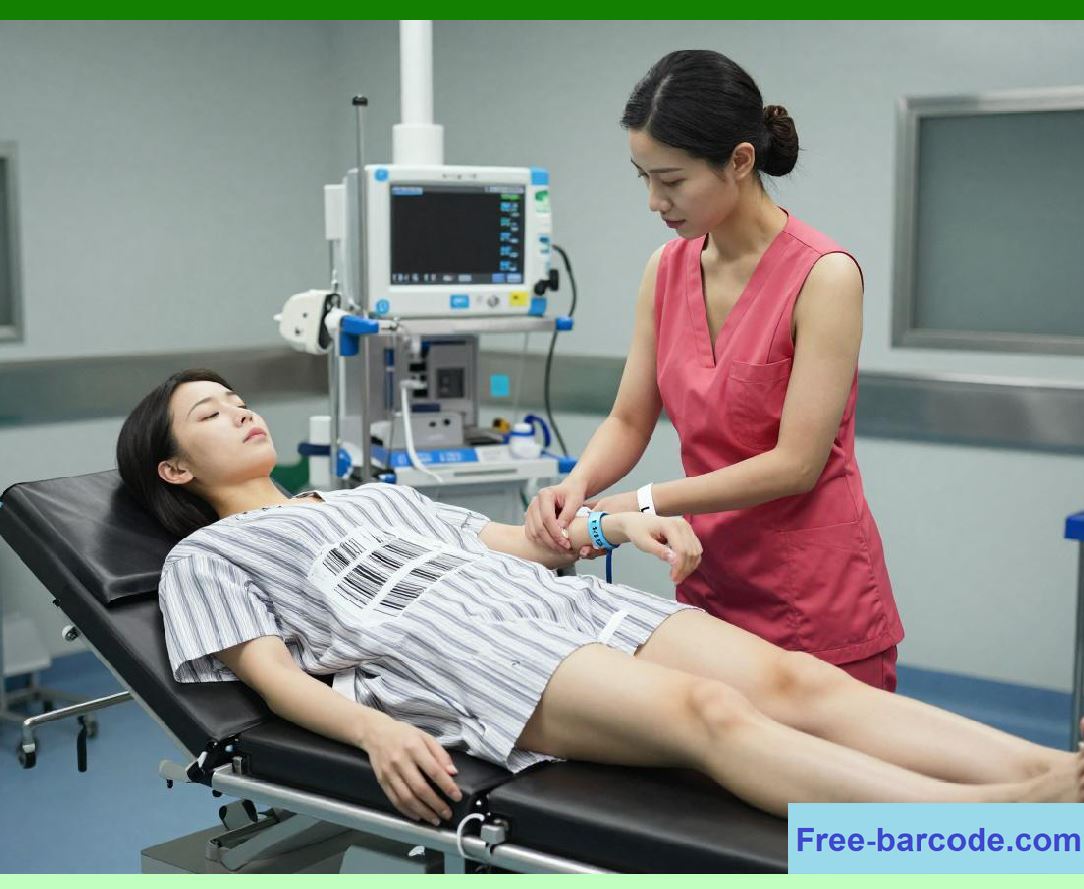
Step 4 - Administration: The nurse scans the patient's wristband barcode, scans their own staff ID, and scans the medication barcode using a handheld scanner or a smartphone app. The CPOE system (or the integrated Medication Administration Record---MAR) verifies the Five Rights in milliseconds. If everything matches, the administration is recorded. If there is a mismatch---e.g., the wrong patient or the wrong drug---the system displays a hard stop alert. |
Step 5 - Documentation: The administration is time-stamped and recorded in the EHR. The patient's medication record is updated in real time. The physician can see that the dose has been given. The next scheduled dose is automatically calculated and displayed. |
This closed-loop system has been shown to reduce medication administration errors by up to 80% in U.S. studies. It has virtually eliminated the 'wrong patient' error in hospitals that have fully implemented barcode scanning with CPOE. |

|
5. The U.S. Implementation Story: Successes and Setbacks |
The implementation of CPOE in the U.S. has been a roller coaster of successes and setbacks. Let us examine three distinct case studies. |
Case 1 - The VA Success Story: |
The Department of Veterans Affairs began deploying its VistA CPOE system in the 1990s. Because the VA is a unified, national healthcare system, it could mandate CPOE use. By 2000, all VA hospitals had CPOE. The VA demonstrated that CPOE could be effective: a 2003 study showed that VA hospitals had significantly lower rates of adverse drug events compared to non-VA hospitals. The VA's success was attributed to its integrated culture, strong leadership, and a physician workforce that was salaried (not fee-for-service), so physicians had fewer concerns about productivity loss. |
Case 2 - The Brigham and Women's Hospital (Boston) Pioneering Experience: |
Brigham and Women's Hospital (BWH), a Harvard-affiliated teaching hospital, was one of the earliest adopters of CPOE in the 1990s. They developed a homegrown system called BICS (Brigham Integrated Computer System). BWH's 2001 landmark study, published in the Journal of the American Medical Association (JAMA), showed that CPOE with clinical decision support reduced serious medication errors by 55% and preventable adverse drug events by 17%. However, BWH also noted that CPOE introduced new types of errors---such as ordering the wrong dose from a dropdown menu or entering an order for the wrong patient---a phenomenon called 'CPOE-induced errors.' These errors were less frequent than paper errors but required new safeguards (e.g., double-checking patient identity). |
Case 3 - The Cedars-Sinai (Los Angeles) Implementation Failure: |
In 2002, Cedars-Sinai Medical Center, a large, prestigious hospital in Los Angeles, implemented a commercial CPOE system and was forced to withdraw it after only a few months. The implementation was rushed, training was inadequate, and the system was clunky. Physicians staged a 'revolt'---they refused to use the system, citing delays in patient care, excessive time spent on data entry, and a loss of clinical autonomy. Cedars-Sinai reverted to paper orders and did not successfully implement CPOE until years later, with a different vendor and a more gradual, physician-led rollout. |
The Cedars-Sinai experience was a wake-up call for the U.S. healthcare industry. It demonstrated that CPOE is not a technology problem---it is a cultural, workflow, and change-management problem. Successful implementations require: |
Physician involvement in design and testing: Physicians must feel ownership of the system. |
Extensive training and 'super-users': Dedicated champions who help colleagues learn. |
A phased rollout: Start with one unit (e.g., a medical-surgical floor), refine the system, and then expand. |
Dedicated support staff during go-live: People available 24/7 to answer questions and fix issues. |
Acknowledgment that productivity will dip initially: Physicians need to be supported through the learning curve. |

|
6. Standardized Order Sets: The Key to Quality and Consistency |
One of the most powerful features of CPOE is the ability to create and use standardized order sets. These are pre-built groups of orders for common conditions or procedures, designed based on evidence-based guidelines. |
For example, a U.S. hospital might create a 'Community-Acquired Pneumonia' order set. When a physician admits a patient with pneumonia, they can select this order set, which automatically includes: |
- The appropriate antibiotic (e.g., ceftriaxone plus azithromycin, based on local resistance patterns) |
- A chest X-ray (if not already done) |
- Complete blood count and comprehensive metabolic panel |
- Blood cultures (before antibiotics are started) |
- Oxygen saturation monitoring |
- Influenza and pneumococcal vaccination orders (if due) |
The order set may also include 'best practice alerts'---e.g., 'If patient is allergic to penicillin, alternative antibiotics are recommended.' |
Order sets have been shown to improve adherence to clinical guidelines, reduce unnecessary variation, and decrease length of stay. In the U.S., the use of order sets has been particularly impactful for conditions like myocardial infarction (heart attack), stroke, sepsis, and surgical prophylaxis (giving antibiotics before surgery to prevent infection). |
Order sets can also be customized for specific patient populations. For example, a pediatric pneumonia order set would use different antibiotic doses based on weight and age. A geriatric order set might adjust medication doses for renal function. |
The creation and maintenance of order sets is a multidisciplinary process. In U.S. hospitals, teams of physicians, pharmacists, nurses, and quality improvement experts review the latest evidence, update the order sets, and measure adherence. This is part of the continuous quality improvement cycle that the U.S. healthcare system has embraced. |

|
7. Clinical Decision Support (CDS) in CPOE: The Smart Layer |
CPOE is not just a typing tool; it is a thinking partner. Clinical Decision Support (CDS) is the layer of logic that runs in the background, checking every order against a vast database of medical knowledge. |
Dosing support: The system can suggest the correct dose based on the patient's weight, age, and renal function. For example, if a physician orders vancomycin (an antibiotic) for an overweight patient, the system may recommend a higher loading dose. If the patient's creatinine clearance is low, the system suggests a reduced maintenance dose or an extended dosing interval. |
Duplicate order checking: If a physician orders a lab test that has already been ordered and is pending, the system alerts: 'This order duplicates an existing pending order. Do you still want to place it' This prevents redundant testing and unnecessary costs. |
Therapeutic duplication: If a physician orders two drugs from the same class (e.g., two different ACE inhibitors), the system flags a potential therapeutic duplication. |
Guideline-based suggestions: For certain diagnoses, the system can suggest appropriate orders. For example, if a patient is admitted with heart failure, the system may prompt: 'This patient has heart failure. Would you like to order daily weights, strict intake/output, and an echocardiogram' |
Drug-lab checks: As described earlier, the system checks if a drug is contraindicated based on lab values. For example, if a physician orders a potassium-sparing diuretic for a patient with potassium already at 5.2 mmol/L, the system alerts: 'Patient's potassium is already elevated. This drug may further increase it.' |
Renal dosing: Many medications require dose adjustments based on renal function. The CPOE system automatically calculates the patient's creatinine clearance (using an internal formula) and suggests appropriate dosing for renally excreted drugs. |
Pregnancy and lactation alerts: If the patient is a woman of childbearing age, the system checks for pregnancy status (recorded in the EHR). If a physician orders a teratogenic drug (one that can cause birth defects), the system issues a strong alert. |
These CDS features are not optional---they are required for U.S. EHR certification. However, as we will discuss in the next section, too many alerts can be counterproductive. |
|
8. Alert Fatigue: The Silent Threat to CPOE Safety |
One of the most well-documented problems with CPOE and CDS is alert fatigue. Clinicians receive so many alerts that they start to ignore them, overriding even the most serious warnings. |
A typical U.S. physician using CPOE might see: |
- An alert for a potential drug-drug interaction (e.g., 'Moderate interaction: ciprofloxacin and warfarin') |
- An alert for a potential drug-allergy (even if the allergy is mild, e.g., a penicillin rash) |
- An alert for a duplicate order (e.g., 'This CBC was ordered 2 hours ago; result is pending') |
- An alert for a drug-lab check (e.g., 'This medication is not recommended with creatinine clearance < 30 mL/min') |
- An alert for a drug-age check (e.g., 'This drug is not recommended in patients over 65 due to fall risk') |
- An alert for a drug-pregnancy check (e.g., 'This drug is Category D in pregnancy') |
Studies have shown that physicians override 60% to 90% of these alerts. When every alert is treated as a potential 'cry wolf,' the truly critical alerts lose their power. |
U.S. hospitals have responded by refining their CDS rules. Instead of using a 'one-size-fits-all' alert system, they now stratify alerts by severity: |
High-severity (hard stops): These alerts cannot be overridden without a documented justification. They are reserved for true contraindications---e.g., prescribing a drug to which the patient has a known anaphylactic reaction, or prescribing a drug with a lethal interaction (e.g., combining a monoamine oxidase inhibitor with a serotonergic drug). |
Medium-severity (soft stops): These alerts can be overridden with a single click, but the clinician must acknowledge them. They are used for moderate drug-drug interactions or for drugs with significant side effects. |
Low-severity (informational): These are passive alerts that do not require any action---e.g., 'This patient is due for a flu shot.' They appear as a small banner or a gentle reminder. |
Some U.S. health systems have implemented 'smart alerting' algorithms that use machine learning to predict which alerts are likely to be clinically relevant for a specific patient. For example, an alert about a drug interaction might be suppressed if the patient has been on the combination for years with no adverse effects. This personalized approach reduces alert fatigue while preserving safety. |
|
9. CPOE and the Physician Workflow: The Productivity Paradox |
One of the most persistent complaints about CPOE is that it slows down physicians. Instead of scribbling a quick order, they must navigate through multiple screens, select from drop-down menus, and click through alerts. Studies have shown that CPOE can increase the time to enter an order from seconds (paper) to minutes (computer)---a significant frustration in a busy clinical environment. |
However, the productivity paradox is nuanced: |
Initial time increase: During the first few weeks of implementation, physicians may take 2 to 3 times longer to enter orders. This is a natural learning curve. |
Time saved downstream: Once the order is entered, the transmission to pharmacy, lab, radiology, and nursing is instantaneous. There are no lost slips, no phone calls to clarify illegible handwriting, and no fax machines. The total 'order-to-action' time often decreases, even if the physician's individual ordering time increases. |
Reduced interruptions: With CPOE, there are fewer phone calls from pharmacists or nurses asking for clarification. The physician can work uninterrupted. |
Remote ordering: Physicians can enter orders from anywhere---their office, their home, or even their smartphone. This is a major advantage for on-call physicians. |
A U.S. study at a large academic medical center found that after 6 months of CPOE use, physicians' order entry time had returned to near-baseline levels, and the overall quality of orders (fewer errors, better documentation) had significantly improved. |
To further streamline workflow, U.S. hospitals have adopted several strategies: |
Order sets: As described, these reduce the number of individual orders a physician must enter. |
Favorites: Physicians can create their own 'favorites' list of commonly used orders---e.g., a cardiologist might have a favorites list for cardiac medications. |
Smart templates: Some orders can be entered using 'one-click' templates that pre-fill common fields. |
Speech recognition: Some CPOE systems allow voice-driven order entry. The physician speaks the order, and the system interprets it---though this is still in early stages. |
|
10. CPOE in the Emergency Department: Speed and Accuracy Under Pressure |
The emergency department (ED) presents unique challenges for CPOE. Patients are undifferentiated, the pace is frantic, and every second counts. A U.S. ED physician might see 2 to 4 patients per hour and enter orders for each one. |
In the ED, CPOE is often integrated into a specialized 'ED tracking board' and a 'quick order' system. Quick orders are pre-built order sets for common ED complaints (e.g., chest pain, abdominal pain, shortness of breath). A physician can click a single button to order an EKG, chest X-ray, cardiac enzymes, and a CBC for a chest pain patient---all at once. |
CPOE in the ED is also tightly linked to the lab and radiology departments. When a stat order is entered, the lab receives an urgent notification, and the radiology department is alerted to prioritize the scan. The ED tracking board shows the status of each order---whether it is pending, in process, or completed---so the physician can quickly see what has been done. |
However, ED physicians are among the most vocal critics of CPOE when it is poorly designed. They need systems that are fast, intuitive, and minimize clicks. U.S. hospitals have invested heavily in ED-specific CPOE interfaces that are streamlined and optimized for speed. |

|
11. CPOE in the Operating Room: The Anesthesia and Surgical Order Workflow |
In the operating room (OR), orders are typically entered by anesthesiologists (for medications and fluids) and surgeons (for preoperative and postoperative orders). CPOE in the OR is often integrated with the anesthesia information management system (AIMS). |
Preoperative orders: Before surgery, the surgeon enters orders for preoperative lab tests, antibiotics (prophylactic), and any special preparations (e.g., bowel prep). The CPOE system checks for allergies and drug interactions. |
Intraoperative orders: During surgery, the anesthesiologist may need to order blood products, additional medications, or even stat labs. CPOE in the OR must be fast and hands-free---often using a dedicated workstation or a voice-activated system. |
Postoperative orders: After surgery, the surgeon enters postoperative orders: pain medications, antibiotics (if continued), activity level, diet, and wound care. These orders are transmitted to the nursing unit where the patient will be recovering. |
The OR is one of the most complex environments for CPOE because of the rapid pace and the critical nature of the orders. U.S. hospitals have developed specialized interfaces with large buttons, bold fonts, and minimal navigation to support this environment. |
|
12. CPOE and the Nursing Interface: The Execution Side |
Nurses are the primary users of orders on the execution side. They need to see orders clearly, prioritize them, and document their completion. |
The nursing interface in CPOE includes: |
A task list: This shows all pending orders that require nursing action---e.g., a stat lab draw, a medication to be given, a vital sign to be recorded, a wound dressing to be changed. |
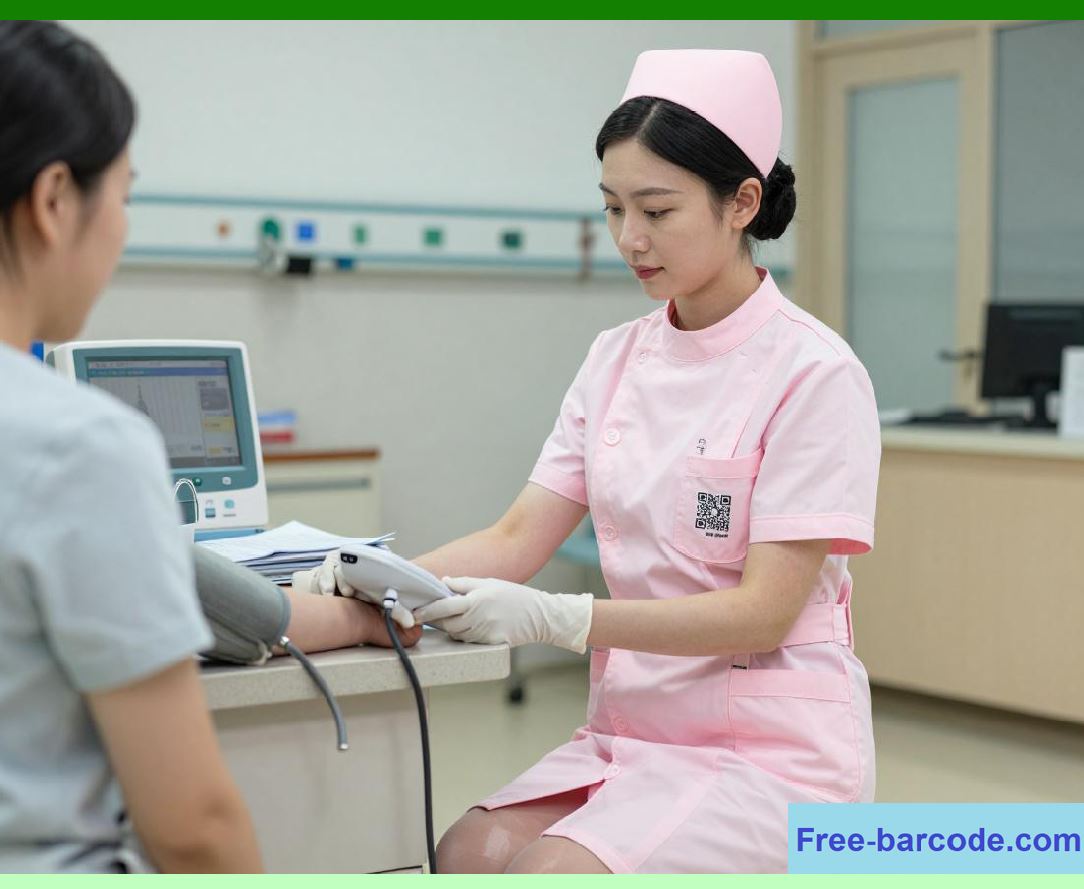
The Medication Administration Record (MAR): This is a schedule of all medications to be given, with times and routes. The nurse checks off each dose as it is given, and the MAR updates in real time. |
Flowsheets: The nurse documents vital signs, intake/output, and other observations, which are linked to the patient's EHR. |
Clinical reminders: The system may prompt the nurse to perform certain actions---e.g., 'This patient needs a fall risk assessment' or 'This patient's Foley catheter should be removed today.' |
In U.S. hospitals, the nursing interface is often customized to show only the orders relevant to that nurse's patient assignment. This reduces clutter and cognitive load. |
|
13. CPOE and the Pharmacy Interface: The Verification and Dispensing Link |
Pharmacists are the gatekeepers between the CPOE order and the medication administration. The pharmacy interface receives new orders, displays them in a queue, and allows pharmacists to verify each one. |
Order verification: The pharmacist reviews the order for clinical appropriateness---Is the dose right for the patient's age and weightIs there a more cost-effective alternativeAre there any drug interactions not caught by the systemThe pharmacist can approve the order, reject it, or send a clarification request back to the physician. |
Clinical decision support for pharmacists: Pharmacists often have access to more detailed clinical information than the CPOE system provides---e.g., the patient's complete medication history from outside pharmacies (via the pharmacy benefit manager). This allows them to catch interactions that the hospital CPOE might miss. |
Dispensing: Once verified, the order is sent to the dispensing area. In a modern U.S. hospital, many medications are robotically dispensed from automated cabinets or carousels. The pharmacy system prints a barcode label that is affixed to the medication, which is then sent to the nursing unit. |
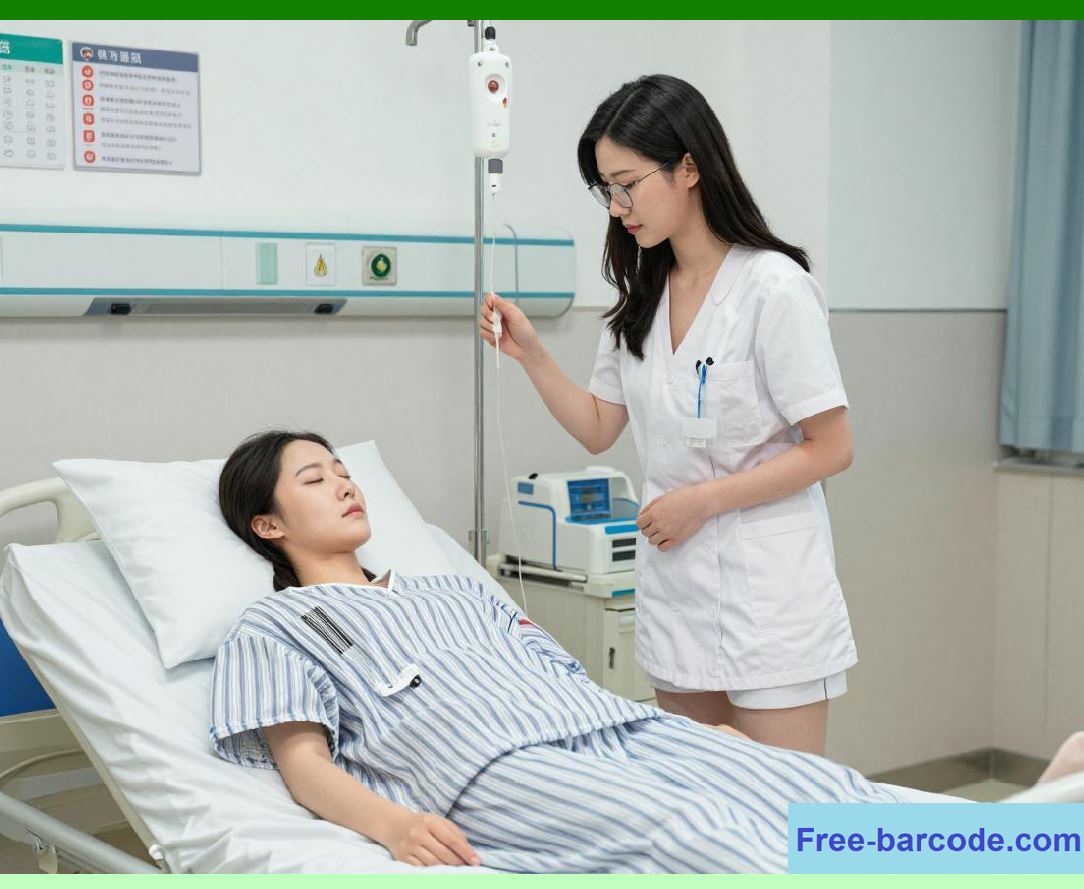
The pharmacist-physician collaboration is enhanced by CPOE. Instead of playing 'telephone tag,' the pharmacist can send a secure message through the EHR, and the physician can respond asynchronously. |
|
14. CPOE in Community Hospitals vs. Academic Medical Centers |
The CPOE experience differs significantly between large academic medical centers and smaller community hospitals. |
Academic medical centers: These institutions often have a large number of residents and fellows who are learning to use CPOE. The teaching environment can be both a benefit and a challenge. Residents are often more comfortable with technology and can serve as champions. However, they also have less clinical experience and may rely more heavily on the system's default suggestions---which can lead to errors if the defaults are not well-designed. Academic centers also have more resources for implementation, including dedicated informatics teams and 'super-users.' |
Community hospitals: These institutions often have fewer resources and may use a smaller vendor (e.g., MEDITECH or CPSI). The physician workforce is often composed of private practice physicians who are not employed by the hospital. Getting them to adopt CPOE can be difficult, as they may have concerns about productivity and autonomy. Community hospitals often use a phased rollout, starting with a 'physician champion' who leads by example, and gradually expanding to the rest of the medical staff. |
A unique U.S. phenomenon is the Critical Access Hospital (CAH)---rural hospitals with fewer than 25 beds. These hospitals may have limited IT staff and rely on shared services or cloud-based CPOE systems. The implementation is often simpler, but the clinical support (e.g., access to pharmacists) may be more limited. |

|
15. CPOE and Legal Liability: The Electronic Trail |
CPOE creates a detailed electronic trail that can be used in medical malpractice litigation. This trail includes the exact time an order was entered, the exact text of the order, and any alerts that were overridden. |
Plaintiffs' attorneys may use CPOE audit logs to argue that the physician ignored a warning. For example, if a patient suffered a cardiac arrest after receiving a drug to which they were allergic, and the CPOE alert for the allergy was overridden, the attorney could argue that the physician's action was negligent. |
Defense attorneys may use the same audit logs to show that the physician acted reasonably---e.g., that the patient's allergy was not documented, or that the overriding of an alert was clinically justified (with a documented rationale). |
The CPOE audit trail is also used in peer review and quality improvement. U.S. hospitals can review orders for patterns---e.g., which physicians override the most alerts, or which units have the highest rate of order entry errors. This data is used to provide targeted education and improve the system. |

|
16. The Role of Standardized Drug Databases and Nomenclatures |
For CPOE to function safely, it must rely on high-quality drug databases and standardized nomenclatures. |
RxNorm: This is a U.S. standard for medication nomenclature, maintained by the National Library of Medicine. It provides a normalized set of names for clinical drugs and links them to various drug vocabularies. CPOE systems use RxNorm to ensure that when a physician selects 'metformin,' the system knows exactly which drug is meant, regardless of the brand name (e.g., Glucophage). |
NDC (National Drug Code): This is a unique 11-digit identifier for each drug product (strength, form, manufacturer) that is used for billing and inventory. CPOE systems often map drug orders to NDC codes for the pharmacy dispensing process. |
First Databank and Micromedex: These are commercial drug information databases that provide drug-drug interaction data, dosing recommendations, allergy cross-reactivity information, and other clinical decision support data. CPOE systems license these databases and incorporate their content into the CDS rules. |
The accuracy and completeness of these databases are critical. If a drug-drug interaction is missing from the database, the CPOE system will not warn the physician. U.S. hospitals have a responsibility to ensure that their CPOE system's drug database is regularly updated---a task often delegated to the pharmacy informatics team. |
|
17. CPOE and the 'Best Practice Advisory' (BPA) Culture |
In U.S. hospitals, the term 'Best Practice Advisory' (BPA) is used to describe the proactive alerts and suggestions that CPOE systems provide. BPAs are not just safety alerts; they are also used to promote evidence-based care. |
Examples of BPAs in U.S. hospitals: |
Venous thromboembolism (VTE) prophylaxis: If a patient is admitted and has risk factors for blood clots (e.g., surgery, immobility, cancer), the CPOE system prompts the physician to order VTE prophylaxis (e.g., subcutaneous heparin or sequential compression devices). |
Cardiac prophylaxis: For patients with acute coronary syndrome, the CPOE system may prompt the physician to order aspirin, a statin, and a beta-blocker---a guideline-recommended 'bundle.' |
Antibiotic stewardship: The CPOE system may suggest a shorter duration of antibiotics for certain infections (e.g., 5 days instead of 10 for uncomplicated pneumonia) based on evidence that shorter courses are equally effective and reduce side effects. |
Care transitions: At discharge, the CPOE system may prompt the physician to schedule a follow-up appointment and provide medication reconciliation. |
BPAs are often tied to quality measures and value-based payment. Hospitals with higher adherence to evidence-based BPAs receive higher reimbursement from CMS. Therefore, CPOE and BPAs are not just clinical tools---they are financial tools. |
|
18. The Future of CPOE: Voice, AI, and Zero-Click Ordering |
The CPOE of the future will be dramatically different from today's click-and-type interfaces. Several U.S. innovations are on the horizon. |
Voice-activated order entry: Using advanced speech recognition and natural language processing, physicians will soon be able to simply speak orders aloud: 'Order a stat CBC, BMP, and chest X-ray for Mr. Smith in Bed 412.' The system will parse the command, identify the patient, and create the orders with a single voice command. This will be especially useful in sterile environments like the OR and in fast-paced settings like the ED. |
Artificial intelligence (AI) suggested orders: Instead of waiting for the physician to initiate orders, the system will proactively suggest them based on the patient's clinical data. For example, if a patient's blood pressure drops, the system might suggest: 'This patient's blood pressure is 85/50. Would you like to order a fluid bolus, a stat lactate, and a sepsis consult' The physician will review the suggestions and approve them with a single click. |
Ambient listening for orders: Building on ambient listening technology, the CPOE system will listen to the clinician-patient conversation and automatically capture orders from the dialogue. For example, if the physician says, 'We'll start you on amoxicillin 500 mg twice daily,' the system will generate the order and present it for confirmation---no typing required. |
Predictive ordering: Using machine learning, the CPOE system will predict what orders a patient is likely to need based on their diagnosis, trajectory, and historical patterns. For example, a patient admitted with pneumonia might be automatically pre-ordered with a chest X-ray, sputum cultures, and blood cultures---all ready for the physician to confirm with a single click. |
Blockchain and decentralized order verification: Some U.S. researchers are exploring the use of blockchain to verify order integrity---ensuring that orders cannot be tampered with after they are signed. This would add an extra layer of security for high-risk orders (e.g., controlled substances). |
|
Detailed Concluding Summary |
This chapter has provided a comprehensive, plain-English exploration of Computerized Physician Order Entry (CPOE)---the digital pen that has revolutionized how medical orders are created, transmitted, and executed in American hospitals. We began by describing the dangers of the paper order: illegible handwriting, lost slips, decimal-point errors, and the lack of real-time safety checks---hazards that were responsible for thousands of preventable deaths annually. |
We traced the history of CPOE in the U.S., from the early prototypes at the VA and LDS Hospital in the 1970s, to the Institute of Medicine's 1999 landmark report that catalyzed national action, to the HITECH Act of 2009 that provided financial incentives for adoption. We acknowledged that while CPOE is now used in over 90% of U.S. hospitals, the journey has been marked by both successes (the VA and Brigham and Women's Hospital) and failures (the Cedars-Sinai revolt), teaching us that CPOE is as much about culture change as it is about technology. |
We dissected the anatomy of a CPOE order---whether a medication, lab test, radiology study, or consultation---showing how structured data fields replace free-text scribbles, creating a machine-readable command that travels instantaneously to all relevant departments. We celebrated the closed-loop medication administration system, the jewel in CPOE's crown, which uses barcode scanning to verify the Five Rights at the bedside, reducing medication errors by up to 80%. |
We explored the power of standardized order sets, which embed evidence-based guidelines into the ordering process, reducing unnecessary variation and improving adherence to best practices. We examined Clinical Decision Support (CDS) as the smart layer of CPOE, with examples of dosing support, duplicate order checking, drug-lab interactions, and renal dosing. We acknowledged the serious problem of alert fatigue---where clinicians override 60% to 90% of alerts---and described U.S. hospital strategies to refine alerts by severity and personalize them using machine learning. |
We examined CPOE's impact on workflow, noting the productivity paradox: order entry takes longer initially, but downstream processes are streamlined, and remote ordering is a game-changer. We detailed the specialized challenges of CPOE in the emergency department (requiring speed and quick orders), the operating room (requiring hands-free and fast entry), and the nursing and pharmacy interfaces (requiring clear task lists and robust verification). We contrasted the CPOE experience in large academic medical centers (with residents and more resources) versus community hospitals and Critical Access Hospitals (with fewer resources and more private practitioners). |
We discussed the legal implications of CPOE, with audit trails that serve as evidence in malpractice litigation---both for plaintiffs (showing overridden alerts) and for defendants (showing prudent clinical decisions). We covered the role of standardized drug databases (RxNorm, NDC) and commercial CDS vendors (First Databank, Micromedex) in ensuring accurate drug information. We described the Best Practice Advisory (BPA) culture in U.S. hospitals, where CPOE is used to promote evidence-based care and to drive quality measure compliance, directly affecting CMS reimbursement. |
Finally, we looked to the future of CPOE: voice-activated ordering, AI-suggested orders that proactively recommend actions, ambient listening that captures orders from clinician-patient conversations, and predictive ordering that anticipates a patient's needs. We envisioned a future where CPOE is no longer a separate task to be performed but an invisible, ambient assistant that anticipates and executes the physician's clinical intent with minimal effort. |
|
In conclusion, CPOE is one of the most impactful patient safety technologies ever introduced into U.S. healthcare. It has transformed the physician's pen from a source of danger to a source of safety. It has replaced illegibility with clarity, delays with speed, and isolated actions with integrated workflows. But CPOE is not a panacea; it must be continuously refined to reduce alert fatigue, improve usability, and support the clinician's cognitive work. The ultimate success of CPOE lies not in the technology itself, but in how it is implemented, adopted, and integrated into the daily life of the hospital. When done well, CPOE becomes invisible---a trusted partner that empowers clinicians to prescribe with confidence, knowing that every order is checked, communicated, and executed with the highest degree of safety. That is the promise of the digital pen, and it is a promise that American hospitals are striving every day to fulfill. |
 cs@easiersoft.com