Pharmacy Information System - The Robotic Dispenser: How American Hospitals Automate the Art and Science of Medication Delivery |
Short Executive Summary |
This chapter explores the Pharmacy Information System (PIS)---the specialized module within the Hospital Information System that manages the complex lifecycle of medications from order entry to administration. The PIS is the digital and increasingly robotic backbone of hospital pharmacy operations, integrating with CPOE for order receipt, with automated dispensing cabinets and robots for preparation, and with barcode scanning for bedside verification. Through detailed U.S. case studies---from a large academic medical center with a fully automated central pharmacy to a community hospital with a hybrid system and a rural critical-access facility---we examine how PIS improves medication safety, reduces turnaround times, optimizes inventory, controls costs, and enables clinical pharmacists to focus on patient-centered care. The chapter covers order verification, sterile compounding automation, unit-dose packaging, automated dispensing cabinets (ADCs), inventory management, controlled substance tracking, and the emerging role of artificial intelligence in predicting medication demand and identifying adverse drug events. It concludes that the Pharmacy Information System is far more than a dispensing tool; it is the central nervous system of medication safety in American hospitals, transforming pharmacy practice from a manual, error-prone operation into a precision-driven, data-rich discipline. |

|
Pharmacy Information System - The Robotic Dispenser |
A Detailed Popular-Science Exploration |
1. The Silent Pharmacist Behind the Curtain |
When a physician orders a medication for a hospital patient, the patient often assumes that the pill or injection simply appears at the bedside. In reality, that medication has traveled a long and complex journey---from the physician's order to the pharmacist's review, from the robotic dispenser to the automated cabinet, and finally to the nurse's hand at the bedside. At the heart of this journey is the Pharmacy Information System (PIS)---the digital engine that orchestrates every step. |
The PIS is a specialized module of the Hospital Information System, designed specifically for the unique needs of the hospital pharmacy. It receives orders from CPOE (Computerized Physician Order Entry), allows pharmacists to review and verify those orders, manages the dispensing and compounding of medications, tracks inventory, and integrates with nursing systems for administration. In many U.S. hospitals, the PIS also controls robotic devices that fill prescriptions, prepare intravenous (IV) solutions, and package unit doses with remarkable speed and precision. |
The PIS is not just about efficiency; it is about safety. Every year, thousands of preventable medication errors occur in U.S. hospitals. The PIS, when properly implemented, reduces these errors by ensuring the right drug reaches the right patient, in the right dose, at the right time, via the right route---the 'Five Rights' of medication safety. This chapter will take you inside the U.S. hospital pharmacy, exploring the technology, the workflows, the challenges, and the human stories behind the robotic dispenser. |

|
2. The Evolution of Hospital Pharmacy: From Mortar and Pestle to Robotics |
The history of hospital pharmacy in the United States is a story of relentless automation. In the early 20th century, hospital pharmacists compounded most medications from raw ingredients---measuring powders, mixing solutions, and preparing individual doses by hand. This was time-consuming and error-prone. |
The 1960s and 1970s saw the introduction of unit-dose packaging---pre-packaged, single-dose medications that reduced the need for bedside measurement. In the 1980s, computerized pharmacy systems emerged, allowing pharmacists to track orders and inventory electronically. The 1990s brought automated dispensing cabinets (ADCs), decentralized medication storage units on nursing units that allowed nurses to access medications on demand, with electronic tracking. |
The 21st century has seen the rise of full-scale robotic automation. Today, many U.S. hospitals have central pharmacies with robotic arms that pick, package, and label medications with minimal human intervention. IV preparation, once a manual and sterile compounding process, is now automated with robotic systems that prepare chemotherapy and IV antibiotics with precise aseptic technique. |
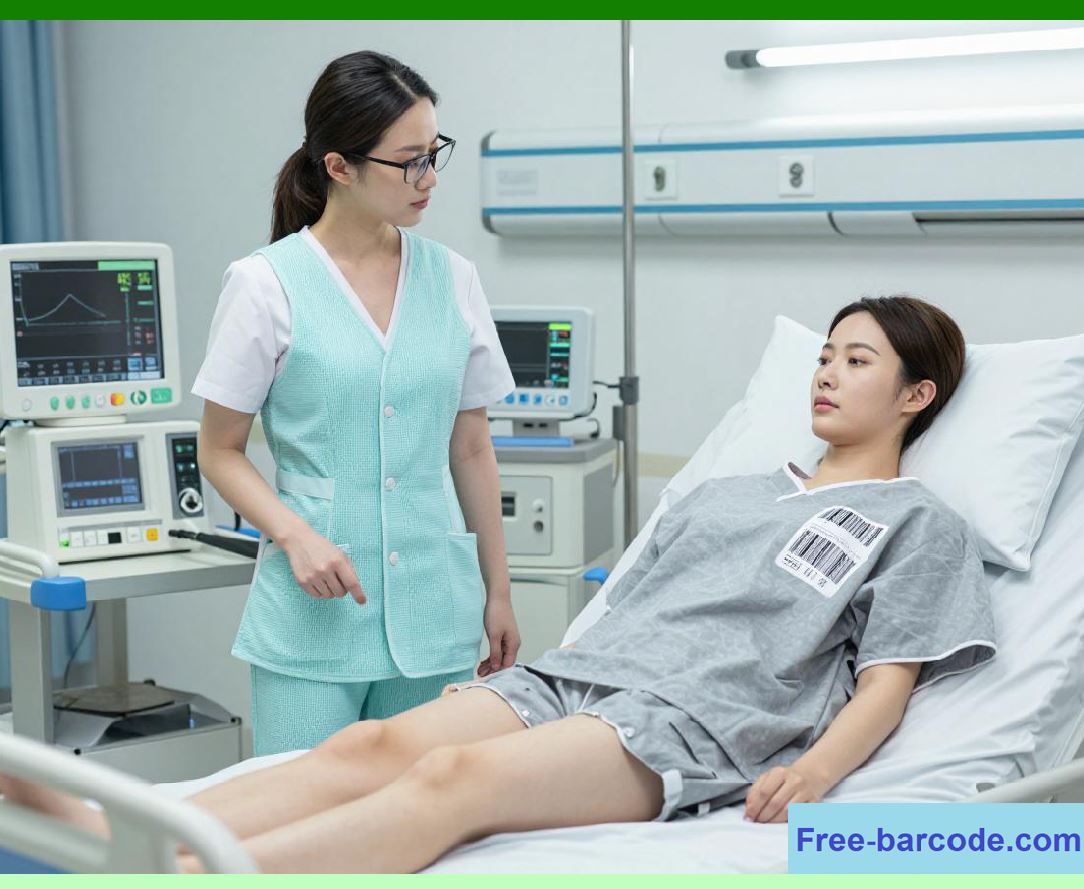
The PIS has been the software backbone of this evolution. It has grown from a simple order-tracking system to a comprehensive platform that integrates with robots, barcodes, inventory systems, and clinical decision support. In the U.S., the PIS is a critical component of the EHR ecosystem, and its adoption is driven by both safety imperatives and economic pressures---hospitals with efficient pharmacy systems save millions of dollars annually through reduced waste, fewer errors, and optimized inventory. |
|
3. The Core Functions of a Pharmacy Information System |
A typical U.S. hospital PIS performs dozens of functions, but they can be grouped into several core categories. |
Order Receipt and Triage: |
The PIS receives orders from CPOE or from other order entry points (e.g., verbal orders entered by nurses, or orders from external providers). The orders appear in a 'pharmacy queue'---a list of new and pending orders that need pharmacist review. The queue is typically prioritized by urgency (stat, now, routine) and patient location. |
Clinical Verification: |
This is the most critical pharmacist function. A pharmacist reviews each order for: |
- Clinical appropriateness: Is the drug indicated for the patient's diagnosis |
- Dose and route: Is the dose appropriate for the patient's age, weight, and renal function |
- Allergies and interactions: The PIS checks for allergies (from the EHR) and drug-drug interactions (from the CDS knowledge base). |
- Duplicate therapy: Is the patient already on a similar drug |
- Therapeutic duplication: Is the patient on two drugs from the same class |
- Renal and hepatic dosing: The system suggests dose adjustments based on the patient's lab values. |
The pharmacist can approve the order, reject it, or send a clarification request back to the prescriber via the EHR. In many U.S. hospitals, the pharmacist must complete verification before the order is sent to the dispensing area. |
Dispensing: |
Once verified, the order is sent to the dispensing area. This may involve: |
Central pharmacy dispensing: The medication is prepared in the main pharmacy, using robots, automated carousels, or manual picking. The PIS prints a label with the patient's name, drug, dose, and barcode. The medication is placed in a patient-specific bin or sent via a pneumatic tube system to the nursing unit. |
Automated dispensing cabinet (ADC) restocking: The PIS sends a restock request to an ADC on the nursing unit. The pharmacy technician restocks the cabinet, and the PIS updates the inventory. |
IV and sterile compounding: For IV antibiotics, chemotherapy, and other sterile preparations, the PIS generates a compounding worksheet that guides the pharmacist or technician through the aseptic process. In automated IV compounding systems, the PIS directly controls the robotic pumps and ensures the correct ingredients and volumes. |
Inventory Management: |
The PIS tracks medication inventory at multiple levels---the central pharmacy warehouse, the automated dispensing cabinets, and even the individual patient bins. It monitors: |
- Stock levels and reorder points |
- Expiration dates (with automatic alerts for soon-to-expire drugs) |
- Lot numbers and tracking (critical for recalls) |
- Cost and billing (medications are charged to the patient's account when dispensed) |
Administration Interface (MAR): |
The PIS sends a list of scheduled medications to the Medication Administration Record (MAR) in the nursing system. The MAR displays the time, dose, and route for each medication. When the nurse administers the medication, they scan the patient's wristband and the medication barcode, and the PIS records the administration time and updates the MAR. |
Reporting and Analytics: |
The PIS generates reports on pharmacy operations: order turnaround times, medication error rates, inventory costs, pharmacist workload, and adherence to antibiotic stewardship guidelines. |

|
4. The Verification Process: A Day in the Life of a U.S. Hospital Pharmacist |
To understand the PIS in action, let us follow Dr. Patel, a clinical pharmacist at a 400-bed U.S. community hospital. |
7:00 a.m. - Shift start: |
Dr. Patel logs into the PIS. She sees a queue of 45 pending orders---a typical morning load. The queue is color-coded: red for stat orders, yellow for timed orders (e.g., morning lab draws), green for routine orders. |
7:10 a.m. - Stat order review: |
A stat order for vancomycin appears. Dr. Patel opens the order. The patient is a 65-year-old male with sepsis. The PIS shows his latest creatinine (1.8 mg/dL) and calculates his creatinine clearance (35 mL/min). The system recommends a vancomycin loading dose of 25 mg/kg and a maintenance dose of 15 mg/kg every 12 hours, adjusted for renal function. Dr. Patel confirms the dose, approves the order, and the PIS sends it to the dispensing area---a process that takes under 2 minutes. |
7:20 a.m. - Clarification request: |
An order for metformin appears for a patient with a creatinine of 1.6 mg/dL (normal is below 1.5 for males). The PIS displays a clinical decision support alert: 'Metformin is contraindicated in patients with creatinine > 1.5 mg/dL due to risk of lactic acidosis.' Dr. Patel sends a clarification request to the prescribing physician via the EHR: 'Please consider an alternative agent or confirm that you want to proceed with metformin despite renal impairment.' |
8:30 a.m. - Patient review: |
Dr. Patel reviews a patient who has been on IV antibiotics for 5 days. The PIS reminds her to check for culture results and consider narrowing therapy. She sees that the cultures have returned and the organism is sensitive to a narrower-spectrum agent. She suggests a change to the prescriber, who accepts. |
10:00 a.m. - Order set compliance: |
Dr. Patel reviews a patient with community-acquired pneumonia. The PIS checks the order set and flags a missing pneumococcal vaccination order. She adds the vaccination order, which is automatically transmitted to the nursing unit. |
2:00 p.m. - IV compounding: |
Dr. Patel reviews an IV vancomycin order that requires a sterile compounding worksheet. The PIS generates a worksheet with the exact volume of diluent, the dose (750 mg), and the reconstitution steps. She approves the worksheet, and the IV technician uses it to prepare the dose. |
4:00 p.m. - Inventory check: |
The PIS alerts Dr. Patel that a critical drug---norepinephrine (a vasopressor used in septic shock)---is running low in the automated dispensing cabinets. She approves a restock order, and the central pharmacy sends a replenishment. |
6:00 p.m. - End of shift: |
Dr. Patel signs off. The PIS generates a summary of her day: 124 orders reviewed, 2 clarification requests sent, 5 clinical interventions documented, and 3 cost-saving changes (e.g., switching from IV to oral antibiotics where appropriate). She leaves with a sense of accomplishment---knowing that the PIS helped her do her job safely and efficiently. |

|
5. Automated Dispensing Cabinets (ADCs): The Decentralized Pharmacy |
One of the most visible components of the PIS is the Automated Dispensing Cabinet (ADC)---a large, secure, computer-controlled cabinet located on every nursing unit in many U.S. hospitals. Brands like Pyxis (now BD), Omnicell, and AccuDose are ubiquitous in American healthcare. |
How ADCs work: |
Access control: Only authorized nurses and pharmacists can access the ADC, using a fingerprint, badge, or PIN. The ADC logs every access. |
Patient selection: The nurse selects the patient from a touchscreen list. The ADC displays the patient's scheduled medications (from the MAR) and any PRN (as-needed) medications that are available. |
Dispensing: The nurse selects the medication and dose. The ADC opens a specific drawer or bin. Some ADCs use 'pocket' technology where each medication has a dedicated, locked pocket that opens only for that specific medication---preventing mix-ups. |
Inventory tracking: The ADC records the withdrawal and updates the inventory in real time. When a medication reaches a low threshold, the ADC sends a restock request to the central pharmacy. |
Barcode scanning: The nurse scans the medication's barcode and the patient's wristband barcode, verifying the Five Rights. If there is a mismatch, the ADC displays an alert and blocks the withdrawal. |
The value of ADCs: |
Reduced wait times: Nurses can access medications immediately, without waiting for a central pharmacy delivery. |
Improved safety: The ADC's checks and barcode scanning reduce administration errors. |
Inventory control: ADCs reduce stockpiling and waste, as medications are dispensed only when needed. |
Controlled substance tracking: ADCs provide a detailed audit trail for controlled substances (e.g., narcotics), which is critical for regulatory compliance. |
The downside: ADCs are expensive to install and maintain. They also require careful restocking---if the wrong drug is placed in a pocket, the ADC will dispense it incorrectly. U.S. hospitals have strict policies for ADC restocking, requiring double-checking by pharmacy technicians. |
|
6. Robotics in the Central Pharmacy: The Mechanical Arm |
In many large U.S. hospitals, the central pharmacy is a hive of robotic activity. Robotic dispensing systems handle the bulk of the routine medication filling. |
Robotic pill dispensers (e.g., Swisslog, Parata, ScriptPro): |
These are large machines that hold thousands of medication canisters. Each canister contains a specific drug and strength. When a prescription order is received, the robot automatically: |
1. Selects the correct canister. |
2. Dispenses the required number of pills (counting them with optical sensors to ensure accuracy). |
3. Packages the pills in a unit-dose pouch or a patient-specific vial. |
4. Prints a barcode label with the patient's name, drug, dose, and administration instructions. |
5. Dispatches the package to a sorting area, where it is placed in a patient bin or a transport to the nursing unit. |
These robots can fill over 100,000 doses per day in a large academic medical center---a task that would require dozens of pharmacy technicians manually. |
Robotic IV compounding systems (e.g., Omnicell's I.V. Station, BD's RIVA, Grifols' HemoFlow): |
Intravenous (IV) medications, especially chemotherapy and parenteral nutrition, are high-risk preparations that must be sterile and accurately dosed. Robotic IV compounding systems use: |
Automated pumps: The robot draws the correct volumes of drug and diluent from pre-filled syringes or vials. |
Aseptic chamber: The robot works within a sterile environment (an ISO Class 5 hood) to prevent contamination. |
Barcode scanning: Each drug vial is scanned to confirm identity and expiration date. |
Weight verification: The robot verifies the weight of the final preparation to ensure accuracy (e.g., the dose is within 5% of the target). |
Labelling: The robot prints a barcode label and affixes it to the final IV bag or syringe. |
Robotic IV compounding has been shown to reduce contamination rates, improve dosing accuracy, and free up pharmacists for clinical work. However, it requires significant capital investment and specialized maintenance. |

|
7. Unit-Dose Packaging and Barcode Labeling |
Every medication dispensed from a U.S. hospital pharmacy must be accurately labeled with a barcode that contains the drug's National Drug Code (NDC), lot number, expiration date, and---for patient-specific doses---the patient's MRN and encounter number. |
Unit-dose packaging: Most medications are packaged in single-dose units (e.g., a pill in a blister pack, or a pre-filled syringe). This eliminates the need for the nurse to measure or divide doses at the bedside. The PIS prints a barcode label that is affixed to the unit-dose package, linking it to the patient's order. |
Barcode scanning at the bedside: When the nurse administers the medication, they scan the barcode on the package. The PIS confirms that the medication matches the order and the patient. If there is any mismatch---e.g., the drug is not in the patient's MAR, or the dose is different---the PIS displays an alert and prevents administration. |
The impact on safety: Studies in U.S. hospitals have shown that barcode-mediated administration reduces medication administration errors by 40% to 70%. It has also reduced the incidence of wrong-patient errors to near zero in hospitals with fully implemented systems. |

|
8. Inventory Management and the 'Just-in-Time' Supply Chain |
Hospital pharmacy inventory is a significant cost center. The PIS helps U.S. hospitals manage inventory efficiently, reducing waste and ensuring availability. |
Automated reorder points: The PIS monitors stock levels and automatically generates purchase orders when inventory falls below a threshold. This prevents stockouts of critical drugs. |
Expiration date management: The PIS tracks expiration dates and alerts pharmacists when drugs are about to expire. Expired medications are removed from inventory and returned to the manufacturer (if the manufacturer has a credit policy) or disposed of safely. This reduces waste and cost. |
Drug shortage management: Drug shortages are a chronic problem in the U.S. The PIS can help pharmacists identify alternative therapies when a drug is unavailable. It can also track usage patterns and forecast demand, allowing the hospital to stockpile critical drugs before a shortage hits. |
Consignment inventory: Some U.S. hospitals use a consignment model for high-cost drugs (e.g., chemotherapy, biologicals). The drug is owned by the manufacturer until it is administered to the patient. The PIS tracks consignment inventory and alerts the manufacturer when a drug is used, triggering a billing event. |
|
9. Controlled Substance Tracking and DEA Compliance |
The U.S. Drug Enforcement Administration (DEA) strictly regulates controlled substances (narcotics, stimulants, sedatives). The PIS is essential for compliance. |
Waste management: When a nurse withdraws a controlled substance from an ADC, they must document the amount used and the amount wasted. The PIS records this, and the waste is witnessed by another nurse---a process called 'witnessing.' |
Audit trails: The PIS maintains a detailed audit trail for every controlled substance transaction: who accessed it, when, for which patient, and what was administered. This trail is used for DEA inspections and internal audits. |
Tamper-proof packaging: The PIS integrates with tamper-evident packaging for controlled substances. If a package is opened, the PIS records the event and alerts the pharmacy. |

|
10. The PIS and Antibiotic Stewardship: A U.S. Priority |
Antibiotic resistance is a critical public health issue in the U.S. The PIS is a key tool for antibiotic stewardship---reducing unnecessary antibiotic use. |
Indication documentation: The PIS requires the prescriber to document the indication for an antibiotic order. This helps the stewardship team audit antibiotic appropriateness. |
Dose optimization: The PIS suggests appropriate dosing based on renal function and the likely pathogen. |
Time-limited orders: The PIS automatically stops certain antibiotics after a set duration (e.g., 7 days for uncomplicated pneumonia), prompting the prescriber to re-evaluate. |
Culture and sensitivity integration: When culture results are available, the PIS alerts the pharmacist to review them and suggest narrowing therapy. |
Resistance alerts: The PIS alerts the pharmacist if the patient is growing a resistant organism (e.g., MRSA, VRE) and suggests appropriate treatment. |
U.S. results: A 2020 study of a large U.S. health system found that PIS-based antibiotic stewardship reduced broad-spectrum antibiotic use by 15%, reduced C. difficile infections by 20%, and saved over $2 million annually. |
|
11. The PIS and Chemotherapy: High-Stakes Precision |
Chemotherapy is one of the most hazardous and complex areas of hospital pharmacy. The PIS is essential for safety. |
Body surface area (BSA) dosing: Chemotherapy doses are often based on the patient's BSA (calculated from height and weight). The PIS automatically calculates BSA and recommends the appropriate dose. |
Safe handling: The PIS tracks which staff members are authorized to handle hazardous drugs, and it ensures that they have the appropriate personal protective equipment. |
Double-checking: Many U.S. hospitals require a double-check for chemotherapy orders---the PIS requires two separate pharmacists to verify the order before it is dispensed. |
IV compounding integration: The PIS generates sterile compounding worksheets that guide the robot or technician in preparing the chemotherapy. The worksheet includes the exact volumes of each drug and the order of mixing. |

|
12. The PIS and the 340B Program: U.S. Pharmacy Economics |
The 340B Drug Pricing Program is a U.S. federal program that allows certain hospitals (disproportionate share hospitals, children's hospitals, and others) to purchase outpatient drugs at discounted prices. The PIS is critical for 340B compliance. |
Eligibility tracking: The PIS tracks which patients are eligible for 340B pricing and ensures that discounted drugs are dispensed only to eligible patients. |
Inventory separation: The PIS must separate 340B inventory from non-340B inventory, as using 340B drugs for ineligible patients can result in severe penalties. |
Billing compliance: The PIS generates reports for the 340B program, demonstrating that the hospital has complied with the rules. |

|
13. Challenges of PIS Implementation in U.S. Hospitals |
Implementing a new PIS is a major undertaking. U.S. hospitals have faced several common challenges. |
Interfacing with other systems: The PIS must interface with CPOE, the EHR, the ADC system, the IV compounding robot, the inventory system, and the billing system. Each interface is a potential point of failure. A miscommunication between the CPOE and the PIS can result in a lost order or a duplicate order. |
Training: Pharmacists and technicians must be trained extensively on the new PIS. During the go-live period, productivity often drops by 20% to 30%, and extra staffing is required. |
Drug database maintenance: The drug database---containing all drug names, doses, interactions, and dosing guidelines---must be kept current. A single outdated entry can cause an inappropriate recommendation. |
Culture shift: Some pharmacists may resist the transition from a hands-on compounding role to a clinical verification role, facilitated by the PIS. U.S. hospitals have addressed this through training, mentorship, and highlighting the value of clinical pharmacy. |

|
14. U.S. Case Study: The Cleveland Clinic's Pharmacy Transformation |
The Cleveland Clinic, a large U.S. academic medical center, is a leader in pharmacy automation. Its central pharmacy serves over 1,200 inpatient beds and processes over 1 million orders annually. |
Robotic dispensing: The Clinic uses a Swisslog robotic pill dispenser that fills over 100,000 unit-doses per day. The robot operates 24/7, with minimal human supervision. |
IV compounding: The Clinic uses BD's RIVA robotic IV compounding system for chemotherapy and IV antibiotics. The robot operates in a sterile environment, reducing contamination risk. |
ADC network: The Clinic has over 200 ADCs (Pyxis) across its main campus, each integrated with the PIS. Nurses can access medications within seconds. |
Pharmacist clinical integration: The PIS is fully integrated with the EHR, allowing pharmacists to review orders remotely and interact with physicians via secure messaging. Pharmacists also participate in clinical rounds on the units. |
Results: The Clinic has reported a 60% reduction in medication errors, a 30% reduction in pharmacy turnaround time, and annual savings of over $5 million in inventory and waste reduction. |

|
15. U.S. Case Study: A Rural Critical Access Hospital's PIS Journey |
Not all U.S. hospitals have the resources of the Cleveland Clinic. Consider a Critical Access Hospital (CAH) in rural Iowa with 20 beds. |
Limited resources: The hospital has only one full-time pharmacist and two pharmacy technicians. They cannot afford a robotic pill dispenser or an IV compounding robot. |
Cloud-based PIS: The hospital uses a cloud-based PIS from a vendor that specializes in small hospitals. The PIS is hosted off-site, so the hospital does not need to maintain local servers. |
ADC deployment: The hospital has a single ADC (Omnicell) on its nursing unit. The ADC is stocked manually by the pharmacy technicians. |
Telepharmacy: The hospital uses telepharmacy services during off-hours. A pharmacist at a remote location (hundreds of miles away) reviews orders via the cloud PIS, ensuring 24/7 coverage without requiring a second on-site pharmacist. |
Outcomes: Despite limited resources, the CAH has reduced medication errors significantly and maintains high patient satisfaction. The PIS has been essential for telepharmacy and for managing the limited inventory efficiently. |

|
16. The PIS and Adverse Drug Event Monitoring |
The PIS is not just a dispensing tool; it is also a surveillance system for adverse drug events (ADEs). |
Trigger-based monitoring: The PIS identifies potential ADEs by looking for specific 'triggers'---e.g., an order for naloxone (which reverses opioid overdose) suggests a potential opioid-related ADE; an order for vitamin K (which reverses warfarin) suggests a potential bleeding event. |
Laboratory and clinical checks: The PIS can be configured to alert when a patient experiences a significant change in lab values after a new medication is started---e.g., a rise in creatinine after starting an aminoglycoside antibiotic. |
Reporting: The PIS generates reports on ADE rates, which are used for quality improvement and for reporting to the FDA's MedWatch program. |
U.S. impact: A 2018 study in a U.S. health system showed that PIS-based ADE monitoring increased the detection of ADEs by 30%, enabling earlier intervention and reducing the severity of harm. |

|
17. The Economics of the PIS: A Cost-Benefit Analysis |
Implementing a PIS and its associated automation is expensive---a large academic medical center might spend $10 million to $20 million on a comprehensive system. Is it worth it |
Savings from error reduction: The Institute of Medicine estimated that a single adverse drug event in a U.S. hospital costs an average of $10,000 to $20,000. A 50% reduction in ADEs in a 400-bed hospital (which might have 500 ADEs per year) translates to savings of $2.5 million to $5 million annually. |
Labor savings: Automated dispensing and robotics reduce the need for pharmacy technicians. A typical U.S. pharmacy technician costs $50,000 to $70,000 per year (including benefits). A robotic system that replaces 10 technicians saves $500,000 to $700,000 annually. |
Inventory savings: The PIS reduces waste from expired medications and optimizes inventory levels, saving 5% to 10% of the pharmacy budget. For a $20 million pharmacy budget, this is $1 million to $2 million annually. |
Clinical pharmacist productivity: By automating routine dispensing, the PIS allows pharmacists to focus on clinical activities (e.g., antibiotic stewardship, medication reconciliation), which generate additional savings and improve patient outcomes. |
Payback period: Most U.S. hospitals achieve a payback period of 3 to 5 years for their PIS and automation investments. Over a 10-year horizon, the return on investment is substantial. |
|
18. The Future of the PIS: AI, Predictive Analytics, and Beyond |
The Pharmacy Information System is evolving rapidly, driven by artificial intelligence and new data sources. |
Predictive inventory: Machine learning models trained on historical usage data can predict which drugs will be needed and when, reducing waste and ensuring availability. For example, the system might anticipate a surge in respiratory medications during flu season. |
AI-assisted order verification: AI can review orders and flag those that are likely to be inappropriate---e.g., an order that deviates from the hospital's standard protocol for a given diagnosis. This can speed up the verification process and reduce pharmacist workload. |
Personalized dosing: Using pharmacogenomic data (the patient's genetic profile), the PIS can recommend individualized doses for drugs that are metabolized by specific enzymes. For example, a patient with a CYP2D6 poor metabolizer variant might receive a lower dose of codeine. |
Real-time drug shortage prediction: AI can analyze external data (e.g., supply chain disruptions, manufacturer announcements) to predict impending shortages and alert the pharmacy to stockpile alternatives. |
Integrated patient engagement: The PIS will eventually send patients reminders (via app or text) about their medications, and patients will be able to report side effects directly, which will be integrated into the PIS for monitoring. |
Blockchain for supply chain integrity: Some U.S. researchers are exploring the use of blockchain to create an immutable record of a drug's journey from manufacturer to patient, ensuring authenticity and reducing counterfeit risk. |
|
19. The Human Element: Pharmacists as Clinical Partners |
Despite all the automation, the PIS does not eliminate the need for pharmacists---it transforms their role. |
In the past, pharmacists were largely dispensers. Today, they are clinical partners---they review orders, perform medication reconciliation, educate patients, and collaborate with physicians on complex cases. The PIS enables this transformation by automating routine tasks and freeing up time for clinical work. |
U.S. hospitals have invested in 'clinical pharmacist' positions. These pharmacists round with physicians, recommend medication adjustments, and lead antibiotic stewardship efforts. They are often the most accessible medication experts on the team. A 2019 study found that clinical pharmacist involvement in U.S. ICUs reduced medication errors and shortened ICU length of stay. |
The PIS also supports collaborative practice agreements---formal arrangements that allow pharmacists to adjust medications without a physician order (e.g., adjusting insulin doses based on blood glucose monitoring). The PIS tracks these adjustments and ensures they are documented appropriately. |
|
Detailed Concluding Summary |
This chapter has provided a comprehensive, plain-English exploration of the Pharmacy Information System (PIS)---the digital and robotic engine that transforms hospital pharmacy from a manual, error-prone operation into a precision-driven, data-rich discipline. We began by framing the PIS as the 'silent pharmacist behind the curtain,' orchestrating the complex journey of a medication from order entry to bedside administration. |
We traced the evolution of U.S. hospital pharmacy---from the mortar and pestle of the early 20th century, to unit-dose packaging in the 1960s, to computerized systems in the 1980s, to the robotic dispensing and IV compounding of today. We described the core functions of the PIS: order receipt and triage, clinical verification (including allergy checks, interaction checks, and dosing adjustments), dispensing (including central pharmacy, ADCs, and IV compounding), inventory management, and integration with nursing MAR for administration. |
We shadowed a U.S. hospital pharmacist, Dr. Patel, through a typical day, showing how she reviewed 124 orders, sent clarification requests, made clinical interventions, and contributed to antibiotic stewardship---all with the PIS as her essential tool. We explored Automated Dispensing Cabinets (ADCs) in detail, describing how they provide secure, decentralized access to medications, reduce wait times, and provide audit trails for controlled substances. |
We delved into robotics in the central pharmacy, from robotic pill dispensers that can fill over 100,000 doses per day, to robotic IV compounding systems that prepare sterile medications with high precision and low contamination risk. We highlighted the critical role of unit-dose packaging and barcode labeling in ensuring the Five Rights and reducing administration errors, with studies showing 40% to 70% reductions in errors. |
We examined inventory management, including automated reorder points, expiration date tracking, and drug shortage management---all of which reduce waste and control costs. We discussed controlled substance tracking and DEA compliance, and we explored the PIS's role in antibiotic stewardship, with documented reductions in broad-spectrum antibiotic use, C. difficile infections, and cost savings. |
We addressed the high-stakes domain of chemotherapy, where the PIS enables body-surface-area dosing, double-checking, and safe IV compounding. We connected the PIS to the U.S. 340B Drug Pricing Program, describing how it tracks eligibility and ensures compliance. |
We discussed the challenges of PIS implementation: interfacing complexities, training, drug database maintenance, and culture shift. We presented two U.S. case studies---the Cleveland Clinic's large-scale automation, with significant reductions in errors and costs, and a rural Critical Access Hospital's cloud-based PIS and telepharmacy model, showing that automation benefits all sizes of hospitals. |
We highlighted the PIS's role in adverse drug event monitoring, with trigger-based surveillance and lab-value integration that detect ADEs earlier. We made the economic case, showing that despite high upfront costs, the PIS pays for itself through error reduction, labor savings, inventory optimization, and clinical pharmacist productivity. |
We looked to the future: AI for predictive inventory, assisted verification, personalized pharmacogenomic dosing, drug shortage prediction, patient engagement, and blockchain for supply chain integrity. We emphasized the human element---the transformation of the pharmacist from a dispenser to a clinical partner who rounds with physicians, leads stewardship efforts, and practices under collaborative agreements. |
|
In conclusion, the Pharmacy Information System is not just a tool for dispensing medications; it is the central nervous system of medication safety in American hospitals. It ensures that the right drug reaches the right patient, in the right dose, at the right time, via the right route---and it does so with a speed, accuracy, and intelligence that no human could achieve alone. The robotic dispenser is not a replacement for the pharmacist; it is an extension of their reach, allowing them to focus on what matters most: ensuring that every patient's medication regimen is safe, effective, and personalized. In an era of rising drug costs, increasing complexity, and constant safety pressures, the PIS is an indispensable partner in the healing mission of the hospital. |
 cs@easiersoft.com