Laboratory Information System (LIS) - The Data Factory: How American Hospitals Turn Blood, Urine, and Tissue into Life-Saving Knowledge |
Short Executive Summary |
This chapter explores the Laboratory Information System (LIS)---the specialized module within the Hospital Information System that manages the entire lifecycle of clinical laboratory testing, from order entry to specimen collection, processing, analysis, result reporting, and clinical interpretation. The LIS is the data factory of the hospital, transforming biological specimens into structured, actionable information that drives diagnosis, treatment, and monitoring. Through detailed U.S. case studies---from a high-volume commercial reference laboratory to a large academic medical center's core lab and a small community hospital's stat lab---we examine how the LIS integrates with automated analyzers, tracks specimens via barcodes, ensures quality control, manages critical value alerts, supports blood bank operations, and enables sophisticated clinical reporting. The chapter covers the evolution from manual wet-chemistry benches to fully automated robotic track systems, the role of standardized test codes (LOINC), the critical importance of turnaround time, the challenges of result integration with the EHR, and the emerging use of artificial intelligence for predictive diagnostics and result interpretation. It concludes that the LIS is not merely a tracking system; it is the fundamental engine of evidence-based medicine, turning the silent language of biology into the clear language of data that clinicians rely on to save lives. |

|
Laboratory Information System (LIS) - The Data Factory |
A Detailed Popular-Science Exploration |
1. The Silent Factory That Never Sleeps |
In a typical U.S. hospital, the clinical laboratory is a sprawling, windowless space filled with humming machines, robotic arms, pneumatic tubes, and the quiet bustle of technicians. It is the data factory of the hospital---the place where blood, urine, tissue, and other biological specimens are transformed into numbers, graphs, and diagnostic insights that drive clinical decisions. |
Every day, the laboratory of a 400-bed U.S. hospital processes thousands of tests: complete blood counts, chemistry panels, coagulation studies, microbiology cultures, blood gas analyses, and many more. These results inform every aspect of patient care---from the emergency department's decision to admit a patient, to the ICU's titration of a vasopressor, to the oncologist's choice of chemotherapy. |
Behind this relentless activity is the Laboratory Information System (LIS)---the specialized software that orchestrates the entire operation. The LIS receives orders from the EHR, tracks specimens from collection to analysis, interfaces with the automated analyzers that perform the tests, records the results, and transmits them back to the EHR for clinician review. It is the unseen conductor of a complex symphony of biology, chemistry, and technology. |
This chapter takes you inside the LIS of a modern American hospital. We will follow a single blood sample from the patient's arm to the EHR, exploring each step of the journey. We will examine the technology, the workflows, the quality safeguards, and the human expertise that make the laboratory a cornerstone of modern medicine. We will also look to the future, where AI and precision diagnostics promise to turn the data factory into an intelligence powerhouse. |

|
2. The Evolution of the U.S. Clinical Laboratory |
The history of the hospital laboratory in the United States is a story of automation and consolidation. In the early 20th century, clinical laboratories were small, manual operations. A technician would draw blood, manually prepare slides, and count cells under a microscope. Chemistry tests were performed by mixing reagents in glass tubes and visually comparing color changes---a slow and imprecise process. |
The 1960s and 1970s brought the first automated analyzers---machines that could perform multiple tests on a single sample with greater speed and accuracy. The 1980s saw the introduction of computerized laboratory systems (LIS) that could track orders and results electronically. The 1990s brought laboratory automation---robotic systems that could process samples from centrifugation to analysis without human intervention. Today, the LIS is the central nervous system of the laboratory, integrating with analyzers, robots, barcode readers, and the hospital's EHR. |
The consolidation of laboratory services has also been a major trend. Independent commercial reference laboratories (like Quest Diagnostics and LabCorp) now process millions of tests annually, serving hospitals that cannot justify the capital expense of high-volume automation. Many U.S. hospitals have also formed regional laboratory networks, where a single core lab serves multiple hospitals, reducing redundancy and costs. |
Despite these changes, the fundamental mission of the laboratory remains unchanged: to provide accurate, timely, and actionable diagnostic information to clinicians. The LIS is the critical enabler of that mission. |

|
3. The Core Functions of a Laboratory Information System |
A comprehensive LIS performs dozens of functions, which can be grouped into several core categories. |
Order Entry and Interface: |
The LIS receives test orders from the EHR via an interface (usually HL7 messaging). The orders come with patient demographics (MRN, name, date of birth), encounter details (location, attending physician), and the specific tests requested (coded using LOINC, the standard laboratory test nomenclature). The LIS validates the order---checks for duplicate orders, ensures the tests are available, and flags any pre-analytical requirements (e.g., fasting specimen, specific collection tube type). |
Specimen Collection and Tracking: |
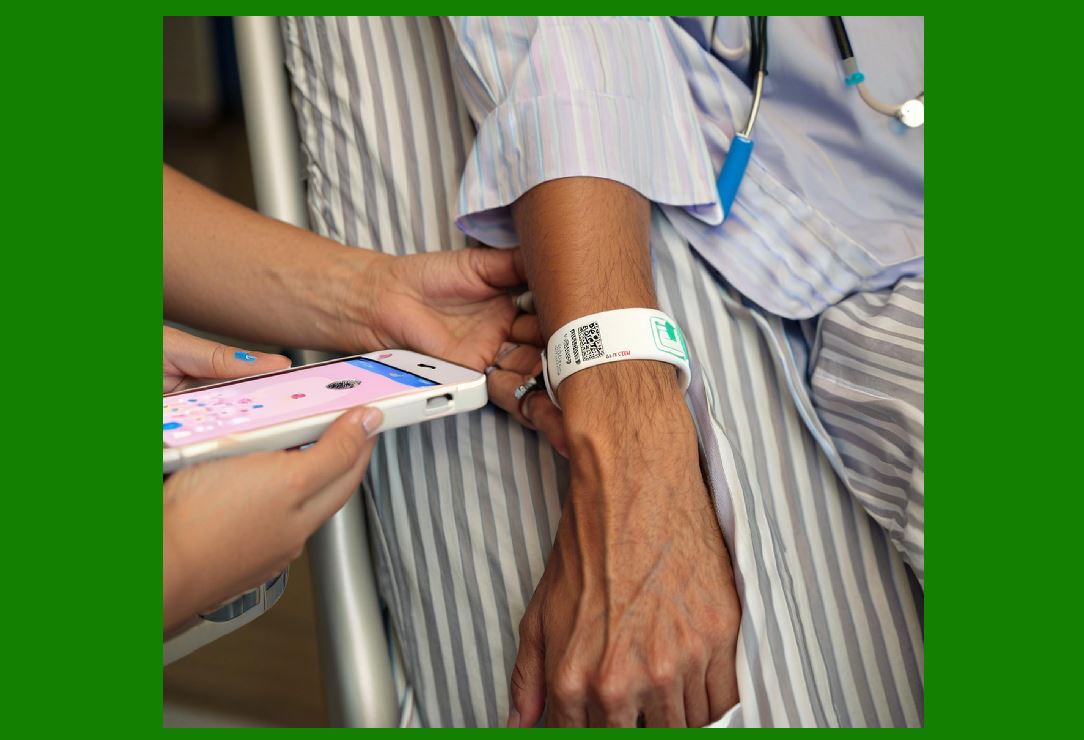
When a specimen is collected (e.g., blood draw, urine collection), the phlebotomist or nurse scans the patient's wristband barcode and the collection tube barcode. The LIS records the collection time, the collector's identity, and the specimen type. The specimen then travels (via pneumatic tube, courier, or human transport) to the laboratory. The LIS tracks the specimen's location and status (e.g., 'in transit,' 'received in lab,' 'in processing'). |
Specimen Processing and Preparation: |
Upon arrival in the laboratory, the specimen is logged into the LIS. The barcode is scanned, and the LIS confirms that it matches the order. The specimen is then prepared for analysis---centrifuged (if blood), aliquoted (divided into smaller samples), or processed (e.g., urine dipstick). The LIS directs the specimen to the appropriate analyzer or workstation, based on the test ordered. For example, a complete blood count (CBC) is sent to a hematology analyzer, while a comprehensive metabolic panel (CMP) is sent to a chemistry analyzer. |
Instrument Interface and Data Capture: |
This is the heart of the LIS. Most modern laboratory analyzers have a bidirectional interface with the LIS. The LIS sends the test order to the analyzer (including patient-specific information). The analyzer performs the test and sends the raw results back to the LIS. The LIS then interprets the results, applies reference ranges, flags abnormal values, and stores the data. |
Quality Control (QC): |
The LIS manages quality control---the process of ensuring that the analyzers are performing correctly. QC samples (with known values) are run regularly, and the LIS tracks their results. If a QC sample falls outside acceptable limits, the LIS alerts the lab supervisor, and the analyzer must be calibrated or repaired before patient samples can be run. |
Result Validation and Release: |
Before results are sent to the EHR, they are reviewed by a medical technologist or pathologist. The LIS highlights abnormal results, critical values, and results that violate established rules (e.g., a result that is inconsistent with the patient's clinical status). The reviewer can approve the results, reject them (and request a repeat), or add interpretive comments. Once validated, the results are automatically transmitted to the EHR via HL7, where they appear on the clinician's dashboard. |
Clinical Decision Support (CDS) Integration: |
The LIS not only sends results to the EHR but can also participate in clinical decision support. For example, if a critical result (e.g., potassium > 6.5 mmol/L) is transmitted, the EHR triggers an alert. The LIS can also be configured to suggest follow-up tests based on results---e.g., if a patient has a positive blood culture, the LIS can automatically order a sensitivity test. |
Reporting and Analytics: |
The LIS generates a wide range of reports: turn-around-time reports, test volume statistics, cost-per-test analyses, and quality indicator dashboards. These reports are used for operational management, regulatory compliance, and financial planning. |

|
4. The Specimen Journey: From Blood Draw to EHR |
To understand the LIS in action, let us follow a single blood sample through a typical U.S. hospital laboratory. |
Step 1 - Order Entry: |
Dr. Chen, the hospitalist from previous chapters, orders a 'CBC and CMP' for a patient with suspected infection. She enters the order in the EHR via CPOE. The EHR sends an HL7 message to the LIS, containing the patient's MRN, encounter number, and the two test orders (coded with LOINC). The LIS creates an 'order' record and assigns a unique order number. |
Step 2 - Specimen Collection: |
A phlebotomist arrives at the patient's bedside with a tray of collection tubes. The tubes are pre-labeled with barcodes that are linked to the order in the LIS. The phlebotomist scans the patient's wristband barcode and then scans the collection tubes. The LIS verifies that the tubes match the patient and the order. The phlebotomist draws the blood, and the collection time is recorded automatically. |
Step 3 - Transport: |
The phlebotomist places the tubes in a specimen transport bag and sends it via a pneumatic tube system to the laboratory. The pneumatic tube station has a barcode reader that logs the arrival time in the LIS. |
Step 4 - Receipt and Log-in: |
The specimen arrives at the laboratory. A technician scans the barcode. The LIS confirms that the specimen matches the order and updates its status to 'received.' The technician also inspects the specimen for quality---e.g., is the volume adequateIs the tube correctly filledIs the specimen hemolyzed (ruptured red blood cells that can interfere with tests)If there are any issues, the LIS records them and may send a notification to the phlebotomist to redraw. |
Step 5 - Processing: |
The technician centrifuges the blood to separate the serum or plasma from the cells. The LIS tracks this step and records the processing time. The technician then aliquots the specimen into smaller tubes for different analyzers. The LIS directs the aliquots to the appropriate workstations. |
Step 6 - Analysis: |
CBC: The aliquot for the CBC is loaded onto a hematology analyzer (e.g., Sysmex XN-series). The LIS has already sent the order to the analyzer. The analyzer automatically draws the sample, counts the cells, measures hemoglobin, and calculates indices (MCV, MCH, etc.). The raw data is sent back to the LIS. |
CMP: The aliquot for the CMP is loaded onto a chemistry analyzer (e.g., Roche Cobas or Beckman Coulter AU-series). The analyzer performs tests for glucose, electrolytes (sodium, potassium, chloride, bicarbonate), kidney function (BUN, creatinine), liver function (AST, ALT, bilirubin), and proteins (albumin, total protein). The results are sent to the LIS. |
Step 7 - Quality Control and Validation: |
Before the patient results are released, the LIS checks the QC samples that were run on the analyzers earlier in the day. If the QC is within limits, the results are considered valid. The LIS then applies the laboratory's reference ranges (which may be age- and gender-specific) and flags any results that are abnormal. |
A medical technologist reviews the results. The LIS highlights a 'critical value'---the patient's potassium is 6.8 mmol/L (normal 3.5-5.0). The technologist verifies the result and releases it to the EHR. The LIS also sends a 'critical value' alert to the EHR, which will trigger a notification to Dr. Chen. |
Step 8 - Transmission to EHR: |
The final results (CBC and CMP) are transmitted to the EHR via HL7. They appear in Dr. Chen's patient chart, flagged with a 'new result' icon. Dr. Chen sees the critical potassium, reviews the result, and initiates treatment. |
Step 9 - Archiving: |
The LIS stores the results permanently, along with the QC data, the instrument logs, and the audit trail of every action. This data is retained for years (often 7 to 10 years or more) and is retrievable for clinical, legal, or research purposes. |

|
5. The LIS and Automated Laboratory Track Systems |
In large U.S. hospitals, the laboratory is not just a collection of stand-alone analyzers; it is a highly integrated automated track system. Companies like Beckman Coulter, Roche, and Siemens provide total laboratory automation (TLA) solutions. |
The automated track: This is a conveyor belt system that moves specimen tubes from one module to the next. Specimens are loaded onto the track after processing. The track directs each specimen to the appropriate analyzer based on the test order. After analysis, the track moves the specimen to a storage rack or to a waste container. |
Modules on the track: |
Centrifuge module: Automatically centrifuges specimens. |
Decapping module: Removes the caps from the tubes. |
Aliquoting module: Divides the specimen into smaller tubes for multiple tests. |
Chemistry and immunoassay analyzers: Perform the bulk of the tests. |
Hematology analyzers: Perform CBC and differentials. |
Coagulation analyzers: Perform PT/PTT and other clotting tests. |
Storage and retrieval module: Saves specimens for potential repeat testing or add-on tests. |
The role of the LIS: The LIS is the 'air traffic controller' of the track system. It receives the order, routes the specimen to the correct analyzer, receives the results, and controls the specimen's journey. If a specimen needs to be rerouted (e.g., because an analyzer is down), the LIS directs the track to move it to a backup analyzer. |
Benefits: Automated track systems dramatically reduce turnaround time. A CBC that might take 30 minutes in a manual lab can be done in 10 minutes on a track system. They also reduce labor costs and improve quality by eliminating manual handling errors. |
U.S. adoption: Major academic medical centers and large community hospitals have adopted TLA. A 2020 survey found that over 40% of U.S. hospitals with more than 300 beds had some form of TLA. Smaller hospitals typically use 'modular' automation---stand-alone analyzers that are connected by a track but not fully integrated. |

|
6. The Blood Bank and Transfusion Services |
One of the most critical and specialized components of the LIS is the blood bank module (sometimes called a separate Transfusion Management System). This module manages the entire process of blood product ordering, compatibility testing, issuance, and tracking. |
Ordering: A physician orders blood products (packed red blood cells, platelets, fresh frozen plasma, cryoprecipitate) via CPOE. The order is transmitted to the LIS blood bank module. |
Type and Screen: A specimen is collected for blood typing (ABO/Rh) and antibody screening. The LIS records the patient's blood type and screens for unexpected antibodies. If antibodies are found, the LIS helps the technologist identify them and select compatible donor units. |
Crossmatching: When a specific donor unit is selected for transfusion, the technologist performs a crossmatch---mixing a small sample of the donor's red cells with the patient's serum to ensure compatibility. The LIS records the crossmatch result and confirms compatibility. |
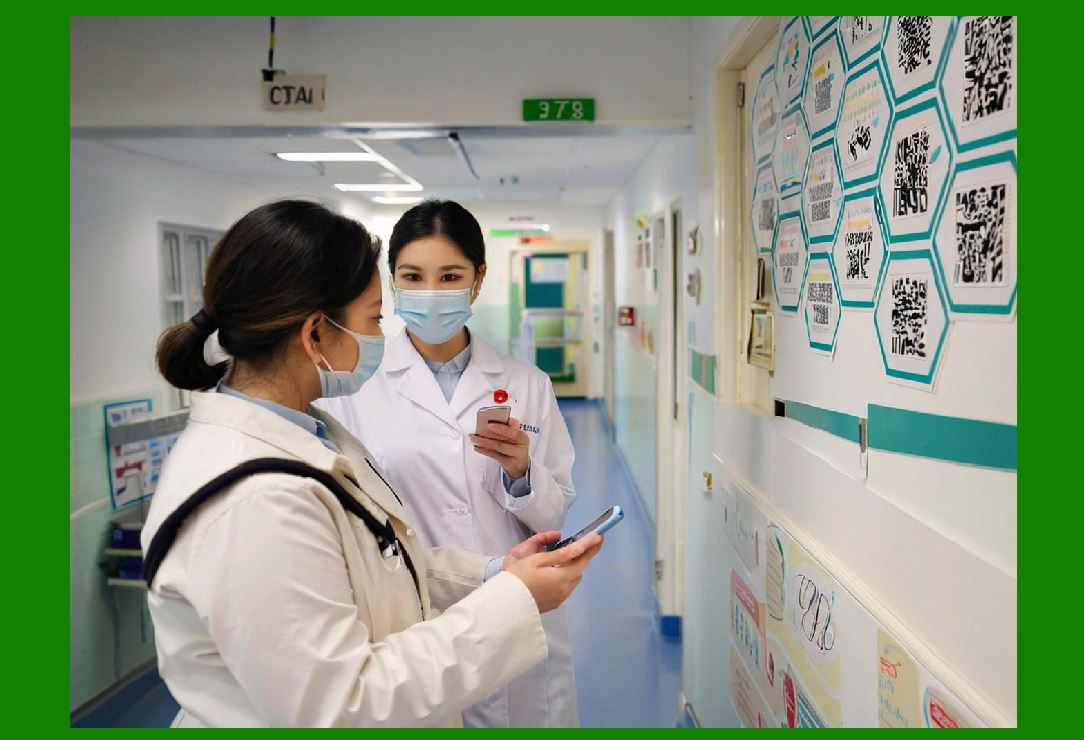
Issuance: When a unit is ready for transfusion, the technologist issues it, and the LIS records the issue time and the patient's MRN. The unit is transported to the nursing unit, where the nurse scans the patient's wristband and the unit's barcode. The LIS confirms the match and records the administration. |
Compatibility checking: The LIS has built-in safety checks to prevent ABO-incompatible transfusions---one of the most dangerous and avoidable errors in medicine. If there is any mismatch, the LIS blocks the issuance or administration. |
Inventory management: The LIS tracks the blood bank's inventory, including the expiration dates of each unit, and alerts staff when units are nearing expiration. |
Adverse event tracking: The LIS records any transfusion reactions and helps the blood bank report them to the FDA and other agencies. |
U.S. regulation: Blood banks in the U.S. are heavily regulated by the FDA and AABB (formerly the American Association of Blood Banks). The LIS must comply with strict requirements for traceability, documentation, and error prevention. |
|
7. Microbiology and the LIS: The Culture of Diagnosis |
Microbiology is one of the most complex areas of the laboratory, involving the culture, identification, and sensitivity testing of bacteria, fungi, and viruses. The LIS plays a critical role in tracking these slow-growing organisms. |
Specimen processing: A specimen (e.g., urine, sputum, wound swab) is plated on various culture media. The LIS records the specimen type, the culture medium used, and the incubation conditions. |
Organism identification: After incubation (hours to days), colonies are identified using automated systems (e.g., MALDI-TOF mass spectrometry) or traditional biochemical tests. The LIS records the identified organism (using SNOMED or LOINC codes) and the degree of growth. |
Sensitivity testing: Antibiotic sensitivity testing (e.g., by disc diffusion or automated methods like the Vitek system) is performed on the isolated organism. The LIS records the sensitivity results---which antibiotics are effective (sensitive), which are ineffective (resistant), and which are intermediate. |
Result reporting: The LIS generates a microbiology report that includes the organism name, the colony count, and the sensitivity profile. It also adds interpretive comments (e.g., 'MRSA detected, consider vancomycin'). The report is transmitted to the EHR. |
Antibiotic stewardship integration: The LIS sends sensitivity data to the EHR, where it can be used for CDS and antibiotic stewardship. For example, if a patient is on an antibiotic that is not sensitive to the cultured organism, the EHR can generate a stewardship alert. |

|
8. Point-of-Care Testing (POCT) Integration |
Point-of-care testing (POCT) refers to tests performed at the bedside or in the clinic, rather than in the central lab. Examples include: |
- Blood glucose monitoring (fingerstick) |
- Rapid strep tests |
- Pregnancy tests |
- INR (clotting time) monitoring |
- Blood gas analysis (in the ICU or ED) |
- Urinalysis dipsticks |
The challenge: POCT devices produce results in minutes, but they must be integrated into the patient's record. The LIS or a dedicated POCT module manages this. |
Wireless connectivity: Many POCT devices are now wireless. The operator scans the patient's wristband, performs the test, and the result is automatically transmitted to the LIS and EHR via Wi-Fi or Bluetooth. This eliminates manual transcription errors. |
Quality control: The LIS tracks QC for POCT devices. Operators must run QC samples at regular intervals. If QC fails, the device is locked until it is repaired or recalibrated. |
Competency management: The LIS records which staff are authorized to perform POCT and tracks their competency assessments. |
U.S. impact: POCT is widely used in U.S. hospitals, particularly in the ED, ICU, and diabetes management. POCT integration reduces turnaround time from minutes to seconds and improves clinical decision-making. |

|
9. Critical Value Reporting: The LIS as a Safety Alarm |
One of the LIS's most important functions is the management of 'critical values'---test results that indicate a life-threatening condition requiring immediate clinical intervention. |
Definition: Each laboratory defines its own critical value thresholds, based on clinical guidelines and internal consensus. Examples include: |
- Potassium < 2.5 or > 6.5 mmol/L |
- Sodium < 120 or > 160 mmol/L |
- Glucose < 40 or > 500 mg/dL |
- Hemoglobin < 7 g/dL (or < 5 g/dL in some settings) |
- pH < 7.20 or > 7.60 |
- Platelet count < 20,000 / uL |
The alert process: When a critical value is generated, the LIS automatically flags it and sends a critical value alert to the EHR. The EHR triggers a notification to the clinician (via pager, text, or secure message). Many U.S. hospitals have a policy that the clinician must acknowledge the critical value within a specific time frame (e.g., 30 minutes). If not, the LIS escalates the alert to the nursing supervisor or the attending physician on call. |
Documentation: The LIS records the entire critical value process---the time the result was released, the time the clinician was notified, the clinician's response, and any actions taken. This documentation is vital for quality assurance and medicolegal protection. |
U.S. standards: The Joint Commission and CMS require hospitals to have a critical value reporting policy. The LIS is the primary tool for enforcing and documenting compliance. |
|
10. Reference Ranges, Patient-Specific Data, and Delta Checks |
The LIS does not simply report raw numbers; it interprets them in context. |
Reference ranges: The LIS applies age- and gender-specific reference ranges. For example, a hemoglobin of 11 g/dL might be normal for a 2-year-old but abnormal for an adult male. The LIS applies the correct ranges and flags results that fall outside. |
Patient-specific baselines: The LIS can track a patient's historical results and use them as a baseline. For example, if a patient's creatinine has been stable at 1.0 mg/dL for years, and suddenly jumps to 1.8 mg/dL, the LIS flags it as a significant change---even though the absolute value might be within the normal range. |
Delta checks: Delta checks are alerts that notify the clinician when a result has changed significantly from a previous result in a short period. For example, a potassium that was 4.0 mmol/L 6 hours ago and is now 6.8 mmol/L would trigger a delta check, prompting a review for potential specimen error, lab error, or clinical deterioration. |

|
11. The LIS and Regulatory Compliance |
The U.S. clinical laboratory is one of the most regulated environments in healthcare. The LIS is essential for compliance with several key regulations. |
CLIA (Clinical Laboratory Improvement Amendments): CLIA establishes quality standards for all U.S. laboratories. The LIS tracks QC, proficiency testing, and personnel competency---all of which are required under CLIA. |
HIPAA: The LIS must protect patient privacy. It encrypts data in transit and at rest, and it maintains detailed audit logs of who accessed which patient's data, when, and why. |
Joint Commission (TJC): The Joint Commission accredits most U.S. hospitals. It requires the laboratory to have documented policies and procedures for specimen handling, result reporting, and critical value communication. The LIS provides the documentation. |
FDA: The FDA regulates laboratory devices (analyzers, test kits). The LIS must be validated to ensure it accurately captures and transmits results from FDA-approved devices. |
CAP (College of American Pathologists): CAP is a professional organization that accredits many U.S. labs. CAP has rigorous requirements for LIS validation, system security, and data integrity. |

|
12. U.S. Case Study: The Mayo Clinic's Central Laboratory |
Mayo Clinic, based in Rochester, Minnesota, operates one of the largest and most sophisticated clinical laboratories in the world. Its central laboratory processes over 10 million tests annually. |
Scale: The laboratory occupies over 250,000 square feet, employs over 2,000 staff, and houses hundreds of automated analyzers connected by a miles-long track system. |
The LIS: Mayo uses a custom-built LIS (developed in-house) that integrates with its Epic EHR. The LIS handles orders from Mayo's own hospitals and clinics, as well as send-out orders from thousands of affiliate institutions worldwide. |
Automation: The laboratory is fully automated. Specimens are loaded onto the track, processed, and analyzed with minimal human intervention. The LIS directs the track, collects results, and applies QC and interpretive rules. |
Specialty testing: Mayo's lab is known for its esoteric and specialized testing---genetic sequencing, mass spectrometry, advanced immunology. The LIS supports these complex tests with custom workflows and data management. |
Results: Mayo's laboratory achieves industry-leading turnaround times, with routine labs (CBC, CMP) reported within 60 minutes. The LIS is the linchpin of this performance. |

|
13. U.S. Case Study: The Rural Critical Access Hospital Lab |
In contrast, consider a rural Critical Access Hospital in Montana with 15 beds. Its laboratory is small, with only 3 full-time technologists and a handful of analyzers. |
The LIS: The hospital uses a cloud-based LIS from a vendor that serves smaller hospitals. The LIS is hosted off-site, so the hospital does not need local servers. |
Analyzers: The lab has a single chemistry analyzer, a single hematology analyzer, and a small coagulometer. There is no automated track; specimens are manually moved between workstations. |
Send-out testing: The hospital sends out many tests (e.g., microbiology cultures, genetic tests) to a commercial reference lab (e.g., LabCorp). The LIS interfaces with the reference lab's system, so orders are transmitted electronically, and results are automatically returned. |
Telepathology: The hospital uses telepathology for remote consultation. The LIS transmits images of pathology slides to a pathologist at a distant location, who reviews them and sends back a report. |
Outcomes: Despite its small size, the rural hospital's LIS ensures that results are accurate, timely, and integrated into the patient's EHR. The LIS also supports the hospital's compliance with CLIA and state regulations. |

|
14. The LIS and Clinical Research: Turning Data into Discovery |
The LIS is not just an operational tool; it is also a research asset. Many U.S. academic medical centers use their LIS data for clinical research. |
Cohort identification: Researchers can query the LIS to identify patients with specific lab results---e.g., 'Find all patients with a hemoglobin A1c > 10% in the last year.' This can help enroll patients in diabetes studies. |
Biobanking: The LIS is used to manage biospecimen repositories (biobanks). When a specimen is collected, the LIS tracks its location and links it to the patient's clinical data, facilitating translational research. |
Outcomes research: By linking LIS data with EHR data, researchers can study the relationship between lab results and clinical outcomes---e.g., 'Does an elevated troponin predict mortality in patients with sepsis' |
Regulatory compliance: The LIS supports research compliance by maintaining consent documentation and data usage agreements. |

|
15. The LIS and Artificial Intelligence: The Next Frontier |
The LIS is beginning to integrate artificial intelligence (AI) and machine learning, transforming it from a data repository into an intelligent analyst. |
Predictive analytics: AI models can analyze laboratory data trends to predict future events. For example, a model might predict the onset of acute kidney injury (AKI) in patients based on a rise in creatinine and BUN, coupled with other clinical data. The model could alert clinicians hours before the AKI becomes clinically apparent. |
Interpretive assistance: AI can provide preliminary interpretations of complex lab results. For example, an AI model might flag a pattern of elevated liver enzymes and suggest possible causes---drug-induced liver injury, viral hepatitis, biliary obstruction---along with recommended follow-up tests. |
Anomaly detection: AI can identify unusual patterns in QC data that might indicate instrument drift or specimen integrity issues, alerting lab staff before patient results are affected. |
Automated result validation: AI can validate a large percentage of normal results without human intervention, freeing up technologists to focus on the more complex and abnormal results. For example, a 2022 study at a U.S. hospital showed that AI-based validation could automate 70% of routine lab results with no degradation in safety. |
Natural Language Processing (NLP) for unstructured data: The LIS may receive external lab reports as PDFs or text (e.g., from a reference lab). NLP can extract the structured data and integrate it into the LIS. |

|
16. The Economic Impact of the LIS |
The LIS has a significant economic impact on U.S. hospitals. |
Turnaround time reduction: Faster turnaround times reduce length of stay. For example, a patient in the ED can be discharged faster if lab results are available quickly---saving the hospital money and freeing up beds. |
Reduced repeat testing: The LIS reduces duplicate testing by alerting clinicians to pending or recent orders. This saves direct costs (reagents, supplies) and indirect costs (labor). |
Reduced errors: The LIS reduces manual transcription errors, which can lead to costly adverse events. A single mis-read lab result that leads to a transfusion reaction or an inappropriate medication can cost the hospital tens of thousands of dollars. |
Labor savings: Automation reduces the need for manual labor. A 2019 study estimated that a fully automated LIS with a track system could reduce laboratory labor costs by 20% to 30%. |
Revenue generation: The LIS supports billing by ensuring that all tests are correctly coded and charged to the patient's insurance. |
|
17. The LIS and the Patient Experience |
While the patient never sees the LIS, it profoundly affects their experience. |
Timely results: When patients are waiting for test results, the LIS's efficiency reduces anxiety and shortens wait times. |
Reduced blood draws: The LIS's ability to route specimens for multiple tests from a single draw reduces the number of needle sticks. For patients with difficult veins, this is a significant benefit. |
Actionable insights: The LIS's interpretive comments---e.g., 'This result is abnormal and consistent with sepsis'---help patients understand their own results through the patient portal. |
Research participation: Patients who participate in research using the LIS may gain access to cutting-edge diagnostics and treatments. |
|
18. The LIS and Public Health: A U.S. Perspective |
The LIS is also a critical tool for public health surveillance and reporting in the United States. |
Reportable diseases: U.S. laws require that certain infections (e.g., tuberculosis, HIV, syphilis, COVID-19, foodborne illnesses) be reported to public health authorities. The LIS automatically flags positive results for these conditions and transmits them to the state health department's electronic disease surveillance system (often via an interface called ELR---Electronic Laboratory Reporting). |
Epidemiological monitoring: The LIS can help public health officials monitor disease trends. For example, during the COVID-19 pandemic, the LIS was used to track positive test rates, variant distribution, and community transmission levels. |
Bioterrorism preparedness: In the event of a bioterrorism attack, the LIS would be used for rapid identification of the causative agent (e.g., Bacillus anthracis, Yersinia pestis) and for reporting to the public health system. |
Antimicrobial resistance surveillance: The LIS tracks resistance patterns, which is used to inform treatment guidelines and public health policy. |

|
19. The Future of the LIS: Integrated, Intelligent, and Personalized |
The LIS of the future will be even more integrated, intelligent, and personalized. |
Fully integrated diagnostics: The LIS will seamlessly integrate with radiology, pathology, and genomics to create a unified diagnostic platform. When a doctor orders a 'workup' for a specific condition (e.g., sepsis), the LIS will coordinate all the relevant tests---labs, imaging, microbiology, and genomics---and present a consolidated report. |
Genomic and molecular integration: As genomic testing becomes more common, the LIS will integrate these data, enabling personalized medicine. For example, a patient's genetic profile (e.g., CYP2D6 status) will be stored in the LIS and used to recommend drug doses. |
Patient-generated data: The LIS may eventually integrate results from patient-worn sensors and home monitoring devices (e.g., continuous glucose monitors, home INR devices), creating a more complete picture of the patient's health. |
Autonomous result interpretation: The LIS will not just report numbers; it will provide a narrative interpretation, perhaps generated by AI, that explains the results in plain language and suggests next steps. |
Predictive and prescriptive analytics: The LIS will use predictive analytics to forecast a patient's trajectory (e.g., risk of AKI) and prescriptive analytics to recommend specific actions (e.g., 'This patient is at high risk of AKI. Please maintain adequate hydration and avoid nephrotoxic drugs.'). |
|
Detailed Concluding Summary |
This chapter has provided a comprehensive, plain-English exploration of the Laboratory Information System (LIS)---the data factory that transforms biological specimens into the structured diagnostic intelligence that drives modern medicine. We began by framing the LIS as the unseen conductor of a complex symphony of biology, chemistry, and technology, operating 24/7 to turn blood, urine, and tissue into life-saving knowledge. |
We traced the evolution of the U.S. clinical laboratory from manual wet-chemistry benches to fully automated robotic track systems, and we described the core functions of the LIS: order entry and interface, specimen collection and tracking, processing and preparation, instrument interfacing, quality control, result validation and release, and clinical decision support integration. We followed a single blood sample through its journey from the patient's arm to the EHR, illustrating each step with real-world detail. |
We explored the LIS in the context of total laboratory automation (TLA), with its conveyor belt systems, centrifuges, aliquoting modules, and analyzers, all orchestrated by the LIS. We examined the critical blood bank module, describing how it manages the high-stakes process of blood product ordering, crossmatching, issuance, and administration, with built-in safety checks to prevent fatal ABO-incompatible transfusions. |
We delved into microbiology, showing how the LIS tracks slow-growing cultures, identifies organisms (using advanced technologies like MALDI-TOF), and reports sensitivity profiles that guide antibiotic stewardship. We discussed point-of-care testing integration, with wireless devices that transmit results directly to the EHR, eliminating manual transcription errors and reducing turnaround time to seconds. |
We highlighted the LIS's role as a safety alarm through critical value reporting---managing the urgent alerts for life-threatening results and ensuring documentation for quality and medicolegal protection. We described the LIS's use of reference ranges, patient-specific baselines, and delta checks to interpret results in context. |
We examined the regulatory landscape: CLIA, HIPAA, The Joint Commission, FDA, and CAP---all of which rely on the LIS for compliance documentation. We presented two U.S. case studies: the Mayo Clinic's world-class, fully automated central laboratory with its custom-built LIS, and a rural Critical Access Hospital's cloud-based LIS with telepathology and send-out testing, showing that the LIS benefits all sizes of institutions. |
We discussed the LIS as a research asset, enabling cohort identification, biobanking, and outcomes research. We looked to the future of AI integration---predictive analytics, interpretive assistance, anomaly detection, automated validation, and NLP for unstructured data---transforming the LIS from a data repository into an intelligent analyst. |
We made the economic case, showing how the LIS reduces turnaround time, eliminates duplicate testing, reduces errors, saves labor, and supports accurate billing. We connected the LIS to the patient experience---timely results, reduced blood draws, actionable insights, and research participation. And we highlighted the LIS's role in U.S. public health, from reportable disease surveillance to antimicrobial resistance monitoring to bioterrorism preparedness. |
Finally, we envisioned the future: a fully integrated diagnostic platform combining labs, imaging, pathology, and genomics; integration of patient-generated data from wearables; autonomous result interpretation; and predictive-prescriptive analytics that forecast and guide clinical action. |

|
In conclusion, the Laboratory Information System is far more than a specimen tracker. It is the fundamental engine of evidence-based medicine. Every diagnosis confirmed, every medication dosed, every therapy monitored---they all rest, at least in part, on the integrity and intelligence of the LIS. In a world of increasing complexity, specialization, and data volume, the LIS is the indispensable interpreter that turns the silent language of biology into the clear language of data that clinicians can trust and act upon. It is the data factory that never sleeps---and American healthcare is healthier, safer, and smarter because of it. |
 cs@easiersoft.com