Barcode Technology

Barcode History

Barcode Label Paper

Barcode Printer

Barcode Application

Inventory Management

AI Barcode QRCode

Barcode Scanner

Barcode Software

Barcode Software B

Barcode Software C

Barcode Software D

Barcode Software E

New Technology A

New Technology B

Robot Technology

Barcode Types

Barcode Types B

Barcode Types C

Barcode Types D

Barcode Types E

Barcode Types F

Electronic Technology

Psychology at Work

Barcode Technology and Barcode Software Related   <<< Back to Directory <<<

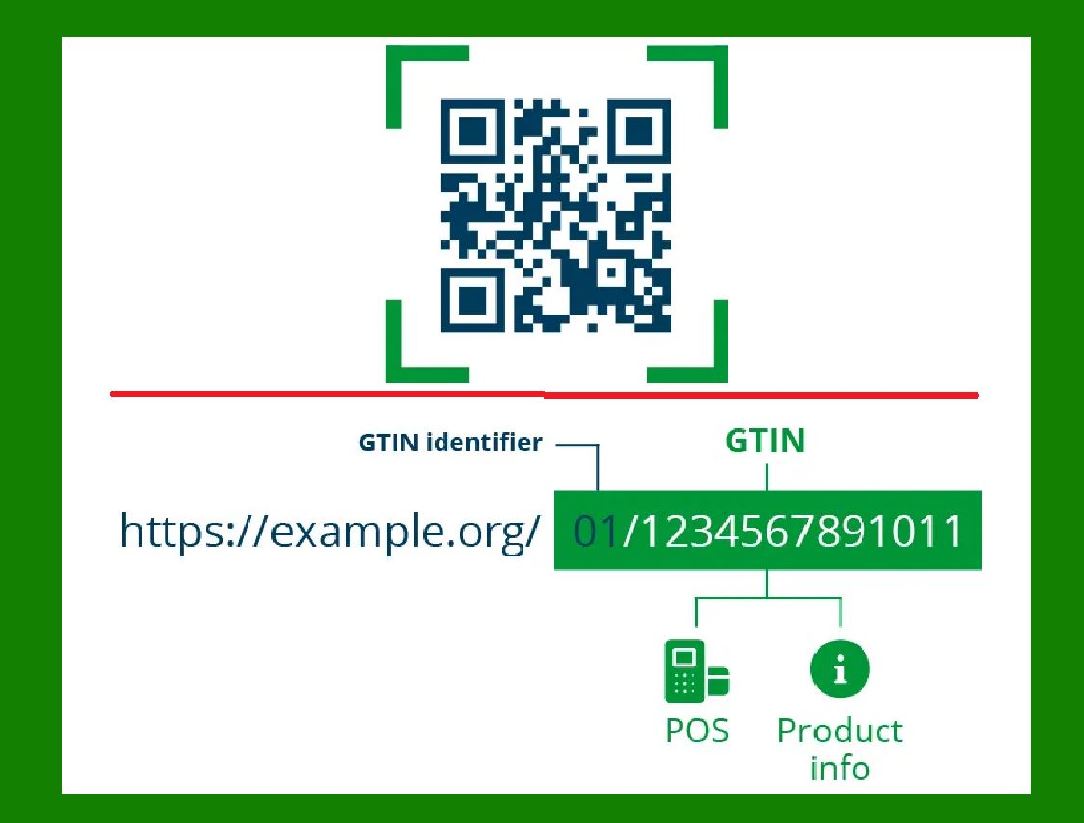
Key components of GS1 Digital Link

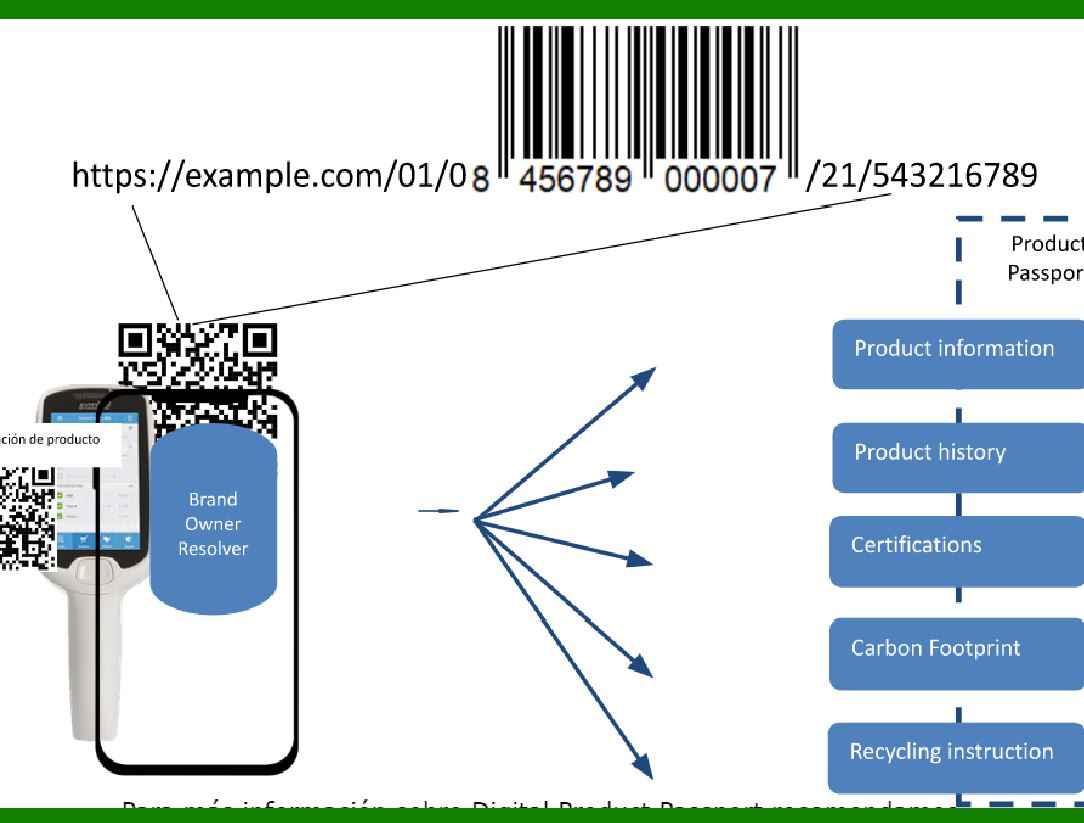
Three key components that make up a GS1 Digital Link URL

1. The domain

Use your brand's own internet domain or set up a subdomain.

2. The GS1 identifier

Use the identifer you are already using on your product.

3. Optional additional data attributes

These attributes could be batch numbers, serial numbers or expiry dates.

Let's dive into the details of GS1 Digital Link URLs.

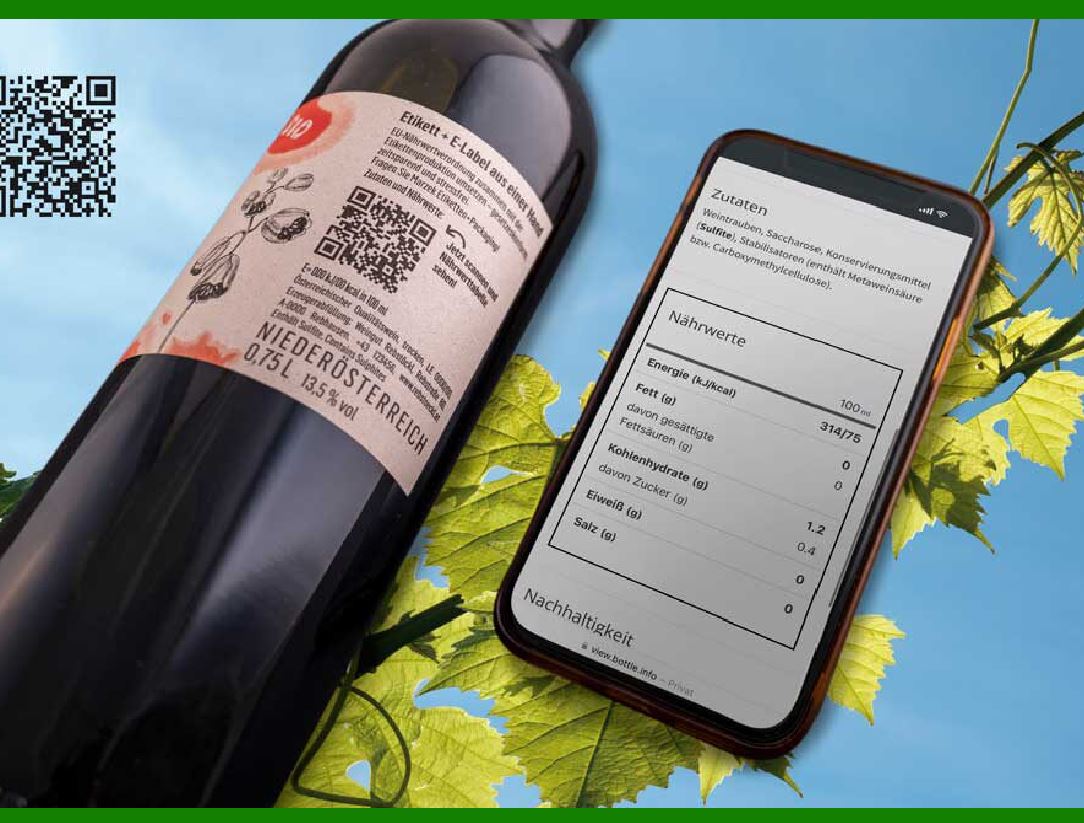
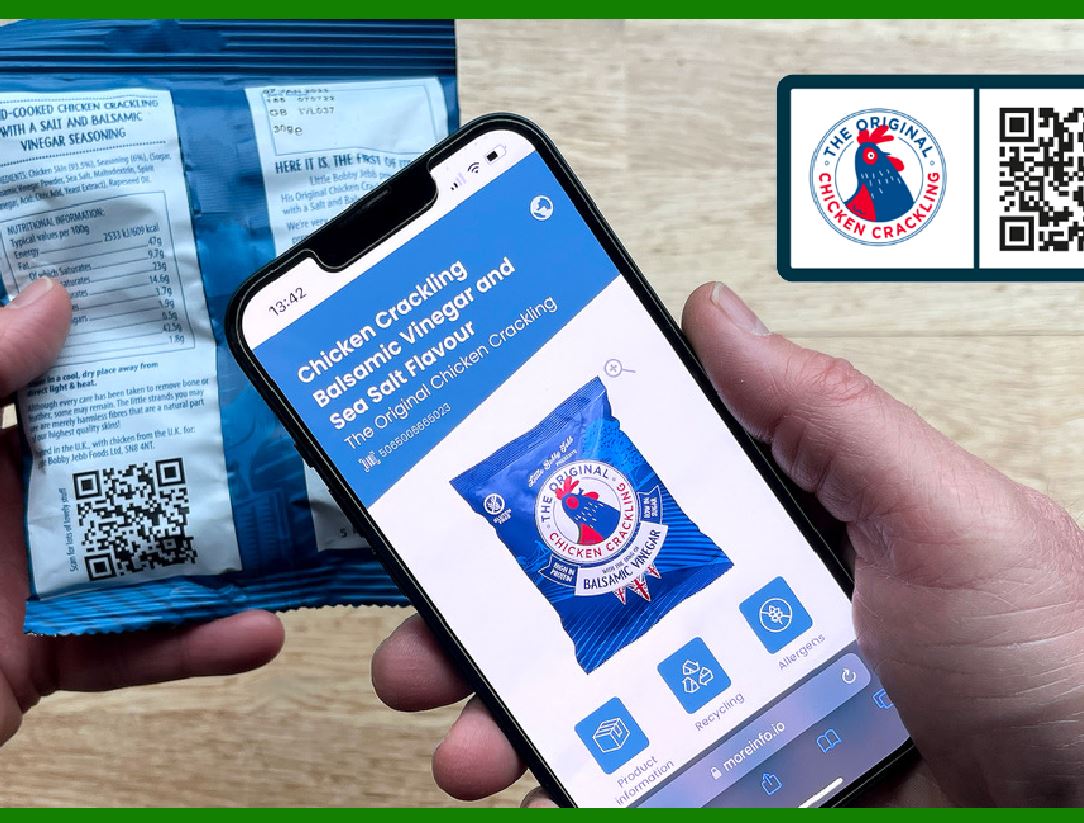
These URLs are a type of 2D barcode that can contain various forms of data, including website links, account information, contact details, or even coupons.

Thanks to the GS1 Digital Link standard, it's now possible to add a GS1 identifier to a web address URL as structured data.

Here are detail information of the three key components:

1. The Domain:

The domain is the first component expressed in your GS1 Digital Link URL.

You have two options for choosing the domain:

Use Your Brand's Own Internet Domain: It is recommended that you build your GS1 Digital Link URLs using a domain name you own. This ensures that consumers will be confident that the URL displayed on their mobile phone is owned by your brand.

Additionally, you’ll have direct access to analytics captured by the website associated with your domain name.

Set Up a Subdomain: If you want to separate portions of your site that warrant their own dedicated file structure, consider setting up a subdomain. Subdomains are normally created and controlled by website administrators.

2. The GS1 Identifier:

The GS1 identifier is a crucial part of the URL. It represents the product's unique identification key.

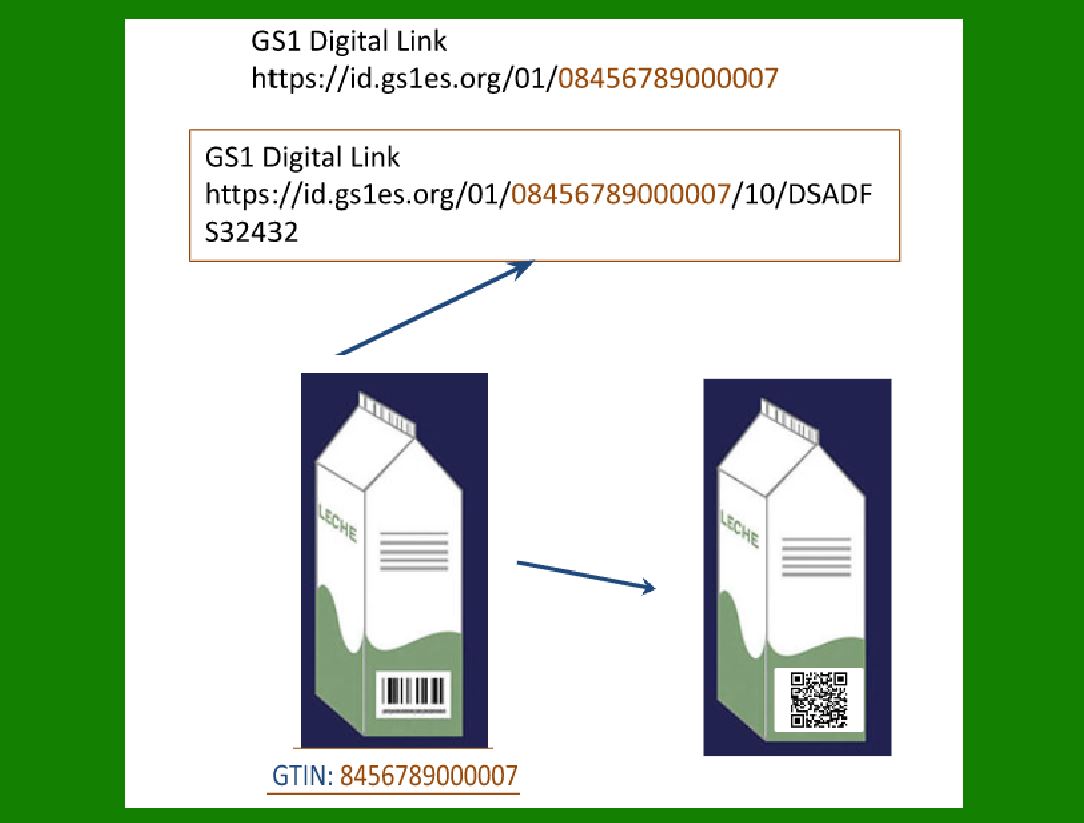
You should use the identifier you are already using on your product. Common examples of GS1 identifiers include GTIN-13 (for barcodes), GTIN-14 (for shipping containers), and SSCC (for logistics units).

For instance, if your product has a GTIN-13 (Global Trade Item Number) assigned, you would include it in the URL as part of the structured data.

3. Optional Additional Data Attributes:

These attributes provide further granularity and context. You can include additional information within the data string of the URL.

Examples of optional attributes include:

Batch Numbers: Used to identify a specific production batch.

Serial Numbers: Useful for serialized products, allowing you to track individual items.

Expiry Dates: Indicates when the product expires.

Including these attributes enhances traceability and provides valuable information for supply chain management and consumer safety.

In summary, a GS1 Digital Link URL consists of your domain, the GS1 identifier, and optional data attributes.

By structuring this information correctly, you enable scanning devices to read your GS1 Identification Keys from 2D barcodes or near-field communication (NFC) tags.

Feel free to explore this powerful standard to enhance your product visibility and data exchange!


EasierSoft Barcode Label Design & Bulk Printing Software

---- Use Excel Data to Batch Print Barcodes on Label Sheets or Roll Labels  

---- How to use this barcode software

Download:  Free Barcode Software + Barcode Label Designer

Download Free Barcode Software at Softonic

     Download at CNET

Once you obtain a GS1/UPC/EAN barcode, or other barcode type and QR code, you can use our free software to batch print barcode labels onto Roll label paper using a professional label printer, or to batch print barcodes onto Avery 5160 label sheets using a regular laser or inkjet printer. Our software has free and paid versions.

The free version fully meets your needs for batch printing GS1/UPC/EAN barcodes. The paid version can import data from Excel and databases to batch print barcode labels with different values.

How to Start

Input Data

Import Excel Data

Print Barcode

Barcode Format

Label Designer

All Screen Shot

Export Barcode Image

Save Template

Output Word Excel

How to Use & FAQ:

Example: Print portrait orientation 5164

Example: Print barcodes to 5167 label

Example: Print barcodes to 5168 label

Example: Print portrait orientation 5168

Example: Print barcodes to 5169 label

Example: Print barcodes to 5660 label

Example: Print barcodes to 5661 label

Example: Print barcodes to 5662 label

Example: Print barcodes to 5663 label

Example: Print barcodes to 5664 label

Example: Print portrait orientation 5664

Example: Print barcodes to 5873 label

Example: Print barcodes to 5874 label

Two ways to import Excel data

Import Excel Data - Pro Edition

Import Excel Data - Std Edition

Import Data from Excel - Detail

Load Data From Excel File

Data Editing Table

Copy Data From Excel

Four ways to input barcode data

Add ASCII Key E

Input Multiple Lines of Text for Barcodes

Generates Sequential Serial Numbers

Import or copy data from Excel sheets

Special sequence number generation

Std Details: Simple Input Form

Std Details: Multiple Line Text Input

Details: Sequence Barcode Generator

Examples: Sequence Barcode Generator

Import Data From Excel Spreadsheet

Barcode Data Correspondence Diagram

Data Editor

Editing a Single Row Data in Form

Batch Editing Multiple Rows of Data

Batch Data Editing - Example 2

Design & print complex barcode labels

Configuring Text Elements on Label

Configuring Barcode Elements on Label

Configuring Image Elements on Label

Setting Line Elements on Label

Designing Labels for 5164 Sheet

Advanced Page Layout Settings

Add Barcode Elements to a Label

Configuring Parameters of a Barcode

Entering Multiple Values for a Barcode

Print barcode labels

Print bulk barcodes - How to start

Four sections of print bulk barcodes

Barcode Filter & Repeat Print Quantity

Highlights

Excel integration: Import data directly from Excel to generate and print barcodes in bulk.

Label designer: Create complex labels with multiple barcodes, text, logos, and shapes.

Batch printing: Print thousands of barcodes at once using standard inkjet/laser printers or professional barcode printers.


Flexible editions:

Standard Edition: Simple batch printing with Excel data.

Professional Edition: Adds command-line automation for workflow integration.

Label Designer Edition: Advanced design features for complex labels.


Why Choose Our Barcode Solutions?

Cost-effective: Free online generator and permanent free desktop version available.

Easy to use: No technical expertise required—just input data and print.

Versatile: Supports nearly all 1D and 2D barcode types, including QR codes.

Trusted: Recommended by CNET and widely downloaded by users worldwide.


Suitable Use Cases

Small businesses and startups needing quick barcode labels for products.

Retailers and online sellers managing inventory with batch barcode printing.

Manufacturers requiring sequential or custom barcode labels for packaging.

Educational and testing environments where barcodes are used for tracking.


CONTACT

cs@easiersoft.com

If you have any question, please feel free to email us.


https://free-barcode.com


<<< Back to Directory <<<     Barcode Generator     Barcode Freeware     Privacy Policy