1. Introduction to RFID Technology |
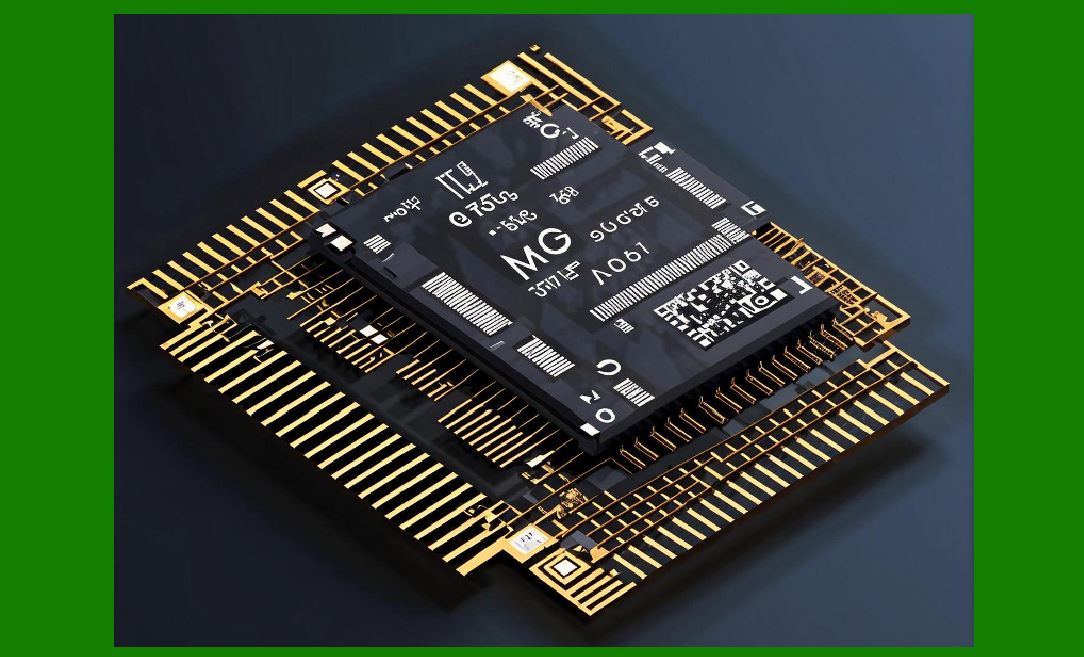
Radio Frequency Identification (RFID) is a technology that allows for the wireless identification and tracking of objects using radio waves. This technology is primarily used for inventory management, access control, and payment systems, among other applications. RFID payment systems rely on the use of RFID cards, which contain embedded chips and antennas that can transmit data when in proximity to an RFID reader. |
RFID payment systems have gained widespread adoption due to their convenience, security, and speed in processing transactions. With the advent of contactless payment cards, smartphones, and wearable devices equipped with RFID technology, this system has revolutionized the way consumers interact with financial institutions, retailers, and service providers. |
|
2. How RFID Payment Systems Work |
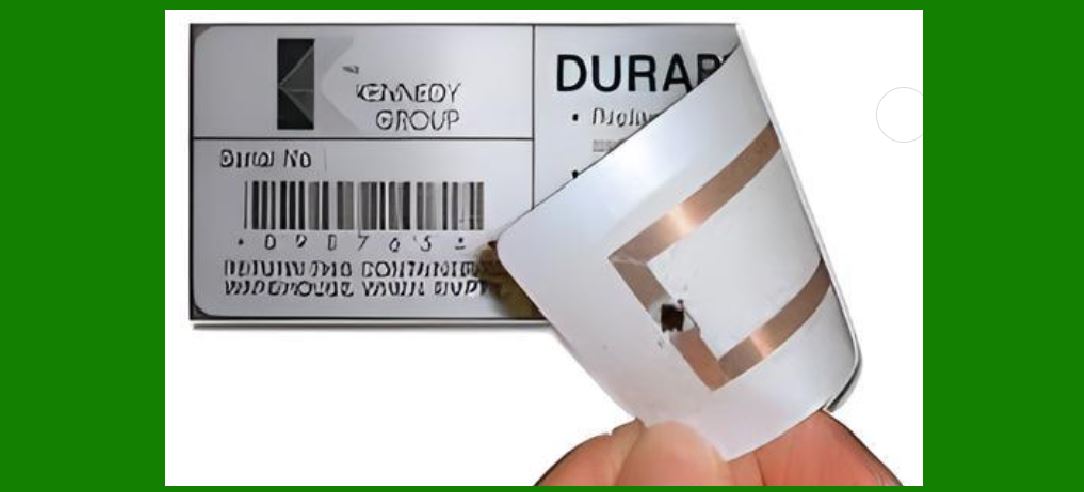
RFID payment technology operates on the principle of radio frequency communication between a card (or device) and a reader. The RFID card contains a small chip and an antenna that transmit and receive radio signals. Here's a breakdown of the process: |
Card Interaction: When a user brings their RFID-enabled card, smartphone, or wearable device near an RFID reader, the reader sends out a radio frequency signal. |
Powering the Card: The RFID card doesn’t have a power source of its own. Instead, it uses the electromagnetic field emitted by the reader to power the embedded chip. |
Data Transfer: The chip transmits data, including the card's unique identification number (UID), to the reader. In payment systems, this data is typically encrypted for security purposes. |
Authentication: The reader sends the data to the payment processor for authentication. If the transaction is valid, the payment is authorized. |
Transaction Completion: Once the transaction is approved, the amount is debited from the user’s account, and a confirmation is sent to the reader. |
This entire process happens in a matter of milliseconds, ensuring a fast and seamless user experience. |
|
3. Components of RFID Card Payment Technology |
RFID card payment systems consist of several key components: |
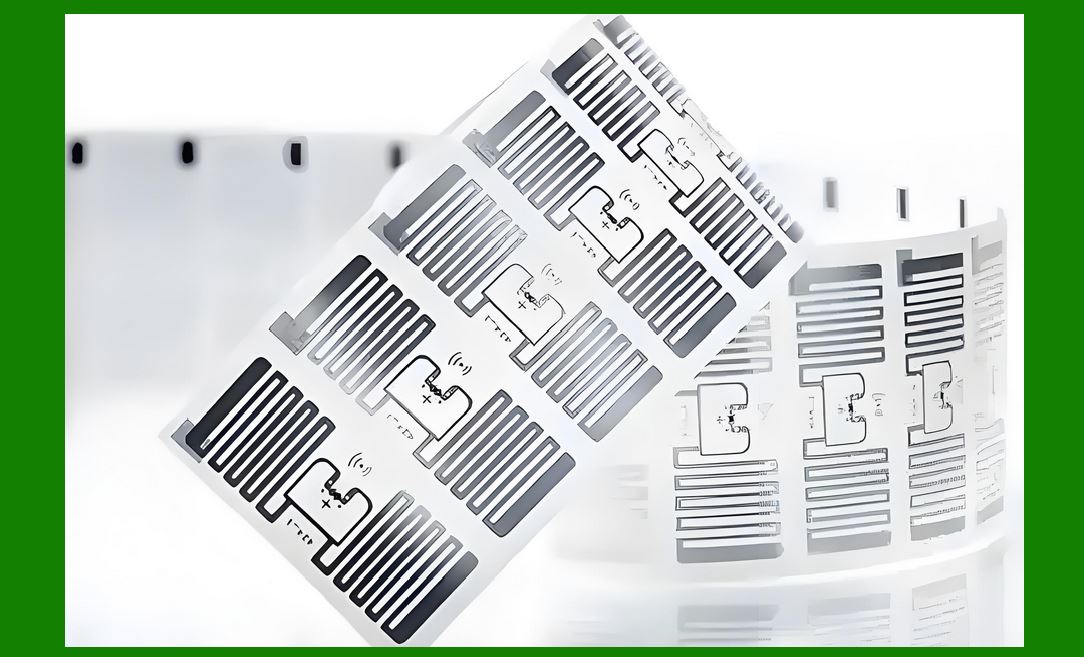
RFID Card (Tag): The card itself contains an embedded RFID chip that stores unique information, such as a serial number and account data. This chip communicates with the reader. |
Reader: The reader emits radio frequency signals to power the RFID card and receives the response. The reader is usually connected to a point-of-sale (POS) system, which processes the transaction. |
Backend Processing System: This includes the payment processor, bank’s systems, and any intermediary networks that ensure secure transaction processing. After receiving the card data, these systems authenticate the user and complete the transaction. |
Security Measures: RFID payments are encrypted to protect users’ data. This ensures that the transaction is secure and that sensitive information (such as account numbers and PINs) is not exposed. |
User Interface (POS Terminal): The point of sale is where the user interacts with the payment system. The terminal displays the transaction details, and the user may be asked to confirm the amount or provide authentication (e.g., PIN or biometric). |
|
4. Types of RFID Payment Cards |
There are different types of RFID cards used for payments, each with its own set of characteristics: |
Contactless Credit and Debit Cards: These are traditional payment cards that are equipped with an RFID chip. They allow for quick and easy transactions by simply tapping the card near a reader. Examples include Visa payWave and MasterCard PayPass. |
Mobile Wallets: Many smartphones have integrated RFID capabilities, allowing users to store their credit, debit, or prepaid card details in a mobile wallet app (e.g., Apple Pay, Google Pay, Samsung Pay). These wallets use Near Field Communication (NFC), which is a form of RFID, to make contactless payments. |
Wearables: Smartwatches, fitness bands, and other wearable devices now often come with RFID chips built-in for payments. These devices offer the same convenience as mobile wallets, but in a more compact and hands-free format. |
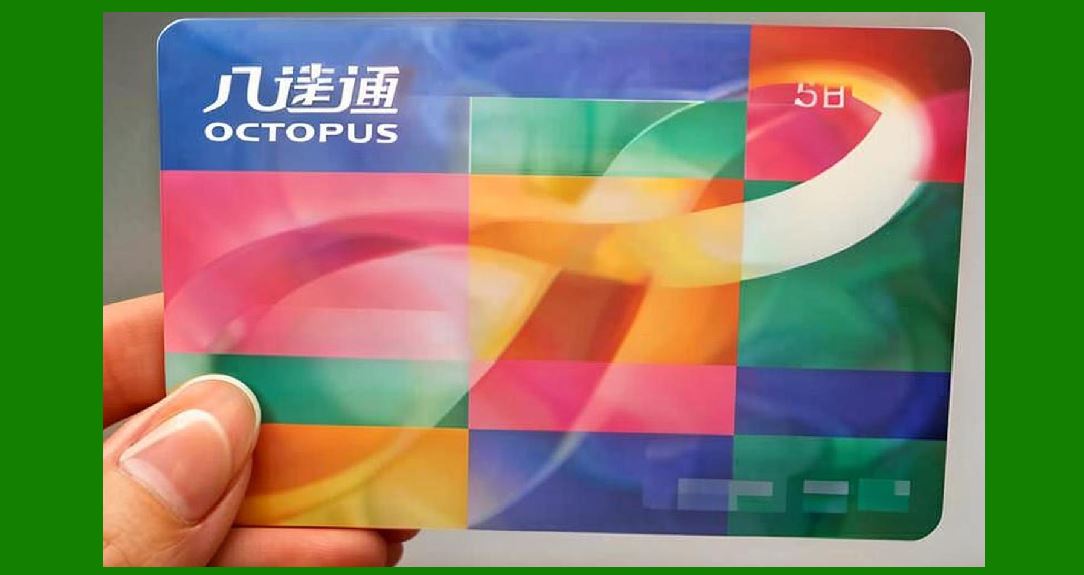
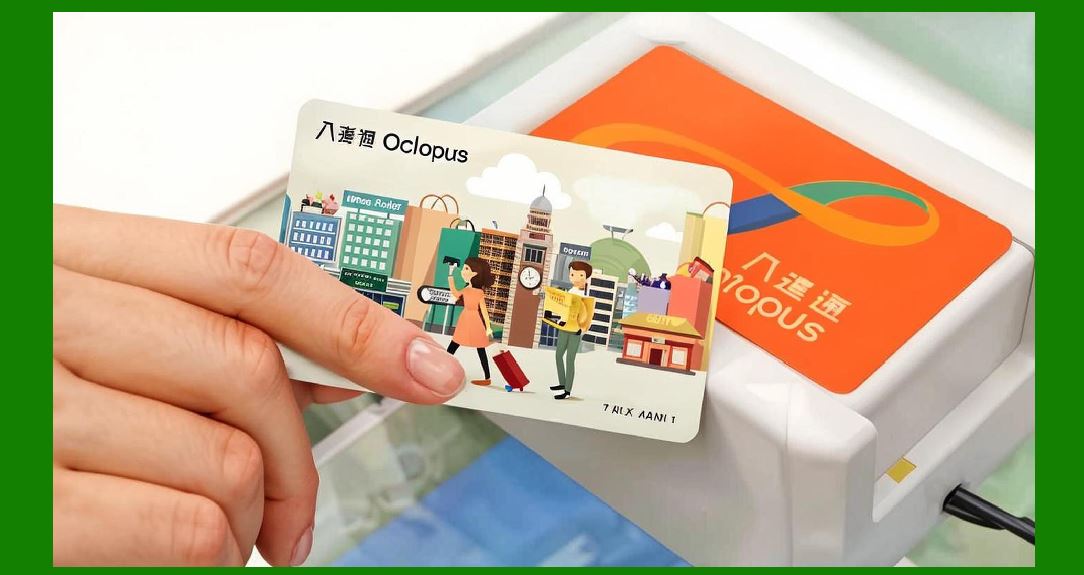
Smart Cards for Public Transport: In some cities, RFID-enabled cards are used for public transport fare collection. These cards are preloaded with a balance and are tapped against an RFID reader at entry or exit points. |

|
5. Advantages of RFID Card Payment Systems |
RFID card payment systems offer several significant advantages over traditional methods of payment, such as cash or magnetic stripe cards: |
Speed: RFID payments are incredibly fast. A typical RFID transaction takes less than a second to complete, allowing for quicker checkouts and reduced queues. |
Convenience: Users do not need to insert their card into a reader, enter a PIN, or sign a receipt (for low-value transactions). A simple tap is sufficient to complete the payment. |
Security: Contactless payments often involve multiple layers of security, such as encryption and tokenization. Additionally, because the card does not need to be physically inserted into a reader, the risk of skimming and card duplication is minimized. |
Reduced Wear and Tear: Since RFID cards don’t need to be physically swiped or inserted into a reader, they tend to last longer than traditional magnetic stripe cards. |
Hygiene: With the global emphasis on hygiene due to the COVID-19 pandemic, contactless payments have become a preferred option since they reduce physical contact with payment terminals. |

|
6. Security Considerations in RFID Payment Systems |
While RFID technology is generally secure, several challenges remain in ensuring the safety of payment transactions: |
Data Encryption: To protect users' data, it is crucial that the information transmitted between the card and the reader is encrypted. Without encryption, attackers could potentially intercept sensitive information like account numbers or transaction details. |
Tokenization: Tokenization is a security measure used in many RFID payment systems. Instead of transmitting the actual account number, the system generates a unique token that is used to represent the account for that particular transaction. Even if the token is intercepted, it is useless without the corresponding private key. |
Distance Limitation: One security feature of RFID cards is the short range of communication (typically within a few centimeters). This reduces the chances of unauthorized access from a distance. However, “eavesdropping” attacks can still occur if the card is too close to a reader without the user's knowledge. |
Anti-Skimming Technology: Skimming is a type of fraud in which an unauthorized reader collects data from an RFID card. To combat this, many RFID cards are now equipped with anti-skimming technology, such as the use of shields or metal layers that block unwanted signals. |
Authentication Methods: Some systems require additional forms of authentication, such as biometric recognition or PIN entry, to complete the transaction. This adds an extra layer of security for high-value transactions. |

|
7. Challenges in RFID Payment Adoption |
Despite its many advantages, RFID payment technology faces several challenges: |
Adoption Costs: Implementing an RFID payment system can be costly for retailers and financial institutions, especially for small businesses. The need to replace older systems and install new readers can be a significant investment. |
Privacy Concerns: Some users are concerned about the potential for RFID cards to be tracked without their consent. Although most systems are designed with security in mind, the perception of privacy risks can deter adoption. |
Limited Global Acceptance: While RFID card payment systems are widely used in many countries, global adoption remains inconsistent. Not all merchants and payment networks support RFID technology, which can limit its usefulness for frequent travelers or international consumers. |
Interoperability: The lack of standardization in RFID technology can lead to compatibility issues between different systems. This can make it difficult for users to rely on their RFID cards across different countries or payment networks. |

|
8. Future Trends in RFID Payment Technology |
RFID payment technology is evolving rapidly, with several key trends shaping its future: |
Integration with Blockchain: Blockchain technology may be integrated into RFID payments to enhance security, transparency, and decentralization. This could reduce fraud, improve transaction verification, and provide more efficient payment systems. |
Wearable and Biometric Payments: The future of RFID payments could see more widespread use of biometric authentication, such as fingerprint or facial recognition, in conjunction with wearable devices. This would streamline the user experience and add a layer of security. |
Contactless Payment Growth: The global trend towards contactless payments is likely to continue, with more retailers and financial institutions adopting RFID technology. This is driven by consumer demand for fast, secure, and convenient payment options. |
Mobile Wallets and Smart Devices: As smartphones, smartwatches, and other wearables continue to incorporate RFID capabilities, mobile wallet apps are becoming increasingly popular. The future could see a seamless integration of RFID payment capabilities into all aspects of daily life. |
Increased Security Features: As the risks of cyber threats grow, the security features in RFID payment systems are expected to become even more sophisticated. Innovations in encryption, tokenization, and anti-theft measures will ensure that payments remain secure in an increasingly connected world. |
|
9. Conclusion |
RFID card payment technology represents a major shift in the way financial transactions are processed. With its speed, convenience, and security, RFID is revolutionizing the payment landscape. As technology advances, we can expect even more seamless and secure payment experiences, driven by innovations in security, mobile wallets, and integration with emerging technologies like blockchain and biometrics. |
This technology’s future is bright, and as adoption grows, it will continue to enhance both consumer and business experiences, reshaping how we interact with money and commerce in the digital age. |

|
RFID Card (Tag): Detail |
1. Overview of RFID Cards (Tags) |
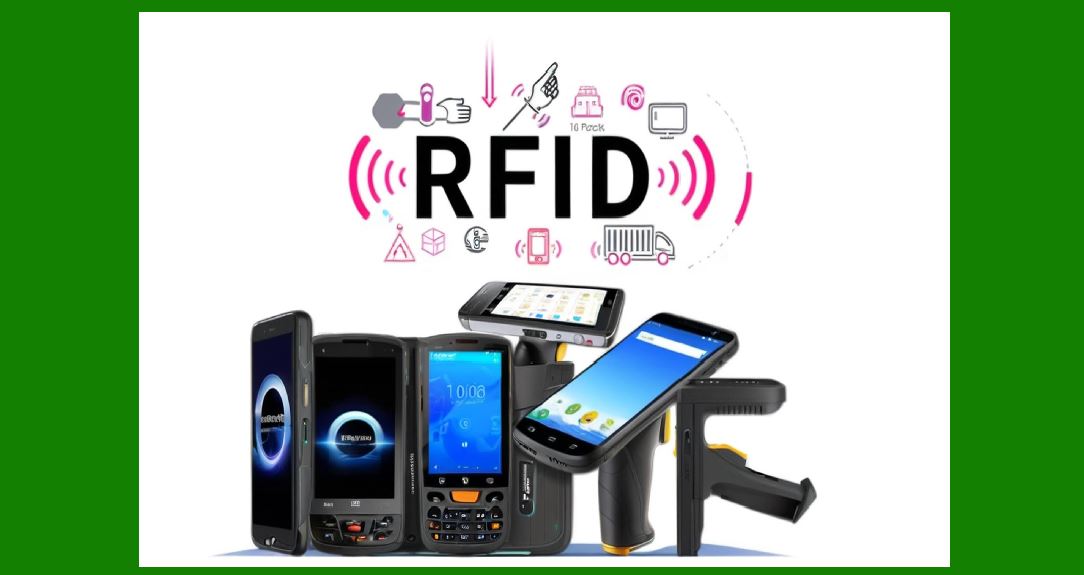
An RFID card, also known as an RFID tag, is a type of smart card that uses Radio Frequency Identification (RFID) technology to transmit and receive data wirelessly. These cards are commonly used in payment systems, access control, identification, and asset tracking applications. RFID cards are embedded with a microchip and an antenna, which allows them to communicate with RFID readers using radio frequency signals. |
RFID cards can either be 'passive' (no internal power source) or 'active' (with an internal power source like a battery). They are a key component in many modern systems, offering convenience, security, and speed for various tasks, including contactless payments and building access. |
|
2. Types of RFID Cards (Tags) |
There are several types of RFID cards, categorized based on their power source, functionality, and technology standards. The main types include: |
2.1 Passive RFID Cards |
No Power Source: Passive RFID cards do not have an internal power source. Instead, they rely on the energy emitted by the RFID reader to power the chip. |
Short Range: These cards typically have a range of only a few centimeters up to a meter, depending on the card and reader design. |
Cost-Effective: Because they do not require batteries or an active power source, passive RFID cards are cheaper to manufacture. |
Common Use Cases: Passive RFID cards are widely used in applications like access control, ticketing, and low-value contactless payments (e.g., public transport fare cards). |
2.2 Active RFID Cards |
Internal Power Source: Active RFID cards are equipped with a small battery that powers both the chip and the communication functions. |
Longer Range: These cards have a longer range than passive RFID cards, typically ranging from several meters to even 100 meters or more, depending on the design and application. |
Higher Cost: Active RFID cards are more expensive to produce due to the added battery and circuitry. |
Common Use Cases: These cards are used in applications requiring longer-range communication, such as asset tracking, fleet management, and high-security access systems. |
2.3 Semi-Passive RFID Cards |
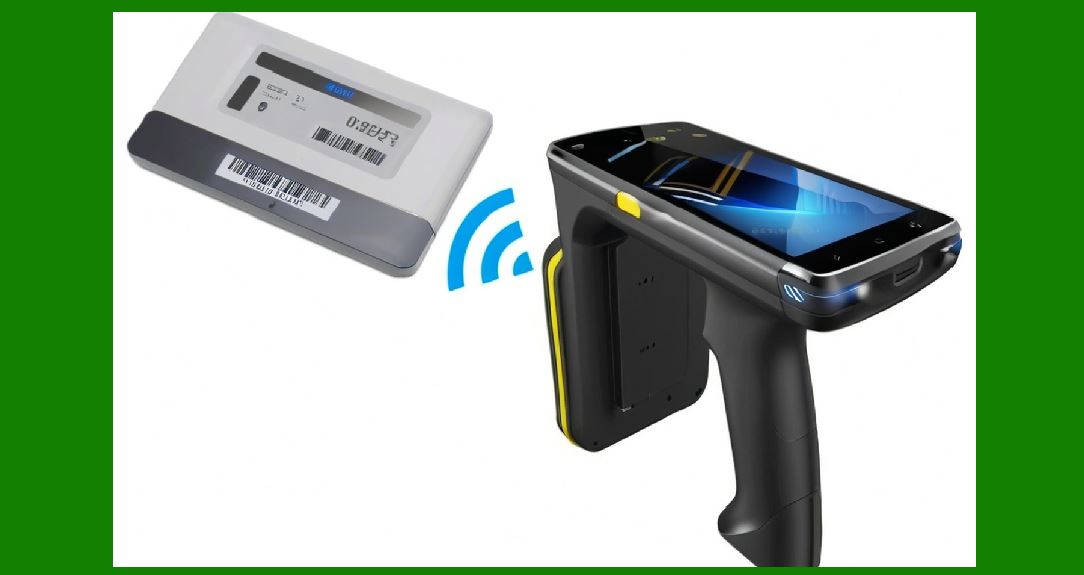
Battery-Assisted: Semi-passive RFID cards include a battery to power the chip, but the card still relies on the reader to initiate communication. |
Moderate Range: These cards generally have a range between passive and active RFID cards, making them suitable for applications that require a moderate communication range. |
Common Use Cases: They are often used in environments where the range needs to be longer than passive cards, but where the cost of active RFID is prohibitive. |
|
3. Components of an RFID Card (Tag) |
RFID cards contain several key components, each contributing to the card's functionality and performance: |
3.1 RFID Chip |
Microchip: The RFID chip stores the card's data and contains the logic for processing and transmitting the information. The chip may hold various types of data, such as the card's unique ID number, account details, encryption keys, and transaction history (in some cases). |
Memory: The chip includes both read-only and read-write memory. Read-only memory (ROM) typically holds permanent information like the card's ID, while read-write memory can store data that can be updated, such as transaction history or security credentials. |
3.2 Antenna |
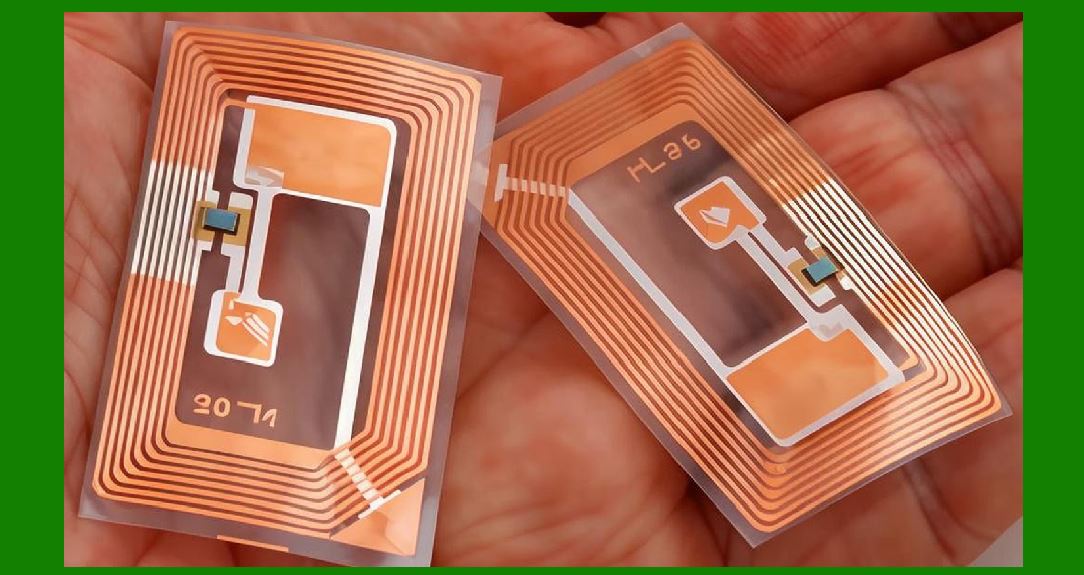
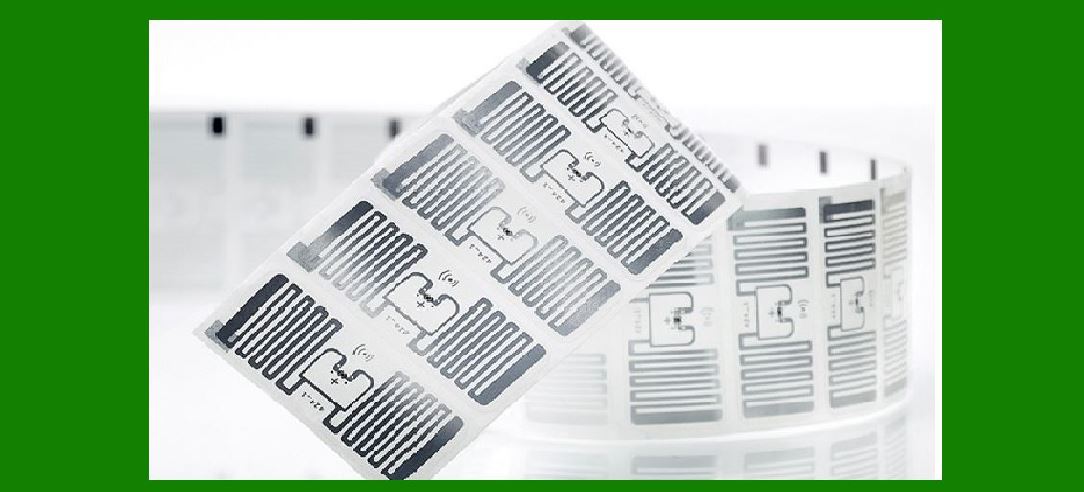
Signal Transmission and Reception: The antenna is responsible for sending and receiving the radio frequency signals between the RFID card and the reader. It is typically a small coil of wire embedded within the card, designed to work with the specific frequency of the RFID system. |
Design and Form Factor: The size and shape of the antenna can vary depending on the design of the RFID card and the frequency range it is intended to operate within. Some cards may have more compact antennas, while others may have larger coils to support longer ranges. |
3.3 Encapsulation |
Protection for the Chip and Antenna: The microchip and antenna are embedded in a durable, protective material, such as plastic or PVC, to shield them from physical damage, moisture, and environmental factors. This encapsulation ensures that the RFID card remains functional throughout its life cycle, even with frequent handling or exposure to various conditions. |
Customization: RFID cards can also be customized with various features, including printed logos, barcodes, and holographic images, for security and branding purposes. |
|
4. RFID Card Standards and Frequency Ranges |
RFID cards operate at different frequency bands, which are defined by international standards. The most commonly used frequency ranges for RFID cards are: |
4.1 Low Frequency (LF) – 125 kHz to 134.2 kHz |
Short Range: LF RFID cards typically have a range of 1 to 10 cm. |
Applications: These cards are often used in access control systems and animal tracking because of their shorter read range and lower cost. |
Limited Data Storage: LF cards generally have limited data storage capabilities. |
4.2 High Frequency (HF) – 13.56 MHz |
Moderate Range: HF RFID cards have a range of 10 cm to 1 meter, depending on the reader and card design. |
ISO/IEC 14443 and ISO/IEC 15693: These are the two main standards used for HF RFID cards. ISO 14443 is widely used for contactless payment cards (e.g., MasterCard PayPass, Visa payWave), while ISO 15693 is used for applications like asset tracking and library cards. |
Applications: HF RFID is commonly used in public transport ticketing, access control, contactless payments, and NFC (Near Field Communication) applications. |
4.3 Ultra-High Frequency (UHF) – 860 MHz to 960 MHz |
Long Range: UHF RFID cards have a range of up to 12 meters or more. |
ISO/IEC 18000-6C: This standard is commonly used in logistics, supply chain management, and asset tracking. |
Applications: UHF RFID is used in inventory management, vehicle tracking, warehouse operations, and retail. |
4.4 Microwave Frequency – 2.45 GHz |
Longer Range: Microwave RFID systems can achieve even longer ranges than UHF systems, depending on the application. |
Specialized Use: These cards are used in more specialized environments, such as vehicle tracking or certain medical applications. |
|
5. RFID Card Data Transmission and Communication |
RFID cards communicate with readers using radio frequency signals, but the method of communication can vary depending on the system and card type. Here are the common communication methods: |
5.1 Inductive Coupling (for Passive RFID Cards) |
Energy Transfer: Passive RFID cards rely on inductive coupling, where the reader generates an electromagnetic field. The card’s antenna captures this energy and powers the chip, which then responds with its data. |
Short Communication Range: This type of communication is typically limited to short distances, as the energy diminishes quickly with distance from the reader. |
5.2 Backscatter Modulation |
Data Transmission: Once the RFID chip is powered, it uses backscatter modulation to transmit data to the reader. This involves reflecting or modulating the signal sent by the reader, thereby transferring the card's information. |
Low Power Consumption: Passive RFID cards are energy-efficient because they only activate when in proximity to a reader. |
5.3 Active Communication (for Active RFID Cards) |
Battery-Powered Transmission: Active RFID cards have an internal power source, which allows them to continuously send and receive data without needing to rely on the reader for power. |
Longer Range: The increased power capacity enables active RFID cards to communicate over a longer range compared to passive cards. |
|
6. Security Features of RFID Cards |
Security is a critical aspect of RFID card systems, particularly in payment applications. Several mechanisms are used to ensure data integrity and prevent fraud: |
6.1 Encryption |
Secure Data Transmission: RFID cards often use encryption to secure data during transmission. The encryption ensures that even if an unauthorized party intercepts the communication, they cannot easily decode the sensitive information. |
6.2 Authentication Protocols |
Mutual Authentication: This protocol ensures that both the card and the reader authenticate each other before any transaction is processed. This is particularly important in payment and high-security systems. |
Challenge-Response Authentication: A random challenge (data request) is sent by the reader, and the RFID card responds with a unique response, proving it is valid. |
6.3 Tokenization |
Data Masking: Tokenization replaces sensitive information (like credit card numbers) with a random token. This ensures that even if the RFID card’s data is intercepted, it cannot be used to access the actual account details. |
|
7. Applications of RFID Cards |
RFID cards are used in a wide range of applications, including: |
7.1 Contactless Payments |
RFID cards are widely used in contactless payment systems, allowing consumers to make quick and secure transactions by tapping their card against a reader. Examples include Visa payWave, MasterCard PayPass, and Apple Pay. |
7.2 Access Control |
Many organizations use RFID cards for building access control. Employees or authorized individuals can gain access to secure areas by scanning their RFID card at entry points. |
7.3 Public Transport |
RFID cards are commonly used in public transport systems, enabling passengers to easily board buses, trains, or subways by tapping their cards at the entry and exit points. |
7.4 Identification |
RFID cards are used for various identification purposes, such as in national ID cards, healthcare cards, and loyalty programs, offering a convenient way to authenticate users. |
7.5 Asset Tracking and Inventory Management |
RFID cards are used in supply chain management and inventory systems, enabling businesses to track assets, goods, and products throughout their lifecycle. |
|
8. Challenges with RFID Cards |
While RFID cards offer many benefits, they also face certain challenges: |
8.1 Privacy Concerns |
There are concerns about unauthorized tracking of RFID cards, especially if they are not properly protected against unauthorized readers. To address this, some RFID cards have privacy features like shielding or encryption. |
8.2 Interference and Range Limitations |
RFID cards may be susceptible to interference from metal objects or liquids, which can affect their communication range or performance. |
8.3 Cost of Implementation |
For large-scale adoption, businesses may need to invest in RFID readers, infrastructure, and software systems, which can be costly. |

|
9. Conclusion |
RFID cards are a critical component of modern systems that require quick, efficient, and secure data transfer. With the growing adoption of contactless payment systems, access control, and asset tracking, RFID technology continues to evolve and find new applications across industries. |
|
RFID Reader: Detail |
1. Overview of RFID Readers |
An RFID reader, also known as an RFID interrogator, is a device that communicates with RFID tags (or cards) to retrieve stored information. It sends a radio frequency signal to the RFID tag, which then responds with its stored data, allowing the reader to identify or track the object to which the tag is attached. RFID readers are used in various applications, including access control, inventory management, logistics, and payment systems. |
The core functionality of an RFID reader involves three main components: |
Transmitter: Emits radio waves to power and communicate with RFID tags. |
Receiver: Receives the signals sent back by the RFID tag in response to the transmitted signal. |
Antenna: Facilitates the transmission and reception of radio frequency signals, often integrated into or attached to the reader. |

|
2. How RFID Readers Work |
The working principle of an RFID reader is based on the exchange of radio signals between the reader and an RFID tag. Here’s a step-by-step breakdown of the process: |
Signal Transmission: The RFID reader emits a radio frequency signal through its antenna. This signal is typically in the range of low-frequency (LF), high-frequency (HF), or ultra-high-frequency (UHF) bands, depending on the RFID system. |
Powering the Tag: If the tag is passive, it does not have its own power source. Instead, it draws power from the reader’s radio frequency signal. This energy powers the chip inside the tag to transmit the information stored within it back to the reader. |
Data Transfer: Once the tag is powered, it responds to the reader by modulating the signal sent by the reader. This data could include a unique identification number (UID), account information, or other stored data. |
Data Reception: The RFID reader receives the signal sent by the tag through its antenna and decodes the data. The reader then sends this data to a connected backend system for processing. |
Action/Response: Based on the information received from the tag, the reader can trigger an action, such as opening a door, processing a payment, updating inventory, or sending the data to a server. |

|
3. Components of an RFID Reader |
RFID readers are made up of several essential components that contribute to their operation: |
3.1 Transmitter and Receiver |
Transmitter: The transmitter generates the radio frequency (RF) signals that power the RFID tags and initiate communication. The RF signals are transmitted at a specific frequency depending on the RFID system. |
Receiver: The receiver captures the data sent by the RFID tag in response to the transmitted signal. The receiver must have high sensitivity to detect the small, modulated signals returned by the RFID tag. |
3.2 Antenna |
Function: The antenna transmits and receives radio signals between the reader and the RFID tag. It plays a crucial role in the effective range and performance of the reader. |
Design: Antennas vary in design and size, with some being embedded in the reader itself and others being external. The range of communication is directly influenced by the size, design, and frequency of the antenna. |
Polarization: Antennas may be polarized in a way that ensures the radio waves travel efficiently in a specific direction or field. This is critical in determining how the RFID tags will interact with the reader. |
3.3 Processor/Decoder |
Data Processing: The processor or microcontroller in the reader decodes the signal received from the tag. It interprets the data and forwards it to the connected backend system or application. |
Signal Conditioning: The microcontroller ensures the received signals are clean and free from noise. It may apply various filtering and processing techniques to extract the correct information. |
3.4 Power Supply |
Energy Requirements: RFID readers require a power source, which can vary depending on the design and application. Some readers may require external power (e.g., through an AC adapter), while others, especially portable handheld units, use internal rechargeable batteries. |
Power Consumption: The power consumption of the reader depends on the type of RFID technology, range of communication, and data processing needs. Energy-efficient models are crucial in reducing operating costs, especially in large-scale deployments. |
3.5 Interface/Connectivity |
Communication with Backend: RFID readers often need to communicate with a backend system or database to process the information received from the tags. Common communication interfaces include: |
USB: Often used for portable or single-point readers. |
Ethernet: Ideal for fixed installation readers requiring network access. |
Wi-Fi: Used in wireless environments where the reader communicates over the local network. |
Bluetooth: Common for short-range, mobile, or handheld RFID readers. |
RS-232/RS-485: Standard serial communication protocols used in industrial environments. |
Integration with Other Systems: In advanced systems, RFID readers are integrated with other technologies, such as cameras, sensors, and point-of-sale systems, to provide more complex functionalities. |

|
4. Types of RFID Readers |
RFID readers come in various forms depending on their application and the type of RFID system being used. These include: |
4.1 Fixed RFID Readers |
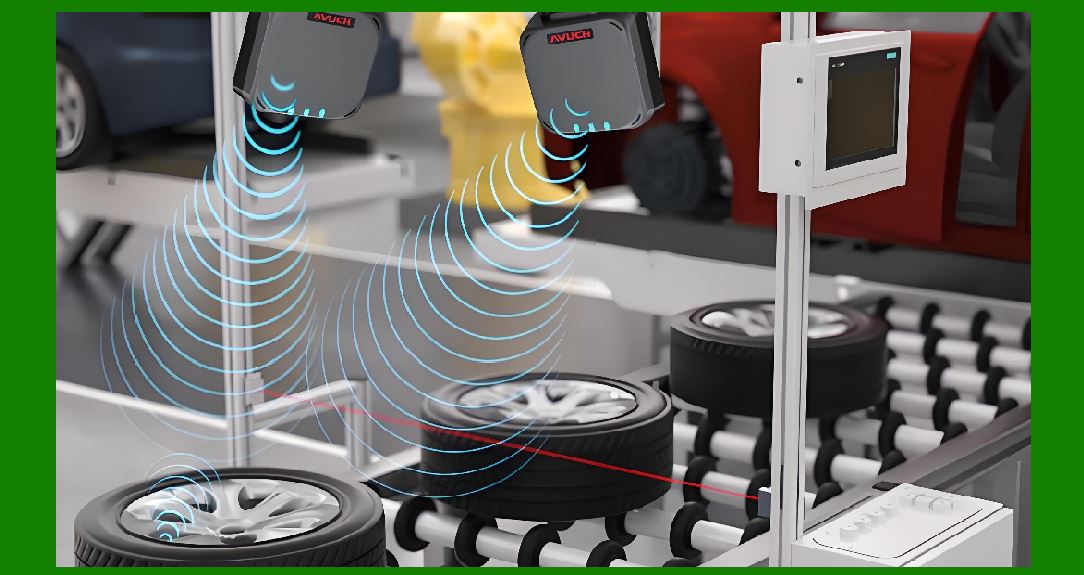
Description: These readers are installed in specific locations such as doors, gates, or checkout counters. They are typically part of a larger RFID system used for access control, inventory tracking, or logistics. |
Usage: Fixed readers are commonly found in warehouses, retail environments, or manufacturing plants. They often have robust construction to withstand harsh environments. |
Range: They can support long-range communication with UHF tags, often ranging from a few meters to tens of meters. |
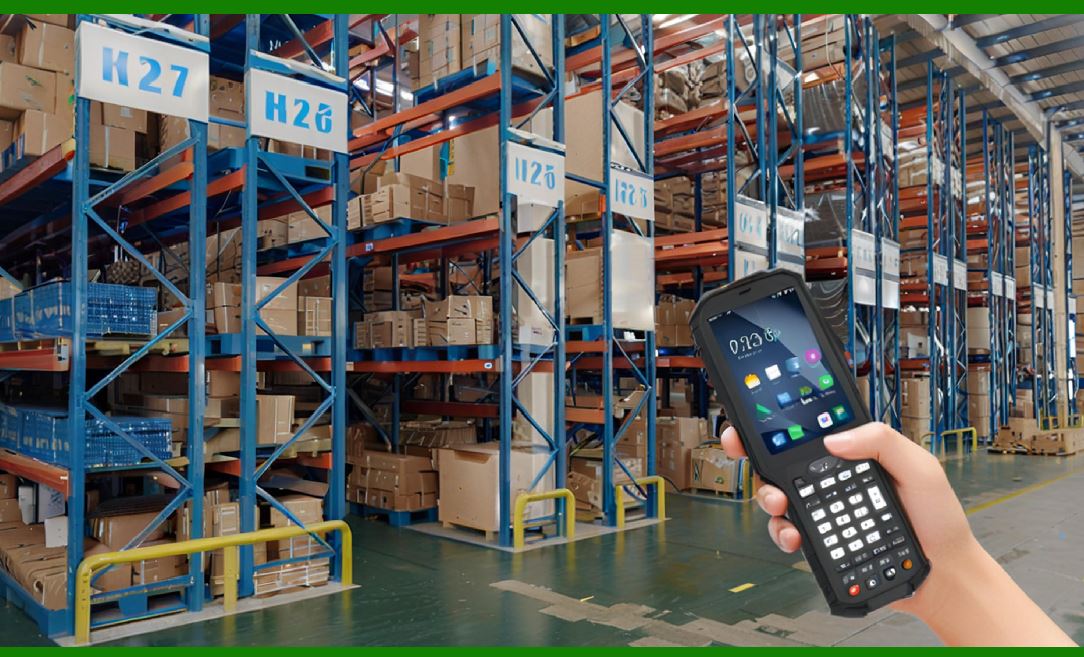
4.2 Handheld RFID Readers |
Description: Handheld readers are portable, battery-powered devices that allow users to manually scan RFID tags at various locations. They are often used for inventory management, asset tracking, and field operations. |
Usage: These readers are commonly used in logistics, field service, and warehouses where mobility is required. |
Range: Handheld RFID readers typically have a shorter read range compared to fixed readers, usually a few centimeters to a meter. |
4.3 Mobile RFID Readers |
Description: These are integrated into smartphones or tablets, allowing users to read RFID tags using their mobile devices. Mobile RFID readers often leverage built-in NFC (Near Field Communication) technology. |
Usage: Popular in retail and consumer-facing applications, mobile readers allow store staff or customers to interact with RFID-enabled products or services. |
4.4 Integrated RFID Readers |
Description: These are embedded into other devices or systems, such as self-checkout kiosks, access control systems, or automated guided vehicles (AGVs). |
Usage: Integrated readers are used when RFID scanning needs to be part of an automated process, such as in manufacturing or logistics automation. |
Range: The range of integrated readers depends on the application and design but is typically shorter than that of fixed readers. |
4.5 Long-Range RFID Readers |
Description: These readers are designed to communicate with active RFID tags or long-range passive tags over distances of 10 meters or more. |
Usage: Long-range readers are ideal for applications in toll collection, vehicle tracking, and large-scale asset management. |
Range: Long-range readers can communicate at distances of up to 100 meters, depending on the RFID tag and the environment. |

|
5. Factors Affecting RFID Reader Performance |
Several factors can influence the effectiveness and performance of an RFID reader: |
5.1 Frequency Range |
Impact on Range: The frequency used by the RFID system affects the range of communication. UHF systems, for example, generally have a longer range than LF and HF systems, but may require more precise alignment. |
Interference: Some frequencies are more susceptible to interference from materials like metal and water, which can absorb or deflect radio waves, reducing the effective range of the reader. |
5.2 Environmental Conditions |
Harsh Environments: RFID readers used in industries such as logistics, construction, or manufacturing need to be designed to withstand harsh conditions like dust, humidity, extreme temperatures, and vibrations. |
Enclosure Standards: Many RFID readers are built with an IP (Ingress Protection) rating to ensure they are resistant to dust and water ingress. |
5.3 Antennas |
Directionality: The design of the antenna (e.g., directional or omnidirectional) affects how the RFID reader interacts with the tags. Directional antennas focus the RF signal in a specific direction, while omnidirectional antennas spread the signal in all directions. |
Antenna Placement: The positioning of the antenna also influences the performance. For instance, an antenna placed in a fixed position can support different distances and coverage areas, depending on how it is installed. |
5.4 Tag Compatibility |
Tag Type: The RFID reader must be compatible with the type of RFID tag being used (e.g., passive or active) and the frequency band (LF, HF, UHF). |
Protocol Standards: Different RFID standards (e.g., ISO 14443, ISO 15693, EPCglobal) may require different readers to handle various types of tags and data formats. |
|
6. Applications of RFID Readers |
RFID readers are versatile and can be used in a variety of industries: |
6.1 Supply Chain and Logistics |
Inventory Management: RFID readers are used to quickly scan and track products or assets as they move through the supply chain, reducing human error and improving efficiency. |
Tracking Shipments: Long-range RFID readers can track goods during transit, ensuring better visibility and reducing losses. |
6.2 Access Control |
Building Entry: Fixed RFID readers are commonly used for employee access control in buildings or restricted areas. Employees use RFID cards to gain entry by simply swiping or tapping their card near the reader. |
6.3 Retail and Consumer Applications |
Checkout Systems: RFID readers are used in retail environments to enable faster checkout, reducing queues and improving the shopping experience. |
Smart Shelves: RFID readers integrated into smart shelves can automatically update stock levels as items are removed or added, improving inventory accuracy. |
|
7. Future Trends in RFID Reader Technology |
7.1 Integration with IoT |
RFID readers are increasingly being integrated with the Internet of Things (IoT) for real-time monitoring and data analysis. This enables automated decision-making and enhances efficiency in various applications, such as smart manufacturing or supply chain management. |
7.2 Improved Performance and Sensitivity |
Advances in reader technology are expected to improve their performance, including greater range, faster read speeds, and better sensitivity to weak or distant signals. This will enhance their utility in larger and more complex systems. |
7.3 Wireless and Mobile RFID Readers |
As mobile RFID readers continue to gain popularity, further innovations in wireless connectivity (e.g., 5G, Wi-Fi 6) will allow for greater flexibility and connectivity, enabling on-the-go scanning in various fields. |
|
8. Conclusion |
RFID readers play a critical role in the success of RFID-based systems, enabling seamless communication with RFID tags to streamline processes such as inventory management, access control, and payment systems. With continuous advancements in technology, the future of RFID readers looks promising, offering greater performance, security, and integration with other emerging technologies. |
|
Backend Processing System of RFID |
1. Overview of the Backend Processing System in RFID Payment |
The backend processing system is the backbone of RFID-based payment systems. Once the RFID reader successfully reads the data from an RFID card (or mobile wallet), this data is sent to the backend systems for further processing. These backend systems typically consist of multiple layers, including payment processors, banks, and intermediary networks that work together to authenticate, authorize, and complete the transaction. |
The primary objective of the backend processing system is to securely authenticate the user, verify the availability of funds, ensure compliance with payment protocols, and facilitate the final transaction between the user and the merchant. |
|
2. Components of the Backend Processing System |
The backend system for an RFID payment transaction includes several critical components. These work together to ensure that the payment is securely processed and completed. |
2.1 Payment Processor |
A payment processor is an entity or technology that acts as the intermediary between the merchant’s bank (also known as the acquiring bank) and the user’s bank (the issuing bank). Its role is to handle the transaction details and ensure the payment request is securely routed to the correct financial institution for verification and approval. |
Transaction Data: After the RFID reader sends the card data to the payment processor, the processor forwards the data (usually encrypted) to the appropriate bank or financial institution for verification. This data may include the card number, transaction amount, merchant information, and any other relevant details. |
Authorization Request: The payment processor generates an authorization request, which includes the user's credentials (such as the RFID card's unique ID), transaction amount, and other relevant details. This request is sent to the issuing bank for validation. |
Response Handling: Once the authorization request is processed by the bank, the processor handles the response and informs the merchant’s system whether the transaction was approved or declined. If the transaction is authorized, the processor also transmits the approval code or transaction confirmation. |
2.2 Issuing Bank |
The issuing bank is the bank that issued the RFID card (credit, debit, or prepaid). The issuing bank is responsible for verifying the authenticity of the user, ensuring they have sufficient funds or credit, and approving or denying the transaction. |
Transaction Verification: Upon receiving the authorization request from the payment processor, the issuing bank checks the user’s account to confirm that the cardholder has sufficient funds or credit to complete the transaction. If the card is linked to a credit account, the bank will verify the available credit. |
Fraud Detection: The issuing bank may also perform fraud detection checks during this process. This includes evaluating transaction patterns, verifying security codes, and checking if the card is reported as lost or stolen. |
Authorization Decision: If everything checks out, the issuing bank authorizes the transaction by sending an approval code to the payment processor. If there are any issues (e.g., insufficient funds, expired card, or suspicious activity), the transaction will be declined. |
2.3 Acquiring Bank (Merchant’s Bank) |
The acquiring bank is the financial institution that holds the merchant’s account. This bank is responsible for processing payments on behalf of the merchant and managing the funds once the transaction is completed. |
Merchant Account: The acquiring bank maintains the merchant’s account and handles the transfer of funds once a payment is authorized. After receiving the transaction approval from the payment processor, the acquiring bank initiates the transfer of funds from the issuing bank to the merchant’s account. |
Settlement and Clearing: The acquiring bank facilitates the settlement of the payment by ensuring that the merchant receives the payment in their account, minus any fees associated with the payment processing. |
2.4 Payment Gateway |
A payment gateway is a critical intermediary that connects the merchant’s system (such as a point-of-sale (POS) terminal or e-commerce site) to the payment processor. It is responsible for transmitting the card data securely to the payment processor and returning the authorization response. |
Data Encryption: The payment gateway ensures that the sensitive card data is encrypted during transmission, protecting it from potential interception or tampering by unauthorized parties. |
Transaction Routing: The gateway routes the transaction details to the appropriate payment processor, based on the merchant’s setup and geographical location. It may also apply fraud detection mechanisms, such as checking for suspicious patterns or verifying the cardholder’s identity through additional authentication methods (e.g., 3D Secure). |
Transaction Reporting: Once the transaction is complete, the payment gateway provides the merchant with detailed transaction reports, including transaction status (approved or declined), amounts, and associated fees. |
2.5 Intermediary Networks (Card Networks) |
Card networks like Visa, MasterCard, American Express, or Discover serve as intermediaries between the issuing bank and the acquiring bank. These networks are responsible for routing transaction data between the various parties and ensuring compliance with payment standards. |
Routing and Communication: When a payment transaction is initiated, the card network ensures that the transaction request is forwarded to the correct issuing bank for authorization and response. It acts as a communication hub, ensuring that the transaction reaches the appropriate destination (e.g., from the payment processor to the issuing bank). |
Interbank Settlements: Card networks also manage the settlement of funds between the issuing bank and the acquiring bank. After a transaction is authorized, the network ensures that the funds are transferred from the issuing bank to the acquiring bank and that the merchant receives payment. |
Transaction Fees: Card networks typically charge fees for facilitating transactions. These fees are shared with the payment processor, acquiring bank, and sometimes the merchant, depending on the agreement. |
|
3. Security Mechanisms in Backend Processing |
Given the sensitive nature of financial transactions, ensuring the security of the backend processing system is paramount. Several security mechanisms are employed to protect both users and merchants during the transaction process: |
3.1 Encryption |
Encryption is crucial for protecting the transmission of sensitive data between the RFID card, reader, payment gateway, and backend systems. SSL/TLS encryption protocols are commonly used to secure the data while it is being transmitted over the internet. In addition to end-to-end encryption, the card data itself may be encrypted to prevent unauthorized access during the transaction. |
3.2 Tokenization |
To further protect sensitive information, tokenization is used. Instead of transmitting the actual card number, a randomly generated token is used to represent the card data. This ensures that even if data is intercepted, it cannot be used to access the cardholder’s actual financial information. |
3.3 Authentication Protocols |
To prevent fraud, various authentication protocols are implemented within the backend processing system, including: |
3D Secure (3DS): A security protocol often used for online transactions, 3D Secure requires cardholders to authenticate themselves through a separate authentication step, such as entering a password or receiving a one-time code via SMS. |
Two-Factor Authentication (2FA): Many backend systems require additional verification, such as a PIN, biometrics, or OTP (One-Time Password), to confirm the cardholder’s identity, especially for high-value or suspicious transactions. |
Fraud Detection Systems: Real-time fraud detection systems analyze transaction patterns and behaviors to identify potential fraudulent activities. If a suspicious transaction is detected, the backend system can flag it for review or automatically decline the payment. |
3.4 Secure Payment Standards |
The backend processing system must adhere to payment standards set by the card networks and regulatory bodies to ensure secure and compliant transactions. These include: |
PCI DSS (Payment Card Industry Data Security Standard): A set of security standards designed to protect cardholder data during the processing, storage, and transmission of payment information. |
EMV (Europay, MasterCard, and Visa): EMV standards specify the use of chip-based cards and secure transaction protocols to reduce fraud risks associated with magnetic stripe cards. |
|
4. Transaction Flow in RFID Payment Systems |
Here is a simplified transaction flow for an RFID payment: |
User Initiates Payment: The user taps or swipes their RFID-enabled card or device near the reader at the point of sale. |
Reader Sends Data: The RFID reader sends the card data to the payment gateway, which encrypts the information and forwards it to the payment processor. |
Authorization Request: The payment processor sends the transaction details to the issuing bank via the card network for authorization. |
Bank Verification: The issuing bank checks the user's account for sufficient funds or credit, performs fraud checks, and either approves or declines the transaction. |
Response and Approval: The payment processor receives the authorization response from the issuing bank and forwards it to the payment gateway. |
Merchant Payment: Upon approval, the acquiring bank processes the payment, transferring the funds to the merchant’s account, minus any fees. |
Transaction Completion: The user is notified of the successful transaction, and the merchant receives confirmation to complete the sale. |
|
 cs@easiersoft.com