1. Introduction: Overview of QR Code Mobile Payment in China |
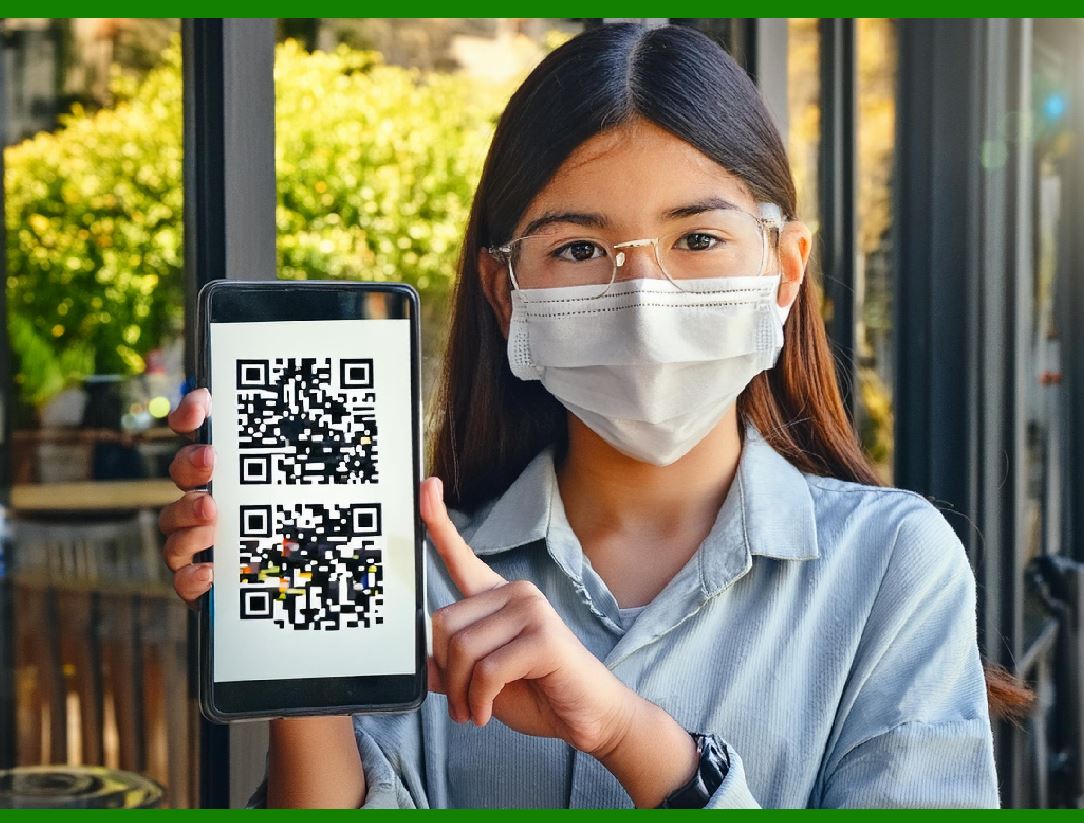
The rapid development of mobile technology and digital finance has profoundly reshaped everyday economic interactions in China. At the heart of this transformation lies an innovation that, while visually simple, has revolutionized consumer behavior-QR codes. Short for 'Quick Response' codes, QR codes have become a ubiquitous fixture across Chinese cities and rural areas alike, serving as the primary medium through which mobile payments are made. From bustling megacities like Shanghai and Beijing to the most remote villages in Tibet and Yunnan, QR codes can be seen stuck to shop counters, fruit stalls, bus stop signs, restaurant tables, and even worn on the uniforms of street performers and beggars. |
QR code mobile payment is a technology-based financial transaction method where payments are initiated and completed using a scannable two-dimensional barcode. With the explosive growth of smartphones and the penetration of the internet into all corners of Chinese society, this technology has been seamlessly integrated into the daily lives of over one billion people. It serves as an engine of financial inclusion, innovation, and efficiency, and provides significant social, economic, and institutional benefits. |
This analysis explores in detail the current status of QR code mobile payment in China, with an emphasis on its technological evolution, deployment across sectors, integration with consumer life, policy framework, and the multifaceted social benefits it has delivered across demographics and economic strata. |
|
2. Historical Context: Origins of QR Code Technology |
The story of QR code mobile payment in China cannot be told without tracing the origins of the QR code itself. Invented in 1994 by Denso Wave, a subsidiary of Toyota in Japan, the QR code was originally designed to track automobile parts in the manufacturing process. It offered a significant upgrade over traditional barcodes by storing a larger amount of information and being readable from any angle, making it particularly suited for fast-paced environments. |
In its early years, however, QR code technology found limited commercial success outside of industrial use. This changed dramatically with the rise of smartphone usage in the 2010s and improvements in camera technology, which allowed ordinary users to scan QR codes using their mobile phones. As mobile apps emerged that could read and process QR codes for purposes beyond mere product tracking-such as for website links, Wi-Fi sharing, or digital identification-new applications began to appear. |

|
3. Adoption of QR Code in Chinese Mobile Payment Ecosystem |
China's financial technology sector was undergoing its own transformation in the early 2010s. Unlike Western countries that had well-established credit card systems, China had a relatively underdeveloped consumer credit infrastructure and lower card penetration. This created fertile ground for leapfrogging directly from cash-based payments to mobile payments. Two tech giants, Alibaba and Tencent, emerged as the architects of this revolution through their respective platforms-Alipay and WeChat Pay. |
In 2011, Alipay launched QR code payments, followed shortly by Tencent's WeChat Pay. These platforms enabled users to make payments by simply scanning the recipient's QR code or showing their own code to be scanned. Transactions could be completed in seconds, with no physical cards or point-of-sale machines required. This drastically reduced the barriers to entry for both consumers and merchants and allowed even informal vendors and micro-entrepreneurs to accept digital payments with no upfront investment in hardware. |

|
4. The Explosive Growth Phase: 2014-2019 |
Between 2014 and 2019, QR code mobile payment usage in China experienced exponential growth. Several factors contributed to this surge: |
Smartphone Penetration: Over 900 million people in China owned smartphones by 2019, the majority of which were capable of scanning QR codes. |
Platform Competition: Fierce competition between Alipay and WeChat Pay led to generous subsidies, cashback campaigns, and red packet (hongbao) promotions, which familiarized users with mobile payment behavior. |
Infrastructure Readiness: China's telecom infrastructure, especially in urban areas, was robust and offered fast, low-cost internet access, further enabling widespread mobile adoption. |
Social Integration: WeChat Pay in particular benefited from its integration into the broader social platform WeChat, allowing users to make payments while chatting, gifting money during holidays, or splitting restaurant bills. |
Small Business Enablement: QR code printouts were cost-free and easy to deploy, enabling hawkers, farmers, and street performers to access digital payment networks. |
By the end of 2019, it was estimated that over 85% of mobile phone users in China had used QR codes for mobile payments. At the same time, thousands of use cases emerged-from supermarkets to vending machines, taxi rides to hospital bill payments. |

|
5. Integration into Everyday Life |
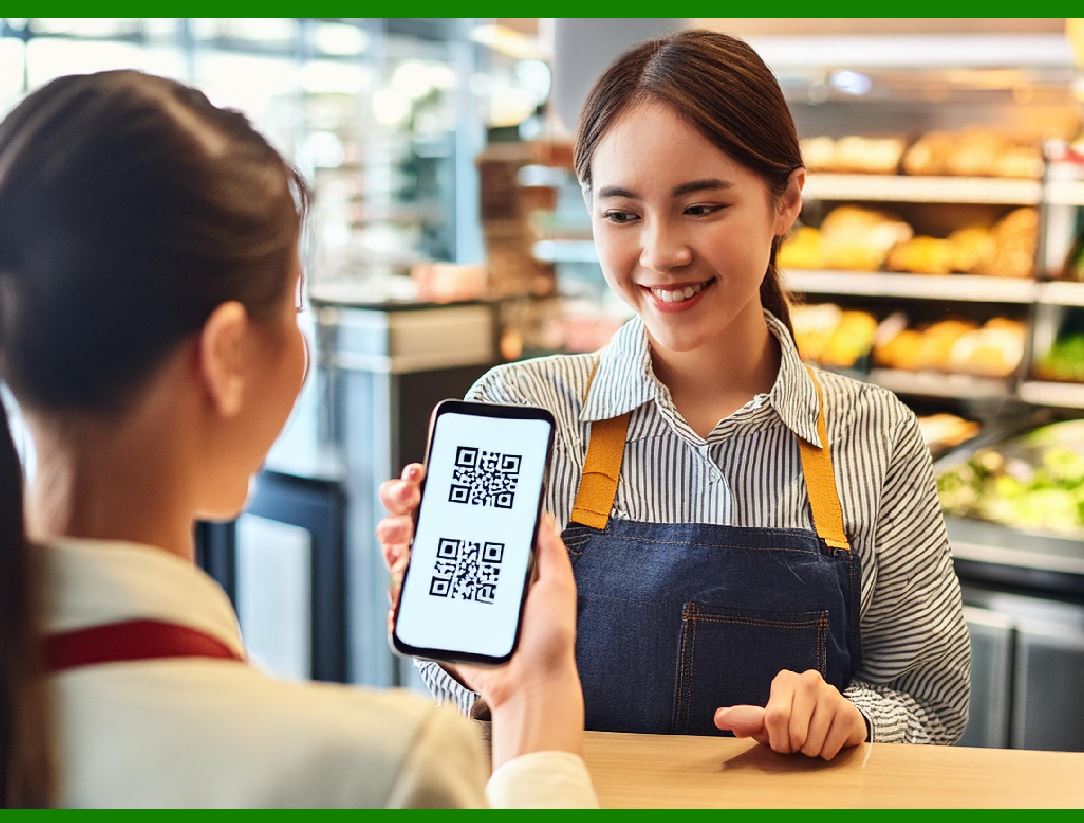
QR codes are now deeply embedded in virtually every aspect of consumer life in China. One of the most striking aspects of their success has been the uniformity of adoption across socioeconomic strata. Whether you are in a luxury shopping mall in Shenzhen or a roadside dumpling stall in a county town, QR codes provide a uniform interface for payment. |
In restaurants, customers scan the table's QR code to place orders and pay. At convenience stores, customers often present their own code, which the cashier scans using a point-of-sale device or smartphone. Even Buddhist temples have adopted QR codes to allow cashless donations. This integration has gone beyond commerce into healthcare, education, transportation, and government services. For example: |
Hospitals: Patients use QR codes to register for appointments, make payments, and receive prescriptions. |
Schools: Parents pay tuition and fees using QR codes sent by educational institutions. |
Public Transportation: QR codes on mobile apps serve as digital bus and subway tickets. |
Public Services: Utility bills, traffic fines, and other government payments are increasingly being paid via QR codes. |
This seamless integration has transformed the act of payment into a background process-almost invisible in everyday transactions. |
|
6. Government Regulation and Policy Framework |
As QR code mobile payment grew in scale and importance, Chinese regulatory authorities began to introduce policies to ensure consumer protection, data security, and market fairness. The People's Bank of China (PBoC) and the China Banking and Insurance Regulatory Commission (CBIRC) played central roles in shaping these frameworks. |
Some notable policy actions include: |
Licensing and Oversight: Only licensed third-party payment providers were allowed to offer mobile payment services using QR codes. |
Interoperability Mandates: The government encouraged interoperability between different QR payment platforms to reduce monopoly risks and increase consumer choice. |
Risk Control Standards: Limits were placed on payment amounts for different user categories to prevent fraud. |
Cybersecurity Requirements: Data encryption, authentication protocols, and user privacy protections were made mandatory for all QR payment apps. |
In 2021, the PBoC launched the e-CNY (digital yuan) initiative, a central bank digital currency (CBDC) that also relies on QR code payment infrastructure. This move demonstrates the state's acknowledgment of the QR ecosystem's value and seeks to create a sovereign complement to privately managed platforms. |

|
7. Technology Infrastructure Behind QR Code Payments |
The robustness of QR code mobile payment systems in China rests on an intricate and highly optimized technological infrastructure. At the core of this infrastructure are real-time transaction processing systems, cloud computing services, and secure data encryption protocols. |
Alipay and WeChat Pay both operate massive data centers and utilize sophisticated artificial intelligence and big data algorithms to ensure transactions are executed in milliseconds. Each transaction begins with the scanning of a QR code using a smartphone's camera, which triggers a backend request to the payment provider's server. The system then verifies the user's credentials, authenticates the payment request, updates account balances, and notifies both parties in real time. |
Additional components include: |
Dynamic and Static QR Code Modes: Static QR codes contain fixed payment destination data and are used by merchants or street vendors. Dynamic QR codes are generated in real time, often incorporating timestamp, payment amount, and merchant data for enhanced security. |
Tokenization: Sensitive payment data is replaced with encrypted tokens, reducing the risk of theft. |
Mobile SDKs and APIs: A vast ecosystem of businesses uses Alipay and WeChat Pay's SDKs and APIs to integrate payment capabilities directly into apps, kiosks, and hardware. |
Offline Payment Support: Many systems allow for small-value transactions to be completed even without a live network, syncing data once the connection resumes. |
By building a secure, real-time, and highly scalable infrastructure, the QR code payment system in China maintains high availability and trust across billions of daily transactions. |

|
8. Major Market Players and Their Ecosystems |
Two dominant players have shaped the QR code mobile payment ecosystem in China-Alipay and WeChat Pay. |
Alipay (by Ant Group, under Alibaba Group): |
Alipay began as a digital wallet for Alibaba's e-commerce platforms. It rapidly evolved into a financial super-app offering not just payments, but credit (Huabei), investment (Yu'e Bao), insurance, wealth management, and international remittances. Through its QR code capabilities, Alipay enables both consumer-to-business (C2B) and peer-to-peer (P2P) transactions. It is deeply integrated with offline retail, government services, ride-hailing, food delivery, and hotel booking systems. |
WeChat Pay (by Tencent): |
WeChat Pay's rise is tied to the phenomenal popularity of WeChat, China's all-in-one messaging, social, and services app. Embedded directly into chats, mini-programs, and social feeds, WeChat Pay allows users to pay with a simple tap or scan. Its ecosystem is rich with services such as social gifting, utility payment, healthcare appointment booking, and online shopping. Its deep integration into daily communication gives it a social advantage. |
These two platforms collectively dominate over 90% of China's mobile payment market. Their reach goes far beyond payment-they are platforms for digital life, transforming how people shop, communicate, travel, and manage their finances. |

|
9. Integration in Rural and Low-Income Areas |
One of the most transformative aspects of QR code mobile payment in China is its penetration into rural and low-income regions. Unlike traditional banking systems that require physical infrastructure, QR code payment requires only a smartphone and an internet connection-both of which have become increasingly accessible. |
Rural Commerce Enablement: |
Farmers and rural vendors who previously dealt exclusively in cash can now accept QR code payments using only a laminated printout. This eliminates the need for costly point-of-sale systems or complex bank setups. |
Mobile Financial Services: |
Rural users can now pay school fees, order farm supplies, send remittances, and receive government subsidies via QR payments linked to their mobile wallets. |
Tourism Development: |
In provinces like Guizhou and Gansu, QR code payment acceptance has enabled eco-tourism and cultural tourism services to cater to domestic travelers accustomed to cashless payments. |
Aid Distribution: |
Government programs and NGOs have utilized QR-linked accounts to distribute disaster relief funds directly to individuals, ensuring efficiency and transparency. |
This broad accessibility has helped to reduce the urban-rural financial divide, empower rural micro-entrepreneurs, and facilitate economic inclusion. |

|
10. Social Benefits in Financial Inclusion |
One of the hallmark benefits of QR code mobile payments in China is the advancement of financial inclusion. This refers to providing financial services to populations previously underserved or excluded from traditional financial systems. |
Banking the Unbanked: |
Millions of Chinese citizens without formal bank accounts now have access to payment systems, loans, savings tools, and insurance services through Alipay and WeChat Pay. |
Women and Youth Empowerment: |
QR-based micro-businesses-such as online shops, social media-based reselling, or neighborhood services-have enabled women and young people to earn income without needing storefronts or capital. |
Credit Access via Data: |
Payment history, QR transaction frequency, and behavioral analytics are used to build alternative credit scores, enabling users to access small loans and buy-now-pay-later schemes even if they lack traditional collateral. |
Reduced Dependency on Cash: |
Cash dependence can be a risk factor in emergencies or for theft-prone regions. QR payment reduces this vulnerability and introduces formal financial practices. |
This ecosystem empowers users with choice, dignity, and access-key indicators of inclusive economic development. |

|
11. Effects on the Informal Economy |
QR code mobile payments have had a profound impact on the informal economy in China. Informal sellers, service providers, and part-time workers-who often operate outside official business registration or taxation systems-have increasingly adopted QR payment. |
Legitimizing Micro-Businesses: |
A street food vendor or hairdresser operating informally can accept QR payments and access data to track income, calculate savings, or even qualify for micro-loans based on transaction history. |
Simplified Taxation and Regulation: |
Governments can use aggregated QR transaction data to identify and regulate informal commerce without needing to deploy massive inspection resources. |
Social Security Enrollment: |
In some pilot programs, QR-based income records have been used to enroll informal workers in pension or health insurance schemes. |
Crime Reduction: |
Reducing cash in circulation has also helped mitigate street-level crime such as theft, extortion, and robbery. |
The digitization of informal commerce elevates these actors into the economic mainstream and strengthens the resilience of the economy as a whole. |

|
12. Impacts on Consumer Behavior and Habits |
The behavioral effects of QR code mobile payments are significant and multidimensional. Notable changes include: |
Impulse Buying: |
The convenience and speed of QR code payments reduce transaction friction, leading to higher frequency of low-value purchases. |
Digital Record Keeping: |
Every transaction creates a digital record, which enables consumers to track spending, manage budgets, and receive spending insights through apps. |
Gamification and Engagement: |
QR codes often activate gamified campaigns such as lotteries, points accumulation, and coupons. This has increased user engagement and loyalty. |
Cashless Social Norms: |
Splitting bills, giving wedding gifts, tipping street performers, and even donating to religious temples have all shifted from cash to QR code. |
Reduced Reliance on Wallets: |
Many urban consumers no longer carry physical wallets, relying solely on their smartphones for all payments. |
The result is a behavioral ecosystem where money flows are more transparent, habits are more data-driven, and consumers are more connected to their financial life. |

|
13. Role in Emergency Situations (e.g., COVID-19) |
The COVID-19 pandemic offered a real-world stress test for many systems around the world, including payment and financial infrastructures. In China, the role of QR code mobile payments during this period became especially vital. As the country implemented mass lockdowns, social distancing, and stringent hygiene protocols, contactless transactions transitioned from convenience to necessity. |
13.1. Minimizing Physical Contact |
QR code payments allowed consumers and businesses to continue engaging in economic activity while minimizing physical contact. Supermarkets, restaurants, and delivery services adopted strict no-cash policies to reduce virus transmission risk. Customers could scan a merchant's QR code from a safe distance, and merchants could verify payment through mobile app notifications-completely contactless. |
13.2. Enabling Safe Deliveries |
With movement restrictions in place, millions relied on e-commerce and delivery platforms. Delivery drivers used QR code-based mobile payments to collect fees without physical contact. In many apartment complexes and quarantine zones, food or medicine was left at the gate or designated shelves, and the receiver would scan a QR code to confirm payment or pickup. |
13.3. Health Code Integration |
Beyond payments, QR codes were used to track health status and travel history. The 'Health Code' system, implemented nationwide, relied on color-coded QR codes to indicate an individual's risk level. Integrated into Alipay and WeChat, these codes determined whether a person could enter malls, workplaces, or public transport. Users would scan their health code QR at checkpoints, linking payment infrastructure to public health surveillance. |
13.4. Supporting Small Businesses |
To help merchants survive economic shutdowns, platforms like Alipay and WeChat Pay rolled out emergency subsidies and fee waivers. QR code donation features allowed communities to support affected businesses or workers. These efforts cushioned the economic blow and showed the flexibility of QR systems in response to crisis. |
In sum, QR code mobile payments played a central role in keeping commerce functioning, ensuring social distancing, and supporting health governance during China's COVID-19 response. |

|
14. Case Studies of Regional Implementations |
To better understand the diversity of implementation, several regional case studies illustrate how QR code mobile payment systems have been tailored to local contexts across China. |
14.1. Hangzhou: Smart City Model |
Hangzhou, home to Alibaba, is often referred to as the birthplace of QR code mobile payment. It pioneered smart urban infrastructure integrating payments, traffic systems, healthcare services, and e-governance through QR-based platforms. Residents use Alipay QR codes to pay for trash collection, rent bikes, enter subway stations, and schedule doctor visits. This ecosystem has become a model for other cities. |
14.2. Guangzhou: Urban-Rural Integration |
Guangzhou's municipal government launched programs to spread QR code payments to suburban and rural districts. Working with Tencent, local authorities provided small grants and training for rural merchants to adopt WeChat Pay. Farmers' markets and village stores now use laminated QR codes for transactions, creating a digital bridge between urban consumers and rural suppliers. |
14.3. Xining (Qinghai Province): Frontier City Transformation |
In more remote areas like Xining, local governments used QR code payments to digitize traditional bazaars and improve transparency in public services. Government subsidies, distributed via QR-linked e-wallets, helped improve residents' access to financial services in regions historically underserved by banks. |
14.4. Chengdu: Cultural Integration |
Chengdu's vibrant food and art scene has embraced QR code payments in street performance, teahouses, and night markets. QR tipping for street musicians, donation to temples, and payment at antique fairs reflect how deeply QR payment has merged with culture. |
These examples show the adaptability of QR code technology across various socioeconomic and geographic contexts. |

|
15. Challenges and Risks Faced |
Despite its many advantages, the QR code mobile payment ecosystem in China is not without challenges. Several risks and issues have emerged as this technology becomes ever more integrated into daily life. |
15.1. Market Concentration and Monopoly Risk |
The near-duopoly of Alipay and WeChat Pay has raised concerns about market fairness and over-consolidation of financial data. These two platforms process the overwhelming majority of mobile payments in China, giving them significant power over consumer behavior and merchant relationships. |
15.2. Data Privacy and Surveillance |
Massive amounts of user data-including purchase history, location data, social contacts, and health status-are collected by QR payment platforms. This data concentration has led to public concerns about surveillance and misuse, particularly in light of integration with government health codes. |
15.3. Fraud and QR Code Scams |
Criminals have exploited QR codes by replacing merchant QR printouts with their own, diverting funds. Though platforms have implemented verification features and anti-fraud alerts, such scams remain a problem, especially for older or low-tech-savvy users. |
15.4. Dependence on Smartphone Access |
QR code payments depend entirely on smartphone access and internet connectivity. Elderly users, those in very remote areas, or people with disabilities may struggle with technological requirements, risking exclusion from the cashless economy. |
15.5. Digital Divide |
Despite wide penetration, pockets of digital illiteracy remain, particularly among older adults and certain rural populations. Bridging this divide requires more than technology-it demands education, outreach, and inclusive policy. |
These challenges point to the need for robust regulation, public education, and inclusive design to ensure the long-term sustainability and equity of QR-based mobile payments. |

|
16. Future Prospects and Digital RMB Integration |
Looking forward, the next stage in the evolution of QR code mobile payment in China is the integration of the Digital RMB, or e-CNY, developed by the People's Bank of China. |
16.1. What Is the Digital RMB? |
The digital RMB is China's central bank digital currency (CBDC), designed to operate alongside existing digital payment platforms while giving the government more direct control over monetary policy, anti-money laundering, and financial transparency. It is issued by the state, unlike Alipay or WeChat Pay which manage commercial balances. |
16.2. QR Code Compatibility |
QR codes remain the primary interface for the digital RMB. Wallet apps provided by major state banks generate QR codes for payment, receipt, and identity verification. These codes can interoperate with existing infrastructure, allowing seamless adoption without hardware changes. |
16.3. Coexistence With Private Platforms |
While the digital RMB seeks to increase state oversight, it is not intended to replace Alipay or WeChat Pay. Instead, it creates a third pillar of the digital payment ecosystem, adding state-backed redundancy and risk management to the system. |
16.4. Cross-Border Prospects |
Trials are underway to use the e-CNY in cross-border trade, particularly with Southeast Asian countries and pilot zones like Hong Kong and Macau. QR code standards are being coordinated across jurisdictions to facilitate interoperability. |
16.5. Programmable Currency |
The digital RMB may enable programmable money-where funds expire, are location-locked, or limited to certain categories of spending-managed through QR code logic. This could help target subsidies, disaster relief, or social aid with unprecedented precision. |
As China moves toward a hybrid model of state-commercial digital currency, QR codes will remain the bedrock of user interaction, combining ease of use with powerful policy tools. |

|
17. Conclusion |
The story of QR code mobile payment in China is a remarkable case study in how simple technologies, when combined with widespread mobile access, supportive policy, and platform innovation, can transform an entire society's relationship with money. |
QR codes have: |
Enabled financial inclusion for hundreds of millions of people. |
Empowered small businesses and informal workers. |
Reshaped consumer behavior toward digital transparency and convenience. |
Reduced crime and increased transaction traceability. |
Supported emergency response during pandemics and disasters. |
Facilitated smart city development and digitized public services. |
Inspired new innovations such as the digital RMB. |
China's success has also created a model studied and emulated worldwide. But this transformation also brings responsibilities-to protect data, avoid monopolies, and ensure no one is left behind in the shift to a cashless future. |
As China continues to build its digital economy, QR code mobile payments will remain not just a tool of commerce-but a symbol of connectivity, inclusion, and innovation. |

|
18. Technical Architecture and Engineering of QR Code Payment Systems |
The underlying technology supporting QR code payments in China is a sophisticated mesh of digital communication protocols, secure databases, machine learning algorithms, and user-interface logic. This section elaborates on the foundational components. |
18.1. Client-Server Architecture |
Both Alipay and WeChat Pay operate on a highly distributed client-server architecture. When a user scans a QR code, their client device (typically a smartphone app) sends a secure API request to backend servers. These servers validate the request, confirm available funds, generate a transaction ledger entry, and send response packets within milliseconds. |
This architecture is designed for high availability and redundancy. Data centers are distributed geographically, with automatic failover mechanisms to prevent service interruption. Servers are constantly synchronized using database replication strategies to ensure consistency. |
18.2. Encryption and Data Security |
QR code mobile payments use multiple layers of encryption to protect user data: |
TLS/SSL Encryption secures the communication channel between device and server. |
Asymmetric RSA Encryption is used for securing user credentials and tokenized payment authorizations. |
Tokenization replaces sensitive data (like card numbers or identity numbers) with one-time-use tokens stored on the cloud or in a secure enclave on the device. |
Further, platforms apply biometric authentication (fingerprint or facial recognition) and behavioral pattern analysis to detect anomalies and prevent fraud. |
18.3. Big Data Infrastructure |
Billions of transactions per day generate an immense stream of real-time data. Payment providers use Hadoop clusters, Spark engines, and cloud-native data lakes to analyze these patterns: |
Fraud Detection Models learn transaction habits and alert users of suspicious behavior. |
User Segmentation Algorithms enable personalized recommendations, discounts, and credit products. |
Location-Based Analytics help merchants adjust pricing, promotions, or inventory. |
This big data backbone is central to QR payment's flexibility, adaptability, and precision. |
18.4. Offline Payment Logic |
A standout innovation in China's QR systems is the ability to make payments without an active network: |
In offline mode, Alipay or WeChat Pay generates a time-limited, cryptographically signed QR code on the user's phone. |
This QR contains transaction authorization tokens, which the merchant scans. |
Once either device reconnects to the internet, the transaction is validated or reversed depending on outcome. |
This is crucial for subways, remote areas, or crowded events where mobile signal is unreliable. |

|
19. QR Code Ecosystem: Standards and Interoperability |
The widespread success of QR code mobile payment in China can also be attributed to the adoption of shared technical standards and industry collaboration. |
19.1. QR Code Formats Used |
QR codes in Chinese mobile payment systems adhere to international ISO/IEC 18004:2015 QR standards but often include proprietary encryption or authentication layers: |
Static QR Codes: Used by merchants or for fixed payments. Often include merchant ID, recipient name, and optional fixed amount. |
Dynamic QR Codes: Generated for each transaction and contain encrypted transaction-specific data, such as amount, timestamp, geolocation, and session tokens. |
Some vendors use Mini QR codes for limited data and high-speed scanning at low resolution, particularly for machine vision applications. |
19.2. National Standardization - QR Code Payment Code GB/T 39743-2021 |
To avoid fragmentation and promote compatibility, the People's Bank of China introduced GB/T 39743-2021, a national standard for QR payment codes. It mandates: |
Unified data structure. |
Compatibility between platforms. |
Requirements for security and encryption. |
Interoperability with the digital RMB. |
This standard ensures that even competing platforms can process QR codes generated by others, improving merchant and user convenience. |
19.3. Platform Cooperation and Merchant Aggregators |
To simplify merchant onboarding, service providers offer payment aggregation platforms that combine Alipay, WeChat Pay, UnionPay QR, and others into one terminal or app. This is especially useful for small vendors, eliminating the need to manage separate accounts or QR displays. |
These aggregators operate using open APIs and SDKs provided by each platform, and use standardized callback formats for payment confirmations. |

|
20. Comparative Global Analysis |
Understanding China's leadership in QR code mobile payments is better appreciated by comparing it with other countries' approaches. |
20.1. United States |
While mobile payment exists (Apple Pay, Google Pay, PayPal), QR code-based payments are less dominant. NFC is preferred for tap-to-pay. QR usage surged during COVID-19 for menus and tipping but remains marginal compared to China's ubiquity. |
20.2. India |
UPI (Unified Payments Interface) powered by NPCI has enabled QR-based payments similar to China, driven by apps like PhonePe, Google Pay (Tez), and Paytm. Like China, UPI uses mobile-linked bank accounts, and QR is common among small vendors. |
20.3. Japan |
Despite its advanced technology, Japan still heavily relies on cash. QR codes are gaining popularity through PayPay, Line Pay, and Rakuten Pay, but not to China's extent. Cultural preferences and conservative banking norms play a role. |
20.4. Southeast Asia |
Countries like Thailand, Vietnam, and Indonesia are experiencing rapid QR code adoption, often inspired by the Chinese model. Standardization efforts such as Singapore's SGQR are promoting interoperability across payment providers. |
China's early start, government support, and large-scale ecosystem integration have kept it far ahead of most of the world in QR payment maturity. |

|
21. Sociological Impact and Lifestyle Transformation |
The proliferation of QR code mobile payment has deeply transformed daily life in China, even beyond economic implications. |
21.1. Urban Mobility |
Subway systems, bus routes, shared bicycles (e.g., Hello Bike, Mobike), and taxis support QR payments. |
City residents routinely enter metro gates by scanning a QR code that links to Alipay/WeChat Pay transit services. |
21.2. Digital Education |
Schools and universities have integrated QR payments for tuition, cafeteria meals, and books. |
Parent-teacher associations collect donations or class fees via QR codes shared on WeChat groups. |
21.3. Religious and Cultural Practices |
Temples accept QR-based donations. |
Street performers, folk artists, and traditional medicine vendors all display QR codes to receive patron contributions. |
21.4. Mental Comfort and Simplicity |
Users feel more secure carrying only their phone. Forgetting a wallet is no longer a crisis. Payments are trackable, categorized, and recoverable if errors occur. |
This fusion of economic, cultural, and psychological change illustrates how QR code payment is more than a tool-it's a social infrastructure. |

|
22. Environmental and Sustainability Effects |
The adoption of QR code mobile payments in China has also yielded significant environmental benefits. By transitioning from paper-based, cash-heavy transactions to fully digital systems, the country has seen a measurable reduction in its ecological footprint related to payment infrastructure. |
22.1. Reduction in Paper Usage |
One of the most immediate environmental benefits is the sharp decline in the need for printed receipts, cash notes, and paper invoices. Millions of paper-based receipts, order tickets, and customer logs have been replaced by digital transaction histories available in user apps. |
Retailers, restaurants, and delivery services offer digital receipts by default. |
Consumers can access a detailed, timestamped purchase log through Alipay or WeChat. |
Tax receipts (fapiao) are increasingly issued digitally and stored in user accounts. |
This transition is particularly impactful in densely populated cities with high transaction volumes, reducing both the demand for raw paper and waste generation. |
22.2. Carbon Footprint Reduction |
Digital payments powered by QR codes also contribute to reducing carbon emissions: |
Fewer armored trucks and delivery routes are required for transporting cash. |
Physical ATM and POS terminal usage has dropped, reducing energy and maintenance costs. |
Streamlined logistics systems rely on mobile payments to manage inventory and transport more efficiently. |
While digital infrastructure has its own energy demands, centralized and cloud-based systems can be optimized far more easily than a fragmented cash-based economy. |
22.3. Minimalist Consumption and Smart Resource Allocation |
QR code ecosystems offer tools for tracking personal spending, budgeting, and reducing waste. Apps notify users of recurring subscriptions, redundant purchases, or overspending-encouraging more conscious consumer behavior. |
Additionally, charity donation features embedded in payment platforms allow users to contribute to environmental causes, disaster relief, and carbon offset programs with just a scan or tap. |

|
23. Insights from User Interviews and Demographic Research |
A qualitative and quantitative look into the experience of different user demographics reveals how deeply QR code mobile payments have integrated into everyday life across China. |
23.1. Youth and Digital Natives (18-35) |
This group is the most enthusiastic adopter. University students use QR codes to: |
Pay for tuition, rent, and cafeteria meals. |
Access campus buses and library systems. |
Split bills and transfer funds instantly among friends. |
Digital natives often prefer QR-based payments to any physical transaction and feel discomfort when visiting areas where mobile payments are not accepted. |
23.2. Middle-Aged Professionals (35-60) |
This demographic uses QR payments for: |
Managing household expenses and groceries. |
Receiving business payments and invoices. |
Paying for children's tuition and school materials. |
They appreciate the convenience and speed, especially when juggling work-life demands. |
23.3. Elderly Population (60+) |
Originally slow adopters, senior citizens in China are increasingly familiar with QR payments: |
Many were trained by family members or community volunteers. |
Local governments introduced 'digital literacy campaigns' with simplified apps. |
Platforms like Alipay added 'Senior Mode', offering larger fonts and fewer features for ease of use. |
Elderly users enjoy the benefit of reduced dependency on physical cash and being able to receive family support via mobile transfers. |
23.4. Rural Residents |
Government initiatives to digitize rural China have led to a surge in QR adoption: |
Farmers use it to sell produce in urban markets. |
Rural clinics accept mobile payments. |
Social security and subsidies are distributed through linked QR code wallets. |
Interviews suggest that QR code payments have improved rural financial autonomy and convenience, despite lingering issues with smartphone access in extremely remote regions. |

|
24. Economic Impact on SMEs and Retail |
Small and medium-sized enterprises (SMEs) have arguably gained the most from QR code payment technologies. These systems lowered the barriers to accepting electronic payments and enabled merchants to compete with larger retailers. |
24.1. Low Setup Costs |
Unlike traditional POS terminals, QR payment only requires: |
A smartphone or tablet for merchant-side transactions. |
A printed QR code display (easily created and distributed). |
A free business account with WeChat Pay or Alipay. |
There are no monthly rental fees, hardware maintenance costs, or significant onboarding complexity. |
24.2. Instant Settlement and Improved Cash Flow |
Merchants receive funds almost instantly or within the same day, improving liquidity and reducing the risks associated with cash handling. |
This improves working capital management. |
Reduces reliance on expensive short-term loans. |
Encourages growth investment. |
24.3. Customer Loyalty Tools |
Platforms offer embedded CRM tools: |
QR-linked point systems. |
Coupons and digital red envelopes. |
Cashback rewards and festival promotions. |
This enables small merchants to compete in digital marketing without expensive software or agencies. |
24.4. Data-Driven Decision Making |
Through the transaction dashboard, SMEs get access to: |
Sales trends. |
Peak transaction times. |
Inventory alerts. |
Even a one-person shop can now make strategic decisions based on real data, previously only accessible to larger chains. |

|
25. Role in Charity, Social Welfare, and Urban Governance |
The use of QR code mobile payments in China extends beyond commercial purposes-it is a valuable tool in governance and social good. |
25.1. Street Donations and Crowdfunding |
Public QR codes allow passersby to instantly: |
Donate to verified charity campaigns. |
Fund medical treatment for individuals in need. |
Contribute to disaster relief. |
Cases of sick children, disaster survivors, or low-income artists have gone viral, supported through mass micro-donations. |
25.2. Urban Welfare Programs |
Municipal governments use QR-based platforms to: |
Distribute unemployment benefits. |
Provide meal subsidies to students. |
Track senior citizen assistance. |
Users scan QR codes to verify eligibility, collect benefits, or check program details. This reduces fraud, administrative costs, and delays. |
25.3. Public Transit and Smart City Applications |
Smart bus stops, subway gates, and street parking systems accept QR payments and integrate with city monitoring dashboards. This creates real-time urban data flows that inform public policy. |
25.4. Volunteering and Community Service |
Volunteers clock in and out by scanning a location QR code, automatically tracking hours and allowing communities to reward civic engagement with coupons, certificates, or digital credentials. |

|
26. Psychological and Behavioral Finance Implications |
While QR code mobile payment offers convenience, it also impacts how people perceive and manage money. |
26.1. Frictionless Spending |
Users tend to spend more via mobile payment than with cash. The tactile and visual experience of handing over bills is removed, reducing spending awareness. |
Studies show higher consumption in restaurants and e-commerce platforms using QR codes. |
Behavioral economists warn of a 'money illusion' in digital contexts. |
26.2. Impulse Purchases |
Gamified features, flash sales, and personalized ads drive users toward impulsive purchases. QR codes lower the transaction barrier, facilitating one-tap purchases or participation in limited-time offers. |
26.3. Financial Literacy Needs |
Despite widespread use, financial literacy remains uneven. QR-based credit products (like Huabei and Baitiao) allow 'buy now, pay later' behavior. Without understanding compound interest or repayment schedules, some users fall into digital debt cycles. |
26.4. Security Comfort vs. Complacency |
Most users report high satisfaction with payment security, yet this sometimes leads to complacency. Many users: |
Click payment links without scrutiny. |
Trust any QR code shared in a group chat. |
Fail to recognize phishing attempts disguised as QR requests. |
This underscores the need for ongoing digital literacy campaigns. |
|
27. Challenges to Replication in Other Countries |
While China's success with QR code mobile payments is often cited as a model for digital transformation, replicating this system in other countries presents numerous cultural, infrastructural, and regulatory challenges. |
27.1. Cultural Habits and Cash Preference |
Many societies remain deeply rooted in cash culture: |
In Germany, privacy concerns lead many citizens to distrust centralized payment records. |
Japan values precision and formality in payments, which slows QR adoption despite technological sophistication. |
Without widespread consumer and merchant willingness to embrace mobile-first payments, QR code systems face uphill battles. |
27.2. Fragmented Financial Infrastructure |
In the U.S. and parts of Europe, the financial ecosystem is fragmented: |
Multiple banks and payment processors operate with limited interoperability. |
Card networks dominate, and QR-based settlement frameworks are less common. |
Digital wallets like Venmo or Apple Pay use different standards. |
China's success relied heavily on the centralization of financial services within platforms like Alipay and WeChat Pay, enabled by fewer legacy systems and a more unified market structure. |
27.3. Lack of Digital Identification Systems |
In China, real-name authentication is mandated and integrated into digital wallets. Many countries lack such infrastructure, complicating: |
KYC (Know Your Customer) checks. |
Instant account opening. |
Interlinked service platforms (e.g., social security, education, commerce). |
Without reliable identity frameworks, QR-based payments risk fraud and compliance issues. |
27.4. Telecommunication and Smartphone Gaps |
Though smartphone penetration is growing globally, in many developing regions: |
Devices are outdated or incompatible. |
Internet access is unreliable. |
Users may be illiterate or unaccustomed to digital interfaces. |
QR systems demand a baseline of device quality and connectivity that may not yet be widespread. |
27.5. Regulatory Restrictions |
Different jurisdictions have: |
Stricter data privacy laws (e.g., GDPR in Europe). |
Central bank resistance to third-party digital wallets. |
Concerns over competition and monopolies. |
These restrict the aggressive expansion strategies seen in China's market, where Alibaba and Tencent gained dominance early with minimal initial resistance. |
|
28. Government Regulation and Fintech Oversight |
The evolution of QR code payments in China was initially fueled by market innovation, but has gradually been brought under tighter regulatory supervision to ensure financial stability, competition, and data protection. |
28.1. The Role of the People's Bank of China (PBoC) |
The PBoC serves as the primary regulatory body overseeing: |
Payment infrastructure standards. |
QR code format unification (GB/T 39743-2021). |
Risk mitigation mechanisms and capital reserve requirements for payment institutions. |
It ensures that non-bank payment providers do not pose systemic risks or engage in anti-competitive behavior. |
28.2. Real-Name System and Data Compliance |
All users of QR payment platforms must register with real identities, verified through ID cards and bank accounts. This: |
Prevents money laundering and fraud. |
Enables clear audit trails for authorities. |
Supports integration with government services and taxation. |
Data localization laws require that user data remains within China and be accessible to regulators if needed. |
28.3. Anti-Monopoly and Market Competition Rules |
In recent years, regulators have: |
Ordered Alipay and WeChat Pay to enable interoperability. |
Discouraged exclusive contracts with merchants. |
Prevented bundling of unrelated financial products. |
These steps aim to level the playing field for emerging fintechs and traditional banks. |
28.4. Security and Risk Management Requirements |
Platforms must: |
Conduct regular third-party security audits. |
Invest in AI-based fraud detection. |
Set transaction limits and cooling-off periods for high-risk payments. |
Government agencies routinely simulate cyberattacks to test QR code ecosystem resilience. |
28.5. Support for Digital Yuan (e-CNY) Integration |
The launch of China's digital currency, the Digital Renminbi (e-CNY), is fully interoperable with QR code systems. Platforms are required to support dual-currency wallets, allowing: |
QR payments via e-CNY directly. |
Instant conversion between traditional and digital currency balances. |
This allows the state to maintain sovereignty in digital payments while benefiting from the existing QR ecosystem. |
|
29. Summary and Long-Term Outlook to 2030 |
29.1. Achievements to Date |
China's QR code mobile payment system has: |
Digitized over 80% of consumer transactions in urban areas. |
Empowered 100+ million micro-merchants and SMEs. |
Reduced cash handling and banking costs by billions of yuan. |
Lowered barriers for financial inclusion and charity participation. |
Improved public service efficiency via integrated payment systems. |
These benefits are both technical and deeply social, making QR payment a transformative infrastructure. |
29.2. Expected Innovations |
By 2030, QR code payments in China are projected to evolve through: |
Biometric authorization-first QR payments, combining face scans with tokenized QR IDs. |
AI-powered financial health advisors integrated into QR wallet apps. |
Decentralized identity solutions, reducing reliance on centralized KYC. |
Offline peer-to-peer QR payments, enabled by device-to-device mesh networking. |
One-code-for-all ecosystem, merging retail, tax, credit, identity, and logistics into unified QR formats. |
29.3. Risks and Mitigations |
Key risks include: |
Cybercrime growth targeting QR platforms. |
Privacy overreach by commercial platforms or state actors. |
Digital divide for elderly and remote communities. |
Ongoing regulation, education, and platform design improvements are needed to ensure equitable and secure participation. |
29.4. International Leadership |
China is exporting its QR payment technology: |
Alipay+ enables Chinese-style QR payments abroad. |
Collaboration with ASEAN countries to create cross-border QR interoperability. |
Contribution to global QR standardization efforts. |
This positions China as both a user and architect of the global QR financial framework. |
|
30. Final Evaluation and Strategic Insights |
QR code mobile payments in China represent one of the most successful examples of grassroots digital financial transformation in the world. What began as an innovation to reduce transaction friction has grown into a system that: |
Empowers individuals across all income levels. |
Streamlines commerce for millions of businesses. |
Supports social inclusion, governance, and sustainability. |
Represents the convergence of fintech, AI, and national digital strategy. |
Strategic Takeaways: |
Simplicity and inclusiveness are more powerful than advanced features. |
Partnerships between public and private sectors are critical for adoption. |
Trust, security, and familiarity are necessary to scale any payment technology. |
Global implication: While QR code mobile payment's success in China cannot be perfectly replicated elsewhere, the core principles-ease of use, low cost, high integration-offer a roadmap for other nations aiming to modernize their financial systems. |
|
Summary and Conclusion |
Over the past decade, QR code mobile payment systems have fundamentally transformed the way transactions are conducted in China. What began as a tech innovation aimed at simplifying small payments has evolved into a nationwide infrastructure touching every aspect of daily life-from individual consumption and retail operations to government services, rural revitalization, and global financial influence. |
Key Milestones |
Over 90% of urban consumers regularly use QR code payments via platforms such as Alipay and WeChat Pay. |
Hundreds of millions of merchants, from high-end retailers to street vendors, accept QR payments with minimal infrastructure. |
QR code payments now account for over ?200 trillion (~$28 trillion USD) in annual transaction volume in China. |
Social Benefits |
1.Financial Inclusion |
QR codes have brought formal financial tools to underserved groups, including rural farmers, small business owners, and the elderly. |
2.Business Empowerment |
Small and medium-sized enterprises (SMEs) use QR-based payments for transactions, customer analytics, loyalty programs, and inventory management-all without high setup costs. |
3.Public Service Integration |
Government agencies leverage QR payments for tax collection, social welfare distribution, transit systems, and health code verification. |
4.Emergency Response and Charity |
Rapid donations and fundraising through QR codes have supported healthcare, natural disaster relief, and personal medical crowdfunding. |
5.Environmental Sustainability |
The digital shift reduced paper usage, transportation for cash handling, and overall carbon emissions, promoting a greener financial ecosystem. |
Technological and Regulatory Highlights |
A national QR code standard (GB/T 39743-2021) ensures interoperability across platforms. |
Real-name authentication and AI-powered fraud detection enhance security. |
The integration of Digital Yuan (e-CNY) into existing QR frameworks ensures national monetary sovereignty while embracing innovation. |
Antitrust reforms promote open access and healthy competition among digital payment providers. |
Challenges and Mitigations |
Digital Divide: Older adults and remote rural populations still require outreach and tailored interfaces. |
Security Risks: Increased awareness and real-time fraud detection tools are crucial to combat QR-related scams. |
Overspending & Behavioral Biases: Financial literacy programs must accompany growing digital convenience. |
Global Relevance |
China's QR payment revolution offers critical insights for other nations: |
Simplicity, low cost, and trust matter more than cutting-edge features. |
Government support and standardization are essential for ecosystem growth. |
Platforms must serve not only economic, but also social, civic, and environmental goals. |
Looking Forward to 2030 |
By 2030, QR code payments in China are expected to: |
Merge seamlessly with digital identity and smart city platforms. |
Support biometric authorization, offline payments, and AI financial assistants. |
Continue shaping cross-border interoperability standards and fintech diplomacy in Asia and beyond. |
|
Conclusion |
The QR code mobile payment system in China is more than a financial tool-it is a social infrastructure, a technology platform, and a catalyst for inclusive economic development. Its impact is unmatched in scale, depth, and speed. As global economies strive toward digitization, China's experience stands as a powerful case study in how digital innovation can be harnessed to serve not just profit, but people. |
 cs@easiersoft.com