1. Introduction to RFID Technology in Healthcare |
Radio Frequency Identification (RFID) technology has revolutionized multiple sectors, and healthcare is no exception. RFID uses electromagnetic fields to automatically identify and track tags attached to objects. Unlike barcodes, RFID tags do not require direct line-of-sight scanning. The tags contain stored data that can be read remotely, offering significant advantages in speed and automation. In the healthcare industry, RFID has proven to be an effective tool for improving patient care, operational efficiency, and safety. |
Healthcare systems often deal with critical, time-sensitive processes such as patient tracking, equipment management, medication administration, and asset management. RFID's non-intrusive nature allows it to be integrated into various areas of healthcare to enhance these processes. RFID tags are placed on patients, medications, medical equipment, and even staff members, enabling seamless data retrieval and real-time monitoring. |

|
2. Types of RFID Technology Used in Healthcare |
There are three main types of RFID technology commonly used in healthcare settings: |
Passive RFID: These tags do not have an internal power source and rely on the radio waves from an RFID reader to power the tag. Passive RFID tags are affordable, lightweight, and do not require regular battery replacements. These are most commonly used for patient identification, asset tracking, and inventory control. |
Active RFID: These tags have a built-in battery that powers the tag, allowing them to transmit signals autonomously. Active RFID tags are typically used in high-value asset tracking, such as tracking surgical instruments or large medical equipment, where long-range communication is necessary. |
Semi-Passive RFID: A hybrid between passive and active RFID, semi-passive RFID tags contain a battery but rely on external readers for communication. These tags are commonly used in scenarios where more frequent data collection is required but the range and power of active RFID tags are not necessary. |

|
3. Key Applications of RFID in Healthcare |
3.1 Patient Tracking and Identification |
One of the primary applications of RFID in healthcare is patient tracking and identification. Hospitals face the challenge of maintaining accurate and up-to-date records on every patient. RFID provides an efficient solution for monitoring patients' movements within the hospital. |
Patient Wristbands: RFID-enabled wristbands are commonly used to identify patients upon admission to a healthcare facility. The wristbands contain unique patient identifiers that can be read by RFID readers, ensuring quick and accurate identification throughout the patient's journey, from admission to discharge. |
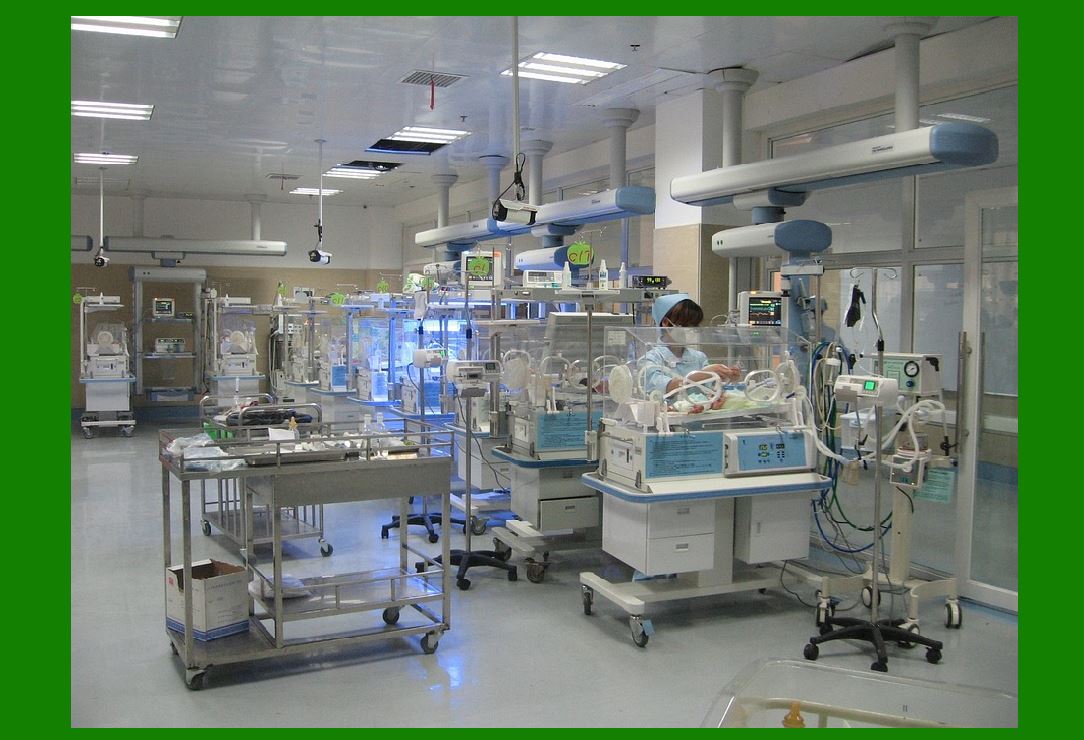
Real-Time Location Systems (RTLS): RTLS based on RFID technology can track the real-time location of patients within a healthcare facility. By installing RFID tags on beds, wheelchairs, and patient wristbands, healthcare providers can track patient movements and respond swiftly in emergencies, reducing the risk of lost patients or delayed treatments. |
3.2 Inventory and Asset Management |
Managing medical equipment, supplies, and medications in a hospital or clinic can be a complex task, especially when these items are shared across different departments. RFID enables automated tracking and management of hospital assets, helping healthcare institutions ensure that they always have the necessary equipment and supplies readily available. |
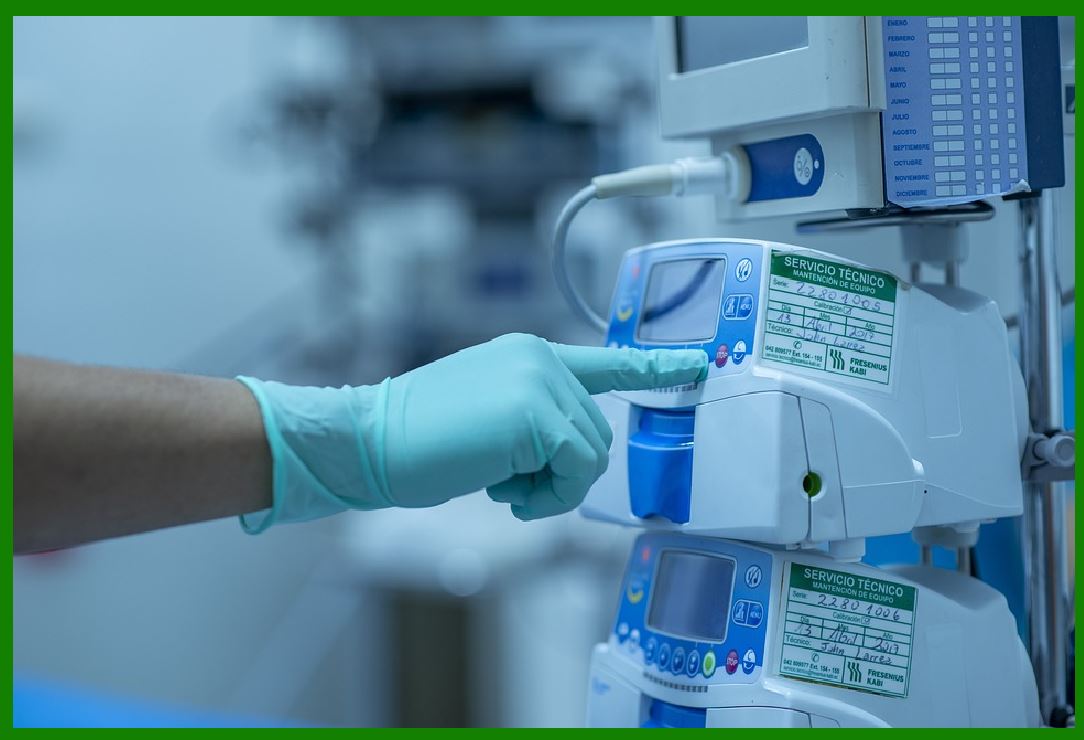
Medical Equipment Tracking: RFID tags are placed on medical equipment such as infusion pumps, ventilators, and wheelchairs. By tracking the real-time location of these devices, hospitals can ensure they are not misplaced and can be quickly located when needed. |
Inventory Management: Hospitals use RFID to manage inventory in pharmacy departments, surgical units, and general stockrooms. RFID-enabled systems help automate the process of stock counting and restocking, reducing human error and improving inventory visibility. |
3.3 Medication and Prescription Management |
RFID plays a critical role in improving medication safety and ensuring accurate medication administration. It helps reduce the chances of medication errors, which are a leading cause of adverse patient outcomes. |
Medication Tracking: RFID technology can be used to track the movement of medications throughout the healthcare facility, from receiving shipments to being administered to patients. RFID tags on medication bottles or packages can ensure that only the correct drug is given to the right patient at the right time. |
Automated Medication Dispensing Systems: RFID is integrated into automated dispensing cabinets to streamline the medication dispensing process. These systems track the drugs removed and ensure that they are correctly labeled and distributed according to prescription orders. |
3.4 Surgical Instrument Tracking |
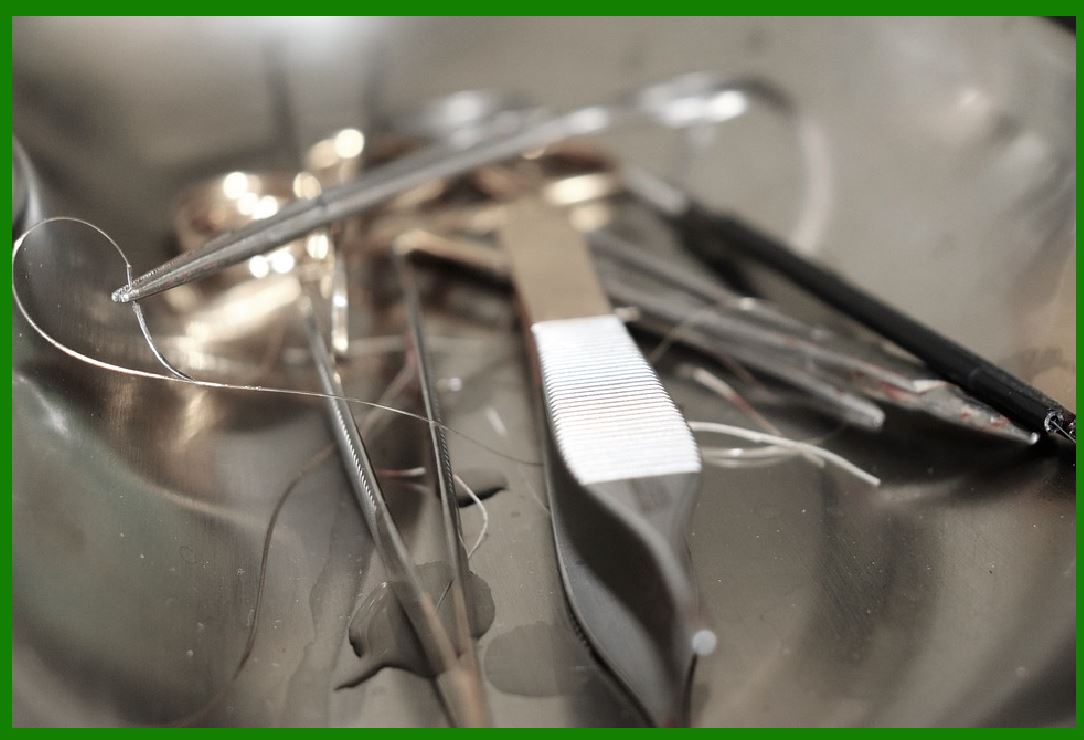
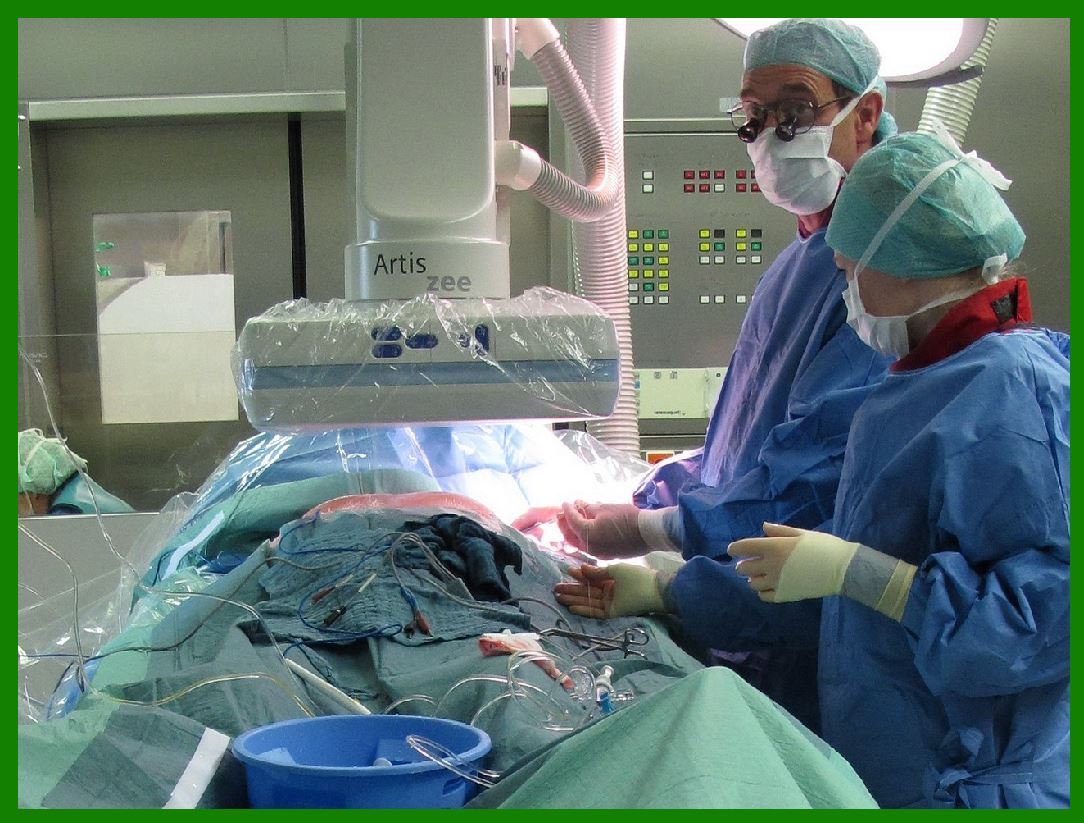
Surgical instruments must be carefully tracked to ensure that they are properly sterilized and accounted for after every procedure. RFID tags are used to track surgical instruments, reducing the risk of them being left inside patients or lost during operations. |
Instrument Tracking Systems: RFID-based systems are implemented to tag surgical instruments, allowing surgical teams to easily locate, sterilize, and track instruments. These systems ensure that each tool used during surgery is recorded, improving patient safety. |
3.5 Staff and Personnel Tracking |
RFID is not just for tracking patients and equipment¡ªit's also useful for monitoring healthcare personnel and ensuring that they are present and ready to attend to patients when needed. Hospitals use RFID to track the movements of doctors, nurses, and other staff members within the facility. |
Time and Attendance Systems: RFID can streamline the process of tracking staff work hours by embedding RFID chips in employee ID badges. When employees pass through entry points, the system automatically records their time and attendance, reducing administrative overhead and ensuring accurate records. |
Staff Location Tracking: By embedding RFID tags in staff uniforms or badges, healthcare facilities can track their movements and know where specific personnel are at any given time. This is particularly useful in emergency situations where rapid response is critical. |

|
4. Benefits of RFID in Healthcare |
The implementation of RFID in healthcare offers numerous benefits, including: |
4.1 Improved Patient Safety |
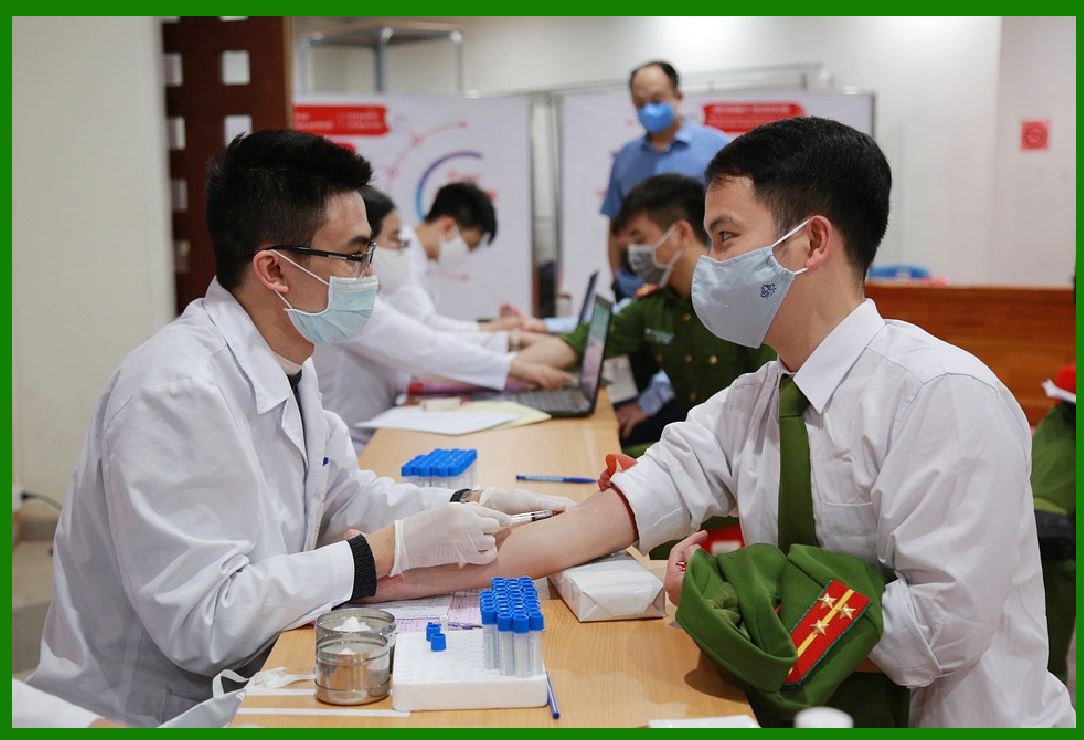
By ensuring the accurate identification of patients and medications, RFID helps reduce the likelihood of medical errors. With RFID tags in patient wristbands, healthcare providers can verify patient identity before administering medications, conducting tests, or performing surgeries, significantly reducing the risk of misidentification. |
4.2 Operational Efficiency |
RFID streamlines various hospital processes, from patient check-ins to medication distribution. By automating inventory management, asset tracking, and personnel monitoring, RFID minimizes manual tasks, reduces operational delays, and helps healthcare providers focus more on patient care. |
4.3 Cost Savings |
With RFID's ability to optimize resource utilization, healthcare facilities can reduce operational costs. RFID technology helps prevent the loss of valuable medical equipment and ensures that supplies are properly stocked, reducing waste and unnecessary procurement costs. |
4.4 Enhanced Workflow |
RFID improves the overall workflow within healthcare facilities by automating time-consuming tasks. Staff members can quickly access patient and equipment data, improving response times and ensuring that patients receive timely care. |

|
5. Challenges and Considerations in Implementing RFID in Healthcare |
While RFID offers significant benefits, there are several challenges that healthcare organizations need to address when implementing this technology. |
5.1 Privacy and Security Concerns |
RFID systems store and transmit sensitive patient data, which raises concerns about data privacy and security. Unauthorized access to RFID-tagged patient data can lead to breaches of confidentiality. Healthcare providers must implement strong encryption protocols and security measures to protect patient information. |
5.2 Cost of Implementation |
The initial cost of implementing RFID technology can be high, especially for small healthcare providers. Hospitals must invest in RFID tags, readers, and software systems, which may require significant upfront capital. However, the long-term benefits often outweigh the initial investment. |
5.3 Integration with Existing Systems |
Integrating RFID technology with existing hospital management systems can be complex. Healthcare providers must ensure that their RFID systems are compatible with Electronic Health Records (EHR), Inventory Management Systems (IMS), and other digital infrastructures to ensure smooth operations. |
5.4 Environmental Factors |
RFID performance can be affected by environmental factors such as interference from metal objects or liquids. In healthcare environments, where equipment and patients may be surrounded by various materials, RFID systems need to be carefully designed to account for these challenges. |

|
6. Future Trends and Innovations in RFID for Healthcare |
As RFID technology continues to evolve, new applications and advancements are expected in the healthcare sector. |
6.1 Integration with IoT |
RFID technology is increasingly being integrated with the Internet of Things (IoT) to create more intelligent healthcare systems. By combining RFID with IoT, healthcare providers can create more interconnected and data-driven environments, where RFID data is used in conjunction with other sensors and devices for real-time monitoring and decision-making. |
6.2 Use of Blockchain for Data Security |
Blockchain technology can be combined with RFID to enhance data security and transparency in healthcare. Blockchain provides a decentralized and tamper-resistant way to store RFID data, ensuring that patient records and other sensitive information are securely shared across healthcare systems. |
6.3 Wearable RFID Devices |
The future of patient tracking could include the use of wearable RFID devices that continuously monitor patient health. These devices can transmit real-time data on vital signs, providing healthcare professionals with up-to-date information to better manage patient care. |
Let's continue exploring the extensive use of RFID technology in healthcare. |

|
7. RFID in Healthcare Supply Chain Management |
Efficient management of the healthcare supply chain is crucial for ensuring that medical products, medications, and equipment are available when needed. RFID technology plays a significant role in enhancing the accuracy, visibility, and efficiency of healthcare supply chains. |
7.1 Tracking and Managing Pharmaceuticals |
Pharmaceutical products, especially those with high value or those that require special handling, need to be meticulously tracked throughout their journey from manufacturer to patient. RFID enables healthcare facilities to improve the management and security of these drugs. |
Anti-counterfeiting: RFID is being used to fight counterfeit drugs, a significant problem in the pharmaceutical industry. By embedding RFID tags in drug packaging, manufacturers and healthcare providers can verify the authenticity of medications at every point in the supply chain. This ensures that only genuine products reach patients, improving drug safety and preventing fraudulent products from entering the market. |
Expiration Date Tracking: RFID tags can store expiration dates and other critical information about pharmaceuticals. This allows healthcare providers to easily monitor and track when medications need to be used, returned, or disposed of, reducing the risk of patients being administered expired or compromised drugs. |
Temperature Monitoring: Certain drugs, such as vaccines, need to be stored within a very specific temperature range. RFID tags equipped with temperature sensors can provide real-time data about the temperature conditions during transport and storage, ensuring that medications are kept at optimal conditions. |
7.2 Streamlining Medical Device Supply Chains |
Medical devices¡ªwhether consumables or high-cost equipment¡ªare often tracked using RFID technology to ensure they are available when needed and in good working condition. |
Real-Time Tracking: RFID tags embedded in devices such as infusion pumps, defibrillators, and ventilators allow hospitals to track their location in real-time. This ensures that these critical devices are available for use and reduces the time staff spends searching for equipment. |
Automated Restocking: RFID-based systems can automatically detect when medical supplies are low and notify staff or order new stock. By automating restocking, hospitals can prevent shortages of critical devices and ensure that they are well-prepared for patient care. |
Device Maintenance and Servicing: RFID tags can store detailed service and maintenance records for medical devices. This feature is crucial for ensuring that devices are regularly serviced and meet regulatory compliance standards. |

|
8. RFID in Patient Flow Management |
Effective patient flow management is essential for maximizing hospital efficiency, minimizing wait times, and improving the quality of patient care. RFID helps streamline patient flow by ensuring that resources are allocated efficiently and in real time. |
8.1 Bed Management |
Hospitals often face challenges with bed management, particularly in emergency departments (ED) or high-demand units. RFID technology can help address these challenges by ensuring that beds are tracked and available for incoming patients. |
Real-Time Bed Availability: RFID-enabled bed tags can be used to track the status of patient beds. When a bed is vacated, the RFID tag updates the system to indicate that it is available for use. This helps hospital staff manage the flow of patients and avoid delays in assigning beds. |
Room Assignments and Transfers: RFID can also be used to manage room assignments and patient transfers within the hospital. When a patient moves between departments (e.g., from the ED to a hospital room), RFID tags help the system track the patient's location and update their records accordingly. |
8.2 Improving Emergency Room Efficiency |
The emergency department is one of the most time-sensitive areas of a hospital. RFID technology can be used to streamline patient intake, diagnosis, and treatment processes, helping to reduce waiting times and improve overall patient care. |
Triage and Prioritization: RFID-enabled wristbands can be used to identify and prioritize patients based on the severity of their conditions. When patients arrive at the ER, RFID tags can be scanned to quickly capture essential information, allowing staff to make faster, data-driven decisions regarding treatment priorities. |
Efficient Patient Routing: RFID systems can assist in directing patients to the appropriate department or area within the hospital. For instance, if a patient needs to be transferred from the ER to radiology for imaging, RFID technology can help streamline this transition by ensuring that the patient is tracked and routed to the right place. |
|
9. RFID in Infection Control |
Infection prevention and control are paramount in healthcare environments. RFID technology offers several methods for monitoring and controlling infection risks in hospitals, clinics, and other healthcare settings. |
9.1 Tracking and Sterilizing Medical Instruments |
Surgical instruments, medical devices, and consumables must be properly sterilized to prevent the spread of infections. RFID tags can help ensure that these items undergo proper sterilization procedures. |
Instrument Sterilization Records: RFID tags embedded in medical instruments can store information about the sterilization cycle, including temperature, duration, and chemical exposure. This provides healthcare workers with real-time information on whether the instrument has been properly sterilized. |
Tracking Reusable Medical Devices: Devices that are reused in multiple surgeries (e.g., endoscopes) can be tagged with RFID chips to track their sterilization and usage history. This ensures that the devices are cleaned and sterilized between uses, helping to reduce the risk of cross-contamination. |
9.2 Monitoring Healthcare Worker Hygiene |
Hospitals and healthcare facilities use RFID technology to monitor healthcare workers' compliance with hand hygiene protocols, which are critical in reducing the spread of infections. |
Hand Hygiene Compliance: RFID systems can track whether healthcare workers wash their hands at critical moments during patient care. RFID tags attached to hand sanitizers or soap dispensers can record the usage, providing data for compliance monitoring and staff training. |
Staff and Visitor Access Control: By using RFID tags for staff and visitor badges, hospitals can control access to certain areas, such as operating rooms or intensive care units (ICUs), to ensure that only authorized personnel enter areas where infection risks are highest. |

|
10. RFID for Regulatory Compliance |
Healthcare institutions must comply with various regulations and standards to ensure the safety of patients and the quality of care. RFID technology can aid in meeting regulatory requirements and maintaining compliance. |
10.1 Tracking and Reporting Medical Devices |
Medical devices are subject to strict regulatory standards, including maintenance, calibration, and record-keeping. RFID tags allow healthcare facilities to keep comprehensive and easily accessible records of medical devices. |
FDA Compliance: In the U.S., the Food and Drug Administration (FDA) mandates that certain high-risk medical devices be tracked from manufacture to use. RFID helps hospitals maintain these records, ensuring they can quickly respond to any recalls, adverse events, or investigations. |
ISO and Other Standards Compliance: International organizations, such as the International Organization for Standardization (ISO), require healthcare facilities to adhere to standards regarding equipment maintenance and patient safety. RFID systems can help facilities stay compliant with these standards by automating record-keeping and reporting. |
10.2 Track-and-Trace for Controlled Substances |
For controlled substances, including opioids and other high-risk medications, RFID provides an additional layer of tracking to ensure that drugs are dispensed, stored, and used in accordance with legal and regulatory requirements. |
Controlled Substance Security: RFID-enabled systems can track the movement of controlled substances through the healthcare facility. This ensures that they are stored in secure areas and only dispensed by authorized personnel, reducing the potential for diversion or theft. |
Audit Trails: RFID technology creates an automated and verifiable audit trail for all movements of controlled substances, making it easier for healthcare organizations to perform internal audits and comply with regulatory reporting requirements. |
|
11. Patient Engagement with RFID |
In addition to improving operational efficiency and safety, RFID also plays a role in enhancing patient engagement and satisfaction. |
11.1 Personalized Care |
RFID can enable personalized healthcare experiences by ensuring that patients receive customized care based on their specific medical needs and preferences. RFID tags on patient wristbands or smart devices can store preferences for room temperature, lighting, or even specific dietary requirements. |
11.2 Reducing Patient Wait Times |
RFID technology can help reduce wait times for patients by automating several steps in the patient care process. For instance, RFID-enabled systems can alert patients when it's their turn for an appointment or procedure, keeping them informed about their status in real-time. |
11.3 Real-Time Notifications and Alerts |
Patients can be notified about their treatment status or changes in care plans via RFID-enabled systems. This helps keep patients informed, reduces anxiety, and improves their overall experience in healthcare settings. |
|
12. Conclusion: The Future of RFID in Healthcare |
RFID technology is transforming healthcare by enhancing patient safety, streamlining operations, improving compliance, and reducing costs. As technology continues to evolve, RFID will likely play an even greater role in the future of healthcare, offering innovative solutions to both longstanding and emerging challenges. |
Future trends include the integration of RFID with other emerging technologies, such as AI and machine learning, to create smarter healthcare environments. With its potential to improve operational efficiency, reduce errors, and enhance patient outcomes, RFID technology will remain a cornerstone of healthcare innovation in the years to come. |
|
Can RFID replace barcodes in healthcare? |
RFID can certainly supplement and in some cases replace barcodes in healthcare, depending on the specific application and the needs of the healthcare system. However, the replacement of barcodes with RFID is not universal and depends on factors such as cost, infrastructure, and specific requirements for tracking, accuracy, and speed. Let¡¯s break down the potential benefits and challenges of replacing barcodes with RFID in healthcare: |
1. Advantages of Replacing Barcodes with RFID in Healthcare |
1.1 No Line-of-Sight Requirement |
One of the biggest limitations of barcodes is that they require line-of-sight to be read by a scanner. RFID, on the other hand, doesn¡¯t require a direct view between the reader and the tag. This feature is highly beneficial in healthcare environments where items like medical equipment, medications, or even patients can be identified without requiring manual scanning. For example, when tracking a patient¡¯s wristband or ensuring that medical equipment is in the right location, RFID systems can read the tags automatically without the need for a human operator to physically point a scanner at the item. |
1.2 Greater Data Capacity |
RFID tags, especially active and semi-passive ones, have significantly more memory capacity compared to barcodes. This enables RFID to store more detailed data, such as patient history, detailed medication instructions, or maintenance records for medical equipment. Barcodes, in contrast, can only store a limited amount of data. In healthcare, this added data capacity can improve decision-making, operational efficiency, and patient care. For instance, a medication bottle could store not just the medication¡¯s barcode, but also patient-specific instructions, expiration dates, and batch numbers. |
1.3 Automation and Real-Time Tracking |
RFID systems can automatically track the location and status of patients, medical equipment, and pharmaceuticals in real-time, providing a level of automation that barcodes cannot match. For instance, RFID-enabled real-time location systems (RTLS) can monitor patient movements or the location of critical medical devices like infusion pumps, ensuring that they are in the right place at the right time. |
This real-time tracking reduces human errors, improves workflow, and prevents issues like the misplacement of equipment or patient identification mistakes. Barcodes would require manual scanning, which takes more time and is prone to human error. |
1.4 Reduced Risk of Errors |
RFID can help reduce errors associated with manual barcode scanning, particularly in environments like operating rooms or intensive care units (ICUs), where speed and accuracy are critical. RFID technology allows for the automatic identification of patients, medications, and equipment, which ensures the right items are matched to the right patient without manual intervention. Barcodes, while accurate, are still subject to issues like poor print quality, smudging, or misalignment, which could cause errors. |
1.5 Improved Workflow Efficiency |
Because RFID does not require direct line-of-sight and can be read faster than barcodes, it accelerates workflows in many aspects of healthcare, especially in emergency departments or busy hospital wards. For example, medications can be administered more quickly, and equipment can be retrieved more efficiently, minimizing downtime and optimizing staff time. |

|
2. Challenges of Replacing Barcodes with RFID in Healthcare |
2.1 Cost and Infrastructure |
One of the main barriers to replacing barcodes with RFID in healthcare is cost. RFID systems, including tags, readers, and the necessary infrastructure, can be significantly more expensive than barcode systems. RFID tags themselves can cost anywhere from a few cents to a few dollars, depending on whether they are passive, active, or semi-passive, while barcode labels are typically much cheaper. |
Additionally, RFID requires specialized readers and integration with existing healthcare management systems, which can lead to significant upfront costs. For small or underfunded healthcare organizations, this initial investment can be a significant deterrent. |
2.2 Tagging Complexity |
In healthcare, many objects are small, or are made of materials that can interfere with RFID signals (e.g., metals, liquids). For instance, metal and water can block or disrupt RFID signals, making it difficult to track certain medical equipment, medications, or even patients. Barcodes, being visual markers, don¡¯t have this issue and can be printed on a variety of surfaces with ease. |
Moreover, the tagging process for certain objects, like medical instruments or consumables, can be more complex. Some devices may require customized tags, or the tags may need to be surgically implanted (e.g., in implanted medical devices), adding another layer of complexity. |
2.3 Security and Privacy Concerns |
RFID systems are subject to potential security and privacy issues, especially in healthcare where patient data is sensitive. The use of RFID tags on patients, medications, or devices could expose critical data if the system is not properly secured. Unauthorized readers could potentially gain access to patient data stored in RFID tags, leading to privacy concerns. While RFID tags can be encrypted, the management and protection of this data are crucial. |
Barcodes, on the other hand, are less likely to pose such security risks. The data encoded in a barcode is generally not sensitive unless it is linked to a database, but unlike RFID, barcode data cannot be easily read from a distance. |
2.4 Integration with Existing Systems |
Healthcare facilities already use established barcode systems for inventory management, patient identification, and medication tracking. Replacing these systems with RFID would require significant changes to the existing infrastructure. Hospitals would need to integrate RFID with electronic health records (EHR), medication administration systems, and asset management platforms, which can be both time-consuming and costly. Additionally, staff would need training to use new RFID systems effectively. |
The transition from barcodes to RFID is not always seamless, particularly in legacy systems where RFID would have to be implemented in stages. |

|
3. Practical Scenarios: When RFID Can Replace Barcodes |
3.1 Patient Identification and Tracking |
In hospitals, RFID can replace barcodes in patient wristbands to improve patient identification. RFID wristbands can automatically track patient movements through different departments, ensuring that care providers always have real-time access to the patient¡¯s information. This is especially helpful in busy hospitals where patients may move between different departments frequently. The RFID system can also trigger alerts if a patient is in a restricted area, helping prevent issues like patient wandering. |
3.2 Medical Equipment and Asset Management |
RFID technology can replace barcodes for tracking medical devices. For example, in an operating room, the RFID system can automatically record the usage of surgical instruments, reducing the risk of instruments being left behind or lost. RFID tags on medical equipment can be read automatically as devices move around the facility, allowing for real-time tracking and maintenance scheduling. This helps healthcare facilities stay compliant with regulations and ensures that devices are always available when needed. |
3.3 Inventory Management |
Pharmacy departments and medical supply units can benefit from RFID-based inventory management. RFID tags on medication containers and medical supplies can automatically update inventory levels as items are used or restocked, reducing the need for manual stock counts and minimizing the risk of running out of critical supplies. Additionally, RFID enables better tracking of medications to ensure that expired or recalled drugs are quickly identified and removed from the inventory. |

|
4. When Barcodes Still Make Sense |
Despite the advantages of RFID, there are still situations where barcodes are preferable: |
4.1 Cost-Effective Solutions for Smaller Healthcare Providers |
For small clinics, nursing homes, or healthcare providers with limited budgets, barcodes may still be the more cost-effective option. The infrastructure costs of RFID, including tags and readers, may be prohibitively expensive for smaller organizations that do not need the extensive capabilities of RFID systems. |
4.2 Simplicity and Familiarity |
Barcode systems are simple and well-established. Healthcare workers are accustomed to barcode scanning, and barcodes do not require as much infrastructure or maintenance as RFID. In environments where the added complexity and cost of RFID are not necessary, barcodes may still be a better solution. |

|
5. Conclusion: The Future of RFID vs. Barcodes in Healthcare |
In the future, RFID is likely to replace barcodes in many areas of healthcare, particularly in larger hospitals and healthcare systems that need to streamline operations and improve patient safety. However, barcodes will likely continue to be a valuable tool in smaller, less complex environments where cost and simplicity are top priorities. |
RFID offers clear advantages in terms of speed, automation, and data capacity, making it an ideal solution for high-priority applications such as patient tracking, medical equipment management, and medication administration. While barcodes are likely to remain useful for certain tasks, RFID has the potential to transform healthcare by enhancing operational efficiency, improving patient safety, and reducing errors. |
Ultimately, the choice between RFID and barcodes will depend on the specific needs of the healthcare facility, the available budget, and the complexity of the tasks being automated. |

|
What are the advantages and disadvantages of RFID compared to barcodes? |
RFID and barcodes are both widely used technologies in various industries, including healthcare, retail, logistics, and manufacturing. Both have distinct advantages and disadvantages depending on the application. Below is a detailed comparison of RFID (Radio Frequency Identification) and barcodes, highlighting their pros and cons: |
1. Advantages of RFID Compared to Barcodes |
1.1 No Line-of-Sight Requirement |
RFID: RFID tags can be read without direct line-of-sight to the reader. This means that items can be scanned even if they are inside a box, drawer, or pallet. It allows for hands-free scanning and faster operations in many environments (e.g., warehouses or hospitals). |
Barcode: Barcodes require direct line-of-sight between the barcode and the scanner. If the barcode is obscured or damaged, the scanner cannot read it, slowing down operations. |
1.2 Faster Scanning and Automation |
RFID: RFID tags can be read very quickly¡ªmultiple tags can be scanned simultaneously. For instance, RFID can automatically scan all items in a container, on a pallet, or in a cart in one go without manually aligning the scanner. |
Barcode: Barcode scanning is slower and requires one scan per item. In high-volume environments, barcodes can be less efficient because each item must be manually aligned with the scanner. |
1.3 Greater Data Storage Capacity |
RFID: RFID tags have much more memory storage than barcodes. While barcodes store only a limited amount of data (usually just an identifier), RFID tags can store more complex data, such as manufacturing details, expiration dates, maintenance history, and other critical information. This can be valuable in industries like healthcare, where detailed tracking of assets and products is essential. |
Barcode: Barcodes are limited in terms of the data they can hold. Typically, barcodes only encode a product ID, which then links to a database for additional information. |
1.4 Durability and Reliability |
RFID: RFID tags, especially those embedded in medical devices or products, are typically more durable than barcodes. They are resistant to harsh environments, water, dirt, and wear and tear, making them ideal for tracking items in challenging conditions (e.g., industrial settings or outdoor environments). |
Barcode: Barcodes, especially printed ones, are susceptible to damage, such as fading, smudging, or being torn. This can make them difficult or impossible to scan, especially in rugged environments. |
1.5 Increased Efficiency in Inventory Management |
RFID: RFID offers more efficient inventory management because it can track the location and status of items in real time. It can automatically update inventory systems when an item moves through a particular point, reducing human error and inventory loss. |
Barcode: Barcode inventory management is more time-consuming because it requires manual scanning and updates to systems. It is more prone to human errors and may require significant manual effort, especially in large facilities. |
1.6 Reduced Labor Costs and Human Error |
RFID: Because RFID systems can be automated, they reduce the need for manual intervention in data collection. This can lead to fewer human errors and lower labor costs, especially in tasks such as stocktaking, asset tracking, or patient identification. |
Barcode: Barcode scanning still requires human intervention to align the barcode with the scanner, leading to higher chances of errors, particularly in busy environments. |
1.7 Multiple-Item Tracking |
RFID: RFID technology can read multiple tags simultaneously in a 'batch' scan. This is particularly useful in large inventories or warehouses where many items need to be scanned or monitored at once, such as pallets or cases of goods. |
Barcode: Barcode scanners read one item at a time, making it much less efficient for bulk scanning. In environments with a large number of items (e.g., warehouses, retail stores), this can lead to significant time delays. |

|
2. Disadvantages of RFID Compared to Barcodes |
2.1 Cost |
RFID: The initial setup cost for RFID systems is significantly higher than barcodes. RFID tags, especially active ones (those with batteries), are more expensive than printed barcodes. The infrastructure for RFID readers and antennas can also be costly, and retrofitting an existing system with RFID may require substantial investment. |
Barcode: Barcodes are very inexpensive. Printing a barcode is far cheaper than embedding an RFID tag, and the scanners themselves tend to be cheaper as well. This makes barcodes a more cost-effective solution for smaller businesses or environments with less need for automation. |
2.2 Complexity of Implementation |
RFID: Implementing RFID in an organization can be complex. It may require upgrading or replacing existing systems, training staff, and investing in new readers, software, and tags. Integration with other systems like warehouse management or electronic health records (EHR) might also require custom software solutions. |
Barcode: Barcode systems are relatively simple to implement. They require minimal changes to existing systems and can be adopted without extensive training. Most organizations already have barcode printing and scanning infrastructure in place. |
2.3 Limited Range for Passive RFID |
RFID: While passive RFID systems are much cheaper and more common than active RFID systems, their range is limited (usually a few centimeters to a few meters). If a system requires reading objects from a longer distance or in large areas (such as a warehouse), active RFID tags with a battery-powered transmission are needed, which can increase costs. |
Barcode: Barcodes do not suffer from the range limitations of passive RFID, as they can be scanned at varying distances, depending on the type of scanner used. However, the range still depends on the physical size of the barcode itself. |
2.4 Interference Issues |
RFID: RFID signals can be disrupted by metals and liquids. These materials can absorb or block radio waves, making it difficult to track certain items that are made of or contain metal (e.g., medical equipment, tools) or liquids (e.g., pharmaceutical bottles). In some cases, specialized RFID tags are required to handle these situations. |
Barcode: Barcodes do not face the same interference challenges as RFID. While they can be affected by dirt or physical damage, materials like metal or liquid do not impact barcode scanning performance. |
2.5 Privacy and Security Concerns |
RFID: One of the major concerns with RFID is the potential for unauthorized readers to access data stored on tags. RFID tags can be read remotely, even from a distance, which could pose a risk if sensitive information, like patient health records or financial details, is encoded in the tag. This makes proper encryption and security measures essential to ensure data privacy. |
Barcode: Barcodes do not present the same remote reading vulnerabilities. The data in barcodes is usually only linked to a database when scanned, making it more difficult for unauthorized parties to access sensitive information. However, barcodes are not immune to theft, as they still encode product identifiers that can be exploited. |
2.6 Battery Maintenance for Active RFID |
RFID: Active RFID tags, which have their own power supply (battery), require maintenance and replacement of the battery over time. This can add complexity and costs to the system. Tags need to be checked regularly for battery life, and in some cases, tags may fail if the battery is depleted. |
Barcode: Barcodes do not require power, which makes them more reliable over time. As long as they remain intact and readable, barcodes do not need maintenance. |

|
3. When to Choose RFID Over Barcodes (or Vice Versa) |
Choose RFID When: |
You need to automate processes and reduce human intervention (e.g., patient tracking in hospitals, warehouse inventory). |
You require the ability to read multiple items simultaneously, such as tracking large shipments or pallets. |
You need real-time location tracking of assets or personnel. |
You need to store more data on the tag, such as detailed information about items (e.g., maintenance history, medical records). |
You are working in environments where barcodes are prone to damage, such as in harsh conditions or high-usage medical settings. |
Choose Barcodes When: |
You have a limited budget and need an affordable solution. |
The environment does not require high-speed automation or real-time tracking. |
Your products or assets do not require significant data storage beyond identifiers. |
The system needs to be simple, quick to implement, and easy to maintain. |
|
4. Conclusion: The Right Tool for the Right Job |
Both RFID and barcodes have their respective advantages and disadvantages, and the decision to use one over the other largely depends on the specific application, budget, and operational needs. RFID is superior for applications requiring automation, speed, accuracy, and higher data capacity, but it comes at a higher cost and complexity. Barcodes remain a reliable, cost-effective, and simple solution for many businesses that do not require advanced capabilities. |
Ultimately, the best approach in many cases may be to use both RFID and barcodes, leveraging the strengths of each technology in different parts of the operation. Many healthcare facilities, for example, use RFID for tracking high-value assets and real-time location monitoring while still relying on barcodes for inventory management or patient records. |
 cs@easiersoft.com