What are the advantages of using EAN barcodes? |
The International Article Number (EAN), also known as the European Article Number, is a standard barcode symbology and numbering system used globally to identify specific retail products. |
The EAN barcode system emerged in 1979 as a response to the need for a standardized product identification system beyond North America. |
Initially, the Universal Product Code (UPC-A) was used primarily in the United States and Canada. However, as international trade expanded, a new format was necessary to facilitate sales in Europe and other regions. |
|
The EAN barcodes offer several advantages, making them widely adopted in the retail industry: |
1. Global Standardization: |
EAN barcodes provide a consistent and universally recognized system for product identification. Manufacturers, retailers, and consumers can easily understand and use EAN codes across different countries and markets. |

|
2. Efficient Inventory Management: |
EAN barcodes streamline inventory tracking and management. Retailers can quickly scan products during stock replenishment, sales, and restocking, reducing manual data entry errors. Real-time inventory updates help prevent stockouts and overstock situations. |
3. Faster Checkout Process: |
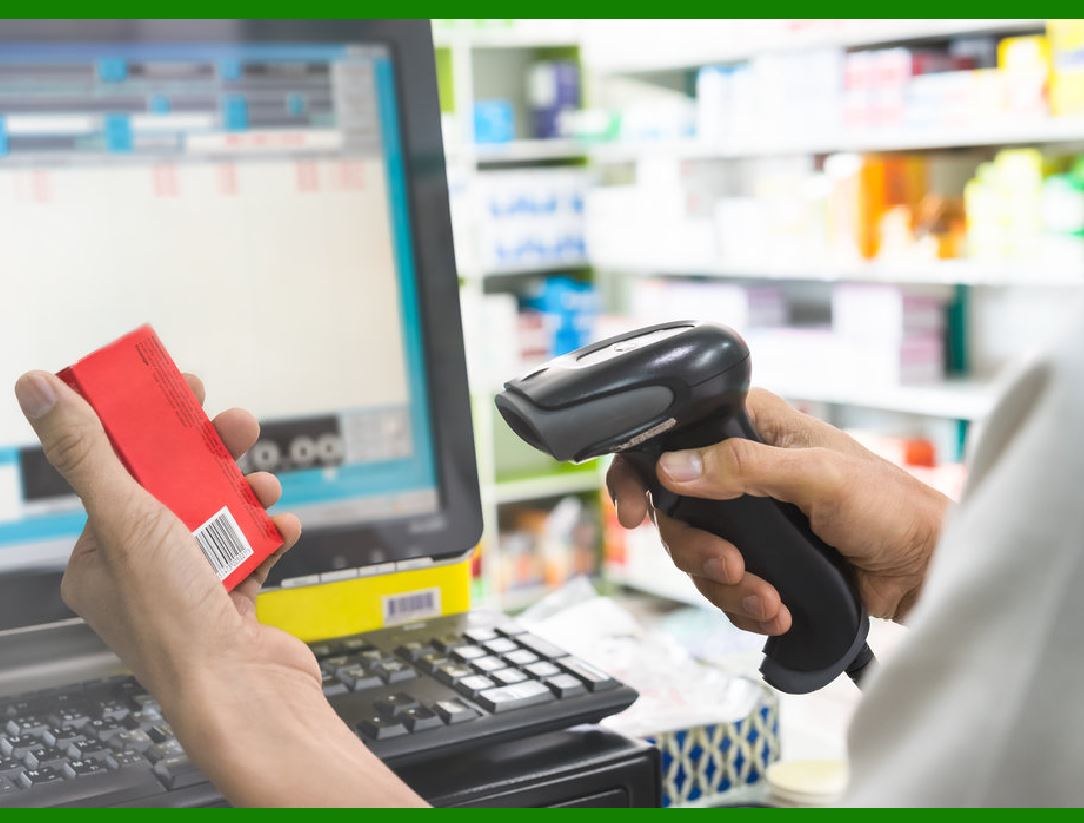
At the point of sale (POS), EAN barcodes expedite the checkout process. Cashiers can scan items swiftly, reducing waiting times for customers. This efficiency benefits both retailers and shoppers. |
|
4. Accurate Pricing and Promotions: |
EAN barcodes link products to their corresponding prices in the database. Retailers can easily update prices, apply discounts, and manage promotions. Customers receive accurate pricing information at checkout. |
5. Supply Chain Visibility: |
EAN barcodes enable end-to-end supply chain visibility. From manufacturer to retailer, each step can be tracked using these codes. This transparency helps identify bottlenecks, optimize logistics, and enhance overall efficiency. |

|
6. Reduced Counterfeit Risk: |
Authentic products have unique EAN codes assigned by manufacturers. Counterfeit items are less likely to have valid EAN codes, making it easier to detect fraudulent products. |
7. Integration with Technology: |
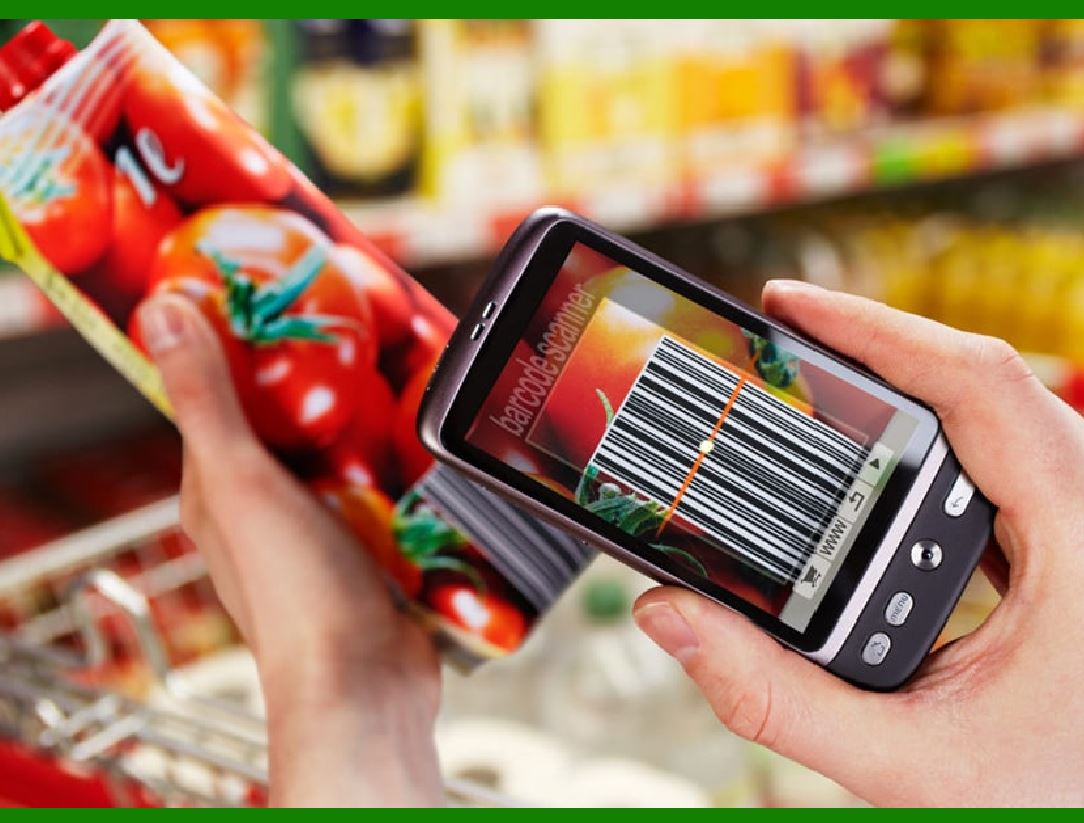
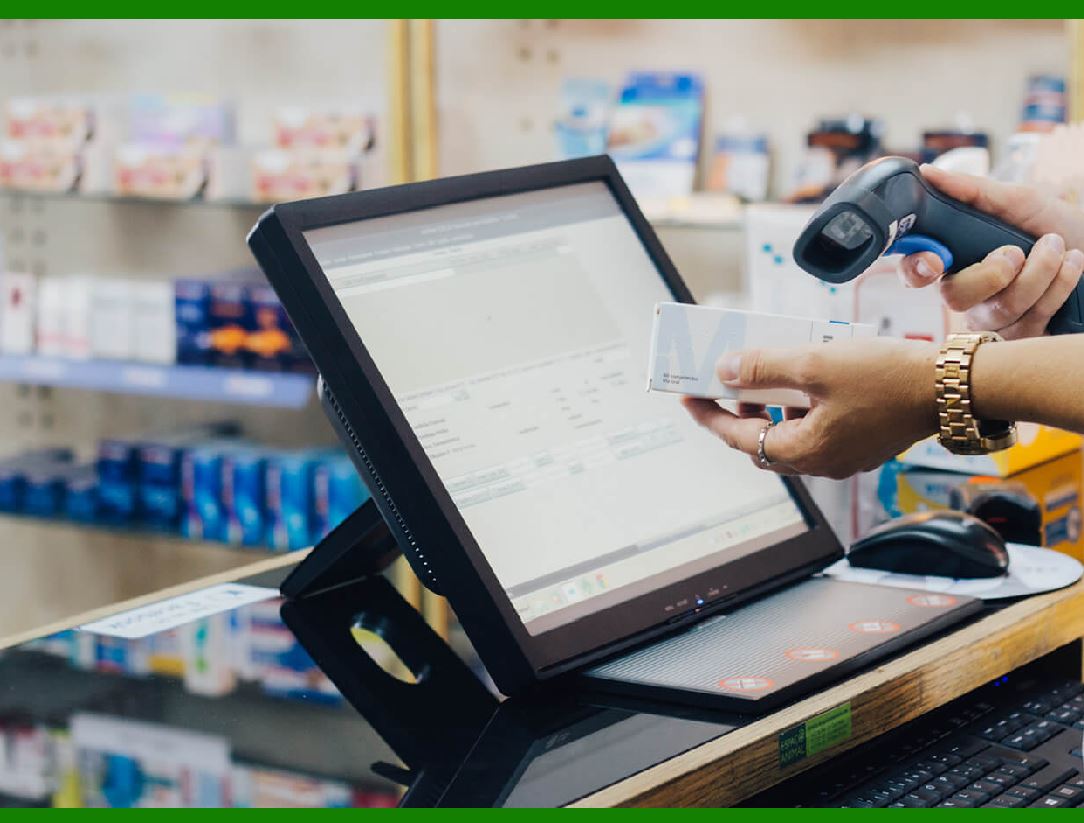
EAN barcodes seamlessly integrate with various technologies, such as barcode scanners, mobile apps, and inventory management systems. Mobile apps allow consumers to scan barcodes for product details, reviews, and price comparisons. |
|
8. Compatibility with Other Systems: |
EAN barcodes can coexist with other barcode systems (like UPC) because EAN-13 includes UPC-A as a subset. This compatibility ensures smooth transitions for businesses expanding globally. |
In summary, EAN barcodes enhance efficiency, accuracy, and transparency throughout the supply chain, benefiting both businesses and consumers. |
 cs@easiersoft.com