Dynamic QR Codes and Their Role in Payment Security |
In recent years, QR code payments have gained significant popularity as a convenient and secure method for performing financial transactions. However, the security of these payments is a key concern for both merchants and consumers. One of the primary features contributing to the security of QR code payments is the use of dynamic QR codes. Unlike static QR codes, which are fixed and unchanging, dynamic QR codes offer enhanced security by changing with every transaction, making them far more resistant to tampering, fraud, and other malicious activities. In this article, we will delve into the importance of dynamic QR codes, how they function, and how they help ensure the security of payment transactions. |
|
1. The Basics of QR Code Payments |
QR codes, or Quick Response codes, are two-dimensional barcodes that can store a variety of information, such as URLs, contact details, and even payment information. They are widely used in different industries to facilitate quick access to information. In the context of payments, QR codes allow users to make transactions by simply scanning a code displayed by a merchant or service provider using their smartphones or other mobile devices. |
QR code payments provide an easy and efficient way for customers to pay without needing to physically swipe a card or enter payment information manually. The user simply scans the merchant's QR code, which typically includes payment information, such as the merchant's identification number, the transaction amount, and other relevant details. |
|
2. Static QR Codes vs. Dynamic QR Codes |
To better understand the security implications of dynamic QR codes, it is essential to first differentiate them from static QR codes, which are commonly used in QR code payments. While both types of codes serve the same basic purpose, they differ significantly in their behavior and security features. |
2.1 Static QR Codes |
Static QR codes are fixed and unchanging once created. They contain predefined information that does not alter during subsequent scans. For example, a merchant might generate a static QR code that contains their account number and a fixed payment amount. Each time a customer scans the code, they will be directed to the same account and amount. |
While static QR codes are easy to generate and use, they present a significant security vulnerability. If an attacker gains access to a static QR code (e.g., by photographing it, intercepting a transmission, or altering a printed code), they can modify the embedded payment information. For instance, the attacker could change the merchant's account number or redirect the payment to their own account. This type of tampering can lead to financial fraud, as the customer would unknowingly make a payment to the wrong party. |
2.2 Dynamic QR Codes |
Dynamic QR codes, in contrast, are generated on-the-fly for each transaction, making them unique and time-sensitive. When a customer initiates a payment, a dynamic QR code is generated that is linked to specific transaction details, including the payment amount, the merchant's identifier, and a unique one-time encryption key or token. These codes are typically only valid for a short duration, often just a few minutes or until the transaction is completed. |
Once a dynamic QR code is scanned, the transaction details are verified, and the payment is processed. After the transaction is complete or the code expires, the dynamic QR code becomes invalid and cannot be reused. This dynamic nature significantly reduces the chances of tampering, as the code changes with each transaction and cannot be intercepted and reused for fraudulent purposes. |

|
3. How Dynamic QR Codes Enhance Payment Security |
3.1 Real-Time Generation and One-Time Use |
One of the most important security features of dynamic QR codes is their real-time generation for each transaction. Unlike static QR codes, which remain the same each time they are scanned, dynamic QR codes are created in response to a specific transaction request and include transaction-specific information. As a result, the information embedded in the dynamic QR code is unique to that particular payment, reducing the risk of interception or modification. |
In practice, this means that even if an attacker were to somehow intercept a dynamic QR code, they would not be able to reuse it to make fraudulent payments. Once a dynamic QR code is scanned and the payment is processed, the code becomes invalid and cannot be reused. This unique, one-time-use nature of dynamic QR codes makes them far more secure than static QR codes, which can be copied, intercepted, and reused for malicious purposes. |
3.2 Encryption and Tokenization |
Dynamic QR codes often include embedded encryption or tokenization mechanisms that further enhance security. When a dynamic QR code is generated, the payment information, such as the amount and the merchant's identifier, is encrypted using a secure algorithm. This encrypted data is then embedded within the QR code. |
Encryption ensures that even if someone gains access to the code, they cannot read or manipulate the transaction details without the proper decryption key. In some cases, dynamic QR codes also include tokens or cryptographic signatures that are validated by the financial institution or payment processor during the transaction. These tokens or signatures provide an additional layer of security by verifying the authenticity of the QR code and ensuring that it has not been altered in any way. |
3.3 Limited Validity and Expiration |
Another important feature of dynamic QR codes is their limited validity. Most dynamic QR codes are only valid for a short duration, often just a few minutes. This expiration time prevents attackers from intercepting and reusing the code after the transaction has been completed. Once the dynamic QR code expires, it becomes useless, further reducing the risk of fraud. |
The limited validity of dynamic QR codes also means that they are tied to a specific user session, making it difficult for an attacker to hijack the code and use it for their own purposes. This is particularly important in the context of online and mobile payments, where time-sensitive transactions can be completed quickly and securely. |
3.4 Fraud Detection and Monitoring |
In addition to their inherent security features, dynamic QR codes also support advanced fraud detection and monitoring systems. Payment processors and financial institutions can track the use of dynamic QR codes in real-time, monitoring for any suspicious activity, such as multiple failed attempts to scan a code or the use of expired codes. This monitoring helps detect potential fraudulent activity and allows for immediate intervention if necessary. |
Moreover, some payment systems may require customers to authenticate the transaction using a secondary method, such as a fingerprint scan or facial recognition, before the payment is processed. This multi-factor authentication (MFA) further strengthens the security of dynamic QR codes, ensuring that only the legitimate user can authorize the payment. |
3.5 Merchant and Consumer Protection |
Dynamic QR codes benefit both merchants and consumers by providing a higher level of protection against fraud. For merchants, dynamic QR codes offer a secure and convenient way to accept payments without having to worry about the security risks associated with static QR codes. Since the code is generated in real-time for each transaction, merchants can be confident that the payment information is accurate and tamper-proof. |
For consumers, dynamic QR codes provide reassurance that their payment information is secure and that their transaction cannot be intercepted or redirected by malicious actors. The use of encryption, tokenization, and expiration mechanisms ensures that customers' sensitive financial information is protected throughout the transaction process. |
|
4. Real-World Applications of Dynamic QR Codes |
Dynamic QR codes are increasingly being used in various payment systems around the world, and their adoption continues to grow. Many mobile payment platforms, such as Alipay, WeChat Pay, and PayPal, rely on dynamic QR codes to facilitate secure transactions. These platforms leverage the security features of dynamic QR codes to provide a seamless and secure payment experience for both merchants and consumers. |
In addition to mobile payment platforms, dynamic QR codes are also being used in other sectors, such as public transportation, event ticketing, and loyalty programs. In these applications, dynamic QR codes can be used to securely issue tickets, validate access, and track rewards or points, all while ensuring the security and authenticity of the transaction. |
For example, in some public transport systems, passengers can pay for their fare by scanning a dynamic QR code generated by the transit authority. The QR code contains transaction-specific details, such as the fare amount and the user's payment information, and is valid only for a short duration. This ensures that the fare is paid securely and that the code cannot be reused or tampered with by malicious actors. |
Similarly, in the context of event ticketing, dynamic QR codes are used to generate one-time-use tickets that can be scanned at the venue. The embedded data, such as the event details and the ticket holder's information, is encrypted to ensure that the ticket cannot be duplicated or forged. |
|
5. Challenges and Future Trends |
While dynamic QR codes offer significant security advantages, there are still some challenges that need to be addressed. For example, the need for secure encryption and tokenization algorithms, as well as the requirement for real-time generation of dynamic QR codes, can place additional demands on payment systems and infrastructure. Furthermore, the use of dynamic QR codes may require additional authentication measures to ensure that the user is legitimate, adding complexity to the payment process. |
Despite these challenges, the future of dynamic QR codes in payment security looks promising. As mobile payment adoption continues to rise and new technologies emerge, we can expect to see even more advanced security features, such as biometric authentication, blockchain-based payment processing, and AI-driven fraud detection systems, integrated with dynamic QR code technology. |
6. Conclusion |
Dynamic QR codes represent a significant advancement in the security of QR code payments. By offering real-time generation, encryption, tokenization, and limited validity, dynamic QR codes help protect both consumers and merchants from fraud and tampering. As payment systems continue to evolve, the role of dynamic QR codes in enhancing payment security will only grow more important, providing a safer and more reliable method of conducting financial transactions in an increasingly digital world. |

|
Challenges Facing Dynamic QR Codes in Payment Security |
While dynamic QR codes provide significant advantages in terms of security and fraud prevention for payment systems, they are not without challenges. Several hurdles exist that could impact their full potential and adoption. Below, we will explore the key challenges facing dynamic QR codes in payment security: |
1. Technical Complexity and Implementation |
1.1 Real-Time Generation and Processing |
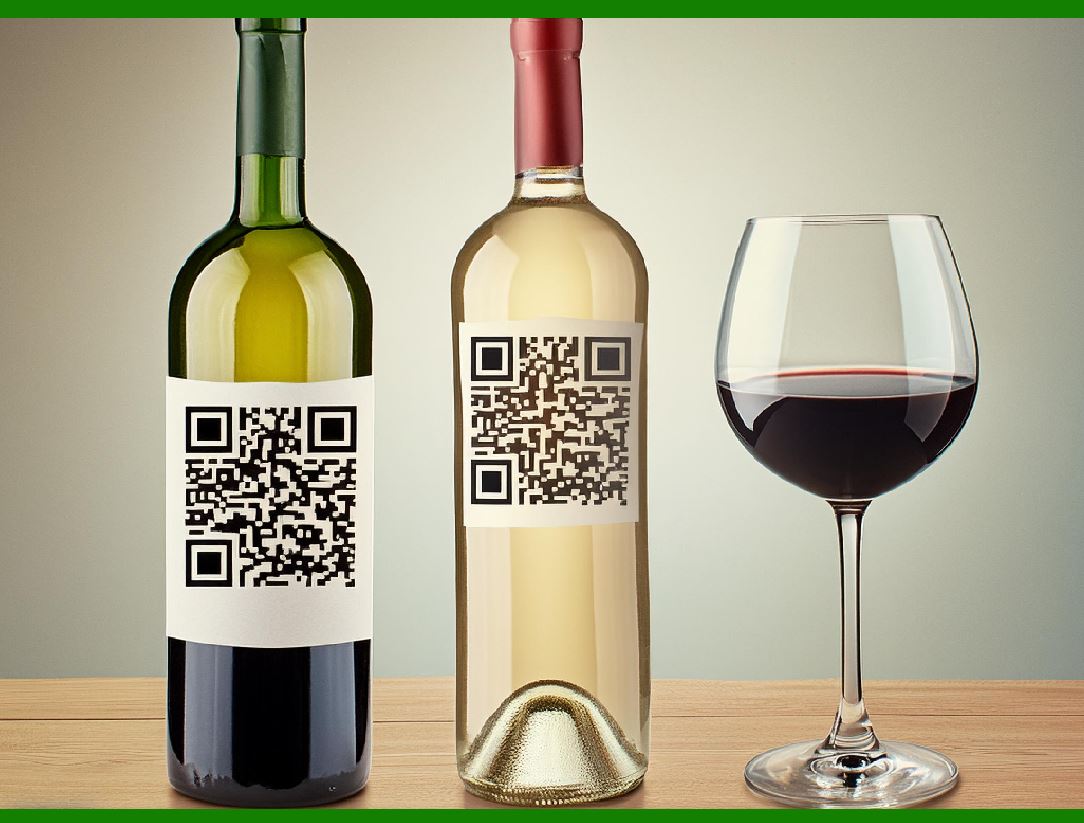
Dynamic QR codes are generated in real-time for each transaction, which means they must be processed and validated almost instantly. This introduces complexity for both merchants and payment processors. The generation of a unique code for every transaction requires robust backend infrastructure capable of handling potentially millions of requests per day, especially during peak hours like Black Friday or during special sales events. |
This real-time demand could put pressure on transaction systems, making it difficult for smaller merchants or businesses with limited technological resources to implement dynamic QR codes seamlessly. Additionally, payment gateways need to ensure low-latency processing of these codes, ensuring a smooth experience for customers and merchants alike. |
1.2 Integration with Legacy Systems |
Many businesses still use older point-of-sale (POS) systems, which may not support dynamic QR code generation or validation. Integrating dynamic QR code payment systems into legacy infrastructures can be costly and time-consuming. Legacy systems that were not designed with mobile payments or real-time QR code generation in mind may require significant upgrades or complete replacements, presenting a barrier for some small or medium-sized enterprises (SMEs). |
|
2. User Experience and Adoption |
2.1 Consumer Awareness and Education |
For dynamic QR codes to succeed, both consumers and merchants must understand how they work and why they are secure. In regions where QR code payments are still a relatively new concept, consumers may not fully trust or be comfortable with the technology, especially if they do not fully understand how dynamic QR codes enhance security. This lack of awareness could result in slow adoption, even if dynamic QR codes offer clear benefits over static codes. |
Additionally, while dynamic QR codes are generally user-friendly, there can still be confusion surrounding how to use them correctly. For instance, users may mistakenly scan a static code or encounter difficulties scanning a dynamic code, particularly if the code is obscured, partially damaged, or displayed on a small screen. |
2.2 Multiple Payment Methods and Inconsistent Standards |
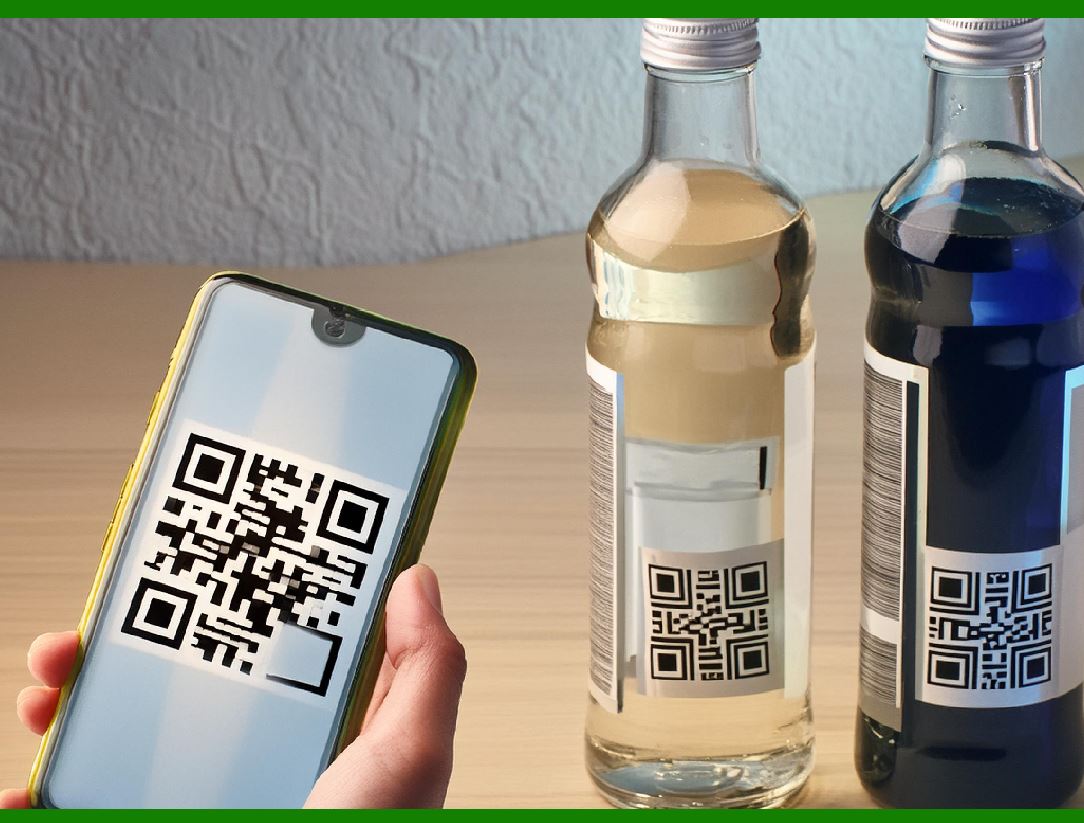
As the mobile payment ecosystem continues to evolve, there are numerous players in the market, such as Apple Pay, Google Pay, Alipay, and WeChat Pay. Each platform may have its own method of generating and processing dynamic QR codes, potentially creating confusion for users and merchants alike. In some cases, QR code standards may not be universally adopted, leading to incompatibilities between different payment processors and devices. |
This fragmentation could undermine the security and ease of use of dynamic QR codes, especially in cross-border transactions, where users might encounter multiple payment systems and QR code formats. |
|
3. Security and Fraud Risks |
3.1 Man-in-the-Middle (MITM) Attacks |
Although dynamic QR codes reduce the likelihood of interception and tampering, they are still vulnerable to certain types of attacks. One of the most significant risks is the possibility of a man-in-the-middle (MITM) attack. In such an attack, a malicious actor could intercept the communication between the merchant's server and the consumer's mobile device. If the attacker is able to gain access to the transaction data before it is encrypted or before it reaches the payment processor, they may be able to alter the transaction details, including the merchant's account number or the amount. |
While encryption and tokenization help protect the transaction data during transmission, any vulnerability in the network or communication channel-such as an unsecured Wi-Fi network or a compromised router-could provide an opening for MITM attacks. To mitigate this, both merchants and consumers must use secure communication channels, such as HTTPS or other encrypted protocols, and avoid conducting financial transactions over public or unsecured networks. |
3.2 Code Duplication and Replay Attacks |
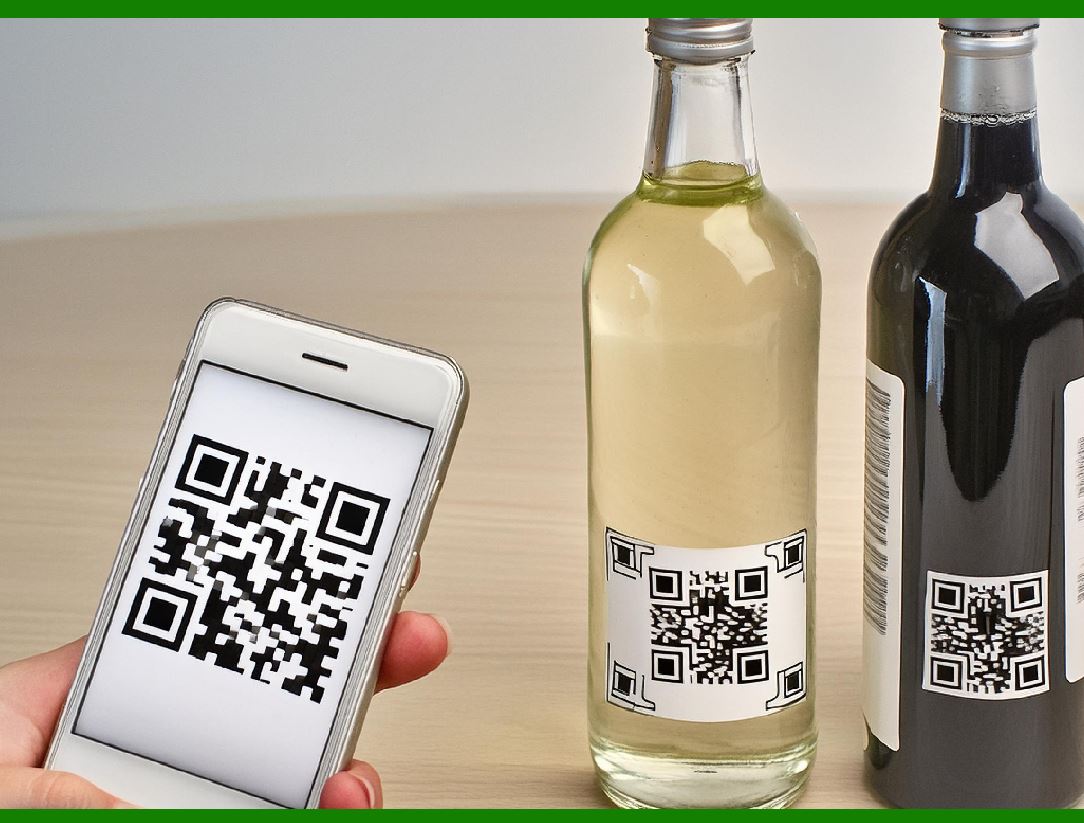
Dynamic QR codes are designed to be one-time-use, but there is still a potential risk of code duplication or replay attacks, particularly if the code is scanned from a screen or a printed medium. If an attacker manages to take a screenshot or photograph of a dynamic QR code while it is valid, they could try to use that duplicate code for a fraudulent transaction. However, since most dynamic codes have expiration times or are validated by the financial institution during the payment process, the risk is mitigated, but not entirely eliminated. |
Moreover, sophisticated attackers could attempt to capture a valid code while it is being displayed and then try to reuse it during the transaction period. Although the time-sensitive nature of dynamic codes helps to prevent this, if the expiration time is not properly enforced or if a delay occurs in the expiration process, there could be an increased risk. |
3.3 Encryption Key Management |
For dynamic QR codes to provide secure transactions, they often rely on encryption to protect the data within the code. This encryption process is only as strong as the management of the encryption keys. If the keys used to encrypt the QR code's data are compromised or not properly managed, it could lead to the entire payment system being vulnerable to attacks. |
For example, if an attacker gains access to a merchant's encryption key or if the payment system is poorly configured, they could potentially decrypt sensitive payment information embedded in the QR code, including the payment amount, the merchant's account number, and customer details. To minimize this risk, strong key management practices, such as using hardware security modules (HSMs) and regularly rotating encryption keys, must be implemented. |
|
4. Regulatory and Legal Challenges |
4.1 Compliance with Local Laws and Regulations |
QR code payments, especially those that involve dynamic codes, must comply with various legal and regulatory frameworks depending on the jurisdiction. For instance, in the European Union, the General Data Protection Regulation (GDPR) imposes strict rules on how personal data should be handled and processed. Similarly, in the United States, there are various state and federal laws governing electronic payments, consumer protection, and fraud prevention. |
Ensuring that dynamic QR codes comply with these regulations can be complex. For example, the way payment information is encrypted and transmitted must meet specific data protection standards. If a dynamic QR code payment system does not comply with regional regulations, it could face legal repercussions or be prohibited from operating in certain markets. |
4.2 Cross-Border Transactions |
As dynamic QR codes facilitate payments in international transactions, issues related to currency exchange, tax compliance, and local payment regulations must be considered. Different countries have varying laws governing how payments should be processed, and a dynamic QR code used for cross-border payments may not be compatible with local systems. Additionally, cross-border payments may face challenges in terms of conversion rates, international fees, and ensuring that both the merchant and consumer comply with respective financial laws. |
Ensuring that dynamic QR codes are secure and comply with all necessary international standards and regulatory frameworks is a complex challenge for businesses seeking to implement QR code-based payment systems in multiple countries. |

|
5. Fraud Detection and Prevention |
5.1 Adoption of Artificial Intelligence and Machine Learning |
To enhance the security of dynamic QR codes, many payment systems are turning to artificial intelligence (AI) and machine learning (ML) algorithms for fraud detection. While these technologies offer significant potential for identifying and preventing fraudulent transactions, they are not without challenges. |
Implementing AI-based fraud detection requires vast amounts of data, sophisticated algorithms, and continuous training. The system must be able to accurately detect fraudulent activities, such as unusual scanning patterns or attempts to use expired codes, without generating too many false positives. Balancing accuracy and efficiency can be a difficult task, and poor implementation could result in legitimate transactions being flagged as fraudulent, leading to a negative user experience. |
5.2 Scalability of Fraud Prevention Systems |
As the number of QR code payments increases, the need for scalable fraud prevention systems becomes more critical. Payment systems must be able to process vast amounts of transaction data in real-time while maintaining high levels of security. Developing systems that can scale to handle large volumes of payments without compromising security is a challenge, particularly as new fraud tactics emerge. |

|
6. Device and App Security |
6.1 Security of Mobile Devices |
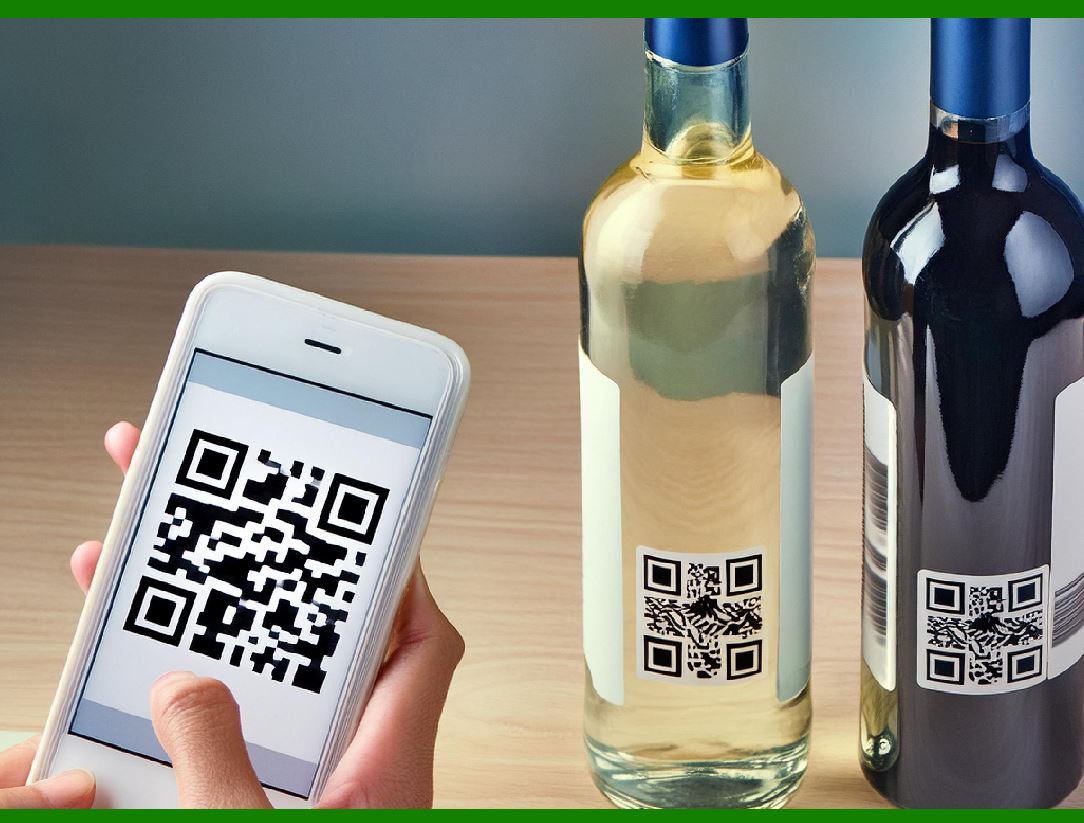
Since dynamic QR code payments rely heavily on smartphones or other mobile devices, the security of these devices is a crucial factor. If a consumer's phone is compromised-either through malware, phishing, or physical theft-the security of the payment could be at risk. Attackers may use keyloggers, screen scraping tools, or fake payment apps to intercept transaction details or even authorize fraudulent payments. |
To address this, mobile devices must be equipped with robust security features, including encryption, multi-factor authentication (MFA), and secure boot mechanisms. Both consumers and merchants must ensure their devices are protected from threats like malware and hacking, which requires continuous awareness and vigilance. |
|
Conclusion |
While dynamic QR codes provide a more secure alternative to static QR codes for payments, their adoption and continued development face a range of challenges. These include technical complexities in real-time generation and processing, potential vulnerabilities such as man-in-the-middle attacks or code duplication, regulatory compliance across different regions, and the need for advanced fraud detection systems. Addressing these challenges requires collaboration between payment providers, merchants, regulators, and consumers to create a secure, seamless, and scalable ecosystem for dynamic QR code payments. |
 cs@easiersoft.com