The History of BCode: Matrix Design for Insect Behavior Study |
1. Introduction to BCode |
BCode is a type of matrix barcode designed primarily for the study of insect behavior. Unlike conventional barcodes used for product identification, BCode was developed with a specific goal in mind: to facilitate the tracking and analysis of insect movements and interactions within experimental settings. The barcode's unique matrix design allows researchers to encode detailed information in a format that can be easily read by specialized scanners. |

|
2. Early Developments (1990s) |
2.1 Origins and Conceptualization |
The concept of BCode originated in the early 1990s, amidst growing interest in the use of technology to advance biological research. Researchers in entomology and behavioral science sought a method to monitor and analyze insect behavior more precisely. Traditional tracking methods were labor-intensive and lacked the granularity required for detailed studies. |
2.2 Initial Research and Development |
In 1994, a team of entomologists and engineers began exploring the idea of using matrix barcodes to address these limitations. Their goal was to create a barcode system that could be easily integrated into experimental setups and provide real-time data on insect movements. Initial designs focused on developing a robust matrix that could withstand various environmental conditions. |
|
3. Prototype and Testing (Late 1990s - Early 2000s) |
3.1 Creation of the Prototype |
By 1997, the first prototype of BCode was developed. This early version featured a simple matrix design with limited data capacity. The prototype was tested in controlled laboratory environments, where researchers used it to track the movements of various insect species, including fruit flies and beetles. |
3.2 Initial Findings and Improvements |
The initial tests revealed both potential and limitations. While the BCode successfully tracked insect movements, issues related to data accuracy and barcode durability were identified. As a result, several iterations of the barcode design were produced to enhance its functionality. |
3.3 Field Testing |
By 2000, researchers began conducting field tests with the improved BCode prototypes. These tests involved deploying the barcodes in outdoor environments to study insect behavior in more natural settings. The results were promising, demonstrating the barcode's ability to provide valuable data on insect interactions with their environment. |

|
4. Advancements and Refinements (Early 2000s - 2010s) |
4.1 Technological Enhancements |
During the early 2000s, BCode underwent significant technological advancements. New matrix designs were introduced to increase data capacity and improve error correction. Additionally, enhancements were made to the barcode's durability, making it more suitable for diverse environmental conditions. |
4.2 Commercialization and Adoption |
By 2005, BCode technology began to gain traction within the scientific community. Specialized equipment for reading BCodes was developed, and the barcode system was commercialized for use in behavioral research. Academic institutions and research organizations adopted BCode for various studies, ranging from pest control to ecological research. |
4.3 Case Studies and Applications |
In the mid-2000s, several notable studies utilizing BCode were published. For instance, a study conducted in 2007 used BCode to track the foraging behavior of ants, providing new insights into their social interactions and movement patterns. Another study in 2009 employed BCode to analyze the mating behavior of butterflies, contributing to our understanding of insect reproductive strategies. |

|
5. Further Developments (2010s - 2020s) |
5.1 Integration with Digital Technologies |
The 2010s saw the integration of BCode with digital technologies. Researchers began using advanced data analytics and machine learning algorithms to process and interpret the data collected from BCode systems. This integration allowed for more detailed and accurate analyses of insect behavior. |
5.2 Expansion of Applications |
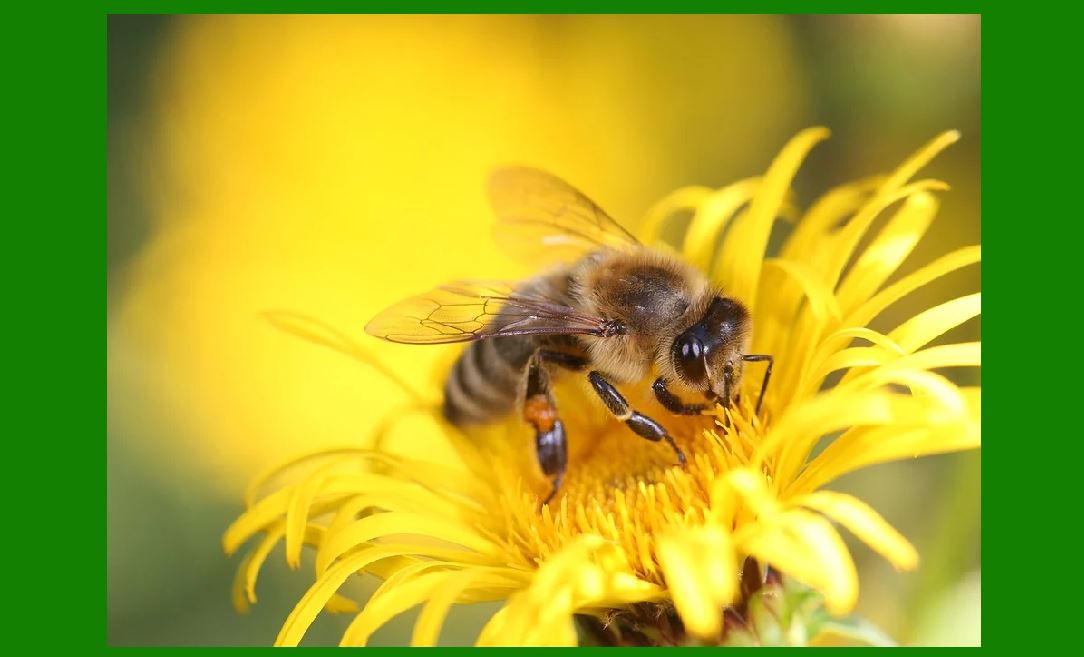
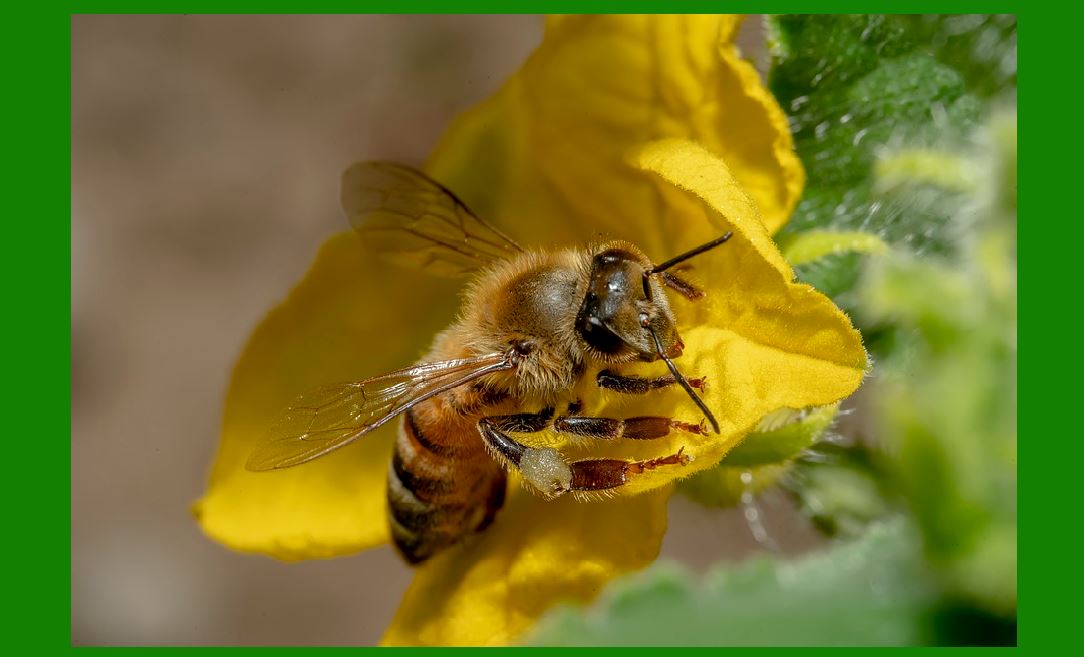
During this period, the applications of BCode expanded beyond traditional insect studies. The technology was adapted for use in agricultural research, where it was employed to monitor the behavior of pollinators and assess their impact on crop yields. Additionally, BCode found applications in conservation efforts, helping to track endangered insect species and their habitats. |
5.3 International Collaboration and Research |
International collaboration played a significant role in the further development of BCode technology. Research teams from different countries shared findings and best practices, leading to improvements in barcode design and data analysis techniques. Collaborative projects also facilitated the standardization of BCode protocols and equipment. |
|
6. Recent Innovations and Future Directions (2020s - Present) |
6.1 Enhanced Data Capacity and Resolution |
In recent years, BCode technology has seen further innovations in data capacity and resolution. New matrix designs with higher data density have been introduced, allowing for the encoding of more detailed information. These advancements have improved the ability to track and analyze complex insect behaviors. |
6.2 Integration with IoT and Smart Technologies |
The integration of BCode with Internet of Things (IoT) and smart technologies has opened new possibilities for insect behavior research. Researchers can now remotely monitor insect activities and receive real-time data updates. This integration has also led to the development of portable BCode readers and sensors that can be used in various field conditions. |
6.3 Future Research and Developments |
Looking ahead, future research on BCode is expected to focus on further improving barcode durability and expanding its applications to other fields of study. Researchers are exploring the potential of combining BCode with other tracking technologies, such as GPS and RFID, to enhance its capabilities. Additionally, there is ongoing work to develop new algorithms and data processing techniques to extract more insights from BCode data. |
|
7. Conclusion |
BCode has evolved significantly since its inception, transforming from a simple prototype into a sophisticated tool for studying insect behavior. Its development has been marked by continuous improvements in design, technology, and applications. As research and technology continue to advance, BCode is likely to play an increasingly important role in understanding the complexities of insect behavior and ecology. |
In summary, the history of BCode reflects a journey of innovation and adaptation, driven by the need for more precise and effective methods for studying insect behavior. From its early conceptualization to its current state, BCode has demonstrated its value as a research tool and continues to contribute to the field of entomology and beyond. |
|
 cs@easiersoft.com