The History of BeeTagg: A 2D Code with Honeycomb Structures |
1. Introduction to BeeTagg |
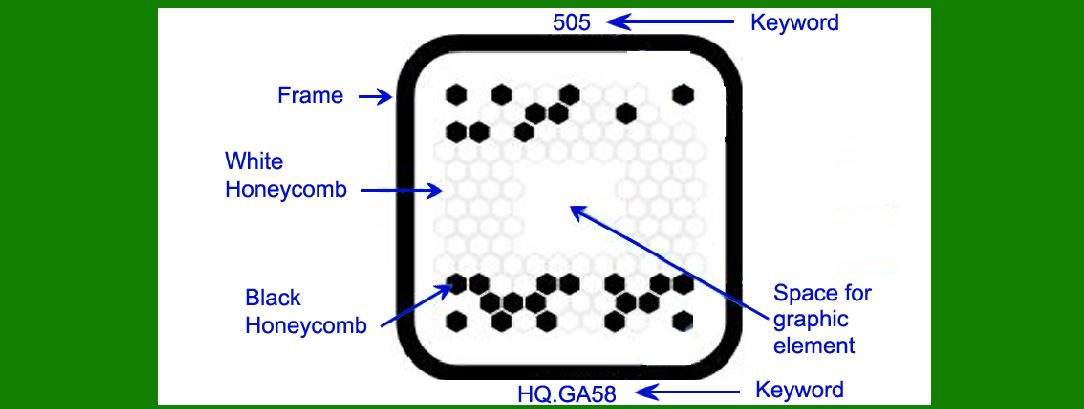
BeeTagg is a 2D barcode technology distinguished by its honeycomb structure, which sets it apart from the traditional square or rectangular patterns found in other 2D codes like QR codes. Developed by the Swiss company connvision AG, BeeTagg was introduced in the early 2000s as a versatile barcode designed for mobile marketing and information sharing applications. |
|
2. Inception and Development (2002-2004) |
2.1 Early Concept and Inspiration |
The idea for BeeTagg was conceived around 2002, inspired by the increasing use of mobile phones and the growing need for a mobile-friendly way to connect the physical and digital worlds. The honeycomb design was chosen for its visual appeal and its potential for more robust data encoding. |
2.2 Formation of connvision AG |
In 2003, connvision AG was established in Zurich, Switzerland, with the primary goal of developing and commercializing the BeeTagg technology. The company's founders, including Daniel Niklaus and his team, aimed to create a unique 2D code that could be easily scanned by mobile devices. |
2.3 Prototype Development |
By 2004, connvision AG had developed the first prototypes of BeeTagg. These early versions demonstrated the feasibility of using a honeycomb pattern for encoding data and were tested for readability and performance. The prototypes showed promise, leading to further refinement and testing. |
|
3. Launch and Early Adoption (2005-2007) |
3.1 Official Launch |
BeeTagg was officially launched in 2005. The initial launch focused on demonstrating the technology's capabilities and potential applications, including mobile marketing, event ticketing, and product information. |
3.2 Early Use Cases |
One of the first major use cases of BeeTagg was in mobile marketing campaigns. Companies began using BeeTagg codes on printed advertisements, allowing users to scan the codes with their mobile phones to access promotional content, discounts, or additional product information. This innovative use of 2D codes quickly gained attention and adoption. |
3.3 Partnership with Mobile Phone Manufacturers |
To facilitate the widespread use of BeeTagg, connvision AG formed partnerships with mobile phone manufacturers and software developers. These collaborations ensured that BeeTagg readers were integrated into popular mobile devices and available as downloadable applications, making it easier for users to scan and interact with BeeTagg codes. |

|
4. Expansion and Diversification (2008-2010) |
4.1 Growth in Popularity |
Between 2008 and 2010, BeeTagg saw significant growth in popularity. Its unique design and versatile applications made it a preferred choice for various industries, including retail, entertainment, and tourism. The technology's ability to encode URLs, contact information, and plain text made it a valuable tool for businesses looking to engage with customers in new and interactive ways. |
4.2 Diversification of Applications |
During this period, the use of BeeTagg expanded beyond mobile marketing. For example, BeeTagg codes were used in event ticketing to provide quick and secure access to concerts, sporting events, and conferences. Attendees could simply scan the code on their ticket to gain entry, reducing the need for physical tickets and streamlining the check-in process. |
4.3 Introduction of BeeTagg Generator |
In 2009, connvision AG introduced the BeeTagg Generator, a web-based tool that allowed users to create their own BeeTagg codes. This tool made it easy for businesses and individuals to generate custom BeeTagg codes for various purposes, further driving the adoption and use of the technology. |
|
5. Technological Advancements (2011-2013) |
5.1 Enhancements in Code Design |
From 2011 to 2013, connvision AG focused on enhancing the design and functionality of BeeTagg. Improvements were made to the code's structure to increase data capacity and error correction capabilities. These advancements ensured that BeeTagg codes remained reliable and efficient, even when partially damaged or obscured. |
5.2 Integration with Social Media |
Recognizing the growing influence of social media, connvision AG developed features that allowed BeeTagg codes to link directly to social media profiles and content. This integration enabled users to quickly connect with brands and share information through platforms like Facebook, Twitter, and LinkedIn. |
5.3 Expansion into New Markets |
During this time, BeeTagg expanded into new markets and regions. The technology gained traction in Asia, particularly in Japan and South Korea, where mobile technology was rapidly advancing. BeeTagg codes were used in a variety of innovative applications, from interactive museum exhibits to smart packaging solutions. |
|
6. Challenges and Adaptations (2014-2016) |
6.1 Competition from Other 2D Codes |
As the popularity of QR codes and other 2D barcode technologies grew, BeeTagg faced increased competition. To remain relevant, connvision AG had to continuously innovate and adapt to changing market demands. |
6.2 Development of BeeTagg 2.0 |
In response to the competitive landscape, connvision AG developed BeeTagg 2.0 in 2015. This new version featured improved scanning speed, enhanced data security, and greater customization options. BeeTagg 2.0 was designed to meet the evolving needs of businesses and consumers, ensuring the technology remained a viable option in the crowded 2D code market. |
6.3 Strategic Partnerships and Collaborations |
To strengthen its market position, connvision AG formed strategic partnerships with companies in various industries. These collaborations included working with packaging companies to integrate BeeTagg codes into product packaging and partnering with event organizers to streamline ticketing processes. |

|
7. Continued Evolution and Future Prospects (2017-Present) |
7.1 Adoption in IoT Applications |
From 2017 onwards, BeeTagg began to find applications in the emerging Internet of Things (IoT) sector. The unique honeycomb structure of BeeTagg codes made them suitable for use in smart devices and connected systems. For example, BeeTagg codes were used in smart home products to provide quick access to setup instructions and troubleshooting guides. |
7.2 Focus on Data Analytics |
Recognizing the importance of data analytics, connvision AG introduced features that allowed businesses to track and analyze interactions with BeeTagg codes. This data provided valuable insights into consumer behavior and engagement, helping companies refine their marketing strategies and improve customer experiences. |
7.3 Ongoing Research and Development |
Connvision AG continues to invest in research and development to enhance the capabilities of BeeTagg. Ongoing efforts include exploring new encoding techniques, improving scanning technology, and expanding the range of applications for BeeTagg codes. The company's commitment to innovation ensures that BeeTagg remains a relevant and valuable tool in the ever-evolving digital landscape. |

|
8. Notable Examples and Case Studies |
8.1 Tourism and Travel |
BeeTagg codes have been widely used in the tourism and travel industry. For example, the Swiss Tourism Board implemented BeeTagg codes at various tourist attractions, allowing visitors to access detailed information about historical sites, museums, and landmarks by simply scanning the code with their mobile phones. |
8.2 Retail and E-commerce |
In the retail sector, BeeTagg codes have been used to enhance the shopping experience. Retailers placed BeeTagg codes on product packaging and in-store displays, enabling customers to access product details, reviews, and promotional offers instantly. This use of BeeTagg codes helped bridge the gap between physical stores and online shopping, providing a seamless and interactive experience for consumers. |
8.3 Event Ticketing and Access Control |
BeeTagg codes have also been utilized in event ticketing and access control. For instance, music festivals and sports events adopted BeeTagg codes for digital ticketing, allowing attendees to scan their tickets for quick and secure entry. This application not only streamlined the entry process but also reduced the risk of counterfeit tickets. |
8.4 Healthcare and Pharmaceuticals |
In the healthcare industry, BeeTagg codes have been used to improve patient care and medication management. Hospitals and clinics implemented BeeTagg codes on patient wristbands and medication packaging, ensuring accurate identification and administration of treatments. Additionally, pharmaceutical companies used BeeTagg codes to provide detailed information about medications, including dosage instructions and potential side effects. |
8.5 Education and Publishing |
Educational institutions and publishers have leveraged BeeTagg codes to enhance learning experiences. Textbooks and educational materials featured BeeTagg codes that linked to supplementary content, such as instructional videos, interactive quizzes, and additional reading materials. This use of BeeTagg codes provided students with easy access to a wealth of resources, enriching their learning journey. |
8.6 Art and Culture |
In the art and culture sector, BeeTagg codes have been used to create interactive exhibits and installations. Museums and galleries incorporated BeeTagg codes into their displays, allowing visitors to access audio guides, artist biographies, and detailed descriptions of artworks. This application of BeeTagg codes provided a deeper and more engaging experience for art enthusiasts. |

|
9. Conclusion |
The history of BeeTagg is a testament to the innovation and adaptability of 2D barcode technology. From its inception and development by connvision AG to its widespread adoption and diverse applications, BeeTagg has proven to be a versatile and valuable tool in connecting the physical and digital worlds. As technology continues to evolve, BeeTagg's unique honeycomb structure and robust capabilities ensure that it will remain a relevant and impactful solution for businesses and consumers alike. |

|
 cs@easiersoft.com