History of the Boxing Barcode Format Used in PiqlFilm |
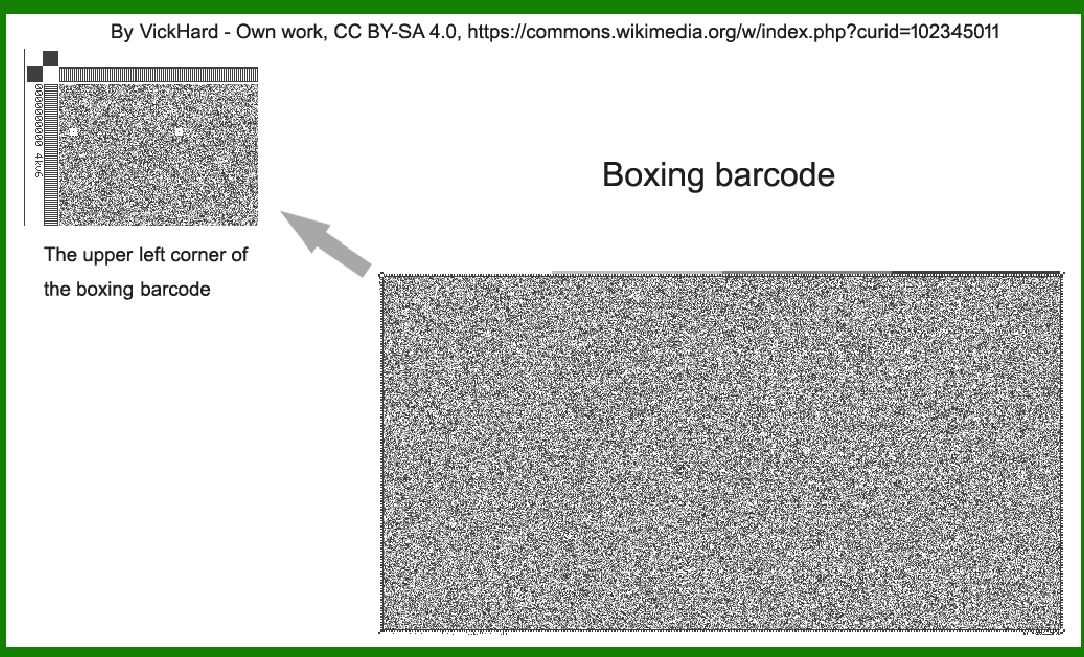
1.Introduction to PiqlFilm and the Boxing Barcode Format PiqlFilm is an innovative data storage medium developed by Piql AS, a Norwegian company specializing in long-term data preservation. Unlike traditional digital storage, which can be vulnerable to data degradation and technological obsolescence, PiqlFilm leverages a photosensitive film to store digital data with an exceptionally long lifespan, estimated at over 500 years. One crucial component of PiqlFilm's technology is the Boxing barcode format, a unique encoding system that ensures the precise organization and retrieval of stored data. |
|
2.Origins and Early Development (2012-2014) The concept of PiqlFilm began to take shape in 2012, when Piql AS started exploring alternatives to conventional digital storage. The aim was to create a medium that could withstand the test of time and avoid the pitfalls of digital decay. During this period, the company identified the need for a robust indexing system to manage the vast amounts of data that would be stored on the film. This led to the initial development of the Boxing barcode format, designed to facilitate data organization, error correction, and easy retrieval. |

|
3.The Role of Photographic Film Technology Traditional photographic film had long been recognized for its durability and stability, attributes that made it an ideal candidate for long-term data storage. Piql AS capitalized on these properties, using high-resolution film to store binary data in both human-readable and machine-readable formats. The Boxing barcode format emerged as a solution to encode data segments on the film, ensuring that each piece of information could be precisely located and accessed. |
4.First Implementations and Testing (2014-2015) By 2014, the Boxing barcode format had progressed from conceptual design to initial implementation. The first tests involved encoding simple data structures onto the film, with the Boxing barcode format used to mark the beginning and end of each data block. These early trials demonstrated the potential of the format to manage data effectively. Engineers worked on refining the barcode's structure to maximize data density while maintaining readability. |

|
5.Improving Error Correction Capabilities (2015-2016) One of the key challenges during the development of the Boxing barcode format was ensuring reliable error correction. Given the long-term nature of PiqlFilm storage, it was crucial that the data remain intact and accessible even after decades or centuries. In 2015, Piql AS engineers integrated advanced error correction algorithms into the Boxing barcode format. These algorithms were based on Reed-Solomon codes, widely used in digital communications and storage for their robustness against data corruption. |
6.Commercial Launch of PiqlFilm (2016) PiqlFilm, complete with its Boxing barcode format, was commercially launched in 2016. The launch marked a significant milestone for Piql AS, offering a revolutionary solution for organizations seeking to preserve valuable data for the long term. The Boxing barcode format played a central role in the product's success, providing a reliable method for organizing and retrieving data. Early adopters included national archives, research institutions, and cultural heritage organizations. |

|
7.Case Study: The Arctic World Archive (2017) In 2017, the Arctic World Archive (AWA) was established on the island of Svalbard, Norway. This facility, designed to safeguard digital and physical data for future generations, became one of the most prominent users of PiqlFilm. The Boxing barcode format proved essential in managing the diverse datasets stored in the archive, ranging from national archives to masterpieces of literature and art. The AWA showcased the practical application and reliability of PiqlFilm's technology. |
8.Ongoing Enhancements and Optimizations (2017-2019) Following the successful launch and initial use cases, Piql AS continued to enhance the Boxing barcode format. Between 2017 and 2019, the company focused on optimizing the encoding algorithms to further increase data density and improve error correction performance. These enhancements were driven by feedback from early adopters and ongoing research and development efforts. The goal was to ensure that PiqlFilm remained at the forefront of long-term data storage solutions. |

|
9.Integration with Digital Preservation Standards (2019-2020) As PiqlFilm gained recognition within the digital preservation community, Piql AS sought to align the Boxing barcode format with international standards for digital preservation. In 2019, the company began collaborating with organizations such as the International Organization for Standardization (ISO) to ensure compatibility and interoperability. This collaboration led to the adoption of standardized encoding practices, further solidifying the Boxing barcode format's role in the long-term preservation landscape. |
10.Adoption by Government and Corporate Sectors (2020-2022) By 2020, the reliability and longevity of PiqlFilm, along with its Boxing barcode format, had attracted interest from government agencies and corporate sectors. Governments utilized PiqlFilm to archive critical records and historical documents, while corporations leveraged it for secure and permanent storage of intellectual property, legal documents, and financial records. The Boxing barcode format's ability to precisely organize and retrieve data made it an indispensable tool for these high-stakes applications. |
|
11.Technological Advancements and Future Prospects (2022-2024) In the early 2020s, Piql AS continued to innovate, exploring ways to further enhance the Boxing barcode format. Research into new materials and encoding techniques aimed to increase data density and improve error resilience. By 2024, Piql AS had introduced several technological advancements, such as enhanced resolution film and more efficient encoding algorithms, ensuring that the Boxing barcode format remained state-of-the-art. |
12.Case Study: National Archives and Records Administration (NARA) One notable example of the Boxing barcode format in use is the collaboration with the United States National Archives and Records Administration (NARA). In 2023, NARA selected PiqlFilm to archive significant portions of its digital records, recognizing the format's longevity and reliability. The Boxing barcode format allowed NARA to organize and access vast amounts of historical data efficiently, ensuring its preservation for future generations. |

|
13.Educational and Cultural Heritage Preservation (2024) By 2024, PiqlFilm and its Boxing barcode format had become integral to the preservation efforts of educational institutions and cultural heritage organizations worldwide. Universities used PiqlFilm to archive research data, while museums and libraries relied on it to safeguard digital collections. The Boxing barcode format facilitated the meticulous organization and retrieval of diverse data types, from manuscripts to multimedia files, ensuring that cultural heritage remained accessible. |
14.Global Expansion and Recognition Piql AS's success with PiqlFilm and the Boxing barcode format led to global expansion. The company established partnerships with archival institutions and commercial clients in Europe, Asia, and the Americas. The format's reliability and longevity earned it accolades within the digital preservation community, solidifying Piql AS's reputation as a leader in long-term data storage solutions. |

|
15.Challenges and Solutions Despite its success, the development and implementation of the Boxing barcode format faced challenges. Early versions of the format had to balance data density with error correction capabilities, a delicate task given the longevity requirements. Through continuous research and iterative improvements, Piql AS addressed these challenges, enhancing the format's robustness and efficiency. Collaboration with industry experts and adherence to international standards were pivotal in overcoming these hurdles. |
16.Looking Ahead: Innovations and Legacy As Piql AS looks to the future, the company remains committed to advancing the Boxing barcode format. Ongoing research into new materials and encoding technologies promises to further increase data density and enhance error correction. The legacy of the Boxing barcode format is a testament to the ingenuity and dedication of Piql AS, ensuring that data stored today will be accessible for centuries to come. |

|
17.Summary The history of the Boxing barcode format used in PiqlFilm is a story of innovation, collaboration, and dedication to preserving the past for the future. From its origins in 2012 to its current role in global data preservation efforts, the Boxing barcode format has proven to be a reliable and indispensable tool. As technology evolves, Piql AS continues to refine and enhance the format, ensuring that it remains at the cutting edge of long-term data storage solutions. |

|
 cs@easiersoft.com