History and development of barcodes |
1. Origin and early concept of barcodes (early 20th century to 1940s) |
The origin of barcodes can be traced back to the early 20th century, when people began to explore a technology that could quickly and accurately identify and record information. The earliest concept of barcodes was not for business, but to solve efficiency problems in industrial production and logistics management. |
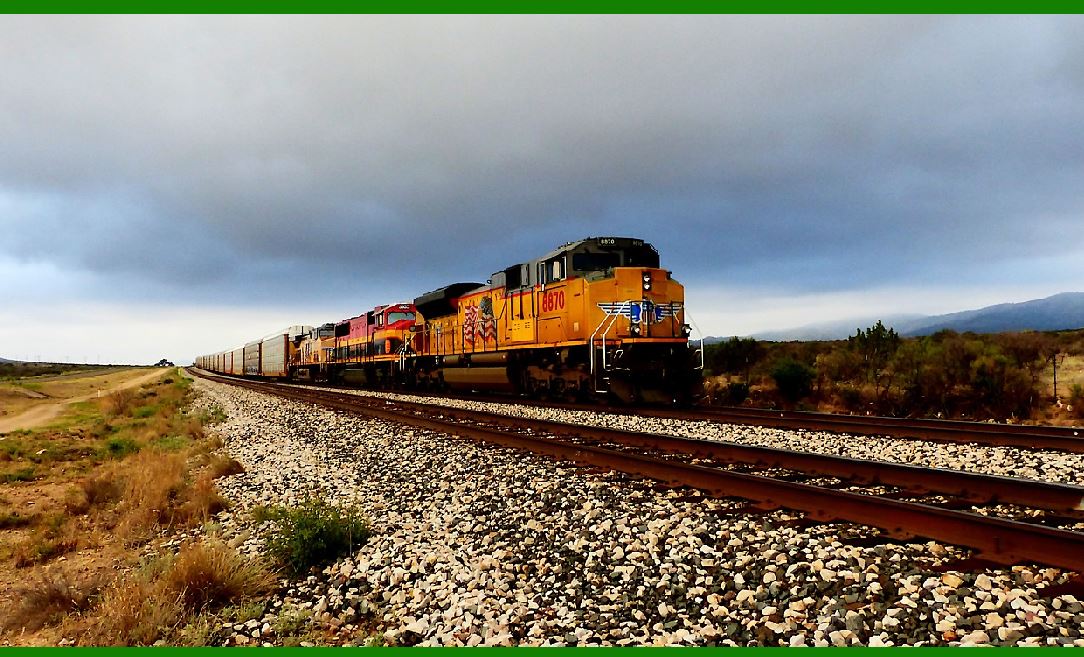
1911: American inventor Charles F. Krum proposed an optical symbol system for railway vehicle identification, which was the prototype of barcodes. The system prints black and white stripes on the carriages and uses photoelectric technology to read information to help railway companies track vehicles. |
1932: Wallace Flint proposed the idea of an automated supermarket system where customers can select goods through punched cards and the system automatically handles orders and inventory. Although this idea was not realized, it provided inspiration for the subsequent barcode technology. |
1940s: With the outbreak of World War II, the demand for rapid identification and tracking of supplies in the military field surged. The U.S. military developed barcode-like technology for identifying aircraft and weapon parts. The technology of this period laid the foundation for the subsequent development of barcodes. |
|
2. The official birth of barcode technology (1950s to 1960s) |
The official birth of barcode technology is inseparable from the contributions of two engineers: Norman Joseph Woodland and Bernard Silver. Their invention is considered the direct predecessor of the modern barcode. |
1948: Bernard Silver is a graduate student at Drexel University. He heard the owner of a local supermarket complain about the inefficiency of checkout, so he and his classmate Norman Joseph Woodland began to study solutions. |
1949: Woodland and Silver applied for a patent called 'Classification Apparatus and Method', which described a linear barcode system based on Morse code. The original barcode design was in the form of concentric circles (called 'bull's eye code'), but it was later changed to straight stripes for easier printing and reading. |
1952: Their patent was approved, but barcodes were not immediately commercialized due to the technical limitations of the time. |
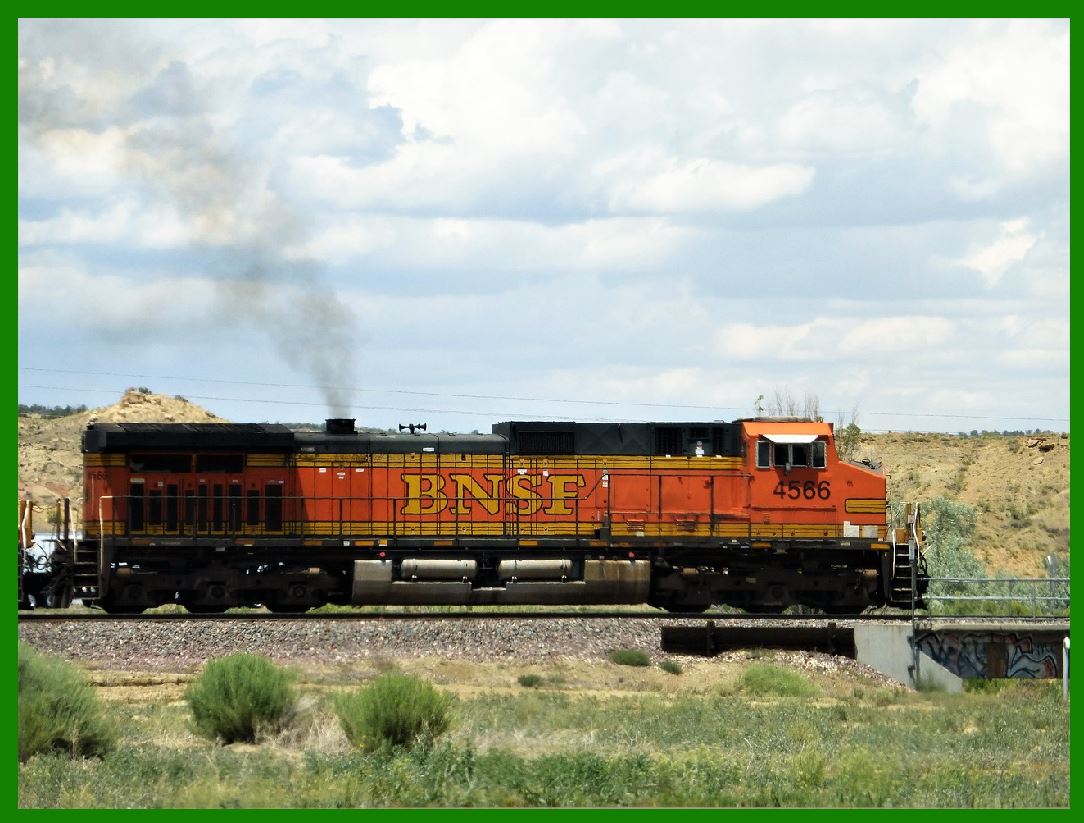
1960s: With the development of laser technology and computers, barcode reading technology gradually matured. The American Association of Railroads (AAR) adopted barcode technology (called the 'KarTrak system') in 1967 for tracking carriages, but due to technical problems, the system was abandoned in the 1970s. |
|
3. Commercialization and standardization of barcodes (1970s) |
The 1970s was an important period for the commercialization of barcode technology. The supermarket industry became the main force driving the development of barcode technology. |
1970: The American Supermarket Association (now GS1 US) established a committee to study the feasibility of an automated checkout system. They chose the Universal Product Code (UPC) proposed by IBM as the standard. |
1973: The UPC standard was officially established and became the world's first widely used barcode standard. UPC uses a 12-digit code, the first 6 digits represent the manufacturer, the next 5 digits represent the product, and the last digit is the check code. |
June 26, 1974: A supermarket in Ohio scanned the first product with a UPC barcode - a pack of Wrigley's gum. This event is considered a milestone in the commercialization of barcodes. |
|
4. Global promotion and diversified development of barcodes (1980s to 1990s) |
From the 1980s to the 1990s, barcode technology quickly became popular around the world, and many different types of barcodes appeared. |
1980s: |
Barcode technology expanded from supermarkets to manufacturing, logistics, medical and other fields. Europe, Japan and other regions began to adopt their own barcode standards, such as Europe's EAN-13 (International Article Number). |
The concept of two-dimensional barcodes began to emerge. In 1987, Dr. David Allais developed Code 49, one of the earliest two-dimensional barcodes. |
1990s: |
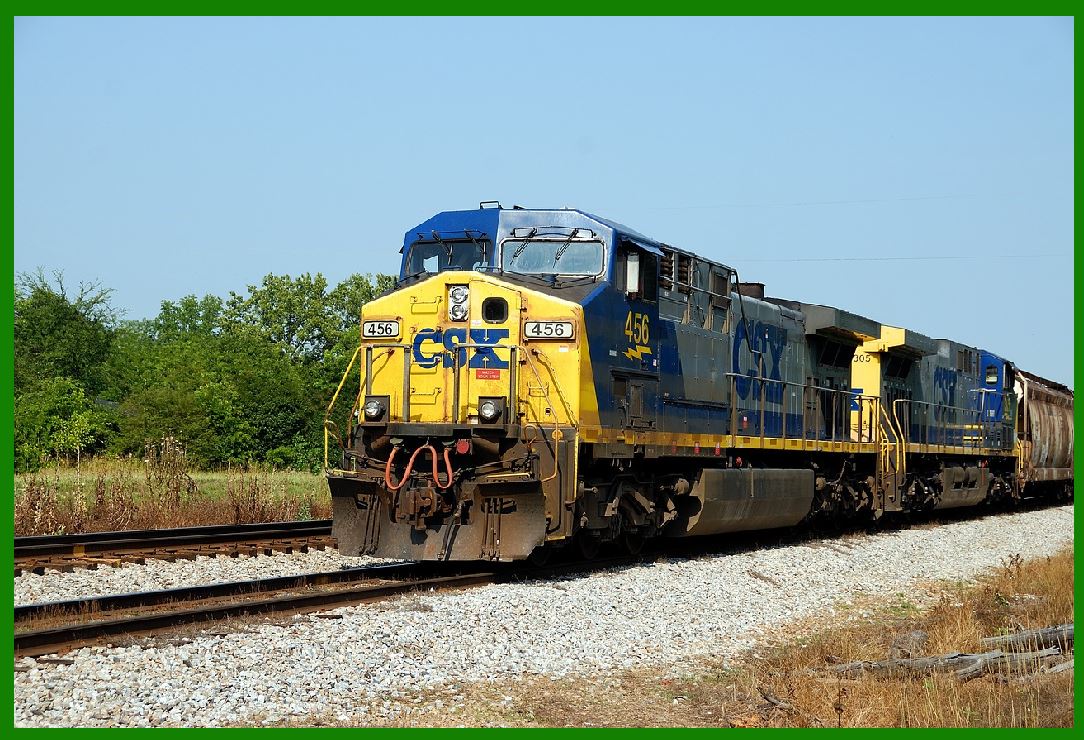
Japan invented the QR code (Quick Response Code), which was developed by Denso Wave, a subsidiary of Toyota, in 1994. QR codes can store more information and support fast scanning. |
Barcode technology is widely used in the medical field, such as for patient identification and drug management. |
|
5. Modernization and innovation of barcode technology (2000s to present) |
After entering the 21st century, barcode technology continued to innovate and deeply integrated with technologies such as the Internet and mobile devices. |
2000s: |
The popularity of smartphones has promoted the widespread use of QR codes. QR codes are used in advertising, payment, social media and other fields. |
RFID (radio frequency identification) technology has emerged and complements barcodes. RFID is suitable for scenarios that require long-distance or batch reading. |
2010s: |
Dynamic barcodes (such as payment codes for Alipay and WeChat Pay) have become the core technology of mobile payments. |
Barcode technology plays an important role in the Internet of Things (IoT) for device identification and data collection. |
2020s: |
Barcode technology continues to develop towards high capacity and high security. For example, ColorCode and High Capacity Color Barcode (HCCB) use color to increase information density. |
Artificial intelligence (AI) is combined with barcodes to achieve smarter identification and analysis. |

|
6. Main types and technical features of barcodes |
Barcode technology has developed to date and has formed a variety of types, each suitable for different application scenarios. |
One-dimensional barcode: |
UPC: Mainly used in the retail industry, with a length of 12 digits. |
EAN-13: Internationally used commodity code, with a length of 13 digits. |
Code 39: Supports letters and numbers, used in the industrial field. |
Code 128: High-density encoding, used in logistics and transportation. |
Two-dimensional barcode: |
QR code: Fast response, supports multiple data types (such as URL, text, etc.). |
Data Matrix: Miniaturized design, suitable for electronic component identification. |
PDF417: High-capacity encoding, used for ID cards and driver's licenses. |
|
7. Future development trends of barcode technology |
Barcode technology will continue to evolve in the future, and the main trends include: |
Combination with artificial intelligence: AI can improve the recognition speed and accuracy of barcodes, especially in complex environments (such as damaged or blurred barcodes). |
Augmented reality (AR) applications: Barcodes can be used as triggers for AR content to provide users with more interactive experiences. |
Environmental protection and sustainability: Develop degradable or electronic ink-printed barcodes to reduce the impact on the environment. |
Conclusion |
The development of barcode technology reflects mankind's unremitting pursuit of efficiency and automation. From the initial simple stripes to today's smart QR codes, barcodes have become an indispensable part of modern society. In the future, with the advancement of technology, barcodes will continue to serve all walks of life in new forms. |
|
Charles F. Krum proposed an optical symbology system for railway vehicle identification. What is its actual application? |
Charles F. Krum's railway vehicle optical identification system and its actual application |
1. Background and invention motivation |
In the early 20th century, rail transportation was one of the most important logistics and passenger transportation methods in Europe and the United States. With the expansion of the railway network, how to efficiently and accurately identify and track thousands of vehicles became a major challenge for railway companies. Traditional manual recording methods (such as handwritten registration) are inefficient and prone to errors. |
Charles F. Krum (1872-1948) was an American inventor who devoted himself to the research of railway automation technology for a long time. He realized that if vehicles could be automatically identified by machines, the efficiency of railway operations would be greatly improved. In 1911, he proposed a system based on optical symbology recognition to achieve automatic tracking of railway vehicles. |

|
2. Basic principles of the system |
Krum's system mainly consists of the following parts: |
Optical symbols: a set of black and white stripes or geometric patterns painted or installed on the side of the railway carriage, similar to the early bar code. These symbols represent the number or category of the vehicle. |
Photoelectric reader: installed at a fixed location beside the railway track (such as a station or marshalling yard), when the vehicle passes by, the photoelectric sensor will detect the symbols on the carriage. |
Data recording and processing: The read signal is converted into electrical pulses and the vehicle information such as number, type or destination is recorded through mechanical or electrical equipment. |
|
3. Actual application |
Krum's system achieved some success in the experimental stage, but encountered many challenges in actual promotion: |
(1) Early trials (1910s-1920s) |
Several large railway companies in the United States (such as the Pennsylvania Railroad and the New York Central Railroad) tested Krum's system. |
In some freight stations and marshalling yards, the system can automatically record car numbers and reduce manual transcription errors. |
However, due to the immature photoelectric technology at the time, the reliability of the sensor was low and was easily affected by weather (such as rain, snow, dust) and light conditions (such as night or strong light). |
(2) Technical limitations |
Insufficient recognition accuracy: Early photoelectric sensors had high requirements for stripe contrast. If the car was damaged or the symbol faded, the reading failure rate was high. |
Lack of standardization: Different railway companies used different encoding formats, making the system difficult to use universally. |
High mechanical complexity: The system relies on mechanical recording devices and has high maintenance costs. |
(3) Subsequent improvements and alternatives |
After the 1920s, the railway industry gradually turned to more reliable automatic vehicle identification technologies, such as metal tag systems (identifying car numbers through electromagnetic induction). |
In the 1960s, the American Association of Railroads (AAR) tried to adopt the barcode-like KarTrak system (based on color stripes), but eventually abandoned it due to maintenance problems. |
Modern railways generally use RFID (radio frequency identification) and GPS tracking, and Krum's optical system has become history. |
|
4. Historical significance and impact |
Although Krum's system has not been widely used, it has important historical significance: |
The first practice of automatic recognition technology: Krum's scheme is the earliest known attempt to use optical symbols for machine recognition, which provided inspiration for the subsequent barcode technology. |
Promote the development of photoelectric sensing technology: The experiments of this system promoted the progress of early photoelectric detection technology and influenced the development of subsequent industrial automation equipment. |
Inspired modern barcodes: In the 1940s, Norman Woodland referred to Krum's stripe coding concept when studying supermarket automation and eventually invented the UPC barcode. |

|
5. Conclusion |
Charles F. Krum's railway vehicle optical identification system was an important exploration of automation technology in the early 20th century. Although it was not popularized at the time due to technical limitations, its core idea (i.e. automatic identification through machine-readable symbols) laid the foundation for later technologies such as barcodes and RFID. Today, the railway industry has adopted more advanced electronic tracking methods, but Krum's contribution is still regarded as a key step in the development of automatic identification technology. |
|
Modern railway vehicle identification and tracking technology: application and development of RFID and GPS |
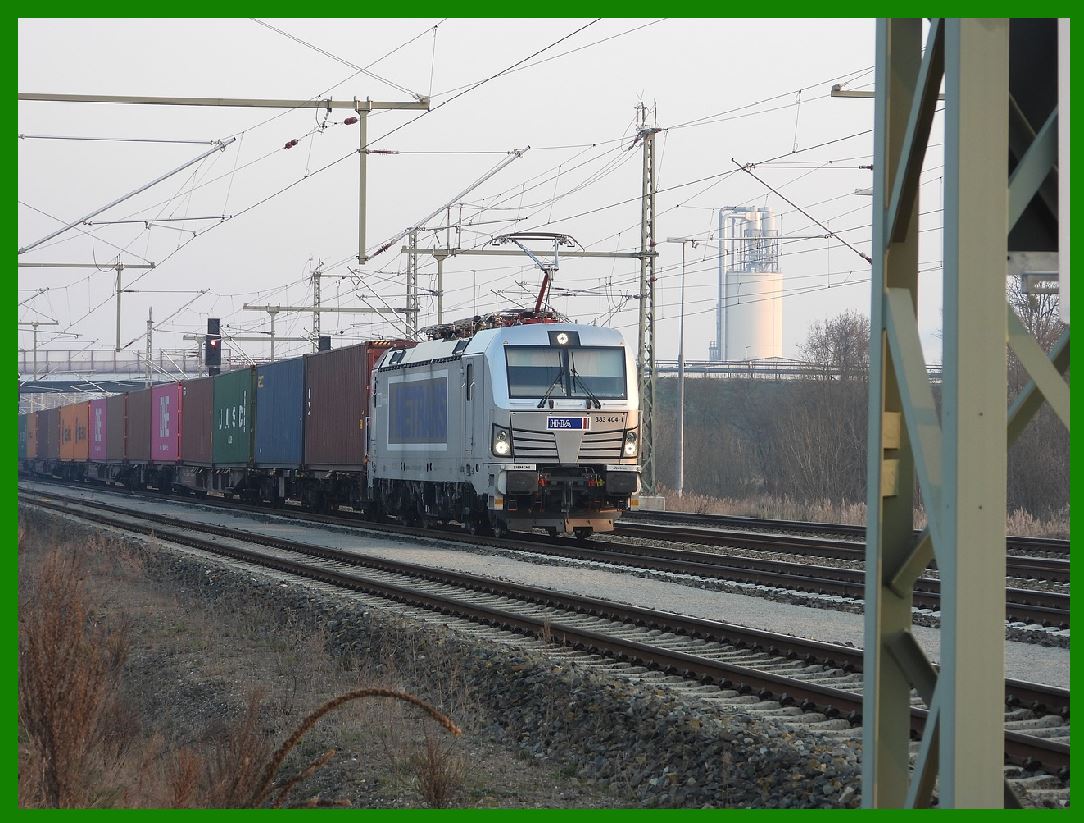
With the high-speed and intelligent development of railway transportation, traditional manual recording or optical identification methods (such as Charles F. Krum's system) can no longer meet the needs of modern logistics and safety management. At present, the global railway system mainly relies on RFID (radio frequency identification) and GPS (global positioning system) for real-time identification and tracking of vehicles. These two technologies have their own advantages and complement each other in different application scenarios. |
1. Application of RFID (Radio Frequency Identification) in Railway System |
1.1 Technical Principle |
RFID (Radio Frequency Identification) is a contactless automatic identification technology, and its core components include: |
Electronic tag (Tag): installed on vehicles or goods, storing unique codes (such as vehicle ID, cargo information). |
Reader: fixed beside the track or at the station, reading tag data through radio frequency signals. |
Backend system: processes data and links with train scheduling and logistics management platforms. |
The working frequency bands of RFID mainly include: |
Low frequency (LF, 125-134 kHz): short-range identification (<1m), strong anti-interference, suitable for harsh environments. |
High frequency (HF, 13.56 MHz): medium distance (~1m), commonly used in ticketing systems (such as subway card swiping). |
Ultra-high frequency (UHF, 860-960 MHz): long distance (up to 10m or more), suitable for high-speed moving object identification, such as railway vehicles. |

|
1.2 Specific applications in railways |
(1) Automatic Equipment Identification (AEI) |
Fixed RFID on the trackside: Readers are deployed at key locations such as marshaling yards, hubs, and border checkpoints to automatically collect information about passing vehicles (such as vehicle number, model, and company). |
Mobile RFID: Handheld devices are used for on-site maintenance or temporary inspections. |
(2) Freight logistics management |
Container/truck tracking: RFID tags record cargo information (such as category, weight, and destination) and synchronize with the logistics system to improve loading and unloading efficiency. |
Customs and cross-border transportation: Automatically identify cross-border trains and reduce manual inspection time (such as China-Europe Express applications). |
(3) Safety and maintenance |
Wheel and bearing monitoring: Some RFID tags are integrated with sensors that can monitor temperature and vibration data in real time to prevent derailment accidents. |
Dangerous goods transportation supervision: Focus on tracking vehicles transporting chemicals and flammables. |

|
1.3 Advantages and limitations |
Advantages: |
Contactless reading, adaptable to high-speed movement (train speed of 100km/h can still be identified). |
Resistant to harsh environments (dust, rain, oil pollution do not affect performance). |
Long tag life (battery-free passive tags can be used for more than 10 years). |
Limitations: |
Relying on fixed readers, it is impossible to achieve continuous tracking throughout the journey (need to be combined with GPS). |
Metallic environments (such as carriages) may interfere with signals, requiring special anti-metal tag design. |
|
2. Application of GPS (Global Positioning System) in Railway System |
2.1 Technical Principle |
GPS calculates location coordinates by receiving satellite signals. Modern railways usually use: |
GNSS (Global Navigation Satellite System): including the US GPS, China's Beidou, the EU's Galileo, etc., to provide higher precision positioning. |
Enhanced positioning technology: such as differential GPS (DGPS) and inertial navigation (INS) to compensate for signal blind spots such as tunnels and mountainous areas. |

|
2.2 Specific applications in railways |
(1) Real-time positioning and dispatching of trains |
Train control systems (such as ETCS, CTCS): GPS data assists automatic train operation (ATO) and collision avoidance systems. |
Dynamic timetable adjustment: The dispatch center optimizes the operation diagram according to the actual position of the train to reduce delays. |
(2) Freight tracking and logistics optimization |
Cold chain logistics monitoring: GPS combined with temperature sensors to ensure the safety of fresh food transportation. |
Multimodal transport coordination: docking with ports and road transportation systems to optimize cargo transfer efficiency. |
(3) Safety and emergency response |
Derailment or accident location: Emergency rescue departments can quickly locate the accident train. |
Geofencing: Automatic alarm when speeding or deviating from the planned route. |
|
2.3 Advantages and limitations |
Advantages: |
Global coverage, continuous tracking throughout the journey. |
Supports dynamic data collection such as speed and direction. |
Limitations: |
Signal loss in tunnels, viaducts and other scenarios requires inertial navigation or trackside beacons. |
Relying on onboard power supply, long-term operation requires low power design. |
|
3. Collaborative application cases of RFID and GPS |
3.1 China Railway's Vehicle Number Recognition System |
RFID: Automatically identify vehicles at key nodes (such as marshaling yards), and upload data to the national railway vehicle number database. |
GPS: Beidou terminals are installed on freight trains to achieve real-time monitoring across the country. |
3.2 European Railway Traffic Management System (ERTMS) |
RFID: used for vehicle identity authentication (such as European freight car numbers). |
GPS: combined with GSM-R wireless communication, it can realize accurate train positioning and interval control. |
3.3 Indian Railway Freight Tracking |
RFID: Identify containers and reduce manual transcription errors. |
GPS: Monitor train location to prevent cargo theft or delays. |

|
4. Future Development Trends |
RFID and Sensor Fusion: |
Smart tags integrate temperature, humidity and impact sensors to achieve smart freight. |
5G+Beidou/GPS: |
Low-latency communication supports more accurate train control (such as unmanned freight trains). |
Blockchain and Data Sharing: |
RFID+GPS data is uploaded to the chain to improve logistics transparency (such as cross-border transport traceability). |
|
5. Conclusion |
Modern railways use RFID to achieve efficient identity recognition and logistics management, while GPS provides real-time tracking capabilities throughout the entire process. The combination of the two has greatly improved the safety, efficiency and intelligence of railway transportation. In the future, with the development of technologies such as the Internet of Things (IoT) and artificial intelligence (AI), railway vehicle identification and tracking systems will evolve towards a more automated and integrated direction. |
 cs@easiersoft.com