The History of JAB Code: A Colored 2D Barcode |
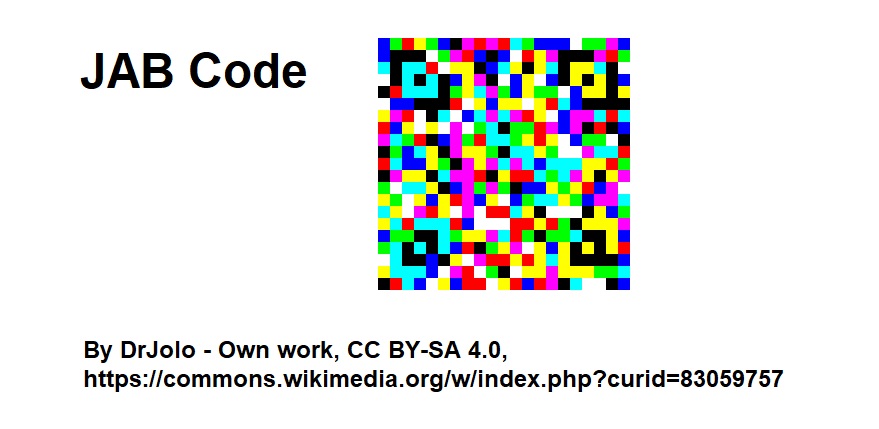
1.Introduction to JAB Code: JAB Code, short for 'Just Another Barcode,' is a colored 2D barcode technology that was developed to overcome the limitations of traditional black-and-white barcodes. The introduction of JAB Code brought with it significant advancements in terms of data capacity and error correction capabilities, marking an important evolution in the field of barcode technology. |
|
2.Origins and Initial Development: The development of JAB Code can be traced back to the mid-2010s. During this period, there was a growing recognition of the need for more advanced barcode systems that could encode a larger amount of information and provide better error correction. Researchers and engineers focused on using color to enhance data density, leading to the conceptualization of JAB Code. |
3.Research and Prototyping: The initial research into colored barcodes faced several challenges, primarily related to color consistency and the ability to accurately scan and decode the information. Early prototypes of JAB Code experimented with various color models and patterns to find the most effective combination for reliable data encoding and retrieval. These prototypes underwent rigorous testing to refine the technology. |
4.Collaboration and Standardization: To ensure the widespread adoption of JAB Code, collaboration with various industry stakeholders was essential. Researchers worked with companies, academic institutions, and standardization bodies to develop a comprehensive framework for the technology. This collaborative effort led to the creation of the first official specifications for JAB Code, detailing the color palettes, encoding schemes, and error correction mechanisms. |

|
5.Early Implementations and Pilot Projects: The first implementations of JAB Code were seen in pilot projects across different industries. One notable example is the use of JAB Code in logistics and supply chain management. Companies experimented with using JAB Code on packaging to track products through various stages of distribution. These pilot projects provided valuable insights into the practical applications and potential benefits of colored barcodes. |
6.Enhancements in Scanning Technology: Parallel to the development of JAB Code, significant advancements were made in scanning technology. Traditional barcode scanners were primarily designed for black-and-white barcodes, so new scanners capable of accurately reading colored barcodes were developed. These enhanced scanners used advanced image processing algorithms to decode the color information embedded in JAB Code. |
7.Adoption in Retail and Marketing: One of the early adopters of JAB Code was the retail industry. Retailers saw the potential of using colored barcodes to enhance customer engagement and streamline operations. For example, JAB Codes were used on product labels to provide detailed information about the product, including ingredients, nutritional information, and promotional offers. This application demonstrated the versatility and utility of JAB Code in enhancing the consumer experience. |

|
8.Integration with Mobile Devices: As smartphone technology advanced, the integration of JAB Code with mobile devices became a significant milestone. Mobile applications were developed that allowed consumers to scan JAB Codes using their smartphones, unlocking a wealth of information and interactive content. This integration expanded the reach of JAB Code, making it accessible to a broader audience. |
9.Expansion into Healthcare: The healthcare industry also recognized the benefits of JAB Code. Medical facilities and pharmaceutical companies started using JAB Code on medication packaging to improve patient safety and streamline inventory management. The ability to encode a large amount of information in a compact space made JAB Code an ideal solution for tracking medications and ensuring accurate dispensing. |
10.Security and Anti-Counterfeiting: Another significant application of JAB Code emerged in the field of security and anti-counterfeiting. The complexity of colored barcodes made them difficult to replicate, providing a robust solution for verifying the authenticity of products. Governments and companies began using JAB Code on official documents, certificates, and high-value goods to combat counterfeiting and ensure the integrity of their products. |

|
11.International Recognition and Standards: The growing adoption and success of JAB Code led to its recognition by international standardization bodies. The technology was included in various international standards for barcode systems, ensuring its compatibility and interoperability with other barcode technologies. This standardization facilitated the global deployment of JAB Code across different industries and applications. |
12.Educational and Research Initiatives: To further promote the development and adoption of JAB Code, educational and research initiatives were launched. Universities and research institutions included JAB Code in their curriculum and research projects, exploring new ways to enhance and expand the technology. These initiatives helped to cultivate a new generation of experts in barcode technology, driving further innovation. |
13.Case Study: JAB Code in the Automotive Industry: A notable case study highlighting the impact of JAB Code is its application in the automotive industry. Manufacturers used JAB Code on car parts to improve traceability and streamline the assembly process. Each part was labeled with a JAB Code that contained detailed information about its specifications and manufacturing history. This application not only enhanced efficiency but also improved quality control. |

|
14.Public Perception and User Experience: Public perception and user experience played a crucial role in the widespread adoption of JAB Code. Companies conducted user studies and surveys to gather feedback on the usability and effectiveness of JAB Code. The positive feedback from these studies highlighted the ease of use and the added value provided by colored barcodes, further encouraging their adoption. |
15.Challenges and Solutions: Despite its many advantages, the implementation of JAB Code was not without challenges. Issues such as color fading, environmental factors affecting readability, and the need for high-quality printing were addressed through continuous research and development. Solutions included the use of durable inks, protective coatings, and advanced error correction algorithms to ensure the reliability of JAB Code in various conditions. |
16.Future Prospects and Innovations: Looking ahead, the future prospects of JAB Code are promising. Ongoing research aims to further enhance the technology by exploring new color models, improving error correction capabilities, and integrating with emerging technologies such as augmented reality (AR) and the Internet of Things (IoT). These innovations have the potential to unlock new applications and drive the continued evolution of JAB Code. |

|
17.Case Study: JAB Code in the Food Industry: The food industry also benefited from the adoption of JAB Code. Companies used colored barcodes on packaging to provide consumers with detailed information about the product's origin, ingredients, and nutritional value. This transparency helped build trust with consumers and allowed for better traceability of food products, particularly in cases of recalls or quality issues. |
18.Integration with Blockchain Technology: Another significant advancement was the integration of JAB Code with blockchain technology. This integration provided an additional layer of security and transparency, making it possible to track and verify the entire lifecycle of a product. Companies could encode blockchain-based information in JAB Codes, ensuring the authenticity and traceability of goods from production to the end consumer. |
19.Government and Public Sector Applications: Governments and public sector organizations also adopted JAB Code for various applications. For example, JAB Codes were used on official documents such as passports, identification cards, and certificates to prevent forgery and ensure the authenticity of these documents. The use of colored barcodes in the public sector demonstrated their potential to enhance security and streamline administrative processes. |

|
20.Case Study: JAB Code in the Fashion Industry: The fashion industry leveraged JAB Code to enhance the consumer experience and improve supply chain management. Brands used JAB Codes on clothing tags to provide consumers with information about the materials used, care instructions, and even fashion tips. This application not only added value for consumers but also helped brands track inventory and combat counterfeiting. |
21.Standardization and Regulatory Compliance: To ensure the consistent and reliable use of JAB Code across different industries, standardization and regulatory compliance were essential. Organizations such as the International Organization for Standardization (ISO) and industry-specific regulatory bodies developed guidelines and standards for the use of JAB Code. These standards ensured that the technology met specific requirements and could be used effectively in various applications. |
22.Impact on Data Management and Analytics: The adoption of JAB Code had a significant impact on data management and analytics. The ability to encode large amounts of information in a compact and scannable format allowed companies to collect and analyze data more efficiently. This capability was particularly valuable in industries such as retail and logistics, where real-time data collection and analysis were crucial for optimizing operations. |

|
23.Educational Outreach and Training Programs: To support the widespread adoption of JAB Code, educational outreach and training programs were established. These programs aimed to educate industry professionals, students, and the general public about the benefits and applications of colored barcodes. Workshops, seminars, and online courses provided valuable knowledge and skills, facilitating the effective implementation of JAB Code. |
24.Case Study: JAB Code in the Pharmaceutical Industry: The pharmaceutical industry is another sector that saw significant benefits from the adoption of JAB Code. Pharmaceutical companies used JAB Codes on medication packaging to ensure accurate tracking and dispensing of drugs. The ability to encode detailed information about the medication, including dosage instructions and expiration dates, helped improve patient safety and streamline inventory management. |
25.Consumer Engagement and Marketing Campaigns: JAB Code also played a pivotal role in consumer engagement and marketing campaigns. Brands used colored barcodes to create interactive and visually appealing marketing materials. For example, consumers could scan a JAB Code on a product advertisement to access exclusive content, participate in promotions, or enter contests. This innovative use of JAB Code helped brands connect with consumers in new and engaging ways. |

|
26.Case Study: JAB Code in the Entertainment Industry: The entertainment industry explored creative applications of JAB Code to enhance audience engagement. Movie studios used JAB Codes on promotional materials to provide access to exclusive behind-the-scenes content, trailers, and interactive experiences. This use of colored barcodes added an extra layer of excitement and interactivity to marketing campaigns, driving audience interest and participation. |
27.Cross-Industry Collaboration and Innovation: The development and adoption of JAB Code were characterized by cross-industry collaboration and innovation. Companies from different sectors shared their experiences and insights, contributing to the continuous improvement of the technology. This collaborative approach fostered a culture of innovation and allowed JAB Code to evolve to meet the diverse needs of various industries. |
28.Environmental Considerations and Sustainability: Environmental considerations and sustainability were also important factors in the development and adoption of JAB Code. Researchers explored eco-friendly printing techniques and materials to minimize the environmental impact of colored barcodes. Additionally, the ability to encode more information in a compact format helped reduce the need for additional packaging and labeling, contributing to sustainability efforts. |

|
29.Case Study: JAB Code in the Event Management Industry: The event management industry utilized JAB Code to streamline ticketing and access control. Event organizers used colored barcodes on tickets to encode detailed information about the event, including the attendee's name, seat number, and special access privileges. This application improved the efficiency of event management and provided a seamless experience for attendees. |
30.Feedback and Continuous Improvement: Continuous feedback from users and industry professionals played a crucial role in the evolution of JAB Code. Companies conducted regular surveys and collected data on the performance and usability of colored barcodes. This feedback informed ongoing improvements and refinements, ensuring that JAB Code remained a reliable and effective solution for various applications. |
31.Case Study: JAB Code in the Publishing Industry: The publishing industry explored the use of JAB Code to enhance the reader experience. Publishers used colored barcodes in books and magazines to provide access to additional content, such as multimedia resources, author interviews, and interactive features. This innovative application added value to printed materials and provided readers with a richer and more engaging experience. |

|
32.Adoption in Emerging Markets: Emerging markets also embraced JAB Code, recognizing its potential to address unique challenges and opportunities. For example, in regions with limited infrastructure, the ability to encode a large amount of information in a small space proved valuable for various applications, including healthcare, education, and supply chain management. The adoption of JAB Code in emerging markets demonstrated its versatility and global appeal. |
33.Case Study: JAB Code in the Agriculture Industry: The agriculture industry leveraged JAB Code to improve traceability and transparency in the supply chain. Farmers and producers used colored barcodes on agricultural products to provide detailed information about the product's origin, cultivation methods, and quality standards. This application helped build consumer trust and facilitated compliance with regulatory requirements. |
34.Integration with Artificial Intelligence: The integration of JAB Code with artificial intelligence (AI) technologies opened up new possibilities for automation and data analysis. AI-powered systems could analyze the data encoded in JAB Codes to optimize processes, identify patterns, and make informed decisions. This integration enhanced the efficiency and effectiveness of various applications, from inventory management to consumer engagement. |

|
35.Case Study: JAB Code in the Travel and Tourism Industry: The travel and tourism industry adopted JAB Code to enhance the traveler experience. Travel agencies and tourism boards used colored barcodes on brochures and promotional materials to provide access to interactive maps, travel itineraries, and multimedia content. This application enriched the travel experience and provided valuable information to tourists in a convenient and engaging format. |
36.Public Health and Safety Applications: Public health and safety applications also benefited from the adoption of JAB Code. For example, during public health emergencies, authorities used colored barcodes to disseminate critical information to the public. JAB Codes on informational posters and flyers provided access to up-to-date guidance, resources, and emergency contact information, helping to improve public safety and awareness. |
37.Case Study: JAB Code in the Real Estate Industry: The real estate industry explored the use of JAB Code to provide detailed property information. Real estate agents used colored barcodes on property listings to encode information about the property's features, history, and pricing. This application allowed potential buyers to access comprehensive property information quickly and conveniently, enhancing the buying process. |

|
38.Conclusion: The history of JAB Code is a testament to the continuous evolution and innovation in the field of barcode technology. From its initial development and research to its widespread adoption across various industries, JAB Code has demonstrated its potential to enhance data encoding, improve efficiency, and provide valuable benefits to users. As technology continues to advance, JAB Code is poised to play an even more significant role in the future of information management and automation. |
 cs@easiersoft.com