1. Introduction to Pharmacode |
1.1. Origins and Need |
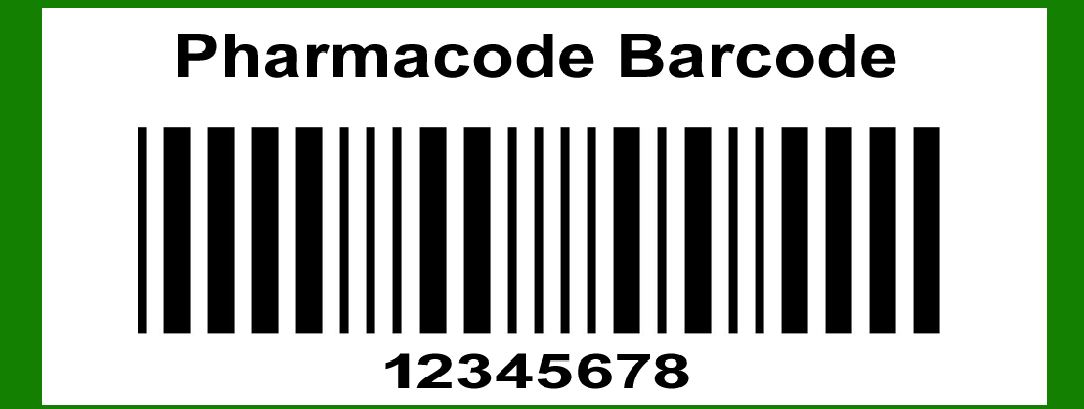
The Pharmacode barcode, also known as the Pharmaceutical Binary Code, was developed in response to the specific needs of the pharmaceutical industry. The primary objective was to create a barcode system that could efficiently encode the minimal amount of data required for tracking pharmaceuticals and ensure the integrity of pharmaceutical products throughout the supply chain. |
1.2. Design Principles |
Pharmacode was designed to address the high standards of accuracy and reliability required in the pharmaceutical industry. It uses a binary encoding system, which allows it to encode information in a compact and reliable manner. This system is particularly suited for small packages and labels where space is at a premium. |
|
2. Development and Early Adoption |
2.1. Initial Development |
The concept of the Pharmacode was developed in the early 1980s. The need for a robust and space-efficient barcode system was becoming increasingly clear as the pharmaceutical industry faced challenges in tracking and managing inventory. The initial development was led by companies and organizations specializing in barcode technology and pharmaceutical logistics. |
2.2. First Implementation |
The first implementations of the Pharmacode were seen in Europe, where pharmaceutical companies and regulatory bodies were eager to adopt new technologies that could enhance the accuracy and efficiency of their supply chains. By the mid-1980s, several European pharmaceutical companies had begun using the Pharmacode for their packaging and tracking needs. |

|
3. Adoption and Expansion in the 1990s |
3.1. Wider Adoption |
In the 1990s, the Pharmacode began to gain traction beyond its initial European base. Pharmaceutical companies around the world recognized the advantages of the Pharmacode system, such as its compact size and the ease with which it could be printed on small packages. This period saw an increase in the adoption of Pharmacode by global pharmaceutical manufacturers. |
3.2. Technological Enhancements |
During this decade, technological advancements further improved the reliability and accuracy of the Pharmacode. Innovations in printing technologies, scanner capabilities, and data management systems contributed to the widespread use of the Pharmacode. The barcode's ability to encode binary data efficiently made it a preferred choice for many pharmaceutical applications. |

|
4. Regulatory Support and Standardization |
4.1. Regulatory Endorsement |
By the late 1990s and early 2000s, regulatory bodies began to recognize the importance of standardizing barcode technologies in the pharmaceutical industry. The Pharmacode received endorsement from various national and international regulatory agencies, which helped to cement its place in the industry. These endorsements ensured that the Pharmacode was recognized as a reliable and compliant solution for pharmaceutical packaging. |
4.2. Standardization Efforts |
Efforts to standardize the Pharmacode were undertaken to ensure consistency across the industry. These efforts involved collaboration between industry stakeholders, regulatory bodies, and standardization organizations. The aim was to establish clear guidelines and specifications for the use of the Pharmacode, ensuring that it met the necessary regulatory requirements and could be used effectively across different regions. |

|
5. Technological Integration and Advancements |
5.1. Integration with Other Systems |
As the use of the Pharmacode became more widespread, it was integrated with other technologies and systems used in pharmaceutical logistics and supply chain management. This integration included linking the Pharmacode with automated tracking systems, inventory management software, and electronic data interchange (EDI) systems. The ability to seamlessly integrate with other technologies enhanced the overall efficiency of pharmaceutical operations. |
5.2. Advancements in Printing and Scanning |
Advancements in printing and scanning technologies during the 2000s further improved the performance of the Pharmacode. High-resolution printers and more sophisticated scanners allowed for better quality barcodes and more accurate scanning. These technological improvements contributed to the continued growth and adoption of the Pharmacode in the pharmaceutical industry. |

|
6. Modern Era and Ongoing Developments |
6.1. Current Applications |
In the modern era, the Pharmacode continues to be a critical component of pharmaceutical packaging and logistics. It is used for a wide range of applications, including product identification, inventory management, and compliance with regulatory requirements. The barcode's compact size and efficiency make it ideal for use on small packaging, where space is limited. |
6.2. Future Prospects |
Looking ahead, the Pharmacode is likely to continue evolving in response to advancements in technology and changes in industry needs. Ongoing developments in areas such as digital printing, data management, and supply chain technologies may lead to further enhancements in the Pharmacode system. The continued focus on improving accuracy, reliability, and efficiency will drive future innovations in Pharmacode technology. |

|
7. Conclusion |
7.1. Summary of Evolution |
The Pharmacode barcode, or Pharmaceutical Binary Code, has undergone significant development since its inception. From its early days in the 1980s to its current status as a widely adopted solution in the pharmaceutical industry, the Pharmacode has proven to be a valuable tool for ensuring the accuracy and efficiency of pharmaceutical packaging and tracking. |
7.2. Impact on the Pharmaceutical Industry |
The impact of the Pharmacode on the pharmaceutical industry has been profound. It has contributed to improved inventory management, enhanced compliance with regulatory requirements, and increased overall efficiency in the supply chain. The ongoing evolution of the Pharmacode reflects its importance in meeting the evolving needs of the pharmaceutical industry and ensuring the safe and effective management of pharmaceutical products. |
This timeline provides a detailed history of the Pharmacode barcode, highlighting key developments and milestones in its evolution. |

|
 cs@easiersoft.com