1.Introduction to QR Code Mobile Payments in China |
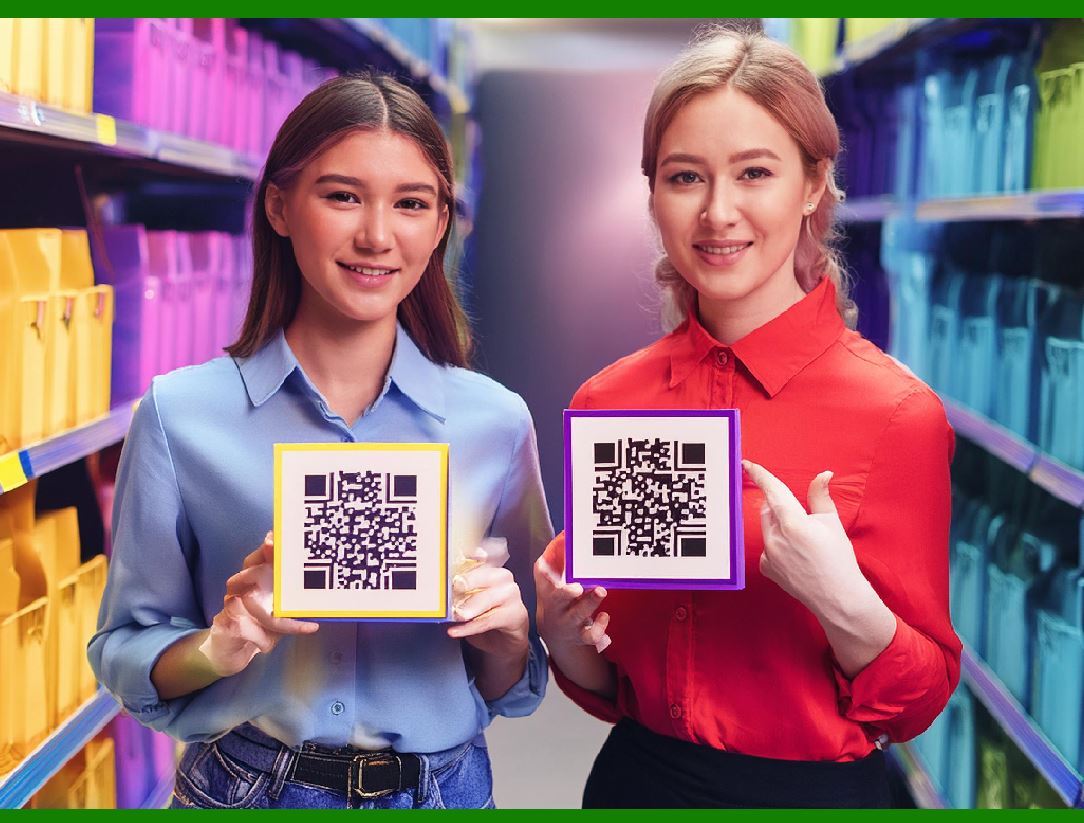
QR codes have revolutionized the payment industry in China, becoming the dominant method for digital transactions. Unlike traditional payment methods such as cash or credit cards, QR codes provide a fast, secure, and convenient way to complete transactions using mobile devices. The widespread adoption of QR codes for payments has transformed China into one of the most cashless societies in the world. |
|
2.The Evolution of QR Code Payments in China |
The development of QR code payments in China can be traced back to the early 2010s when mobile payment platforms like Alipay and WeChat Pay began integrating QR code technology. Initially used for peer-to-peer transfers, the technology quickly gained traction in retail, dining, transportation, and even government services. With the rise of smartphones and mobile internet, QR code payments became the standard for daily transactions across China. |
3.Key Players in China's QR Code Payment Industry |
Alipay: Launched by Ant Group (an affiliate of Alibaba), Alipay is one of the largest mobile payment platforms in China. It uses QR codes extensively for retail payments, e-commerce, and financial services. |
WeChat Pay: Developed by Tencent, WeChat Pay is integrated into the popular messaging app WeChat, allowing users to make transactions using QR codes within the app. |
UnionPay QR Code Payments: China UnionPay, the country's largest bank card network, has also introduced QR code payments, allowing users to pay using bank-linked accounts. |
Other Payment Providers: Smaller platforms, including JD Pay, Suning Pay, and various regional banks, also provide QR code payment solutions. |

|
4.How QR Code Payments Work |
The process of making a payment using QR codes involves two main methods: |
Merchant-Presented QR Codes: The merchant displays a static or dynamic QR code at the checkout counter. Customers scan the code using their mobile payment app, enter the payment amount (if necessary), and confirm the transaction. |
Customer-Presented QR Codes: Customers generate a personal QR code from their payment app, which the merchant scans using a point-of-sale (POS) system to complete the transaction. |
5.Security Features of QR Code Payments |
QR code payments incorporate multiple security measures to prevent fraud and unauthorized transactions: |
Dynamic QR Codes: Unlike static codes, dynamic QR codes are unique for each transaction, reducing the risk of malicious code tampering. |
Biometric Authentication: Many mobile payment apps require fingerprint or facial recognition for transaction approval. |
Transaction Limits and Alerts: Users can set spending limits and receive instant notifications for every transaction. |
Encrypted Data Transmission: Payment data is encrypted to ensure secure communication between the payer, merchant, and financial institutions. |

|
6.Benefits of QR Code Payments for Consumers and Businesses |
QR code payments offer numerous advantages for both consumers and businesses: |
Convenience: Payments can be made quickly by scanning a code, reducing the need for cash or physical cards. |
Cost-Effectiveness: Merchants save on hardware costs since QR codes can be displayed on printed materials instead of using expensive POS terminals. |
Wider Adoption: Small businesses and street vendors can easily implement QR code payments without the need for complex infrastructure. |
Integration with Other Services: QR codes enable seamless integration with e-commerce, loyalty programs, and financial management tools. |
7.Use Cases of QR Code Payments in China |
QR codes are used in various sectors of the economy: |
Retail and E-commerce: Most stores, from supermarkets to local markets, accept QR code payments. |
Public Transportation: Subway systems, buses, and taxis allow passengers to pay fares using QR codes. |
Restaurants and Caf¨¦s: Customers scan QR codes to order food, make payments, and even leave digital tips. |
Government Services: QR codes are used for paying utility bills, fines, and taxes. |
Tourism and Hospitality: Hotels, travel agencies, and tourist attractions accept QR code payments for bookings and ticketing. |

|
8.Challenges and Issues of QR Code Payments |
Despite their widespread adoption, QR code payments face several challenges: |
Fraud and Scams: Fraudsters sometimes manipulate QR codes to redirect payments to unauthorized accounts. |
Dependence on Mobile Networks: QR code payments require stable internet access, which can be a limitation in rural or remote areas. |
Regulatory Concerns: The Chinese government closely monitors mobile payment transactions to ensure compliance with financial regulations and prevent money laundering. |
Digital Divide: Elderly populations and those without smartphones may struggle to adapt to QR code payment systems. |
9.Regulation and Government Policies |
The Chinese government has implemented several regulations to standardize and secure QR code payments: |
Transaction Caps: There are limits on the amount of money that can be transferred via QR codes in a single transaction. |
Data Security Requirements: Payment providers must comply with strict data protection laws to safeguard user information. |
Interoperability Standards: Efforts are being made to standardize QR code formats to allow interoperability between different payment platforms. |
Anti-Fraud Measures: Government agencies work with payment providers to detect and prevent fraudulent activities. |

|
10.The Future of QR Code Payments in China |
QR code payments in China will continue to evolve with advancements in financial technology: |
Integration with Digital Yuan (e-CNY): China's central bank is developing a digital currency that may further enhance QR code payment systems. |
AI and Big Data Analytics: AI-powered fraud detection and personalized financial services will improve security and user experience. |
Cross-Border Payments: Efforts are being made to enable QR code payments for international transactions, benefiting Chinese travelers and foreign businesses. |
Expansion into Rural Areas: Government initiatives aim to expand QR code payment infrastructure to underserved regions. |
11.Conclusion |
QR code mobile payments have become an integral part of daily life in China, transforming how people conduct financial transactions. With strong backing from tech giants, financial institutions, and the government, QR code payments will continue to dominate the digital economy in China, setting an example for other countries aiming to adopt similar systems. |

|
Are there any loopholes and risks in the large-scale application of QR codes for mobile payments? |
1.Introduction QR codes have become a mainstream method for mobile payments worldwide due to their convenience and ease of use. However, their large-scale application introduces various security vulnerabilities, fraud risks, and operational challenges. This document examines the loopholes and risks associated with QR code-based mobile payments. |
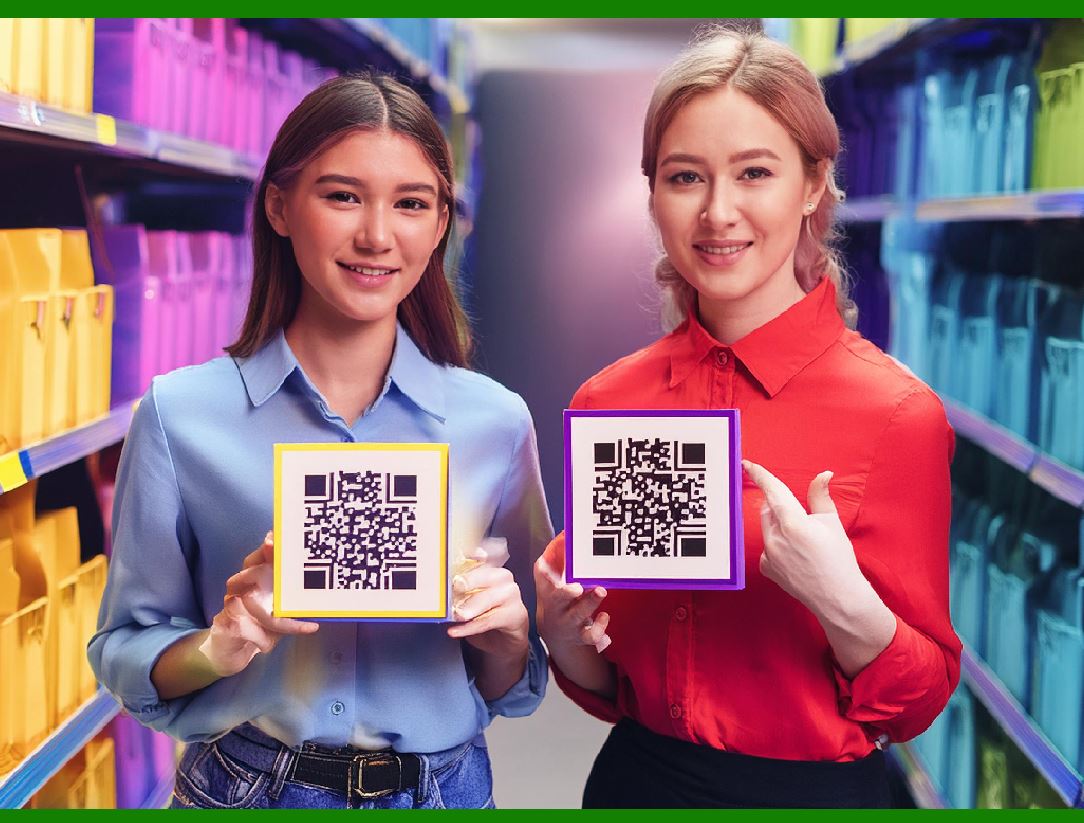
2.Fraudulent QR Codes One of the most significant risks is the possibility of fraudsters replacing legitimate QR codes with malicious ones. This can occur in various ways: |
Tampering with physical QR codes: Fraudsters can paste their own QR codes over legitimate ones in public places such as restaurants or retail stores, diverting payments to their accounts. |
Digital QR code manipulation: Hackers can compromise websites and replace payment QR codes with fraudulent ones, tricking users into transferring money to unauthorized accounts. |

|
3.Phishing Attacks QR codes can be used to direct users to malicious websites that appear legitimate. Once users scan these codes, they may be asked to enter login credentials, personal information, or financial details, leading to identity theft and unauthorized access to their accounts. |
4.Man-in-the-Middle (MITM) Attacks Attackers can intercept QR code transactions through MITM attacks. This can be executed by: |
Intercepting network communications: Hackers exploit insecure Wi-Fi networks to modify QR code transaction details. |
Creating fake QR codes: Attackers generate QR codes that appear genuine but redirect payments to their accounts. |

|
5.Data Privacy Concerns QR codes may contain sensitive personal or financial information, making them a target for cybercriminals. Risks include: |
Unencrypted QR codes: If QR codes are not encrypted, hackers can easily extract and misuse the embedded data. |
Tracking and profiling: QR codes used for payments may collect user data without their consent, leading to privacy breaches. |
6.Dynamic vs. Static QR Code Risks |
Static QR codes: More vulnerable to tampering since they do not change. Once exposed, they can be misused indefinitely. |
Dynamic QR codes: More secure as they change with each transaction, but they require a continuous internet connection, making them susceptible to online attacks. |

|
7.Weak Authentication and Authorization Many QR code payment systems do not require strong authentication, increasing the risk of unauthorized transactions. Potential risks include: |
Lack of two-factor authentication (2FA): Without an additional security layer, unauthorized access is easier. |
Weak password policies: Users often set weak passwords that can be easily guessed or brute-forced. |
8.Malware and QR Code Generators |
Malicious QR code generators: Attackers can distribute QR codes that, when scanned, download malware onto users' devices. |
Compromised mobile applications: Fraudulent or poorly secured apps that generate QR codes may introduce malware or leaks. |
|
9.Regulatory and Compliance Issues |
Lack of standardized security measures: Different regions have varying regulations, making it challenging to implement universal security practices. |
Cross-border transactions: QR code payments used across borders may not comply with local financial regulations, leading to potential legal risks. |
10.Social Engineering Exploits |
Impersonation scams: Fraudsters pose as legitimate businesses or individuals, convincing users to scan QR codes that redirect funds to unauthorized accounts. |
Fake customer service scams: Attackers send fake support messages containing QR codes, tricking users into scanning them for fraudulent purposes. |

|
11.Denial-of-Service (DoS) Attacks |
QR code overload: Attackers can flood payment networks with large volumes of fraudulent QR codes, causing disruptions. |
Server downtimes: Payment systems relying on QR codes may suffer outages due to excessive requests, leading to transaction failures. |
12.Technological Limitations and Usability Issues |
Scanning failures: Poorly printed or displayed QR codes may not scan correctly, leading to transaction errors. |
Device compatibility: Not all devices support QR code scanning, limiting accessibility for some users. |

|
13.Cryptographic Security Concerns |
Lack of encryption: QR codes that store payment details without encryption are susceptible to data breaches. |
QR code cloning: Attackers can create identical copies of legitimate QR codes to conduct unauthorized transactions. |
14.Blockchain and Cryptocurrency QR Code Risks |
Irreversible transactions: Cryptocurrency payments made via QR codes cannot be reversed if sent to the wrong address. |
Fake crypto wallets: Scammers distribute QR codes that link to fraudulent wallet applications, leading to asset theft. |

|
15.Countermeasures and Security Best Practices |
User education: Educating users on verifying QR codes before scanning can reduce fraud. |
Secure QR code generation: Using encrypted and digitally signed QR codes enhances security. |
Regular monitoring: Businesses should frequently check and replace physical QR codes to prevent tampering. |
Multi-layer authentication: Implementing strong authentication methods such as 2FA can mitigate unauthorized transactions. |
Secure payment networks: Ensuring QR code transactions occur over secure channels (e.g., HTTPS) reduces interception risks. |
Regulatory compliance: Adopting standardized security protocols ensures global compliance and reduces fraud potential. |
16.Conclusion While QR codes offer a convenient and efficient payment method, their widespread adoption introduces various security loopholes and risks. Addressing these challenges requires a combination of technological advancements, regulatory oversight, and user awareness to ensure safe and reliable transactions. |
 cs@easiersoft.com