The Current Status of QR Code Mobile Payment Applications in Countries Around the World |
1. Introduction |
QR code mobile payment applications have become a pivotal part of the global digital payment landscape, facilitating both online and in-person transactions in an accessible and secure way. This mode of payment has rapidly evolved since its inception, largely driven by the widespread adoption of smartphones, mobile applications, and the increasing reliance on cashless transactions. By leveraging QR codes, businesses can accept payments without the need for specialized point-of-sale (POS) devices, and consumers can make payments quickly and easily by scanning a code with their mobile phones. |
In this section, we will explore the current status of QR code mobile payment applications across various regions of the world, examining the major players, adoption trends, challenges, regulatory frameworks, and the future outlook for QR code-based payment systems. |

|
2. QR Code Mobile Payment in Asia |
2.1 China: The World Leader in QR Code Payments |
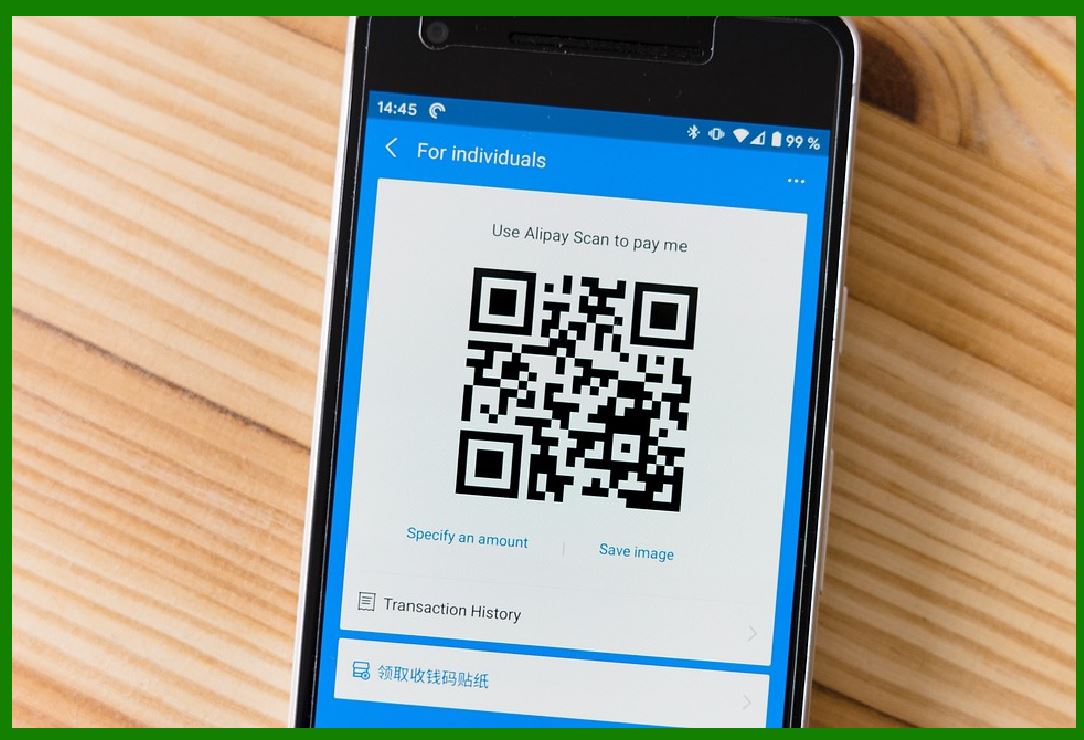
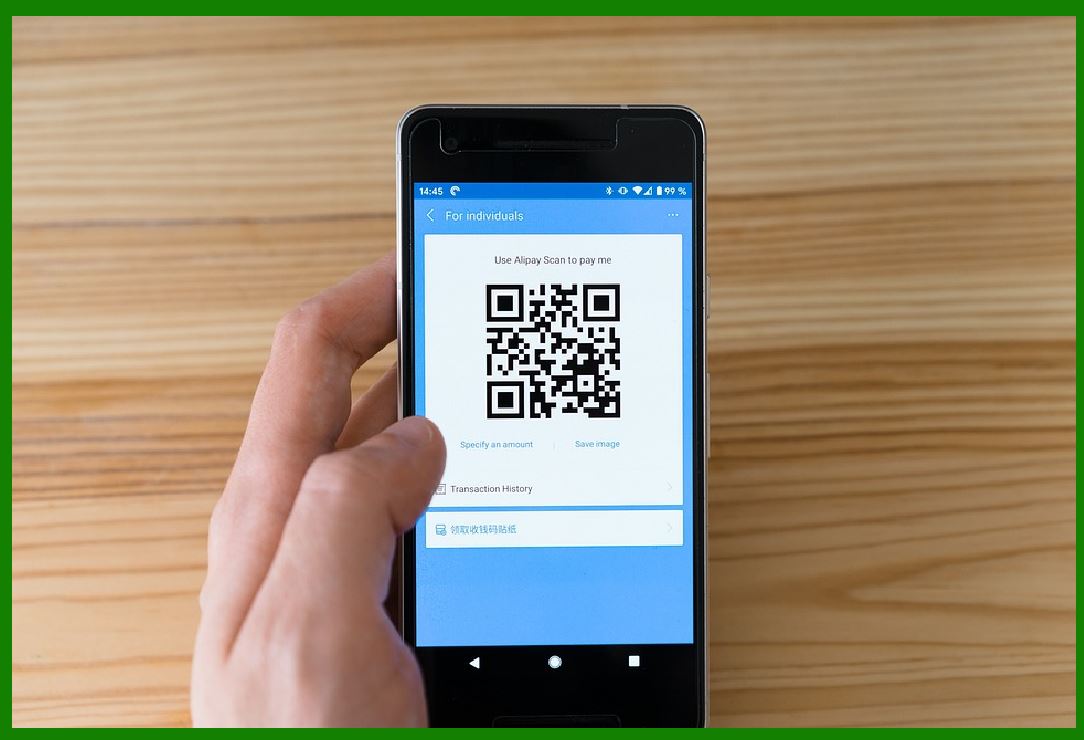
China stands as the undisputed leader in the QR code payment space, with a majority of its population using mobile payment systems powered by QR codes. The two primary QR code-based payment applications in China are Alipay (by Ant Group) and WeChat Pay (by Tencent), both of which have transformed the way payments are made in the country. |
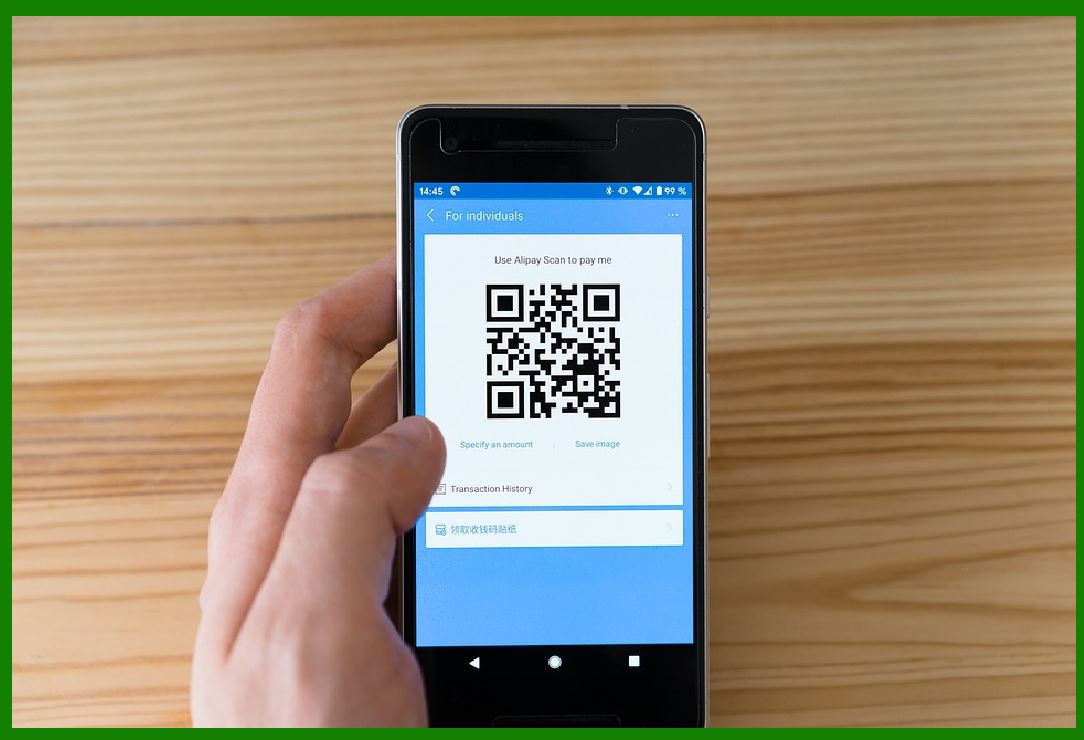
Alipay and WeChat Pay: Alipay, launched in 2004, has evolved into a comprehensive mobile payment platform that offers a range of services from payments to loans and wealth management. Similarly, WeChat Pay, integrated into the massively popular messaging app WeChat, allows users to send money, pay bills, shop online, and more-all via QR codes. By 2023, both platforms had surpassed 1 billion active users, and QR codes have become the primary mode of payment for everything from street vendors to high-end retailers. |
Market Penetration: QR code payments are ubiquitous in China, where smartphones and mobile internet penetration are among the highest in the world. Major cities like Beijing, Shanghai, and Shenzhen feature QR codes in nearly every business, from small shops to large international chains. |
QR Code Ecosystem: The ecosystem includes payment processors, government integration (for tax and social security payments), financial products, and even municipal services that use QR codes for easy transactions. Moreover, QR codes are often used in tandem with other services such as loyalty programs, restaurant menus, and public transport systems. |
Challenges and Future Trends: One challenge to QR code payments in China is the dominance of a few players (Alipay and WeChat Pay), which can stifle competition. However, the government's push for financial inclusion and continued development of digital currency (the Digital Yuan) suggests that QR payments will remain a central part of China's evolving payment landscape. |

|
2.2 India: Rapid Growth and Government Support |
India, with its massive and growing mobile user base, has seen an exponential rise in QR code-based mobile payments. Unified Payments Interface (UPI) is the backbone of India's digital payment ecosystem, and QR codes have played a crucial role in its adoption. |
Paytm, Google Pay, and PhonePe: Paytm, originally a wallet service, now offers QR code payment options. Google Pay and PhonePe have integrated QR codes into their payment systems, allowing users to make quick and seamless transactions. These apps have gained significant traction due to their ease of use and interoperability. |
Government Initiatives: The Indian government has promoted QR code-based payments through schemes like the Pradhan Mantri Jan Dhan Yojana (PMJDY) to increase financial inclusion. Moreover, initiatives like BharatQR, developed jointly by Mastercard and Visa, have aimed at creating a unified QR code standard to simplify payments across banks and payment platforms. |
Challenges and Roadblocks: While QR code payments are gaining popularity, issues such as internet connectivity, digital literacy, and cybersecurity concerns remain. The large rural population in India still faces barriers to accessing and using mobile payment technologies. Nonetheless, QR code payments are expected to continue their growth trajectory, driven by increasing smartphone penetration and government support. |
|
2.3 Southeast Asia: Increasing Adoption but Mixed Progress |
Southeast Asia presents a varied landscape for QR code mobile payments. Countries like Singapore, Thailand, and Indonesia have made significant strides, but the level of adoption and the types of QR code systems vary widely across the region. |
Singapore: Singapore is a leader in Southeast Asia, where PayNow, a government-backed initiative, has become one of the primary ways for consumers to make payments via QR codes. The platform connects multiple banks, enabling seamless transactions. Additionally, GrabPay and OCBC Pay Anyone offer QR payment solutions, and the government's push for a cashless economy has accelerated QR code payment adoption. |
Thailand: Thailand's PromptPay system, launched by the Bank of Thailand, has seen success with QR code payments, especially among small businesses. The Thai government has also encouraged the use of QR codes for various public services and utilities. Despite the strong adoption of QR codes in urban areas, rural adoption remains relatively low, though it is growing steadily. |
Indonesia: In Indonesia, QR code payments are popular in urban centers like Jakarta, with OVO, GoPay, and DANA offering QR payment features. The Indonesian central bank, Bank Indonesia, has been working on establishing national QR standards (QRIS - QR Indonesian Standard) to facilitate cross-platform payments. This standardization is expected to simplify transactions across different payment platforms. |
Challenges: The main challenges across Southeast Asia include regional differences in smartphone penetration, internet connectivity, and trust in mobile payments. While QR codes are gaining traction in cities, adoption in rural and underserved areas remains limited. Additionally, issues like security concerns and the need for better fraud prevention measures remain central to the region's future QR code payment growth. |

|
3. QR Code Mobile Payments in the Americas |
3.1 United States: Slow Growth, Increasing Acceptance |
In the United States, QR code payments have been slower to gain widespread adoption compared to Asia. While the use of QR codes for marketing, product tracking, and information sharing is common, mobile payments via QR codes are still emerging. |
Apple Pay and Google Pay: Both Apple Pay and Google Pay support QR code payments, but the use of QR codes for mobile payments has been overshadowed by NFC (Near Field Communication) payment technologies, which are more commonly used in the U.S. |
Venmo and PayPal: Venmo, a popular peer-to-peer payment app owned by PayPal, has integrated QR code payments to facilitate person-to-person transactions. The app has gained popularity among millennials, and QR codes are commonly used for transactions between friends or small businesses. |
Merchant Adoption: Major retailers such as Walmart, CVS, and Target have begun experimenting with QR code payments, especially in response to the COVID-19 pandemic, which increased the demand for contactless payment options. However, QR code payment adoption at the merchant level is still growing slowly compared to countries like China. |
Challenges and Outlook: The slow adoption of QR code payments in the U.S. is partly due to the dominance of credit and debit card payments, as well as the widespread use of NFC-based payment systems. However, as mobile wallet providers continue to improve QR code functionality and as younger generations embrace QR codes for payments, the U.S. market is expected to see growth in the coming years. |

|
3.2 Brazil and Latin America: Rising Adoption with Regional Variations |
In Latin America, QR code payments are seeing increasing adoption, especially in countries like Brazil, Mexico, and Argentina. The region's economic conditions, combined with a high level of smartphone penetration, have led to the rise of QR code-based payment solutions. |
Brazil: The Brazilian PIX payment system, developed by the Central Bank of Brazil, allows users to transfer money and make payments using QR codes. PIX has gained rapid traction, and QR codes have become widely accepted across various sectors, including retail and utilities. |
Mexico and Argentina: In Mexico, CoDi (Digital Payment System) utilizes QR codes for mobile payments. Similarly, Argentina has embraced QR code payments with solutions like Mercado Pago and Todo Pago. The use of QR codes in these countries is expanding, especially for micro and small businesses. |
Challenges: In Latin America, challenges include the high levels of informality in the economy, which can limit the widespread adoption of formal payment systems like QR codes. Additionally, issues with internet connectivity, cybersecurity, and financial literacy need to be addressed. |
|
4. QR Code Mobile Payments in Europe |
4.1 Leading Countries in Europe: The Case of the UK, Germany, and Sweden |
Europe has been relatively slower to adopt QR code payments, although certain countries are experiencing significant growth. |
United Kingdom: The UK has seen gradual growth in QR code payments, particularly through apps like Monzo and Starling Bank. These apps allow users to scan QR codes to make payments to other users or merchants. The UK's adoption of QR codes for payments has been somewhat hindered by the dominance of contactless debit/credit card payments, but the pandemic accelerated the use of QR codes for certain services. |
Germany: Germany has been traditionally cautious with digital payments, with cash still being the preferred mode of transaction. However, the introduction of PayDirekt, Giropay, and Klarna has made QR code payments more popular. The recent trends indicate an increase in QR code usage, particularly in e-commerce and small businesses. |
Sweden: Sweden is one of the leaders in Europe when it comes to cashless payments. QR code-based systems like Swish are highly popular, and Sweden's technological infrastructure supports widespread QR code payment adoption, particularly for peer-to-peer transactions. |
Challenges: In Europe, the most significant barrier to QR code adoption is the entrenched preference for traditional banking and credit card systems, which still dominate most payment transactions. However, with the rise of fintech apps and regulatory changes such as the EU's PSD2, QR code payments are gaining momentum. |

|
5. Conclusion and Future Outlook |
QR code mobile payment applications are increasingly popular worldwide, but the level of adoption varies widely between regions. While Asia, especially China and India, leads the way in QR code payment usage, other regions like the Americas, Europe, and Southeast Asia are experiencing gradual growth. Factors such as government support, digital infrastructure, smartphone penetration, and consumer behavior play significant roles in the adoption and growth of QR code payments. |
Looking ahead, QR code mobile payment systems are poised to continue growing as technological advancements, regulatory frameworks, and consumer preferences evolve. With the ongoing push for digitalization, financial inclusion, and contactless transactions, QR codes will likely remain a core component of the global payment ecosystem. |

|
What challenges will they encounter when applying this QR code mobile payment applications in countries around the world? |
While QR code-based mobile payment applications offer a range of benefits, including convenience, security, and cost-effectiveness, their global implementation faces several challenges. These challenges vary across different countries due to unique economic, technological, social, and regulatory contexts. Below are the primary hurdles QR code mobile payment applications will encounter when deployed in various regions. |
1. Digital Literacy and Consumer Education |
A fundamental barrier to the widespread adoption of QR code payments is the lack of digital literacy. In many regions, particularly in developing countries, consumers may not be familiar with the concept of scanning QR codes for payments, or may not fully understand how QR code payments work. |
Issue: Users may face difficulties navigating mobile apps or understanding how to generate and scan QR codes effectively. Even in more developed markets, some older generations or people with limited technical knowledge may resist adopting mobile payment systems, preferring traditional methods like cash or cards. |
Impact: This digital divide can slow the adoption process, particularly in rural and underserved areas, where basic digital skills are lower. This issue is exacerbated by the fast pace of technological change, as people may struggle to keep up with evolving mobile payment systems. |
|
2. Internet Connectivity and Infrastructure Limitations |
QR code mobile payment systems require reliable internet connectivity to work effectively, especially in regions where online payments need to be verified in real-time. In areas with unstable or limited access to the internet, QR code payments can face significant issues. |
Issue: In some developing countries and rural regions, internet infrastructure may be inadequate, leading to slow or failed transactions when users attempt to make payments via QR codes. This is a particular challenge in countries with underdeveloped telecommunications infrastructure. |
Impact: Unstable internet connections can lead to frustration, failed payments, and a lack of confidence in using QR code payments. In addition, in countries with lower mobile broadband penetration, QR code payment systems may struggle to scale or become widespread. |
3. Security and Fraud Concerns |
Security is one of the most significant challenges facing QR code-based payment systems globally. While QR codes themselves are secure, the broader infrastructure-especially the mobile payment apps-can be vulnerable to cyberattacks, fraud, and data breaches. |
Issue: Cybersecurity concerns are a major barrier to the trust necessary for large-scale adoption. Malicious actors can create fraudulent QR codes that look identical to legitimate payment codes, leading to phishing scams and financial theft. Moreover, users who are not familiar with how QR codes work might inadvertently scan malicious codes, risking exposure of sensitive personal information. |
Impact: Data breaches or financial fraud involving QR code payments could undermine consumer confidence and trust in the technology. For QR codes to be widely adopted, both consumers and merchants must be assured that their payment information is secure. |

|
4. Lack of Standardization |
QR code payment systems across the world are often not compatible with one another, leading to fragmentation in the ecosystem. This lack of standardization poses a significant barrier to global adoption. |
Issue: Different countries or even different companies may use distinct QR code standards, which can make it difficult for users to transact seamlessly across borders. For example, QR codes generated by Alipay in China may not be compatible with those used by Paytm in India or by a European bank. Similarly, regional QR systems like BharatQR (India) and PromptPay (Thailand) do not always work in other countries. |
Impact: This fragmentation leads to confusion and limits the interoperability of mobile payment systems. International travelers or businesses operating across multiple countries may encounter difficulties making payments or accepting QR-based transactions, further stalling global adoption. |
5. Regulatory and Legal Issues |
The legal and regulatory landscape surrounding digital payments varies greatly across different countries. The lack of a coherent global regulatory framework for QR code payments could hinder the growth of the technology. |
Issue: Regulatory frameworks in some countries may be outdated or not well-suited to the rapid pace of digital payment innovation. For instance, some governments may impose strict data privacy laws or financial regulations that make it difficult for QR code payment services to operate smoothly. Similarly, countries with rigid banking systems or a lack of supportive payment infrastructure may not have the necessary legal mechanisms to integrate QR codes into the financial ecosystem. |
Impact: Strict or fragmented regulations could impede the speed of deployment of QR code payment systems, particularly in countries with heavy financial oversight or complicated legal requirements. In some cases, legal barriers could even prevent certain payment systems from being introduced or used in a country, limiting the growth of the global QR payment market. |

|
6. Cultural and Social Barriers |
In some regions, cultural attitudes toward technology and digital payments can significantly affect the adoption of QR code payments. In many developing countries or in regions where cash-based economies are prevalent, people may be resistant to digital payments or QR codes. |
Issue: Cultural and societal preferences for cash, lack of trust in digital transactions, or skepticism about mobile payment security can slow the transition from traditional payment methods to QR code-based payments. Additionally, countries with a large informal economy may not immediately see the benefits of adopting QR code payments, especially if they fear being forced to register transactions or disclose financial information. |
Impact: In markets where cash is king, persuading consumers and merchants to shift to QR-based payments may take considerable time and effort. In some cultures, there may also be a lack of enthusiasm for contactless or mobile-based payments due to generational preferences, resulting in slower uptake. |
7. Merchant Adoption and Integration |
While consumers play a crucial role in the adoption of QR code payments, merchants are equally important in enabling these systems. Many small and medium-sized businesses (SMBs) in developing and emerging economies may face barriers to adopting QR code payments. |
Issue: Small businesses may lack the infrastructure to implement QR code payments. These businesses may not have smartphones or point-of-sale (POS) terminals capable of generating or scanning QR codes. The cost of adopting QR code payment systems, including transaction fees, software, and hardware upgrades, may be prohibitive for small merchants in low-income regions. |
Impact: Low merchant adoption slows the overall spread of QR code payments, as consumers need businesses to accept these forms of payment for the system to be viable. Without a critical mass of merchants offering QR code payment options, adoption among consumers will remain limited. |

|
8. Competition from Other Payment Technologies |
QR code-based mobile payments face stiff competition from other forms of payment technology, particularly contactless payments like NFC (Near Field Communication) and traditional card-based payments. |
Issue: In many developed countries, NFC payments, such as those made via Apple Pay, Google Pay, or physical bank cards with contactless capabilities, are more popular and more established than QR code payments. These systems offer similar convenience without requiring users to scan codes, making them more seamless for both consumers and merchants. |
Impact: As a result, QR code payments are less likely to replace NFC payments in regions where the latter is already well-established. Consumers and merchants may prefer NFC technology over QR codes, especially in countries with high credit card usage and developed digital payment infrastructure. |
9. High Costs of Implementation and Operational Challenges |
QR code mobile payment systems may require ongoing operational costs, such as transaction fees, server maintenance, and data storage, which can increase the financial burden on both service providers and merchants. |
Issue: For payment providers, the initial investment in developing the technology, creating a secure and reliable platform, and acquiring users can be expensive. Merchants may also face additional fees for accepting QR code payments, or for upgrading their infrastructure to support QR scanning. |
Impact: In countries where businesses are operating on thin margins or where consumers are price-sensitive, these additional costs could reduce the willingness of merchants to adopt QR code payments, slowing overall adoption rates. |

|
10. Cross-Border and International Transactions |
International transactions using QR code payments face several complications, such as exchange rate issues, cross-border payment fees, and currency conversion. |
Issue: QR code payment systems are typically designed for local transactions, and using them for international payments can be difficult. For instance, a QR code generated in one currency (e.g., Chinese Yuan) may not easily convert into another currency (e.g., U.S. Dollar), creating potential issues for international travelers or businesses. |
Impact: This limits the effectiveness of QR codes for global commerce, as users may be unable to complete transactions or may face excessive conversion fees when attempting to pay in a foreign country. Without a universally accepted QR code payment system, cross-border payments may remain fragmented and inefficient. |

|
Conclusion |
The adoption of QR code mobile payment applications is a promising and growing trend worldwide, but there are several challenges that must be addressed. From digital literacy and infrastructure limitations to security concerns and regulatory barriers, countries around the world will encounter unique obstacles in implementing QR code payment systems. Overcoming these challenges will require collaboration between governments, fintech companies, merchants, and consumers to ensure that QR code payments become a widely accepted and trusted method of payment on a global scale. |

|
Why is China moving faster in the application of QR code mobile payment? |
China is moving faster than most countries in the adoption and application of QR code mobile payments for several reasons, ranging from technological infrastructure and government support to cultural factors and market dynamics. Below are the key factors that contribute to China's rapid pace in the implementation of QR code mobile payment systems: |
1. High Mobile Phone Penetration and Internet Access |
China boasts one of the largest mobile phone user bases in the world. As of 2023, there were more than 1.6 billion mobile phone subscriptions in the country, and smartphone penetration is near saturation, particularly in urban areas. The high rate of mobile device adoption is one of the primary drivers for the widespread use of mobile payments, including QR codes. |
Impact: The ubiquity of smartphones provides a ready-made infrastructure for QR code-based mobile payments, as users are already accustomed to using their mobile devices for various tasks. This makes QR code payments an easy and accessible solution for consumers. |
Internet Connectivity: China also has a relatively high level of internet penetration, especially in cities. With mobile internet becoming more affordable and widespread, it creates a conducive environment for QR code payments, which require reliable internet connections to verify transactions in real-time. |
2. Government Support and Policy Initiatives |
The Chinese government has played a pivotal role in driving the adoption of digital payment systems, including QR codes. Beijing's supportive regulatory framework and active encouragement of cashless payments have been crucial in the widespread use of QR codes. |
Financial Inclusion Policies: The government has focused on promoting financial inclusion, ensuring that even people in rural and remote areas can access financial services. QR codes, being simple and inexpensive to implement, have been seen as an ideal tool to reach underserved populations who may not have access to traditional banking infrastructure. |
Digital Currency and QR Code Synergy: The introduction of the Digital Yuan (China's central bank digital currency) also complements QR code payments. QR codes are being integrated into the digital yuan ecosystem, which encourages further use of QR-based payment systems. |
Smart City Initiatives: The government has made efforts to create 'smart cities' across the country, which rely on digital payments for public transportation, utilities, and other city services. This further solidifies the integration of QR code payment systems into everyday life. |
|
3. Dominant Payment Ecosystem Players (Alipay and WeChat Pay) |
Two major players in the Chinese QR code mobile payment market, Alipay and WeChat Pay, have made a massive impact by integrating QR codes into virtually every aspect of consumer life. |
Alipay (by Ant Group) and WeChat Pay (by Tencent) have not only established themselves as mobile payment giants but have also become platforms offering a broad range of services, including social media, shopping, financial products, healthcare, and more. Both platforms utilize QR codes as the primary method of transaction, simplifying payments for consumers and merchants alike. |
Network Effects: The massive user bases of both apps-each boasting over 1 billion active users-mean that QR code payments benefit from strong network effects. Merchants are incentivized to adopt QR code payment systems to tap into these vast customer bases, creating a cycle of adoption that accelerates further usage. |
Merchant Integration: Alipay and WeChat Pay have been integral in pushing QR code adoption among both large and small merchants. Through these platforms, even street vendors or small, local businesses can easily accept payments via QR codes, contributing to the technology's ubiquity. |
4. Cultural and Behavioral Factors |
In China, there is a strong cultural acceptance of digital payments, especially among younger generations who have grown up with smartphones and internet-based services. QR codes align with Chinese consumers' desire for convenience and speed in their daily activities. |
Cashless Society: Unlike in many Western countries, China has rapidly shifted toward a cashless society in many urban areas. While cash is still used in some rural areas, major cities are increasingly cash-free, and digital payments, including QR codes, are the preferred method for both personal and business transactions. |
Trust in Technology: Chinese consumers have generally shown a high level of trust in technology, particularly in the realm of e-commerce and online payments. This has made it easier for QR code payments to gain traction compared to other countries where consumers may still be wary of digital payment systems due to concerns over security and fraud. |

|
5. Low Cost of Implementation |
QR code payments offer a highly cost-effective alternative to traditional point-of-sale (POS) systems. Setting up a QR code payment system is relatively inexpensive, especially when compared to the high costs of installing and maintaining card terminals and POS hardware. |
Merchant Adoption: The low cost of implementing QR code payments means that even small businesses, street vendors, and informal sellers can easily accept payments, which has contributed to the widespread use of QR codes across all sectors of the economy. |
Infrastructure Accessibility: The simplicity of QR codes means they can be integrated into almost any mobile device without needing additional hardware. This is particularly beneficial in China, where a large portion of commerce occurs through smaller or less formal retail outlets, as well as online shopping platforms. |
6. Ecosystem Integration and Use Cases |
QR codes in China are not limited to payments but are deeply integrated into the broader ecosystem of goods, services, and government initiatives. QR codes are used in a range of non-payment applications, which helps familiarize consumers with the technology. |
Transportation: QR codes are used for public transport payments, including buses, subways, and high-speed trains. Major cities like Shanghai and Beijing have integrated QR code payment systems for everything from subway rides to shared bike rentals. |
Government Services: QR codes are employed for a wide range of government services, such as paying for utilities, taxes, and even medical expenses. Additionally, QR codes are widely used for digital identification, registration for services, and booking appointments. |
E-Commerce: Chinese e-commerce platforms like Taobao, JD.com, and Pinduoduo incorporate QR code payments into the buying process, linking online shopping with offline payment systems. This integration has helped QR codes become a central part of the Chinese consumer experience. |

|
7. Rapid Urbanization and Technology-Driven Lifestyle |
China's rapid urbanization has led to the proliferation of digital payment solutions. As more people move into cities, they tend to adopt technology at a faster rate due to greater exposure to digital services and more advanced infrastructure. |
Urban Consumer Behavior: In urban environments, where convenience and speed are often prioritized, QR code payments offer a streamlined and efficient alternative to cash or card-based systems. The busy, high-paced lifestyle in China has made digital payments, especially QR codes, ideal for the demands of everyday transactions. |
Technology-Driven Ecosystem: The technology-driven nature of urban life in China creates a seamless link between QR code payments and other services, such as food delivery, ride-hailing, and entertainment. Services like Meituan and DiDi Chuxing integrate QR code payments for a wide range of transactions, further embedding the technology into daily routines. |
8. Social and Economic Trends |
China has seen rapid economic growth over the past few decades, and with it, there has been a significant shift towards digital and mobile solutions in all sectors of the economy. As China embraces a more service-oriented economy, QR codes have become a convenient and adaptable solution for digital transactions. |
Young, Tech-Savvy Demographic: China's younger generation, who are more familiar with digital tools and mobile payments, have quickly adopted QR code payments. This demographic is often the driving force behind technological innovations, and their preference for mobile payments has helped shape China's digital economy. |
Financial Inclusion: China's government and tech companies have used QR codes to promote financial inclusion by allowing even individuals in remote or underbanked areas to engage in digital payments. This has helped lift people out of poverty and into the formal economy, increasing the volume of transactions and stimulating economic growth. |
|
9. Pandemic-Driven Push |
The COVID-19 pandemic further accelerated the adoption of QR code payments in China, as consumers and merchants sought contactless payment methods to avoid physical cash handling and reduce the risk of virus transmission. |
Contactless Transactions: During the pandemic, the demand for contactless solutions skyrocketed. QR codes, being inherently contactless, became the preferred method for paying at retail stores, restaurants, and other businesses, leading to a sharp increase in usage. |
Behavioral Shift: The pandemic also led to a permanent behavioral shift, with more people becoming accustomed to using mobile payments, including QR code systems, for all types of transactions, both online and offline. |

|
Conclusion |
China's rapid adoption of QR code mobile payments is the result of a combination of factors, including high smartphone penetration, supportive government policies, the dominance of Alipay and WeChat Pay, cultural openness to technology, cost-effective infrastructure, and the seamless integration of QR codes into everyday life. These factors have not only accelerated QR code payment adoption within China but also positioned the country as a leader in the global mobile payment revolution. The speed at which QR code payments have become ingrained in Chinese society is a reflection of how technology, regulation, and consumer behavior can converge to transform the way people conduct transactions. |
 cs@easiersoft.com