Who invented the barcode? |
In 1948, Bernard Silver, a graduate student at the Drexel Institute of Technology in Philadelphia, Pennsylvania, overheard a conversation between the president of Food Fair and the dean of his university. The president was seeking a solution to automatically read product information during checkout at the grocery store. |
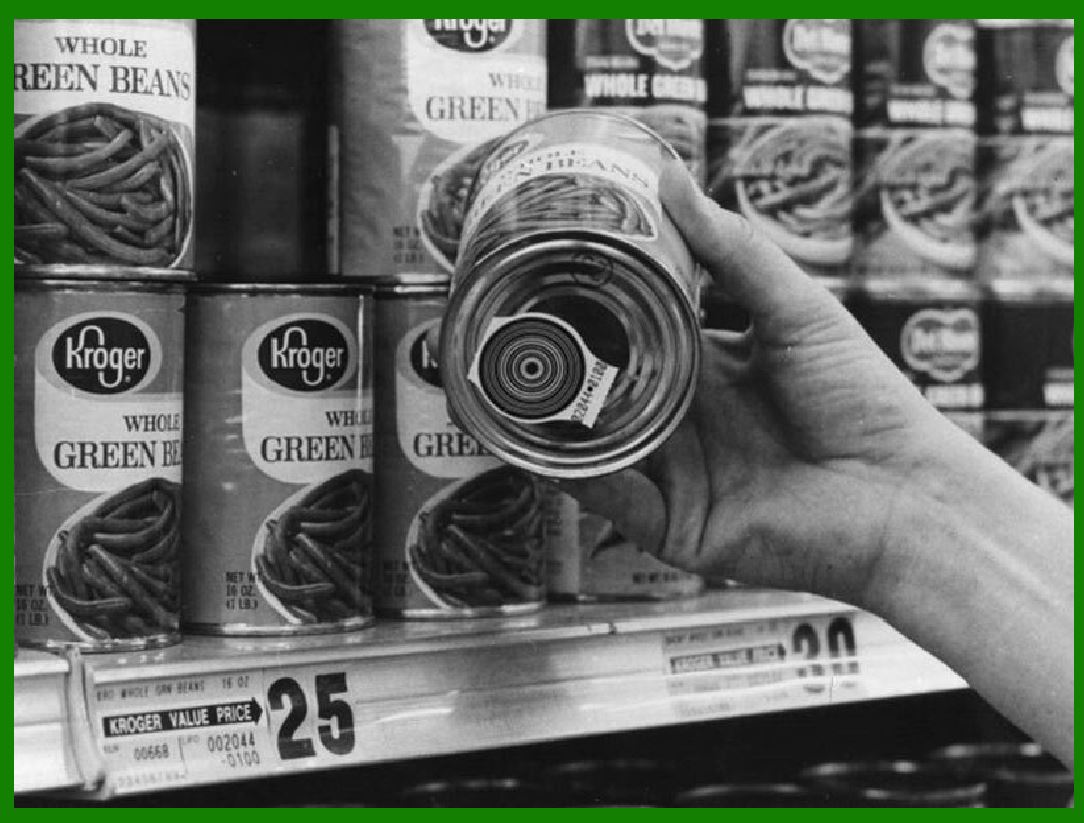
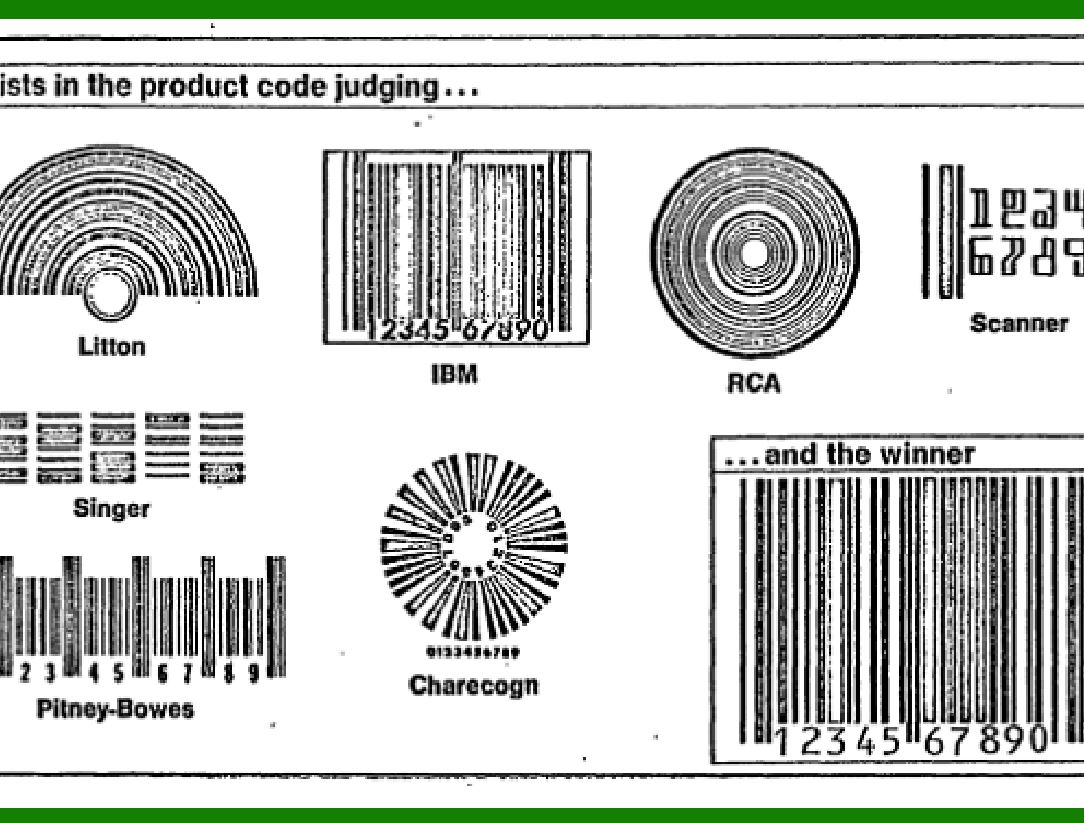
Silver, along with Norman Joseph Woodland, embarked on developing a solution. Their initial attempt involved a system of lines and circles based on Morse code, but they eventually settled on a bullseye pattern that could be scanned from any direction. They filed a patent for their invention on October 20, 1949, and it was granted as U.S. patent 2,612,994 on October 7, 1952. Interestingly, they sold their patent to Philco for $15,000, which turned out to be the entirety of their earnings from this groundbreaking invention. |
|
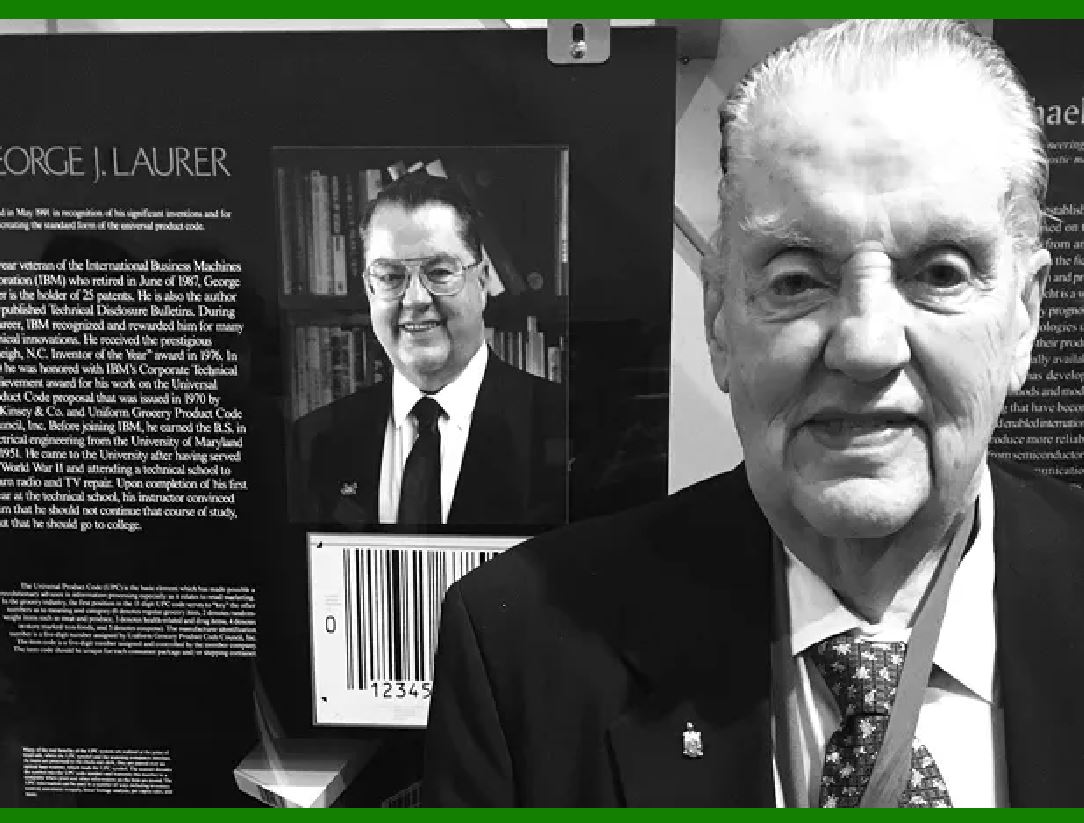
This invention revolutionized retail and logistics, leading to the widespread use of barcodes for product identification and tracking. Today, barcodes are an integral part of our daily lives, simplifying inventory management, supply chains, and point-of-sale transactions. Silver's contribution to this technology remains significant, and in 2011, he was inducted into the National Inventors Hall of Fame alongside Woodland. |
|
The earliest barcode development process. |
Silver told his friend Norman Joseph Woodland about the request, and they started working on a variety of systems. Their first working system used ultraviolet ink, but the ink faded too easily and was expensive. |
Convinced that the system was workable with further development, Woodland left Drexel, moved into his father's apartment in Florida, and continued working on the system. His next inspiration came from Morse code, and he formed his first barcode from sand on the beach. "I just extended the dots and dashes downwards and made narrow lines and wide lines out of them." |
To read them, he adapted technology from optical soundtracks in movies, using a 500-watt incandescent light bulb shining through the paper onto an RCA935 photomultiplier tube (from a movie projector) on the far side. He later decided that the system would work better if it were printed as a circle instead of a line, allowing it to be scanned in any direction. |
|
On 20 October 1949, Woodland and Silver filed a patent application for "Classifying Apparatus and Method", in which they described both the linear and bull's eye printing patterns, as well as the mechanical and electronic systems needed to read the code. The patent was issued on 7 October 1952 as US Patent 2,612,994. |
In 1951, Woodland moved to IBM and continually tried to interest IBM in developing the system. The company eventually commissioned a report on the idea, which concluded that it was both feasible and interesting, but that processing the resulting information would require equipment that was some time off in the future. |
IBM offered to buy the patent, but the offer was not accepted. Philco purchased the patent in 1962 and then sold it to RCA sometime later. |
|
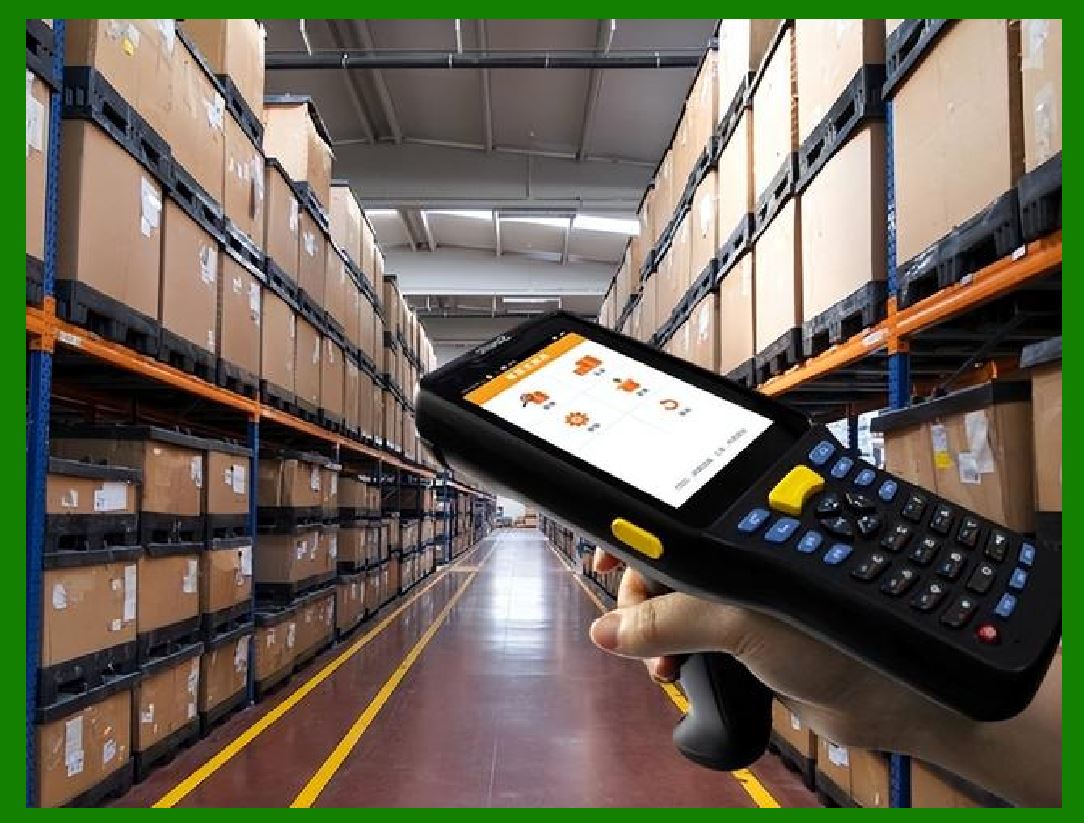
Indeed, the invention of barcodes has transformed the way we handle retail and logistics. These simple yet powerful graphical representations have become ubiquitous in our daily lives. |
Barcodes provide a unique identifier for each product. When scanned, they reveal essential information such as the item’s name, price, and stock level. This streamlines inventory management, making it easier to track items across warehouses, stores, and distribution centers. |
Efficient Point-of-Sale Transactions, At the checkout counter, barcodes expedite the process. Cashiers scan the barcode on each item, and the system automatically retrieves pricing details and deducts the quantity from the inventory. This automation reduces human error and speeds up transactions. |
 cs@easiersoft.com