Part 8: Environmental and Safety Issues |
1. Introduction to Environmental and Safety Considerations |
1. Direct thermal printing technology, while efficient and widely adopted, involves several environmental and safety considerations that arise primarily from the chemical composition of thermal media and the operational characteristics of the printing process. |
2. These issues span across material chemistry, human exposure risks, waste management, recycling challenges, and operational safety in industrial environments. |
3. Understanding these aspects is essential not only for regulatory compliance but also for sustainable deployment of direct thermal printing systems in modern supply chains. |

|
2. Chemical Safety of Thermal Paper |
1. Thermal paper contains a heat-sensitive coating composed of leuco dyes, developers, sensitizers, and stabilizers. Some of these compounds have raised health and environmental concerns. |
2. Historically, one of the most widely discussed substances in thermal paper is bisphenol A (BPA), which has been used as a color developer in many formulations. |
3. BPA is effective in enabling the thermochromic reaction, but it has been associated with potential endocrine-disrupting effects under certain exposure conditions. |
4. Due to these concerns, many manufacturers have transitioned to BPA-free alternatives, such as bisphenol S (BPS) or entirely different developer chemistries. |
5. Even with alternative compounds, ongoing evaluation is required to ensure long-term safety and environmental compatibility. |

|
3. Human Exposure Considerations |
1. Human exposure to thermal paper chemicals typically occurs through skin contact, especially in retail, logistics, and hospitality environments where receipts are frequently handled. |
2. The level of exposure is generally considered low under normal use conditions, but repeated and prolonged contact may increase absorption risk for certain chemical compounds. |
3. Studies have shown that thermal paper handling can result in trace transfer of chemical residues to skin surfaces. |
4. Hygiene practices, such as minimizing unnecessary handling of receipts and washing hands after prolonged exposure, help reduce potential risks. |
5. In sensitive environments such as healthcare or food services, BPA-free or low-migration thermal papers are often preferred. |

|
4. Environmental Impact of Thermal Paper Production |
1. The production of thermal paper involves chemical processing steps that introduce additional environmental considerations compared to standard paper manufacturing. |
2. The coating process requires the use of specialized chemicals and controlled industrial conditions, which can generate chemical waste streams. |
3. Energy consumption during production is also higher due to the need for precise coating and curing processes. |
4. Responsible manufacturing practices, including waste treatment and emissions control, are essential to minimize environmental impact. |

|
5. Recycling Challenges |
1. Recycling thermal paper presents significant challenges due to its chemical coating layer. |
2. The presence of thermochromic compounds can contaminate recycling streams, particularly in paper recycling systems designed for uncoated fibers. |
3. During recycling, thermal coatings may interfere with pulp processing and reduce the quality of recycled paper products. |
4. As a result, many recycling facilities classify thermal paper separately or limit its inclusion in standard paper recycling streams. |
5. Advances in coating technology aim to improve recyclability by developing more environmentally compatible formulations. |

|
6. Waste Management Considerations |
1. Large-scale use of direct thermal printing generates significant volumes of printed labels and receipts, contributing to paper waste streams. |
2. In logistics and retail environments, many thermal labels are short-lived and disposed of after brief use. |
3. Proper waste segregation and recycling policies are important to reduce environmental burden. |
4. Some organizations implement digital receipt systems to reduce reliance on printed thermal output. |
5. Linerless label technologies also help reduce waste by eliminating backing liners. |

|
7. Environmental Degradation of Printed Materials |
1. Printed thermal outputs themselves can degrade in the environment, leading to potential issues in traceability and data retention. |
2. Fading of labels in outdoor or high-temperature environments may result in loss of critical information. |
3. This can create indirect environmental impacts in logistics systems, such as misrouted shipments or lost tracking data, leading to inefficiencies. |
4. Proper material selection and storage conditions help mitigate these risks. |

|
8. Occupational Safety in Printing Operations |
1. Direct thermal printers are generally considered safe to operate due to their simple mechanical structure and lack of liquid ink or toner systems. |
2. However, safety considerations still exist, particularly in industrial environments where high-speed printers operate continuously. |
3. Thermal printheads can reach elevated temperatures during operation, posing a minor burn risk if improperly handled during maintenance. |
4. Electrical safety standards must be followed to prevent short circuits or overheating in power supply systems. |
5. Proper ventilation is generally not required for thermal printing itself, but environmental dust control may be necessary in industrial settings. |
|
9. Fire and Heat-related Risks |
1. Although rare, overheating of printheads or power supply components can pose a fire risk if the system is malfunctioning or poorly maintained. |
2. Modern printers include thermal protection circuits that automatically shut down the system in case of excessive temperature rise. |
3. Use of certified power supplies and adherence to manufacturer specifications significantly reduces such risks. |
4. Regular inspection of electrical components is recommended in high-duty cycle environments. |

|
10. Chemical Handling in Manufacturing Environments |
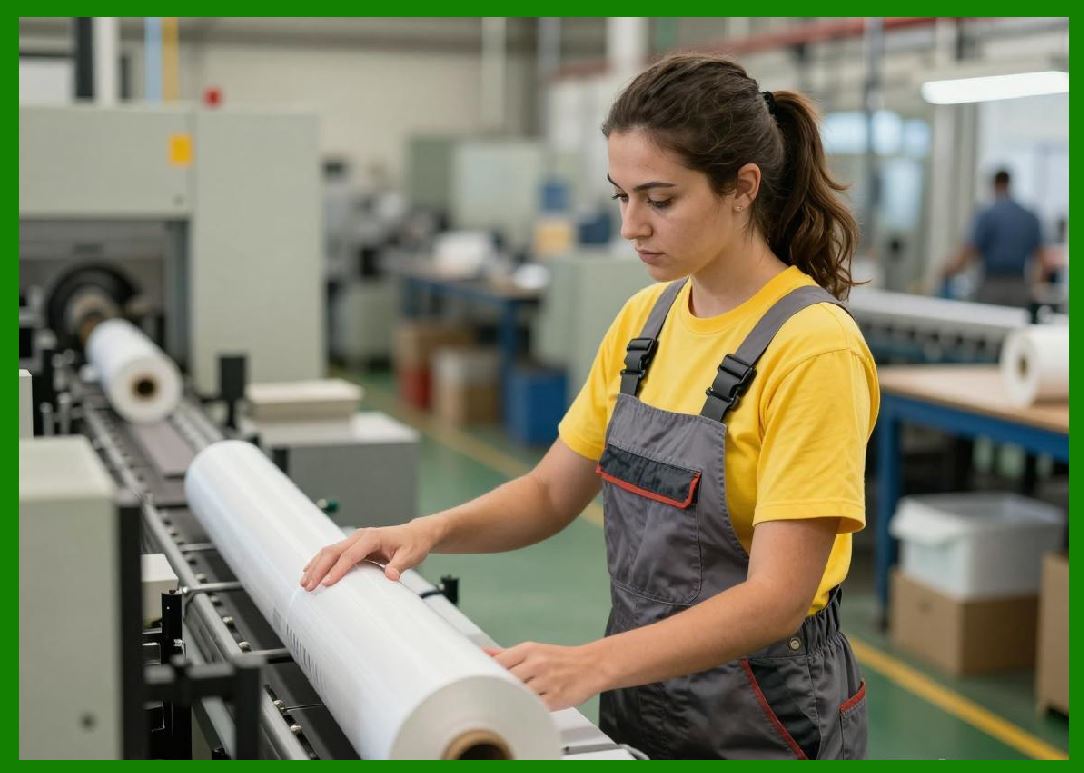
1. The production of thermal paper involves handling of chemical compounds that require strict industrial safety controls. |
2. Workers in manufacturing facilities may be exposed to coating chemicals during mixing and application processes. |
3. Personal protective equipment (PPE), ventilation systems, and controlled environments are used to minimize exposure. |
4. Regulatory frameworks govern permissible exposure limits and waste disposal procedures. |

|
11. Regulatory and Compliance Standards |
1. Various international regulations govern the use of chemicals in thermal paper, particularly concerning BPA and similar compounds. |
2. Environmental protection agencies in multiple regions have implemented restrictions or labeling requirements for thermal paper products. |
3. Industry standards also address print quality, safety, and recyclability requirements. |
4. Compliance with these regulations is essential for manufacturers and end-users operating in regulated industries such as healthcare, food distribution, and logistics. |

|
12. Sustainability Considerations |
1. Sustainability is becoming an increasingly important factor in the development and deployment of direct thermal printing systems. |
2. Efforts are being made to reduce chemical toxicity in thermal coatings and improve recyclability of printed materials. |
3. Digital transformation initiatives, such as electronic receipts and paperless workflows, are reducing dependence on thermal printing in some sectors. |
4. Linerless label systems and eco-friendly substrates contribute to reduced material waste. |
5. Lifecycle analysis of thermal printing systems is increasingly used to evaluate environmental impact across production, usage, and disposal stages. |

|
13. Mitigation Strategies for Environmental Impact |
1. Organizations can reduce environmental impact by selecting BPA-free or low-impact thermal media. |
2. Implementing controlled printing policies helps minimize unnecessary label production. |
3. Recycling programs tailored for thermal paper waste improve material recovery efficiency. |
4. Preventive maintenance extends printer lifespan, reducing electronic waste generation. |
5. Transitioning to hybrid digital-physical labeling systems can significantly reduce overall environmental footprint. |

|
14. Summary of Environmental and Safety Balance |
1. Direct thermal printing presents a mixed environmental profile: it reduces consumable waste compared to ink-based systems but introduces chemical and recycling challenges due to specialized coatings. |
2. Safety risks are generally low in end-user environments but require attention in manufacturing and high-intensity operational settings. |
3. Ongoing innovation in materials science and regulatory compliance is steadily improving the environmental and safety profile of this technology. |

|
Technical Content Summary of Part 8 |
This part examined the environmental and safety aspects of direct thermal printing technology in detail. It covered chemical safety concerns related to thermal paper coatings, including BPA and alternative developers, as well as human exposure risks through skin contact. |
The section analyzed environmental impacts from production, recycling challenges, and waste management issues associated with large-scale thermal paper usage. It also addressed occupational safety considerations, including thermal risks, electrical safety, and industrial chemical handling. |
Finally, sustainability strategies and regulatory frameworks were discussed, highlighting ongoing efforts to reduce environmental impact through BPA-free materials, linerless labels, digital transformation, and improved recycling systems. |
 cs@easiersoft.com