Part 10 The History, Thermal Printing Technologies, Mobile Systems, and Enterprise Labeling Innovations of BIXOLON |
1. Introduction to BIXOLON |
1.1 |
BIXOLON is one of the world most important manufacturers of thermal printers, mobile printing systems, POS printers, barcode label printers, RFID-enabled devices, and automatic identification technologies. The company became internationally recognized for combining compact engineering, reliability, advanced connectivity, and cost-effective industrial printing solutions. |
1.2 |
BIXOLON occupies a distinctive position in the barcode and label printing industry because it successfully expanded from retail-oriented receipt and POS printing technologies into broader industrial labeling, logistics printing, mobile enterprise systems, and RFID infrastructure. |

|
1.3 |
The company products are widely used across retail, warehousing, logistics, healthcare, transportation, hospitality, manufacturing, ticketing systems, food service industries, and government operations. BIXOLON became especially respected for high-performance compact printers supporting modern mobile and connected enterprise environments. |
1.4 |
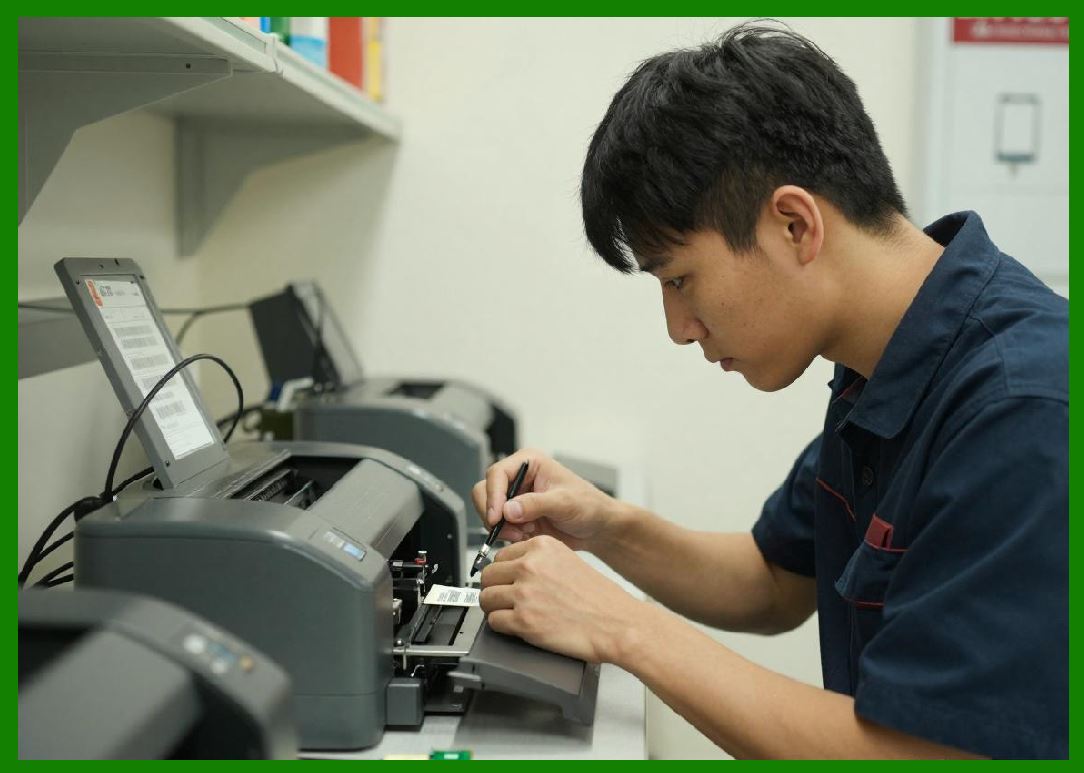
One of BIXOLON major strengths involves its expertise in mobile printing and wireless communication systems. As businesses increasingly adopted mobile workflows, cloud platforms, and real-time operational visibility systems, BIXOLON positioned itself strongly within the growing enterprise mobility sector. |
|
1.5 |
The company also invested heavily in thermal printing precision, printhead engineering, media handling technologies, cloud connectivity, and support for modern barcode standards including QR Codes and RFID systems. |
1.6 |
Today, BIXOLON continues expanding globally through industrial partnerships, enterprise integration technologies, IoT-connected devices, cloud printing systems, and environmentally optimized printing solutions. |

|
2. Historical Development and Corporate Origins |
2.1 |
BIXOLON originated in South Korea, a country that became one of the world major centers for electronics manufacturing, semiconductor production, telecommunications infrastructure, and industrial engineering. |
2.2 |
The company initially emerged as part of Samsung Electronics. Samsung extensive expertise in electronics, semiconductors, display technologies, communications infrastructure, and compact device engineering provided an important technological foundation for BIXOLON later development. |
2.3 |
During the rapid expansion of retail automation and POS infrastructure in the late twentieth century, demand increased significantly for compact thermal receipt printers and transaction printing systems. |
2.4 |
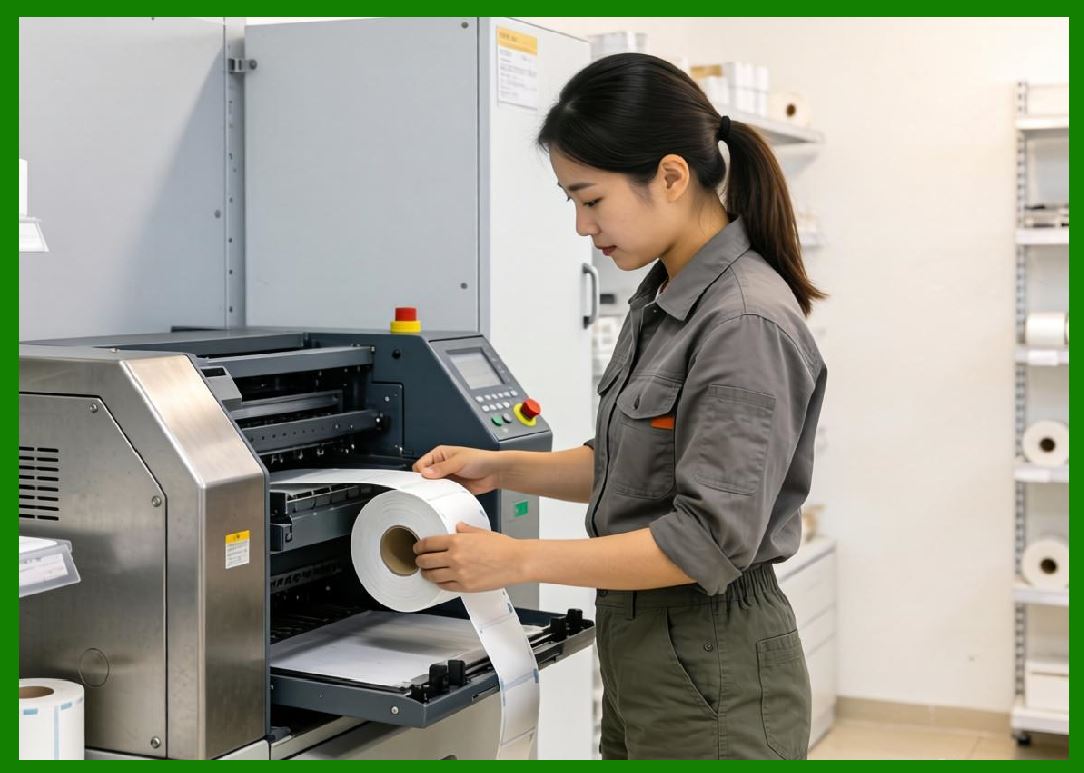
Samsung developed thermal printing technologies supporting retail transaction systems, receipt generation, ticketing applications, and commercial printing workflows. These technologies eventually evolved into the foundation of BIXOLON product portfolio. |
|
2.5 |
BIXOLON later became an independent specialized printing company focused on thermal printing systems, barcode labeling technologies, mobile printers, and automatic identification infrastructure. |
2.6 |
As barcode technology adoption accelerated globally across logistics, warehousing, healthcare, transportation, and retail industries, BIXOLON expanded beyond POS receipt printing into broader enterprise labeling and industrial printing markets. |
2.7 |
The company steadily increased its international presence through global distributors, regional support centers, reseller partnerships, and enterprise integration programs. |
2.8 |
Today, BIXOLON products are sold worldwide and are widely used in modern mobile commerce systems, smart retail operations, transportation networks, warehouse automation platforms, and enterprise logistics environments. |

|
3. Thermal Printing Technologies and Engineering Principles |
3.1 |
Thermal printing became the core technological foundation of BIXOLON product portfolio. Thermal printing systems provide quiet operation, compact design, low maintenance requirements, fast output speeds, and high barcode precision. |
3.2 |
The company developed both direct thermal and thermal transfer printing technologies. Direct thermal systems became especially popular in receipt printing, shipping labels, ticketing, transportation systems, and temporary logistics labeling. |
3.3 |
Thermal transfer systems supported more durable labeling applications requiring resistance to chemicals, abrasion, moisture, heat, ultraviolet exposure, and long-term storage conditions. |
3.4 |
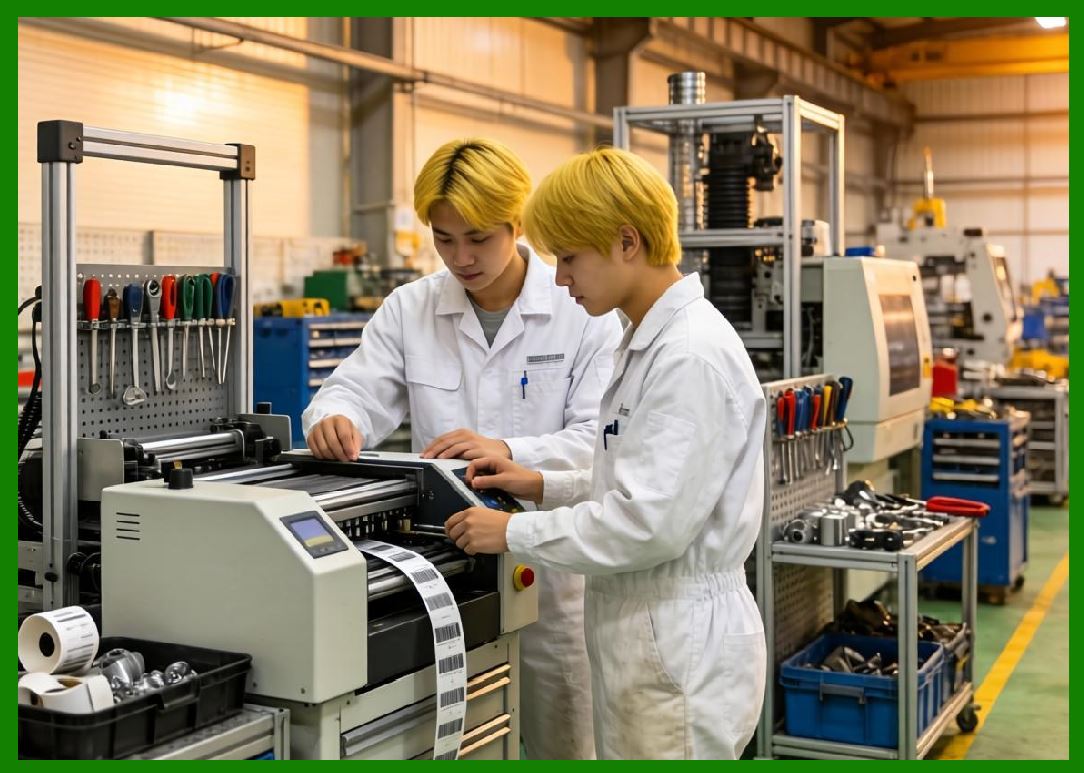
BIXOLON engineers focused heavily on compact thermal printhead technologies. Printhead precision directly affects barcode readability, edge sharpness, print consistency, and operational reliability. |
|
3.5 |
The company developed sophisticated thermal management systems optimizing heating uniformity and reducing print distortion during high-speed operation. |
3.6 |
Media transport precision became another important engineering focus. Accurate label positioning is essential for barcode scanning reliability, RFID encoding alignment, and automated workflow integration. |
3.7 |
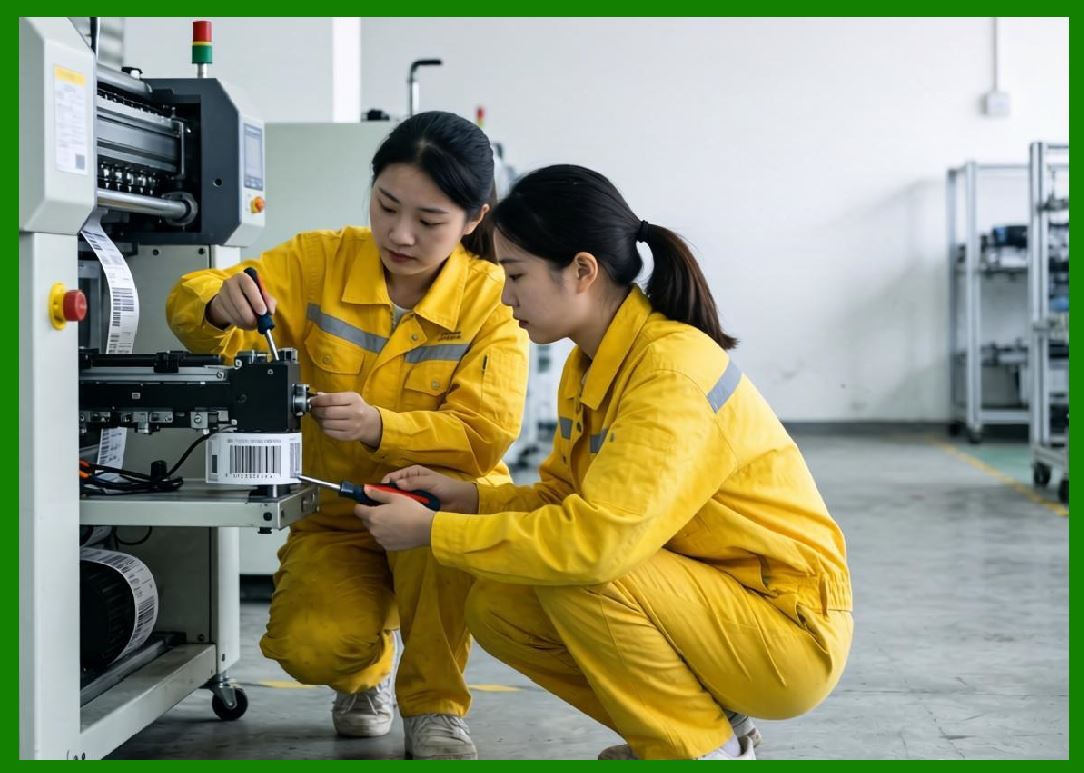
BIXOLON additionally emphasized compactness and energy efficiency. Many printers were designed for small retail counters, mobile field operations, healthcare carts, and transportation vehicles where space limitations are critical. |
3.8 |
The company also optimized printer architectures for low power consumption, battery efficiency, and wireless communication integration. |
|
4. POS Printing Systems and Retail Automation |
4.1 |
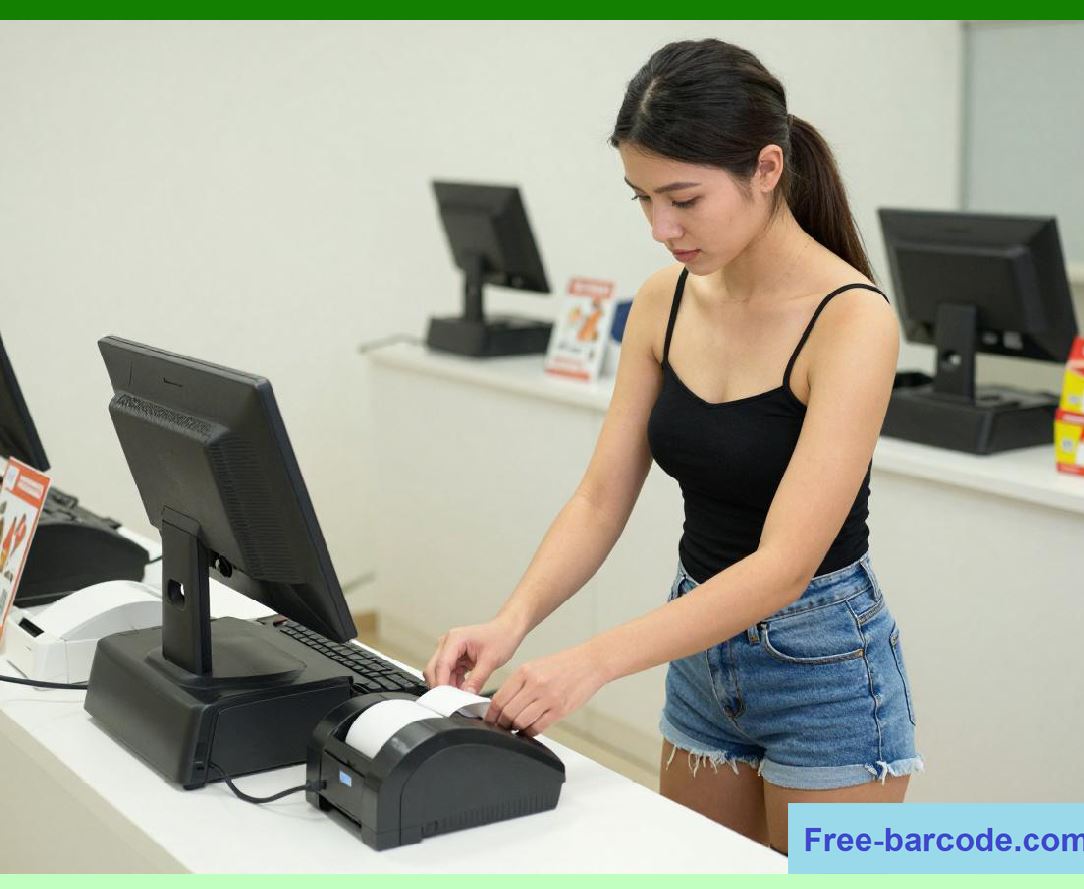
BIXOLON became especially well known for thermal POS printing systems. Retail transaction environments require extremely reliable printers capable of continuous operation, fast receipt generation, and seamless integration with checkout systems. |
4.2 |
The company introduced multiple POS printer product families supporting retail stores, restaurants, supermarkets, hotels, ticketing systems, entertainment venues, and hospitality industries. |
4.3 |
BIXOLON POS printers became recognized for compact size, quiet operation, high-speed output, and flexible connectivity including USB, Ethernet, Bluetooth, Wi-Fi, and mobile platform integration. |
4.4 |
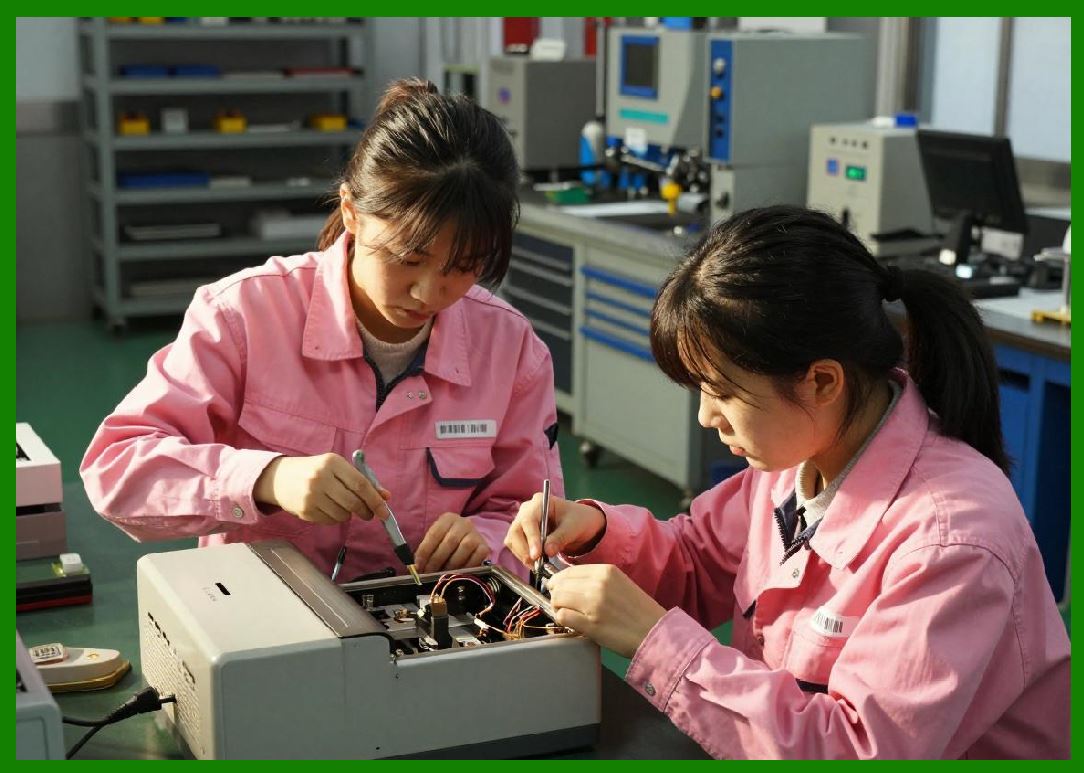
Retail automation increasingly required barcode and QR code generation directly on receipts and transaction documents. BIXOLON optimized printers for high-quality barcode output suitable for scanning, loyalty systems, coupons, and mobile payment applications. |
|
4.5 |
Cloud-connected POS infrastructure became increasingly important as retailers adopted omnichannel commerce systems and centralized transaction management platforms. |
4.6 |
The company introduced advanced SDKs, APIs, and software development tools enabling integration with Android, iOS, Windows, Linux, and cloud-based retail systems. |
4.7 |
Self-service kiosks and unattended retail systems became another major application area. BIXOLON developed kiosk printers supporting automated ticketing, self-checkout, queue management, and payment systems. |
4.8 |
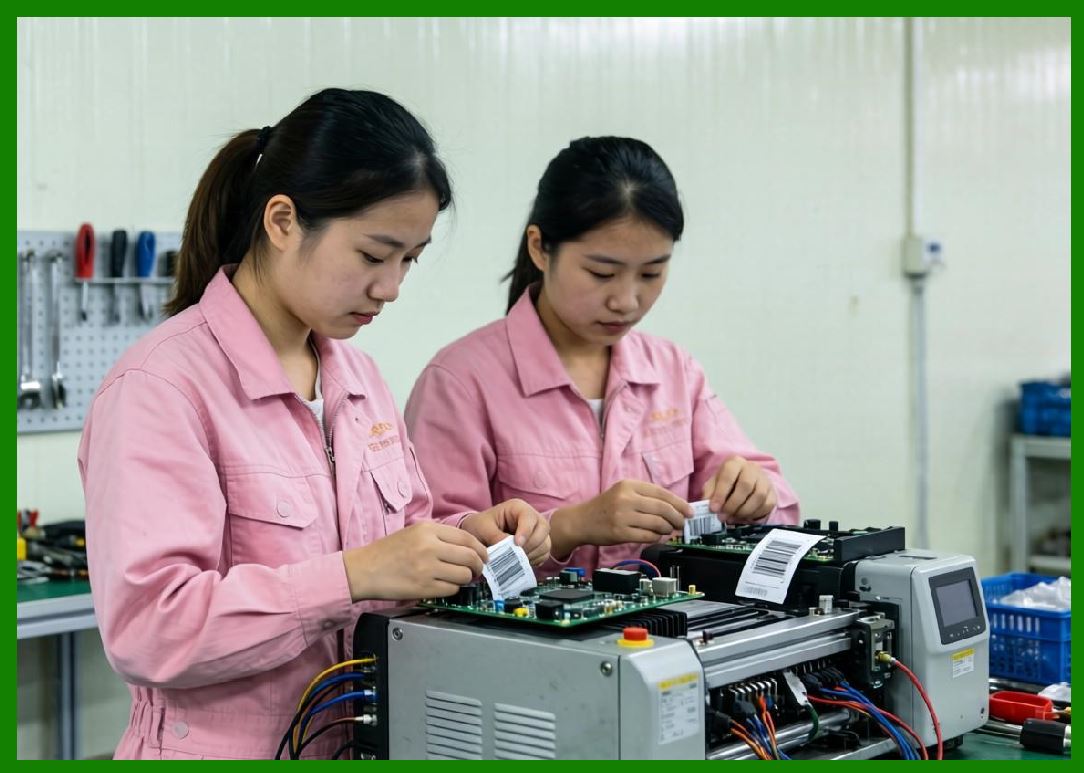
Retail digital transformation significantly expanded demand for flexible thermal printing infrastructure and real-time transaction processing systems. |
|
5. Industrial Barcode Label Printers |
5.1 |
Although BIXOLON initially gained prominence through POS printing technologies, the company increasingly expanded into industrial barcode labeling systems. |
5.2 |
Industrial barcode printers require higher durability, more advanced media handling systems, stronger mechanical structures, and compatibility with enterprise automation workflows. |
5.3 |
BIXOLON developed industrial printer families supporting manufacturing operations, warehouse logistics, transportation management, healthcare workflows, and retail distribution infrastructure. |
5.4 |
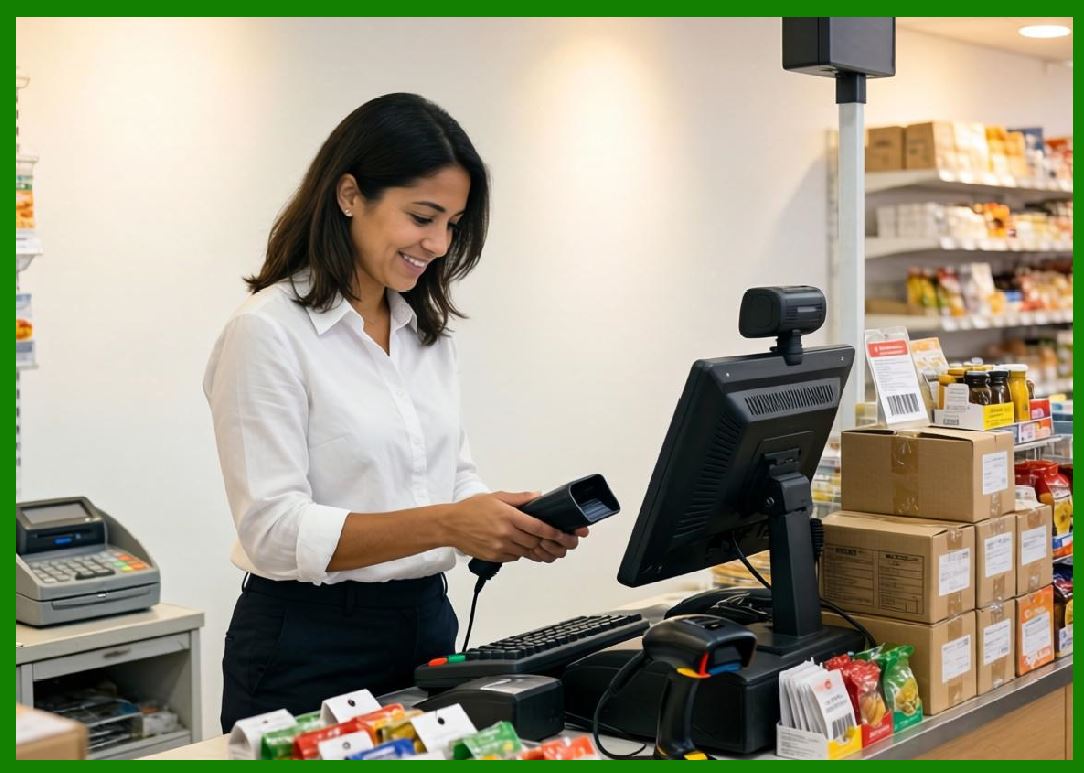
The XT series became one of the company most important industrial barcode printer platforms. These printers were designed for high-volume enterprise labeling operations requiring rugged durability and continuous performance. |
|
5.5 |
Desktop barcode printers targeted smaller businesses, laboratories, pharmacies, retail stores, and office environments requiring compact professional labeling systems. |
5.6 |
The company also developed linerless printing technologies reducing media waste and improving operational efficiency in food service and logistics applications. |
5.7 |
Industrial connectivity became increasingly sophisticated, with support for Ethernet, Wi-Fi, Bluetooth, serial communication, USB, and cloud-based management systems. |
5.8 |
BIXOLON printers additionally supported major barcode standards including Code 128, QR Code, Data Matrix, PDF417, GS1 systems, and RFID workflows. |

|
6. Mobile Printing Systems and Enterprise Mobility |
6.1 |
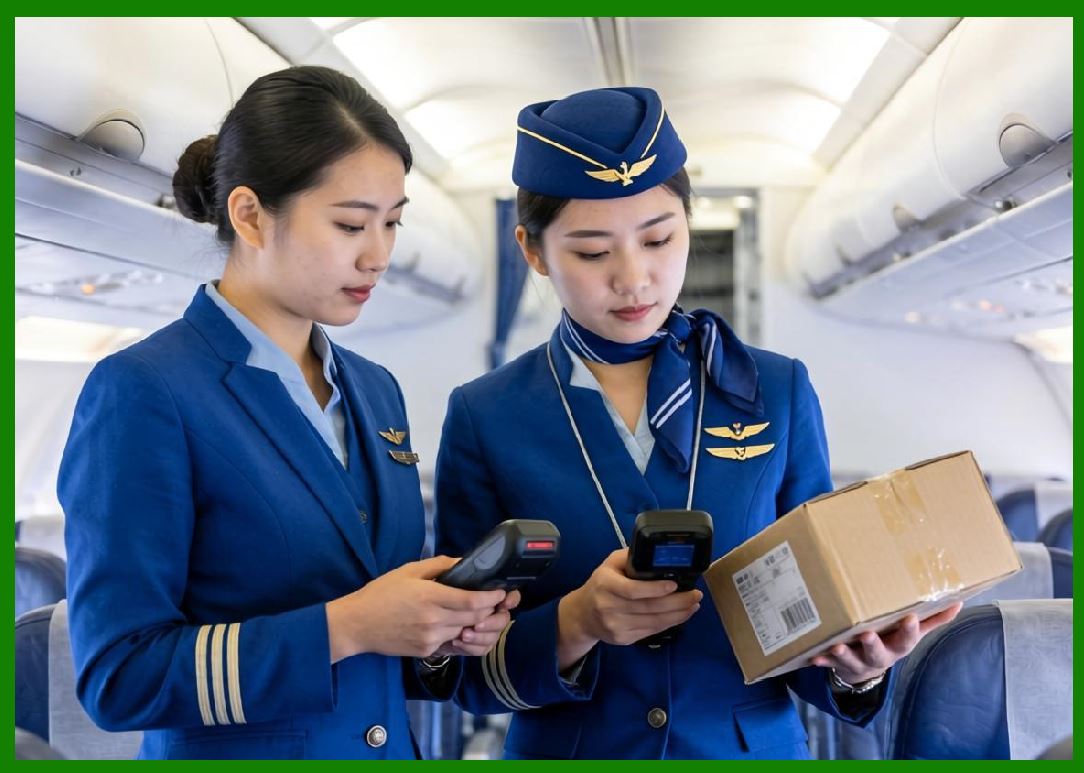
Mobile printing became one of BIXOLON strongest technological specializations. The company developed rugged portable printers supporting enterprise mobility across transportation, warehousing, field service, retail, and healthcare sectors. |
6.2 |
Mobile printing allows workers to generate labels, receipts, tickets, invoices, and tracking documents directly at the point of activity. This improves operational speed and reduces workflow inefficiencies. |
6.3 |
Transportation industries widely adopted BIXOLON mobile printers for route accounting, proof-of-delivery systems, parking enforcement, ticketing operations, and direct store delivery services. |
6.4 |
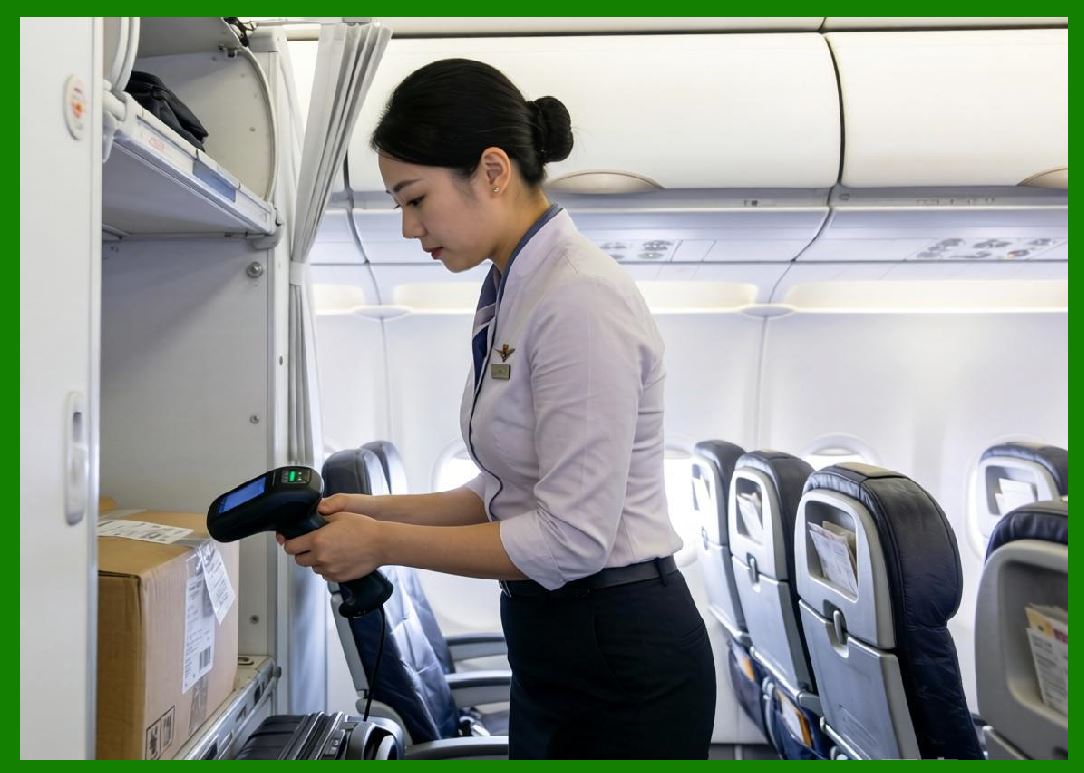
Warehouse operations increasingly relied on mobile printers for inventory management, shelf labeling, pallet tracking, and logistics coordination. |
|
6.5 |
Healthcare environments utilized mobile printers for bedside labeling, patient identification, medication workflows, and laboratory specimen tracking. |
6.6 |
Battery management technologies became critically important because enterprise mobile workers often require uninterrupted operation throughout full work shifts. |
6.7 |
BIXOLON engineers optimized mobile printers for lightweight construction, drop resistance, low power consumption, fast wireless communication, and rugged environmental durability. |
6.8 |
The company also integrated mobile printers closely with smartphones, tablets, rugged handheld terminals, and cloud-connected enterprise mobility platforms. |
|
7. RFID Technologies and Smart Labeling Systems |
7.1 |
BIXOLON increasingly invested in RFID-enabled barcode printers and smart labeling infrastructure as RFID adoption expanded globally. |
7.2 |
RFID printer-encoders combine visible label printing with embedded RFID chip programming within a single operational workflow. |
7.3 |
These systems support real-time inventory visibility, warehouse automation, retail asset tracking, transportation logistics, and industrial traceability systems. |
7.4 |
RFID integration requires highly accurate synchronization between media movement, print timing, antenna positioning, and radio-frequency communication. |

|
7.5 |
BIXOLON developed RFID-capable industrial printers supporting EPC standards, UHF RFID encoding, and enterprise serialization workflows. |
7.6 |
Retail apparel became one of the most important RFID application sectors because RFID systems dramatically improved stock accuracy and omnichannel inventory visibility. |
7.7 |
Warehouse automation systems increasingly adopted RFID technologies for pallet management, shipment verification, and real-time inventory tracking. |
7.8 |
BIXOLON continues integrating RFID systems with cloud infrastructure, IoT platforms, mobile enterprise systems, and smart supply chain analytics. |

|
8. Cloud Printing, IoT Integration, and Smart Connectivity |
8.1 |
BIXOLON recognized early that cloud connectivity and IoT infrastructure would become critically important within modern enterprise printing systems. |
8.2 |
The company developed cloud printing platforms enabling remote printer management, centralized diagnostics, firmware deployment, and distributed enterprise visibility. |
8.3 |
Cloud-connected printers became especially valuable for multinational retail chains, logistics providers, transportation networks, and franchise operations managing large distributed printer fleets. |
8.4 |
BIXOLON additionally invested heavily in mobile SDKs and software integration tools supporting modern smartphone-based operational workflows. |

|
8.5 |
IoT integration allowed printers to function as intelligent operational endpoints within larger automation ecosystems involving scanners, sensors, warehouse management platforms, and enterprise analytics systems. |
8.6 |
The company also introduced browser-based management systems simplifying remote configuration and enterprise administration. |
8.7 |
Cybersecurity became increasingly important as network-connected printers evolved into enterprise IoT devices. BIXOLON implemented secure communication protocols, authentication systems, and firmware protection technologies. |
8.8 |
Smart connectivity infrastructure remains one of BIXOLON major long-term strategic priorities. |

|
9. Applications Across Major Industries |
9.1 |
Retail industries use BIXOLON printers extensively for receipts, shelf labels, QR code generation, loyalty systems, ticketing, and omnichannel commerce operations. |
9.2 |
Transportation companies deploy BIXOLON mobile printers for proof-of-delivery systems, route management, parking operations, ticketing infrastructure, and logistics coordination. |
9.3 |
Warehouse and logistics operations use BIXOLON systems for shipping labels, pallet tracking, inventory management, mobile workforce operations, and RFID-enabled warehouse automation. |
9.4 |
Healthcare organizations rely on BIXOLON technologies for patient identification, medication labeling, specimen tracking, pharmacy systems, and bedside workflows. |
|
9.5 |
Hospitality industries utilize BIXOLON printers for restaurant ordering systems, kitchen operations, hotel transactions, entertainment ticketing, and customer service workflows. |
9.6 |
Manufacturing companies employ BIXOLON barcode printers for compliance labeling, work-in-progress tracking, product serialization, and packaging operations. |
9.7 |
Government agencies and public transportation systems also use BIXOLON printers for ticketing, permits, mobile enforcement systems, and administrative operations. |
9.8 |
The company broad product portfolio and global distribution network enabled widespread international adoption across diverse operational sectors. |

|
10. Future Prospects and Strategic Technological Direction |
10.1 |
BIXOLON continues investing heavily in cloud infrastructure, enterprise mobility systems, IoT-connected devices, RFID expansion, and smart operational analytics. |
10.2 |
Artificial intelligence may increasingly support printer diagnostics, predictive maintenance, operational optimization, automated workflow analysis, and intelligent device management. |
10.3 |
The company is expected to continue expanding mobile enterprise integration with smartphones, wearable systems, tablets, and cloud-connected workforce management platforms. |
10.4 |
RFID technologies remain a major strategic growth area as retail inventory automation, warehouse digitization, and supply chain visibility systems continue expanding globally. |

|
10.5 |
Sustainability also became increasingly important. BIXOLON researches energy-efficient hardware, linerless media systems, recyclable consumables, and reduced-waste printing technologies. |
10.6 |
Cloud-based centralized management systems will likely continue expanding as enterprises seek greater operational visibility across globally distributed printing infrastructures. |
10.7 |
Cybersecurity will remain critically important as industrial and commercial printers become increasingly integrated into enterprise IoT ecosystems. |
10.8 |
As smart retail, mobile commerce, warehouse automation, and connected logistics systems continue evolving worldwide, BIXOLON is expected to remain one of the leading innovators in thermal printing and enterprise mobility technologies. |
|
Detailed Technical Content Summary |
This part provided a detailed historical and technical overview of BIXOLON and its role within the global barcode printer and enterprise mobility industries. The article explored BIXOLON origins within Samsung Electronics, its development into an independent thermal printing company, and its expansion into industrial barcode labeling systems. |
The discussion covered BIXOLON thermal printing technologies, compact printhead engineering, media handling systems, POS printing infrastructure, industrial barcode printers, and mobile printing systems. Significant attention was given to enterprise mobility technologies, wireless communication systems, rugged portable printers, and smartphone integration platforms. |
The article also examined RFID-enabled barcode printers, cloud printing systems, IoT-connected enterprise infrastructure, cybersecurity technologies, and centralized printer management platforms. Applications across retail, transportation, logistics, healthcare, hospitality, manufacturing, and government sectors were analyzed extensively. |
Finally, the article discussed BIXOLON future strategic directions involving AI-assisted operations, RFID expansion, cloud analytics, sustainability technologies, mobile enterprise integration, IoT infrastructure, and smart supply chain automation systems. |
 cs@easiersoft.com