Part 12 The History, Industrial Printing Systems, Engineering Innovations, and Enterprise Barcode Solutions of Honeywell International Inc. |
1. Introduction to Honeywell in the Barcode Printer Industry |
1.1 |
Honeywell International Inc. is one of the largest diversified industrial technology companies in the world, with major operations in aerospace, building technologies, safety systems, and industrial automation. Within the barcode label printer and automatic identification industry, Honeywell plays a critical role through its enterprise mobility division and industrial printing solutions. |
1.2 |
Unlike companies that focus exclusively on barcode printers, Honeywell operates as a full-stack industrial automation and enterprise intelligence provider. Its barcode-related technologies are integrated into broader ecosystems that include mobile computers, barcode scanners, RFID systems, warehouse automation platforms, and supply chain analytics software. |

|
1.3 |
Honeywell barcode printer portfolio became significantly stronger through strategic acquisitions, particularly the integration of printer manufacturers such as Datamax-O'Neil and other enterprise printing technology providers. This allowed Honeywell to rapidly scale its presence in industrial barcode printing markets. |
1.4 |
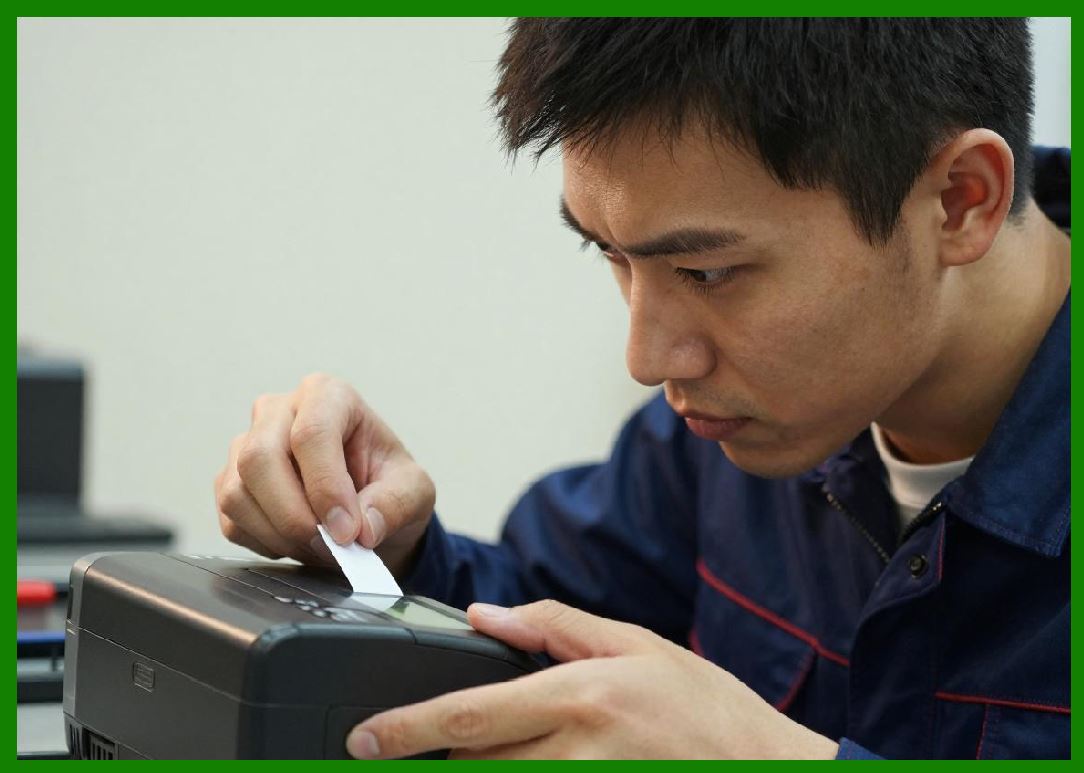
The company barcode printing systems are widely used in logistics, manufacturing, retail distribution, healthcare, transportation, postal systems, and field service operations. Honeywell printers are especially known for ruggedness, industrial reliability, and deep integration with enterprise workflows. |
|
1.5 |
Honeywell key advantage lies in its ability to combine hardware, software, automation, and analytics into unified enterprise systems. This systems-level approach differentiates it from standalone printer manufacturers. |
1.6 |
Today, Honeywell continues to expand its industrial printing and automatic identification capabilities alongside its broader strategy of digital transformation, industrial IoT, and intelligent automation platforms. |

|
2. Corporate Origins and Industrial Expansion |
2.1 |
Honeywell origins date back to the late 19th century with the founding of engineering companies specializing in temperature control systems, industrial automation, and mechanical control technologies. |
2.2 |
Over time, Honeywell evolved into a major global conglomerate specializing in aerospace systems, industrial automation, building control systems, safety equipment, and advanced materials. |
2.3 |
The company entry into barcode printing and automatic identification technologies came much later, as industrial digitization and supply chain automation became increasingly important in global commerce. |
2.4 |
Rather than developing barcode printers organically from scratch, Honeywell expanded its presence in this field primarily through acquisitions of established companies with strong technical expertise in printing systems and mobile computing. |

|
2.5 |
This acquisition-driven strategy allowed Honeywell to quickly establish itself as a major competitor in the barcode printer and enterprise mobility market. |
2.6 |
By integrating acquired technologies into its broader industrial automation ecosystem, Honeywell created a unified platform spanning printing, scanning, mobility, and data intelligence systems. |
2.7 |
This strategic positioning enabled Honeywell to compete directly with other major enterprise automation providers such as Zebra Technologies and SATO Holdings. |
2.8 |
Today, Honeywell is recognized as one of the most influential industrial automation companies in the world. |

|
3. Thermal Barcode Printing Technologies |
3.1 |
Honeywell barcode printers are primarily based on thermal printing technologies, which remain the industry standard for industrial labeling applications due to their speed, reliability, and low maintenance requirements. |
3.2 |
The company supports both direct thermal and thermal transfer printing systems. Direct thermal printers are widely used in shipping, logistics, retail labeling, and temporary identification applications. |
3.3 |
Thermal transfer systems provide more durable output suitable for harsh environments, including chemical exposure, outdoor storage, manufacturing processes, and long-term asset tracking. |
3.4 |
A key engineering focus for Honeywell is printhead durability and consistency. Industrial environments require printers capable of maintaining precise barcode geometry over long production cycles. |

|
3.5 |
Honeywell developed advanced thermal control systems that regulate heat distribution across printhead elements to ensure consistent barcode clarity and scanning accuracy. |
3.6 |
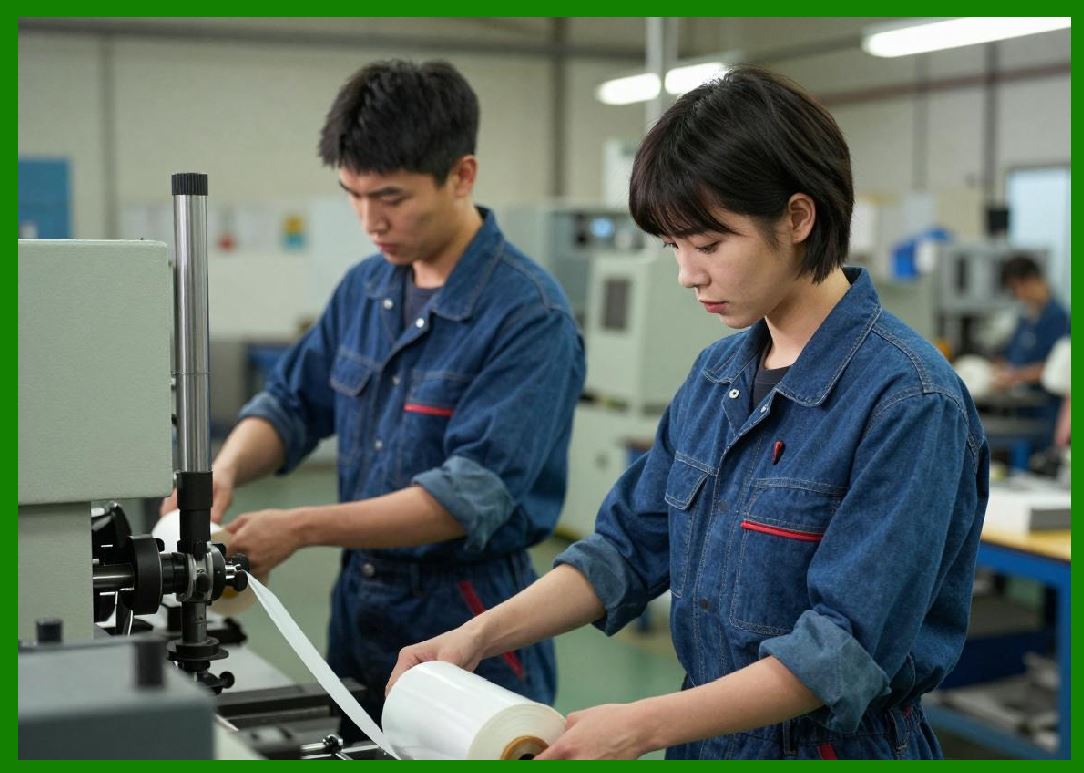
Media handling systems include precision sensors, alignment mechanisms, and calibration technologies designed to ensure accurate label positioning during high-speed printing operations. |
3.7 |
Industrial robustness is a defining characteristic of Honeywell printers, with reinforced mechanical structures, industrial-grade electronics, and long lifecycle components. |
3.8 |
These engineering priorities ensure Honeywell printers perform reliably in demanding environments such as warehouses, manufacturing plants, and distribution centers. |
|
4. Industrial Barcode Printer Product Families |
4.1 |
Honeywell industrial barcode printer portfolio includes a wide range of devices designed for enterprise-scale printing applications across multiple industries. |
4.2 |
The PX series represents one of Honeywell flagship industrial printer families, designed for high-performance manufacturing, logistics, and warehouse environments. |
4.3 |
PX printers are engineered for continuous operation, high-speed label production, and integration with automated supply chain systems. |
4.4 |
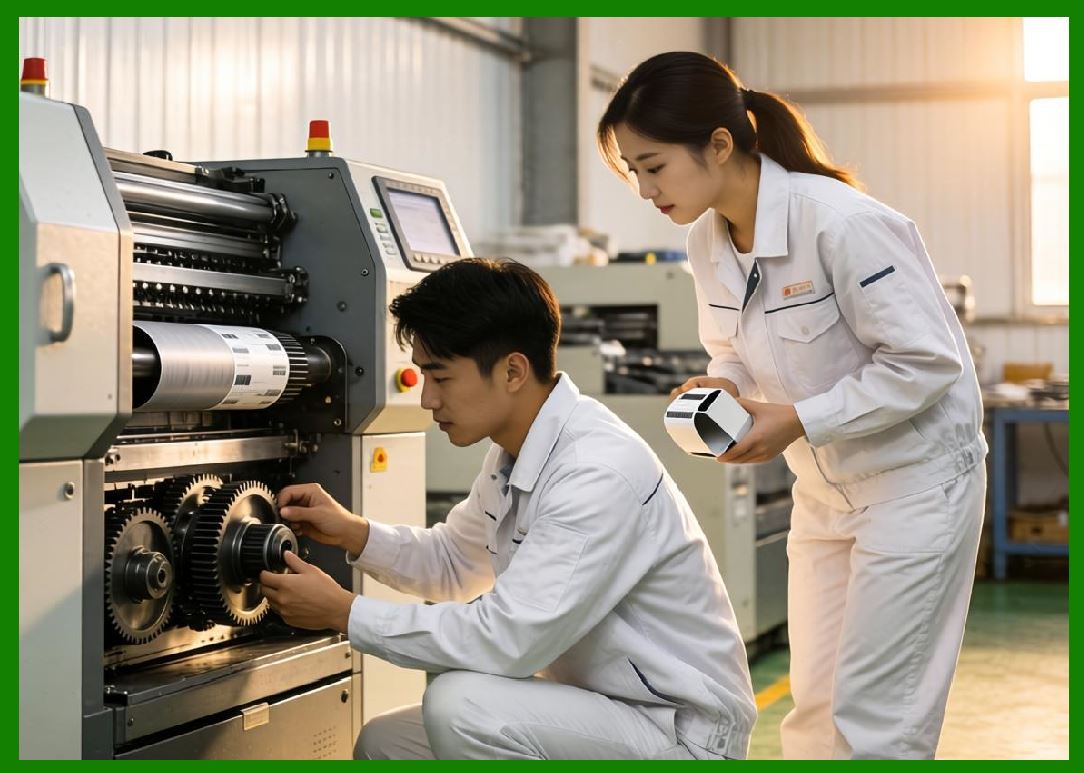
The PM series represents a compact industrial printer line optimized for flexibility, ease of use, and medium-volume printing applications. |
|
4.5 |
Desktop printer models are used in retail stores, healthcare facilities, laboratories, and small business environments requiring compact barcode printing solutions. |
4.6 |
Honeywell also produces mobile printers designed for transportation logistics, field service operations, warehouse mobility, and retail applications. |
4.7 |
Print-and-apply systems are used in automated manufacturing and packaging lines for high-speed labeling of products and shipments. |
4.8 |
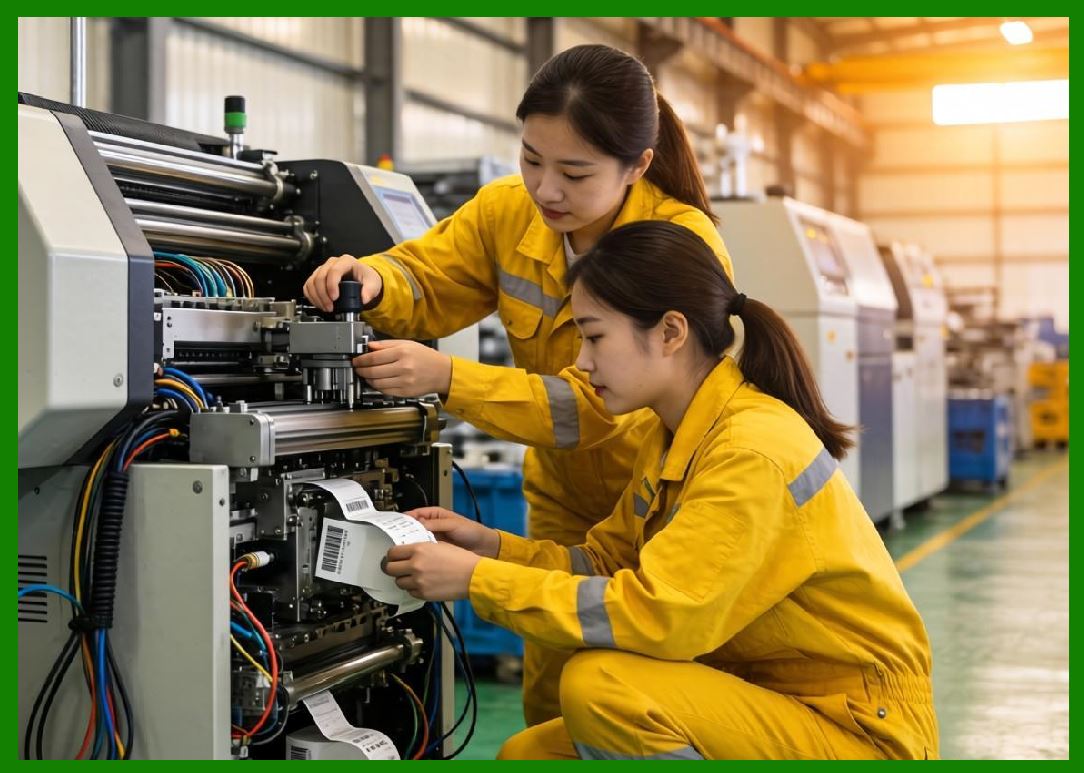
Honeywell printers support a wide range of barcode standards including linear barcodes, 2D codes such as QR Code and Data Matrix, GS1 systems, and RFID-related workflows. |
|
5. RFID Integration and Smart Labeling Systems |
5.1 |
RFID technology is a key component of Honeywell enterprise automation strategy. RFID-enabled barcode printers combine traditional label printing with embedded RFID encoding. |
5.2 |
These systems enable real-time asset tracking without requiring direct line-of-sight scanning, significantly improving inventory visibility and operational efficiency. |
5.3 |
Honeywell RFID printers support EPCglobal standards, UHF RFID encoding, serialization systems, and global supply chain traceability requirements. |
5.4 |
RFID encoding requires precise coordination between print mechanisms, antenna positioning, and radio-frequency communication systems to ensure data integrity. |

|
5.5 |
Retail apparel industries use RFID extensively for inventory management, stock accuracy, and omnichannel retail fulfillment. |
5.6 |
Warehouse automation systems rely on RFID for pallet tracking, shipment validation, and real-time logistics visibility. |
5.7 |
Honeywell integrates RFID systems with cloud platforms, mobile devices, scanning systems, and enterprise analytics infrastructure. |
5.8 |
RFID remains one of Honeywell most strategically important growth technologies in industrial automation. |
|
6. Enterprise Mobility and Data Capture Ecosystems |
6.1 |
Honeywell is not only a printer manufacturer but also a major provider of enterprise mobility systems, including barcode scanners, handheld computers, and rugged mobile devices. |
6.2 |
These devices are widely used in logistics, retail, manufacturing, healthcare, and field service operations for real-time data capture and workflow execution. |
6.3 |
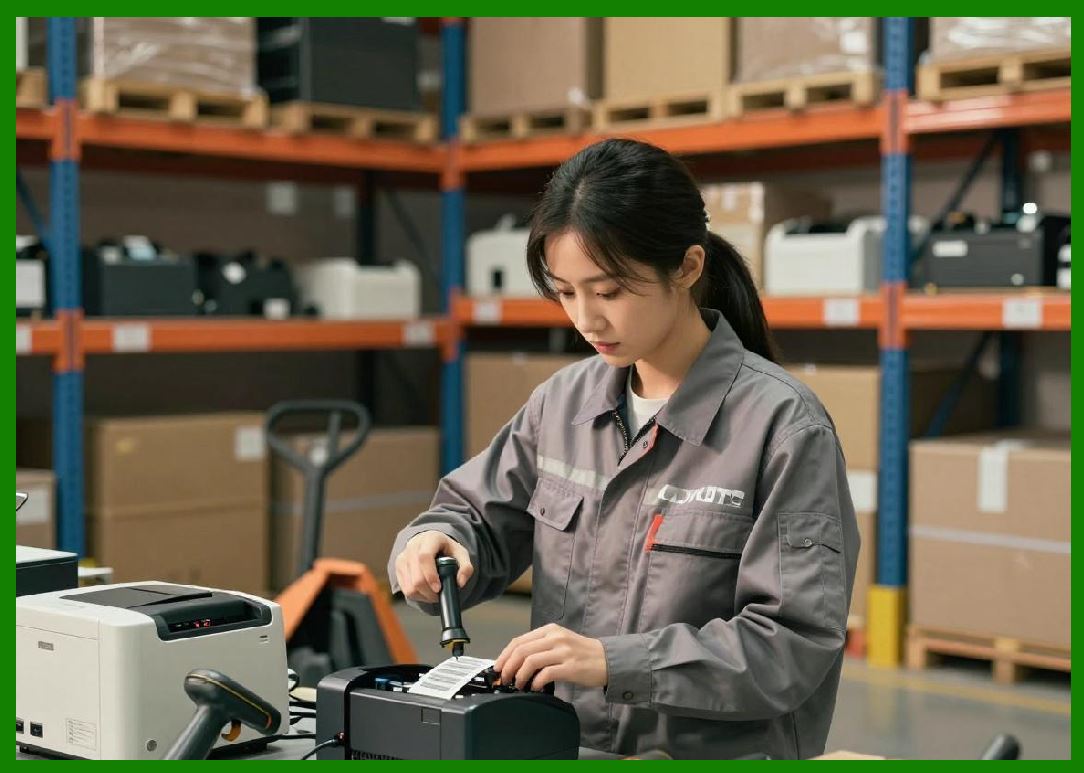
Mobile computing systems integrate closely with Honeywell printing technologies, enabling seamless workflows from scanning to labeling to data transmission. |
6.4 |
Honeywell devices support Android-based enterprise platforms, Wi-Fi, Bluetooth, cellular connectivity, and edge computing applications. |
|
6.5 |
Wearable scanners and mobile terminals are increasingly used in warehouse picking, inventory management, and hands-free operational environments. |
6.6 |
These systems significantly improve productivity, reduce errors, and enhance real-time operational visibility. |
6.7 |
The integration of mobile computing and printing creates end-to-end enterprise automation ecosystems. |
6.8 |
This ecosystem approach is central to Honeywell competitive positioning in industrial automation markets. |

|
7. Software Platforms and Industrial Intelligence Systems |
7.1 |
Honeywell has expanded significantly into software and analytics platforms supporting enterprise automation and industrial intelligence. |
7.2 |
The company provides centralized device management systems for printers, mobile computers, scanners, and RFID infrastructure. |
7.3 |
These platforms enable remote monitoring, configuration management, firmware updates, and predictive maintenance. |
7.4 |
Cloud-based analytics systems transform barcode and RFID data into actionable insights for supply chain optimization and operational efficiency. |

|
7.5 |
Artificial intelligence plays a growing role in predictive maintenance, anomaly detection, and workflow optimization. |
7.6 |
Honeywell also provides APIs, SDKs, and integration tools for enterprise resource planning systems and warehouse management platforms. |
7.7 |
These software systems help unify printing, scanning, mobility, and RFID into a single enterprise ecosystem. |
7.8 |
This software-driven transformation reflects Honeywell broader shift toward digital industrial ecosystems. |

|
8. Industrial Applications Across Global Markets |
8.1 |
Honeywell barcode printing systems are widely used in manufacturing for product serialization, compliance labeling, and production tracking. |
8.2 |
Logistics and warehousing represent one of Honeywell largest application sectors, where barcode and RFID systems enable real-time supply chain visibility. |
8.3 |
Retail companies use Honeywell systems for inventory tracking, shelf labeling, omnichannel fulfillment, and customer engagement applications. |
8.4 |
Healthcare organizations rely on Honeywell technologies for patient identification, specimen tracking, medication labeling, and hospital workflow management. |

|
8.5 |
Transportation industries use Honeywell printers for shipping labels, baggage tracking, freight logistics, and route management. |
8.6 |
Government agencies utilize Honeywell systems for asset tracking, identification systems, defense logistics, and public sector operations. |
8.7 |
Food and beverage industries depend on Honeywell labeling systems for traceability, expiration management, and regulatory compliance. |
8.8 |
These widespread applications demonstrate Honeywell strong presence in global industrial automation ecosystems. |

|
9. Industry Consolidation and Strategic Positioning |
9.1 |
Honeywell growth in barcode printing and enterprise mobility has been strongly driven by acquisitions and strategic consolidation within the industry. |
9.2 |
The integration of companies such as Datamax-O'Neil significantly expanded Honeywell printing technology capabilities and product portfolio. |
9.3 |
By combining printing systems with mobile computing, scanning, RFID, and analytics, Honeywell created a comprehensive enterprise automation platform. |
9.4 |
This consolidation reflects broader trends in the industry where companies seek to provide end-to-end digital transformation solutions. |

|
9.5 |
Honeywell competes directly with other major automation providers in global logistics, retail, healthcare, and manufacturing markets. |
9.6 |
The company ecosystem strategy enables it to offer integrated hardware-software solutions rather than standalone devices. |
9.7 |
This positioning strengthens Honeywell role in large-scale enterprise automation projects. |
9.8 |
Industry consolidation is expected to continue as digital supply chains become more complex and interconnected. |

|
10. Future Technologies and Strategic Outlook |
10.1 |
Honeywell continues investing heavily in industrial IoT, AI-driven automation, and cloud-based enterprise intelligence systems. |
10.2 |
RFID expansion remains a critical strategic focus as global industries adopt item-level tracking and real-time supply chain visibility. |
10.3 |
Artificial intelligence will increasingly optimize printing systems, predictive maintenance, logistics workflows, and enterprise decision-making. |
10.4 |
Cloud-native enterprise platforms will unify printing, scanning, mobility, and RFID systems into integrated digital ecosystems. |

|
10.5 |
Sustainability initiatives are becoming increasingly important, including energy-efficient hardware, recyclable materials, and reduced waste printing systems. |
10.6 |
Cybersecurity is also a major focus due to increasing connectivity of industrial devices within enterprise networks. |
10.7 |
Edge computing and real-time analytics will continue expanding across Honeywell industrial automation platforms. |
10.8 |
As global supply chains continue digitizing, Honeywell is expected to remain a major leader in industrial barcode printing, RFID systems, and enterprise automation technologies. |

|
Detailed Technical Content Summary |
This part provided a comprehensive technical and historical overview of Honeywell International Inc. and its role in the global barcode printer and enterprise automation industry. The article examined Honeywell origins as a diversified industrial conglomerate and its expansion into barcode printing through strategic acquisitions. |
The discussion covered thermal printing technologies, industrial printer architectures, RFID-enabled systems, enterprise mobility platforms, and mobile computing ecosystems. Significant attention was given to Honeywell PX and PM printer series, mobile devices, scanning technologies, and integrated enterprise automation systems. |
The article also explored software platforms, cloud infrastructure, AI integration, IoT systems, and industrial analytics technologies. Applications across manufacturing, logistics, retail, healthcare, transportation, government, and food industries were analyzed in depth. |
Finally, the article discussed Honeywell industry consolidation strategy, ecosystem-based approach, and future direction involving AI, RFID expansion, cloud computing, cybersecurity, and intelligent supply chain automation systems. |
 cs@easiersoft.com