Part 15 The History, Engineering Systems, Printing Technologies, and Industrial Labeling Ecosystem of SATO Holdings Corporation |
1. Introduction to SATO Holdings Corporation |
1.1 |
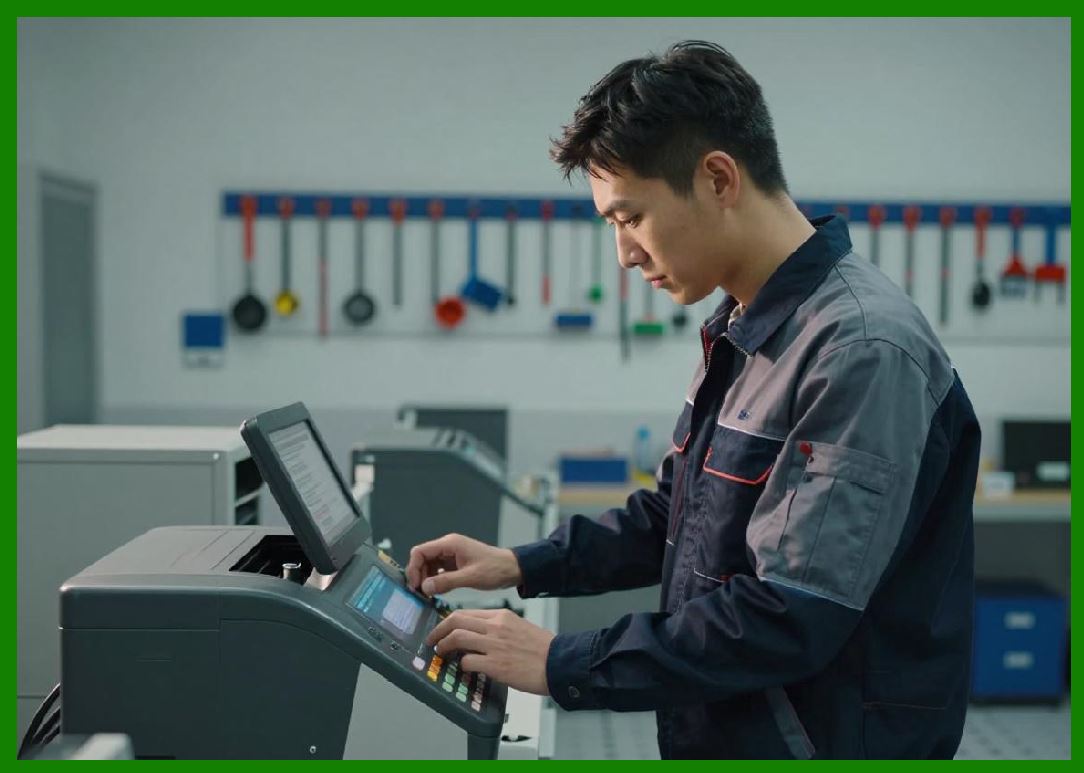
SATO Holdings Corporation is one of the most historically important companies in the global barcode printing and automatic identification industry. It is widely recognized for pioneering label printing systems, barcode labeling technologies, and integrated data capture solutions that have been adopted across logistics, manufacturing, retail, healthcare, and public sector environments. |
1.2 |
SATO is often considered one of the earliest innovators in barcode labeling systems in Japan, and its technologies contributed significantly to the global standardization of barcode printing in industrial environments. The company developed a strong reputation for precision engineering, long-term reliability, and integration with enterprise workflow systems. |

|
1.3 |
Unlike some competitors that expanded primarily through acquisitions or diversified automation portfolios, SATO built its identity around labeling, printing, and data capture systems, maintaining a focused specialization in automatic identification technologies. |
1.4 |
The company solutions are widely used in environments where accuracy, durability, and real-time traceability are essential, including pharmaceutical production, food safety systems, logistics distribution networks, and retail supply chains. |

|
1.5 |
SATO also played a key role in developing early barcode adoption practices in Asia and contributed to the global expansion of standardized labeling systems. |
1.6 |
Today, SATO continues to evolve as a global provider of smart labeling solutions, RFID systems, cloud-connected printers, and digital supply chain technologies. |
|
2. Founding History and Early Development |
2.1 |
Kazuo Sato founded SATO in 1940 in Japan, originally focusing on mechanical labeling devices and hand labeling tools for industrial use. |
2.2 |
The company initially developed manual and semi-automatic labeling machines designed to improve efficiency in retail and manufacturing environments. |
2.3 |
In the post-war industrial expansion of Japan, SATO expanded rapidly as manufacturing, logistics, and retail sectors grew significantly and required more efficient identification systems. |
2.4 |
By the 1960s and 1970s, SATO began transitioning into automated labeling technologies as industrial automation and computerized systems started becoming more widely adopted. |

|
2.5 |
With the emergence of barcode standards in the late 20th century, SATO quickly recognized the importance of machine-readable identification systems for global supply chains. |
2.6 |
The company invested heavily in thermal printing technologies and early barcode labeling systems, positioning itself as a leader in Japan automatic identification industry. |
2.7 |
SATO expanded internationally, establishing subsidiaries and partnerships across Asia, Europe, and North America. |
2.8 |
This early global expansion helped SATO become one of the first truly international barcode labeling companies originating from Japan. |

|
3. Thermal Printing Technologies and Engineering Design |
3.1 |
Thermal printing became the core technology behind SATO barcode labeling systems. The company developed both direct thermal and thermal transfer printing technologies for industrial applications. |
3.2 |
Direct thermal printing systems are widely used in short-term labeling applications such as shipping labels, retail tags, food packaging, and logistics tracking. |
3.3 |
Thermal transfer systems provide higher durability and are used in environments requiring resistance to heat, chemicals, UV exposure, and long-term storage conditions. |
3.4 |
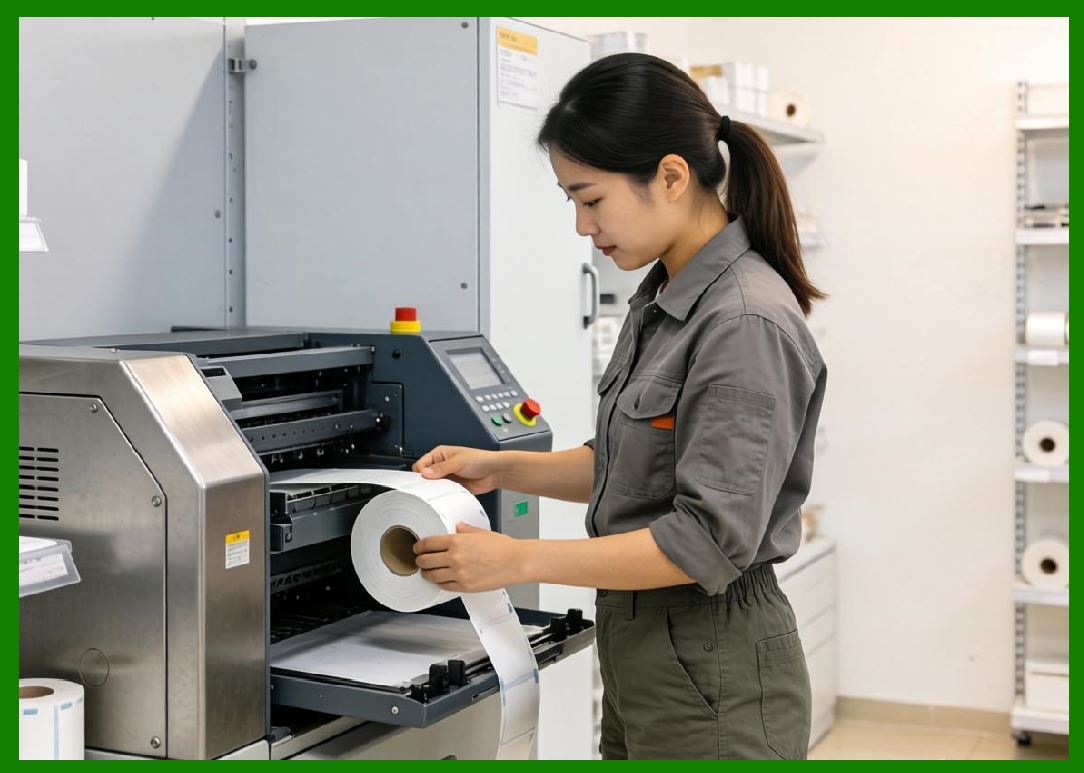
SATO engineers placed strong emphasis on printhead precision, ensuring consistent barcode clarity and readability under industrial operating conditions. |
|
3.5 |
Thermal control systems regulate heating elements with high precision to maintain uniform barcode density and edge sharpness. |
3.6 |
Media handling mechanisms include sensors, rollers, and alignment systems that ensure accurate label positioning during high-speed printing operations. |
3.7 |
Durability is a major design principle in SATO printers, especially for manufacturing and logistics environments requiring continuous operation. |
3.8 |
The company engineering philosophy emphasizes reliability, precision, and long lifecycle performance in industrial printing systems. |

|
4. Barcode Printer Product Families |
4.1 |
SATO developed a wide range of barcode printers designed for desktop, industrial, and mobile applications across global industries. |
4.2 |
The CL series represents one of SATO most widely used industrial printer families, designed for manufacturing, logistics, and warehouse environments. |
4.3 |
CL printers are known for reliability, high-speed printing, and compatibility with a wide range of barcode formats and labeling applications. |
4.4 |
The FX series represents another important industrial printer line designed for heavy-duty applications requiring durability and continuous operation. |

|
4.5 |
Desktop printers are widely used in retail, healthcare, laboratories, and office environments for compact barcode labeling needs. |
4.6 |
SATO also developed print-and-apply systems used in automated manufacturing and packaging environments for high-speed labeling. |
4.7 |
Mobile printers are used in logistics, retail field operations, transportation systems, and warehouse mobility applications. |
4.8 |
SATO printers support a wide range of barcode standards including linear codes, 2D codes such as QR Code and Data Matrix, GS1 systems, and serialization workflows. |

|
5. RFID Technologies and Smart Labeling Systems |
5.1 |
SATO is one of the key global providers of RFID-enabled barcode printing systems and smart labeling solutions. |
5.2 |
RFID printers integrate thermal printing and RFID chip encoding into a unified labeling process, enabling both visual and digital identification. |
5.3 |
These systems are widely used in logistics, retail inventory management, healthcare tracking systems, and industrial supply chains. |
5.4 |
RFID encoding requires precise coordination between print mechanisms, antenna structures, and chip programming systems. |

|
5.5 |
SATO developed RFID calibration systems that ensure encoding accuracy and prevent tag failure during production. |
5.6 |
Retail apparel is a major RFID application sector, enabling real-time inventory tracking and omnichannel retail fulfillment. |
5.7 |
Warehouse systems use RFID for pallet tracking, shipment verification, and automated inventory control. |
5.8 |
SATO continues expanding RFID integration with cloud-based systems and IoT-enabled supply chain platforms. |

|
6. Healthcare, Food Safety, and Critical Applications |
6.1 |
One of SATO strongest industry positions is in healthcare labeling systems, where accuracy and reliability are critical. |
6.2 |
Hospitals use SATO printers for patient identification wristbands, specimen labeling, medication tracking, and laboratory sample management. |
6.3 |
In pharmaceutical manufacturing, SATO systems are used for serialization, regulatory compliance, and anti-counterfeiting labeling. |
6.4 |
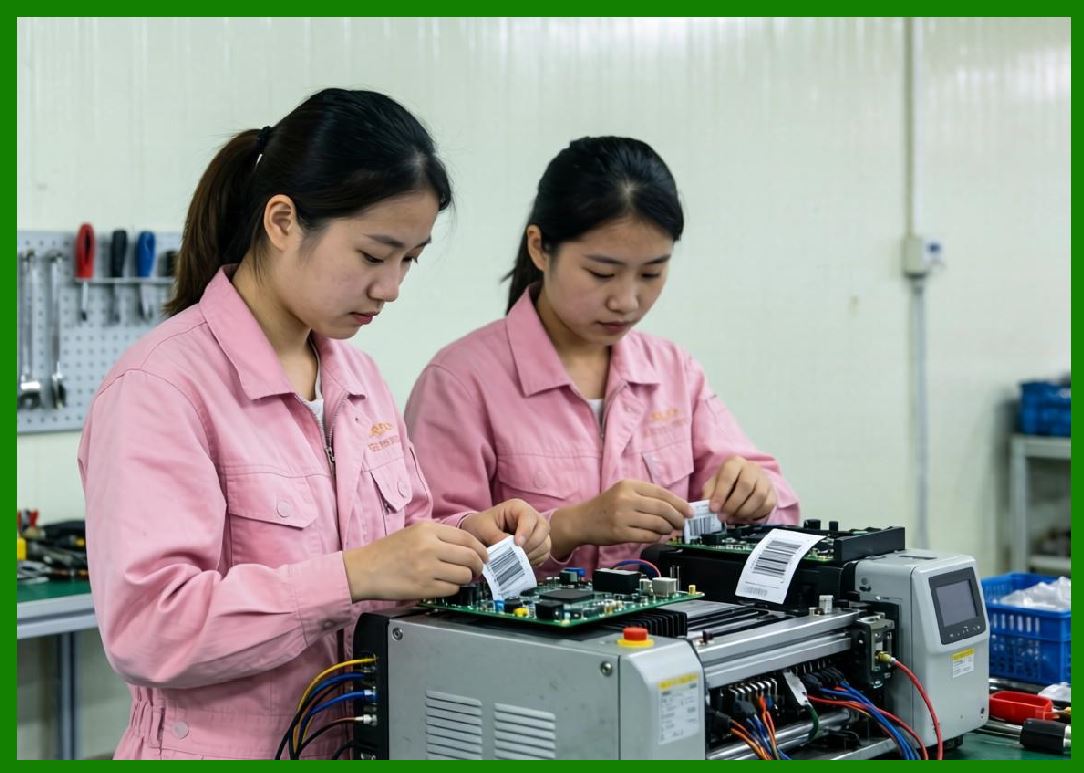
Food safety systems rely on SATO labeling technologies for traceability, expiration tracking, and cold-chain logistics. |
|
6.5 |
These applications require high durability, chemical resistance, and strict adherence to regulatory standards. |
6.6 |
SATO technologies help ensure compliance with global healthcare and food safety regulations. |
6.7 |
Industrial traceability systems are increasingly dependent on accurate barcode and RFID labeling systems. |
6.8 |
These critical applications highlight SATO role in safety-sensitive industries. |

|
7. Software Systems and Digital Integration |
7.1 |
SATO has expanded into software platforms supporting label design, printer management, and enterprise integration. |
7.2 |
Label design software enables businesses to create barcode labels, RFID tags, and structured data formats for industrial use. |
7.3 |
Printer management systems allow centralized control of distributed printing infrastructure across global operations. |
7.4 |
Integration with ERP and warehouse management systems enables real-time data synchronization and workflow automation. |

|
7.5 |
Cloud-based systems allow remote monitoring of printer performance, maintenance status, and operational efficiency. |
7.6 |
SATO also provides APIs and SDKs for enterprise application integration. |
7.7 |
These software systems enable seamless coordination between labeling, inventory management, and supply chain systems. |
7.8 |
Digital transformation is increasingly central to SATO enterprise strategy. |

|
8. Industrial Applications Across Global Markets |
8.1 |
SATO systems are widely used in manufacturing environments for product labeling, production tracking, and compliance management. |
8.2 |
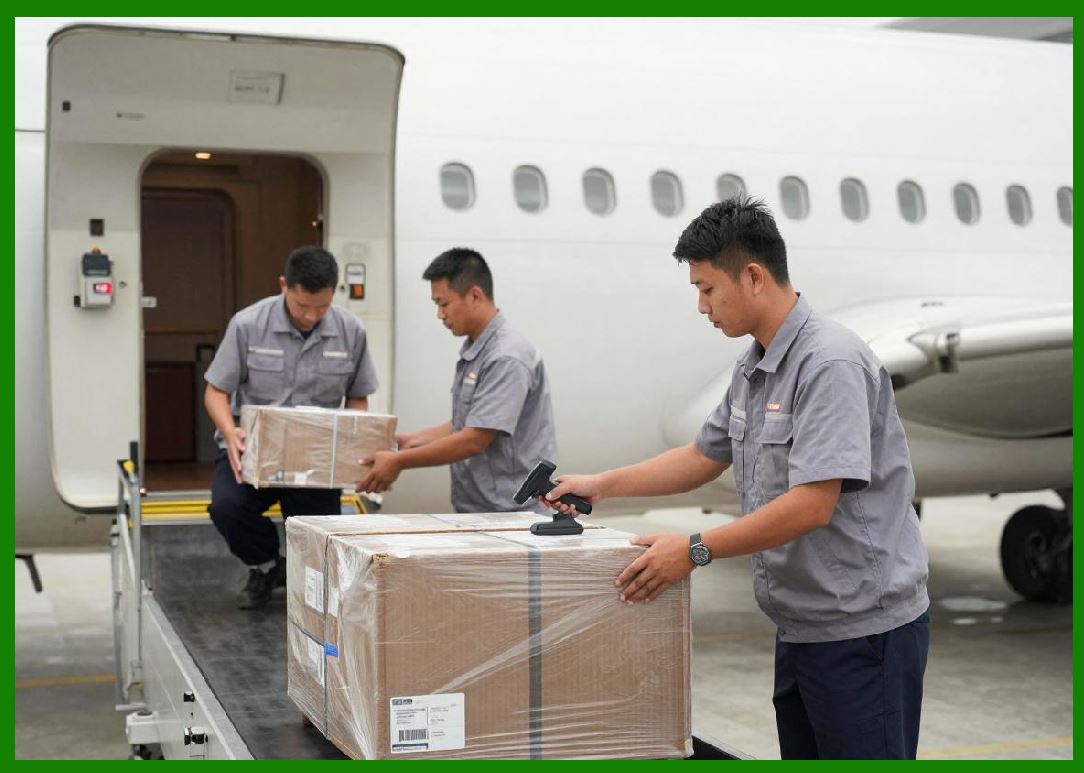
Logistics and warehousing industries rely heavily on SATO barcode and RFID systems for real-time inventory visibility. |
8.3 |
Retail companies use SATO technologies for pricing labels, shelf labeling, and supply chain tracking. |
8.4 |
Healthcare systems depend on SATO printers for patient safety, specimen tracking, and medication management. |
|
8.5 |
Food and beverage industries use SATO systems for expiration labeling, traceability, and regulatory compliance. |
8.6 |
Transportation and logistics networks use SATO printers for shipping labels and route tracking. |
8.7 |
Government agencies use SATO systems for identification, asset tracking, and public service operations. |
8.8 |
These broad applications demonstrate SATO global industrial importance. |

|
9. Global Expansion and Competitive Positioning |
9.1 |
SATO expanded globally through subsidiaries, partnerships, and regional manufacturing operations across Asia, Europe, and North America. |
9.2 |
The company maintains a strong presence in Japan and is recognized as one of the country leading industrial automation companies. |
9.3 |
SATO competes with global leaders such as Zebra Technologies, Honeywell, and other barcode printing manufacturers. |
9.4 |
Its specialization in labeling systems allows it to maintain strong competitive differentiation. |

|
9.5 |
SATO focus on healthcare, retail, and logistics applications strengthens its global market position. |
9.6 |
The company continues investing in innovation, sustainability, and digital transformation. |
9.7 |
Partnerships with enterprise software providers enhance its integration capabilities. |
9.8 |
SATO remains a key player in the global automatic identification ecosystem. |

|
10. Future Technologies and Strategic Outlook |
10.1 |
SATO is expected to continue expanding into RFID, IoT-enabled labeling, and cloud-connected printing systems. |
10.2 |
Artificial intelligence will increasingly support predictive maintenance, supply chain optimization, and labeling automation. |
10.3 |
Sustainability initiatives will focus on recyclable materials, reduced waste labeling, and energy-efficient production systems. |
10.4 |
Cloud-based enterprise labeling platforms will continue expanding globally. |

|
10.5 |
Smart packaging systems will integrate physical products with digital tracking systems. |
10.6 |
Blockchain-based traceability may play a growing role in food, pharmaceutical, and logistics industries. |
10.7 |
Cybersecurity will become increasingly important as labeling systems become network-connected. |
10.8 |
SATO is expected to remain a significant innovator in global labeling and automatic identification systems. |

|
Detailed Technical Content Summary |
This part provided a comprehensive technical and historical overview of SATO Holdings Corporation and its role in global barcode printing and labeling systems. The article examined its founding in Japan, early mechanical labeling innovations, and evolution into a global automatic identification technology provider. |
The discussion covered thermal printing systems, industrial barcode printer families, RFID-enabled smart labeling technologies, healthcare applications, and food safety systems. Significant attention was given to SATO CL and FX printer series, as well as its mobile and print-and-apply systems. |
The article also explored software platforms, cloud integration, enterprise labeling systems, and digital transformation technologies. Applications across manufacturing, logistics, retail, healthcare, transportation, and government sectors were analyzed in depth. |
Finally, the article discussed SATO global expansion strategy, competitive positioning, and future direction involving AI, RFID expansion, IoT systems, cloud-based labeling platforms, sustainability initiatives, and smart packaging technologies. |
 cs@easiersoft.com