Part 17 The History, Engineering Systems, Printing Technologies, and Industrial Labeling Ecosystem of Printronix |
1. Introduction to Printronix |
1.1 |
Printronix is a historically significant company in the industrial printing and enterprise labeling industry, best known for its high-reliability line matrix printers, thermal barcode printers, and enterprise-grade printing systems designed for mission-critical environments. |
1.2 |
Unlike many competitors that primarily focused on thermal barcode printers from the beginning, Printronix initially built its reputation in high-speed impact and line matrix printing systems used in warehouses, distribution centers, manufacturing plants, and large-scale logistics operations. |

|
1.3 |
The company became especially known for reliability, uptime, and continuous-duty printing systems capable of operating in extremely demanding industrial environments where failure or downtime would cause significant operational disruption. |
1.4 |
Over time, Printronix expanded into thermal barcode printing technologies and integrated RFID-enabled labeling systems, aligning itself with modern supply chain digitization trends. |

|
1.5 |
The company also became an important provider of enterprise printing management software and validation systems designed to ensure barcode accuracy and compliance. |
1.6 |
Today, Printronix continues to serve global industrial markets with a strong focus on reliability, enterprise integration, and mission-critical printing applications. |

|
2. Founding History and Early Industrial Printing Innovation |
2.1 |
Printronix was founded in 1974 in the United States during a period when industrial computing and automated data processing systems were rapidly expanding across logistics and manufacturing sectors. |
2.2 |
The company early focus was on developing high-performance line matrix printers capable of producing continuous forms, reports, and industrial documentation at high speed. |
2.3 |
These printers became widely adopted in large enterprise environments where continuous, high-volume printing was essential for operational efficiency. |
2.4 |
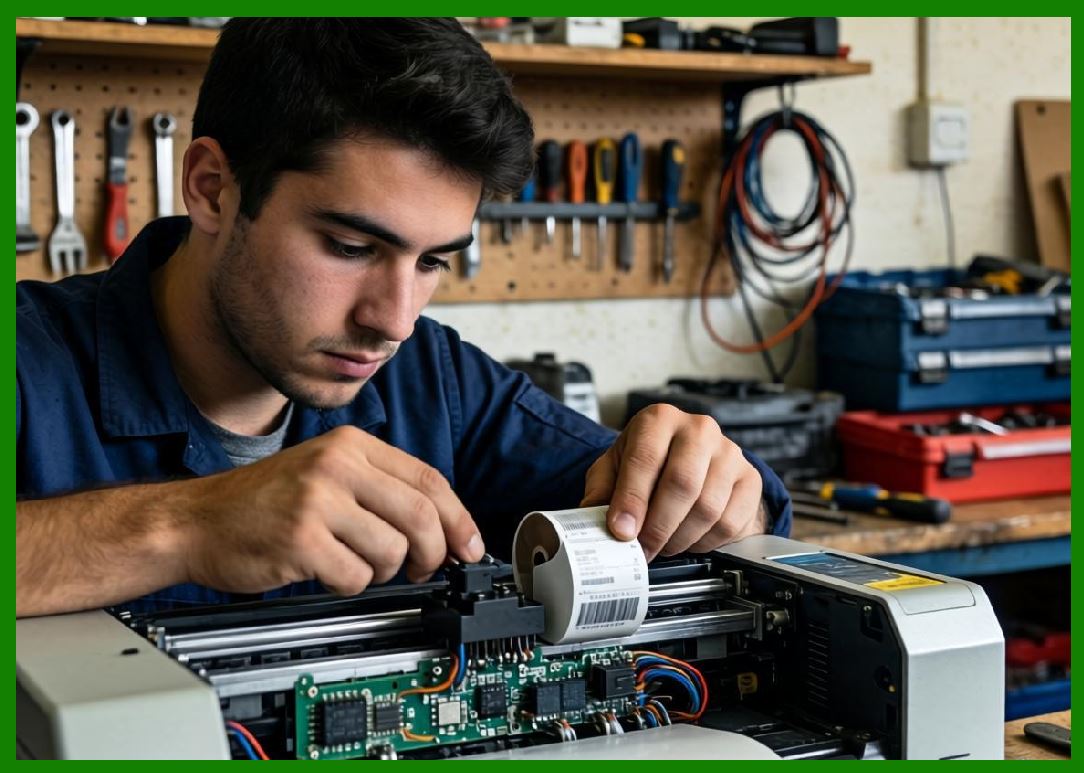
Early Printronix systems were designed to integrate with mainframe computers and early enterprise computing systems used in logistics and manufacturing operations. |
|
2.5 |
The company quickly established a reputation for reliability and durability, particularly in environments where printers had to operate continuously under heavy workloads. |
2.6 |
Printronix expanded its technology base by developing advanced impact printing mechanisms capable of producing legible output even on multi-part forms. |
2.7 |
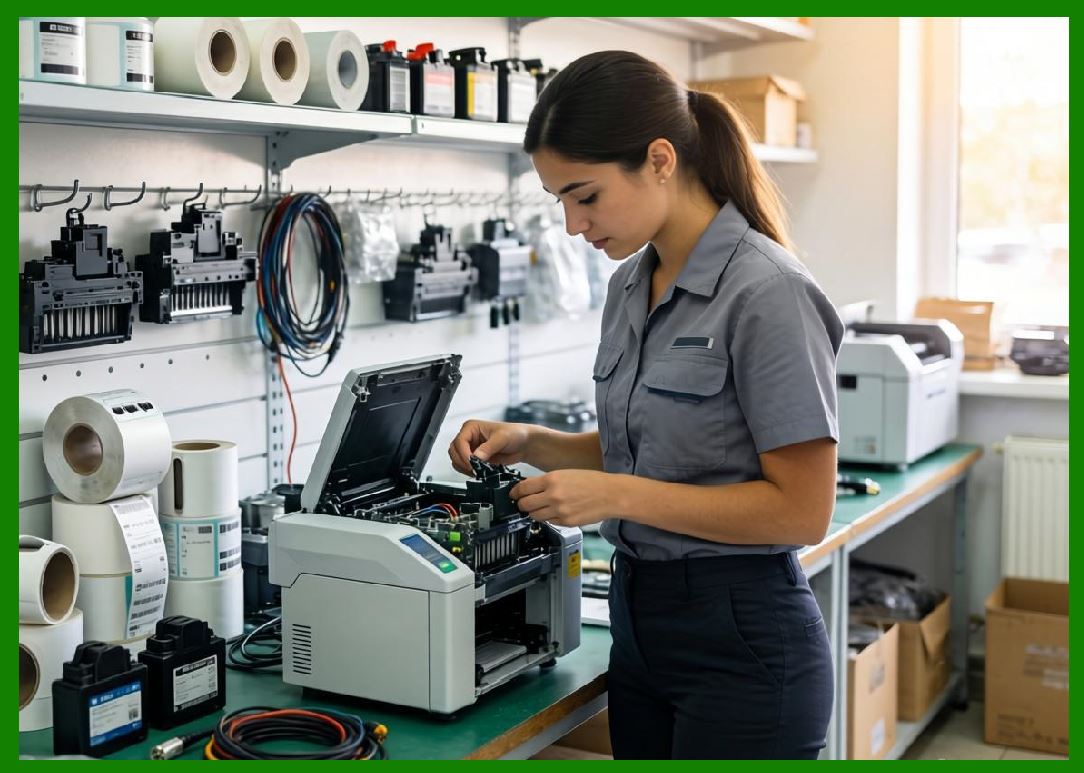
By the 1980s and 1990s, the company had become a major supplier of industrial printing systems for global enterprise operations. |
2.8 |
This early foundation established Printronix as a leader in mission-critical printing technologies. |
|
3. Line Matrix Printing Technology and Engineering Principles |
3.1 |
One of Printronix most important technological contributions is its advancement of line matrix printing systems, which are designed for high-speed, continuous printing in industrial environments. |
3.2 |
Line matrix printing works by using a series of hammers arranged in a matrix to strike an ink ribbon, forming characters and patterns across an entire line simultaneously. |
3.3 |
This architecture enables extremely high throughput compared to traditional dot matrix printing systems. |
3.4 |
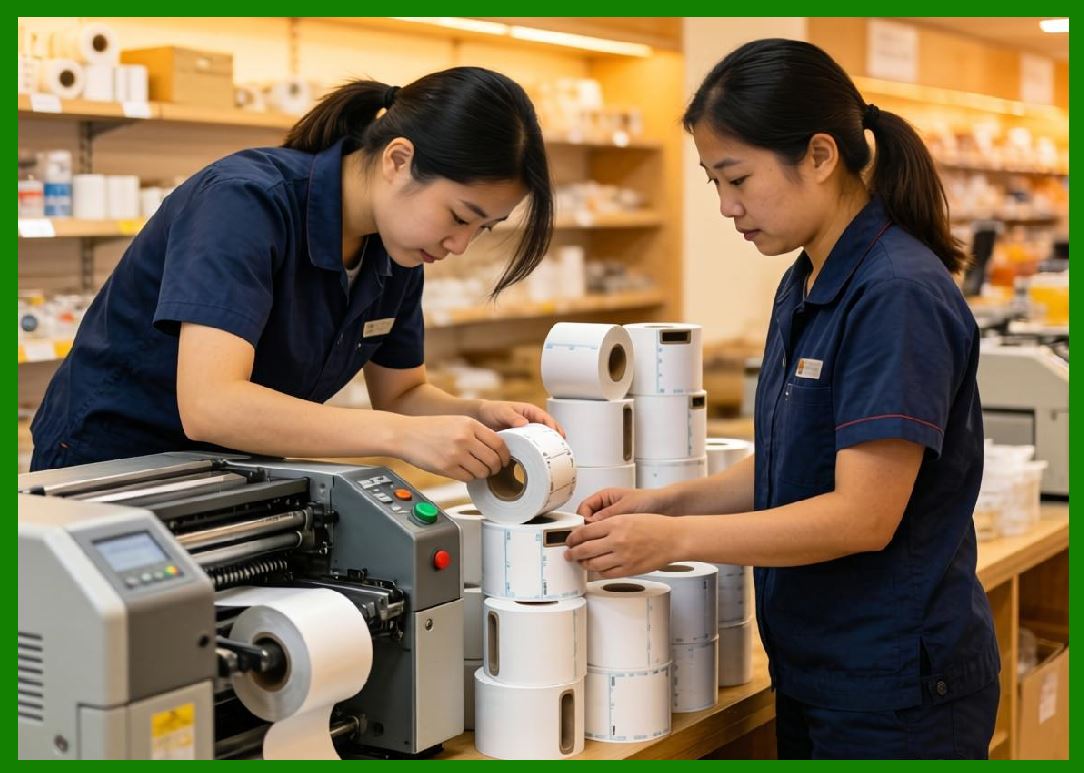
Line matrix printers are particularly well suited for warehouse shipping documents, logistics reports, inventory listings, and multi-copy forms. |
|
3.5 |
Printronix engineered its line matrix systems for extreme durability, enabling continuous operation over long periods without performance degradation. |
3.6 |
Mechanical reliability is achieved through robust hammer assemblies, precision-controlled timing systems, and durable ribbon mechanisms. |
3.7 |
These printers are also known for low total cost of ownership due to long component lifecycles and minimal maintenance requirements. |
3.8 |
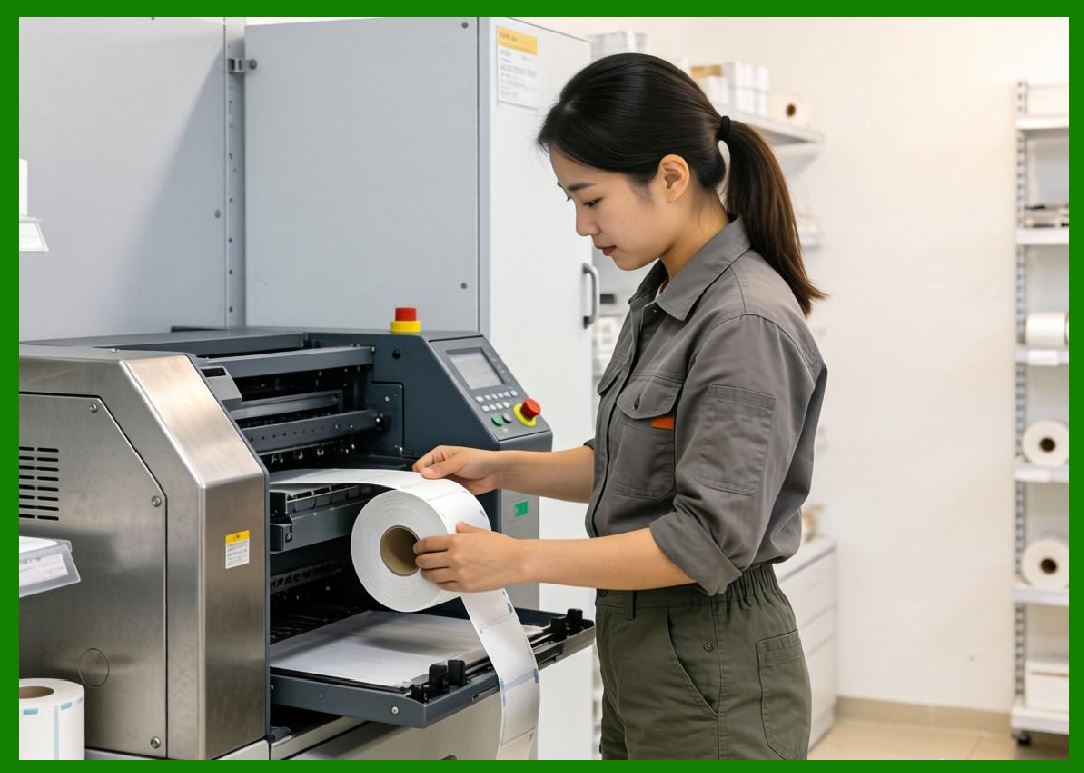
Line matrix technology remains a key differentiator for Printronix in industrial printing markets. |
|
4. Thermal Barcode Printing Systems |
4.1 |
As barcode technology became dominant in global supply chains, Printronix expanded into thermal barcode printing systems to complement its existing product portfolio. |
4.2 |
Thermal printing systems include both direct thermal and thermal transfer technologies, supporting a wide range of industrial labeling applications. |
4.3 |
Direct thermal printing is commonly used in shipping labels, warehouse logistics, and short-term tracking applications. |
4.4 |
Thermal transfer printing enables durable labeling for manufacturing, asset tracking, and environments requiring long-term barcode readability. |

|
4.5 |
Printronix printers are designed to ensure high barcode clarity, edge precision, and scanning reliability across industrial environments. |
4.6 |
Advanced thermal control systems regulate heat distribution to prevent barcode distortion and maintain print consistency. |
4.7 |
Media handling systems ensure accurate label alignment during high-speed industrial printing operations. |
4.8 |
These thermal systems complement Printronix legacy line matrix technology, creating a hybrid industrial printing portfolio. |

|
5. RFID-Enabled Printing and Smart Label Systems |
5.1 |
Printronix has also developed RFID-enabled barcode printing systems to support modern supply chain tracking and inventory visibility requirements. |
5.2 |
RFID printers combine thermal printing with embedded chip encoding, enabling both visual barcode data and wireless identification. |
5.3 |
These systems are widely used in logistics, retail, manufacturing, and transportation industries where real-time asset tracking is essential. |
5.4 |
RFID encoding requires precise synchronization between print mechanisms and radio-frequency chip programming systems. |

|
5.5 |
Printronix developed validation technologies to ensure RFID tags are correctly encoded and meet industry standards. |
5.6 |
Retail and apparel industries use RFID systems for inventory accuracy and omnichannel fulfillment. |
5.7 |
Warehouse environments rely on RFID for pallet tracking, shipment verification, and automated logistics management. |
5.8 |
Printronix continues to integrate RFID systems into cloud-based enterprise tracking platforms. |

|
6. Enterprise Printing Software and Validation Systems |
6.1 |
One of Printronix distinguishing features is its focus on print validation and enterprise printing software systems. |
6.2 |
The company developed technologies that verify barcode readability immediately after printing, ensuring compliance with industry standards. |
6.3 |
Print verification systems are especially important in logistics, healthcare, and manufacturing environments where barcode accuracy is mission-critical. |
6.4 |
Printronix also provides printer management software for monitoring and controlling distributed enterprise printing systems. |

|
6.5 |
These systems enable centralized configuration, firmware updates, and operational diagnostics. |
6.6 |
Integration with enterprise resource planning systems and warehouse management systems enhances operational efficiency. |
6.7 |
Cloud connectivity allows remote monitoring of printer fleets across global operations. |
6.8 |
Software-driven validation remains one of Printronix key competitive advantages. |
|
7. Industrial Applications Across Global Markets |
7.1 |
Printronix systems are widely used in logistics and warehousing for shipping documentation, inventory tracking, and distribution workflows. |
7.2 |
Manufacturing industries use Printronix printers for production tracking, compliance labeling, and quality control documentation. |
7.3 |
Retail supply chains rely on barcode systems for inventory visibility, distribution tracking, and store operations. |
7.4 |
Healthcare organizations use Printronix printing systems for specimen tracking, hospital logistics, and laboratory documentation. |

|
7.5 |
Transportation and shipping industries depend on Printronix systems for freight documentation and routing operations. |
7.6 |
Government agencies use Printronix systems for logistics management and administrative documentation. |
7.7 |
Industrial environments value Printronix systems for their reliability and continuous-duty performance. |
7.8 |
These applications highlight Printronix role in mission-critical printing environments. |

|
8. Market Position and Competitive Differentiation |
8.1 |
Printronix occupies a unique position in the industrial printing market due to its dual expertise in line matrix and thermal printing systems. |
8.2 |
While competitors focus primarily on thermal barcode printing, Printronix maintains a strong legacy in high-speed impact printing systems. |
8.3 |
This dual capability allows Printronix to serve industries requiring both legacy system compatibility and modern barcode labeling. |
8.4 |
The company competes with major players such as Zebra Technologies, Honeywell, and SATO in industrial printing markets. |

|
8.5 |
Its strength lies in reliability, validation technology, and mission-critical printing environments. |
8.6 |
Printronix is particularly strong in warehouse, logistics, and enterprise documentation applications. |
8.7 |
The company continues to evolve through modernization of its thermal and RFID product lines. |
8.8 |
Its market strategy emphasizes industrial durability and system reliability over consumer-oriented features. |

|
9. Industry Evolution and Technological Trends |
9.1 |
The industrial printing industry is undergoing transformation driven by automation, RFID adoption, and digital supply chain systems. |
9.2 |
Line matrix printing remains relevant in certain legacy enterprise systems requiring continuous-form printing. |
9.3 |
Thermal barcode printing continues to dominate modern logistics and retail environments. |
9.4 |
RFID adoption is increasing across global supply chains for real-time tracking and inventory accuracy. |

|
9.5 |
Cloud-based printing systems are becoming more common in enterprise environments. |
9.6 |
AI and predictive analytics are being integrated into printer management systems. |
9.7 |
Sustainability trends are influencing material usage and energy efficiency in industrial printing. |
9.8 |
Printronix continues adapting to these evolving technological trends. |

|
10. Future Outlook and Strategic Direction |
10.1 |
Printronix is expected to continue evolving its thermal and RFID printing systems for modern enterprise environments. |
10.2 |
Cloud-based printer management and remote diagnostics will become increasingly important. |
10.3 |
AI-assisted validation systems may enhance barcode accuracy and reduce operational errors. |
10.4 |
Sustainability initiatives will focus on reducing waste and improving energy efficiency. |

|
10.5 |
Hybrid printing systems integrating legacy line matrix and modern thermal technologies may continue to serve specialized industries. |
10.6 |
RFID expansion will remain a key area of growth for supply chain visibility. |
10.7 |
Cybersecurity will become increasingly important as printers become network-connected devices. |
10.8 |
Printronix is expected to remain a niche but highly important provider in mission-critical industrial printing markets. |

|
Detailed Technical Content Summary |
This part provided a comprehensive technical and historical overview of Printronix and its role in the industrial printing and barcode labeling ecosystem. The article examined its founding in the United States, early development of line matrix printing technology, and expansion into thermal barcode printing systems. |
The discussion covered line matrix engineering, thermal printing systems, RFID-enabled labeling, print validation technologies, and enterprise printing software. Significant attention was given to Printronix reliability-focused engineering philosophy and its mission-critical industrial applications. |
The article also explored enterprise software systems, cloud connectivity, warehouse and logistics applications, and competitive positioning within the global barcode printer market. Industry trends such as RFID expansion, AI integration, and digital supply chain transformation were analyzed in depth. |
Finally, the article discussed Printronix future direction involving hybrid printing systems, cloud-based management, sustainability initiatives, and continued specialization in high-reliability industrial printing environments. |
 cs@easiersoft.com