Part 2 The History, Technologies, Innovations, and Global Influence of Zebra Technologies |
1. Introduction to Zebra Technologies |
1.1 |
Among all international barcode label printer manufacturers, Zebra Technologies is widely regarded as one of the most influential and technologically important companies in the history of automatic identification and data capture systems. The company became globally recognized for its industrial barcode printers, thermal printing technologies, RFID printing systems, enterprise mobility solutions, barcode scanners, rugged computing devices, and intelligent warehouse automation technologies. Over several decades, Zebra evolved from a specialized labeling equipment producer into one of the world's largest enterprise asset intelligence companies. |
1.2 |
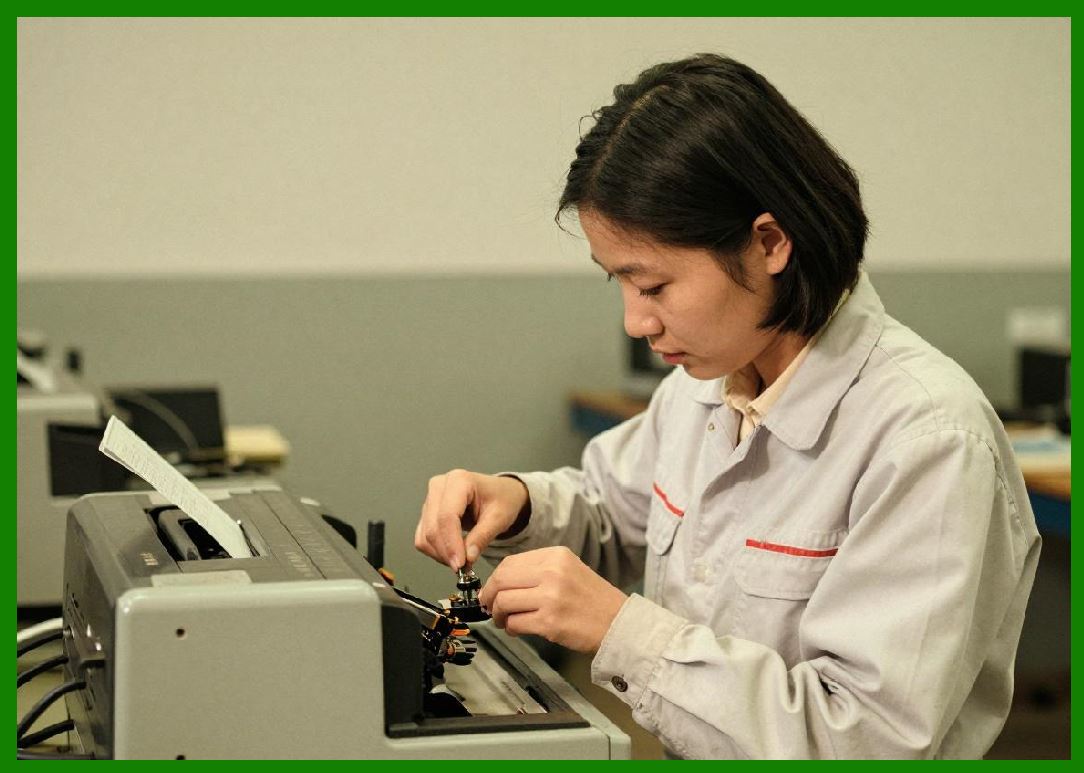
Zebra importance extends far beyond printer manufacturing alone. The company helped shape the entire modern barcode printing ecosystem by introducing industrial-grade thermal printing standards, developing advanced printer command languages, pioneering RFID printer-encoders, and integrating mobile computing with enterprise identification systems. Many warehouse operations, manufacturing facilities, retail distribution centers, healthcare systems, and logistics networks around the world depend heavily on Zebra technologies. |
|
1.3 |
The company products became especially popular because of their durability, reliability, enterprise compatibility, and scalability. Zebra printers are frequently found in environments requiring continuous operation under harsh industrial conditions. These include automotive factories, pharmaceutical plants, airports, military facilities, hospitals, cold storage warehouses, container ports, and high-volume e-commerce fulfillment centers. |
1.4 |
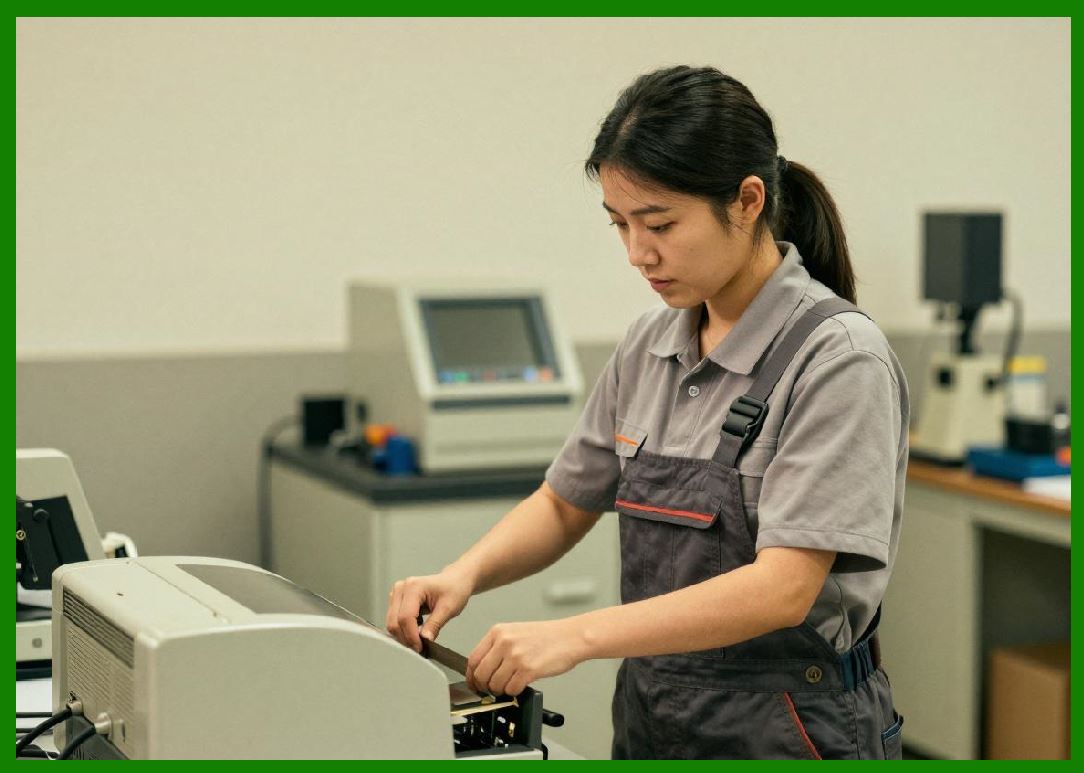
Over time, Zebra expanded aggressively through research, engineering innovation, and strategic acquisitions. The company gradually transformed itself into a comprehensive industrial automation and enterprise visibility provider rather than remaining only a printer manufacturer. Today, Zebra technologies are deeply integrated into global supply chains and digital transformation projects. |
|
2. Founding and Early Corporate History |
2.1 |
Zebra Technologies traces its origins back to 1969. The company was originally founded as Data Specialties Incorporated in the United States. During its earliest years, the company focused on manufacturing high-speed electromechanical products rather than barcode printers. The industrial automation sector was still relatively immature during that era, and barcode adoption had not yet reached commercial mainstream deployment. |
2.2 |
In the 1970s, the growing importance of automatic identification technologies began creating new market opportunities. Retailers, manufacturers, and logistics operators increasingly sought methods for automating inventory tracking and product identification. Recognizing the enormous future potential of barcode technology, the company gradually shifted its strategic direction toward specialized printing systems. |

|
2.3 |
The company later adopted the name Zebra Technologies, a branding decision strongly associated with black-and-white barcode patterns resembling zebra stripes. This branding proved highly effective because it visually connected the company with barcode identification systems in a simple and memorable manner. |
2.4 |
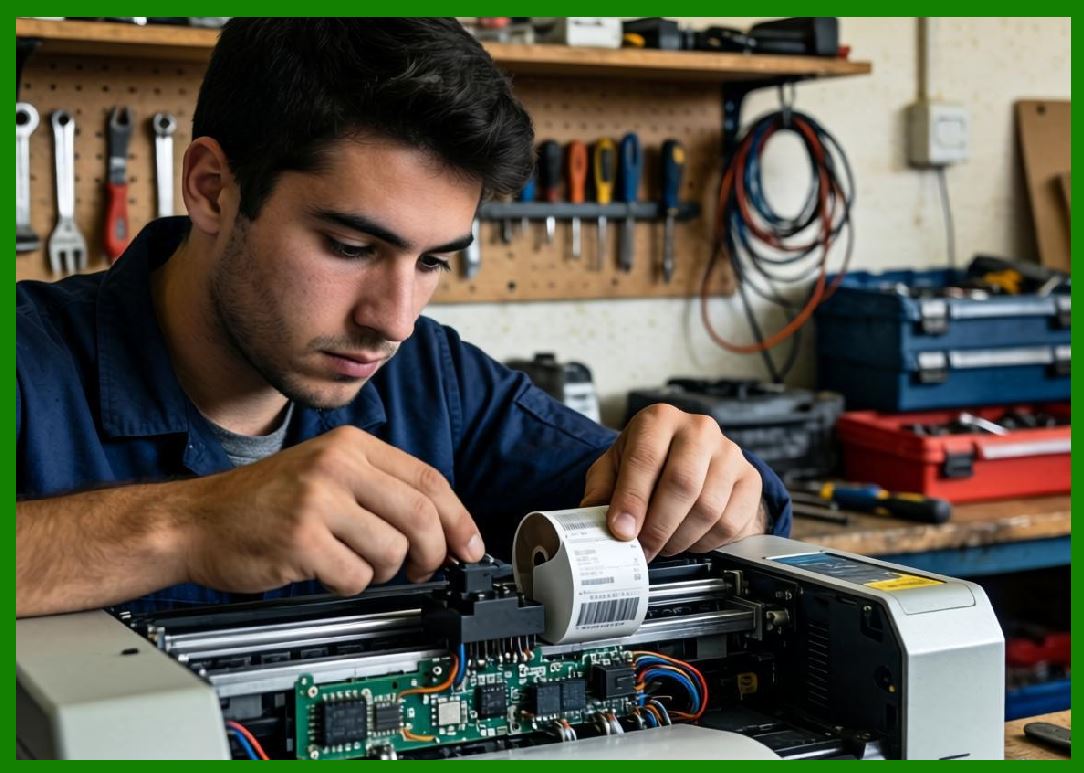
During the late 1970s and early 1980s, Zebra concentrated heavily on thermal barcode printing technology. At that time, many businesses still relied on impact printers or early ink-based systems for label generation. Zebra engineers recognized that thermal printing offered significant advantages for barcode precision, speed, reliability, and low maintenance operation. |
|
2.5 |
The company early engineering teams focused on solving several technical challenges simultaneously. These included printhead durability, thermal energy control, media transport precision, barcode edge sharpness, ribbon handling reliability, and industrial operating stability. Solving these engineering problems allowed Zebra to establish a strong reputation for dependable barcode output. |
2.6 |
By the 1980s, Zebra had already become one of the emerging leaders in barcode label printing systems. The rapid growth of supermarket barcode scanning, warehouse automation, and shipping logistics accelerated demand for specialized industrial printers. Zebra successfully positioned itself as a premium supplier for enterprise customers requiring dependable continuous-operation printing equipment. |
2.7 |
The company went public in 1991, providing additional capital for expansion, research, acquisitions, and international market development. Zebra then accelerated its global growth strategy and invested heavily in advanced thermal printing technologies, enterprise networking capabilities, and industrial automation systems. |

|
3. Zebra Thermal Printing Technologies |
3.1 |
One of Zebra most important technological contributions involved the refinement and industrialization of thermal barcode printing systems. Zebra printers became famous for supporting both direct thermal printing and thermal transfer printing technologies at industrial scale. |
3.2 |
Direct thermal printing systems use chemically coated heat-sensitive media. When the thermal printhead selectively applies heat, the label surface darkens to form text, graphics, and barcodes. Zebra optimized direct thermal systems for applications such as shipping labels, retail receipts, transportation tickets, and temporary logistics labels. |
3.3 |
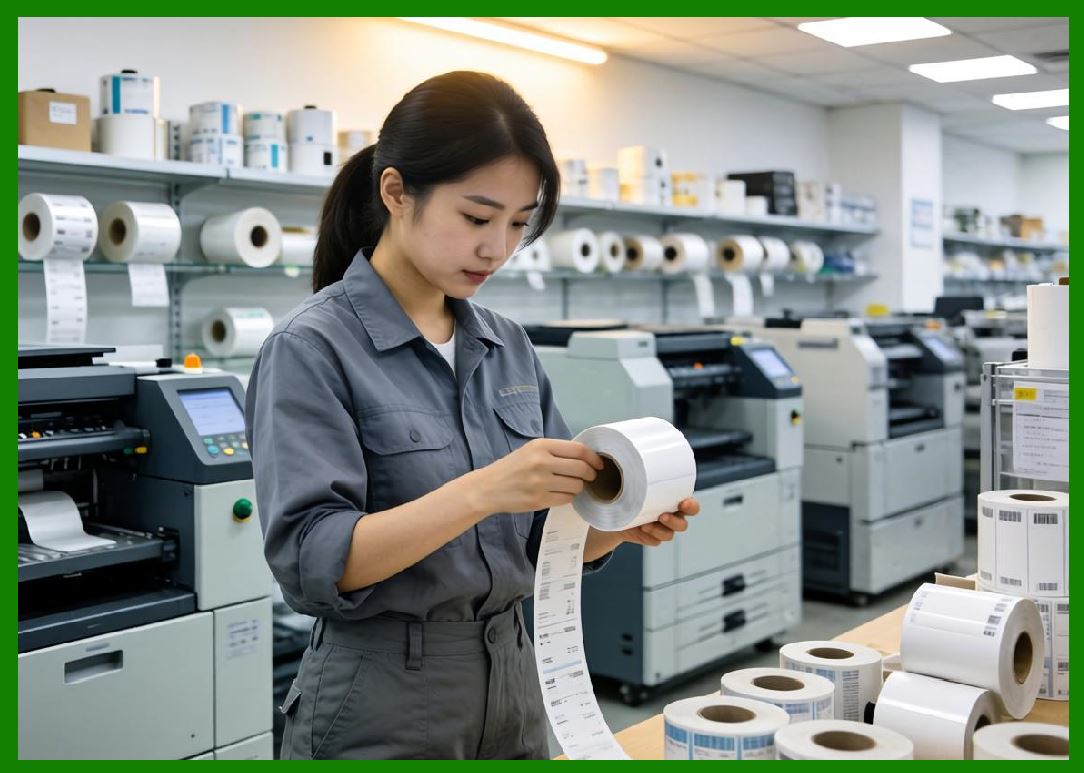
Thermal transfer printing became one of Zebra core industrial strengths. In thermal transfer systems, heat from the printhead melts ribbon ink onto the label surface. This method produces highly durable labels resistant to moisture, abrasion, solvents, ultraviolet exposure, and environmental stress. |
|
3.4 |
Zebra engineers invested heavily in printhead technology because barcode readability depends critically on print precision. Their printheads required accurate heating control across thousands of tiny heating elements. Uneven heat distribution could cause distorted bars, poor contrast, or unreadable codes. |
3.5 |
The company also developed sophisticated ribbon management systems. Ribbon tension control, anti-wrinkle mechanisms, media alignment systems, and calibration sensors became critical features in high-speed industrial printers. Zebra continuously refined these mechanisms to improve print reliability during long production runs. |
3.6 |
Media sensing technology represented another important innovation area. Zebra printers incorporated transmissive sensors, reflective sensors, adjustable gap sensors, black mark sensors, and label calibration systems to support many label types. These systems enabled reliable operation with paper labels, synthetic materials, wristbands, tags, shrink tubing, and RFID media. |

|
3.7 |
Zebra also advanced print resolution technologies. Standard industrial resolutions such as 203 dpi eventually expanded to 300 dpi, 406 dpi, and 600 dpi. High-resolution Zebra printers became essential for electronics manufacturing, semiconductor labeling, medical devices, laboratory applications, and miniature product identification. |
3.8 |
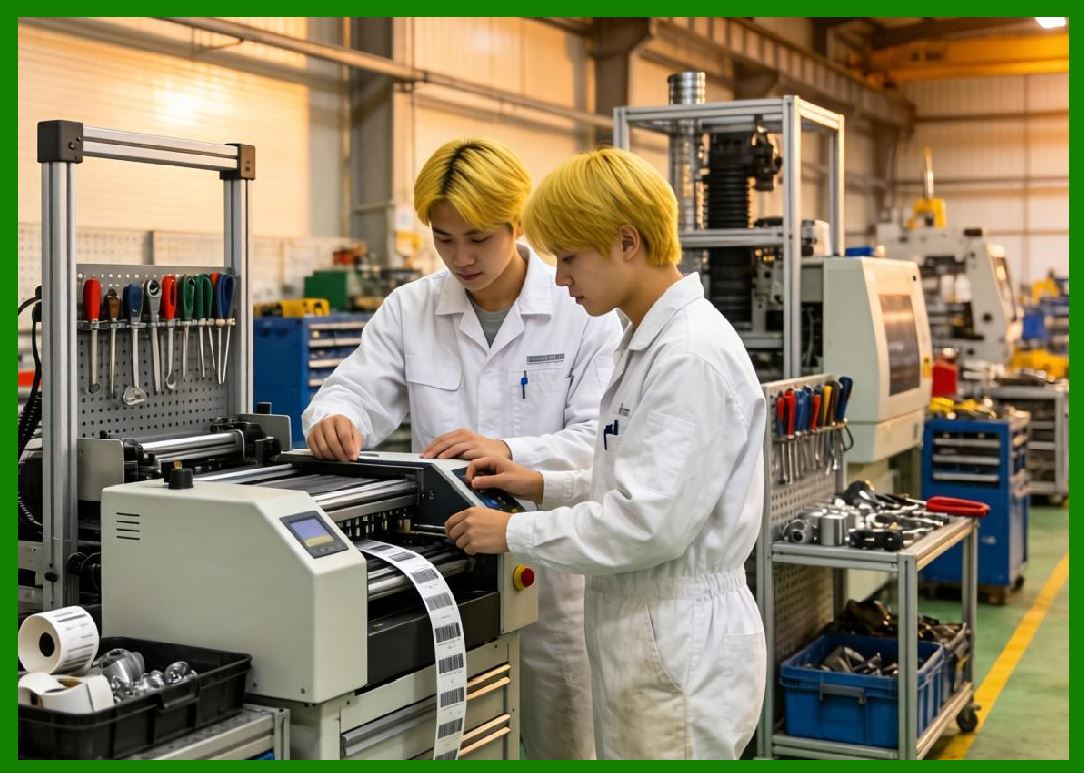
The company further improved print speed performance while maintaining barcode accuracy. Industrial Zebra printers evolved into high-throughput systems capable of supporting extremely demanding logistics and manufacturing environments where thousands of labels per hour are required. |
|
4. Zebra Programming Languages and Enterprise Integration |
4.1 |
One of Zebra Technologiesmost influential innovations was the development of proprietary printer control languages that enabled enterprise software integration. The most famous of these languages is ZPL, or Zebra Programming Language. |
4.2 |
ZPL became an industry-standard printer language widely used in logistics, manufacturing, warehousing, transportation, and retail systems. It allowed enterprise applications to generate complex labels containing text, graphics, barcodes, variable fields, serialization data, and RFID commands. |
4.3 |
ZPL was particularly important because it enabled highly flexible automated label generation directly from enterprise software systems. ERP platforms, warehouse management systems, shipping software, and manufacturing execution systems could dynamically generate labels in real time. |
4.4 |
The company later introduced ZPL II, an enhanced version with improved graphical capabilities, expanded memory management, scalable fonts, advanced barcode support, and more sophisticated command structures. Many third-party software platforms standardized around Zebra compatibility because of ZPL widespread adoption. |

|
4.5 |
Another important Zebra printer language was EPL, or Eltron Programming Language, which originated from Eltron printers later acquired by Zebra. EPL was simpler and commonly used in desktop barcode printers and smaller business applications. |
4.6 |
Zebra printer languages became so influential that many competing manufacturers later developed partial ZPL emulation compatibility to support existing enterprise software infrastructures. This effectively strengthened Zebra ecosystem dominance. |
4.7 |
The company also introduced advanced printer management tools allowing remote monitoring, firmware updates, diagnostics, configuration management, and centralized deployment across large enterprise printer fleets. These capabilities became increasingly important as businesses expanded globally. |
4.8 |
Modern Zebra printers support multiple connectivity interfaces including Ethernet, Wi-Fi, Bluetooth, USB, serial communication, cloud management platforms, and industrial automation protocols. This flexibility allows Zebra systems to integrate into highly complex industrial networks. |

|
5. Industrial Barcode Printer Product Lines |
5.1 |
Zebra developed numerous industrial printer families addressing different operational environments and performance requirements. Some models targeted light industrial applications, while others were designed for extremely harsh heavy-duty manufacturing environments. |
5.2 |
The Zebra Xi series became one of the company most famous industrial product lines. Xi printers gained a strong reputation for rugged construction, high-duty-cycle performance, metal chassis durability, and continuous industrial operation reliability. These systems became widely deployed in manufacturing plants and logistics centers worldwide. |
5.3 |
Later product lines such as the ZT series introduced more advanced electronics, touchscreen interfaces, improved networking, and enhanced RFID integration. The ZT printers combined industrial durability with more user-friendly operation and advanced enterprise connectivity. |
5.4 |
The company also developed compact desktop models such as the GK series, GX series, and ZD series. These printers targeted smaller businesses, retail stores, healthcare environments, offices, and laboratories requiring professional barcode output in compact form factors. |

|
5.5 |
Mobile printing became another major Zebra specialization. The company introduced portable wireless printers capable of operating from rechargeable batteries. These devices enabled field workers to print labels and receipts directly at delivery locations, warehouse aisles, retail floors, and healthcare facilities. |
5.6 |
Card printing systems represented another Zebra product category. Zebra card printers became widely used for employee badges, ID cards, membership cards, access control credentials, and government identification systems. |
5.7 |
Healthcare-specific printers were also developed with disinfectant-resistant housings, antimicrobial materials, quiet operation, compact footprints, and high-resolution wristband printing capabilities. Hospitals increasingly depended on Zebra systems for patient safety workflows. |
5.8 |
The company additionally created kiosk printing systems, RFID encoders, print engines for OEM integration, and specialized industrial labeling solutions tailored to unique operational requirements. |

|
6. Zebra RFID Printer Technologies |
6.1 |
Zebra became one of the earliest and most important pioneers in RFID-enabled barcode printing systems. The company recognized early that RFID would become a major extension of automatic identification technologies. |
6.2 |
RFID printer-encoders combine thermal printing and RFID encoding within a single device. Zebra engineers faced significant technical challenges when integrating these systems because the printer had to coordinate physical media movement, barcode printing, RFID chip encoding, and verification simultaneously. |
6.3 |
Zebra introduced advanced UHF RFID printer systems capable of encoding EPC-compliant RFID tags while printing human-readable and barcode information. These systems became important in retail inventory management, logistics automation, pharmaceutical authentication, and defense asset tracking. |
6.4 |
One major technical challenge involved precise RFID tag positioning. The printer needed accurate synchronization between the RFID antenna and embedded tag chip location. Zebra developed sophisticated calibration and sensing technologies to improve encoding reliability. |

|
6.5 |
The company also implemented RFID verification systems capable of automatically detecting defective tags. Failed RFID labels could be voided automatically to prevent supply chain errors. |
6.6 |
Zebra RFID printers became especially popular in apparel retail. Large clothing retailers adopted RFID tagging to improve inventory visibility, reduce stock inaccuracies, accelerate cycle counting, and support omnichannel retail operations. |
6.7 |
The company also expanded into RFID software ecosystems including RFID readers, fixed RFID infrastructure, handheld RFID computers, and cloud-based asset visibility systems. This allowed Zebra to offer comprehensive RFID solutions rather than standalone printers alone. |
6.8 |
Modern Zebra RFID printers support increasingly advanced encoding standards, including support for serialization, secure authentication, and IoT asset management integration. |

|
7. Major Acquisitions and Corporate Expansion |
7.1 |
Zebra Technologies significantly expanded its global influence through strategic acquisitions. One of the company most transformative acquisitions involved purchasing the enterprise business of Motorola Solutions in 2014. |
7.2 |
This acquisition dramatically expanded Zebra capabilities beyond barcode printing into enterprise mobility computing, rugged handheld terminals, warehouse scanning systems, and mobile workforce management technologies. It effectively transformed Zebra into a major enterprise visibility solutions provider. |
7.3 |
Motorola enterprise division itself had inherited technologies from Symbol Technologies, one of the pioneers of barcode scanning. As a result, Zebra gained enormous expertise in scanning systems, wireless mobility, rugged computing, and warehouse automation. |
7.4 |
The company also acquired several software firms specializing in workforce management, intelligent automation, machine vision, retail analytics, and industrial asset tracking. These acquisitions strengthened Zebra position within Industry 4.0 and smart manufacturing markets. |

|
7.5 |
Over time, Zebra evolved from a printer-centric company into a broader industrial intelligence organization focused on real-time operational visibility. Its solutions increasingly integrated printers, scanners, RFID systems, analytics platforms, machine vision systems, and AI-driven workflow automation. |
7.6 |
This transformation reflected larger trends within industrial automation. Customers increasingly demanded complete end-to-end solutions rather than standalone hardware devices. Zebra adapted successfully by expanding into software, cloud infrastructure, analytics, and intelligent automation ecosystems. |
7.7 |
Today, Zebra operates globally with research centers, support operations, manufacturing partnerships, and reseller networks serving enterprises in virtually every major industrialized country. |

|
8. Zebra Applications Across Industries |
8.1 |
Zebra printers became deeply integrated into logistics and warehouse operations worldwide. Distribution centers use Zebra systems for carton labeling, pallet tracking, shelf identification, shipping labels, inventory management, and returns processing. |
8.2 |
In manufacturing environments, Zebra printers support work-in-progress tracking, product serialization, compliance labeling, component traceability, and quality control systems. Automotive manufacturers often use Zebra systems throughout assembly operations. |
8.3 |
Healthcare applications represent another major market. Hospitals use Zebra printers for patient wristbands, medication labeling, specimen tracking, blood bank management, and surgical asset identification. Accurate labeling directly improves patient safety and reduces medical errors. |
8.4 |
Retail operations rely heavily on Zebra systems for shelf labels, price tags, inventory control, omnichannel fulfillment, mobile point-of-sale operations, and RFID inventory management. |

|
8.5 |
Transportation and logistics companies use Zebra technologies for package labeling, route accounting, proof-of-delivery systems, baggage tracking, and freight management operations. |
8.6 |
Government agencies and military organizations also deploy Zebra equipment for secure asset tracking, identification management, logistics operations, evidence labeling, and field mobility systems. |
8.7 |
The company technologies additionally support agriculture, aviation, pharmaceuticals, food production, laboratories, electronics manufacturing, energy infrastructure, and field service industries. |

|
9. Future Prospects and Technological Direction |
9.1 |
Zebra continues investing heavily in intelligent automation, machine vision, cloud analytics, AI-driven operational visibility, and industrial IoT technologies. The company increasingly positions itself as a provider of enterprise intelligence solutions rather than simply a hardware manufacturer. |
9.2 |
Future Zebra printers are expected to become even more integrated with cloud management systems, predictive maintenance platforms, autonomous warehouses, robotics systems, and digital supply chain infrastructures. |
9.3 |
RFID technologies will likely remain a major strategic focus. As RFID adoption expands globally, Zebra is expected to continue enhancing encoding reliability, antenna optimization, multi-frequency support, and real-time asset visibility integration. |
9.4 |
Cybersecurity is also becoming increasingly important. Zebra has invested in secure printer architectures, authentication systems, encrypted communications, and enterprise-grade firmware protection technologies. |

|
9.5 |
Artificial intelligence may further improve printer diagnostics, media calibration, print quality optimization, and automated operational workflows. Zebra analytics platforms could increasingly use machine learning for predictive operational management. |
9.6 |
Environmental sustainability is another growing priority. Zebra continues researching recyclable media technologies, linerless labeling systems, energy-efficient printer architectures, and reduced waste manufacturing processes. |
9.7 |
As Industry 4.0, smart logistics, and IoT ecosystems continue expanding globally, Zebra Technologies is expected to remain one of the most influential companies in the automatic identification and barcode printing industries. |

|
Detailed Technical Content Summary |
This part provided a highly detailed examination of Zebra Technologies, one of the world most influential barcode label printer manufacturers. The article explained Zebra founding history, its transformation from Data Specialties Incorporated into a global barcode and enterprise visibility company, and its early adoption of thermal barcode printing technologies. |
The discussion covered Zebra innovations in direct thermal and thermal transfer printing, printhead engineering, media handling systems, industrial durability, and high-resolution barcode generation. It also examined Zebra Programming Language (ZPL), one of the most important barcode printer languages in the world. |
The article further analyzed Zebra industrial, desktop, mobile, healthcare, and RFID printer product lines. Special attention was given to Zebra pioneering role in RFID printer-encoder technologies and enterprise asset tracking systems. |
Major corporate acquisitions, especially the Motorola enterprise acquisition, were explained in detail, along with Zebra evolution into a complete industrial automation and enterprise intelligence provider. The article concluded with Zebra applications across logistics, healthcare, manufacturing, retail, transportation, and government industries, as well as future technological directions involving AI, IoT, cloud integration, RFID expansion, cybersecurity, and sustainability. |
 cs@easiersoft.com