Part 22 The History, Engineering Systems, Printing Technologies, and Industrial Labeling Ecosystem of Honeywell International Inc. |
1. Introduction to Honeywell in Barcode Printing and AIDC |
1.1 |
Honeywell International Inc. is one of the most influential global providers of industrial automation, aerospace systems, building technologies, and automatic identification and data capture (AIDC) solutions, including barcode printers, scanners, RFID systems, and enterprise mobility platforms. |
1.2 |
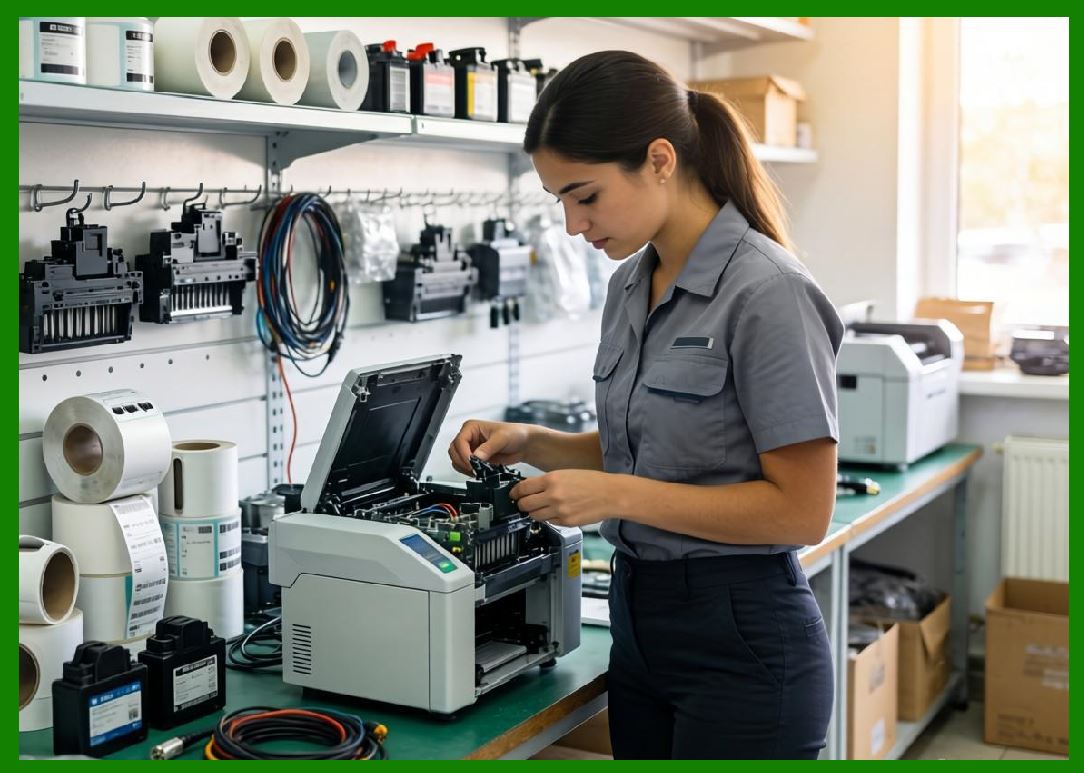
In the barcode and label printing ecosystem, Honeywell is a major competitor to Zebra Technologies and plays a key role in enterprise-grade logistics, manufacturing automation, healthcare tracking, and retail supply chain systems. |
|
1.3 |
Honeywell strength lies in its integrated industrial ecosystem, combining barcode printing hardware, handheld scanners, mobile computers, RFID systems, and enterprise software platforms. |
1.4 |
The company serves mission-critical industries where reliability, traceability, and compliance are essential, including aviation logistics, pharmaceutical manufacturing, warehouse automation, and global transportation systems. |

|
1.5 |
Honeywell barcode and labeling technologies are often deployed in high-scale enterprise environments requiring centralized control and global operational consistency. |
1.6 |
Today, Honeywell continues to expand its AIDC portfolio with cloud-connected devices, AI-enabled analytics, and smart industrial automation systems. |

|
2. Founding History and Corporate Evolution |
2.1 |
Mark C. Honeywell founded the original Honeywell Heating Specialty Company in 1906 in the United States, initially focusing on industrial heating and control systems. |
2.2 |
Over time, Honeywell expanded through mergers and acquisitions into a diversified industrial technology conglomerate, entering aerospace, automation, and sensing technologies. |
2.3 |
The company involvement in barcode and AIDC technologies developed later as part of its broader industrial automation and logistics optimization strategy. |
2.4 |
During the rise of global supply chain digitization, Honeywell acquired and integrated several AIDC and barcode technology companies to strengthen its position in enterprise data capture systems. |

|
2.5 |
This expansion allowed Honeywell to become a direct competitor to Zebra Technologies in barcode printing and scanning ecosystems. |
2.6 |
Honeywell industrial automation background strongly influenced its approach to ruggedized, enterprise-grade printing systems. |
2.7 |
The company global scale and engineering resources enabled rapid innovation in RFID and mobility technologies. |
2.8 |
Today, Honeywell is a key player in global enterprise automation and barcode infrastructure systems. |

|
3. Thermal Printing Technologies and Engineering Systems |
3.1 |
Honeywell barcode printers are built on advanced thermal printing technologies, supporting both direct thermal and thermal transfer printing methods. |
3.2 |
Direct thermal printing is widely used in shipping labels, warehouse logistics, and short-term tracking applications. |
3.3 |
Thermal transfer printing enables durable labeling for manufacturing, pharmaceuticals, and asset management environments. |
3.4 |
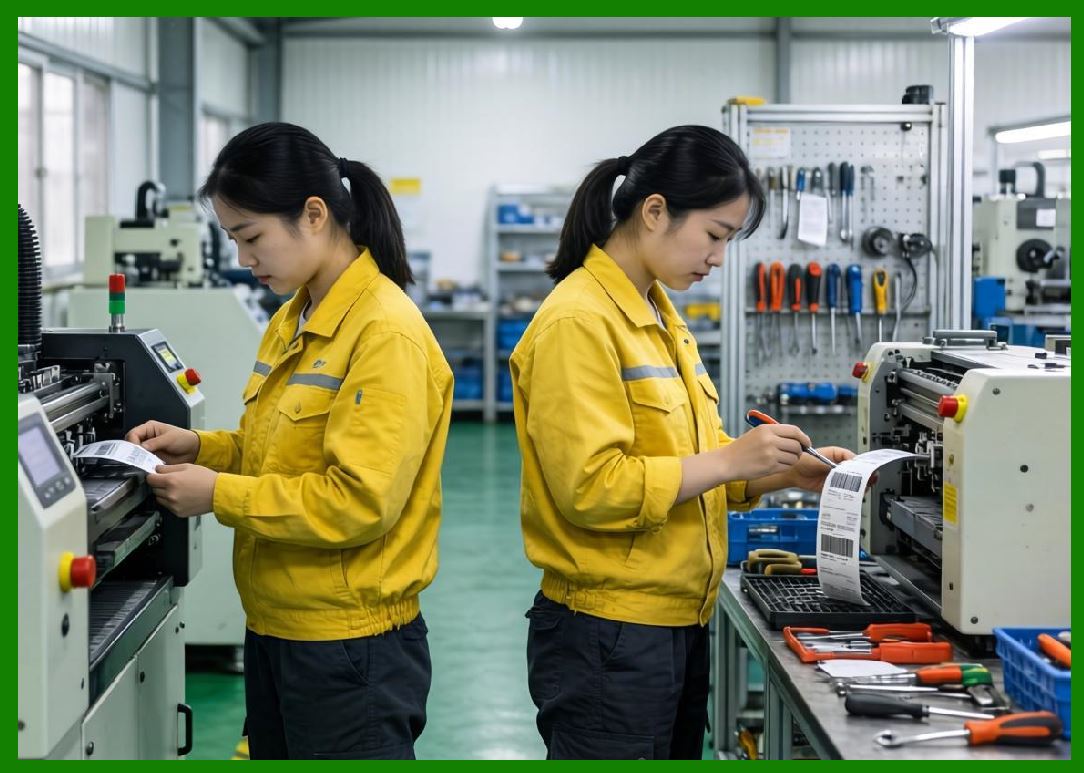
Honeywell engineering focuses heavily on industrial-grade durability and long-term operational stability. |
|
3.5 |
Printhead control systems ensure precise heat distribution for consistent barcode clarity and scan reliability. |
3.6 |
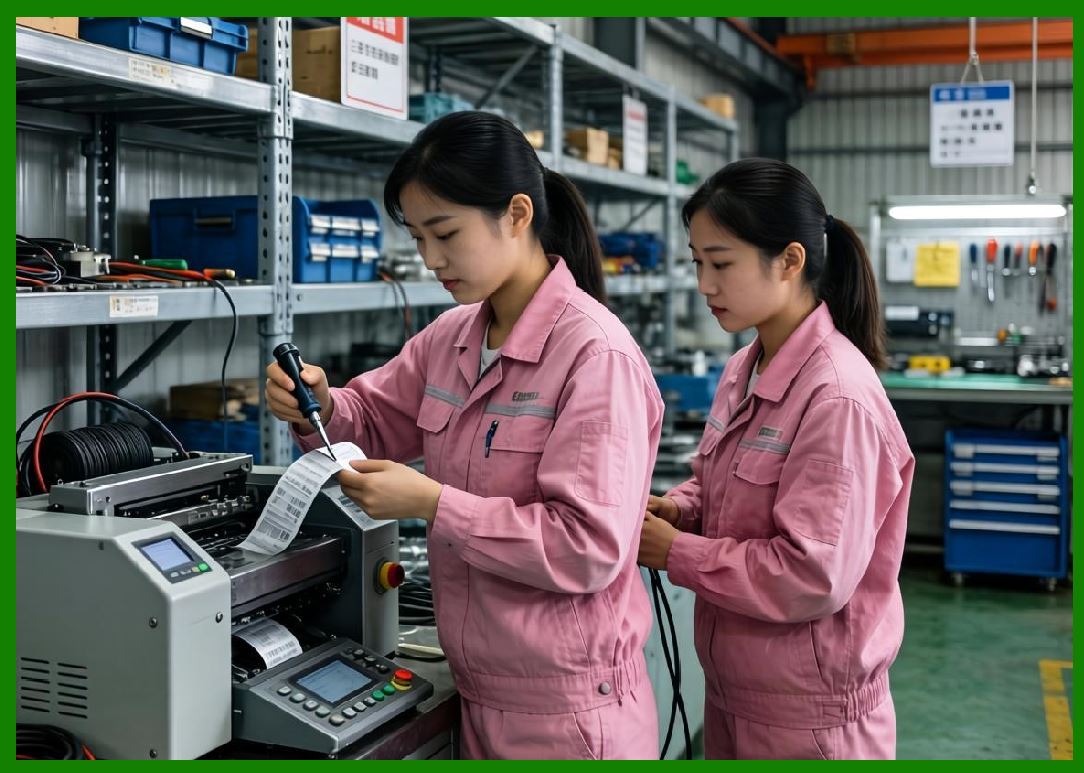
Mechanical design emphasizes rugged construction capable of withstanding harsh industrial environments such as dust, vibration, and temperature variation. |
3.7 |
Media handling systems ensure accurate label alignment and continuous high-speed printing. |
3.8 |
These systems are designed for enterprise-scale deployment in mission-critical environments. |
|
4. Barcode Printer Product Families |
4.1 |
Honeywell offers a wide range of barcode printers including desktop, industrial, and mobile systems. |
4.2 |
The PM series represents one of Honeywell most widely used industrial printer families, designed for warehouse and manufacturing environments. |
4.3 |
PM printers are known for rugged construction, high throughput, and long service life. |
4.4 |
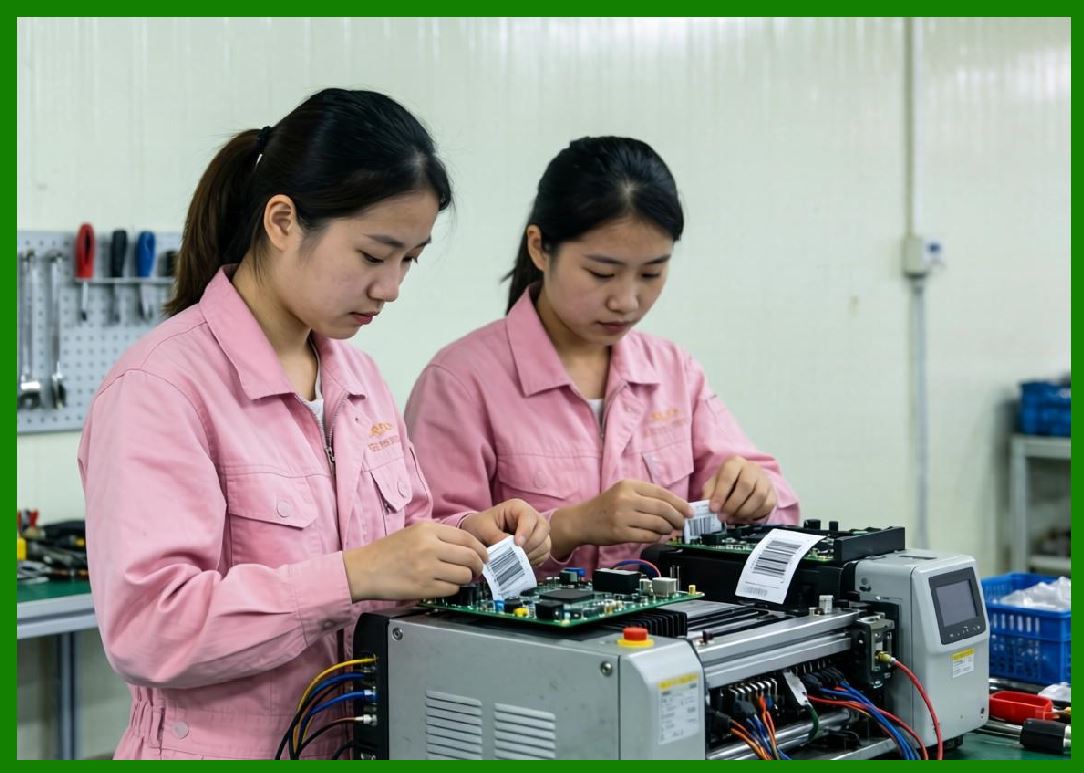
Desktop printers are widely used in retail, healthcare, and office environments for label printing applications. |
|
4.5 |
Mobile printers support logistics, transportation, and field service operations requiring portable labeling solutions. |
4.6 |
Industrial printers are designed for continuous-duty operation in warehouses and manufacturing lines. |
4.7 |
Honeywell also provides print-and-apply systems for automated production environments. |
4.8 |
Printers support multiple barcode standards including QR Code, Data Matrix, GS1, and linear symbologies. |

|
5. RFID Systems and Enterprise Smart Labeling |
5.1 |
Honeywell is a major global provider of RFID-enabled printing and tracking systems. |
5.2 |
RFID printers integrate thermal printing with chip encoding for dual-mode identification. |
5.3 |
These systems are widely used in logistics, retail supply chains, healthcare, and industrial asset tracking. |
5.4 |
RFID encoding requires precise synchronization between antenna systems and encoding modules. |
|
5.5 |
Honeywell develops calibration and validation systems to ensure RFID tag accuracy and compliance. |
5.6 |
Retail apparel industries use RFID for inventory visibility and omnichannel fulfillment. |
5.7 |
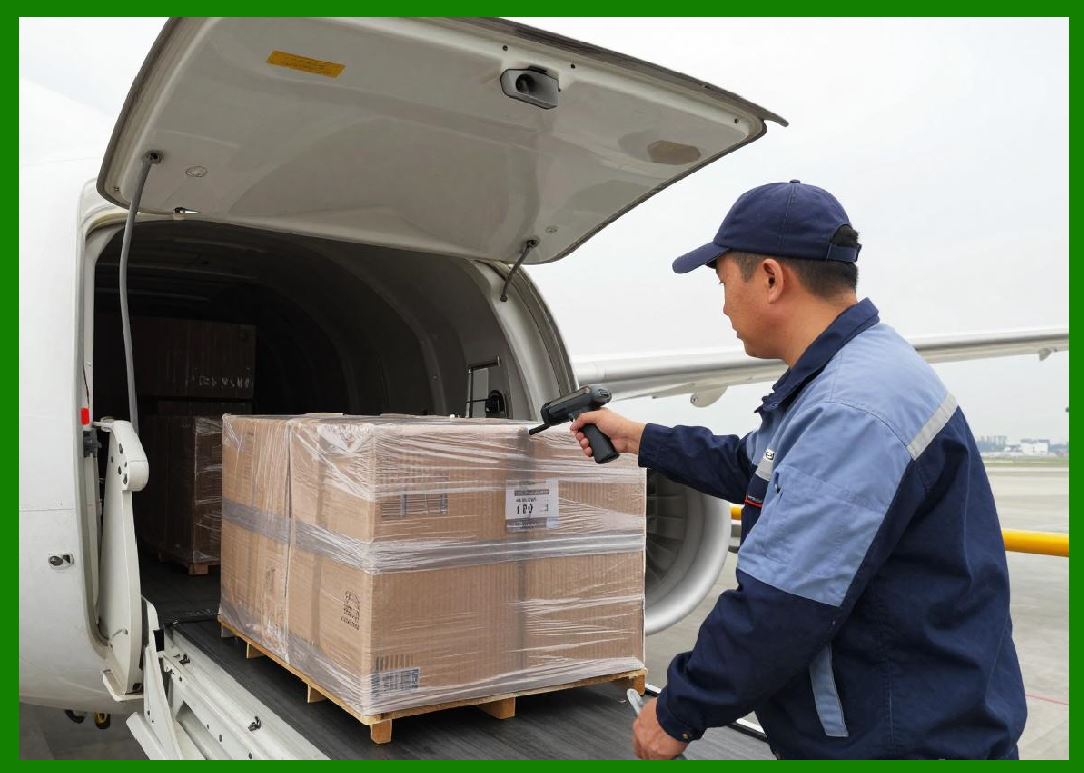
Warehouse environments use RFID for real-time tracking of pallets, shipments, and assets. |
5.8 |
Honeywell continues expanding RFID integration into cloud-connected enterprise systems. |
|
6. Enterprise Mobility and Data Capture Ecosystem |
6.1 |
One of Honeywell key strengths is its enterprise mobility and data capture ecosystem, which includes barcode scanners, mobile computers, wearable devices, and voice-directed workflows. |
6.2 |
These systems enable real-time data collection across logistics, manufacturing, retail, and healthcare environments. |
6.3 |
Honeywell mobile computers operate on rugged Android-based platforms optimized for industrial use. |
6.4 |
Handheld scanners are widely deployed in warehouse picking, inventory control, and shipping operations. |

|
6.5 |
Wearable scanning devices improve efficiency in high-volume logistics environments. |
6.6 |
Integration between scanners and printers enables seamless scan-to-print workflows. |
6.7 |
These systems significantly reduce operational errors and improve workflow efficiency. |
6.8 |
Honeywell mobility ecosystem is a core part of its enterprise strategy. |

|
7. Software Platforms and Cloud-Based Systems |
7.1 |
Honeywell provides enterprise software platforms for device management, workflow automation, and data analytics. |
7.2 |
Printer management systems enable centralized control of distributed printing infrastructure. |
7.3 |
Cloud-based platforms provide real-time monitoring of device performance and operational status. |
7.4 |
Integration with ERP and warehouse management systems enables synchronized data flows. |

|
7.5 |
AI-driven analytics support predictive maintenance and operational optimization. |
7.6 |
Honeywell software platforms include cybersecurity features for enterprise protection. |
7.7 |
API-based integration enables interoperability with third-party enterprise systems. |
7.8 |
Software ecosystems are central to Honeywell industrial automation strategy. |

|
8. Industrial Applications Across Global Markets |
8.1 |
Honeywell barcode systems are widely used in logistics and warehousing for inventory tracking and shipping documentation. |
8.2 |
Manufacturing industries use Honeywell printers for production labeling, compliance tracking, and quality assurance. |
8.3 |
Retail environments rely on Honeywell systems for inventory management and supply chain operations. |
8.4 |
Healthcare systems use barcode and RFID technologies for patient identification and medication tracking. |

|
8.5 |
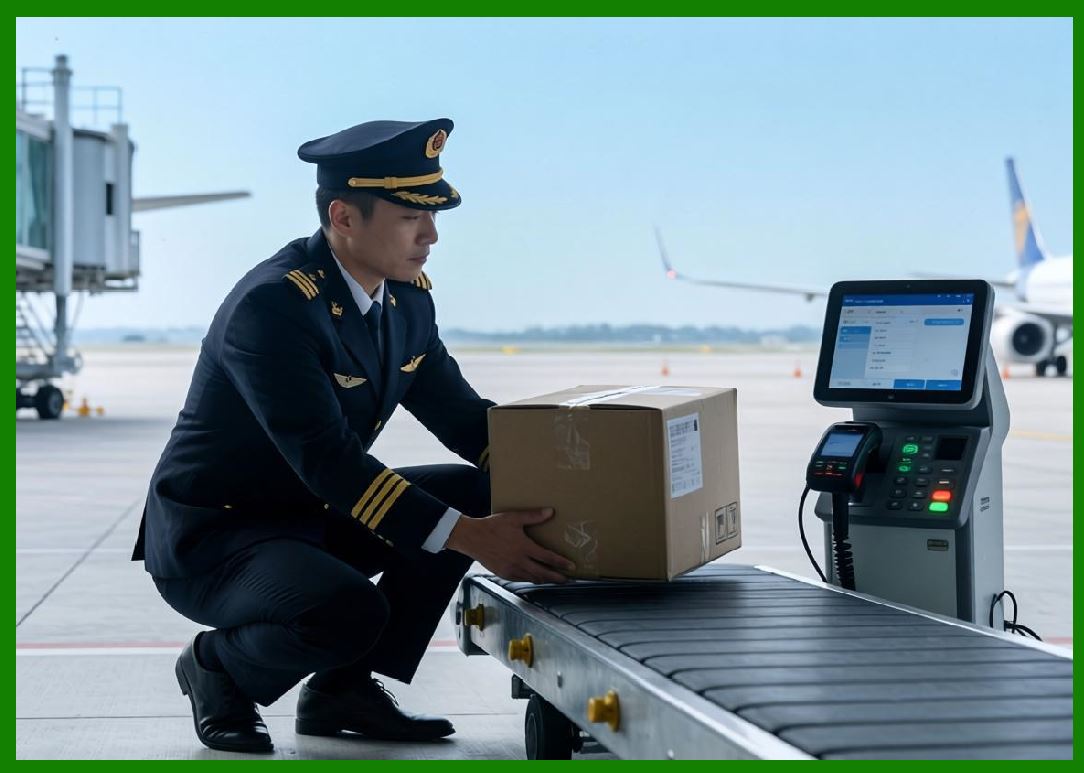
Transportation and aviation industries use Honeywell systems for cargo tracking and logistics documentation. |
8.6 |
Government agencies use Honeywell solutions for asset tracking and identification systems. |
8.7 |
Food and pharmaceutical industries rely on Honeywell for regulatory compliance and traceability. |
8.8 |
These applications highlight Honeywell enterprise-scale impact. |

|
9. Competitive Positioning and Market Strategy |
9.1 |
Honeywell competes directly with Zebra Technologies, SATO, TSC, BIXOLON, and Brother in the barcode and AIDC market. |
9.2 |
Its key advantage lies in its integrated industrial automation ecosystem combining hardware, software, and analytics. |
9.3 |
Honeywell benefits from its strong presence in aerospace, building automation, and industrial control systems. |
9.4 |
The company targets large enterprise and mission-critical industrial customers. |

|
9.5 |
Its ruggedized hardware design differentiates it from lower-tier competitors. |
9.6 |
Honeywell acquisitions strategy has strengthened its position in mobility and scanning technologies. |
9.7 |
The company focuses heavily on enterprise-scale digital transformation. |
9.8 |
Honeywell remains one of the top global AIDC solution providers. |

|
10. Future Outlook and Technological Direction |
10.1 |
Honeywell is expected to expand AI-driven industrial automation and predictive analytics systems. |
10.2 |
RFID adoption will continue growing in logistics, healthcare, and retail industries. |
10.3 |
Cloud-native printing and mobility systems will become standard enterprise infrastructure. |
10.4 |
Edge computing will play a larger role in real-time industrial decision-making. |
|
10.5 |
Cybersecurity will become increasingly important for connected industrial devices. |
10.6 |
Sustainability initiatives will focus on reducing energy consumption and material waste. |
10.7 |
Voice-directed workflows and wearable technologies will expand in warehouse operations. |
10.8 |
Honeywell is expected to remain a dominant force in global industrial automation and barcode ecosystems. |
|
Detailed Technical Content Summary |
This part provided a comprehensive technical and historical overview of Honeywell International Inc. and its role in the global barcode printing, RFID, and enterprise mobility ecosystem. The article examined its origins as an industrial engineering company and its expansion into automatic identification and data capture technologies. |
The discussion covered thermal printing systems, industrial barcode printer families, RFID-enabled tracking systems, enterprise mobility devices, wearable scanners, and integrated supply chain solutions. Significant attention was given to Honeywell ruggedized engineering and enterprise-scale automation strategy. |
The article also explored software platforms, cloud-based systems, AI-driven analytics, ERP integration, and cybersecurity in industrial environments. Competitive positioning against Zebra and other global players was analyzed in depth. |
Finally, the article discussed Honeywell future direction involving AI automation, RFID expansion, edge computing, sustainability initiatives, voice-directed workflows, and fully integrated industrial digital ecosystems. |
 cs@easiersoft.com