Part 25 The History, Engineering Systems, Printing Technologies, and Industrial Labeling Ecosystem of Diagraph Corporation |
1. Introduction to Diagraph in Industrial Coding and Labeling |
1.1 |
Diagraph Corporation is a specialized American company focused on industrial coding, marking, and labeling systems used in manufacturing, packaging, logistics, and regulatory compliance environments. The company plays an important role in the broader barcode and traceability ecosystem by providing both hardware and integrated marking solutions for production lines. |
1.2 |
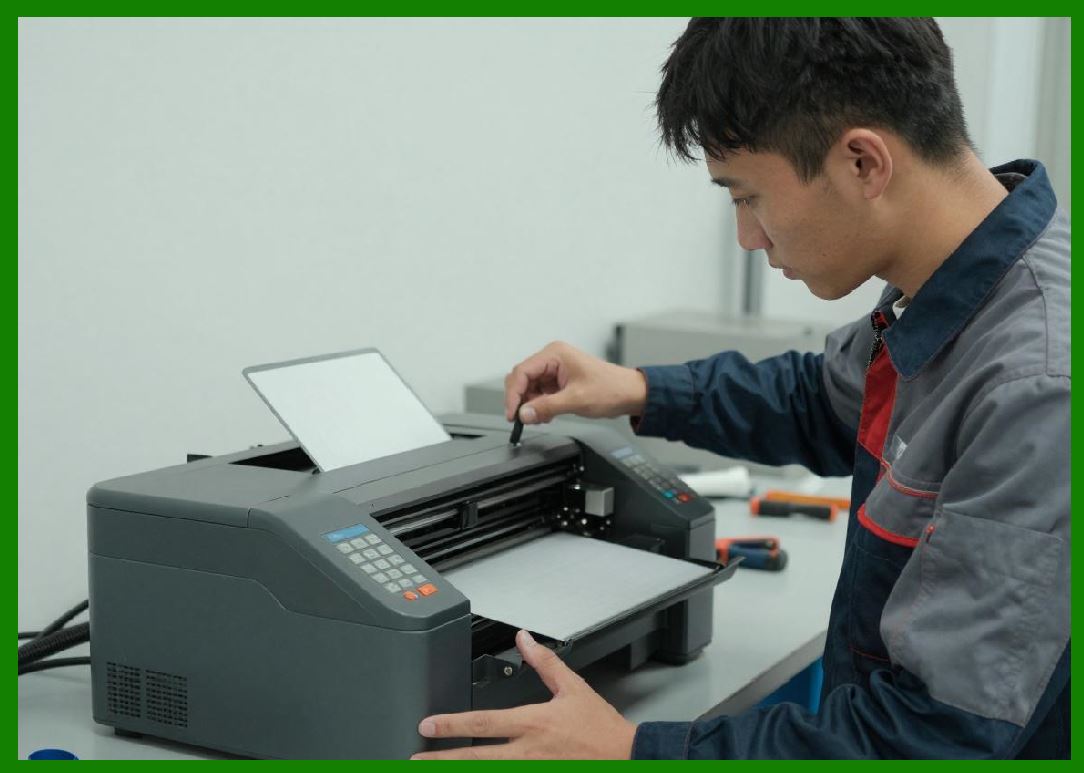
Unlike general-purpose barcode printer manufacturers, Diagraph focuses heavily on inline industrial coding systems that operate directly on production lines, where speed, accuracy, and durability are essential. |
|
1.3 |
Its systems are widely used in food packaging, beverage bottling, pharmaceuticals, consumer goods manufacturing, and industrial labeling environments where compliance and traceability requirements are strict. |
1.4 |
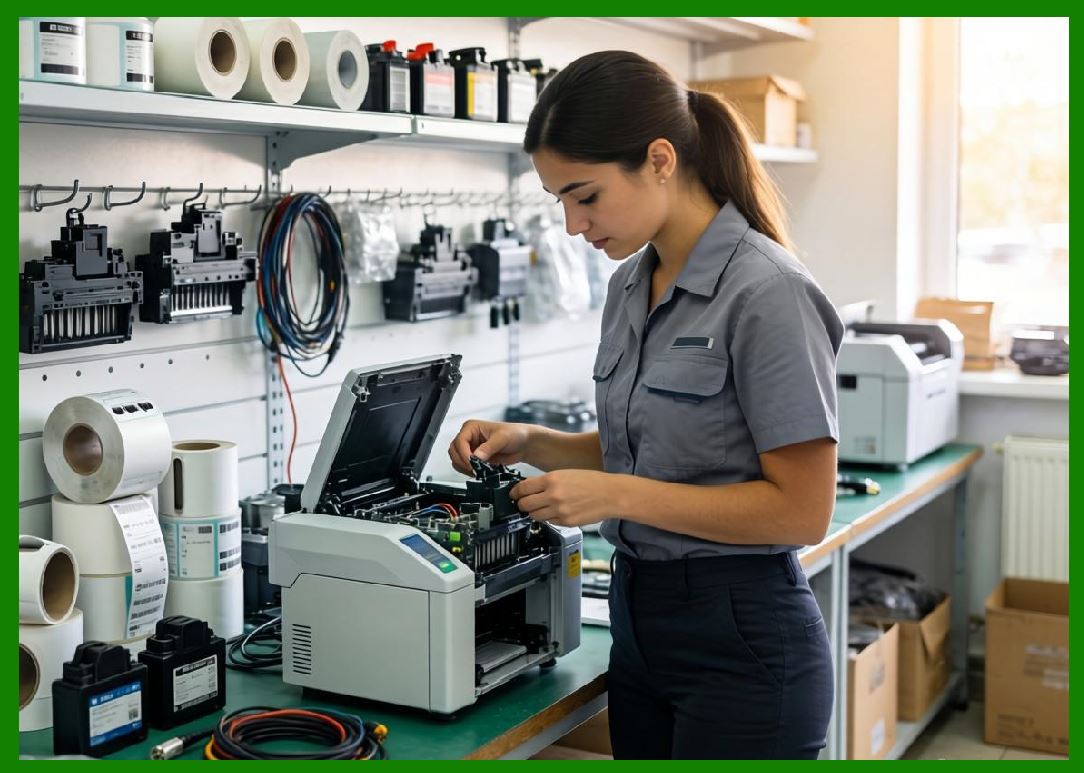
Diagraph integrates printing hardware with automated production line systems, enabling real-time marking of products as they move through manufacturing processes. |
|
1.5 |
The company is known for combining thermal inkjet, valve jet, and print-and-apply labeling technologies into unified industrial coding systems. |
1.6 |
Today, Diagraph continues to expand into smart factory integration, digital traceability systems, and automated packaging line solutions. |

|
2. Founding History and Corporate Development |
2.1 |
Diagraph Corporation was founded in the United States in 1893, originally focusing on industrial marking and identification systems for manufacturing environments. |
2.2 |
In its early history, the company developed stencil-based marking systems and mechanical labeling tools used in industrial production. |
2.3 |
As industrial automation evolved, Diagraph transitioned into modern coding technologies including inkjet marking and automated labeling systems. |
2.4 |
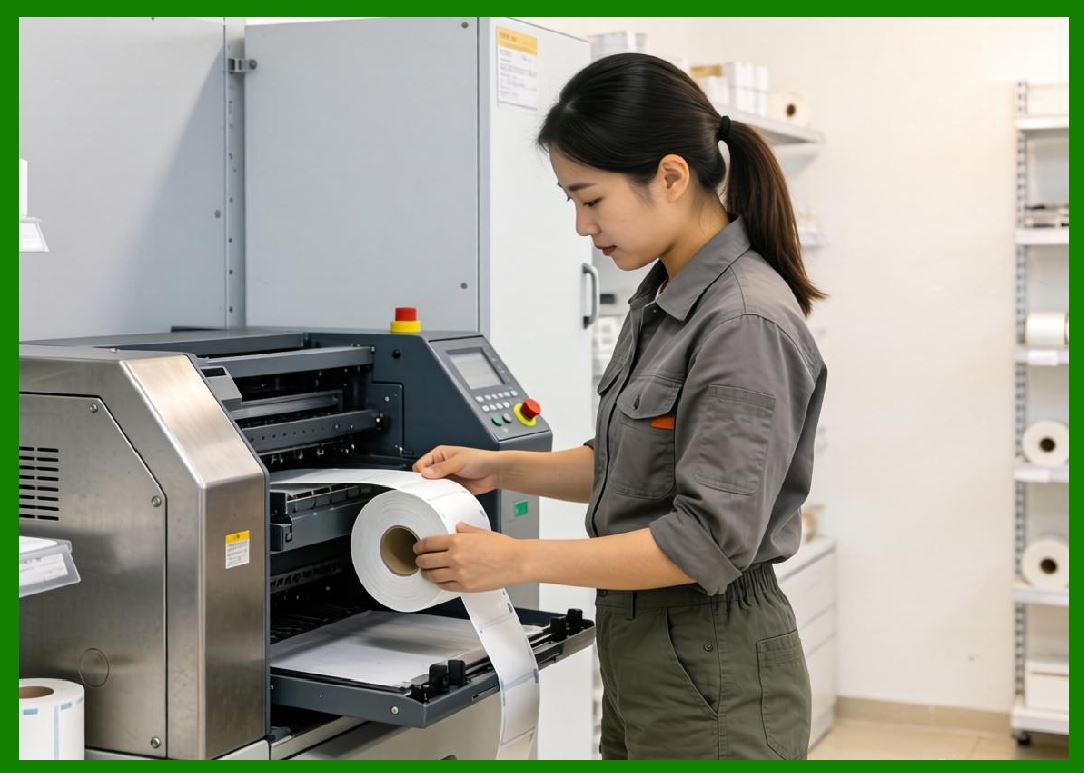
The rise of barcode and supply chain traceability systems in the late 20th century significantly influenced Diagraph product evolution. |
|
2.5 |
The company expanded its capabilities to include integration with production line automation systems. |
2.6 |
Diagraph became known for robust, industrial-grade marking systems capable of operating in harsh environments. |
2.7 |
Through continuous innovation, it adapted to modern requirements such as serialization, regulatory compliance, and digital traceability. |
2.8 |
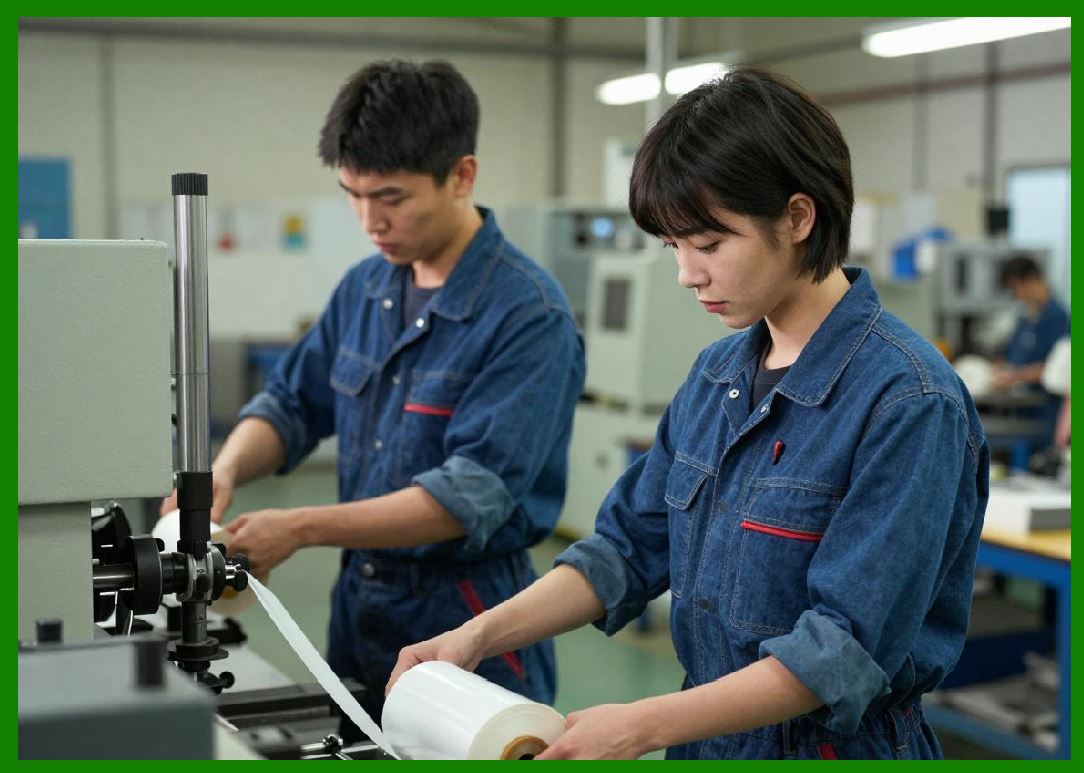
Today, Diagraph operates as a key provider of industrial coding and labeling solutions within global manufacturing ecosystems. |
|
3. Industrial Printing and Coding Technologies |
3.1 |
Diagraph specializes in industrial coding technologies used for direct product marking on production lines. |
3.2 |
Thermal inkjet systems are widely used for printing variable data such as expiration dates, batch codes, and serial numbers. |
3.3 |
Valve jet and large character inkjet systems are used for marking packaging cases, pallets, and industrial containers. |
3.4 |
Print-and-apply labeling systems integrate label printing with automated application onto products in motion. |
3.5 |
These systems are designed for high-speed manufacturing environments requiring continuous operation. |
3.6 |
Ink systems are engineered for adhesion, durability, and resistance to environmental conditions such as moisture, heat, and abrasion. |
3.7 |
Real-time control systems ensure accurate synchronization with production line speed. |
3.8 |
Diagraph engineering focuses on reliability, uptime, and integration with industrial automation systems. |

|
4. Barcode Labeling and Print-and-Apply Systems |
4.1 |
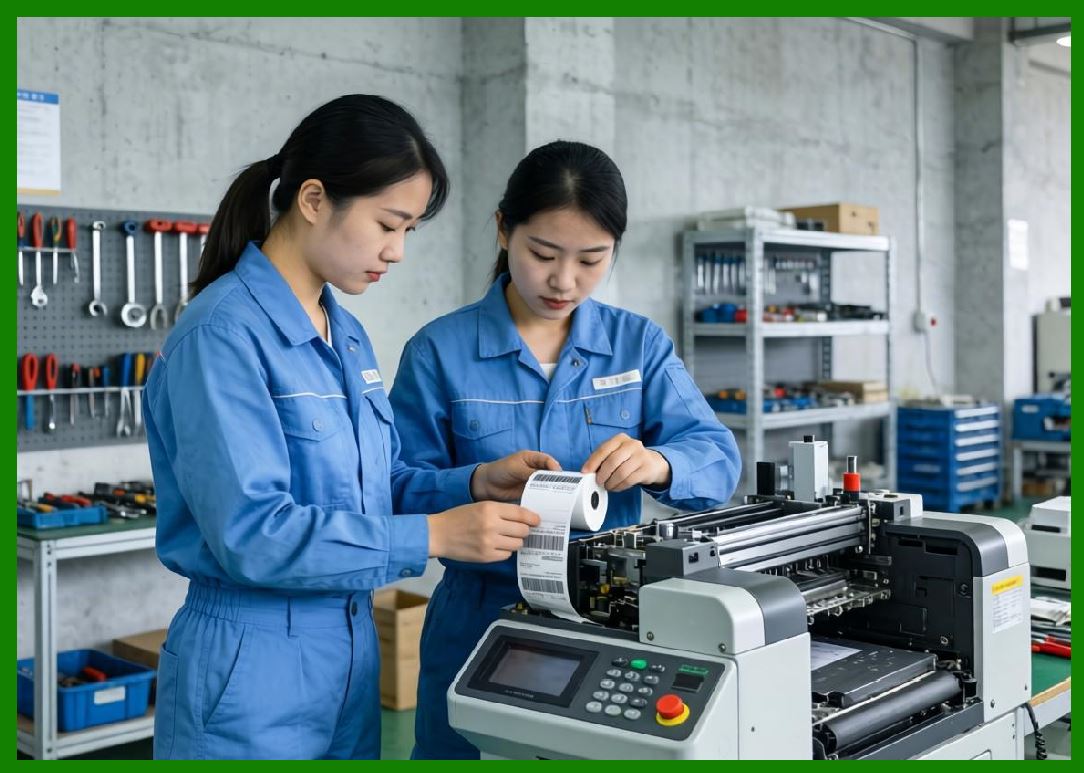
Diagraph provides advanced print-and-apply labeling systems used in industrial packaging environments. |
4.2 |
These systems print barcode labels and automatically apply them to products, cartons, or pallets. |
4.3 |
Applications include logistics shipping, food packaging, pharmaceutical serialization, and manufacturing traceability. |
4.4 |
High-speed applicators ensure labels are placed accurately on moving production lines. |
4.5 |
Integration with barcode databases enables real-time variable data printing. |
4.6 |
Systems are designed for minimal downtime and high throughput. |
4.7 |
Sensors and control systems ensure precise label placement accuracy. |
4.8 |
These systems are critical for modern automated supply chains. |
|
5. Serialization, Compliance, and Traceability Systems |
5.1 |
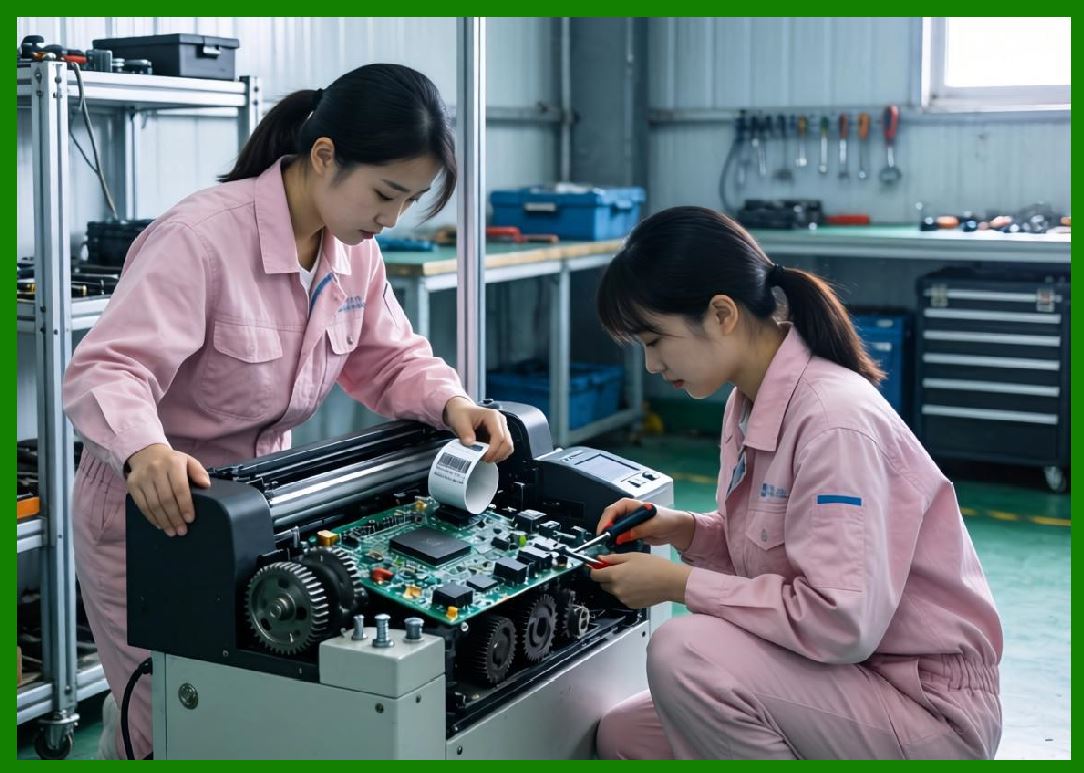
Diagraph systems are widely used in industries requiring regulatory compliance and product serialization. |
5.2 |
Pharmaceutical manufacturers use serialization systems to comply with global track-and-trace regulations. |
5.3 |
Food and beverage industries use coding systems for expiration tracking and batch identification. |
5.4 |
Manufacturing industries rely on traceability systems to track production history and quality control data. |
5.5 |
Barcode systems enable real-time data integration with enterprise resource planning platforms. |
5.6 |
Serialization ensures that every product unit has a unique identifier. |
5.7 |
Compliance systems help companies meet government and industry regulations. |
5.8 |
Diagraph plays a key role in enabling global supply chain transparency. |
|
6. Industrial Integration and Smart Factory Systems |
6.1 |
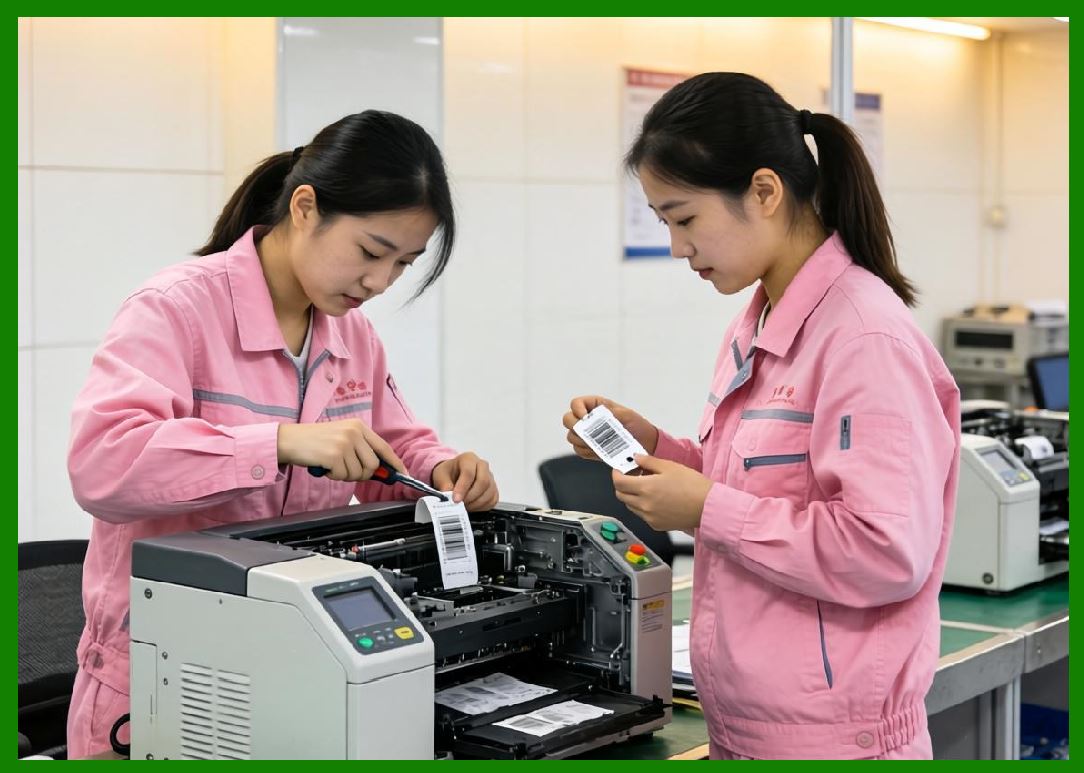
Diagraph systems are designed for integration into modern smart factory environments. |
6.2 |
Industrial IoT connectivity allows coding systems to communicate with production line controllers. |
6.3 |
Data from ERP and MES (Manufacturing Execution Systems) can be used to drive real-time printing operations. |
6.4 |
Automation reduces human error and improves production efficiency. |
6.5 |
Centralized control systems manage multiple coding devices across production lines. |
6.6 |
Real-time monitoring ensures system uptime and operational efficiency. |
6.7 |
Predictive maintenance systems are increasingly used to reduce downtime. |
6.8 |
Diagraph is increasingly aligned with Industry 4.0 transformation trends. |
|
7. Software Systems and Industrial Data Management |
7.1 |
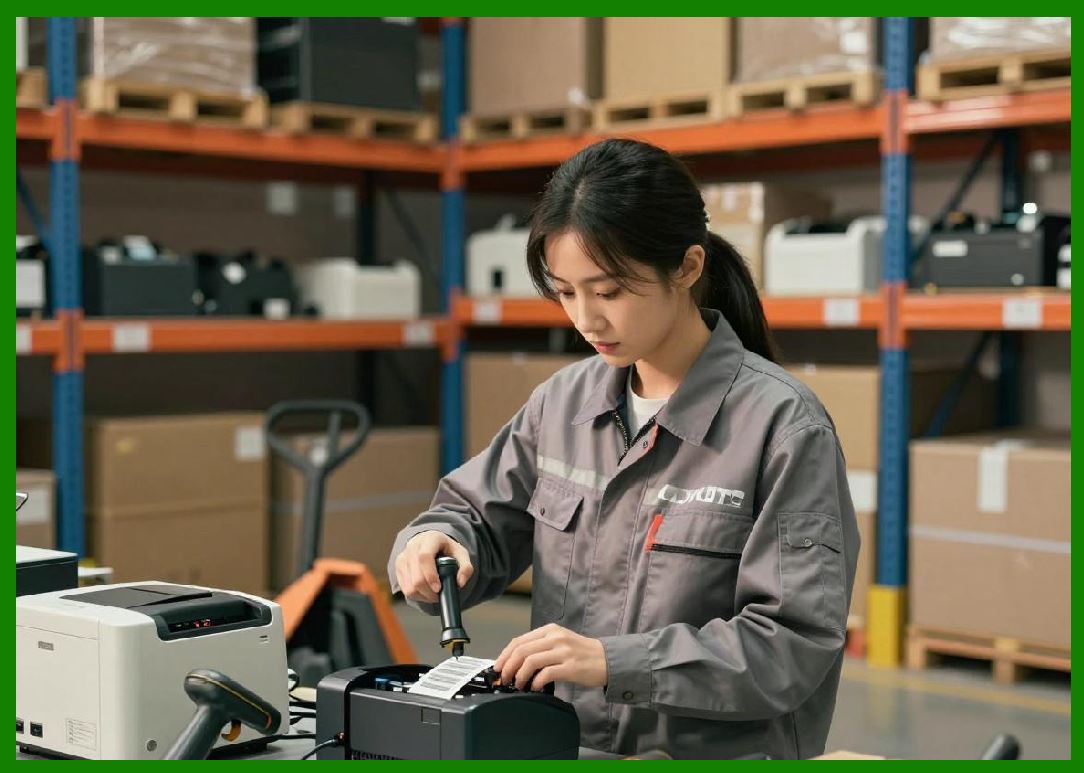
Diagraph provides software systems for managing industrial coding and labeling workflows. |
7.2 |
Label design software allows users to configure variable data printing templates. |
7.3 |
Centralized management systems control multiple production line devices. |
7.4 |
Integration with enterprise databases enables real-time data-driven printing. |
7.5 |
Cloud-based monitoring systems are emerging for remote diagnostics. |
7.6 |
Software platforms ensure regulatory compliance and audit tracking. |
7.7 |
Data synchronization between production and labeling systems is essential for traceability. |
7.8 |
Software integration is a core component of Diagraph industrial strategy. |
|
8. Industrial Applications Across Global Markets |
8.1 |
Food and beverage industries use Diagraph systems for packaging codes and expiration dates. |
8.2 |
Pharmaceutical companies rely on serialization systems for compliance and traceability. |
8.3 |
Manufacturing industries use coding systems for batch tracking and quality control. |
8.4 |
Logistics companies use labeling systems for pallet and carton identification. |
8.5 |
Consumer goods industries use marking systems for branding and regulatory labeling. |
8.6 |
Chemical industries use durable coding systems for container identification. |
8.7 |
E-commerce fulfillment centers use automated labeling systems for shipping operations. |
8.8 |
These applications highlight Diagraph industrial importance in global supply chains. |

|
9. Competitive Positioning and Market Strategy |
9.1 |
Diagraph competes in a specialized segment of industrial coding and marking systems rather than general barcode printer markets. |
9.2 |
Its competitors include other industrial coding companies such as Videojet and Domino. |
9.3 |
The company differentiates itself through integrated print-and-apply systems and industrial automation focus. |
9.4 |
Its solutions are designed for high-speed manufacturing environments. |
9.5 |
Diagraph benefits from long-standing expertise in industrial marking systems. |
9.6 |
It focuses on compliance-driven industries with strict regulatory requirements. |
9.7 |
The company strength lies in integration rather than standalone printing devices. |
9.8 |
Diagraph remains a key niche player in industrial coding systems. |

|
10. Future Outlook and Technological Direction |
10.1 |
Diagraph is expected to expand further into smart factory and Industry 4.0 systems. |
10.2 |
AI-driven predictive maintenance will improve system reliability. |
10.3 |
Cloud-based industrial monitoring will become more widespread. |
10.4 |
RFID and hybrid coding systems may expand integration capabilities. |
10.5 |
Sustainability initiatives will focus on reducing ink waste and improving energy efficiency. |
10.6 |
Real-time digital traceability will continue growing in importance. |
10.7 |
Cybersecurity will become increasingly important in industrial automation systems. |
10.8 |
Diagraph is expected to remain a specialized leader in industrial coding and labeling solutions. |
|
Detailed Technical Content Summary |
This part provided a comprehensive technical and historical overview of Diagraph Corporation and its role in industrial coding, marking, and labeling systems. The article examined its origins in early industrial marking technologies and its evolution into a provider of modern automated coding and traceability systems. |
The discussion covered thermal inkjet systems, valve jet printing, print-and-apply labeling systems, serialization technologies, and compliance-driven industrial applications. Significant attention was given to Diagraph integration with manufacturing execution systems and smart factory environments. |
The article also explored software systems, industrial data integration, IoT connectivity, and regulatory compliance workflows. Applications across food, beverage, pharmaceutical, manufacturing, and logistics industries were analyzed in depth. |
Finally, the article discussed Diagraph competitive positioning, market niche, and future direction involving Industry 4.0 integration, AI-driven maintenance, cloud monitoring systems, sustainability initiatives, and next-generation industrial traceability ecosystems. |
 cs@easiersoft.com