Part 26 The History, Engineering Systems, Printing Technologies, and Industrial Labeling Ecosystem of Videojet Technologies Inc. |
1. Introduction to Videojet Technologies in Industrial Coding |
1.1 |
Videojet Technologies Inc. is one of the world most influential providers of industrial coding, marking, and traceability systems. The company specializes in high-speed production line printing technologies used to apply variable data such as batch codes, expiration dates, serialization numbers, and tracking identifiers directly onto products and packaging. |
1.2 |
Videojet is a core technology provider in global supply chains, particularly in industries where regulatory compliance and product traceability are essential, such as food and beverage, pharmaceuticals, cosmetics, automotive parts, and electronics manufacturing. |
|
1.3 |
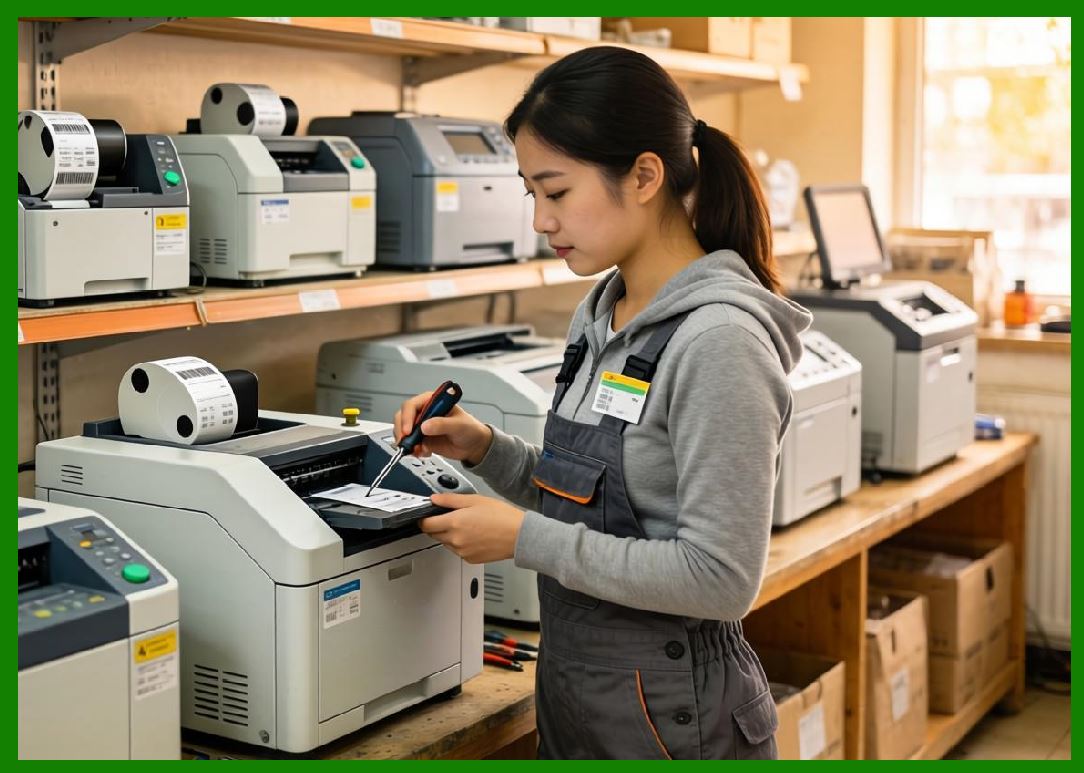
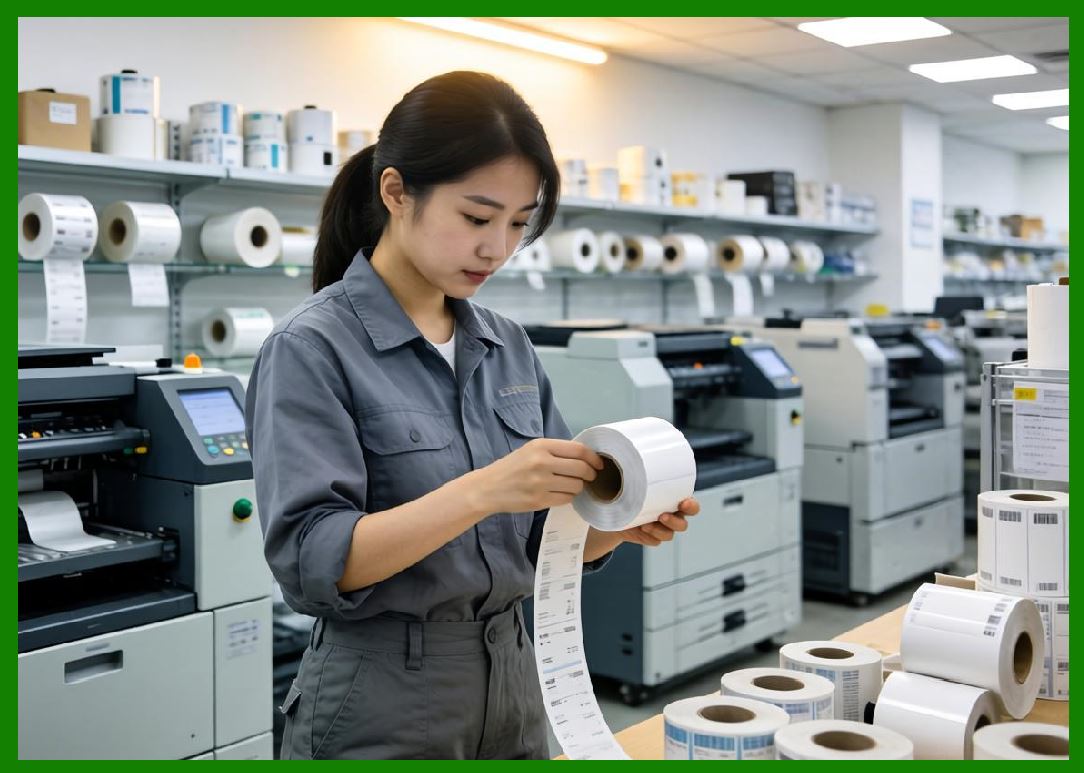
Unlike traditional barcode label printer manufacturers, Videojet focuses on direct-to-product marking systems rather than label printing, making it a critical part of the upstream identification ecosystem. |
1.4 |
Its technologies operate in harsh industrial environments where speed, uptime, and precision are critical for continuous production lines. |
|
1.5 |
Videojet systems are widely integrated into automated manufacturing lines and connected to enterprise data systems for real-time variable data printing. |
1.6 |
Today, Videojet continues to expand into digital traceability, smart packaging, and Industry 4.0 integration technologies. |
|
2. Founding History and Corporate Development |
2.1 |
Dominic Iannazzo and other early industrial engineers contributed to the formation of Videojet in the early 1970s in the United States, during a period of rapid growth in industrial automation. |
2.2 |
The company initially focused on continuous inkjet (CIJ) printing systems designed for marking production goods without physical contact. |
2.3 |
As global manufacturing systems became more automated, Videojet expanded its product line to include laser marking systems and thermal transfer overprinting technologies. |
2.4 |
The company quickly became a leader in high-speed industrial coding systems used in production lines around the world. |
|
2.5 |
Videojet expanded through innovation and acquisitions, strengthening its global presence in industrial marking markets. |
2.6 |
Its technologies became essential in industries requiring traceability and regulatory compliance. |
2.7 |
Over time, Videojet became part of a larger industrial automation ecosystem under Danaher Corporation, enhancing its global reach and engineering capabilities. |
2.8 |
Today, Videojet is a dominant force in industrial coding and marking technologies worldwide. |
|
3. Continuous Inkjet (CIJ) Printing Technology |
3.1 |
Continuous Inkjet (CIJ) printing is one of Videojet core technologies, widely used for high-speed production line marking. |
3.2 |
CIJ systems work by ejecting continuous streams of ink droplets, selectively charging and deflecting them to form characters on moving products. |
3.3 |
This technology enables non-contact marking on curved, irregular, or fast-moving surfaces. |
3.4 |
CIJ systems are widely used in beverage bottling, pharmaceutical packaging, and consumer goods manufacturing. |
|
3.5 |
Ink formulations are engineered for adhesion, durability, and resistance to moisture, heat, and abrasion. |
3.6 |
Advanced nozzle control systems ensure precision in droplet formation and character resolution. |
3.7 |
CIJ systems are designed for 24/7 industrial operation with minimal downtime. |
3.8 |
Videojet remains a global leader in CIJ marking technology. |
|
4. Laser Marking Systems and High-Precision Coding |
4.1 |
Videojet laser marking systems provide permanent, high-resolution coding directly on product surfaces without consumables. |
4.2 |
Laser technologies include CO2 lasers, fiber lasers, and UV lasers depending on material type and application. |
4.3 |
These systems are widely used in pharmaceuticals, electronics, automotive parts, and high-value consumer goods. |
4.4 |
Laser marking offers advantages such as permanence, high precision, and low operational cost over time. |
4.5 |
Control systems synchronize laser output with high-speed production lines. |
4.6 |
Material interaction is carefully calibrated to ensure readability without damaging packaging integrity. |
4.7 |
Laser systems are increasingly used for anti-counterfeiting and traceability applications. |
4.8 |
Videojet continues to expand laser technology for advanced industrial marking. |

|
5. Thermal Transfer Overprinting (TTO) and Packaging Systems |
5.1 |
Thermal Transfer Overprinting (TTO) is another key Videojet technology used for flexible packaging applications. |
5.2 |
TTO systems print variable data directly onto packaging films used in food, pharmaceutical, and consumer goods industries. |
5.3 |
These systems use thermal printheads to transfer ink from ribbons onto packaging materials. |
5.4 |
TTO printing provides high-resolution codes suitable for barcodes, expiration dates, and branding information. |
5.5 |
Synchronization with packaging machines ensures precise positioning and timing. |
5.6 |
TTO systems are widely used in vertical form-fill-seal and horizontal flow packaging machines. |
5.7 |
Ink ribbon efficiency and print quality are critical performance factors. |
5.8 |
Videojet is a global leader in TTO packaging solutions. |
|
6. Industrial Traceability and Serialization Systems |
6.1 |
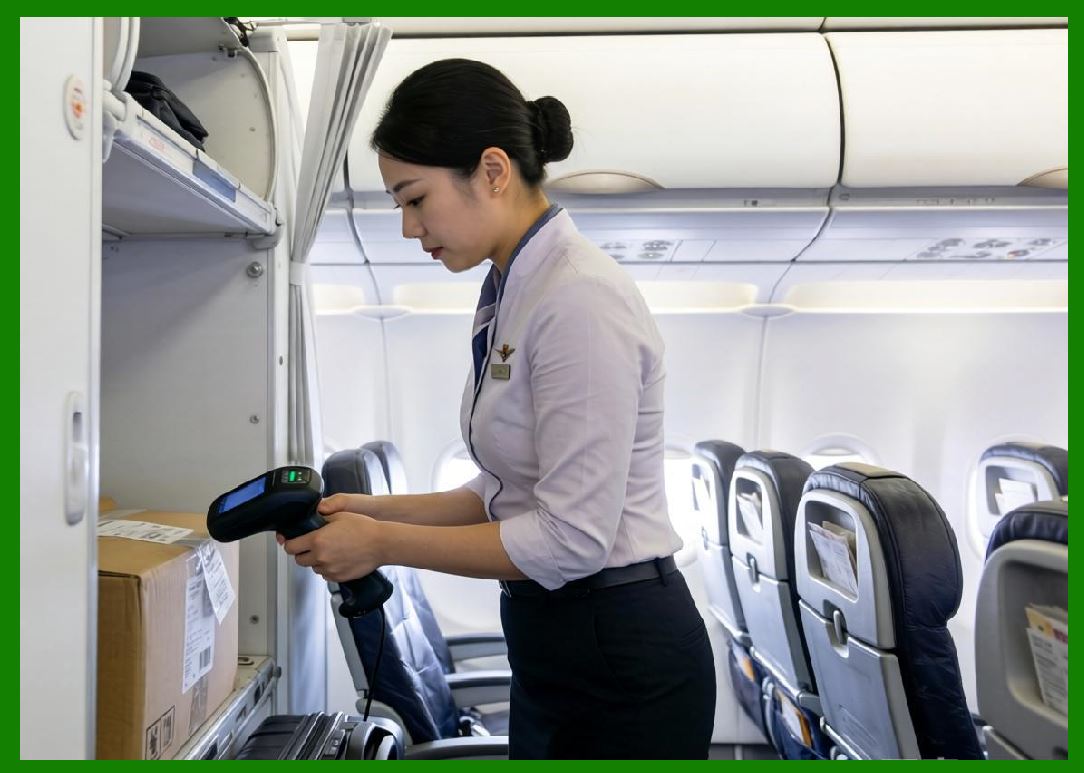
Videojet systems play a critical role in global product serialization and traceability systems. |
6.2 |
Serialization assigns unique identifiers to individual product units for regulatory compliance. |
6.3 |
Pharmaceutical industries rely heavily on Videojet systems for anti-counterfeiting and track-and-trace requirements. |
6.4 |
Food and beverage industries use coding systems for batch tracking and expiration management. |
6.5 |
Automotive and electronics industries use serialization for quality control and supply chain tracking. |
6.6 |
Data integration systems connect coding equipment with enterprise databases. |
6.7 |
Traceability systems enable real-time monitoring of production and distribution flows. |
6.8 |
Videojet is a key enabler of global supply chain transparency. |
|
7. Industrial Integration and Smart Manufacturing Systems |
7.1 |
Videojet systems are designed for integration into modern smart factories and Industry 4.0 environments. |
7.2 |
Industrial IoT connectivity enables real-time monitoring of coding systems across production lines. |
7.3 |
Manufacturing Execution Systems (MES) integrate with Videojet devices for automated data-driven printing. |
7.4 |
Centralized control systems manage multiple coding devices simultaneously. |
7.5 |
Predictive maintenance systems reduce downtime and improve reliability. |
7.6 |
Real-time analytics improve production efficiency and traceability. |
7.7 |
Automation reduces human intervention in coding processes. |
7.8 |
Videojet plays a major role in industrial digital transformation. |
|
8. Software Systems and Data Management |
8.1 |
Videojet provides software platforms for managing coding, marking, and traceability workflows. |
8.2 |
Label and code design systems enable creation of variable data templates. |
8.3 |
Enterprise integration ensures synchronization with ERP and MES systems. |
8.4 |
Cloud-based monitoring platforms enable remote diagnostics and performance tracking. |
8.5 |
Data integrity systems ensure accuracy in serialization and compliance applications. |
8.6 |
Cybersecurity features protect industrial coding systems from external threats. |
8.7 |
Software plays a key role in regulatory compliance and audit readiness. |
8.8 |
Videojet continues to expand digital software capabilities for industrial customers. |
|
9. Industrial Applications Across Global Markets |
9.1 |
Food and beverage industries use Videojet systems for expiration dates, batch codes, and traceability markings. |
9.2 |
Pharmaceutical companies rely on Videojet for serialization and regulatory compliance. |
9.3 |
Consumer goods manufacturers use coding systems for branding and product identification. |
9.4 |
Electronics industries use laser marking for component identification. |
9.5 |
Automotive industries use coding systems for part tracking and quality control. |
9.6 |
Cosmetics industries use marking systems for packaging traceability. |
9.7 |
E-commerce and logistics industries use traceability systems for supply chain visibility. |
9.8 |
Videojet systems are widely deployed across global manufacturing networks. |

|
10. Future Outlook and Technological Direction |
10.1 |
Videojet is expected to expand AI-driven industrial coding optimization systems. |
10.2 |
Cloud-based monitoring and predictive maintenance will become more advanced. |
10.3 |
Laser and inkjet hybrid systems may expand in industrial applications. |
10.4 |
Smart packaging and digital traceability systems will continue to grow. |
10.5 |
Sustainability initiatives will focus on reducing ink waste and energy consumption. |
10.6 |
Cybersecurity will become increasingly critical in connected industrial systems. |
10.7 |
Real-time data-driven manufacturing will increase automation levels. |
10.8 |
Videojet will remain a global leader in industrial coding and marking technologies. |
|
Detailed Technical Content Summary |
This part provided a comprehensive technical and historical overview of Videojet Technologies Inc. and its role in industrial coding, marking, and traceability systems. The article examined its origins in continuous inkjet printing and its evolution into a global leader in industrial coding technologies. |
The discussion covered CIJ printing systems, laser marking, thermal transfer overprinting, serialization systems, and industrial traceability technologies. Significant attention was given to Videojet role in direct-to-product marking rather than traditional label printing. |
The article also explored industrial integration systems, MES connectivity, IoT-enabled manufacturing, cloud-based monitoring, and regulatory compliance systems. Applications across food, pharmaceutical, automotive, electronics, and consumer goods industries were analyzed in depth. |
Finally, the article discussed Videojet competitive positioning, market leadership, and future direction involving AI-driven automation, smart packaging systems, digital traceability expansion, sustainability initiatives, and next-generation industrial coding ecosystems. |
 cs@easiersoft.com