Part 33 The History, Engineering Systems, Printing Technologies, and Industrial Labeling Ecosystem of Argox Information Co., Ltd. |
1. Introduction to Argox in the Barcode Printer Industry |
1.1 |
Argox Information Co., Ltd. is a well-established barcode label printer manufacturer known for producing reliable and cost-effective printing systems used in logistics, retail, manufacturing, and healthcare environments. The company occupies a strong position in the entry-level and mid-range segments of the global AIDC (Automatic Identification and Data Capture) market. |
1.2 |
Argox focuses on delivering practical and durable barcode printing solutions that balance affordability with industrial functionality. Its products are widely used in warehouse operations, shipping departments, retail inventory management, and small manufacturing facilities. |

|
1.3 |
The company is especially recognized for its ability to provide stable printing performance at lower cost points compared to premium industrial brands. |
1.4 |
Argox printers are widely deployed in emerging markets and cost-sensitive industrial environments where scalability and reliability are essential. |
1.5 |
The company emphasizes simplicity in design, ease of maintenance, and compatibility with global barcode standards. |
1.6 |
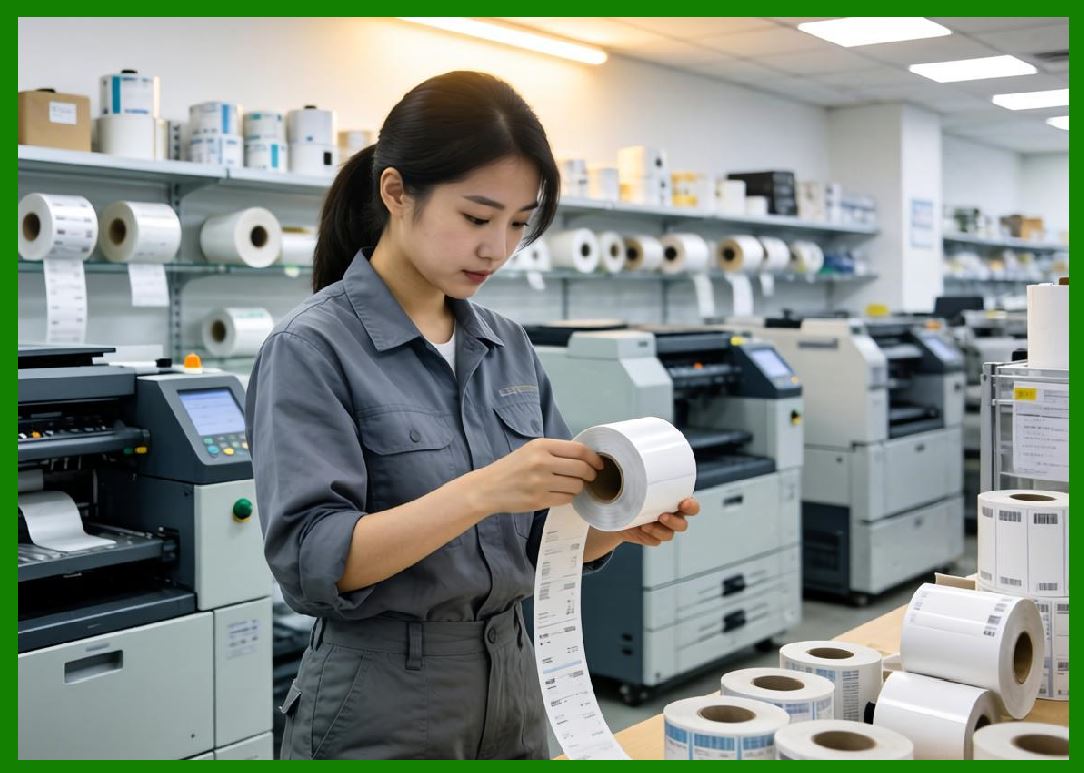
Today, Argox continues to expand into RFID printing, cloud printing, and smart labeling solutions for global supply chains. |
|
2. Founding History and Corporate Development |
2.1 |
Argox founding engineering team established Argox in Taiwan in 1996, during a period of rapid growth in Asia electronics manufacturing industry. |
2.2 |
The company was founded with the goal of producing affordable barcode printers for global logistics and industrial markets. |
2.3 |
Early development focused on thermal transfer and direct thermal printing systems designed for small and medium enterprises. |
2.4 |
Argox quickly expanded into international markets through distributor partnerships. |
2.5 |
The company benefited from Taiwan strong electronics supply chain and manufacturing capabilities. |
2.6 |
Over time, Argox improved its product reliability and expanded its industrial printer lineup. |
2.7 |
Strategic partnerships helped the company strengthen its global competitiveness. |
2.8 |
Today, Argox is recognized as a strong value-oriented global barcode printer manufacturer. |

|
3. Thermal Printing Technologies and Engineering Systems |
3.1 |
Argox barcode printers are based on direct thermal and thermal transfer printing technologies. |
3.2 |
Direct thermal printing is widely used for shipping labels, retail tags, and short-term logistics labeling. |
3.3 |
Thermal transfer printing is used for durable industrial labeling requiring long-term readability. |
3.4 |
Argox engineering emphasizes simplicity and cost-effective reliability. |
3.5 |
Printhead systems are designed for stable operation in moderate industrial environments. |
3.6 |
Thermal control systems ensure consistent barcode clarity and scanning performance. |
3.7 |
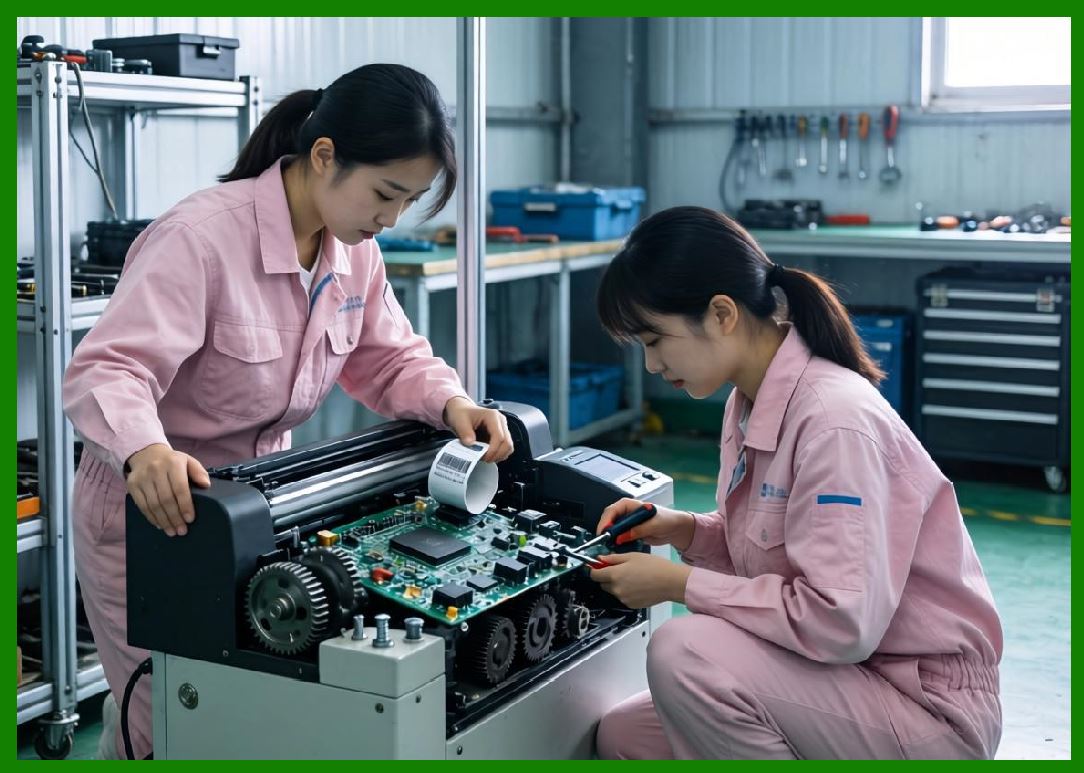
Media handling systems are optimized for ease of use and maintenance. |
3.8 |
Argox printers are designed to deliver consistent performance at competitive cost levels. |

|
4. Barcode Printer Product Families |
4.1 |
Argox offers desktop, industrial, and mobile barcode printer solutions. |
4.2 |
The OS series is widely used in entry-level industrial and desktop environments. |
4.3 |
The IX series represents higher-performance industrial printing systems. |
4.4 |
Desktop printers are used in retail, healthcare, and office applications. |
4.5 |
Mobile printers support warehouse logistics and field operations. |
4.6 |
Industrial printers are designed for moderate-duty production environments. |
4.7 |
Argox printers support global barcode standards such as QR Code, Data Matrix, and GS1. |
4.8 |
The product portfolio is focused on affordability and reliability. |

|
5. RFID Printing and Smart Labeling Systems |
5.1 |
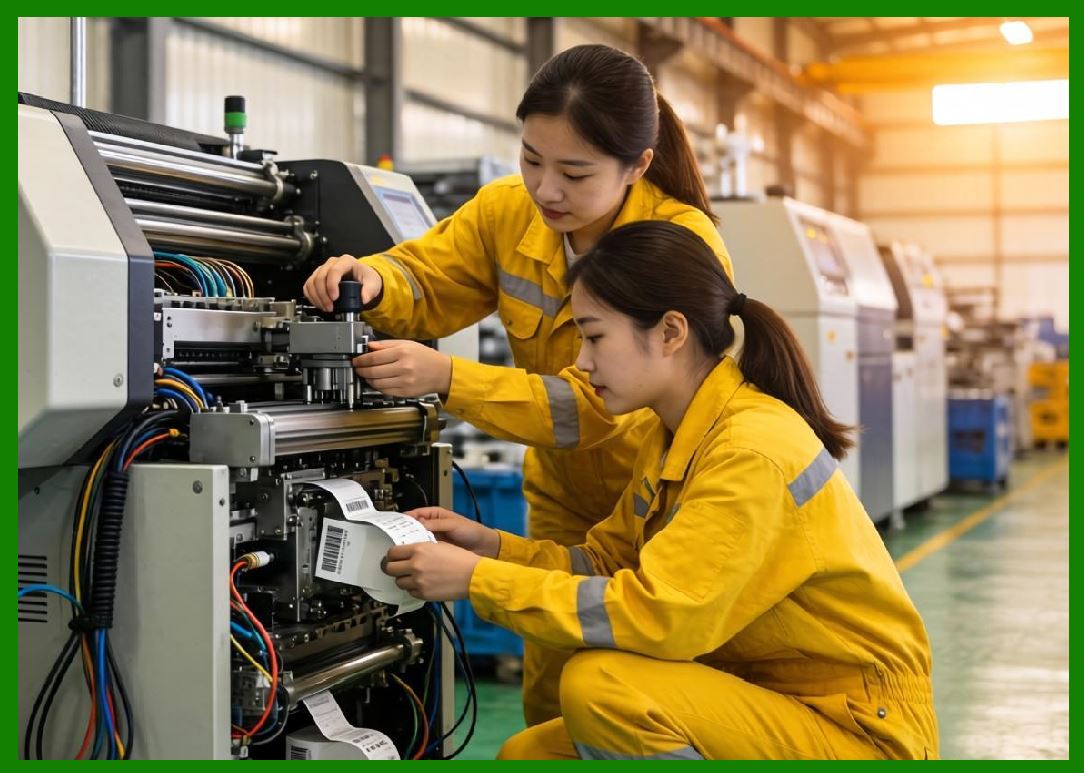
Argox has expanded into RFID-enabled barcode printing systems for smart labeling applications. |
5.2 |
RFID printers integrate thermal printing with embedded chip encoding functionality. |
5.3 |
These systems are used in logistics, retail inventory, and manufacturing tracking. |
5.4 |
RFID encoding requires precise coordination between antenna and chip alignment. |
5.5 |
Argox focuses on entry-level RFID applications suitable for cost-sensitive markets. |
5.6 |
Retail and warehouse environments use RFID for inventory tracking and automation. |
5.7 |
RFID systems improve visibility across supply chain operations. |
5.8 |
Argox continues to develop RFID capabilities for broader adoption. |
|
6. Software Systems and Integration |
6.1 |
Argox provides label design and printer management software for its devices. |
6.2 |
Label design tools support barcode, QR code, and RFID label creation. |
6.3 |
Printer configuration tools allow network and USB device management. |
6.4 |
Integration with ERP systems is supported at a basic enterprise level. |
6.5 |
Cloud printing capabilities are emerging in newer systems. |
6.6 |
Mobile printing applications enable flexible on-site operations. |
6.7 |
SDKs allow integration with third-party logistics and retail systems. |
6.8 |
Argox software focuses on simplicity and usability. |
|
7. Industrial Applications Across Global Markets |
7.1 |
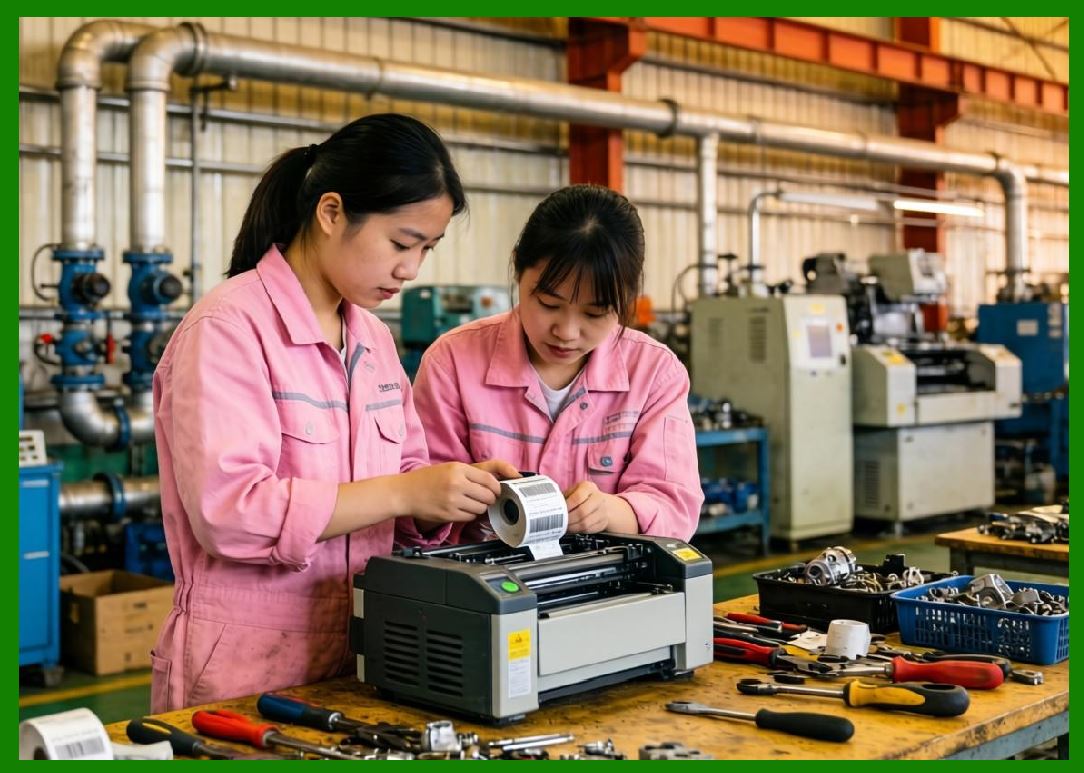
Logistics companies use Argox printers for shipping labels and warehouse tracking. |
7.2 |
Retail businesses use barcode printers for product labeling and inventory management. |
7.3 |
Manufacturing industries use labeling systems for production tracking. |
7.4 |
Healthcare systems use barcode printing for specimen and patient identification. |
7.5 |
E-commerce fulfillment centers rely on Argox for order processing. |
7.6 |
Small businesses use Argox printers for inventory organization. |
7.7 |
Transportation industries use labeling systems for parcel tracking. |
7.8 |
Argox systems are widely used in cost-sensitive global markets. |
|
8. Competitive Positioning and Market Strategy |
8.1 |
Argox competes with Zebra Technologies, Honeywell, SATO, TSC, Brother, BIXOLON, and Toshiba Tec. |
8.2 |
Its primary advantage lies in affordability and cost-performance balance. |
8.3 |
The company targets small and mid-sized enterprises globally. |
8.4 |
Argox benefits from Taiwan strong manufacturing ecosystem. |
8.5 |
It focuses on entry-level industrial barcode printing markets. |
8.6 |
The company emphasizes ease of use and deployment. |
8.7 |
Argox maintains strong presence in emerging markets. |
8.8 |
It remains a value-oriented global barcode printer provider. |
|
9. Future Outlook and Technological Direction |
9.1 |
Argox is expected to expand RFID printing capabilities. |
9.2 |
Cloud-based printing systems will continue to grow. |
9.3 |
Mobile printing adoption will increase in logistics operations. |
9.4 |
AI-assisted printing optimization may be introduced. |
9.5 |
Sustainability initiatives will focus on material efficiency. |
9.6 |
Cybersecurity will become increasingly important in networked printers. |
9.7 |
Integration with e-commerce platforms will expand. |
9.8 |
Argox will continue focusing on cost-efficient barcode printing solutions. |
|
Detailed Technical Content Summary |
This part provided a comprehensive technical and historical overview of Argox Information Co., Ltd. and its role in entry-level and mid-range barcode printing systems. The article examined its origins in Taiwan electronics manufacturing ecosystem and its evolution into a global value-oriented printer manufacturer. |
The discussion covered thermal printing technologies, barcode printer families (OS and IX series), RFID-enabled systems, and software integration tools. Significant attention was given to Argox focus on affordability, simplicity, and emerging market adoption. |
The article also explored software systems, ERP integration, mobile printing, and logistics applications. Applications across logistics, retail, healthcare, manufacturing, and e-commerce industries were analyzed in depth. |
Finally, the article discussed Argox competitive positioning, market strategy, and future direction involving RFID expansion, cloud printing adoption, sustainability initiatives, and next-generation cost-efficient labeling ecosystems. |
 cs@easiersoft.com