Part 39 The History, Engineering Systems, Printing Technologies, and Industrial Labeling Ecosystem of Markem-Imaje |
1. Introduction to Markem-Imaje in Industrial Coding and Labeling |
1.1 |
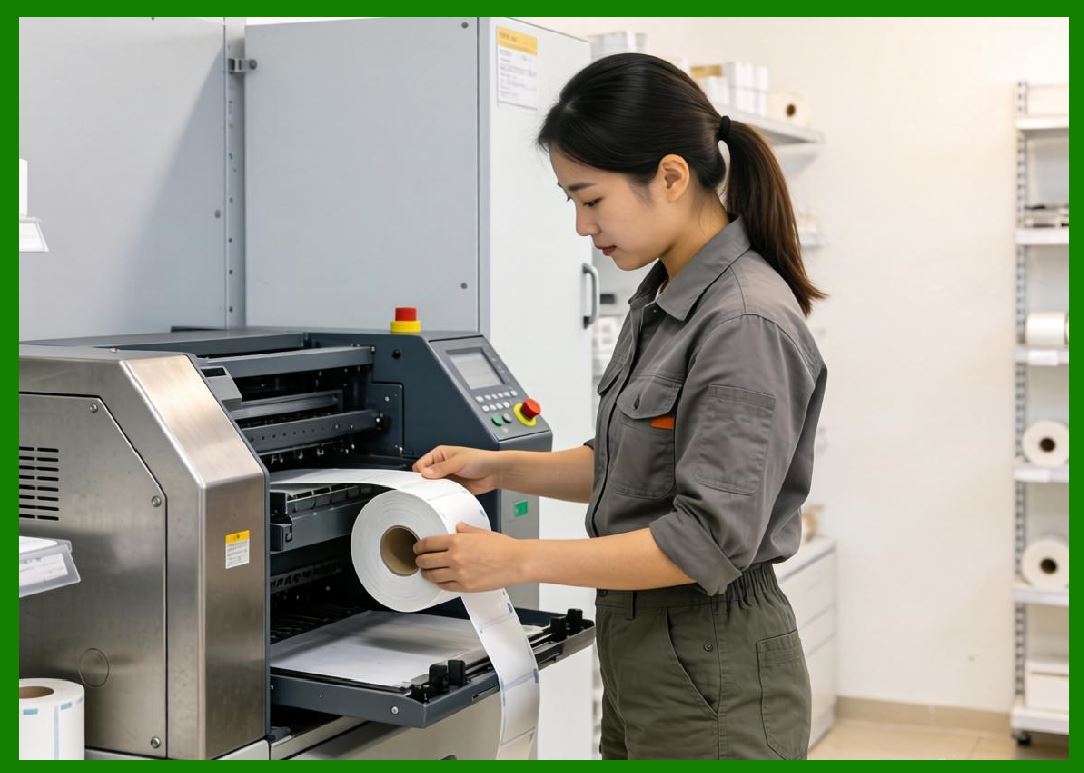
Markem-Imaje is a leading global provider of industrial coding, marking, and traceability systems used to print variable data such as barcodes, batch numbers, expiration dates, and regulatory information directly onto products and packaging. |
1.2 |
Unlike traditional barcode label printer manufacturers, Markem-Imaje specializes in direct product marking technologies, meaning information is printed directly onto materials such as plastic, glass, metal, cartons, and flexible packaging rather than on adhesive labels. |
1.3 |
The company plays a critical role in regulated industries such as food and beverage, pharmaceuticals, cosmetics, electronics, and industrial manufacturing where traceability is mandatory. |
1.4 |
Markem-Imaje systems are widely used in high-speed production lines where thousands of items per minute must be coded accurately and consistently. |
1.5 |
Its technologies integrate printing hardware, consumables (inks and fluids), software, and service systems into a unified traceability ecosystem. |
1.6 |
Today, Markem-Imaje continues to expand into digital coding, cloud traceability, and Industry 4.0 production intelligence systems. |
|
2. Founding History and Corporate Development |
2.1 |
Georges-Antoine Imaje played a key role in the early development of Imaje, one of the predecessor companies that later became part of Markem-Imaje. |
2.2 |
Markem originated in the United States as a company focused on industrial marking systems for packaging and manufacturing industries. |
2.3 |
Imaje was founded in France, specializing in inkjet coding systems for high-speed industrial production. |
2.4 |
The merger of Markem and Imaje created a global leader combining expertise in coding, marking, and traceability systems. |
2.5 |
Over time, the company expanded through acquisitions and global distribution networks across Europe, Asia, and the Americas. |
2.6 |
Markem-Imaje became part of Dover Corporation, strengthening its global industrial automation presence. |
2.7 |
The company evolved from mechanical marking systems to advanced digital inkjet and laser coding technologies. |
2.8 |
Today, it is one of the most important global providers of industrial coding systems. |

|
3. Continuous Inkjet (CIJ) Printing Technology |
3.1 |
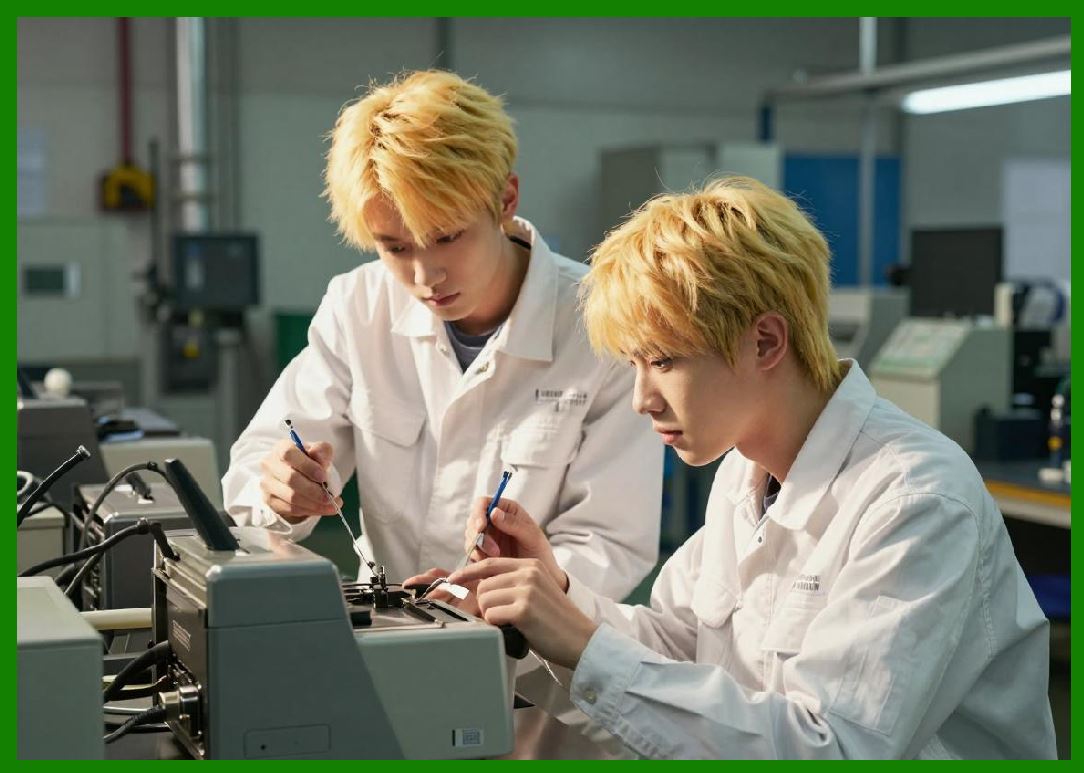
One of the core technologies of Markem-Imaje is Continuous Inkjet (CIJ) printing, widely used for high-speed industrial coding. |
3.2 |
CIJ systems eject tiny droplets of ink continuously, which are electrically charged and deflected to form characters on moving products. |
3.3 |
This technology enables non-contact printing at extremely high production speeds. |
3.4 |
CIJ is widely used in beverage bottling, food packaging, pharmaceutical production, and cable manufacturing. |
3.5 |
The system is capable of printing on curved, uneven, and fast-moving surfaces. |
3.6 |
Ink formulation is critical for adhesion, drying speed, and environmental resistance. |
3.7 |
Maintenance systems are designed for continuous operation with minimal downtime. |
3.8 |
CIJ remains one of the most important industrial marking technologies globally. |
|
4. Thermal Inkjet and Piezoelectric Printing Systems |
4.1 |
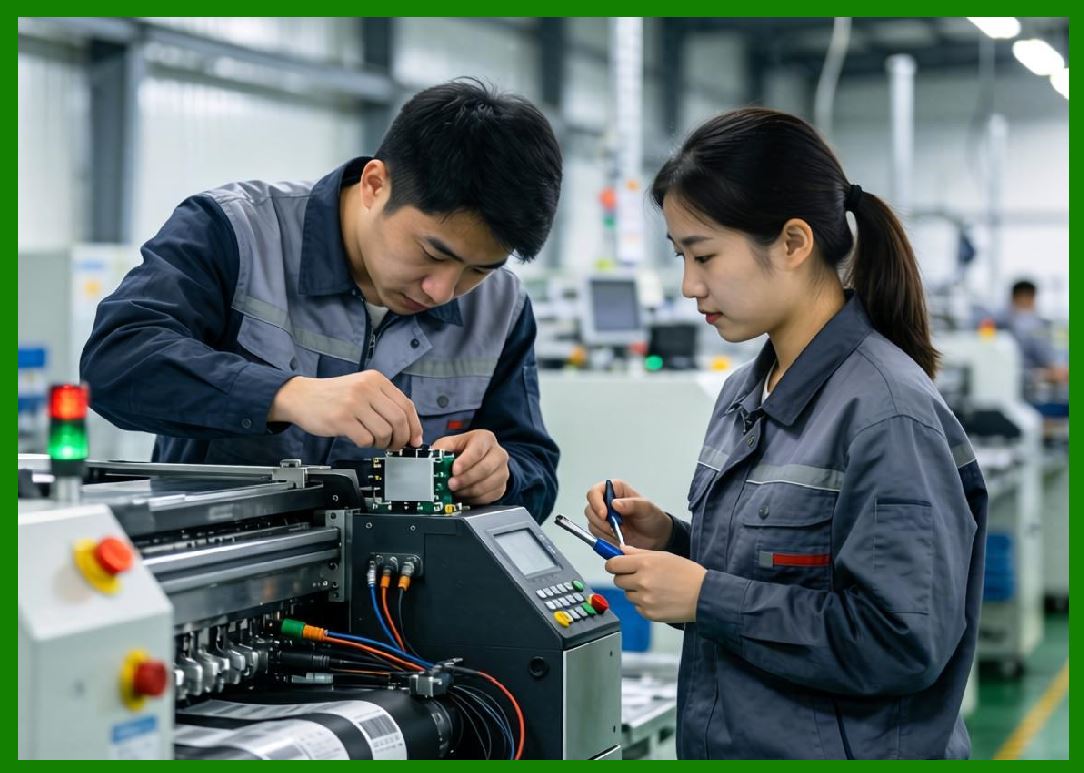
Markem-Imaje also develops thermal inkjet (TIJ) and piezoelectric drop-on-demand printing systems. |
4.2 |
TIJ technology uses heat to create ink bubbles that eject droplets onto surfaces. |
4.3 |
Piezoelectric systems use mechanical deformation to control ink droplet release. |
4.4 |
These technologies are used for high-resolution coding on packaging materials. |
4.5 |
They are particularly useful for QR codes, small barcodes, and high-density text printing. |
4.6 |
These systems are widely used in pharmaceutical and food packaging industries. |
4.7 |
Ink systems are designed for fast drying and strong adhesion. |
4.8 |
These technologies complement CIJ in hybrid production environments. |
|
5. Laser Marking Systems |
5.1 |
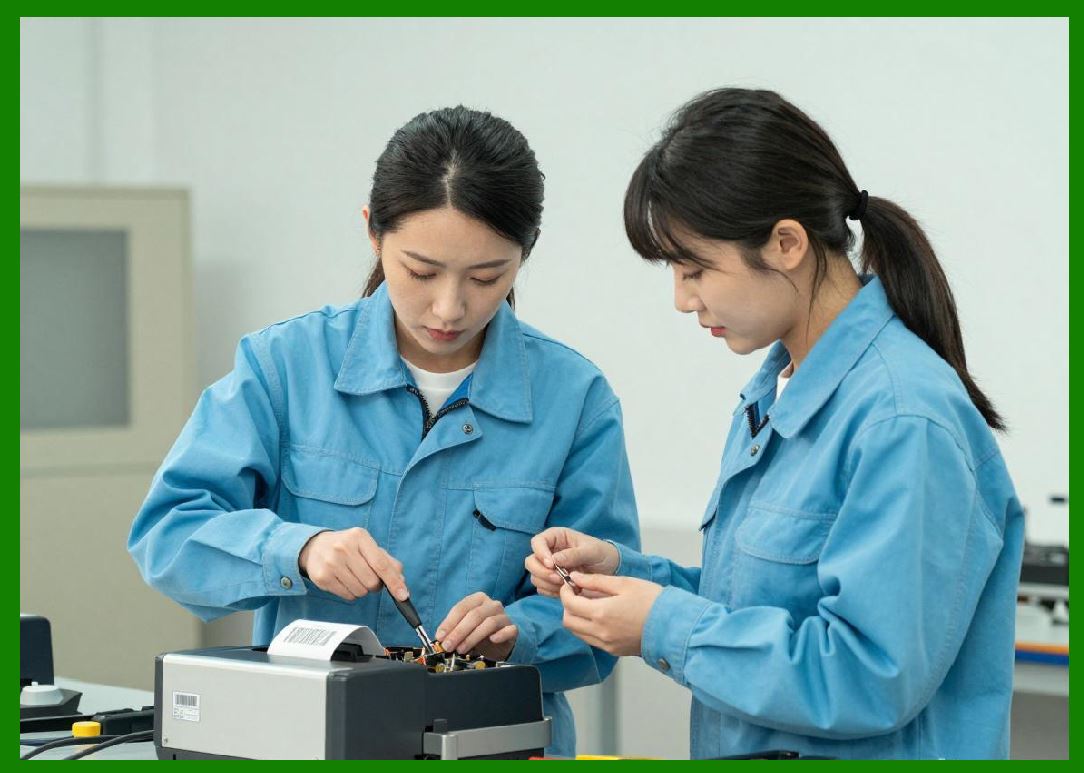
Markem-Imaje provides laser marking systems for permanent product identification. |
5.2 |
Laser systems engrave or etch codes directly onto materials without ink or consumables. |
5.3 |
These systems are widely used in electronics, automotive parts, and medical devices. |
5.4 |
Laser marking provides high durability and resistance to abrasion and chemicals. |
5.5 |
CO2, fiber, and UV laser systems are used depending on material type. |
5.6 |
Laser marking is increasingly used for eco-friendly production systems. |
5.7 |
These systems reduce consumable waste and operational costs. |
5.8 |
Laser technology is a key pillar of modern industrial traceability. |
|
6. Coding and Traceability Software Systems |
6.1 |
Markem-Imaje provides software platforms for production line coding and traceability management. |
6.2 |
Software systems coordinate printing, coding, and data management across production lines. |
6.3 |
Integration with ERP and MES systems enables real-time traceability. |
6.4 |
Batch tracking systems ensure regulatory compliance in food and pharmaceutical industries. |
6.5 |
Cloud-based platforms enable remote monitoring of coding systems. |
6.6 |
Data analytics tools support production optimization and error reduction. |
6.7 |
Cybersecurity systems protect industrial data integrity. |
6.8 |
Software is a central component of Markem-Imaje ecosystem. |
|
7. Industrial Applications Across Global Markets |
7.1 |
Food and beverage industries use Markem-Imaje systems for expiration dates and batch coding. |
7.2 |
Pharmaceutical industries rely on coding systems for regulatory compliance and serialization. |
7.3 |
Cosmetics industries use product marking for traceability and branding. |
7.4 |
Electronics manufacturing uses laser marking for component identification. |
7.5 |
Packaging industries use CIJ systems for high-speed production coding. |
7.6 |
Automotive industries use marking systems for parts traceability. |
7.7 |
Chemical industries use durable coding systems for safety compliance. |
7.8 |
Markem-Imaje systems are critical in global production traceability. |
|
8. Competitive Positioning and Market Strategy |
8.1 |
Markem-Imaje competes with Domino Printing Sciences, Videojet Technologies, Zebra Technologies (in labeling), and other industrial coding providers. |
8.2 |
Its main advantage lies in integrated coding and traceability ecosystems. |
8.3 |
The company focuses on high-speed industrial production environments. |
8.4 |
It benefits from strong global service and support networks. |
8.5 |
Markem-Imaje emphasizes compliance and regulatory industries. |
8.6 |
It differentiates through combined hardware, consumables, and software systems. |
8.7 |
The company maintains a strong leadership position in coding technologies. |
8.8 |
It is a global leader in industrial marking and traceability solutions. |

|
9. Future Outlook and Technological Direction |
9.1 |
Markem-Imaje is expected to expand AI-driven production line optimization systems. |
9.2 |
Digital traceability platforms will continue to grow in importance. |
9.3 |
Laser marking adoption will increase due to sustainability demands. |
9.4 |
Cloud-based coding management systems will expand globally. |
9.5 |
Industry 4.0 integration will enhance real-time production control. |
9.6 |
Cybersecurity will become critical in connected production systems. |
9.7 |
Sustainability initiatives will reduce ink and consumable waste. |
9.8 |
Markem-Imaje will continue leading industrial coding innovation. |

|
Detailed Technical Content Summary |
This part provided a comprehensive technical and historical overview of Markem-Imaje and its role in industrial coding, marking, and traceability systems. The article examined its origins in Markem and Imaje and its evolution into a global leader in direct product marking technologies. |
The discussion covered Continuous Inkjet (CIJ), thermal inkjet, piezoelectric printing, and laser marking systems. Significant attention was given to high-speed production line integration and consumable-based marking ecosystems. |
The article also explored software platforms, ERP/MES integration, traceability systems, and cloud-based production monitoring. Industries such as food, beverage, pharmaceuticals, electronics, packaging, and automotive were analyzed in depth. |
Finally, the article discussed Markem-Imaje competitive positioning, ecosystem strategy, and future direction involving AI-driven production optimization, laser expansion, sustainability initiatives, cloud traceability, and next-generation industrial coding systems. |
 cs@easiersoft.com