Part 4 The History, Technologies, Product Lines, and Industrial Innovations of TSC Auto ID Technology |
1. Introduction to TSC Auto ID Technology |
1.1 |
TSC Auto ID Technology is one of the world most influential manufacturers of barcode label printers and automatic identification systems. The company became internationally recognized for producing reliable, cost-effective, and highly durable thermal barcode printers serving industrial, commercial, healthcare, logistics, retail, and manufacturing industries worldwide. |
1.2 |
Unlike some earlier barcode printer manufacturers that originated primarily in North America or Japan, TSC emerged from Taiwan rapidly expanding electronics and precision manufacturing sector. Taiwan became an important global center for electronics engineering, semiconductor manufacturing, industrial automation, and computer hardware production during the late twentieth century. TSC benefited significantly from this industrial environment. |

|
1.3 |
TSC developed a strong reputation for balancing performance, reliability, affordability, and manufacturing efficiency. This combination allowed the company to compete successfully against much larger international firms while establishing strong market positions across Asia, Europe, North America, and developing industrial economies. |
1.4 |
Over time, TSC expanded from relatively straightforward barcode printing systems into a broad portfolio including industrial barcode printers, desktop printers, mobile printers, RFID printers, print engines, healthcare labeling systems, linerless printers, enterprise software platforms, and intelligent printing management systems. |

|
1.5 |
The company also became known for engineering flexibility and broad compatibility. Many TSC printers support multiple printer emulation languages and are designed to integrate easily into existing enterprise infrastructures. This compatibility became an important competitive advantage in industries where businesses often operate mixed printer environments. |
1.6 |
Today, TSC is considered one of the largest and most respected thermal barcode printer manufacturers in the world. Its products are used extensively in warehousing, transportation, e-commerce, electronics manufacturing, pharmaceuticals, hospitals, food production, retail logistics, and industrial automation systems. |
|
2. Founding History and Corporate Development |
2.1 |
TSC Auto ID Technology was founded in Taiwan in 1991. The company emerged during a period when barcode technology adoption was accelerating rapidly across global supply chains. During the late 1980s and early 1990s, manufacturing automation, retail barcode scanning, and warehouse management systems were expanding worldwide. |
2.2 |
Taiwan electronics manufacturing ecosystem played a crucial role in TSC development. The country already possessed strong expertise in precision mechanical engineering, electronic component manufacturing, semiconductor production, and computer hardware design. These industrial capabilities created favorable conditions for advanced printer manufacturing. |
2.3 |
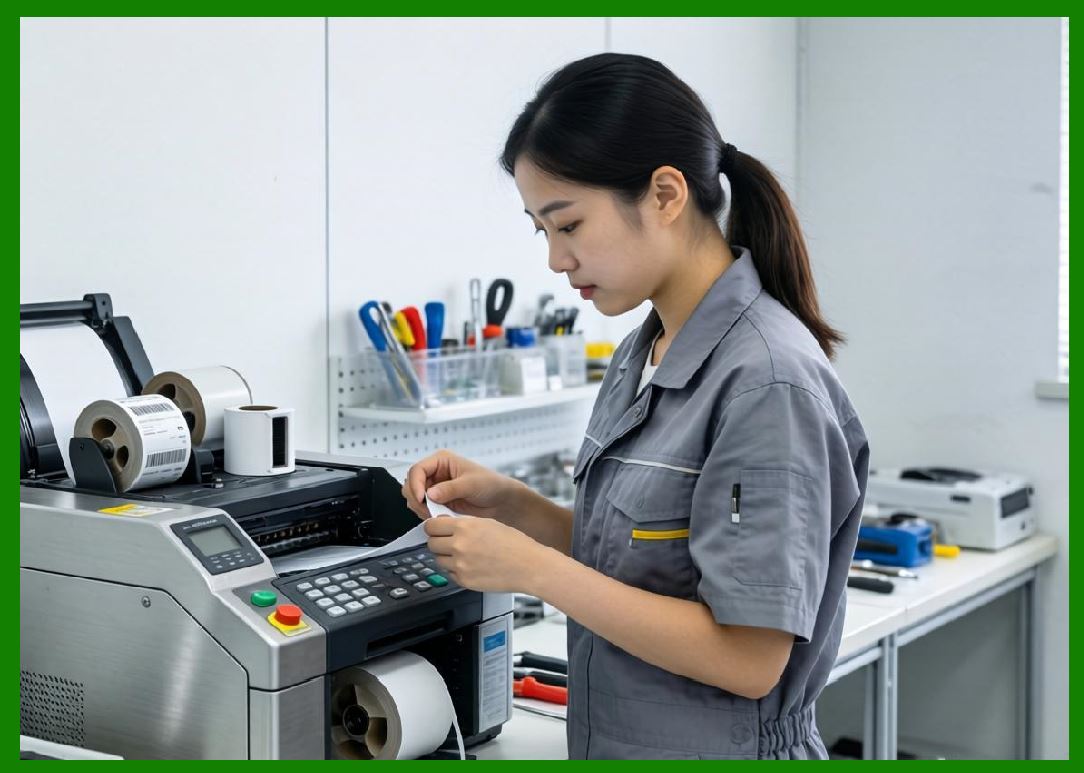
From the beginning, TSC focused heavily on thermal barcode printing technologies. The company recognized that thermal printing would remain the dominant method for industrial barcode production because of its reliability, low maintenance requirements, and excellent barcode quality. |
2.4 |
During its early years, TSC concentrated on producing durable industrial barcode printers capable of competing with established international manufacturers. The company emphasized solid engineering, dependable operation, competitive pricing, and manufacturing efficiency. |

|
2.5 |
One of TSC strategic advantages involved its strong manufacturing capabilities. Taiwan supply chain infrastructure enabled TSC to produce high-quality industrial hardware efficiently while maintaining strong cost competitiveness. |
2.6 |
As the barcode printer market expanded globally, TSC steadily broadened its product portfolio and international distribution network. The company established reseller partnerships, technical support systems, and regional operations across multiple countries. |
2.7 |
Over time, TSC expanded beyond simple printer manufacturing into integrated automatic identification solutions involving RFID systems, printer management software, mobile printing, enterprise integration tools, and industrial automation technologies. |
2.8 |
The company later strengthened its market position further through acquisitions and partnerships that expanded its technological capabilities and global customer base. |
|
3. Thermal Printing Technologies and Engineering Philosophy |
3.1 |
TSC core technological foundation is based on thermal barcode printing. Like other leading industrial printer manufacturers, TSC developed expertise in both direct thermal and thermal transfer printing systems. |
3.2 |
Direct thermal printing systems are commonly used for temporary labels such as shipping labels, logistics labels, retail receipts, warehouse tracking labels, and food packaging identification. TSC optimized these systems for operational simplicity, speed, and reliability. |
3.3 |
Thermal transfer printing became especially important for industrial customers requiring long-lasting labels resistant to abrasion, chemicals, moisture, ultraviolet light, and temperature extremes. TSC developed thermal transfer systems supporting numerous ribbon types and specialty label materials. |
3.4 |
The company invested heavily in printhead engineering and thermal management technologies. Thermal barcode printers depend critically on precise heating control because even small distortions in barcode geometry can affect scanner readability. |
|
3.5 |
TSC engineers focused extensively on media transport precision. Industrial labeling systems often require exact label positioning, especially when integrated into automated production lines or print-and-apply systems. The company developed advanced motor control systems, sensor technologies, and alignment mechanisms to improve accuracy. |
3.6 |
Another important aspect of TSC engineering philosophy involved durability and reliability. Many TSC industrial printers incorporate metal chassis construction, industrial-grade motors, rugged electronics, and reinforced media handling systems designed for continuous operation. |
3.7 |
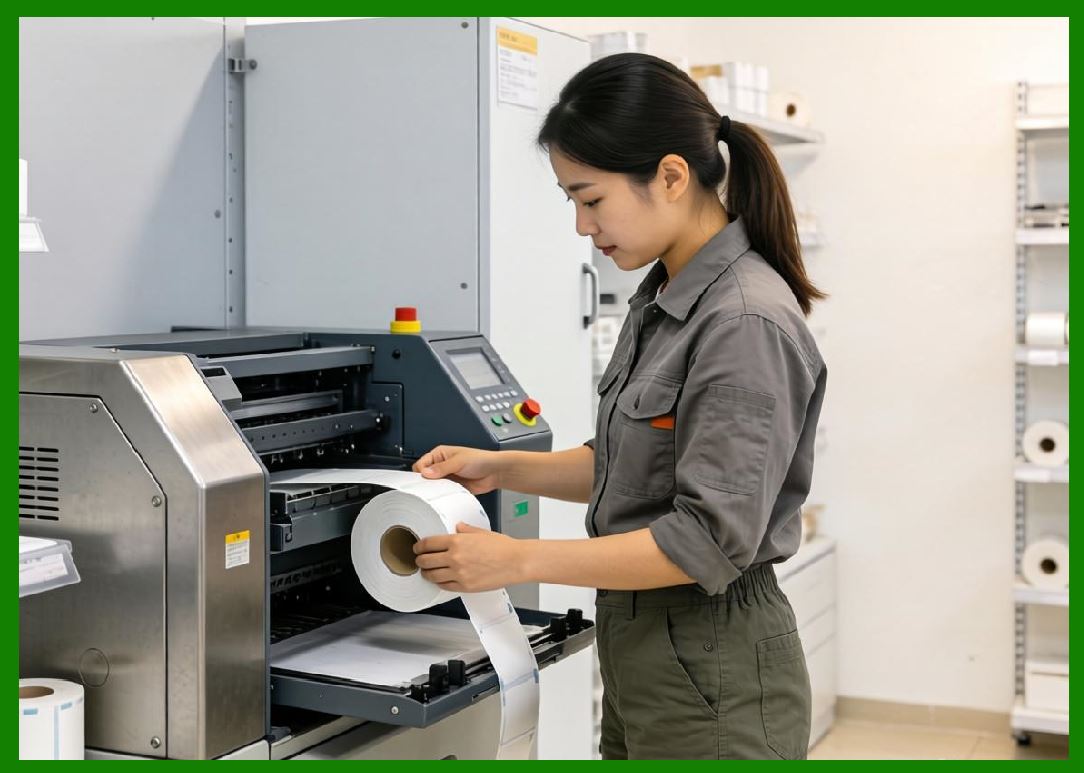
Ease of maintenance also became a major design consideration. TSC printers often feature user-friendly ribbon loading systems, simplified printhead replacement procedures, tool-free maintenance access, and intuitive calibration routines. |
3.8 |
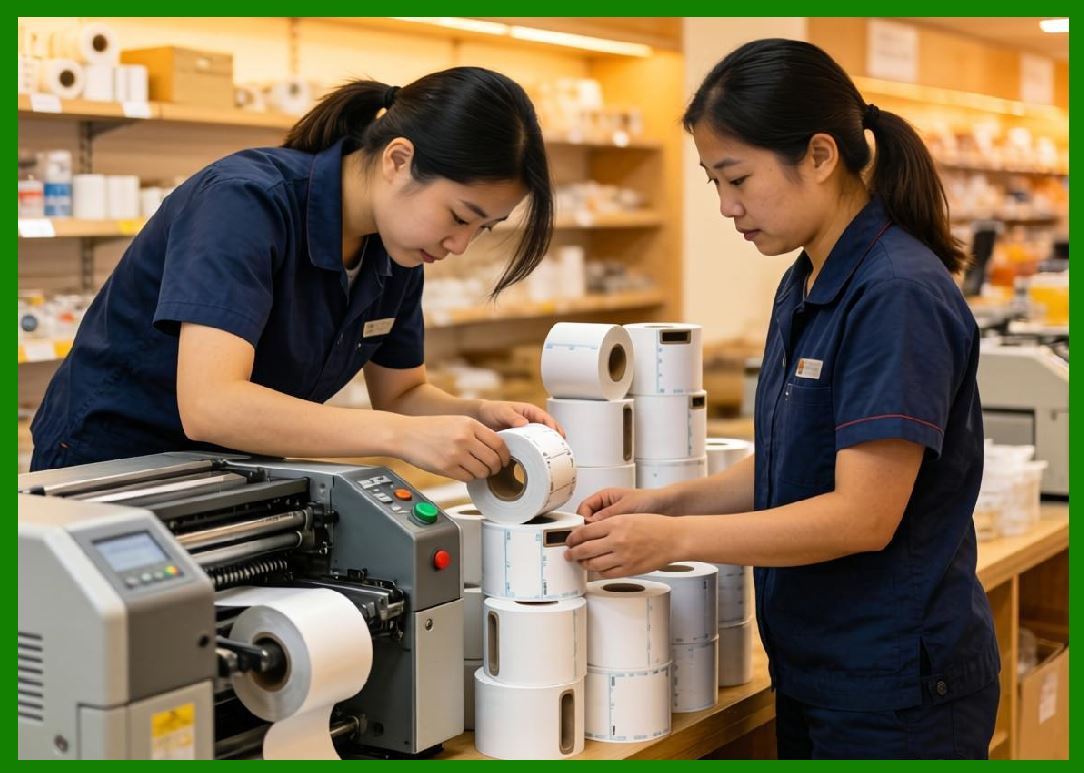
The company additionally emphasized flexible media compatibility. TSC printers support paper labels, synthetic labels, wristbands, tags, shrink tubing, RFID labels, receipts, linerless materials, and numerous specialty industrial media types. |
|
4. TSC Printer Product Categories |
4.1 |
TSC developed a broad range of barcode printer categories addressing diverse industrial and commercial applications. These include industrial printers, desktop printers, mobile printers, RFID printers, print engines, healthcare printers, and specialty labeling systems. |
4.2 |
Industrial barcode printers became one of TSC strongest product categories. These systems are designed for warehouses, manufacturing facilities, transportation hubs, and distribution centers requiring high-duty-cycle operation and continuous reliability. |
4.3 |
The MH series became one of TSC most important industrial printer families. These printers offer advanced connectivity, touchscreen interfaces, powerful processors, industrial durability, and enterprise management capabilities. The MH series supports demanding industrial workflows involving large-volume label generation. |
4.4 |
The MX series represented another major industrial product line emphasizing rugged construction and high-performance printing. These printers became widely used in manufacturing and logistics operations requiring long-term operational reliability. |

|
4.5 |
Desktop printer systems such as the DA series and TE series targeted small businesses, retail operations, healthcare clinics, and office environments. These printers emphasized affordability, compact size, easy deployment, and user-friendly operation. |
4.6 |
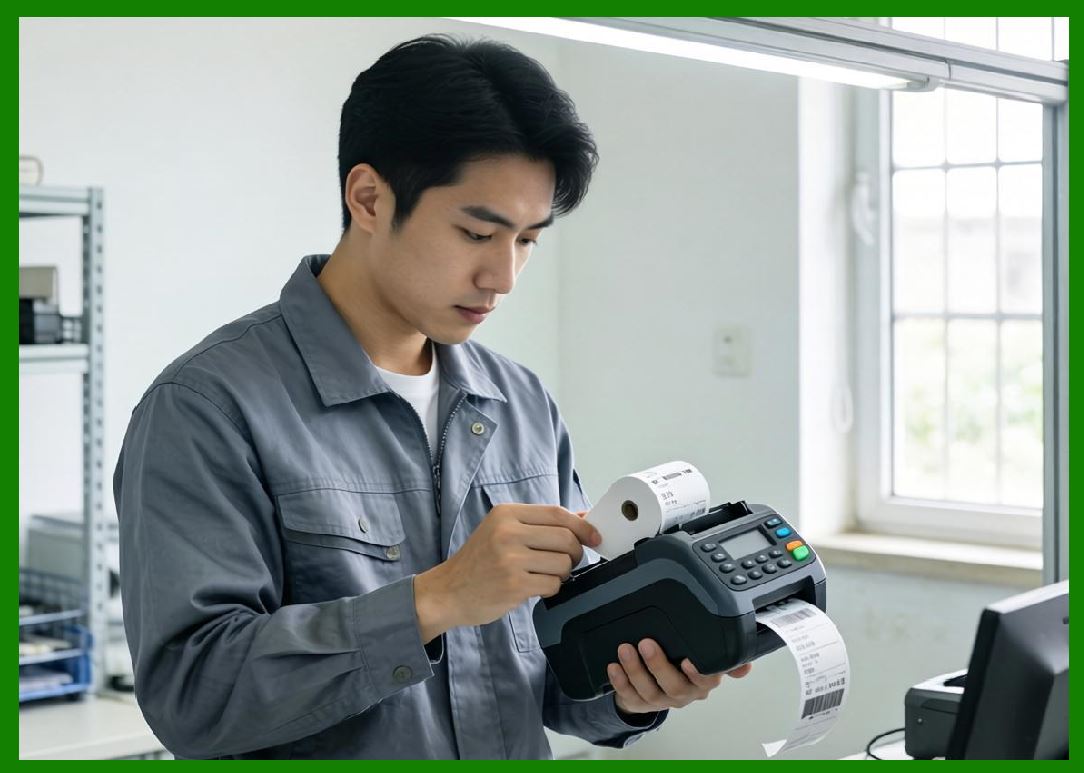
TSC also developed mobile barcode printers supporting wireless operation in warehouses, retail stores, transportation fleets, healthcare environments, and field service operations. These portable systems use rechargeable batteries and wireless communication technologies. |
4.7 |
Print engine systems represented another important product category. OEM print engines are designed for integration into automated packaging systems, industrial labeling equipment, and production line automation infrastructure. |
4.8 |
Healthcare-focused printer models were optimized for patient identification, specimen labeling, pharmacy workflows, and hospital asset management systems. These systems often included antimicrobial housings and support for disinfectant-resistant operation. |
|
5. High-Performance Industrial Printer Technologies |
5.1 |
TSC became especially respected for its industrial printer engineering. Industrial barcode printers must operate reliably under harsh environmental conditions involving dust, vibration, humidity, temperature variation, and continuous production demands. |
5.2 |
The company introduced heavy-duty metal-frame printer architectures designed to withstand demanding industrial environments. These systems incorporated reinforced structural designs, industrial-grade power supplies, and long-life mechanical components. |
5.3 |
Print speed optimization represented another major engineering focus. High-volume logistics centers and manufacturing facilities often require thousands of labels per hour. TSC engineers worked extensively on balancing print speed with barcode precision and thermal stability. |
5.4 |
The company developed sophisticated media sensing systems supporting gap labels, black mark labels, continuous media, reflective sensing, transmissive sensing, and specialized industrial materials. Accurate sensing improves print alignment and reduces operational errors. |

|
5.5 |
TSC also emphasized high-capacity media handling. Many industrial printers support large-diameter label rolls and long ribbon capacities to reduce operator intervention and maximize uptime during extended production runs. |
5.6 |
Advanced memory architectures and embedded processing systems enabled TSC printers to handle large graphics, complex label templates, serialized data, and real-time variable information efficiently. |
5.7 |
The company further improved user interaction through touchscreen interfaces, multilingual menu systems, remote diagnostics, web-based configuration tools, and centralized fleet management software. |
5.8 |
Many TSC industrial printers additionally support extensive connectivity options including Ethernet, USB, Wi-Fi, Bluetooth, serial communication, GPIO industrial interfaces, and cloud integration capabilities. |

|
6. Printer Languages and Enterprise Compatibility |
6.1 |
Enterprise software integration became a major strategic priority for TSC. Businesses operating large printer fleets require standardized communication methods allowing ERP systems, warehouse management platforms, and shipping software to control label generation automatically. |
6.2 |
TSC printers support TSPL, or TSC Printer Language, which enables flexible barcode formatting, variable data handling, graphics rendering, serialization, and industrial automation control. |
6.3 |
One of TSC major competitive advantages involved broad emulation compatibility. Many TSC printers support emulation modes for widely used printer languages such as ZPL and EPL. This compatibility simplified migration from competing printer brands. |
6.4 |
The company recognized that enterprise customers often hesitate to replace printer infrastructures because existing software systems may depend heavily on specific printer command languages. By supporting emulation compatibility, TSC reduced deployment barriers. |
|
6.5 |
Networking and remote management capabilities also became increasingly important. Modern TSC printers support centralized printer fleet management, remote firmware upgrades, diagnostics, configuration deployment, and operational monitoring. |
6.6 |
The company introduced software development kits, printer drivers, APIs, and middleware integration tools supporting Windows, Linux, mobile platforms, and cloud-based enterprise systems. |
6.7 |
Cloud printing infrastructure became another major development area. TSC increasingly supports remote management platforms enabling global organizations to monitor distributed printer fleets across multiple facilities and countries. |
6.8 |
The company also invested in cybersecurity features including secure communication protocols, authentication systems, firmware protection, and network access management capabilities. |

|
7. RFID Printer Technologies and Smart Labeling |
7.1 |
TSC recognized early that RFID technology would become increasingly important in logistics, retail, healthcare, and manufacturing environments. The company therefore invested heavily in RFID printer development. |
7.2 |
RFID printer-encoders combine thermal barcode printing and RFID chip programming within a single integrated device. These systems simultaneously print visible label information while encoding embedded RFID transponders. |
7.3 |
RFID printing presents substantial technical challenges because precise synchronization is required between media movement, print positioning, RFID antenna alignment, and radio-frequency communication. |
7.4 |
TSC developed industrial RFID printer systems supporting UHF RFID encoding, EPC standards compliance, serialization workflows, and enterprise inventory management systems. |

|
7.5 |
The company also implemented RFID verification systems capable of detecting improperly encoded tags automatically. Faulty labels could be marked or rejected before entering operational workflows. |
7.6 |
Retail apparel became one of the major RFID application sectors for TSC printers. RFID-enabled inventory systems improved stock accuracy, reduced manual counting labor, and enhanced omnichannel retail operations. |
7.7 |
Warehouse automation systems also increasingly adopted RFID technologies for pallet tracking, asset visibility, shipment verification, and automated inventory management. |
7.8 |
TSC continues integrating RFID systems with cloud-based analytics, industrial IoT platforms, and intelligent supply chain visibility technologies. |

|
8. Acquisition of Printronix Auto ID |
8.1 |
One of the most important milestones in TSC corporate expansion occurred when the company acquired the enterprise business of Printronix Auto ID. |
8.2 |
Printronix had long been respected for industrial printing technologies, especially in high-volume enterprise environments. By acquiring Printronix Auto ID, TSC significantly expanded its global customer base, industrial expertise, and product portfolio. |
8.3 |
The acquisition strengthened TSC presence in North America and Europe while enhancing its enterprise credibility among large industrial customers. |
8.4 |
Printronix technologies complemented TSC existing product lines, particularly in rugged industrial printing, logistics labeling, and warehouse automation systems. |

|
8.5 |
The acquisition also enabled TSC to expand its engineering capabilities, software ecosystems, and global support infrastructure. |
8.6 |
Following the acquisition, TSC continued operating multiple product families while integrating technologies and organizational capabilities across the combined business operations. |
8.7 |
This strategic expansion demonstrated TSC long-term ambition to compete directly with the world largest enterprise barcode printer manufacturers. |
8.8 |
The acquisition further accelerated TSC transition from a regional printer manufacturer into a globally recognized enterprise identification technology provider. |

|
9. Applications Across Major Industries |
9.1 |
TSC barcode printers became widely used throughout logistics and warehousing industries. Distribution centers use TSC systems for carton labels, shipping labels, pallet identification, shelf labeling, and inventory tracking. |
9.2 |
Manufacturing industries rely heavily on TSC printers for product serialization, compliance labeling, component traceability, work-in-progress tracking, and quality control workflows. |
9.3 |
Healthcare applications include patient wristbands, specimen labeling, pharmacy operations, medical device tracking, and laboratory identification systems. |
9.4 |
Retail businesses use TSC printers for shelf pricing, RFID inventory labels, shipping operations, receipts, loyalty systems, and omnichannel fulfillment. |
9.5 |
Transportation and courier companies employ TSC systems for route labeling, proof-of-delivery documentation, freight management, baggage tracking, and warehouse automation. |

|
9.6 |
Food production industries use TSC printers for expiration dates, ingredient labeling, allergen warnings, cold chain tracking, and regulatory compliance identification. |
9.7 |
Electronics manufacturers frequently use high-resolution TSC printers for circuit board labeling, semiconductor packaging, miniature component identification, and product serialization. |
9.8 |
Government agencies, defense contractors, laboratories, and industrial automation facilities also utilize TSC systems extensively. |

|
10. Future Development Directions and Industry Strategy |
10.1 |
TSC continues investing heavily in Industry 4.0 technologies, smart manufacturing infrastructure, and intelligent supply chain automation systems. |
10.2 |
The company increasingly focuses on cloud-based printer management, IoT connectivity, predictive maintenance, and enterprise analytics integration. |
10.3 |
RFID technologies remain a major strategic growth area. TSC is expected to continue enhancing RFID encoding performance, real-time asset visibility integration, and automated warehouse support systems. |
10.4 |
Artificial intelligence may play a growing role in future TSC systems. AI-assisted diagnostics, predictive maintenance, automated calibration, and print quality analysis could improve operational efficiency significantly. |

|
10.5 |
Sustainability has also become increasingly important. TSC continues researching energy-efficient printer architectures, recyclable labeling materials, linerless printing systems, and reduced-waste operational technologies. |
10.6 |
Cybersecurity remains another strategic priority because network-connected industrial printers increasingly function as enterprise IoT devices. Secure firmware systems, encrypted communications, and authentication controls are becoming essential. |
10.7 |
The company is also expected to continue expanding its global market presence, enterprise partnerships, and industrial automation integrations. |
10.8 |
As e-commerce, smart logistics, industrial traceability, and RFID adoption continue expanding worldwide, TSC Auto ID Technology is likely to remain one of the world most important barcode and RFID printer manufacturers. |

|
Detailed Technical Content Summary |
This part provided a detailed technical and historical analysis of TSC Auto ID Technology, one of the world leading thermal barcode printer manufacturers. The article examined the company founding in Taiwan, its development within Taiwan electronics manufacturing ecosystem, and its emergence as a major global competitor in barcode printing technologies. |
The discussion explored TSC thermal printing technologies, industrial engineering philosophy, printhead systems, media transport mechanisms, and high-reliability industrial printer architectures. Major product categories were analyzed, including industrial printers, desktop printers, mobile systems, healthcare printers, OEM print engines, and RFID-enabled barcode printers. |
The article also explained TSC printer languages, enterprise integration systems, printer emulation compatibility, cloud management infrastructure, and cybersecurity features. Significant attention was given to TSC RFID printer technologies and smart labeling systems. |
Additionally, the article discussed TSC acquisition of Printronix Auto ID and its strategic importance in expanding TSC enterprise market position. Finally, the article examined TSC applications across logistics, manufacturing, healthcare, retail, transportation, food production, and electronics industries, along with future directions involving AI, Industry 4.0, IoT integration, sustainability, RFID expansion, and intelligent automation. |
 cs@easiersoft.com