Part 42 The History, Engineering Systems, Printing Technologies, and Industrial Labeling Ecosystem of Brother Industries, Ltd. (Barcode Labeling & Industrial Printing Division) |
1. Introduction to Brother in Barcode and Label Printing Systems |
1.1 |
Brother Industries, Ltd. is a diversified Japanese manufacturer known worldwide for printers, sewing machines, and industrial labeling systems. Within the barcode and label printing industry, Brother is especially recognized for its compact label printers and office-to-light-industrial labeling solutions. |
1.2 |
Unlike heavy industrial printing companies such as Zebra or SATO, Brother has built a strong presence in desktop, office, mobile, and small business labeling markets, where ease of use and compact design are critical. |
|
1.3 |
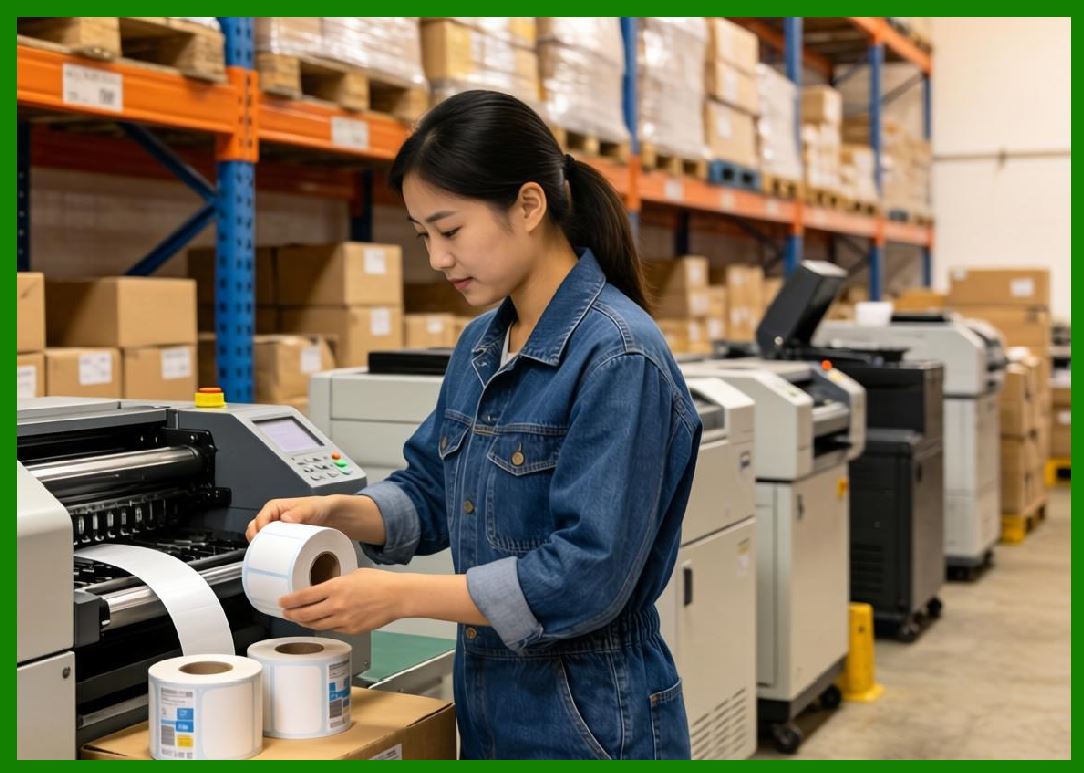
Brother labeling systems are widely used in offices, retail stores, healthcare facilities, warehouses, and small manufacturing environments. |
1.4 |
The company is known for integrating consumer-friendly design with professional barcode printing capabilities. |
1.5 |
Its systems support a wide range of labeling formats including QR codes, Data Matrix, and GS1-compliant barcodes. |
1.6 |
Today, Brother continues to expand into mobile printing, cloud labeling, and smart office automation systems. |
|
2. Founding History and Corporate Development |
2.1 |
Kanekichi Yasui established the company original foundation in 1908 in Japan, focusing on sewing machine repair and manufacturing. |
2.2 |
The company later evolved into Brother Industries, expanding into typewriters, printers, and industrial equipment. |
2.3 |
Brother entered the printing industry in the late 20th century, initially focusing on typewriters and dot matrix printers. |
2.4 |
As barcode technology became widespread, Brother expanded into label printers and portable labeling devices. |
2.5 |
The company leveraged its expertise in precision mechanical engineering and electronics manufacturing. |
2.6 |
Brother developed a strong global distribution network, particularly in office and SMB markets. |
2.7 |
It became a key provider of compact labeling solutions worldwide. |
2.8 |
Today, Brother is a global leader in office, mobile, and light-industrial printing systems. |
|
3. Thermal Printing Technologies and Engineering Systems |
3.1 |
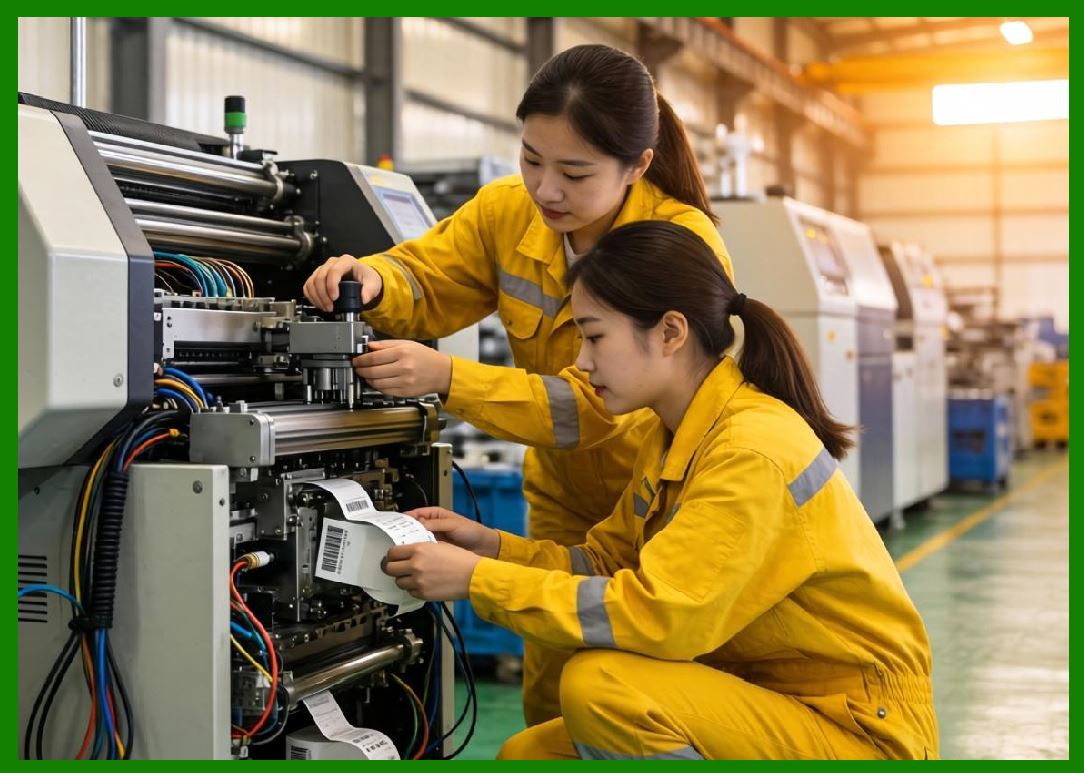
Brother barcode label printers are based primarily on direct thermal printing and thermal transfer printing technologies. |
3.2 |
Direct thermal printing is widely used for short-term labels such as shipping, receipts, and retail tags. |
3.3 |
Thermal transfer printing is used for more durable labels requiring resistance to heat, moisture, and abrasion. |
3.4 |
Brother engineering emphasizes compact design, low noise, and energy efficiency. |
3.5 |
Printhead systems are optimized for small to medium-scale industrial workloads. |
3.6 |
Media handling systems are designed for user-friendly operation and minimal maintenance. |
3.7 |
Thermal control systems ensure consistent barcode readability and print stability. |
3.8 |
Brother printers are known for simplicity and reliability in office environments. |
|
4. Label Printer Product Families |
4.1 |
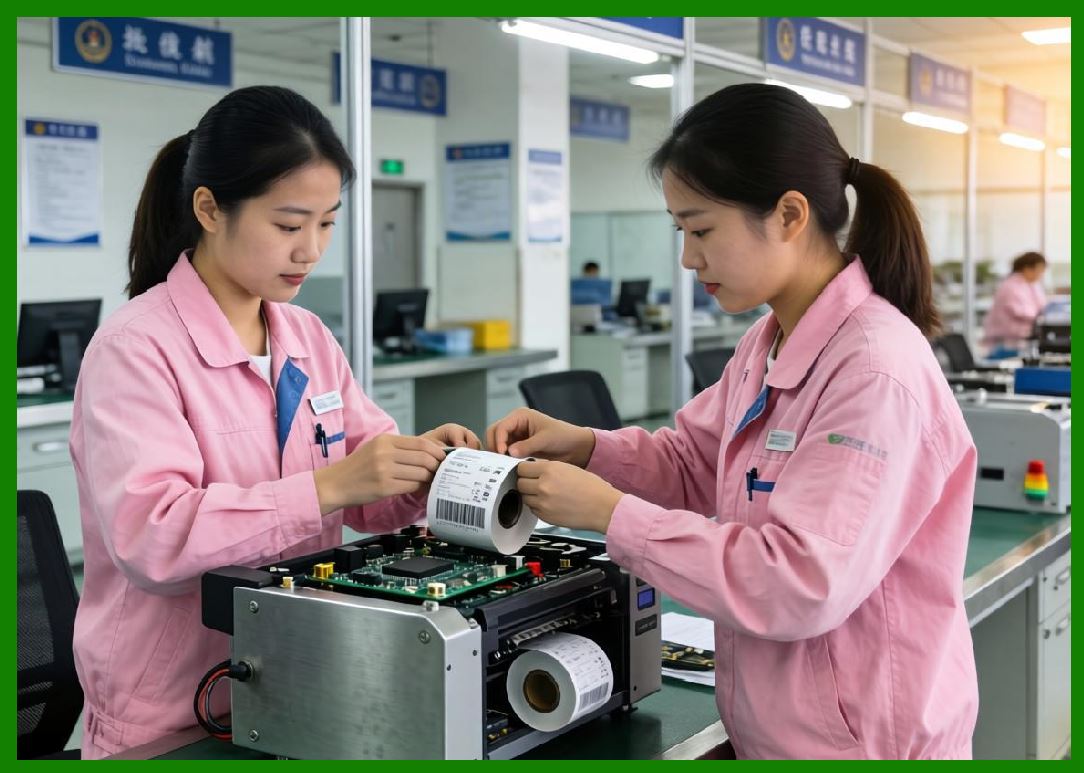
Brother offers a wide range of label printers including desktop, mobile, and industrial-grade systems. |
4.2 |
The P-touch series is widely used for office and personal labeling applications. |
4.3 |
The TD series supports desktop thermal printing for shipping and retail environments. |
4.4 |
Mobile label printers support field operations, logistics, and retail workflows. |
4.5 |
Industrial label printers are designed for warehouse and light manufacturing environments. |
4.6 |
Devices support barcode standards such as QR Code, Data Matrix, and GS1 formats. |
4.7 |
Brother printers integrate easily with office software and business applications. |
4.8 |
The product line focuses on accessibility and ease of use. |
|
5. RFID Printing and Smart Labeling Systems |
5.1 |
Brother has gradually expanded into RFID-enabled printing systems for enterprise labeling. |
5.2 |
RFID printers combine thermal printing with chip encoding capabilities for smart labels. |
5.3 |
These systems are used in logistics, healthcare, and retail inventory tracking. |
5.4 |
RFID encoding requires precise synchronization between antenna and chip programming. |
5.5 |
Brother focuses on entry-level and mid-range RFID applications. |
5.6 |
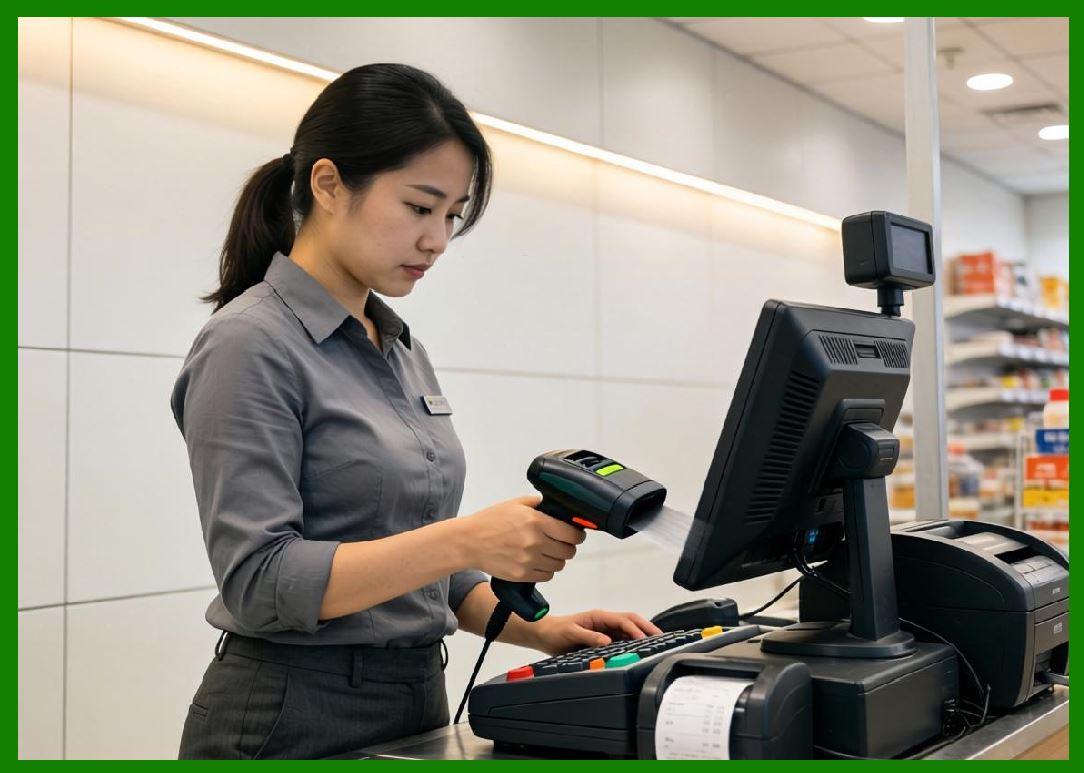
Retail and warehouse systems use RFID for inventory automation and visibility. |
5.7 |
RFID improves operational efficiency and reduces manual scanning errors. |
5.8 |
Brother continues to expand RFID capabilities across its product ecosystem. |
|
6. Software Systems and Office Integration |
6.1 |
Brother provides label design and printer management software for its devices. |
6.2 |
Software tools allow users to create barcode labels, QR codes, and shipping labels easily. |
6.3 |
Integration with Microsoft Office and enterprise systems is a major strength. |
6.4 |
Cloud printing services are increasingly supported for distributed work environments. |
6.5 |
Mobile applications allow users to design and print labels from smartphones. |
6.6 |
Printer drivers are optimized for Windows, macOS, and mobile platforms. |
6.7 |
SDKs enable integration into logistics and retail software systems. |
6.8 |
Brother software emphasizes usability and accessibility. |
|
7. Industrial Applications Across Global Markets |
7.1 |
Office environments use Brother label printers for file and asset labeling. |
7.2 |
Retail industries use barcode printers for pricing and inventory labels. |
7.3 |
Healthcare systems use labeling for specimen tracking and patient identification. |
7.4 |
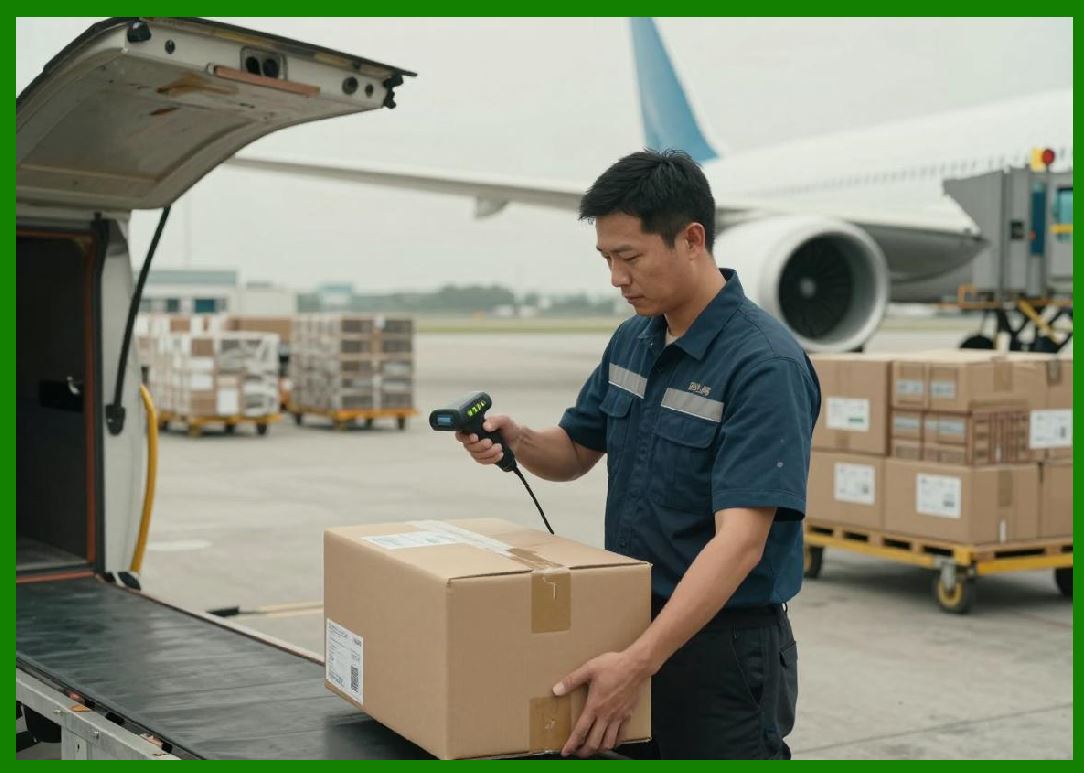
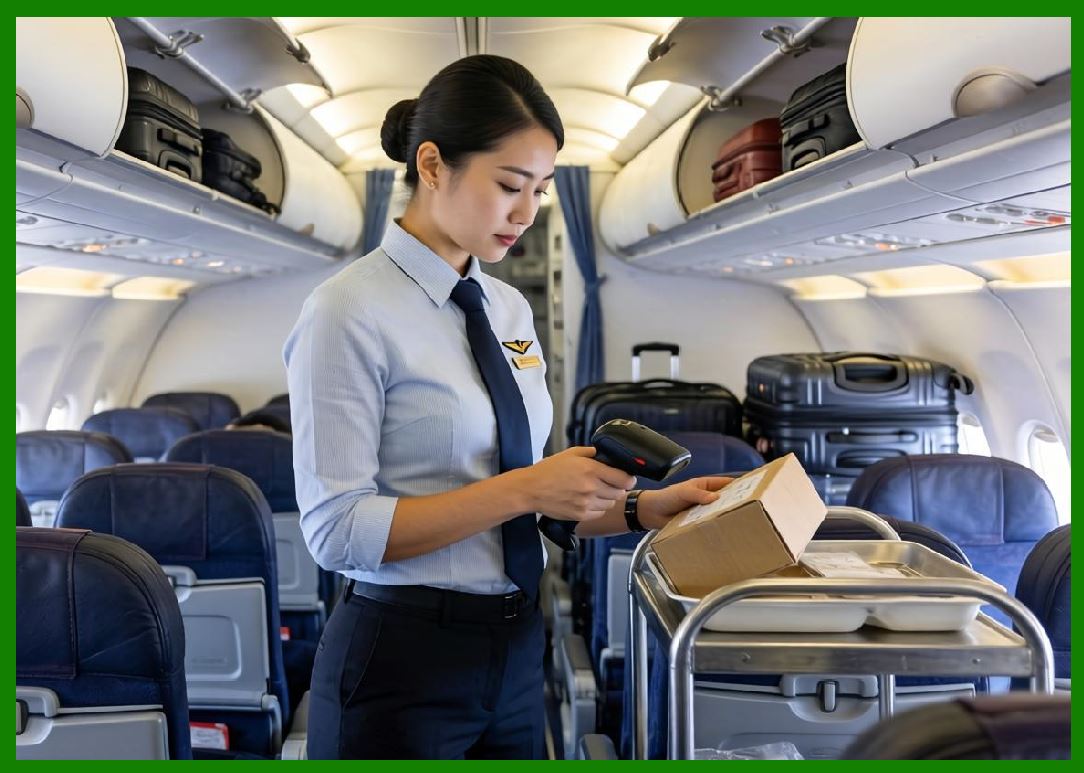
Logistics industries use Brother printers for shipping and warehouse labels. |
7.5 |
Small manufacturing businesses use labeling systems for product identification. |
7.6 |
Education and administrative institutions use labeling for organization. |
7.7 |
E-commerce businesses rely on Brother printers for order fulfillment. |
7.8 |
Brother systems are widely used in SMB and office environments globally. |
|
8. Competitive Positioning and Market Strategy |
8.1 |
Brother competes with Zebra Technologies, Honeywell, TSC, BIXOLON, and Godex. |
8.2 |
Its main advantage lies in ease of use and compact design. |
8.3 |
The company targets SMB, office, and light industrial markets. |
8.4 |
Brother benefits from strong global brand recognition in office equipment. |
8.5 |
It emphasizes user-friendly design and low operational complexity. |
8.6 |
The company integrates printing with office workflow ecosystems. |
8.7 |
Brother maintains strong presence in desktop and mobile labeling segments. |
8.8 |
It remains a global leader in accessible barcode printing solutions. |
|
9. Future Outlook and Technological Direction |
9.1 |
Brother is expected to expand cloud-based labeling services. |
9.2 |
Mobile printing adoption will continue to increase. |
9.3 |
AI-assisted label design tools may emerge in future systems. |
9.4 |
RFID adoption will gradually expand in SMB environments. |
9.5 |
Sustainability initiatives will focus on reducing consumable waste. |
9.6 |
Integration with smart office systems will increase. |
9.7 |
Cybersecurity will become more important in connected devices. |
9.8 |
Brother will continue focusing on user-friendly labeling ecosystems. |

|
Detailed Technical Content Summary |
This part provided a comprehensive technical and historical overview of Brother Industries, Ltd. and its role in barcode label printing systems. The article examined its origins in early Japanese mechanical manufacturing and its evolution into a global provider of office, mobile, and light-industrial labeling systems. |
The discussion covered thermal printing technologies, label printer product families (P-touch and TD series), RFID-enabled systems, and software integration with office environments. Significant attention was given to Brother focus on usability, compact design, and SMB market adoption. |
The article also explored cloud printing, mobile applications, ERP integration, and office workflow systems. Industries such as retail, healthcare, logistics, education, and small manufacturing were analyzed in depth. |
Finally, the article discussed Brother competitive positioning, market strategy, and future direction involving cloud labeling services, mobile printing expansion, RFID growth, and next-generation smart office labeling ecosystems. |
 cs@easiersoft.com