Part 9 The History, Engineering Technologies, Enterprise Mobility Solutions, and Industrial Barcode Systems of Datamax-O'Neil |
1. Introduction to Datamax-O'Neil |
1.1 |
Datamax-O'Neil became one of the most important and respected manufacturers in the global barcode printer industry, particularly within industrial thermal printing, rugged enterprise labeling, and mobile printing systems. The company developed a strong reputation for durable engineering, industrial reliability, flexible enterprise integration, and high-performance barcode labeling infrastructure. |
1.2 |
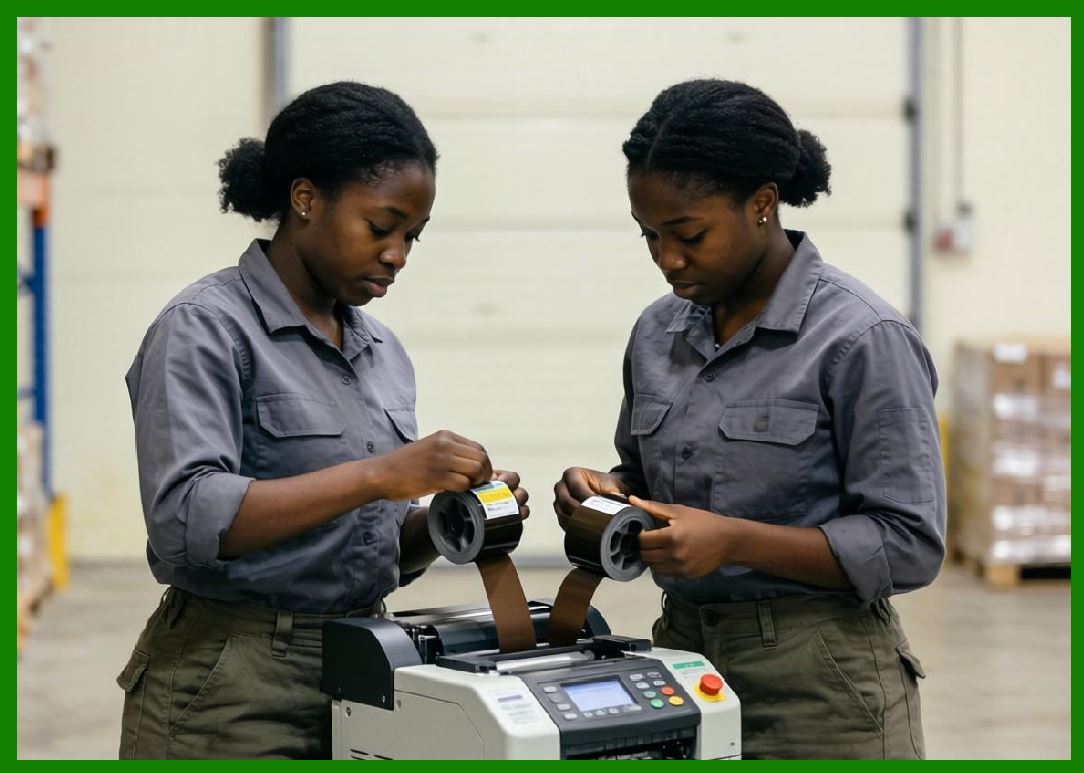
Datamax-O'neil occupied a distinctive position in the automatic identification industry because it combined expertise from two historically significant companies: Datamax Corporation and O'Neil Product Development. The eventual integration of these organizations created a broad portfolio spanning industrial barcode printers, mobile receipt printers, rugged portable labeling systems, transportation printing infrastructure, and enterprise mobility solutions. |
|
1.3 |
The company became especially respected in logistics, manufacturing, warehousing, transportation, healthcare, retail distribution, and government applications. Its products were frequently selected for harsh operational environments requiring ruggedness, long operational lifecycles, and dependable performance under continuous industrial workloads. |
1.4 |
Datamax-O'neil products became widely used in shipping operations, warehouse automation systems, mobile workforce management, route accounting systems, field service operations, ticketing systems, industrial manufacturing, and retail logistics. |

|
1.5 |
The company also became known for strong enterprise compatibility and integration flexibility. Many Datamax-O'neil systems supported multiple printer languages, mobile computing platforms, industrial automation systems, and enterprise resource planning environments. |
1.6 |
Over time, Datamax-O'Neil became an important part of broader enterprise automation consolidation trends within the automatic identification industry. Its technologies and product lines later became integrated into larger industrial automation ecosystems through acquisition activity. |
|
2. Historical Origins of Datamax Corporation |
2.1 |
Datamax Corporation was founded in the United States during the late twentieth century, emerging during a period when barcode technologies and industrial automation systems were expanding rapidly across global industries. |
2.2 |
The growth of barcode adoption during the 1970s and 1980s created increasing demand for specialized industrial printers capable of producing reliable machine-readable labels for manufacturing, logistics, warehousing, and retail applications. |
2.3 |
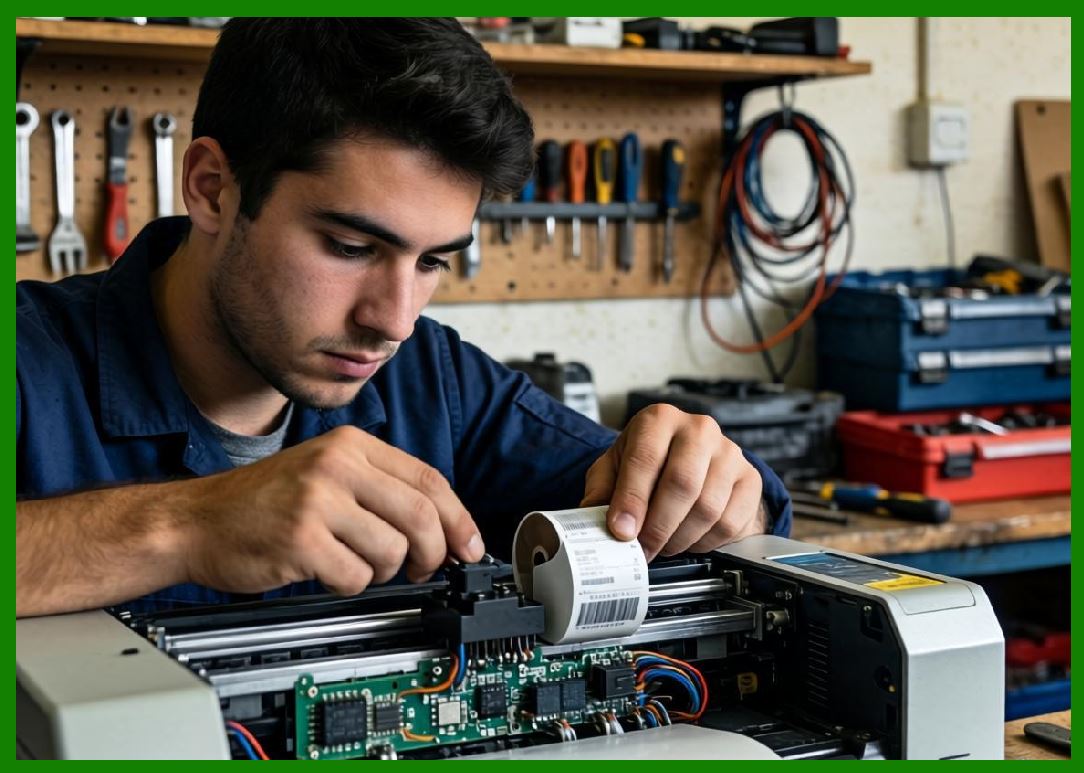
Datamax recognized that industrial barcode printing required significantly different engineering approaches compared with ordinary office printing systems. Industrial environments demanded rugged mechanical systems, high-duty-cycle operation, accurate media handling, and long-term reliability. |
2.4 |
The company focused heavily on thermal barcode printing technologies because thermal systems offered excellent barcode precision, operational simplicity, low maintenance requirements, and compatibility with industrial automation infrastructure. |
|
2.5 |
Datamax steadily expanded its industrial printer portfolio and established strong market positions within logistics, manufacturing, transportation, and warehouse automation industries. |
2.6 |
The company became known for robust industrial engineering and durable hardware capable of continuous operation in demanding environments involving vibration, dust, temperature variation, and high production volumes. |
2.7 |
Datamax printers were increasingly adopted by major enterprise customers requiring scalable barcode infrastructure integrated with warehouse management systems, manufacturing execution platforms, and logistics software. |
2.8 |
Over time, Datamax developed into one of the most recognized industrial barcode printer manufacturers in North America and international enterprise markets. |
|
3. Historical Origins of O'Neil Product Development |
3.1 |
O'Neil Product Development represented another important historical contributor to enterprise printing and mobility technologies. The company specialized primarily in rugged mobile printers and portable enterprise printing systems. |
3.2 |
As field service operations, transportation logistics, route accounting systems, and mobile workforce management expanded during the late twentieth century, demand grew rapidly for compact portable printing solutions. |
3.3 |
O'Neil focused heavily on engineering lightweight, battery-powered, ruggedized printers capable of operating reliably in mobile environments. |
3.4 |
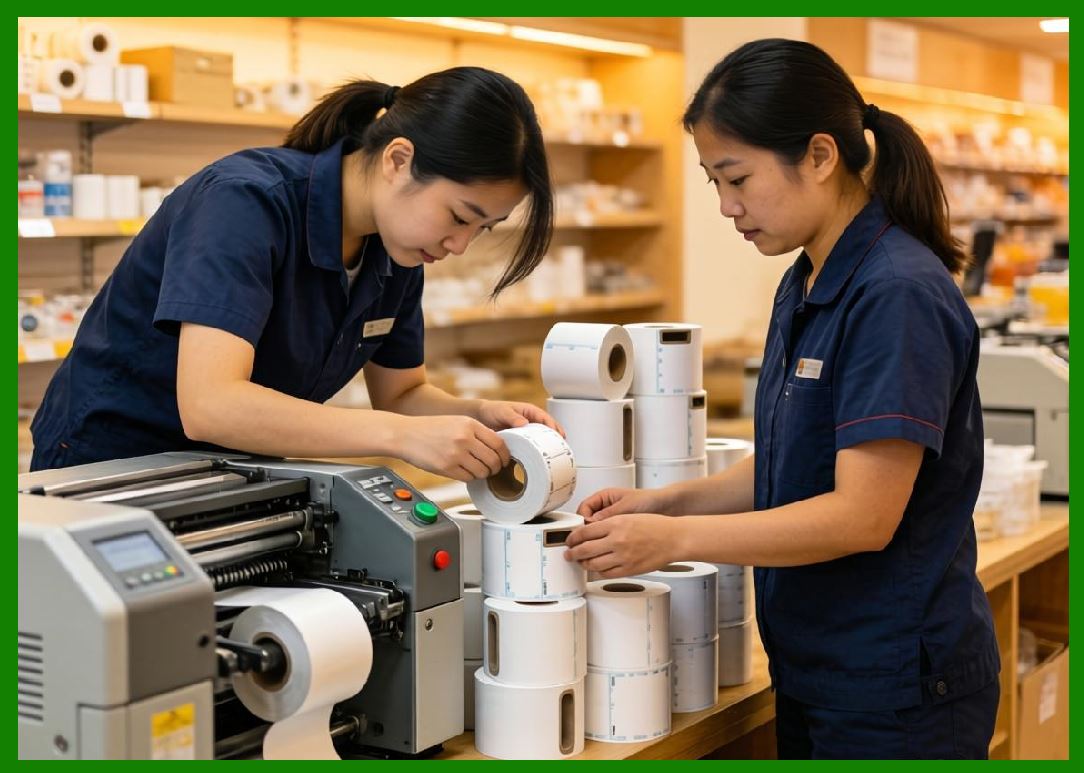
Portable printing presented numerous engineering challenges including battery efficiency, wireless communication, compact mechanical design, thermal management, and resistance to physical shock and vibration. |
|
3.5 |
The company developed mobile printers widely used in transportation systems, law enforcement operations, field service industries, direct store delivery systems, ticketing applications, and warehouse mobility workflows. |
3.6 |
O'Neil systems became especially valued for reliability under harsh environmental conditions involving outdoor operation, vehicle mounting, continuous mobility, and extended battery usage. |
3.7 |
The company also invested heavily in wireless communication technologies including Bluetooth, Wi-Fi, infrared communication, and mobile computing integration systems. |
3.8 |
O'Neil Product Development established itself as one of the leading innovators in rugged enterprise mobile printing technologies. |

|
4. Formation of Datamax-O'Neil |
4.1 |
The eventual integration of Datamax and O'Neil Product Development created a more comprehensive enterprise printing organization capable of serving both industrial fixed-location printing and mobile workforce applications. |
4.2 |
This merger reflected broader trends within the automatic identification industry where customers increasingly demanded integrated enterprise solutions rather than isolated hardware products. |
4.3 |
The combined company gained expanded expertise spanning industrial thermal barcode printers, portable receipt printers, mobile label printers, rugged field printing systems, and enterprise integration infrastructure. |
4.4 |
Datamax-O'Neil became particularly strong in industries requiring coordination between warehouse operations and mobile workforce systems. Examples included transportation logistics, route delivery, warehouse mobility, retail distribution, and field service management. |

|
4.5 |
The merger also strengthened the company engineering capabilities by combining industrial thermal printing expertise with rugged portable electronics design and wireless communication technologies. |
4.6 |
Enterprise customers increasingly preferred vendors capable of supporting complete operational ecosystems involving fixed printers, mobile printers, scanners, wireless devices, and centralized management systems. |
4.7 |
Datamax-O'Neil expanded internationally through distribution partnerships, enterprise relationships, and technical support networks spanning multiple global markets. |
4.8 |
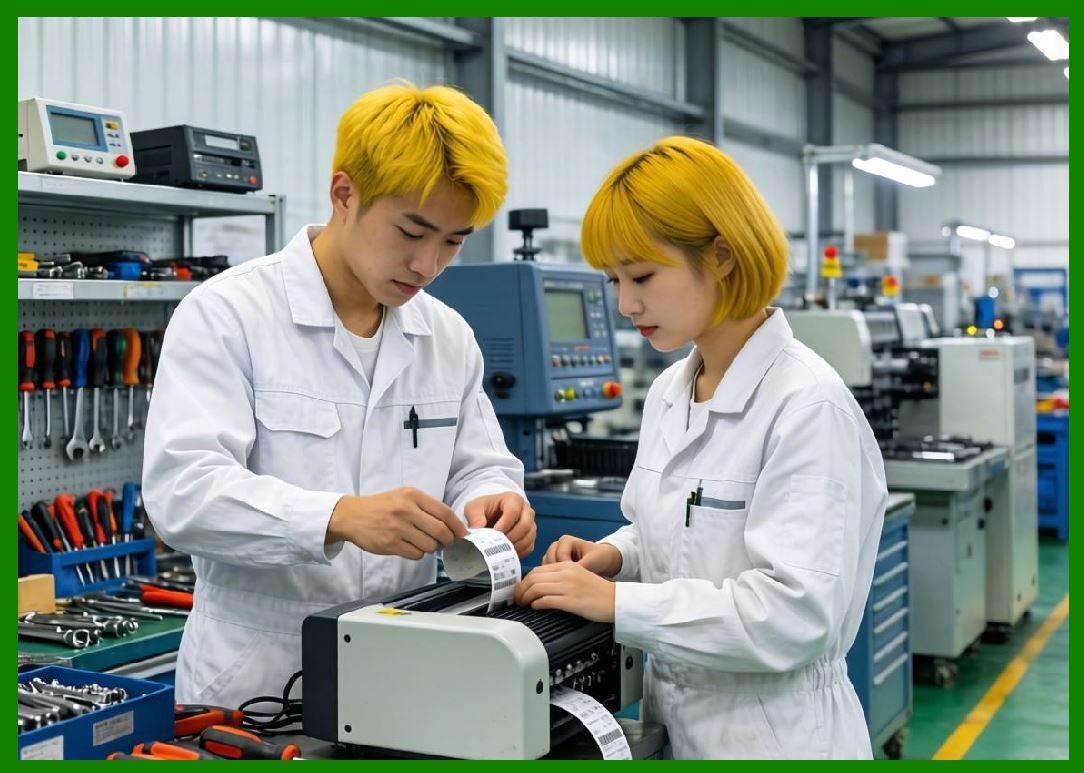
The combined company became one of the most respected providers of rugged industrial and mobile printing infrastructure worldwide. |
|
5. Thermal Barcode Printing Technologies |
5.1 |
Datamax-O'Neil relied heavily on thermal barcode printing technologies because thermal systems are especially well suited for industrial identification and enterprise labeling applications. |
5.2 |
The company developed both direct thermal and thermal transfer printing systems. Direct thermal systems became widely used for shipping labels, receipts, transportation tickets, warehouse labels, and temporary logistics applications. |
5.3 |
Thermal transfer systems supported durable industrial labeling requiring resistance to abrasion, chemicals, moisture, ultraviolet exposure, heat, and harsh industrial environments. |
5.4 |
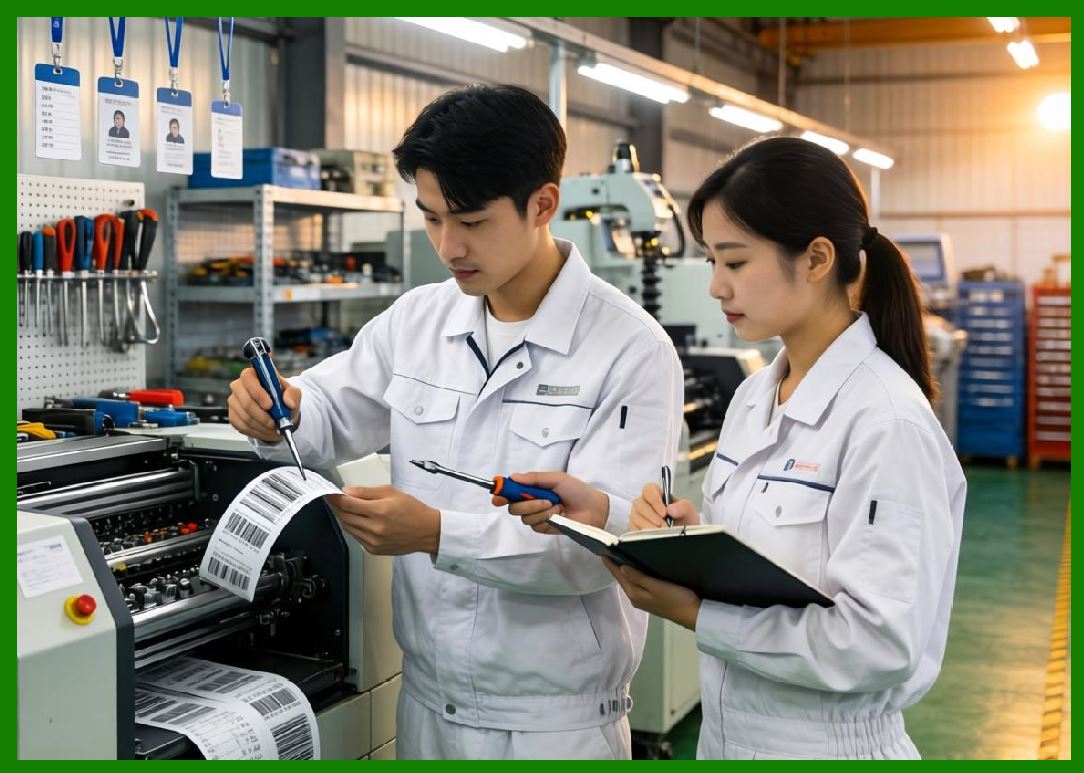
Datamax-O'Neil engineers focused extensively on printhead reliability and thermal precision because barcode readability depends critically on accurate print geometry and consistent edge sharpness. |
|
5.5 |
Media transport systems represented another major engineering focus area. Accurate media movement is essential for high-speed industrial printing, print-and-apply automation, and RFID encoding operations. |
5.6 |
Industrial durability became one of the company strongest reputational advantages. Many printers incorporated reinforced metal chassis structures, industrial motors, rugged electronics, and high-capacity ribbon systems. |
5.7 |
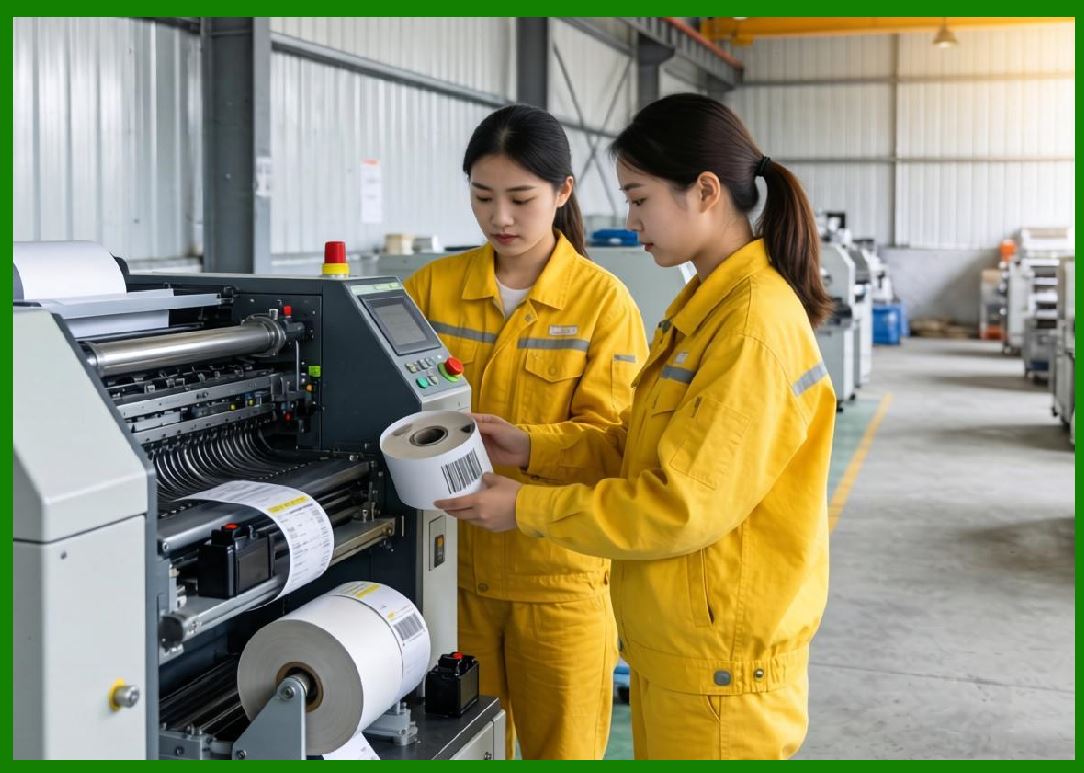
Operational uptime was critically important in logistics and manufacturing environments. Datamax-O'Neil therefore optimized printers for simplified maintenance, easy media loading, and long operational service intervals. |
5.8 |
The company also invested heavily in high-speed printing technologies supporting large-scale enterprise label production workflows. |
|
6. Industrial Printer Product Families |
6.1 |
Datamax-O'Neil developed several important industrial barcode printer product families serving logistics, manufacturing, healthcare, transportation, warehousing, and retail distribution industries. |
6.2 |
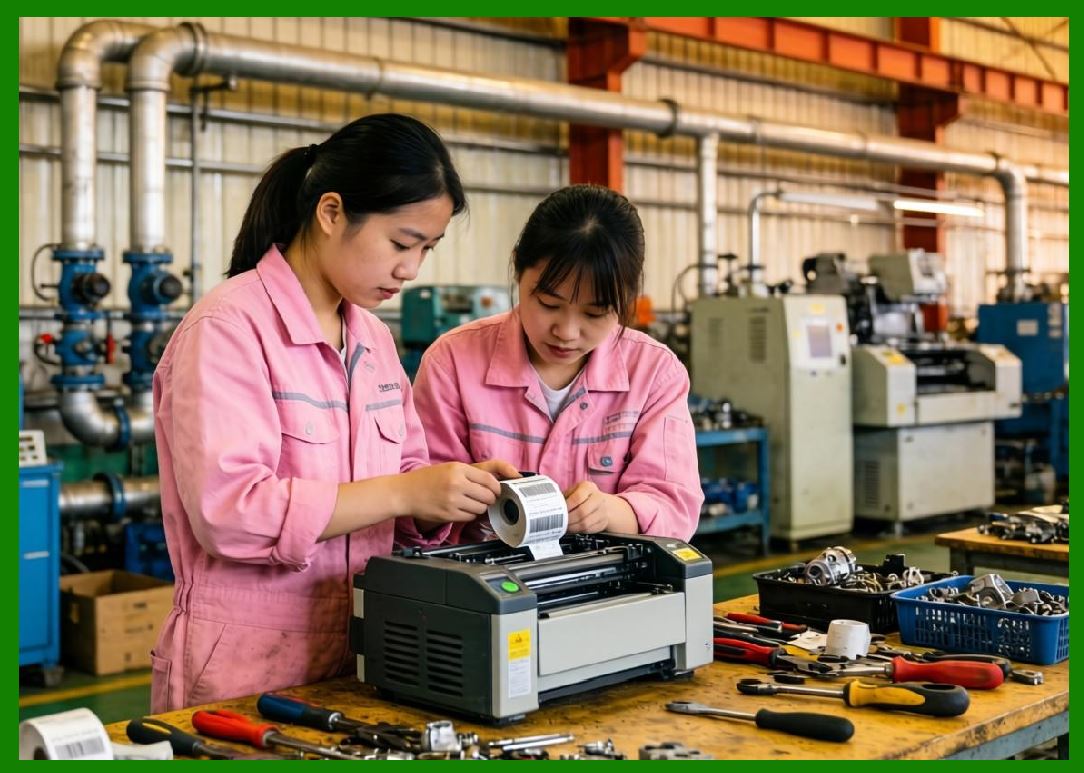
The I-Class series became one of the company best-known industrial printer families. These printers gained strong reputations for ruggedness, reliability, high-speed operation, and enterprise scalability. |
6.3 |
I-Class printers supported continuous industrial workloads involving high-volume label generation and automated warehouse operations. |
6.4 |
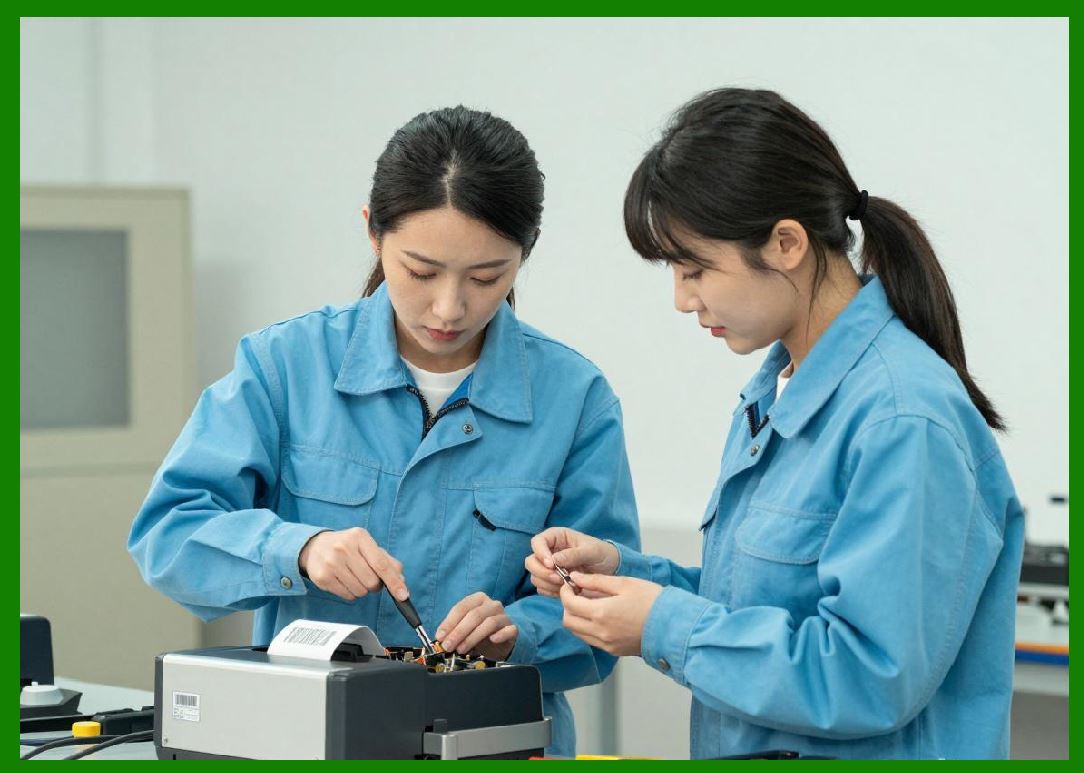
The H-Class series represented another major industrial platform emphasizing heavy-duty construction, advanced processing power, and high-performance enterprise printing capabilities. |
|
6.5 |
H-Class systems became widely used in manufacturing plants, logistics hubs, transportation centers, and industrial production lines requiring maximum operational durability. |
6.6 |
Desktop printer models targeted smaller commercial operations, healthcare facilities, retail stores, offices, and laboratory environments requiring compact yet reliable barcode printing. |
6.7 |
Print-and-apply engines represented another important product category. These systems integrated directly into automated packaging lines and industrial conveyor systems. |
6.8 |
Healthcare-oriented models were optimized for specimen labeling, patient identification, pharmacy operations, and medical asset tracking workflows. |
|
7. Mobile Printing Technologies and Rugged Enterprise Mobility |
7.1 |
Mobile printing represented one of Datamax-O'Neil most important technological specializations. The company became internationally respected for rugged portable printers supporting enterprise mobility operations. |
7.2 |
Mobile printers allow workers to generate receipts, labels, tickets, invoices, and tracking documentation directly at the point of activity rather than returning to centralized printing stations. |
7.3 |
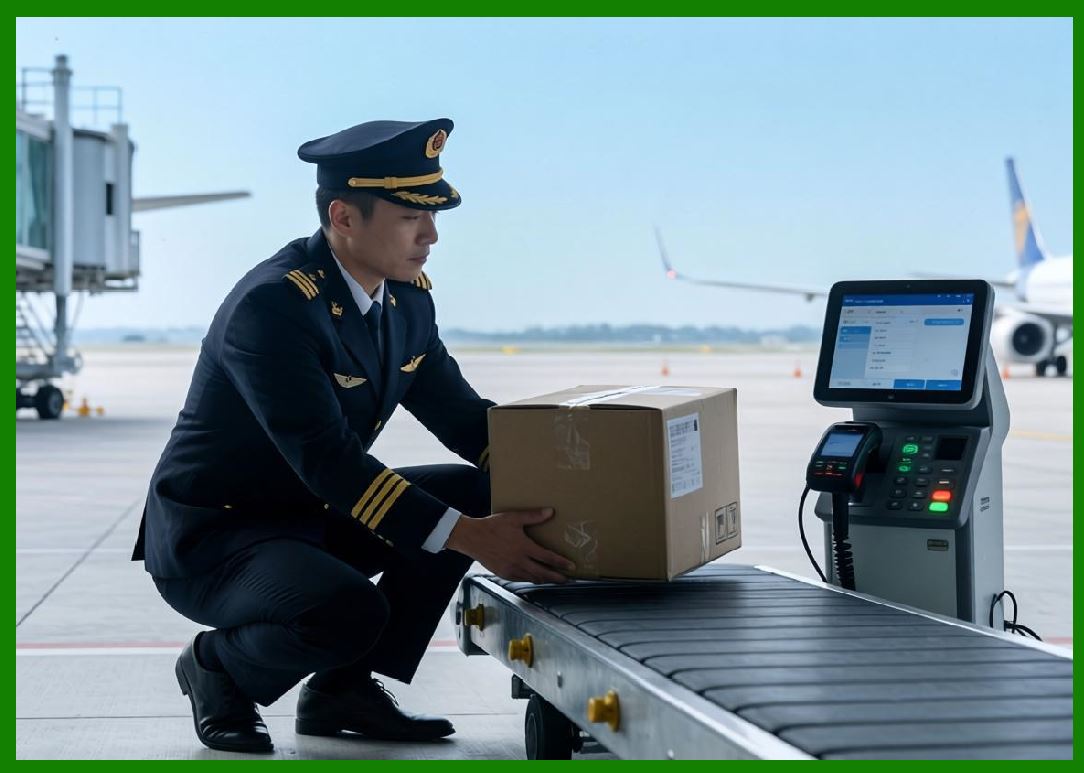
Transportation industries widely adopted Datamax-O'Neil mobile printers for route accounting, proof-of-delivery documentation, ticketing systems, fleet logistics, and direct store delivery operations. |
7.4 |
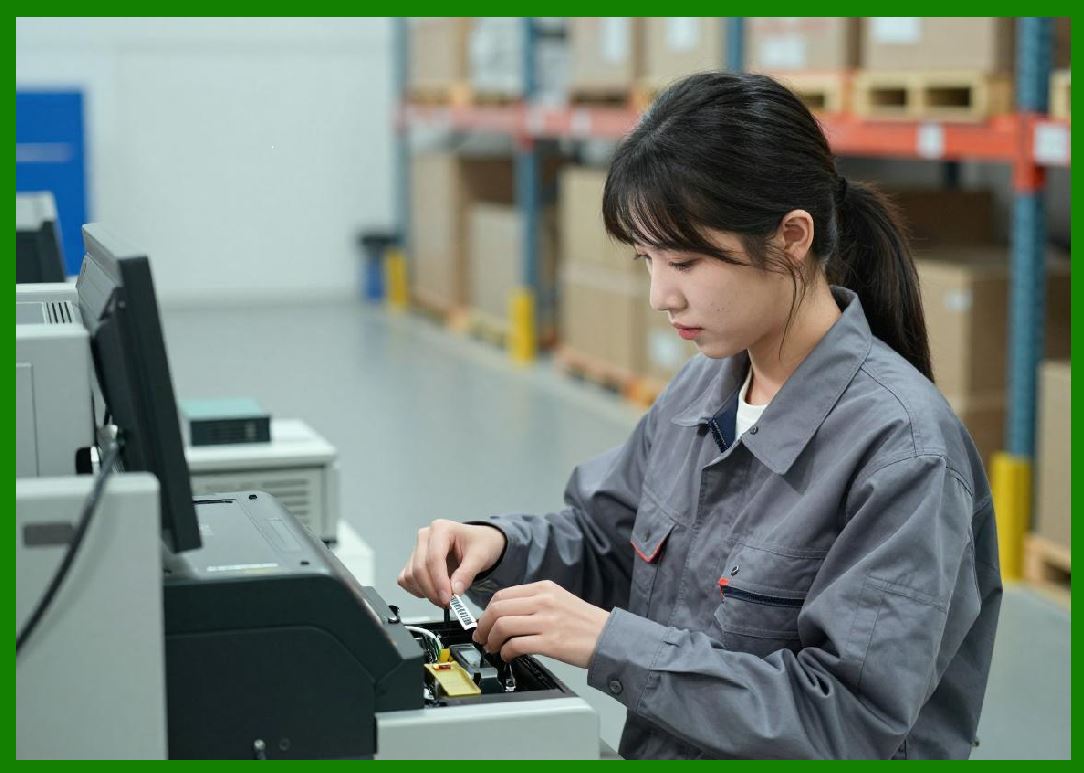
Warehouse operations increasingly relied on mobile printing systems for inventory management, shelf labeling, pallet identification, and real-time logistics workflows. |
|
7.5 |
Field service industries used rugged portable printers for work orders, repair documentation, utility operations, inspections, and customer receipts. |
7.6 |
Battery efficiency became a major engineering priority because enterprise mobile workers often require full-shift operational capability without recharging interruptions. |
7.7 |
The company also optimized mobile printers for wireless communication reliability, supporting Bluetooth, Wi-Fi, serial communication, and mobile computer integration. |
7.8 |
Ruggedized construction technologies improved resistance to drops, vibration, dust exposure, moisture, and outdoor operating conditions. |
|
8. RFID Technologies and Enterprise Integration Systems |
8.1 |
Datamax-O'Neil recognized early that RFID technologies would become increasingly important within logistics, retail, manufacturing, and warehouse automation systems. |
8.2 |
The company developed RFID-enabled thermal barcode printers capable of simultaneously printing labels while encoding embedded RFID transponders. |
8.3 |
RFID integration requires highly precise synchronization between media movement, print timing, antenna positioning, and radio-frequency communication systems. |
8.4 |
Datamax-O'Neil engineers implemented RFID verification technologies capable of identifying defective tags before labels entered operational workflows. |
8.5 |
Retail apparel became one of the major RFID application sectors because RFID dramatically improved inventory visibility and stock management accuracy. |
8.6 |
Warehouse automation systems also increasingly adopted RFID for pallet tracking, shipment verification, and automated inventory control operations. |
8.7 |
Enterprise integration represented another major strategic priority. Datamax-O'Neil printers supported multiple printer languages, ERP systems, warehouse management platforms, transportation systems, and industrial automation infrastructure. |
8.8 |
Networking capabilities included Ethernet, serial communication, USB, Bluetooth, wireless networking, and remote management systems supporting centralized operational visibility. |

|
9. Acquisition by Honeywell and Industry Consolidation |
9.1 |
One of the most important milestones in Datamax-O'Neil later corporate history occurred when the company was acquired by Honeywell. |
9.2 |
This acquisition reflected broader consolidation trends within the automatic identification and enterprise mobility industries. Large industrial technology companies increasingly sought integrated portfolios combining printers, scanners, mobile computers, RFID systems, and automation infrastructure. |
9.3 |
By acquiring Datamax-O'Neil, Honeywell strengthened its industrial printing technologies, rugged mobile printing capabilities, and enterprise logistics infrastructure. |
9.4 |
The acquisition also expanded Honeywell relationships with logistics companies, transportation firms, manufacturing operations, retail enterprises, and government agencies. |
9.5 |
Datamax-O'Neil technologies became integrated into Honeywell broader enterprise automation strategy involving warehouse management, mobility systems, IoT infrastructure, and industrial analytics platforms. |
9.6 |
Many Datamax-O'Neil product technologies and engineering principles continued influencing later Honeywell industrial printer and mobile printing systems. |
9.7 |
The acquisition demonstrated the strategic importance of rugged enterprise printing within global logistics and industrial automation ecosystems. |
9.8 |
Datamax-O'Neil historical contributions remain highly influential within modern enterprise barcode printing and mobility infrastructure. |

|
10. Future Technological Influence and Industry Legacy |
10.1 |
Although the Datamax-O'Neil brand became integrated into larger corporate structures, its technological influence continues throughout modern industrial printing and enterprise mobility systems. |
10.2 |
Many engineering principles pioneered by Datamax-O'Neil remain essential within current industrial printer design including rugged construction, high-duty-cycle reliability, mobile workforce integration, and enterprise scalability. |
10.3 |
Mobile printing technologies continue expanding rapidly as logistics operations, warehouse mobility, field service industries, and transportation systems become increasingly digitized. |
10.4 |
RFID systems also continue growing in importance across retail, healthcare, manufacturing, and supply chain visibility applications. |
10.5 |
Cloud-connected enterprise management systems increasingly integrate printers, mobile computers, scanners, RFID infrastructure, and warehouse automation technologies into unified operational ecosystems. |
10.6 |
Artificial intelligence and predictive analytics may increasingly optimize printer diagnostics, fleet management, operational workflows, and supply chain intelligence systems. |
10.7 |
Sustainability initiatives are also influencing modern industrial printing technologies through energy-efficient hardware, recyclable media support, and reduced-waste operational methods. |
10.8 |
Datamax-O'Neil historical role in advancing rugged industrial barcode printing and mobile enterprise printing remains an important chapter in the broader evolution of global automatic identification technologies. |
|
Detailed Technical Content Summary |
This part provided a detailed historical and technical overview of Datamax-O'Neil and its major contributions to industrial barcode printing and enterprise mobility technologies. The article examined the separate origins of Datamax Corporation and O'Neil Product Development before discussing their integration into a unified enterprise printing organization. |
The discussion covered thermal barcode printing systems, industrial printhead technologies, media handling systems, rugged industrial printer architectures, and important industrial product families such as the I-Class and H-Class series. Significant attention was also given to Datamax-O'Neil leadership in rugged mobile printing technologies and enterprise mobility infrastructure. |
The article additionally explored RFID-enabled printers, enterprise software integration, networking systems, wireless communication technologies, and warehouse automation applications. The acquisition of Datamax-O'Neil by Honeywell was analyzed within the broader context of industry consolidation and enterprise automation expansion. |
Finally, the article examined Datamax-O'Neil lasting technological influence on modern industrial barcode printing, mobile workforce management, IoT-connected enterprise infrastructure, RFID systems, AI-assisted operations, and smart supply chain automation. |
 cs@easiersoft.com