1. Introduction to Barcode Printers in China |
China has become a significant hub for the manufacturing of barcode printers, offering a wide range of products from various manufacturers. These manufacturers cater to different industries, including retail, logistics, healthcare, and manufacturing, providing both standard and customized solutions. |
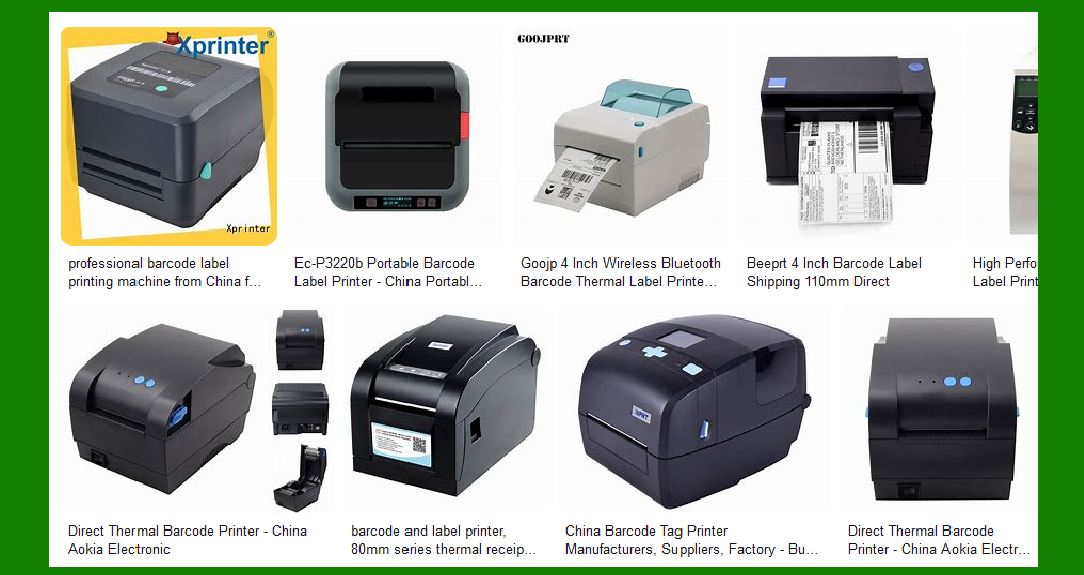
|
2. Major Barcode Printer Manufacturers in China |
Several key players dominate the barcode printer manufacturing industry in China. Here are some of the most notable ones: |
2.1. Nanjing Barway Technology Co., Ltd. |
Nanjing Barway Technology Co., Ltd. is a prominent manufacturer known for its high-quality barcode printers. They offer a variety of models, including thermal transfer and direct thermal printers. Their products are widely used in logistics, retail, and manufacturing industries. |
2.2. Guangzhou Bowen Packing Material Co., Ltd. |
Guangzhou Bowen Packing Material Co., Ltd. specializes in thermal transfer barcode printers. They provide durable and reliable printers that are suitable for high-volume printing needs. Their products are popular in the packaging and labeling sectors. |
2.3. Hangzhou Coditeck Digital Co., Ltd. |
Hangzhou Coditeck Digital Co., Ltd. offers a range of barcode printers, including industrial and desktop models. They focus on providing innovative solutions with advanced features such as high-resolution printing and wireless connectivity. |
2.4. Zhuhai Global Technology Co., Ltd. |
Zhuhai Global Technology Co., Ltd. is known for its cost-effective barcode printers. They offer a variety of models, including portable and desktop printers, catering to small and medium-sized businesses. |
2.5. Wuhan Jingchen Trade Co., Ltd. |
Wuhan Jingchen Trade Co., Ltd. manufactures a wide range of barcode printers, including handheld and portable models. They focus on providing versatile and user-friendly solutions for various industries. |

|
3. Types of Barcode Printers |
Barcode printers come in different types, each suited for specific applications. Here are the main types: |
3.1. Thermal Transfer Printers |
Thermal transfer printers use a ribbon to transfer ink onto the label. They are known for their durability and are suitable for printing labels that need to withstand harsh conditions. |
3.2. Direct Thermal Printers |
Direct thermal printers do not use a ribbon. Instead, they use heat-sensitive paper that darkens when heated. These printers are ideal for short-term labeling applications. |
3.3. Industrial Printers |
Industrial barcode printers are designed for high-volume printing in demanding environments. They are robust and can handle large print runs with ease. |
3.4. Desktop Printers |
Desktop barcode printers are compact and suitable for low to medium-volume printing. They are commonly used in retail and office environments. |
3.5. Portable Printers |
Portable barcode printers are lightweight and battery-operated, making them ideal for mobile applications such as inventory management and field service. |

|
4. Key Features of Barcode Printers |
When choosing a barcode printer, several key features should be considered: |
4.1. Print Resolution |
Print resolution is measured in dots per inch (DPI). Higher DPI results in clearer and more detailed prints. Common resolutions include 203 DPI, 300 DPI, and 600 DPI. |
4.2. Print Speed |
Print speed is measured in inches per second (IPS). Faster print speeds are essential for high-volume printing environments. |
4.3. Connectivity Options |
Barcode printers offer various connectivity options, including USB, Ethernet, Wi-Fi, and Bluetooth. These options provide flexibility in connecting the printer to different devices and networks. |
4.4. Media Compatibility |
Barcode printers should be compatible with various media types, including labels, tags, and wristbands. Some printers also support RFID encoding. |
4.5. Durability |
Durability is crucial for printers used in industrial environments. Look for printers with rugged designs and protective features such as dust and moisture resistance. |

|
5. Applications of Barcode Printers |
Barcode printers are used in various industries for different applications: |
5.1. Retail |
In retail, barcode printers are used for printing price tags, shelf labels, and receipts. They help streamline inventory management and improve checkout efficiency. |
5.2. Logistics |
In logistics, barcode printers are essential for printing shipping labels, tracking labels, and warehouse labels. They help improve accuracy and efficiency in the supply chain. |
5.3. Healthcare |
In healthcare, barcode printers are used for printing patient wristbands, medication labels, and lab sample labels. They help enhance patient safety and improve operational efficiency. |
5.4. Manufacturing |
In manufacturing, barcode printers are used for printing product labels, serial numbers, and compliance labels. They help ensure product traceability and quality control. |

|
6. Advantages of Chinese Barcode Printers |
Chinese barcode printers offer several advantages: |
6.1. Cost-Effectiveness |
Chinese manufacturers offer competitive pricing, making their barcode printers more affordable compared to those from other regions. |
6.2. Innovation |
Many Chinese manufacturers invest in research and development to offer innovative features and advanced technology in their barcode printers. |
6.3. Customization |
Chinese manufacturers often provide customization options to meet specific customer requirements, including custom label sizes, printing resolutions, and connectivity options. |
6.4. Wide Range of Products |
Chinese manufacturers offer a wide range of barcode printers, catering to different industries and applications. This variety ensures that customers can find a printer that meets their specific needs. |

|
7. Challenges Faced by Chinese Barcode Printer Manufacturers |
Despite their advantages, Chinese barcode printer manufacturers face several challenges: |
7.1. Competition |
The barcode printer market is highly competitive, with numerous manufacturers vying for market share. This competition can lead to price wars and reduced profit margins. |
7.2. Quality Control |
Maintaining consistent quality across large production volumes can be challenging. Manufacturers must implement stringent quality control measures to ensure product reliability. |
7.3. Intellectual Property |
Protecting intellectual property rights is a concern for many manufacturers. Ensuring that their innovations are not copied or infringed upon is crucial for maintaining a competitive edge. |
7.4. Supply Chain Disruptions |
Global supply chain disruptions, such as those caused by the COVID-19 pandemic, can impact the availability of raw materials and components, leading to production delays. |

|
8. Future Trends in Barcode Printer Manufacturing |
The barcode printer industry is evolving, with several trends shaping its future: |
8.1. Integration with IoT |
The integration of barcode printers with the Internet of Things (IoT) is becoming more prevalent. This allows for real-time tracking and monitoring of printed labels, enhancing supply chain visibility. |
8.2. Eco-Friendly Printing |
There is a growing demand for eco-friendly printing solutions. Manufacturers are developing printers that use sustainable materials and energy-efficient technologies. |
8.3. Advanced Connectivity |
Future barcode printers will offer more advanced connectivity options, including 5G and edge computing, enabling faster and more reliable data transfer. |
8.4. Enhanced Security |
As data security becomes increasingly important, barcode printers will incorporate enhanced security features to protect sensitive information and prevent unauthorized access. |

|
9. Conclusion |
China’s barcode printer manufacturing industry is robust and diverse, offering a wide range of products to meet various needs. With their cost-effectiveness, innovation, and customization options, Chinese barcode printers are a popular choice for businesses worldwide. However, manufacturers must navigate challenges such as competition, quality control, and supply chain disruptions to maintain their market position. The future of barcode printer manufacturing in China looks promising, with trends such as IoT integration, eco-friendly printing, advanced connectivity, and enhanced security driving the industry’s growth. |
 cs@easiersoft.com