Barcode Label Printing: Detailed Explanation of Thermal Transfer Printer Technology |
Part 25 Future Development Trends of Thermal Transfer Printing and Intelligent Labeling Systems |
1. Introduction: The Evolution Beyond Traditional Printing |
1.1 Why Thermal Transfer Printing is Evolving |
1. Traditional thermal transfer printing is already highly mature in reliability and industrial use. |
2. However, modern supply chains demand more intelligence, connectivity, and automation. |
3. The technology is evolving from static label printing to data-driven intelligent labeling systems. |
1.2 Key Transformation Direction |
1. From isolated printers networked printing ecosystems. |
2. From static barcodes dynamic, data-rich identifiers. |
3. From manual control AI-driven automation. |

|
2. AI-Driven Printing Systems |
2.1 Role of Artificial Intelligence |
1. AI is increasingly used to optimize print quality, speed, and material usage. |
2. It can analyze historical print performance and adjust parameters automatically. |
3. Reduces human intervention in industrial labeling workflows. |
2.2 Predictive Quality Optimization |
1. AI models detect early signs of print degradation. |
2. Automatically adjust: |
* Heat levels |
* Speed |
* Pressure |
2.3 Intelligent Fault Prediction |
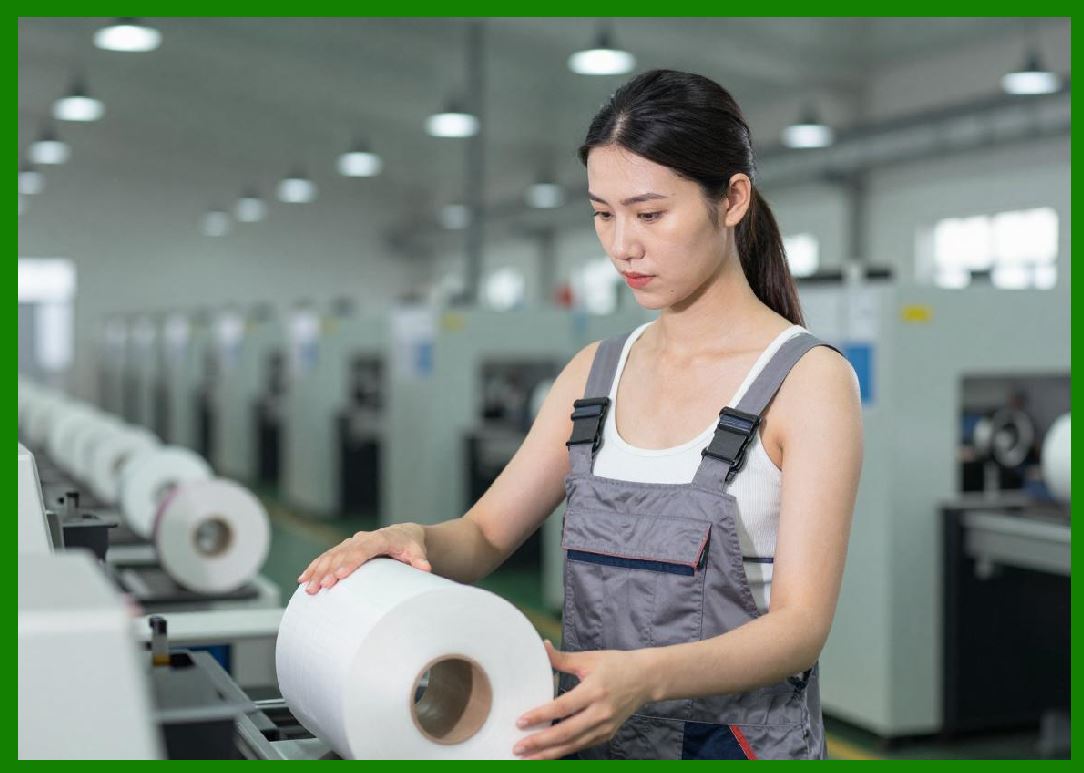
1. Machine learning models predict component failure before it occurs. |
2. Prevents downtime in high-volume production environments. |
|
3. Smart Labels and Embedded Intelligence |
3.1 Concept of Smart Labels |
1. Labels that go beyond printed information. |
2. Contain dynamic or interactive data. |
3.2 NFC and RFID Integration |
1. Labels may include embedded RFID chips. |
2. Enable wireless scanning without optical line-of-sight. |
3.3 Hybrid Barcode + Digital Systems |
1. Combines printed barcode with digital identifiers. |
2. Bridges physical and cloud-based systems. |

|
4. IoT-Connected Printing Ecosystems |
4.1 Networked Printers |
1. Printers are connected to cloud platforms via IoT protocols. |
2. Enable remote configuration and monitoring. |
4.2 Real-Time Data Synchronization |
1. Print jobs are generated dynamically based on live system data. |
2. Inventory, logistics, and production systems interact instantly. |
4.3 Remote Diagnostics |
1. Manufacturers can monitor printer health remotely. |
2. Reduces maintenance time and cost. |

|
5. Digital Twin Technology in Printing Systems |
5.1 What is a Digital Twin |
1. A virtual replica of a physical printer system. |
2. Simulates real-world behavior in real time. |
5.2 Applications in Thermal Printing |
1. Simulate printhead wear over time. |
2. Predict optimal calibration settings. |
3. Test label performance before actual printing. |

|
6. Cloud-Based Label Generation |
6.1 Centralized Label Intelligence |
1. Labels are generated in cloud systems rather than local printers. |
6.2 Benefits |
1. Consistency across multiple facilities. |
2. Easy updates to label formats. |
3. Scalable enterprise deployment. |
|
7. Dynamic and Programmable Labels |
7.1 Variable Data Printing (VDP) |
1. Each label can contain unique dynamic data. |
2. Example: serial numbers, expiration dates, tracking IDs. |
7.2 Real-Time Data Injection |
1. Labels reflect live system conditions at printing time. |

|
8. GS1 Digital Link Evolution |
8.1 From Static Barcode to Web-Connected Identifier |
1. Barcodes now link directly to online resources. |
2. Example: product page, traceability data, or certification info. |
8.2 Multi-Resolution Identity |
1. Same barcode can serve retail scanning and consumer engagement. |

|
9. Advanced Materials of the Future |
9.1 Nano-Coated Labels |
1. Enhanced durability using nanoscale surface treatments. |
9.2 Self-Healing Surfaces |
1. Experimental materials that repair minor surface damage. |
9.3 Eco-Intelligent Materials |
1. Designed for recyclability and reduced environmental impact. |
|
10. Sustainability Trends |
10.1 Reduced Ribbon Waste |
1. Smarter energy control reduces ribbon consumption. |
10.2 Biodegradable Label Materials |
1. New substrates designed to decompose safely after use. |
10.3 Energy-Efficient Printing Systems |
1. Lower power thermal elements reduce operational cost. |

|
11. Ultra-High-Speed Intelligent Printing |
11.1 Parallel Printing Architectures |
1. Multiple printheads operating simultaneously. |
11.2 AI Speed Regulation |
1. System adjusts speed dynamically based on complexity. |

|
12. Security Evolution in Future Systems |
12.1 Quantum-Resistant Encryption |
1. Future barcode systems may adopt quantum-safe cryptography. |
12.2 Blockchain Integration Expansion |
1. Full lifecycle tracking stored in distributed ledgers. |
12.3 Anti-AI Counterfeit Detection |
1. AI systems detect synthetic or duplicated labels. |

|
13. Human-Machine Interaction Evolution |
13.1 Touchless Configuration Systems |
1. Voice or mobile-based printer control. |
13.2 Augmented Reality Maintenance |
1. AR overlays guide technicians during repair. |

|
14. Industry 5.0 and Smart Printing |
14.1 Human-Centric Automation |
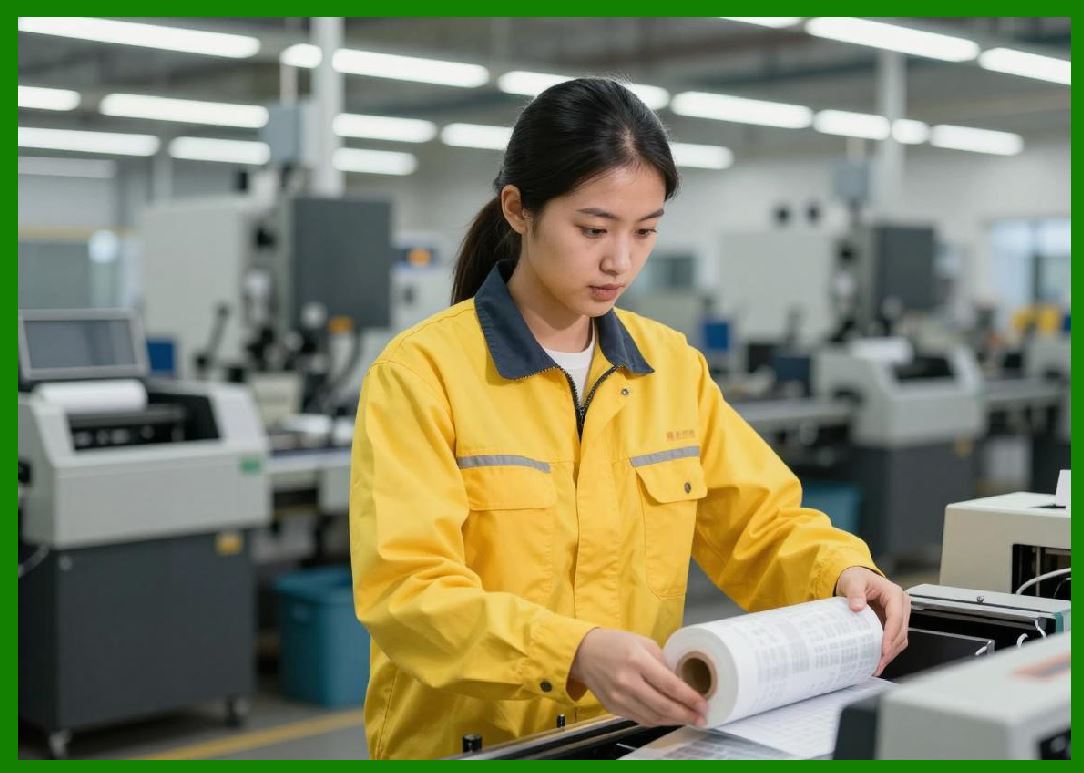
1. Combines AI efficiency with human oversight. |
14.2 Collaborative Robotics |
1. Robots and printers working in synchronized production lines. |
|
15. Future Integration with Global Supply Chains |
15.1 Fully Transparent Supply Networks |
1. Every product movement is digitally recorded and traceable. |
15.2 Autonomous Logistics Systems |
1. Labels trigger automated sorting and routing decisions. |

|
16. Summary of Part 25 |
1. Thermal transfer printing is evolving into intelligent, AI-driven systems. |
2. IoT and cloud integration enable real-time, distributed label generation. |
3. Smart labels combine physical printing with digital connectivity. |
4. Future systems emphasize automation, sustainability, and security. |
5. The technology is shifting from static identification to dynamic digital identity infrastructure. |
|
Next Step |
Part 26 Final Integration: Complete System View, Engineering Summary, and End-to-End Architecture |
In the final part, I will cover: |
* Full system integration of all subsystems |
* End-to-end printing workflow architecture |
* Engineering summary of thermal transfer technology |
* Final industrial design principles |
 cs@easiersoft.com