Part 26: Future Development Trends of Barcode Printers (AI Integration, Smart Materials, Fully Autonomous Printing Systems, and Next-Generation Standards) |
1. Introduction to the Future of Barcode Printing Systems |
1.1 Barcode printers are transitioning from traditional electro-mechanical devices into intelligent, adaptive, and highly networked systems. |
1.2 The future evolution is driven by convergence of several technologies: |
* Artificial intelligence (AI) |
* Industrial IoT (IIoT) |
* Advanced material science |
* Cloud-native infrastructure |
* Autonomous manufacturing systems |
1.3 As a result, barcode printers are expected to become fully integrated digital nodes in global intelligent supply chains. |

|
2. Evolution from Conventional to Intelligent Printing Systems |
2.1 Traditional barcode printers were: |
* Locally controlled |
* Task-specific |
* Isolated from enterprise intelligence systems |
2.2 Future barcode printers will be: |
* Context-aware |
* Self-optimizing |
* Fully network-integrated |
* Autonomous decision-making devices |
2.3 This transformation shifts printers from iutput devices to data-driven intelligent endpoints. |

|
3. Artificial Intelligence in Barcode Printing |
3.1 AI will significantly enhance barcode printer capabilities in several areas: |
3.1.1 Adaptive Print Optimization |
AI dynamically adjusts: |
* Print density |
* Heat levels |
* Speed settings |
* Resolution balancing |
3.1.2 Predictive Maintenance |
AI analyzes: |
* Printhead wear patterns |
* Motor usage cycles |
* Error trends |
3.1.3 Intelligent Error Correction |
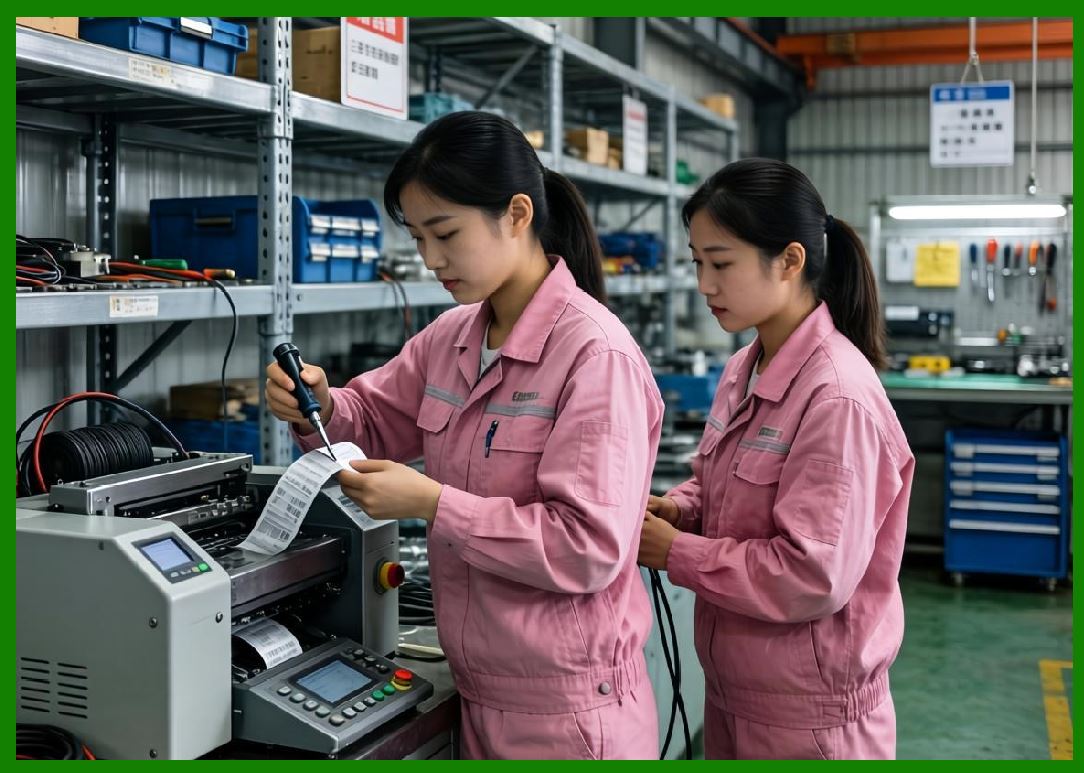
AI can detect and correct: |
* Misaligned labels |
* Low-contrast output |
* Barcode readability issues |
|
4. Fully Autonomous Printing Systems |
4.1 Autonomous barcode printing systems will operate with minimal human intervention. |
4.2 Key capabilities include: |
* Self-calibration |
* Automatic job scheduling |
* Autonomous consumable management |
* Self-diagnostic repair recommendations |
4.3 These systems will integrate tightly with smart factories and logistics networks. |

|
5. Smart Materials in Barcode Printing |
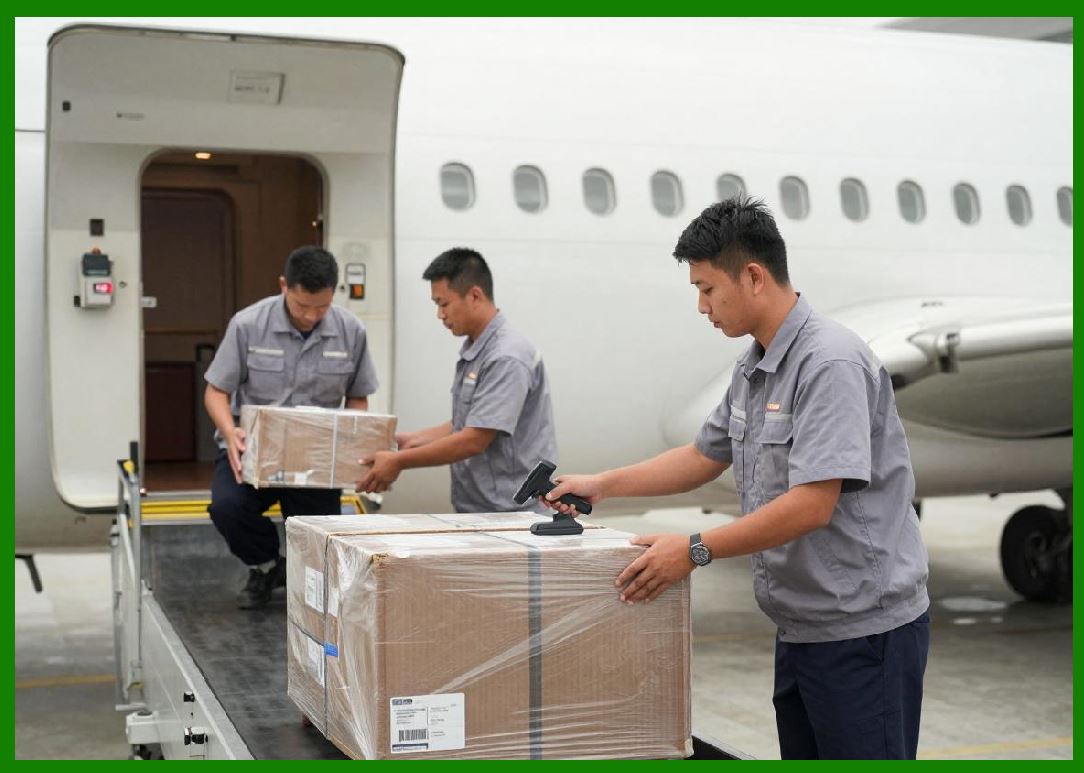
5.1 Material science innovations will redefine barcode label performance. |
5.2 Emerging smart materials include: |
* Self-healing label coatings |
* Temperature-reactive adhesives |
* Environment-adaptive substrates |
* Nano-structured printable surfaces |
5.3 These materials improve: |
* Durability |
* Readability |
* Environmental resistance |
|
6. Sustainable and Eco-Friendly Printing Technologies |
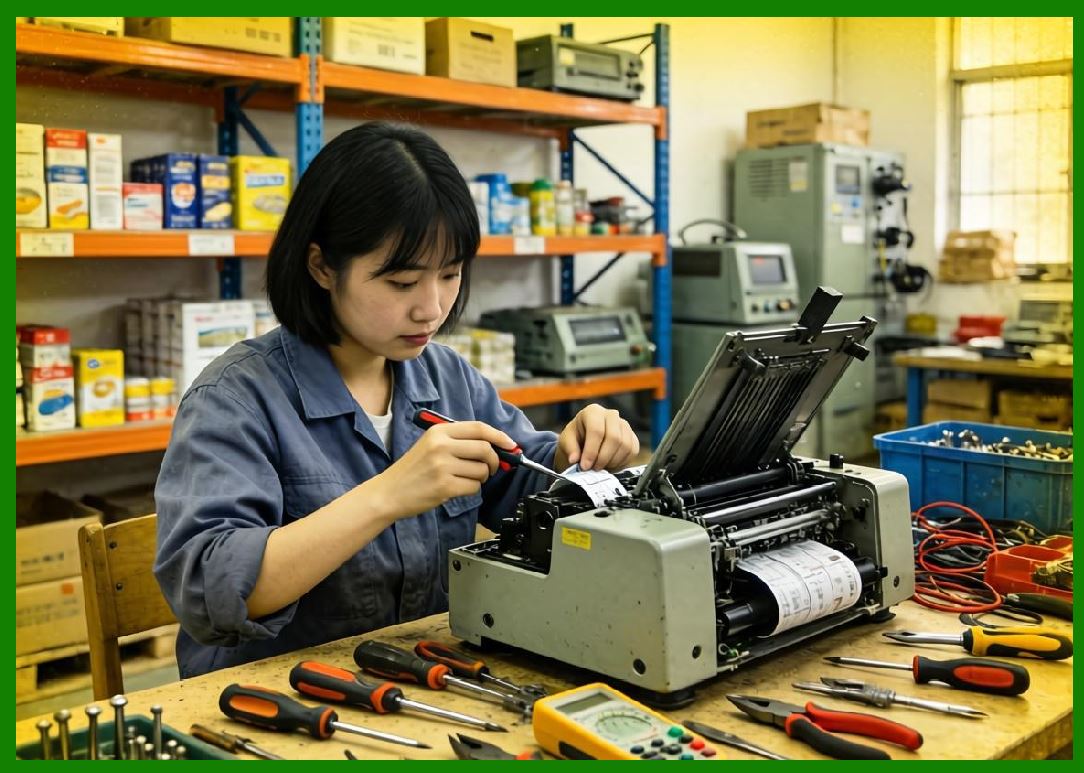
6.1 Environmental sustainability is becoming a major development direction. |
6.2 Innovations include: |
* Biodegradable label materials |
* Recyclable adhesive systems |
* Reduced ribbon consumption technologies |
* Inkless or low-ink printing systems |
6.3 Sustainability goals focus on reducing industrial waste and carbon footprint. |
|
7. Cloud-Native Barcode Printing Architectures |
7.1 Cloud-native systems shift printing logic from local devices to distributed cloud platforms. |
7.2 Features include: |
* Centralized label management |
* Real-time global deployment |
* Scalable print orchestration |
7.3 Benefits: |
* Reduced local infrastructure dependency |
* Easier system updates |
* Global synchronization of labeling standards |

|
8. Edge AI and Distributed Intelligence |
8.1 Edge computing allows barcode printers to process data locally with AI capabilities. |
8.2 Advantages: |
* Ultra-low latency decision-making |
* Reduced network dependency |
* Real-time adaptive control |
8.3 Edge AI enables printers to function even in disconnected environments. |

|
9. Blockchain-Based Traceability Systems |
9.1 Blockchain technology will enhance barcode-based tracking systems. |
9.2 Applications include: |
* Immutable product history tracking |
* Anti-counterfeiting verification |
* Supply chain transparency |
9.3 Each barcode can become a cryptographically verified identity token. |

|
10. Hyper-Automation in Printing Ecosystems |
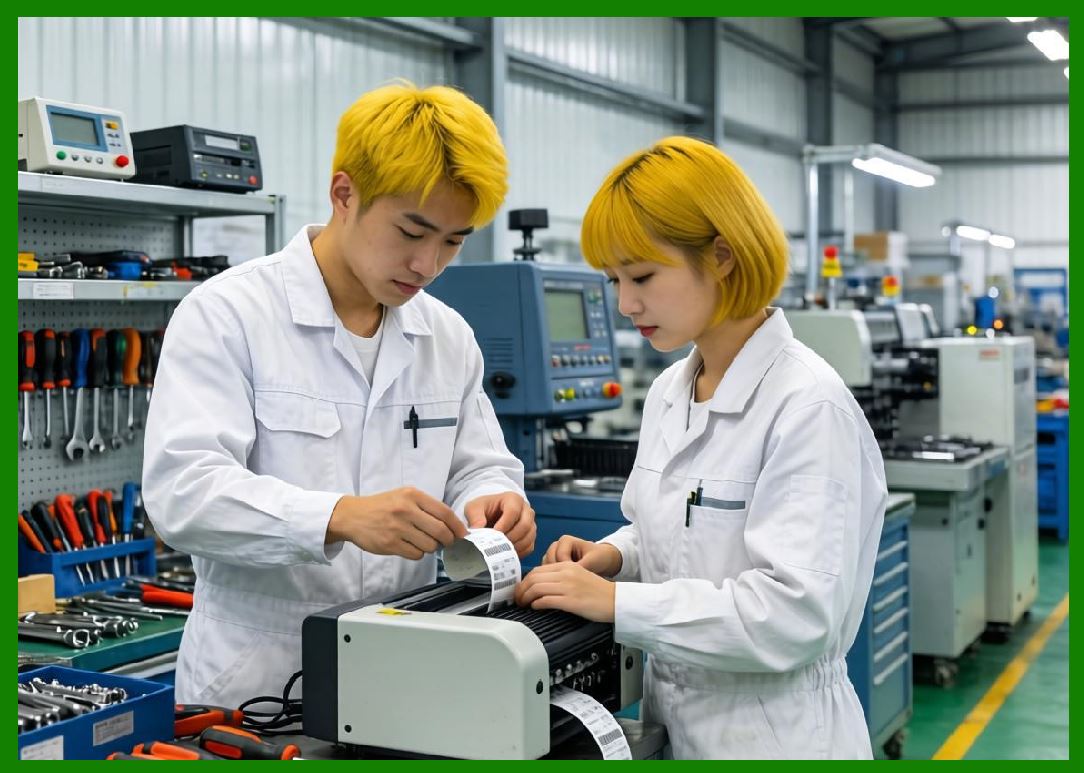
10.1 Hyper-automation integrates multiple technologies: |
* AI |
* IoT |
* RPA (Robotic Process Automation) |
* Cloud systems |
10.2 Barcode printing becomes fully embedded in automated business workflows. |
|
11. Integration with Digital Twins |
11.1 Digital twin technology will allow virtual simulation of printing systems. |
11.2 Benefits include: |
* Predictive performance modeling |
* Virtual testing of label workflows |
* System optimization before deployment |

|
12. 5G and Next-Generation Connectivity |
12.1 5G networks will enhance barcode printer communication by enabling: |
* Ultra-low latency |
* Massive device connectivity |
* Real-time global synchronization |
12.2 This is critical for high-speed logistics and smart manufacturing. |

|
13. Human machine Interaction Evolution |
13.1 Future barcode printers will feature: |
* Voice-controlled interfaces |
* Gesture-based operation |
* Augmented reality (AR) maintenance guidance |
13.2 These interfaces simplify operation and reduce training requirements. |

|
14. Autonomous Supply Chain Labeling |
14.1 Entire supply chains will become self-labeling systems. |
14.2 Features include: |
* Automatic label generation based on product flow |
* Real-time inventory-driven printing |
* Autonomous correction of labeling errors |

|
15. Security in Future Barcode Systems |
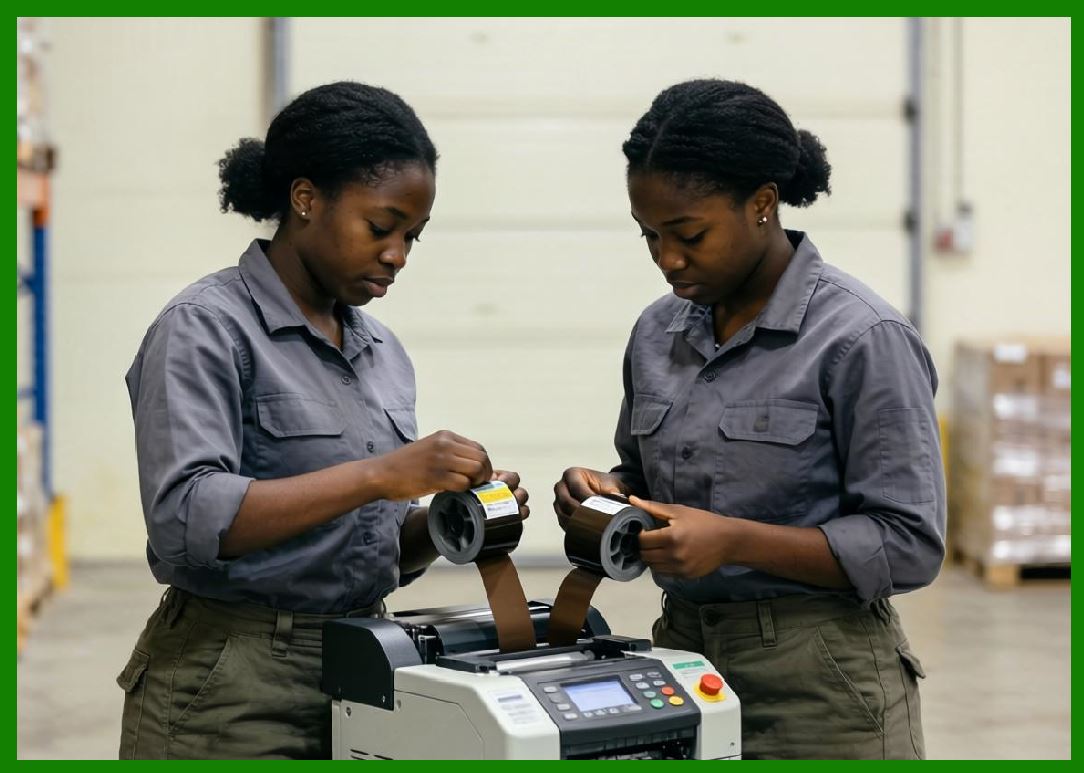
15.1 Security will evolve toward: |
* Zero-trust architectures |
* AI-based anomaly detection |
* Blockchain verification of print jobs |
15.2 These systems ensure end-to-end trust in printed data. |
|
16. High-Density and Micro-Barcode Technologies |
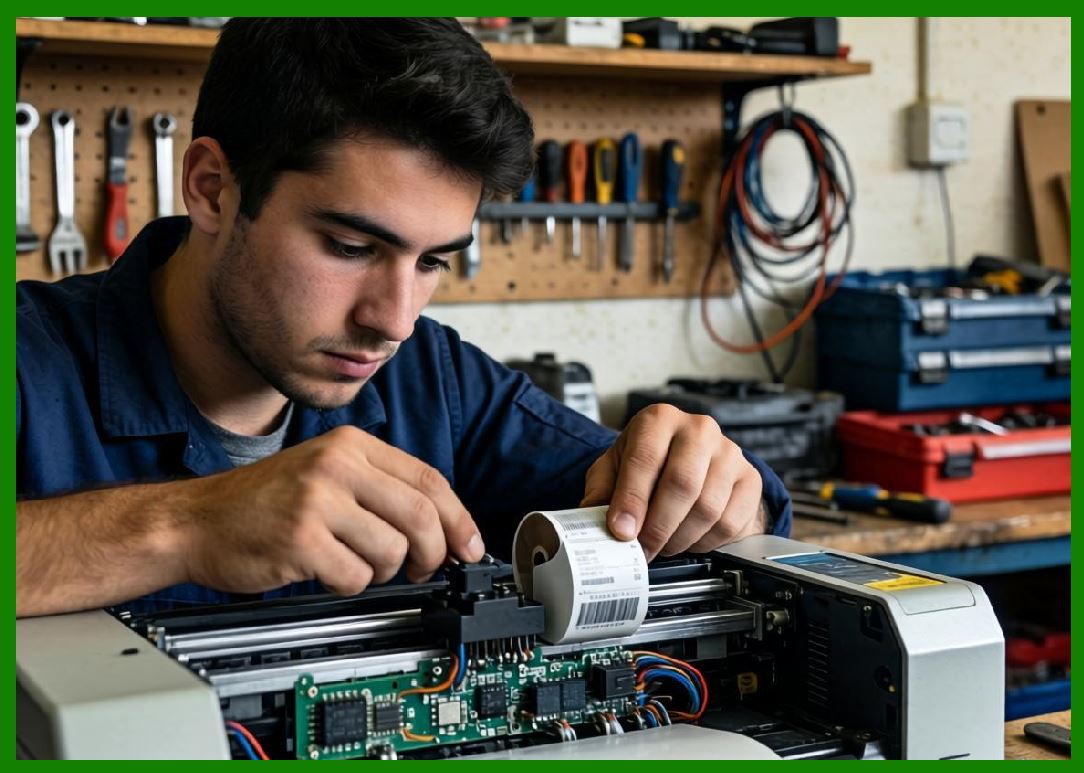
16.1 Future barcode systems will support: |
* Ultra-high-density 2D codes |
* Micro-scale printing for electronics and pharmaceuticals |
* Embedded digital identity markers |
16.2 These enable data-rich labeling in extremely small physical spaces. |
|
17. Industry Convergence Trends |
17.1 Barcode printing will increasingly converge with: |
* RFID systems |
* Computer vision tracking |
* IoT sensor networks |
* Digital identity systems |
17.2 This creates hybrid identification ecosystems. |

|
18. Performance and Efficiency Advancements |
18.1 Future printers will achieve: |
* Near-zero latency printing |
* Adaptive energy optimization |
* Self-balancing throughput systems |
18.2 AI-driven scheduling will maximize resource utilization. |

|
19. Fully Decentralized Printing Networks |
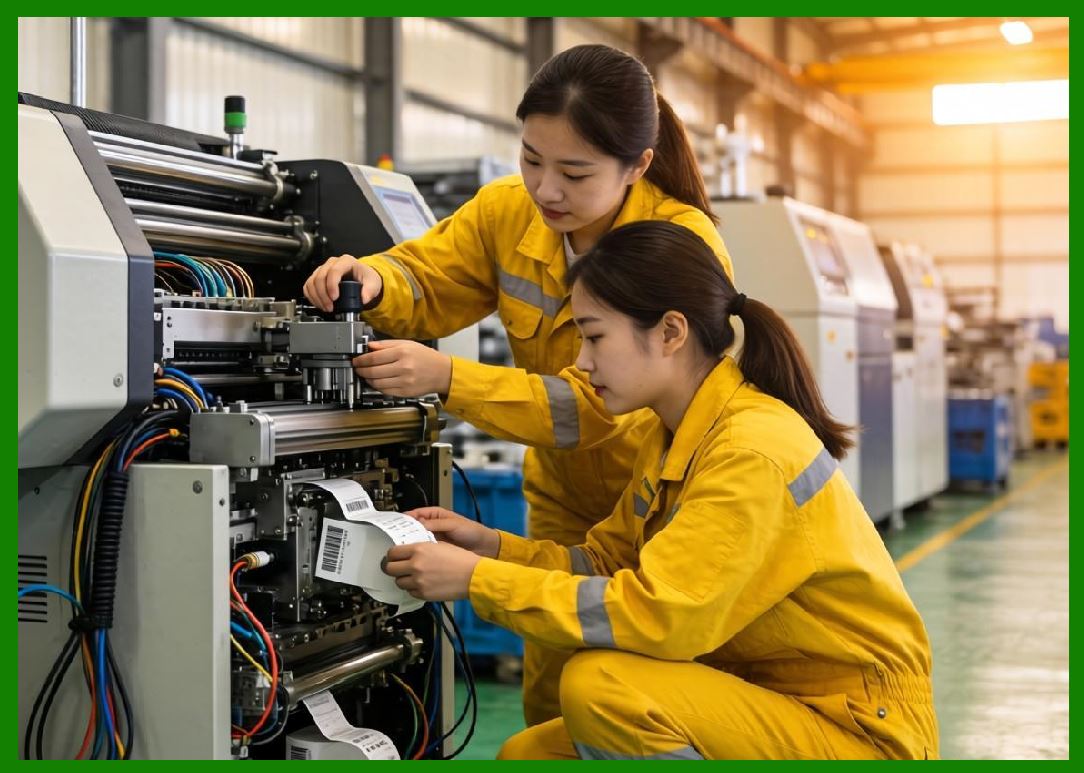
19.1 Future architectures may eliminate centralized control entirely. |
19.2 Instead, printers will: |
* Communicate peer-to-peer |
* Self-coordinate printing tasks |
* Share workload dynamically |
|
20. Long-Term Evolution of Barcode Standards |
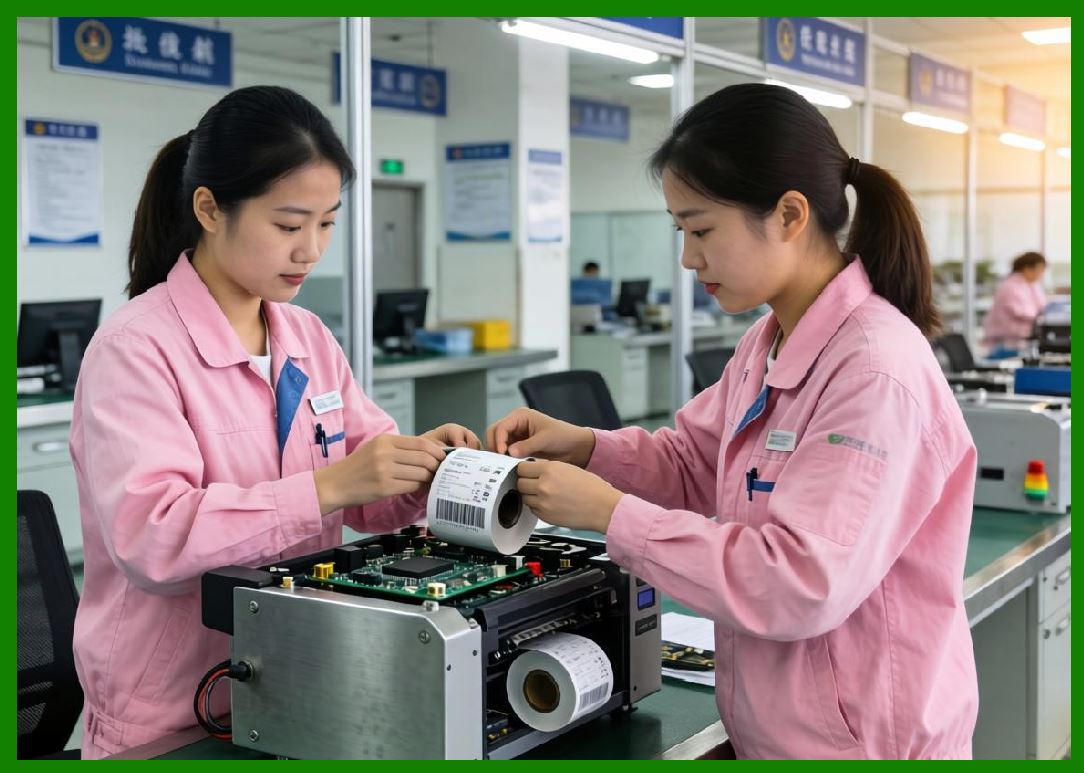
20.1 Barcode standards will evolve toward: |
* Unified digital-physical identity frameworks |
* Integration with global data systems |
* Dynamic, context-aware encoding structures |
|
21. Summary of Part 26 |
21.1 The future of barcode printers is defined by intelligence, autonomy, connectivity, and sustainability. |
21.2 AI, IoT, cloud computing, and advanced materials will transform printers from simple output devices into autonomous nodes within global digital ecosystems. |
21.3 Ultimately, barcode printers will become foundational components of fully automated, self-regulating supply chains and industrial systems. |
Final Summary of the Full Series (Parts 16) |
Across this 26-part technical series, barcode printers were analyzed in depth across multiple dimensions: |
* Classification (technology, environment, structure) |
* Mechanical and electronic architecture |
* Software and firmware systems |
* Print quality engineering |
* Consumables and material science |
* Connectivity and communication systems |
* Reliability and maintenance engineering |
* Cost structure and economic models |
* Industrial applications across all major sectors |
* Future evolution driven by AI and automation |
Barcode printers are no longer simple labeling devices they are now critical infrastructure components in global digital supply chains. |

|
End of Part 26 (Final Part) |
 cs@easiersoft.com