Part 9. Technical Architecture of Meituan Cloud Printing and Intelligent Food Delivery System |
9.1 Overview of Meituan Digital Food Delivery Ecosystem |
Meituan operates one of the world largest real-time food delivery ecosystems. Its infrastructure combines mobile internet platforms, AI-driven logistics systems, distributed cloud computing, cloud printing technology, intelligent dispatch systems, and large-scale merchant coordination platforms. |
The scale of the ecosystem is enormous because the platform simultaneously coordinates: |
1. Millions of consumers. |
2. Large restaurant networks. |
3. Delivery drivers. |
4. Cloud printer fleets. |
5. Payment systems. |
6. Logistics routing engines. |
7. Real-time mapping systems. |
8. Merchant management platforms. |
9. Data analytics systems. |
10. AI-assisted operational engines. |

|
Cloud printing technology plays a central operational role within this ecosystem because digital customer orders must be transformed into actionable physical kitchen workflows almost instantly. |
The operational requirements are extremely demanding: |
1. Real-time order processing. |
2. Massive concurrent transactions. |
3. Low-latency communication. |
4. Continuous availability. |
5. Distributed coordination. |
6. High fault tolerance. |
7. Intelligent scheduling. |
8. Dynamic scalability. |
9. Mobile synchronization. |
10. Autonomous workflow execution. |
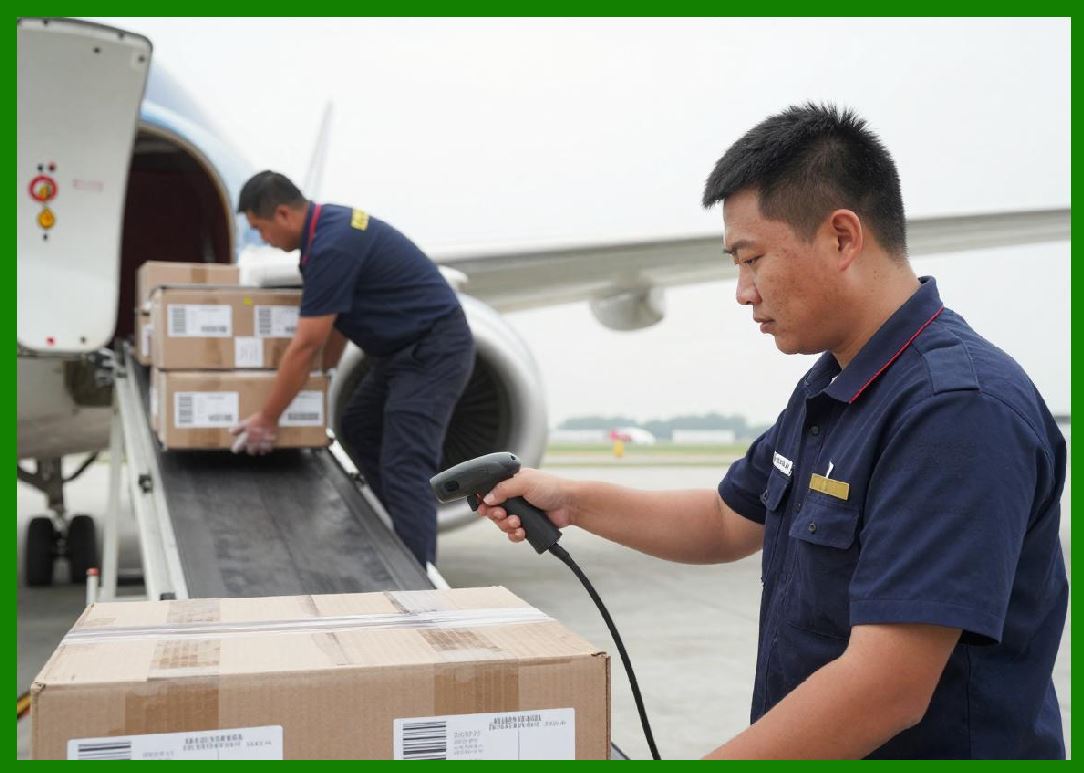
Cloud printers therefore serve as physical execution terminals within a highly sophisticated digital operational infrastructure. |
|
9.2 Historical Development of Meituan Cloud Printing Ecosystem |
In the early stages of online food delivery, many restaurants handled orders manually. |
Traditional workflows often involved: |
1. Telephone orders. |
2. Manual data transcription. |
3. Human kitchen communication. |
4. Handwritten tickets. |
5. Cash-based transactions. |
6. Manual dispatch coordination. |
7. Delayed order transmission. |
8. Inefficient delivery assignment. |
9. High operational error rates. |
10. Poor scalability. |
As order volume increased, these manual workflows became unsustainable. |
The rise of smartphone applications and mobile payment systems accelerated the need for automated order processing infrastructure. |
Meituan gradually introduced: |
1. Merchant cloud management systems. |
2. Automatic order synchronization. |
3. Intelligent kitchen printing. |
4. Cloud receipt printers. |
5. Barcode label systems. |
6. Delivery workflow automation. |
7. AI dispatch coordination. |
8. Real-time analytics. |
9. Mobile merchant management. |
10. Distributed cloud infrastructure. |
Cloud printing became one of the foundational technologies enabling the platform large-scale operational growth. |

|
9.3 Overall System Architecture |
The overall architecture of Meituan cloud printing ecosystem is highly distributed. |
Major system components include: |
1. Consumer mobile applications. |
2. Merchant management systems. |
3. Cloud order processing platforms. |
4. Real-time communication infrastructure. |
5. Cloud printer fleets. |
6. Intelligent dispatch engines. |
7. Driver mobile applications. |
8. Payment systems. |
9. Data analytics platforms. |
10. AI optimization systems. |
The operational flow works as follows: |
1. Customer places order. |
2. Payment is verified. |
3. Cloud platform validates transaction. |
4. Merchant order queue updates. |
5. Cloud printer receives print task. |
6. Kitchen begins food preparation. |
7. Dispatch engine assigns delivery driver. |
8. Delivery tracking activates. |
9. Customer receives updates. |
10. Entire workflow synchronizes continuously. |
This highly integrated architecture allows near real-time operational coordination across massive urban delivery networks. |

|
9.4 Customer-Side Ordering Workflow |
The customer application is the starting point of the operational chain. |
Customer-facing systems include: |
1. Mobile applications. |
2. Web ordering platforms. |
3. Smart mini-programs. |
4. QR-code ordering systems. |
5. Group ordering platforms. |
6. Membership systems. |
7. Voice ordering integration. |
8. Smart recommendation engines. |
9. Mobile payment systems. |
10. Customer analytics platforms. |
When a customer submits an order: |
1. Product selection is validated. |
2. Inventory availability is checked. |
3. Pricing is calculated. |
4. Delivery distance is estimated. |
5. Payment authorization occurs. |
6. Merchant workload is analyzed. |
7. Expected delivery time is calculated. |
8. Order enters cloud processing pipeline. |
9. Merchant notification triggers. |
10. Cloud printing workflow begins. |
The order lifecycle must operate with extremely low latency because customers expect immediate confirmation. |

|
9.5 Merchant Cloud Management Systems |
Restaurants connected to Meituan use merchant management systems integrated with cloud printers. |
Merchant systems support: |
1. Order management. |
2. Menu synchronization. |
3. Inventory tracking. |
4. Pricing management. |
5. Promotion coordination. |
6. Kitchen workflow management. |
7. Delivery integration. |
8. Cloud printer coordination. |
9. Business analytics. |
10. Staff management. |
Merchant dashboards provide real-time operational visibility including: |
1. Incoming orders. |
2. Preparation timing. |
3. Delivery status. |
4. Queue congestion. |
5. Printer status. |
6. Revenue analytics. |
7. Customer feedback. |
8. Inventory alerts. |
9. Driver coordination. |
10. Operational performance metrics. |
Cloud printer integration is deeply embedded within these workflows. |

|
9.6 Automatic Cloud Printer Binding |
Cloud printers deployed in restaurants must be securely bound to merchant accounts. |
The binding process may involve: |
1. Device serial number registration. |
2. QR-code activation. |
3. Cloud account authentication. |
4. Merchant authorization. |
5. Regional assignment. |
6. Network configuration. |
7. Security provisioning. |
8. Cloud synchronization. |
9. Template downloading. |
10. Firmware verification. |
After activation: |
1. Printer connects to cloud servers. |
2. Persistent communication session establishes. |
3. Device subscribes to merchant order topics. |
4. Cloud monitoring activates. |
5. Telemetry reporting begins. |
6. Queue synchronization initializes. |
7. Status dashboards update. |
8. Print templates synchronize. |
9. Security policies enforce automatically. |
10. Real-time printing operation begins. |
This onboarding process allows rapid deployment at massive scale. |

|
9.7 Real-Time Order Transmission Architecture |
Real-time order transmission is critical to food delivery operations. |
Transmission infrastructure must support: |
1. Extremely low latency. |
2. High reliability. |
3. Massive concurrency. |
4. Continuous synchronization. |
5. Distributed scalability. |
6. Fault tolerance. |
7. Automatic retries. |
8. Real-time status reporting. |
9. Mobile network compatibility. |
10. Large-scale device connectivity. |
Meituan infrastructure likely uses combinations of: |
1. MQTT messaging. |
2. WebSocket communication. |
3. Distributed APIs. |
4. Event-driven systems. |
5. Message queues. |
6. Cloud gateways. |
7. Regional server clusters. |
8. Load balancing. |
9. Persistent sessions. |
10. Distributed monitoring systems. |
Once an order is confirmed, the cloud platform immediately routes the print task to the restaurant printer. |

|
9.8 Automatic Kitchen Ticket Printing |
Automatic kitchen printing is one of the most operationally important functions in the system. |
After receiving a print task: |
1. Printer authenticates task. |
2. Order template loads. |
3. Receipt content renders. |
4. Kitchen ticket formats dynamically. |
5. QR codes generate. |
6. Delivery metadata inserts. |
7. Thermal printer activates. |
8. Audible alerts notify staff. |
9. Queue records synchronize. |
10. Kitchen preparation begins. |
Printed kitchen tickets may include: |
1. Order number. |
2. Customer information. |
3. Food items. |
4. Customization requests. |
5. Delivery timing. |
6. Driver details. |
7. QR codes. |
8. Preparation sequence. |
9. Payment confirmation. |
10. Platform metadata. |
The automation greatly reduces manual communication overhead. |

|
9.9 Intelligent Kitchen Workflow Coordination |
Cloud printing integrates deeply with intelligent kitchen workflows. |
Modern restaurants often separate operations into multiple preparation stations: |
1. Beverage station. |
2. Frying station. |
3. Grill station. |
4. Packaging station. |
5. Dessert station. |
6. Cold food preparation. |
7. Delivery staging. |
8. Pickup coordination. |
9. Inventory replenishment. |
10. Final quality inspection. |
Cloud printing systems can intelligently distribute tasks to different printers or workstations. |
For example: |
1. Beverage labels print separately. |
2. Grill tickets route automatically. |
3. Packaging labels synchronize with delivery timing. |
4. Pickup QR codes generate dynamically. |
5. Multi-order batching coordinates automatically. |
This improves operational parallelization. |

|
9.10 Cloud Barcode Label Printing in Delivery Operations |
Barcode label printers increasingly support food delivery packaging operations. |
Labels may contain: |
1. QR codes. |
2. Order barcodes. |
3. Delivery routing identifiers. |
4. Pickup verification codes. |
5. Smart locker identifiers. |
6. Driver authentication codes. |
7. Contactless delivery information. |
8. Customer verification tokens. |
9. Multi-order grouping identifiers. |
10. Traceability metadata. |
These labels improve: |
1. Delivery accuracy. |
2. Packaging verification. |
3. Workflow traceability. |
4. Driver coordination. |
5. Contactless operations. |
6. Smart sorting. |
7. Pickup automation. |
8. Customer verification. |
9. Order tracking. |
10. Operational analytics. |
Barcode systems increasingly support intelligent delivery ecosystems. |
|
9.11 Delivery Dispatch Coordination |
Cloud printing is tightly synchronized with delivery dispatch systems. |
Dispatch engines analyze: |
1. Restaurant preparation time. |
2. Driver availability. |
3. Geographic positioning. |
4. Traffic conditions. |
5. Delivery urgency. |
6. Driver workload. |
7. Order batching opportunities. |
8. Route optimization. |
9. Customer expectations. |
10. Weather conditions. |
The timing of kitchen printing directly affects dispatch decisions. |
If kitchen preparation is delayed: |
1. Driver assignment may change. |
2. Delivery routes may optimize dynamically. |
3. Customer ETAs may update. |
4. Multi-order batching may recalculate. |
5. Dispatch priorities may shift. |
This demonstrates the deep integration between cloud printing and logistics orchestration. |

|
9.12 Real-Time Driver Synchronization |
Delivery drivers use mobile applications tightly integrated with cloud systems. |
Driver systems support: |
1. Real-time task reception. |
2. GPS navigation. |
3. Pickup verification. |
4. QR-code scanning. |
5. Delivery confirmation. |
6. Customer communication. |
7. Dynamic route optimization. |
8. Batch delivery coordination. |
9. Performance analytics. |
10. AI-assisted dispatch. |
Cloud printing supports driver workflows by generating: |
1. Pickup labels. |
2. Delivery receipts. |
3. Verification codes. |
4. Order grouping identifiers. |
5. Packaging sequence labels. |
6. Smart locker access codes. |
7. Delivery routing information. |
8. Temporary staging identifiers. |
9. Customer verification receipts. |
10. Contactless delivery documentation. |
This creates synchronized digital-physical operational workflows. |

|
9.13 High-Concurrency Infrastructure Challenges |
Meituan infrastructure must handle extremely high transaction volumes. |
Peak-hour operational challenges include: |
1. Massive simultaneous orders. |
2. Real-time communication spikes. |
3. Kitchen queue congestion. |
4. Delivery coordination complexity. |
5. Mobile network variability. |
6. Cloud server load surges. |
7. Regional traffic imbalance. |
8. Dynamic scaling demands. |
9. Printer queue management. |
10. Fault recovery under heavy load. |
To address these challenges, the system likely uses: |
1. Distributed cloud architecture. |
2. Regional server deployment. |
3. Message queue buffering. |
4. Elastic cloud scaling. |
5. Load-balanced communication. |
6. Edge computing optimization. |
7. Real-time monitoring. |
8. AI-assisted traffic prediction. |
9. Multi-layer redundancy. |
10. Automated recovery systems. |
The infrastructure resembles large-scale real-time industrial coordination systems. |

|
9.14 Distributed Cloud Infrastructure |
Large-scale food delivery systems require geographically distributed cloud infrastructure. |
Distributed architecture improves: |
1. Latency reduction. |
2. Fault isolation. |
3. Regional scalability. |
4. Disaster recovery. |
5. Traffic balancing. |
6. Network optimization. |
7. Regulatory compliance. |
8. Operational resilience. |
9. Peak-load handling. |
10. Continuous availability. |
Infrastructure may include: |
1. Regional data centers. |
2. Distributed message brokers. |
3. Multi-region databases. |
4. Edge gateways. |
5. CDN acceleration. |
6. Distributed monitoring systems. |
7. AI analytics clusters. |
8. Kubernetes orchestration. |
9. Cloud-native microservices. |
10. High-availability communication systems. |
This architecture supports millions of real-time interactions simultaneously. |
|
9.15 Intelligent Order Prioritization |
Not all orders are processed equally. |
Intelligent prioritization systems may consider: |
1. Delivery distance. |
2. Customer VIP status. |
3. Estimated preparation time. |
4. Traffic conditions. |
5. Driver availability. |
6. Merchant workload. |
7. Food perishability. |
8. Peak-hour congestion. |
9. Weather conditions. |
10. Customer wait-time predictions. |
Cloud printing systems participate in these workflows by dynamically controlling: |
1. Print sequence. |
2. Queue priority. |
3. Multi-printer routing. |
4. Kitchen task grouping. |
5. Batch processing coordination. |
6. Delivery staging timing. |
7. Packaging synchronization. |
8. Driver assignment coordination. |
9. Real-time queue balancing. |
10. Workflow optimization. |
AI increasingly influences these decisions. |

|
9.16 Fault Tolerance and Operational Reliability |
Food delivery operations require extremely high reliability. |
Potential failures include: |
1. Printer disconnection. |
2. Network interruption. |
3. Cloud communication failure. |
4. Power outages. |
5. Queue corruption. |
6. Kitchen congestion. |
7. Delivery delays. |
8. Hardware malfunction. |
9. Software crashes. |
10. Mobile network instability. |
To minimize disruptions, systems implement: |
1. Local print buffering. |
2. Automatic retries. |
3. Redundant communication channels. |
4. Offline operation modes. |
5. Cloud failover systems. |
6. Regional redundancy. |
7. Heartbeat monitoring. |
8. Intelligent recovery systems. |
9. Queue persistence. |
10. Real-time diagnostics. |
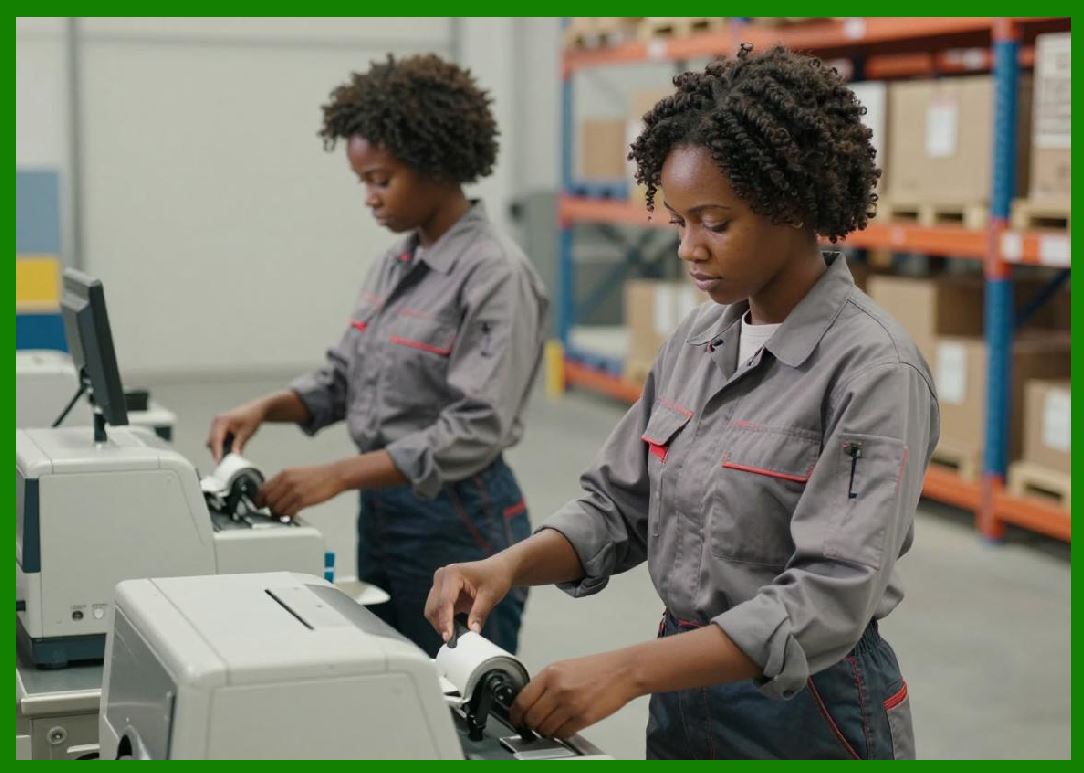
Reliability engineering is critical because even brief disruptions can affect thousands of orders. |
|
9.17 Real-Time Monitoring and Analytics |
The platform continuously monitors operational metrics. |
Monitoring systems analyze: |
1. Printer online status. |
2. Order processing speed. |
3. Delivery timing. |
4. Queue congestion. |
5. Network latency. |
6. Device health. |
7. Driver activity. |
8. Merchant performance. |
9. Regional traffic patterns. |
10. System-wide operational trends. |
Analytics support: |
1. Capacity planning. |
2. Performance optimization. |
3. Failure prediction. |
4. AI scheduling. |
5. Operational forecasting. |
6. Merchant evaluation. |
7. Logistics optimization. |
8. Customer experience analysis. |
9. Dynamic scaling. |
10. Business intelligence reporting. |
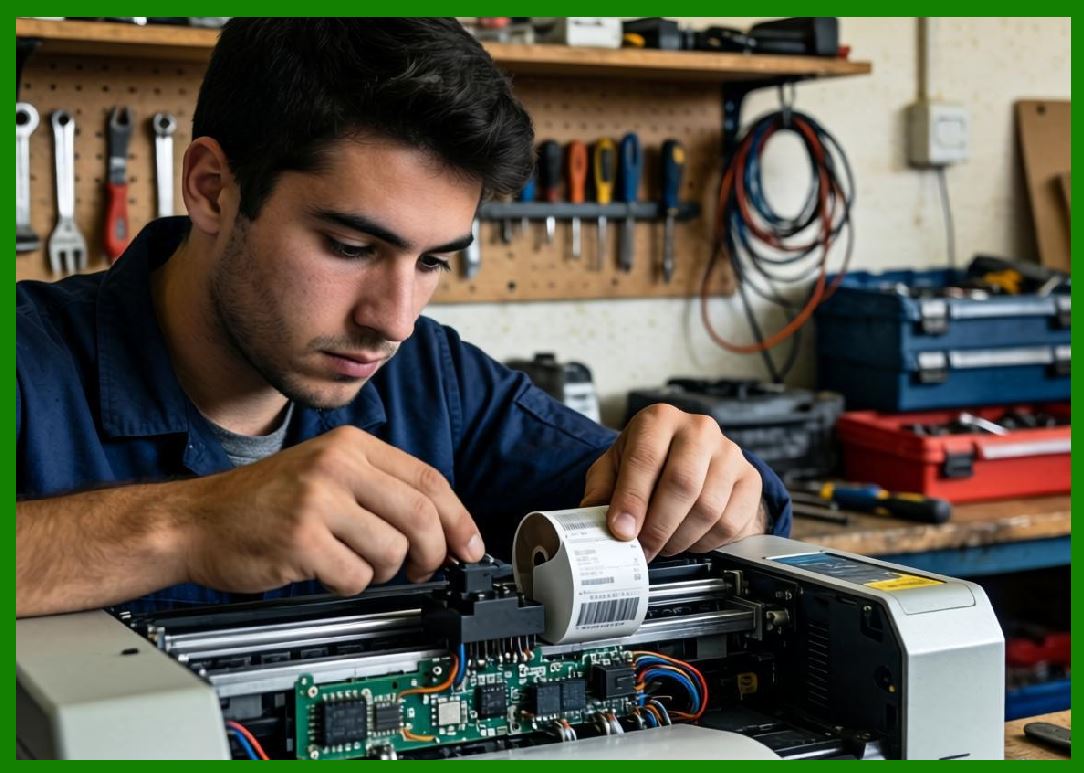
The platform operates as a massive real-time data processing ecosystem. |
|
9.18 AI and Machine Learning Integration |
Artificial intelligence increasingly influences operational workflows. |
AI systems may optimize: |
1. Order dispatch timing. |
2. Kitchen preparation estimation. |
3. Driver assignment. |
4. Queue balancing. |
5. Delivery route optimization. |
6. Printer failure prediction. |
7. Dynamic scaling. |
8. Merchant workload forecasting. |
9. Customer demand prediction. |
10. Real-time operational orchestration. |
AI-assisted cloud printing may dynamically: |
1. Adjust print priority. |
2. Route tasks intelligently. |
3. Predict congestion. |
4. Optimize preparation sequencing. |
5. Improve delivery coordination. |
6. Balance kitchen workloads. |
7. Reduce wait times. |
8. Improve customer satisfaction. |
9. Increase operational efficiency. |
10. Reduce infrastructure costs. |
AI is becoming central to large-scale operational ecosystems. |

|
9.19 Security and Data Protection |
Food delivery platforms process highly sensitive data. |
Protected information includes: |
1. Customer addresses. |
2. Payment information. |
3. Merchant business data. |
4. Delivery routes. |
5. Driver information. |
6. Order history. |
7. Operational analytics. |
8. Authentication credentials. |
9. Customer behavior patterns. |
10. Commercial intelligence. |
Security systems therefore include: |
1. TLS encryption. |
2. Device authentication. |
3. Access control. |
4. API security. |
5. Secure firmware. |
6. Cloud isolation. |
7. Threat monitoring. |
8. Intrusion detection. |
9. Compliance enforcement. |
10. Security auditing. |
Cloud printers themselves are treated as secure IoT endpoints. |

|
9.20 Operational Impact on China Digital Economy |
The integration of cloud printing into platforms such as Meituan had major economic and technological impacts. |
The technology enabled: |
1. Massive food delivery scalability. |
2. Real-time urban logistics. |
3. Intelligent restaurant operations. |
4. Mobile commerce expansion. |
5. QR-code ecosystem growth. |
6. Automated workflow coordination. |
7. Smart city infrastructure development. |
8. Delivery workforce optimization. |
9. AI-driven logistics innovation. |
10. Large-scale operational digitalization. |
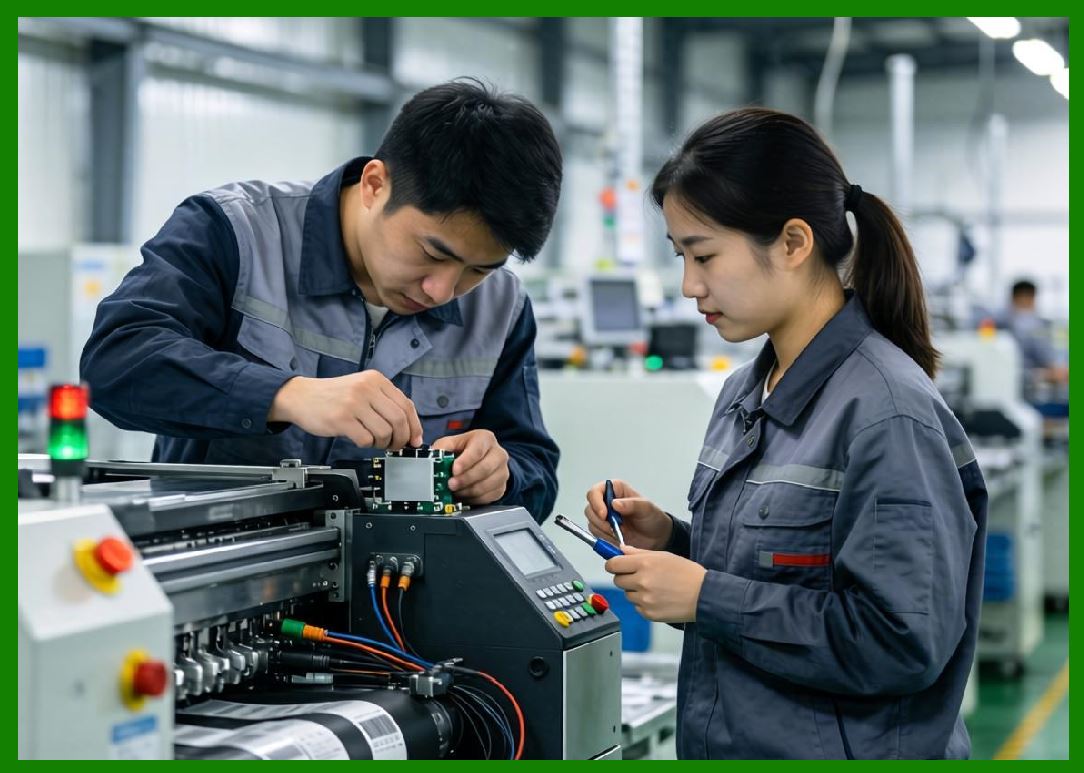
Cloud printing became a foundational infrastructure layer within China modern digital service economy. |
|
9.21 Future Evolution of Meituan-Style Cloud Printing Systems |
Future development trends likely include: |
1. Fully AI-driven operations. |
2. Autonomous kitchen coordination. |
3. Robot-assisted delivery integration. |
4. Smart packaging automation. |
5. Advanced edge AI processing. |
6. Predictive logistics orchestration. |
7. Intelligent multi-platform integration. |
8. Real-time digital twin systems. |
9. Autonomous infrastructure recovery. |
10. Ultra-low-latency distributed edge networks. |
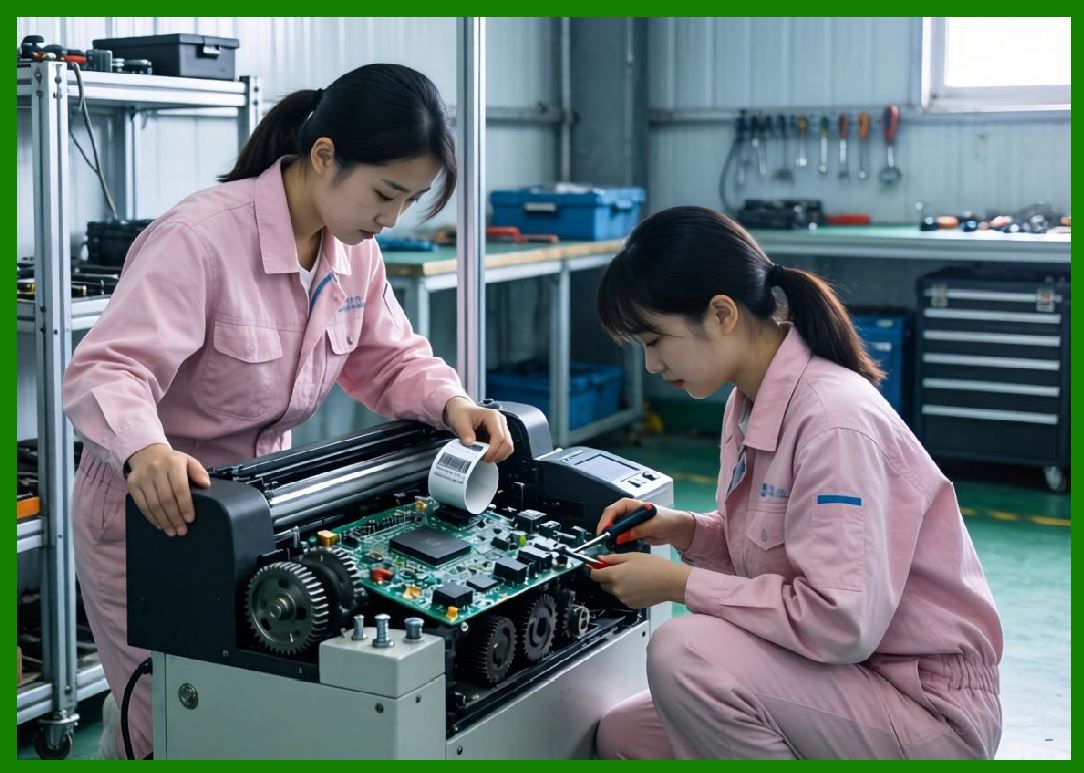
Cloud printing systems will likely evolve into increasingly autonomous intelligent operational ecosystems. |
|
Part 9 Technical Summary |
This part explored the technical architecture and operational model of Meituan cloud printing and intelligent food delivery ecosystem. The discussion covered customer ordering systems, merchant management platforms, cloud printer onboarding, real-time order transmission, automatic kitchen ticket printing, and barcode-driven delivery coordination. |
The article analyzed intelligent kitchen workflows, dispatch synchronization, driver coordination systems, distributed cloud infrastructure, AI-assisted operational orchestration, fault tolerance engineering, security systems, and large-scale analytics infrastructure. |
Special emphasis was placed on how cloud printing functions as a critical operational bridge between digital customer transactions and real-world restaurant preparation and delivery execution. |
The section demonstrated how Meituan-style cloud printing ecosystems represent one of the most advanced real-time distributed operational infrastructures in the modern digital economy, integrating cloud computing, IoT communication, AI optimization, mobile internet, and intelligent logistics coordination at massive scale. |
In the next part, the discussion will focus specifically on fully automatic order receiving technology, including merchant-side automation, intelligent order queues, automatic confirmation workflows, event-driven communication systems, real-time synchronization, cloud-triggered printing pipelines, and autonomous operational coordination mechanisms used in modern food delivery platforms. |
 cs@easiersoft.com