Historical Development of Barcode Printing Technology (Part 18) |
*(Focus: Security, Anti-Counterfeiting, Authentication Technologies, Encrypted Barcodes, and Advanced Traceability Systems)* |
152. Introduction to Security in Barcode Printing |
152.1 |
As barcode technology became deeply embedded in global supply chains, healthcare systems, finance, and identity management, security and anti-counterfeiting emerged as critical concerns. Barcodes are no longer just identifiers they often represent valuable, sensitive, or regulated information. |
152.2 |
Security challenges include: |
152.2.1 |
Product counterfeiting |
152.2.2 |
Data tampering |
152.2.3 |
Unauthorized duplication of labels |
152.2.4 |
Fraudulent tracking information |
152.3 |
To address these challenges, barcode printing technology has evolved to incorporate advanced security mechanisms, authentication systems, and traceability frameworks. |
153. Fundamentals of Barcode Security |
153.1 Vulnerabilities of Traditional Barcodes |
153.1.1 |
Traditional barcodes (especially 1D formats) are inherently vulnerable: |
153.1.1.1 |
They can be easily copied or reproduced |
153.1.1.2 |
They lack built-in encryption |
153.1.1.3 |
They often store static data |
153.1.2 |
This makes them unsuitable for high-security applications without additional protections. |
153.2 Security Requirements |
153.2.1 |
Modern barcode systems must provide: |
153.2.1.1 |
Data integrity |
153.2.1.2 |
Authentication |
153.2.1.3 |
Traceability |
153.2.1.4 |
Resistance to duplication |
|
154. Secure Barcode Symbologies |
154.1 Two-Dimensional Codes with Enhanced Capabilities |
154.1.1 |
2D barcodes provide greater data capacity and flexibility. |
154.1.2 |
Examples include: |
154.1.2.1 |
QR Code |
154.1.2.2 |
Data Matrix |
154.1.3 |
These symbologies support: |
154.1.3.1 |
Large data payloads |
154.1.3.2 |
Error correction |
154.1.3.3 |
Structured data encoding |
154.2 Structured Append and Data Segmentation |
154.2.1 |
Data can be split across multiple symbols. |
154.2.2 |
This enhances flexibility and can support secure workflows. |
|
155. Encrypted Barcode Technologies |
155.1 Data Encryption within Barcodes |
155.1.1 |
Sensitive data can be encrypted before encoding. |
155.1.2 |
Encryption ensures that: |
155.1.2.1 |
Only authorized systems can decode the data |
155.1.2.2 |
Data remains secure even if the barcode is copied |
155.2 Public Key Infrastructure (PKI) |
155.2.1 |
PKI enables secure key management. |
155.2.2 |
Applications include: |
155.2.2.1 |
Digital signatures |
155.2.2.2 |
Authentication of barcode data |
155.3 Digital Signatures in Barcodes |
155.3.1 |
Digital signatures verify data authenticity. |
155.3.2 |
They ensure that: |
155.3.2.1 |
Data has not been altered |
155.3.2.2 |
The source is trusted |

|
156. Anti-Counterfeiting Techniques |
156.1 Visible Security Features |
156.1.1 |
Visible features include: |
156.1.1.1 |
Special inks |
156.1.1.2 |
Holographic elements |
156.1.1.3 |
Microtext |
156.2 Covert Security Features |
156.2.1 |
Covert features are hidden and require specialized tools. |
156.2.2 |
Examples include: |
156.2.2.1 |
UV-sensitive inks |
156.2.2.2 |
Infrared markings |
156.3 Digital Watermarking |
156.3.1 |
Digital watermarking embeds information into images or printed patterns. |
156.3.2 |
An example is Digimarc Barcode |
156.3.3 |
Advantages include: |
156.3.3.1 |
Invisibility to users |
156.3.3.2 |
Resistance to copying |
156.4 Serialization and Unique Identifiers |
156.4.1 |
Each item can be assigned a unique code. |
156.4.2 |
This enables: |
156.4.2.1 |
Item-level tracking |
156.4.2.2 |
Detection of duplicates |
|
157. Authentication and Verification Systems |
157.1 Online Verification Systems |
157.1.1 |
Barcodes can be verified against centralized databases. |
157.1.2 |
This allows real-time authentication. |
157.2 Offline Verification |
157.2.1 |
Offline systems use embedded security features. |
157.2.2 |
These do not require network connectivity. |
157.3 Multi-Factor Authentication |
157.3.1 |
Combining multiple methods enhances security: |
157.3.1.1 |
Barcode scanning |
157.3.1.2 |
Database verification |
157.3.1.3 |
Physical security features |

|
158. Integration with Traceability Systems |
158.1 Supply Chain Traceability |
158.1.1 |
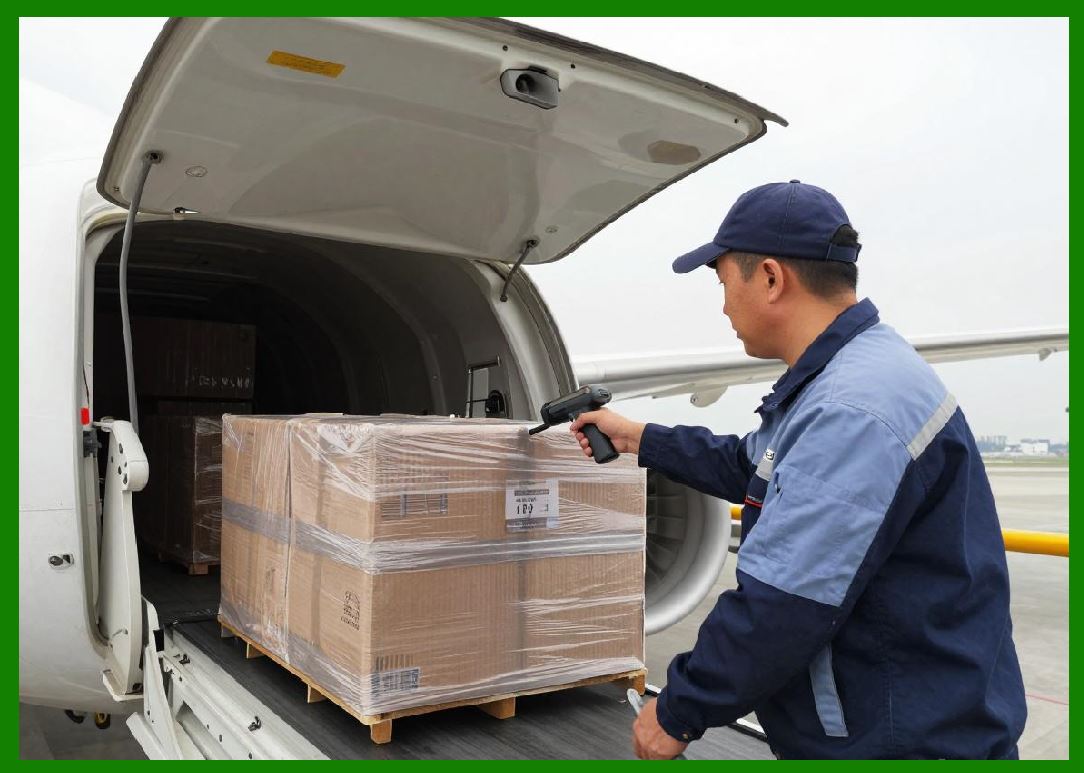
Barcodes enable tracking of products through supply chains. |
158.1.2 |
Secure systems ensure data integrity. |
158.2 Blockchain Integration |
158.2.1 |
Blockchain provides immutable records. |
158.2.2 |
Integration with barcodes enables: |
158.2.2.1 |
Transparent tracking |
158.2.2.2 |
Tamper-proof data |
158.3 Regulatory Traceability Requirements |
158.3.1 |
Industries such as pharmaceuticals require strict traceability. |
158.3.2 |
Barcodes support compliance with these regulations. |

|
159. Applications in High-Security Industries |
159.1 Pharmaceutical Industry |
159.1.1 |
Barcodes are used for: |
159.1.1.1 |
Drug authentication |
159.1.1.2 |
Anti-counterfeiting measures |
159.2 Government and Identity Systems |
159.2.1 |
Barcodes are used in: |
159.2.1.1 |
Passports |
159.2.1.2 |
ID cards |
159.3 Financial and Ticketing Systems |
159.3.1 |
Secure barcodes are used for: |
159.3.1.1 |
Event tickets |
159.3.1.2 |
Boarding passes |
|
160. Challenges in Secure Barcode Implementation |
160.1 |
Challenges include: |
160.1.1 |
Balancing security and usability |
160.1.2 |
Cost of implementation |
160.1.3 |
Compatibility with existing systems |
160.1.4 |
Resistance to advanced counterfeiting techniques |

|
161. Future Trends in Barcode Security |
161.1 |
Emerging trends include: |
161.1.1 |
AI-based fraud detection |
161.1.2 |
Advanced encryption methods |
161.1.3 |
Integration with IoT devices |
161.1.4 |
Expansion of digital watermarking technologies |

|
162. Summary of Part 18 |
162.1 |
Security is a critical aspect of modern barcode printing technology. |
162.2 |
Traditional barcodes are vulnerable without additional protections. |
162.3 |
Advanced techniques such as encryption, digital signatures, and watermarking enhance security. |
162.4 |
Traceability systems and blockchain integration improve transparency. |
162.5 |
Barcode security is essential in high-risk industries. |
162.6 |
Future innovations will continue to strengthen protection against counterfeiting and fraud. |
|
Next Step |
* Future innovations and emerging technologies |
* AI, machine learning, and smart printing systems |
* Integration with IoT and smart supply chains |
* The long-term future of barcode printing technology |
 cs@easiersoft.com